
Private & Secure: Comparing Online Therapy Platforms on Confidentiality for Anxiety


Welcome to Mind Care Guide, a space dedicated to nurturing your mental well-being.
Feeling anxious about the privacy of your online therapy sessions? You're not alone. Many seeking support for anxiety worry about online therapy confidentiality. We understand. This article dives deep into comparing online therapy platforms, specifically focusing on their security measures and how they impact your comfort. Ready to explore Private & Secure: Comparing Online Therapy Platforms on Confidentiality for Anxiety and uncover the truth about protecting your mental health journey? Let's begin.
Private & Secure: Comparing Online Therapy Platforms on Confidentiality for Anxiety
- Understanding Online Therapy Confidentiality and Anxiety
- Top Online Therapy Platforms and Their Confidentiality Measures
- Real-World Scenarios: Confidentiality Breaches and How to Avoid Them
- Beyond the Platform: Additional Steps to Ensure Online Therapy Privacy
- Making an Informed Choice: Selecting an Online Therapy Platform That Prioritizes Your Confidentiality
- Alternatives to Online Therapy: Exploring In-Person Options and Their Privacy Considerations
- Mind Care Guide's Recommendation: Balancing Confidentiality and Effective Anxiety Treatment
-
Frequently Asked Questions
- How confidential is online therapy for anxiety compared to traditional in-person therapy?
- What security measures should I look for in an online therapy platform to ensure my anxiety-related information is protected?
- What are the potential risks to confidentiality when using online therapy for anxiety, and how can I mitigate them?
- If I am experiencing anxiety, how can I address concerns about online therapy confidentiality with my therapist?
- What are the legal implications if an online therapy platform violates my confidentiality while I'm seeking help for anxiety?
- Final Reflection: The Silent Struggle and the Secure Space
- Unlock Your Path to Calmer Confidence: Next Steps for Anxiety Relief
Understanding Online Therapy Confidentiality and Anxiety
Privacy is a cornerstone of effective mental health treatment, and this is especially true for individuals seeking help for anxiety. For many, the decision to pursue therapy, whether online or in-person, requires a significant leap of trust. Sharing personal thoughts, fears, and vulnerabilities requires assurance that this sensitive information will remain confidential.
The very nature of anxiety can amplify concerns about judgment, exposure, or data breaches, making robust confidentiality measures not just a technicality, but a critical component of feeling safe enough to engage fully in the therapeutic process. Understanding the layers of privacy protection available is essential for anyone considering online therapy for anxiety.
The shift to digital platforms for mental health services has introduced new dimensions to the traditional concept of therapist-client confidentiality. While the core ethical and legal principles remain the same, the methods of ensuring privacy must adapt to the online environment. This involves understanding how data is transmitted, stored, and protected from unauthorized access.
For someone managing anxiety, the potential for a privacy lapse can become a significant barrier to seeking or continuing treatment. Therefore, a clear and empathetic explanation of how online therapy platforms handle confidentiality for anxiety sufferers is crucial for building trust and encouraging access to care.
Why Online Therapy Confidentiality Matters for Anxiety Treatment
For individuals struggling with anxiety disorders, such as Generalized Anxiety Disorder (GAD), Social Anxiety Disorder, or Panic Disorder, the fear of being exposed or judged is often a central component of their condition. This heightened sensitivity means that concerns about online therapy confidentiality anxiety can significantly impact their willingness to engage in treatment.
Knowing that their deepest anxieties, intrusive thoughts, or panic triggers shared during a session are truly private allows them to open up more freely, which is vital for the therapist to provide effective interventions. A perceived lack of security can lead to guarded communication, hindering progress and potentially exacerbating feelings of vulnerability.
Consider a person with social anxiety who finds it challenging to even speak about their struggles with close friends. The idea of sharing this with a therapist requires immense courage. If they then worry that the platform used for their online therapy session isn't fully secure, or that their session notes could be accessed, it could easily trigger overwhelming anxiety and lead them to discontinue therapy. Ensuring strong online therapy confidentiality for anxiety patients isn't just about legal compliance; it's about creating a safe psychological space where healing can occur without the added burden of privacy fears.
The Legal and Ethical Framework of Therapist-Client Confidentiality Online
The foundation of therapist-client confidentiality in the United States is deeply rooted in both ethical codes established by professional organizations like the American Psychological Association (APA) and the National Association of Social Workers (NASW), and federal law, most notably the Health Insurance Portability and Accountability Act of 1996 (HIPAA). These frameworks mandate that therapists protect the privacy of their clients' health information, known as Protected Health Information (PHI). PHI includes anything that can identify a client and relates to their health status, treatment, or payment for healthcare.
When therapy moves online, these same legal and ethical obligations apply. Online therapy platforms and the therapists using them must adhere to HIPAA's Security Rule and Privacy Rule, which dictate how PHI must be protected electronically. This includes implementing technical safeguards like encryption, administrative safeguards like policies on data access, and physical safeguards for any hardware involved. For anyone concerned about online therapy confidentiality anxiety, understanding that platforms are legally bound to protect their data under stringent regulations like HIPAA can provide a layer of reassurance, although the implementation details are critical.
Common Concerns About Privacy in Online Therapy for Anxiety Sufferers
Individuals with anxiety often experience heightened vigilance regarding potential threats, and this can extend to concerns about their digital privacy. Common worries related to online therapy confidentiality anxiety include the possibility of sessions being intercepted or recorded without consent, the security of personal information stored on the platform's servers, and the privacy of billing or payment details. There are also concerns about who within the platform might have access to their data and under what circumstances.
Beyond technical security, there are also anxieties related to the physical environment of online therapy. Clients worry about family members or housemates overhearing sessions if they don't have a private space. They might be concerned about the security of their own device or internet connection.
These practical considerations, combined with the inherent vulnerabilities associated with anxiety, underscore the need for platforms to not only have robust technical safeguards but also to provide clear guidance and support to clients on how they can maximize their own privacy during online sessions. Addressing these multifaceted concerns is key to fostering trust and enabling effective online anxiety treatment.
Top Online Therapy Platforms and Their Confidentiality Measures
When evaluating online therapy options for anxiety, a critical factor is the platform's commitment to privacy and data security. While most reputable platforms state they are HIPAA compliant, the specifics of how they implement these protections can vary. Understanding these differences is vital for anyone prioritizing online therapy confidentiality anxiety. This section delves into the policies and practices of some leading platforms.
Choosing a platform involves trusting them with highly sensitive personal health information. For someone already dealing with anxiety, this decision can be fraught with worry. Platforms must not only meet legal requirements but also clearly communicate their security measures in an understandable way. The level of transparency regarding data handling, encryption methods, and staff access to information directly impacts a user's confidence in the platform's ability to protect their privacy during online anxiety treatment.
Comparing Confidentiality Policies: A Deep Dive
Examining the privacy policies of online therapy platforms requires looking beyond simple claims of HIPAA compliance. It involves understanding how they handle data storage, access controls, and incident response plans. Key questions include: Where is data stored? Is it encrypted both in transit and at rest? Who within the company has access to client data, and for what purposes? How are third-party service providers vetted for security? These details are crucial for assessing the true level of online therapy confidentiality for anxiety users.
While specific implementation details are often proprietary, platforms generally outline their approach to security in their privacy policies and terms of service. Users concerned about online therapy confidentiality anxiety should read these documents carefully, looking for specific mentions of encryption standards (like AES 256-bit), secure data centers, and explicit statements about not selling or sharing personal health information without consent, except as required by law (e.g., in cases of imminent harm).
Talkspace Confidentiality for Anxiety: Is it Secure?
Talkspace generally emphasizes its commitment to privacy and security, stating that it is HIPAA compliant. Their platform utilizes encryption to protect communication between clients and therapists. They store client data in secure, encrypted servers and implement access controls to limit who can view PHI within the company. Talkspace's messaging-based therapy model also relies heavily on the security of their chat interface, which is designed to be more secure than standard messaging apps.
For individuals using Talkspace for anxiety treatment, the security of their asynchronous and live sessions is paramount. Talkspace's policy outlines that client data is not shared with third parties for marketing purposes and that they have measures in place to protect against unauthorized access. While no system is entirely immune to risks, Talkspace's public statements indicate a focus on technical and administrative safeguards designed to meet regulatory requirements and address user concerns about online therapy confidentiality anxiety.
BetterHelp Confidentiality for Anxiety: What You Need to Know
BetterHelp is another widely used online therapy platform that states its adherence to HIPAA standards. They describe using bank-grade encryption for communication and storing data on secure servers. BetterHelp also mentions implementing strict access controls for their personnel. Their platform allows for various communication methods, including messaging, live chat, phone calls, and video sessions, each requiring specific security considerations.
Clients using BetterHelp for anxiety therapy rely on the platform's infrastructure to protect their sensitive conversations and information. BetterHelp's privacy policy details how they collect, use, and protect personal information. They generally state that therapy session content is kept confidential, similar to traditional therapy. Understanding BetterHelp's approach to data handling and security protocols is essential for users concerned about the privacy of their online anxiety treatment.
Amwell Confidentiality for Anxiety: Data Protection Practices
Amwell (formerly American Well) is a telehealth platform that includes mental health services. Like other major platforms, Amwell states that it is HIPAA compliant and employs various security measures to protect patient data. This includes encryption for data transmission and storage, secure data centers, and access controls. Amwell's focus is broader than just mental health, operating across various medical disciplines, which means their security infrastructure is designed to handle a wide range of sensitive health information.
For individuals seeking anxiety therapy through Amwell, their privacy is protected by the platform's overarching telehealth security framework. Amwell's privacy policy outlines their commitment to protecting PHI in accordance with HIPAA. Their platform is designed to facilitate secure video sessions, which is often a preferred method for anxiety treatment as it allows for non-verbal cues. Users concerned about online therapy confidentiality anxiety on Amwell should review their specific privacy practices related to mental health services.
Brightside Health Confidentiality: A Secure Option for Anxiety Therapy?
Brightside Health specializes in treating depression and anxiety, offering both therapy and medication management. As a healthcare provider handling PHI, Brightside Health states its compliance with HIPAA. They utilize encryption and other security measures to protect client data and communications. Their platform is specifically built for mental health treatment, which allows for tailored security considerations relevant to this field.
Brightside Health's approach to privacy for anxiety treatment involves securing personal health information throughout the treatment process, from initial assessment to ongoing therapy and medication management. Their privacy policy details how client information is collected, used, and protected, emphasizing that it is not shared without consent except where legally required. For users prioritizing a platform specifically focused on anxiety and depression, Brightside Health's dedicated approach to online therapy confidentiality anxiety within this niche may be a key factor in their decision.
Encryption Standards and Data Security Protocols Used by Online Therapy Platforms
A fundamental technical safeguard for online therapy confidentiality anxiety is encryption. Encryption converts data into a coded format, rendering it unreadable to anyone without the decryption key. Reputable platforms typically use strong encryption methods, such as AES 256-bit encryption, for data stored on their servers (encryption at rest) and protocols like TLS/SSL (Transport Layer Security/Secure Sockets Layer) to encrypt data as it travels between the user's device and the platform's servers (encryption in transit).
Beyond encryption, platforms employ various data security protocols. This includes implementing firewalls to block unauthorized network access, intrusion detection systems to monitor for malicious activity, and regular security audits and vulnerability testing. Access controls are also crucial, ensuring that only authorized personnel with a legitimate need can access client data. These technical measures form the backbone of protecting online therapy confidentiality for anxiety sufferers from external threats.
HIPAA Compliance and Online Mental Health Services
HIPAA compliance is not a single checkbox but a comprehensive set of rules that healthcare providers and their business associates must follow. For online therapy platforms, this means ensuring the confidentiality, integrity, and availability of all electronic Protected Health Information (ePHI). This involves conducting risk assessments to identify potential vulnerabilities, implementing security policies and procedures, and training staff on privacy and security protocols.
A platform stating it is HIPAA compliant is indicating that it has taken steps to meet these federal requirements. However, the level of detail and rigor in their implementation can vary. For individuals concerned about online therapy confidentiality anxiety, it is important to understand that HIPAA provides a legal baseline for data protection, but platform-specific policies and security practices offer additional layers of assurance. Looking for platforms that go beyond the minimum requirements can be beneficial.
Real-World Scenarios: Confidentiality Breaches and How to Avoid Them
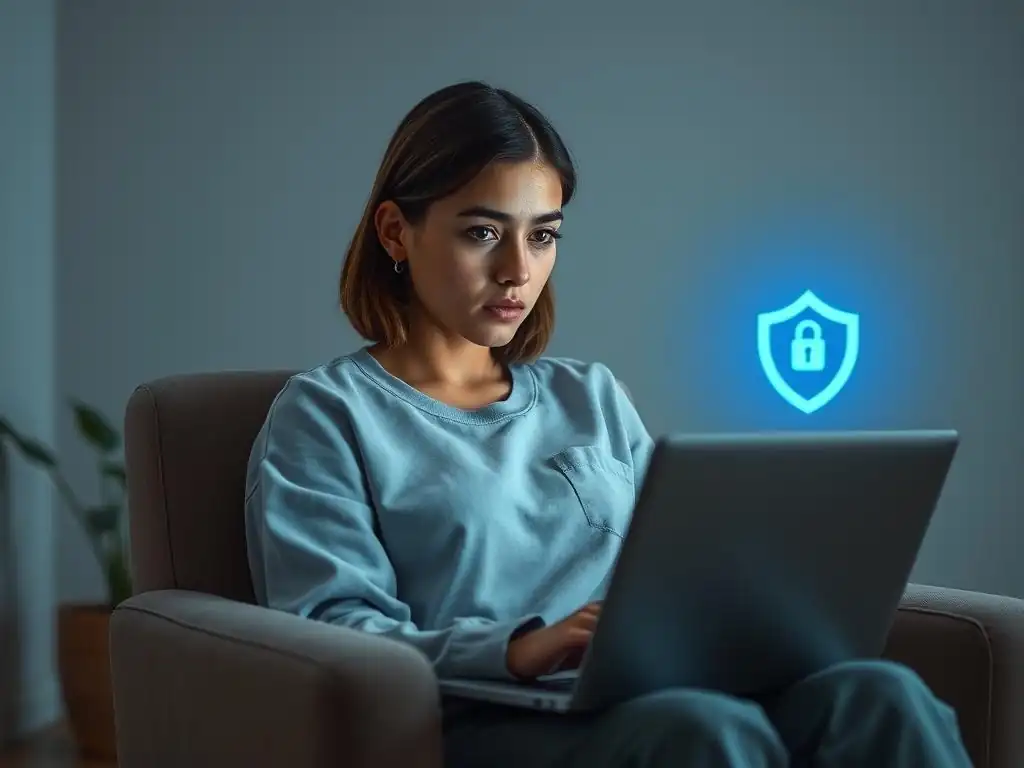
While online therapy platforms implement robust security measures, potential vulnerabilities can still exist, often stemming from external threats or user-side issues. Understanding these real-world scenarios is crucial for managing online therapy confidentiality anxiety and taking proactive steps to protect your privacy.
It's important to note that widespread data breaches specifically targeting therapy session content on major platforms are rare, but general cybersecurity threats are common. Being aware of potential risks helps users maintain vigilance. The focus here is on plausible scenarios and how to mitigate them, rather than suggesting that breaches are frequent occurrences.
Case Study 1: Potential Risks with Unsecured Messaging Apps
Imagine a scenario where a therapist, perhaps trying to be convenient, suggests communicating briefly between sessions using a standard, unsecured messaging app like WhatsApp or SMS for appointment reminders or quick questions. While seemingly harmless, these apps often lack the end-to-end encryption and HIPAA-compliant infrastructure required for handling PHI. A client might inadvertently share a sensitive detail about their anxiety or treatment in such a message.
- Risk: Data shared via unsecured apps could be intercepted, stored on less secure servers, or accessed if the therapist's or client's device is compromised. This directly compromises online therapy confidentiality anxiety.
- How to Avoid: Always communicate with your therapist only through the secure, HIPAA-compliant platform provided. If a therapist suggests using an external app for anything beyond basic scheduling (without any clinical context), politely decline and explain your preference for using the secure platform. Ensure the platform's messaging feature is encrypted and part of their secure system.
Case Study 2: Identifying and Avoiding Phishing Scams Targeting Therapy Clients
Consider a situation where a therapy client receives an email that looks like it's from their online therapy platform, asking them to "verify account details" by clicking a link and logging in. The email might contain a subtle typo or a slightly off-brand logo, but it appears convincing. Clicking the link leads to a fake login page designed to steal their username and password.
- Risk: Entering credentials on a fake site gives attackers access to the client's therapy account, potentially exposing session history, personal information, and billing details. This is a direct attack on online therapy confidentiality for anxiety sufferers.
- How to Avoid: Be extremely cautious of emails or messages asking for login information or personal data. Never click links in suspicious emails. Always navigate directly to the online therapy platform's official website to log in. Platforms typically advise that they will not ask for sensitive information or login credentials via email. If in doubt, contact the platform's support directly through their official website or a known phone number.
Tips for Protecting Your Privacy During Online Therapy Sessions for Anxiety
While platforms provide security, clients also play a crucial role in maintaining online therapy confidentiality anxiety. Taking personal steps can significantly enhance the security of your sessions.
- Choose a Private Location: Ensure you are in a private room where you cannot be overheard or interrupted during your session. Use headphones to prevent sound leakage.
- Secure Your Device: Use a strong, unique password or biometric security to lock your computer or phone. Keep your device's operating system and the therapy platform app updated to patch security vulnerabilities.
- Avoid Public Wi-Fi: Never conduct therapy sessions using public Wi-Fi networks (e.g., at cafes, libraries) as they are often unsecured and susceptible to eavesdropping.
- Close Unnecessary Applications: Close other apps and browser tabs on your device during the session to minimize potential software conflicts or background activity that could pose a minor security risk.
- Be Mindful of Your Environment: Ensure no sensitive documents or personal information are visible in the background during video sessions.
Beyond the Platform: Additional Steps to Ensure Online Therapy Privacy
Protecting online therapy confidentiality anxiety extends beyond the platform's built-in security features. The environment and tools you use on your end can significantly impact the privacy of your sessions and data. Taking control of these external factors adds another layer of security and peace of mind.
These additional steps are particularly important for individuals with anxiety who may feel a greater need for control over their personal space and data security. Implementing these practices can help alleviate some of the technical worries associated with online therapy.
Choosing a Secure Home Network for Online Therapy
Your home internet connection is the conduit for your online therapy sessions. An unsecured network can be a potential vulnerability. Ensure your home Wi-Fi network is password-protected using a strong encryption standard like WPA2 or WPA3. Avoid using the default password that came with your router.
Consider the physical range of your Wi-Fi signal. If you live in close proximity to neighbors, ensuring strong encryption prevents them from potentially accessing your network. Regularly updating your router's firmware can also patch security vulnerabilities. A secure home network is a foundational element for maintaining online therapy confidentiality for anxiety treatment.
Creating Strong Passwords and Protecting Your Account
Weak or reused passwords are a major security risk. Use a strong, unique password for your online therapy account – ideally one that is long, combines uppercase and lowercase letters, numbers, and symbols. Do not use personal information like birth dates or names.
Enable two-factor authentication (2FA) if the platform offers it. This adds an extra layer of security by requiring a second form of verification (like a code sent to your phone) in addition to your password. Never share your password with anyone. Using a password manager can help you create and store strong, unique passwords for all your online accounts, further enhancing your online therapy confidentiality anxiety protection.
Using a VPN for Enhanced Privacy During Therapy Sessions
For an added layer of privacy, consider using a Virtual Private Network (VPN) during your online therapy sessions. A VPN encrypts your internet connection and routes it through a server, masking your IP address and making your online activity much harder to track.
While reputable online therapy platforms use encryption, a VPN provides encryption from your device to the VPN server before it reaches the platform's server, adding another layer, particularly against potential snooping on your local network or by your Internet Service Provider (ISP). While not strictly necessary if the platform is fully encrypted, using a VPN can provide extra peace of mind for those highly concerned about online therapy confidentiality anxiety. Choose a reputable VPN provider with a strong no-logs policy.
Making an Informed Choice: Selecting an Online Therapy Platform That Prioritizes Your Confidentiality

Selecting an online therapy platform is a significant decision, and for individuals with anxiety, ensuring robust confidentiality measures is paramount. It requires active investigation and understanding of the platform's practices. Don't hesitate to ask questions and scrutinize their policies.
Empowering yourself with information about a platform's security protocols can help reduce anxiety related to privacy concerns and allow you to focus on the therapeutic work. An informed decision is the first step towards a secure and effective online therapy experience for anxiety.
Key Questions to Ask Before Starting Online Therapy
Before committing to a platform, consider contacting their support or reviewing their FAQ to ask specific questions about confidentiality and security. This demonstrates their responsiveness and transparency regarding online therapy confidentiality anxiety.
- Is the platform HIPAA compliant?
- How is my data encrypted (both in transit and at rest)?
- Where is my data stored, and for how long?
- Who within the company has access to my therapy session data?
- What are the protocols in case of a data breach?
- Can I request a copy of my records, and how is that process handled securely?
- Does the platform offer two-factor authentication for account login?
Understanding the Fine Print: Reviewing Terms of Service and Privacy Policies
While lengthy and often complex, the Terms of Service and Privacy Policy documents contain crucial information about how a platform handles your data. Pay close attention to sections on data collection, storage, sharing, and security measures. Look for clear statements about how therapy session content is treated.
Specifically, search for terms related to "confidentiality," "security," "HIPAA," "encryption," and "data storage." Note any clauses about potential data sharing (e.g., for research, aggregated data) and ensure you are comfortable with them. Understanding these documents is key to assessing online therapy confidentiality for anxiety users.
When to Seek Legal Counsel Regarding Confidentiality Concerns
In rare instances, you may have reason to believe your online therapy confidentiality has been breached or that a platform is not adhering to legal requirements. If you have concrete concerns about a potential privacy violation, it may be appropriate to seek legal counsel.
A lawyer specializing in healthcare privacy or data security can help you understand your rights under HIPAA and other relevant laws. They can advise you on how to report a potential breach to the platform, the Department of Health and Human Services (HHS), or other relevant authorities. While most online therapy experiences are secure, knowing your options in the event of a serious issue can provide peace of mind for those concerned about online therapy confidentiality anxiety.
Alternatives to Online Therapy: Exploring In-Person Options and Their Privacy Considerations
While this article focuses on online therapy confidentiality for anxiety, it's helpful to briefly consider in-person therapy as an alternative and compare the privacy considerations. Traditional, in-person therapy has long-established norms and legal frameworks for confidentiality, though it presents different types of privacy challenges.
Understanding the nuances of privacy in both modalities can help individuals choose the option that best suits their comfort level and needs regarding online therapy confidentiality anxiety versus traditional privacy concerns.
Comparing Confidentiality in Online vs. In-Person Therapy
In-person therapy relies on the physical security of the therapist's office and the verbal agreement of confidentiality between client and therapist, backed by legal and ethical codes. The primary privacy risk involves potential eavesdropping if the office is not soundproofed or if records are not stored securely (e.g., in locked filing cabinets). There's also the privacy concern of being seen entering or leaving a therapist's office by someone you know.
Online therapy, as discussed extensively, introduces technical risks related to data transmission, storage, and platform security. However, it can offer greater privacy in terms of location, allowing sessions from the anonymity of your own home. The choice between online and in-person therapy often involves weighing these different types of privacy considerations against personal preferences, accessibility, and the specific nature of one's anxiety. While the legal standard of confidentiality is the same, the methods of ensuring it differ significantly, impacting online therapy confidentiality anxiety perceptions.
The Role of State Licensing Boards in Protecting Patient Privacy
Therapists, whether practicing online or in-person, are licensed by state boards (e.g., Board of Psychology, Board of Social Work). These boards are responsible for regulating the practice of therapy within their state and enforcing ethical standards, including confidentiality.
If a client believes their therapist has violated confidentiality, they can file a complaint with the relevant state licensing board. These boards have the authority to investigate complaints and take disciplinary action against the therapist, which can range from a reprimand to license suspension or revocation. This oversight provides an additional layer of accountability and protection for patient privacy, applicable to therapists providing online therapy for anxiety as well as traditional services.
Mind Care Guide's Recommendation: Balancing Confidentiality and Effective Anxiety Treatment
Choosing the right online therapy platform for anxiety involves a careful balance between ensuring robust confidentiality and finding a therapist and treatment approach that is effective for your specific needs. While privacy is paramount, the quality of the therapeutic relationship and the efficacy of the treatment modality are equally important for managing anxiety.
Our recommendation focuses on platforms that demonstrate a strong commitment to security and transparency while also offering access to qualified professionals capable of providing evidence-based anxiety treatment. Remember that no system is 100% risk-free, but choosing a reputable platform and following personal security best practices can significantly mitigate potential privacy concerns related to online therapy confidentiality anxiety.
Talkspace for Robust Confidentiality and Anxiety Therapy
Talkspace stands out for its focus on secure messaging and live sessions, with stated HIPAA compliance and encryption measures. Their platform is designed specifically for therapy, which allows for tailored security considerations. For individuals with anxiety who may benefit from asynchronous communication or who prioritize a platform built with therapy at its core, Talkspace offers a strong option regarding online therapy confidentiality anxiety.
Their emphasis on secure, encrypted communication channels for both messaging and live sessions aligns well with the needs of users who require strong assurance that their sensitive information shared during anxiety treatment is protected.
Brightside Health for Users Prioritizing Ease of Use and Basic Security
Brightside Health, specializing in anxiety and depression, provides a platform focused on these specific conditions, which can be appealing to users seeking targeted treatment. They state HIPAA compliance and utilize standard security measures. For users who value a streamlined experience focused on their specific mental health needs and are satisfied with standard, compliant security practices, Brightside Health is a viable choice for online therapy confidentiality anxiety within their niche.
Their integrated approach to therapy and medication management means their security protocols cover a broader range of sensitive health information related to anxiety treatment.
Resources for Further Information on Online Therapy Confidentiality and Data Protection
For those who wish to delve deeper into the technical and legal aspects of online therapy confidentiality anxiety, several resources can provide more detailed information.
- The U.S. Department of Health and Human Services (HHS) website provides extensive information on HIPAA and patient privacy rights.
- Professional organizations like the American Psychological Association (APA) offer ethical guidelines for therapists regarding confidentiality, applicable to online practice.
- Cybersecurity resources and guides can provide tips on securing your home network, devices, and online accounts.
Staying informed is an excellent way to manage concerns about online therapy confidentiality anxiety and ensure you are taking all necessary steps to protect your privacy.
Frequently Asked Questions
How confidential is online therapy for anxiety compared to traditional in-person therapy?
Online therapy generally offers a comparable level of confidentiality to in-person therapy. Both are bound by ethical guidelines and legal regulations like HIPAA, ensuring your information is protected. However, understanding each platform's security measures is crucial.
Look for platforms that use end-to-end encryption, are HIPAA compliant, and have a clear privacy policy outlining how your data is stored and used. Verify that they offer secure video conferencing and messaging.
What are the potential risks to confidentiality when using online therapy for anxiety, and how can I mitigate them?
Risks include data breaches, unsecured Wi-Fi networks, and the potential for unauthorized access to your devices. Use strong passwords, secure your Wi-Fi, and regularly update your devices and the therapy platform's app.
If I am experiencing anxiety, how can I address concerns about online therapy confidentiality with my therapist?
Openly discuss your confidentiality concerns with your therapist during your initial consultation or at any point during therapy. Ask about their procedures for data security and how they maintain client privacy.
What are the legal implications if an online therapy platform violates my confidentiality while I'm seeking help for anxiety?
Depending on the jurisdiction and the specific violation, you may have grounds for legal action. Seek legal advice if you believe your confidentiality has been breached due to the platform's negligence or failure to comply with HIPAA or other relevant laws.
Final Reflection: The Silent Struggle and the Secure Space
The anxieties surrounding mental health are amplified in the digital age, yet the promise of accessible, confidential online therapy offers a lifeline. Finding a secure space to address these anxieties is paramount, and the choices available can feel overwhelming. This article explored the crucial aspect of confidentiality across various online therapy platforms, highlighting the need for informed decision-making in a landscape where privacy is not always guaranteed.
The journey towards mental wellness is deeply personal, and the level of trust placed in an online platform is immeasurable. The very act of seeking help online, often in the face of stigma and fear, requires a significant leap of faith. The platforms examined in this article represent a growing trend, a testament to the increasing need for accessible mental healthcare. However, the responsibility for ensuring confidentiality ultimately rests on both the provider and the user. The greatest barrier to mental health care is often the first step.
This quote underscores the importance of choosing a platform that prioritizes security and transparency, allowing individuals to take that crucial first step with confidence.
Consider the implications of your online activity, the data you share, and the level of security offered by your chosen platform. You deserve a space where you can openly discuss your anxieties without fear of compromise. Take the time to research, compare, and choose wisely. Your mental well-being is worth the effort, and the right platform can be the key to unlocking a path towards healing and peace of mind. Don't hesitate to prioritize your privacy and security – your journey to wellness begins with a secure foundation.
Unlock Your Path to Calmer Confidence: Next Steps for Anxiety Relief
Thanks for taking the time to explore the world of online therapy and prioritizing your mental wellbeing! We hope this comparison helped you understand the crucial aspect of confidentiality when choosing a platform. Now, it's time to take the next step towards a more peaceful you.
- Prioritize your mental health by researching platforms: Use the information you gained to narrow down your choices and compare features important to you. Consider factors like therapist specialties, pricing, and platform security features.
- Share your newfound knowledge: Help others navigate the world of online therapy by sharing this article with friends or family who might benefit from learning about secure platforms.
- Explore free resources: Many websites and apps offer free resources for managing anxiety. Consider starting with guided meditation or mindfulness exercises to see what works best for you.
What's one small step you can take today to prioritize your mental health and reduce anxiety?