
Mindfulness and Meditation: Tools for Women's Mental Calm


Welcome to Mind Care Guide, your sanctuary for cultivating inner peace and well-being.
Feeling overwhelmed? You're not alone. Many women experience unique challenges that impact their mental calm. In this article, we delve into Mindfulness for women’s calm, exploring practical techniques and insights to help you navigate stress and find moments of serenity in your everyday life. Discover how mindfulness can be a powerful tool to reclaim your inner peace and build resilience. Ready to begin your journey to a calmer you?
Mindfulness and Meditation: Tools for Women's Mental Calm
- Understanding Mindfulness for Women's Wellbeing
- Meditation Techniques for Women's Mental Health
-
Benefits of Mindfulness and Meditation for Women
- Reducing Stress and Anxiety Through Mindfulness Practices
- Improving Sleep Quality with Meditation for Women
- Enhancing Emotional Regulation and Resilience in Women
- Fostering Self-Compassion and Body Positivity Through Mindfulness
- Managing Hormonal Fluctuations and Their Impact on Mental Health with Mindfulness
- Integrating Mindfulness into Daily Life: Practical Tips for Women
- Addressing Common Challenges in Mindfulness Practice for Women
- Resources for Women Seeking Mindfulness and Meditation Support
- The Science Behind Mindfulness and Meditation's Impact on Women's Mental Health
- Conclusion: Embracing Mindfulness for a Calmer, More Balanced Life as a Woman
-
Frequently Asked Questions
- How can mindfulness and meditation specifically benefit women's mental well-being?
- What types of mindfulness exercises are most effective for promoting calm in women?
- How often should women practice mindfulness to experience noticeable improvements in their mental calm?
- Are there specific mindfulness resources tailored to women's unique mental health needs?
- How can women integrate mindfulness into their daily routines to maintain a sense of calm amidst busy schedules?
- Final Reflection: Cultivating Inner Peace in a Turbulent World
- Unlock Your Inner Calm: Start Your Mindfulness Journey Today!
Understanding Mindfulness for Women's Wellbeing
Defining Mindfulness: A Path to Inner Peace for Women
Mindfulness is the practice of intentionally bringing one's attention to the present moment without judgment. It involves observing thoughts, feelings, bodily sensations, and the surrounding environment with a sense of openness and curiosity. For women navigating the complexities of modern life, cultivating mindfulness can be a powerful tool for fostering inner peace and enhancing overall wellbeing. It's not about emptying the mind, but rather about changing our relationship with our thoughts and emotions, recognizing them as transient events rather than absolute truths. This shift in perspective is fundamental to achieving mindfulness for women’s calm.
This practice encourages women to step out of autopilot mode and engage fully with their current experience. By paying attention to the simple acts of breathing, walking, or eating, a woman can anchor herself in the present, reducing the tendency to dwell on past worries or future anxieties. This deliberate focus helps build a greater awareness of internal states and external stimuli, enabling a more measured and less reactive response to daily stressors. Developing this present-moment awareness is a cornerstone of improving mindfulness for women’s calm and resilience.
The Unique Mental Health Challenges Faced by Women
Women often face distinct mental health challenges shaped by biological factors, societal expectations, and life experiences. Hormonal fluctuations throughout the menstrual cycle, pregnancy, postpartum period, and menopause can significantly impact mood and stress levels. Societal pressures related to appearance, caregiving roles, and work-life balance contribute to higher rates of anxiety and depression in women compared to men. Data from various health organizations consistently show that women are approximately twice as likely as men to be diagnosed with anxiety disorders and depression.
Furthermore, women are disproportionately affected by specific issues such as postpartum depression, perimenopausal mood swings, and the mental health impacts of gender-based violence. The constant juggling of multiple roles – often as mothers, partners, daughters, and professionals – can lead to chronic stress and burnout. For instance, studies indicate that working mothers often experience higher levels of stress and report feeling more overwhelmed than their male counterparts. Addressing these unique pressures requires targeted strategies, and mindfulness offers a promising avenue for building coping mechanisms and fostering mindfulness for women’s calm.
Why Mindfulness is Particularly Effective for Women
Mindfulness offers a unique set of benefits that directly address many of the mental health challenges women face. By cultivating non-judgmental awareness, women can learn to observe self-critical thoughts and societal pressures without internalizing them. This is particularly crucial given the often intense scrutiny women face regarding their appearance, choices, and roles.
Practicing mindfulness helps to create a mental buffer, allowing women to respond to internal and external pressures with greater clarity and less emotional reactivity. It provides a space to pause and choose a response rather than automatically reacting from a place of stress or insecurity, a key aspect of achieving mindfulness for women’s calm.
Moreover, mindfulness practices, such as body scan meditation, can help women develop a more positive and accepting relationship with their bodies, challenging negative body image issues prevalent in society. The focus on present-moment experience can also help women manage the emotional intensity associated with hormonal shifts, providing tools to ride the waves of mood changes rather than being overwhelmed by them.
The cultivation of self-compassion inherent in many mindfulness practices is also vital for women who often prioritize the needs of others over their own, leading to feelings of guilt or inadequacy. By nurturing self-compassion, women can build resilience and prioritize their own wellbeing, reinforcing the goal of mindfulness for women’s calm and overall health.
Meditation Techniques for Women's Mental Health
Guided Meditation for Stress Reduction in Women
Guided meditation involves following instructions from a teacher, recording, or app, which can be particularly helpful for beginners or those who find it challenging to quiet their minds independently. These sessions often focus on specific themes like stress relief, relaxation, or body awareness. For women, guided meditations can provide a structured and supportive way to unwind and reduce the accumulated stress from daily responsibilities. A typical guided session might involve being led through a body scan, focusing on breath, or visualizing a peaceful scene, all designed to soothe the nervous system.
The benefit of guided meditation lies in its accessibility and the gentle direction it provides. It removes the pressure of "doing it right" and allows the practitioner to simply listen and follow along. Many women find that having a calming voice guide them through the process makes it easier to stay focused and achieve a state of relaxation. For example, a 10-minute guided meditation focused on breath can significantly lower cortisol levels, the body's primary stress hormone, according to preliminary research. Regularly incorporating guided meditation into a routine is a practical step towards enhancing mindfulness for women’s calm.
Mindfulness Meditation for Anxiety Relief in Women
Mindfulness meditation, often practiced by focusing on the breath, is highly effective for managing anxiety. The core practice involves simply observing the breath as it enters and leaves the body, and gently bringing attention back whenever the mind wanders. This repetitive, non-judgmental redirection of attention trains the brain to be less reactive to anxious thoughts. When an anxious thought arises, instead of getting caught up in it, the practitioner learns to acknowledge it ("Oh, there's a worry about tomorrow") and gently return their focus to the breath.
This consistent practice builds the capacity to tolerate uncomfortable feelings and thoughts without being overwhelmed by them. For women experiencing anxiety, this means developing the ability to witness anxious feelings or physical sensations (like a racing heart) without spiraling into panic. Research indicates that consistent mindfulness meditation practice can lead to measurable reductions in anxiety symptoms, sometimes comparable to the effects of medication for mild to moderate cases.
An 8-week study on mindfulness-based stress reduction (MBSR), which heavily incorporates mindfulness meditation, showed significant decreases in self-reported anxiety scores among participants. This highlights the potential of mindfulness for women’s calm when dealing with anxiety.
Loving-Kindness Meditation: Cultivating Self-Compassion for Women
Loving-kindness meditation, also known as Metta meditation, involves directing feelings of warmth, kindness, and compassion towards oneself and others. This practice often starts by focusing on oneself, silently repeating phrases like "May I be happy. May I be healthy. May I be safe. May I live with ease." This is then extended to loved ones, neutral people, difficult people, and eventually all beings. For women, who are often socialized to be highly critical of themselves and prioritize others' needs, cultivating self-compassion through Metta is profoundly healing.
This form of meditation directly counteracts the harsh self-criticism that many women internalize. By intentionally directing kindness inwards, women can begin to challenge negative self-talk and build a stronger sense of self-worth. Studies on loving-kindness meditation have shown increases in positive emotions and reductions in self-criticism and depression symptoms. For instance, a study published in the Journal of Clinical Psychology found that participants who practiced loving-kindness meditation for six weeks reported significantly higher levels of self-compassion and wellbeing. This practice is a vital component in fostering mindfulness for women’s calm by nurturing a gentler internal dialogue.
Body Scan Meditation for Improved Body Awareness and Calm in Women
Body scan meditation involves systematically bringing attention to different parts of the body, noticing any sensations present without judgment. It's a practice of grounding oneself in the physical reality of the present moment. Starting from the toes and slowly moving up to the top of the head, the practitioner simply observes physical feelings – warmth, coolness, tingling, pressure, or absence of sensation. This practice is particularly beneficial for women as it encourages a non-judgmental relationship with their physical form, which can be challenging in a society focused on idealized body images.
By regularly practicing body scans, women can become more attuned to their body's signals, recognizing tension or stress held physically (e.g., in the shoulders or jaw). This awareness is the first step in releasing that tension. It also helps in developing interoceptive awareness – the ability to perceive internal bodily states – which is linked to better emotional regulation.
For example, recognizing the physical sensation of anxiety (like tightness in the chest) earlier allows for a more mindful response. Research on body scan meditation has shown improvements in body image satisfaction and reductions in chronic pain perception, contributing significantly to mindfulness for women’s calm by fostering acceptance and release of physical tension.
Benefits of Mindfulness and Meditation for Women
Reducing Stress and Anxiety Through Mindfulness Practices
Mindfulness and meditation are extensively researched for their efficacy in reducing stress and anxiety, and these benefits are particularly relevant for women who experience higher rates of these conditions. By training the mind to stay present and observe thoughts without attachment, these practices help to interrupt the cycle of worry and rumination that fuels anxiety. The simple act of focusing on the breath activates the parasympathetic nervous system, counteracting the "fight or flight" response triggered by stress.
Consistent practice has been shown to lead to physiological changes, such as lower heart rate and blood pressure, and a decrease in the stress hormone cortisol. For example, participants in MBSR programs have shown a reduction in reported stress levels by as much as 30% after the course. This reduction in the subjective experience and physiological markers of stress directly contributes to achieving mindfulness for women’s calm and improving their overall mental health.
Improving Sleep Quality with Meditation for Women
Sleep disturbances are common among women, often linked to stress, anxiety, hormonal changes, and caregiving demands. Meditation practices, particularly those focused on relaxation and body awareness, can significantly improve sleep quality. By calming the nervous system and quieting the busy mind that often keeps women awake, meditation creates a state conducive to falling asleep and staying asleep.
Regular evening meditation, such as a body scan or guided relaxation, can help women unwind from the day's stresses and transition into a restful state. Studies have demonstrated that mindfulness meditation can improve sleep onset latency (how quickly you fall asleep) and reduce nighttime awakenings.
For instance, a study published in JAMA Internal Medicine found that mindfulness meditation training resulted in significant improvements in sleep quality and reduced insomnia symptoms among older adults, a benefit highly applicable to women experiencing age-related sleep issues. Embracing meditation as part of a nighttime routine is a powerful strategy for enhancing mindfulness for women’s calm and restorative rest.
Enhancing Emotional Regulation and Resilience in Women
Mindfulness meditation cultivates the ability to observe emotions without being overwhelmed by them. Instead of reacting impulsively to feelings like anger, sadness, or frustration, a mindful woman can acknowledge the emotion, understand its transient nature, and choose a skillful response. This enhanced emotional regulation is crucial for navigating the complexities of relationships, work, and personal challenges.
This practice builds resilience by helping women bounce back from difficult experiences. By fostering acceptance of the present moment, even when it's challenging, mindfulness reduces resistance to difficult emotions, which paradoxically lessens their power. Research shows that mindfulness practice strengthens areas of the brain associated with emotional regulation, such as the prefrontal cortex. Participants in mindfulness interventions often report feeling more resilient and better equipped to handle life's inevitable ups and downs. Cultivating this inner strength is key to sustaining mindfulness for women’s calm and wellbeing.
Fostering Self-Compassion and Body Positivity Through Mindfulness
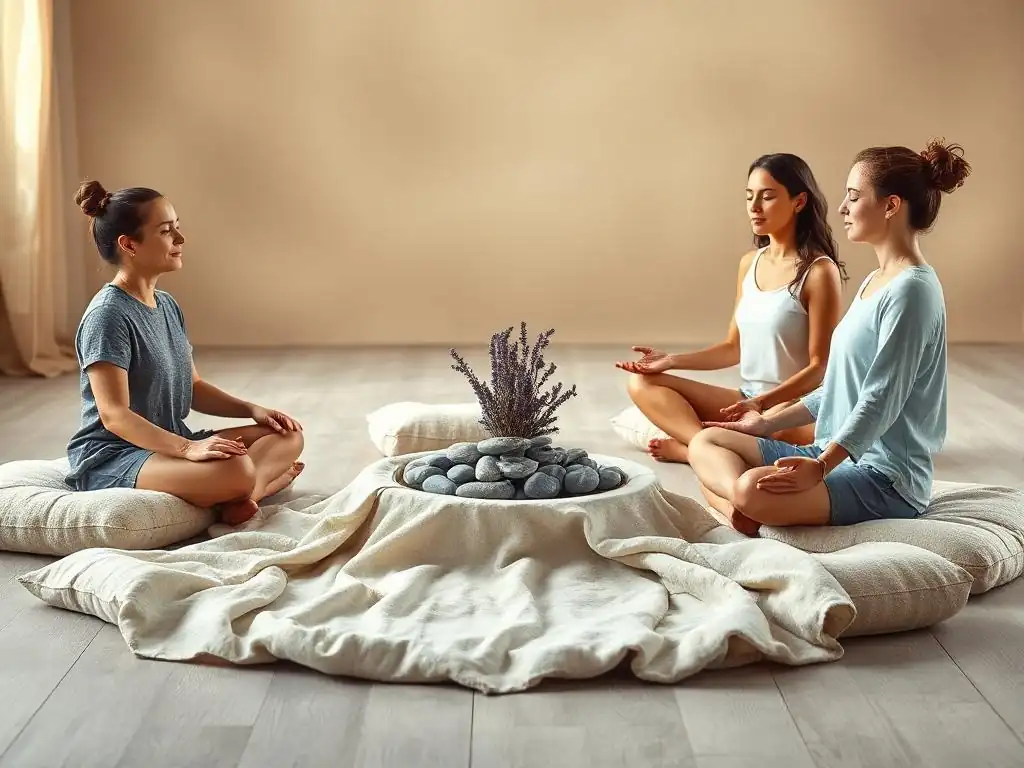
As discussed earlier, loving-kindness meditation is specifically designed to build self-compassion, a vital antidote to the self-criticism many women face. By intentionally directing kindness and understanding inwards, women can heal from negative self-talk and develop a more nurturing relationship with themselves. This is particularly important in the context of body image, where societal pressures can lead to significant distress.
Body scan meditation and mindful movement practices encourage women to inhabit their bodies with acceptance and gratitude, focusing on sensation rather than appearance. This shift from a critical external gaze to an accepting internal awareness can foster body positivity, recognizing the body's capabilities and inherent worth regardless of its shape or size. Studies link mindfulness practices to increased self-compassion and improved body image satisfaction among women, demonstrating their power in fostering mindfulness for women’s calm and self-acceptance.
Managing Hormonal Fluctuations and Their Impact on Mental Health with Mindfulness
Hormonal changes throughout a woman's life cycle – puberty, menstruation, pregnancy, postpartum, perimenopause, and menopause – can significantly influence mood, energy levels, and overall mental state. These fluctuations can exacerbate existing mental health conditions or trigger new ones, such as Premenstrual Dysphoric Disorder (PMDD), postpartum depression, or menopausal anxiety. Mindfulness offers tools to navigate these hormonal shifts with greater ease.
While mindfulness doesn't alter hormone levels, it changes a woman's relationship with the symptoms. By practicing mindful awareness, women can observe mood swings, irritability, or fatigue without judgment or getting completely swept away by them. This non-reactive observation helps to reduce the secondary suffering that often arises from resisting or feeling overwhelmed by hormonal symptoms.
For example, mindful breathing can be used during moments of intense hormonal-induced anxiety or hot flashes to ground oneself. Preliminary research suggests that mindfulness interventions can help women manage the psychological symptoms associated with menopause and PMDD, contributing to greater mindfulness for women’s calm during these transitions.
Integrating Mindfulness into Daily Life: Practical Tips for Women
Creating a Dedicated Mindfulness Practice Space
Having a specific place for your formal mindfulness or meditation practice can help establish a routine and signal to your brain that it's time to slow down. This space doesn't need to be elaborate; it could be a corner of a room, a comfortable chair, or even just a cushion on the floor. The key is that it's a place where you feel calm and can minimize distractions.
Ensure the space is tidy and free from clutter, as visual chaos can be distracting. Some women find it helpful to add elements that promote relaxation, such as a plant, a calming color, or a small meaningful object. Even dedicating just a small area helps create a psychological anchor for your practice, making it easier to transition into a mindful state and cultivate mindfulness for women’s calm regularly.
Incorporating Mindful Moments Throughout the Day
Formal meditation sessions are beneficial, but mindfulness is also about bringing awareness to everyday activities. Look for opportunities to infuse mindfulness into routine tasks. This could be mindful eating, paying attention to the taste, texture, and smell of your food; mindful walking, noticing the sensation of your feet on the ground and the sights and sounds around you; or mindful washing dishes, feeling the temperature of the water and the texture of the soap.
These small moments of awareness add up, helping you stay grounded and present throughout the day. Setting gentle reminders on your phone or placing visual cues (like a sticky note) can help you remember to pause and take a mindful breath or notice your surroundings. Integrating these brief practices makes mindfulness less of a chore and more of a natural part of living, significantly contributing to mindfulness for women’s calm in the midst of a busy life.
Using Mindfulness Apps and Resources for Women
Many excellent mindfulness and meditation apps are available that offer guided meditations, timers, and tracking features. Apps like Calm, Headspace, Insight Timer, and Ten Percent Happier provide a wide variety of guided sessions tailored to different needs, including stress, anxiety, sleep, and self-compassion. Some apps even offer specific content related to women's health or life stages.
Beyond apps, numerous websites, podcasts, and online platforms offer free guided meditations, talks on mindfulness, and resources specifically addressing issues relevant to women. Exploring these resources can provide support, guidance, and a sense of community.
- Choose an app with a variety of guided meditations.
- Look for sessions specifically designed for stress or anxiety.
- Utilize features like daily reminders to stay consistent.
- Explore free resources like YouTube channels or podcasts focused on mindfulness for women.
These tools make it easier to access practice anytime, anywhere, supporting consistent effort in cultivating mindfulness for women’s calm.
Mindfulness and Meditation for Working Women: Strategies for a Balanced Life
Working women face unique pressures balancing professional responsibilities with personal life, often leading to high stress levels. Mindfulness and meditation can be powerful tools for managing work-related stress and preventing burnout. Incorporating short mindfulness breaks throughout the workday can help reset the mind and improve focus.
Strategies include taking a few minutes for mindful breathing before a meeting, eating lunch away from your desk and paying attention to the meal, or practicing a short body scan during a commute. Using the stairs mindfully, noticing the movement and breath, is another simple option. For instance, even a 2-minute breathing exercise can significantly reduce perceived stress levels in the moment, according to anecdotal reports from workplace mindfulness programs. Implementing these simple practices can help working women maintain mindfulness for women’s calm amidst demanding schedules.
Mindfulness for Mothers: Finding Calm Amidst the Chaos of Motherhood
Motherhood, while rewarding, is often accompanied by significant stress, sleep deprivation, and emotional challenges. Mindfulness offers mothers practical ways to find moments of calm and presence amidst the demands of caring for children. It's about being present with your child without judgment, but also about finding moments for self-care and grounding.
Mindful parenting techniques involve responding to children's behavior with awareness rather than reactivity. This could mean pausing before responding to a tantrum or mindfully engaging in playtime. Simple practices like taking three mindful breaths before opening the door after a long day, or mindfully sipping a cup of tea during nap time, can create small pockets of peace.
[ ] Take 3 mindful breaths before responding to a child's challenging behavior.
[ ] Practice mindful eating during a meal, even if it's quick.
[ ] Engage in a 5-minute guided meditation after children are asleep.
[ ] Mindfully observe sensations while holding your child.
These practices help mothers stay centered, manage frustration, and find joy in the present moments of parenting, enhancing mindfulness for women’s calm in the context of family life.
Addressing Common Challenges in Mindfulness Practice for Women
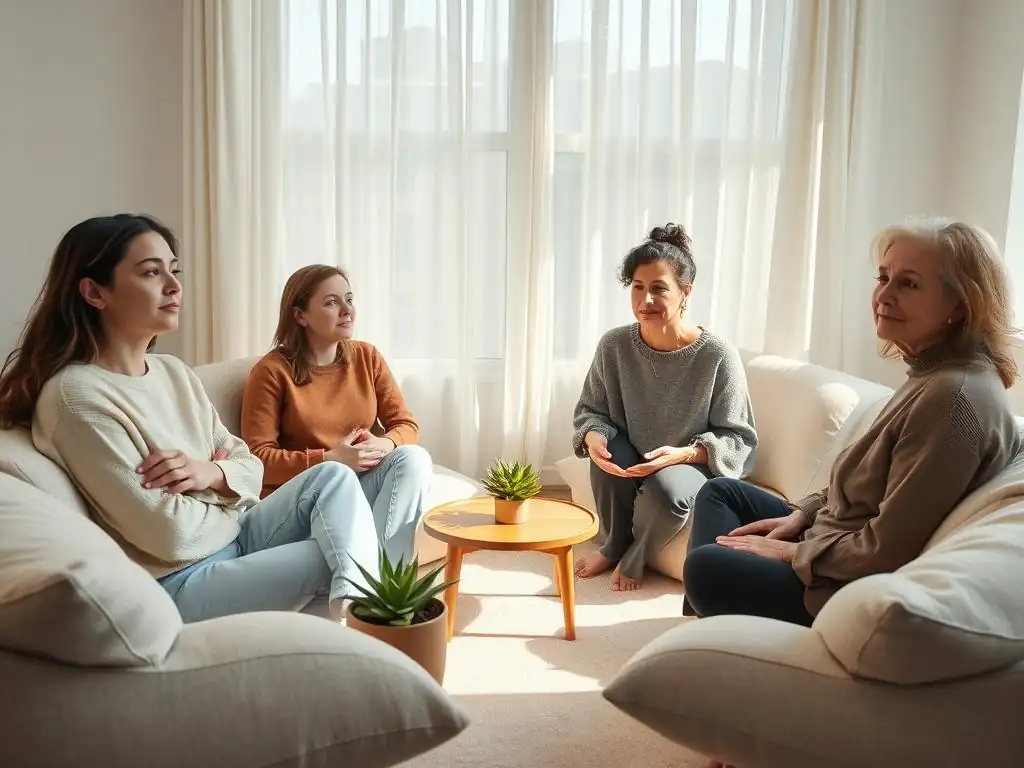
Overcoming Self-Criticism and Negative Thoughts
One of the most significant hurdles in mindfulness practice, particularly for women, is dealing with the inner critic and a barrage of negative thoughts. When trying to sit quietly, the mind often becomes louder, filling with self-judgment ("I'm not doing this right," "My mind is too busy") or worries. This can be discouraging and lead women to believe they are failing at mindfulness.
The key is to approach these thoughts with the same non-judgmental awareness practiced towards external stimuli. Recognize the thought as just a thought, not a reflection of reality or a personal failure. Acknowledge it ("Ah, there's the thought that I'm not good enough") and gently redirect attention back to the breath or the chosen anchor. Loving-kindness meditation is especially helpful here, actively cultivating a kinder internal voice. Understanding that a busy mind is normal, not a sign of failure, is crucial for maintaining consistent practice and achieving mindfulness for women’s calm despite inner noise.
Dealing with Distractions and Mind-Wandering
Distractions are a natural part of meditation and mindfulness. The mind is designed to think and wander. Expecting a completely empty mind is unrealistic and sets practitioners up for frustration. Distractions can be external (noises, sights) or internal (thoughts, emotions, physical sensations). The practice isn't about eliminating distractions but about noticing when the mind has wandered and gently guiding it back to the present moment, over and over again.
Think of it like training a puppy – when it wanders off, you gently lead it back, without scolding. Each time you notice your mind has drifted and you bring it back, you are strengthening the "muscle" of attention and awareness. Be patient and persistent. Shorter, more frequent practice sessions can sometimes be more manageable than long ones when first starting out. Learning to navigate distractions is a core skill built through mindfulness, essential for cultivating mindfulness for women’s calm in a chaotic world.
Staying Consistent with Your Mindfulness Practice
Consistency is key to experiencing the full benefits of mindfulness and meditation, but it can be challenging to maintain, especially with busy schedules. Women often struggle to carve out time for themselves amidst competing demands. Lack of perceived time, feeling too tired, or simply forgetting can all be barriers.
To foster consistency, try integrating practice into existing routines. Maybe it's five minutes of mindful breathing before breakfast, a short guided meditation during your commute, or a body scan before bed. Start small, even 5-10 minutes daily can make a difference. Use reminders (phone alarms, calendar entries) or link your practice to another habit (e.g., "after I brush my teeth, I will meditate for 5 minutes"). Finding an accountability partner or joining a mindfulness group can also provide motivation. Prioritizing this time for yourself is not selfish; it's essential for maintaining your wellbeing and sustaining mindfulness for women’s calm.
Resources for Women Seeking Mindfulness and Meditation Support
Books and Articles on Mindfulness for Women
Numerous books and articles delve into mindfulness and meditation with a specific focus on women's experiences and challenges. These resources can provide deeper understanding, practical guidance, and inspiration tailored to the female perspective.
Look for titles that address themes like managing stress in motherhood, navigating hormonal changes mindfully, cultivating self-compassion, or building resilience as a woman. Authors such as Tara Brach, Sharon Salzberg, and Kristin Neff have written extensively on mindfulness, meditation, and self-compassion, offering valuable insights applicable to women's lives. Searching for articles on "mindfulness for women’s calm" online can also yield a wealth of information and personal stories.
Mindfulness Workshops and Retreats Tailored for Women
Participating in workshops or retreats can provide an immersive experience and connect you with other women on a similar path. Workshops often focus on specific mindfulness techniques or themes relevant to women's lives, offering guided practice and group discussion.
Retreats provide an opportunity for a more extended period of practice and reflection away from daily distractions. Many centers offer women-only retreats, creating a supportive and understanding environment to deepen practice and explore challenges specific to women. While costs vary, many centers offer scholarships or sliding scale fees, making these experiences more accessible. These structured environments can significantly accelerate the journey towards mindfulness for women’s calm.
Online Mindfulness Communities and Support Groups for Women
Connecting with others who are practicing mindfulness can provide valuable support, motivation, and a sense of community. Numerous online platforms and social media groups are dedicated to mindfulness and meditation, some specifically for women.
These online communities offer a space to share experiences, ask questions, and receive encouragement. Participating in online guided sessions or challenges together can also foster consistency. While not a replacement for professional help if needed, these groups can provide peer support and practical tips from women navigating similar paths towards mindfulness for women’s calm and wellbeing.
The Science Behind Mindfulness and Meditation's Impact on Women's Mental Health
Neuroscientific Evidence Supporting Mindfulness for Women's Wellbeing
Neuroscience research increasingly supports the benefits of mindfulness and meditation, showing measurable changes in brain structure and function. Studies using fMRI scans have shown that consistent mindfulness practice can lead to increased gray matter density in areas associated with learning, memory, emotional regulation, and self-awareness, such as the hippocampus and prefrontal cortex. Conversely, there's often a decrease in the size of the amygdala, the brain's fear center, which is hyperactive in anxiety and stress.
These brain changes help explain why mindfulness improves emotional regulation and reduces reactivity to stress. For women, who may have heightened stress responses due to hormonal factors or societal pressures, these neurological benefits are particularly impactful. The strengthening of the prefrontal cortex aids in better decision-making and impulse control, while a less reactive amygdala means less time spent in states of fear or worry, directly contributing to mindfulness for women’s calm.
Research on Mindfulness and Hormonal Health in Women
While research specifically linking mindfulness to direct changes in sex hormone levels (like estrogen or progesterone) is still developing, studies have shown mindfulness's impact on stress hormones, which are intricately linked to the endocrine system. Chronic stress, marked by elevated cortisol, can disrupt the balance of other hormones, affecting menstrual cycles, fertility, and menopausal symptoms.
Mindfulness practice has been shown to lower cortisol levels. For example, studies have found that participants in mindfulness programs exhibit lower levels of cortisol in their saliva or hair samples compared to control groups. By mitigating the stress response, mindfulness can indirectly help buffer the negative impacts of stress on hormonal health and alleviate symptoms exacerbated by stress, such as PMDD or perimenopausal mood swings. This interplay underscores how mindfulness contributes to physical and mindfulness for women’s calm by managing the stress axis.
Studies on Mindfulness and Stress Reduction in Women
Numerous studies have specifically investigated the effects of mindfulness-based interventions on stress and anxiety in female populations. These studies consistently demonstrate positive outcomes. For instance, a meta-analysis of studies on MBSR and MBCT (Mindfulness-Based Cognitive Therapy) found significant reductions in symptoms of anxiety and depression across various populations, including those with stress-related conditions, with effect sizes often being moderate to large.
Specific studies focusing on women have shown similar results. Research on pregnant women practicing mindfulness has shown reduced anxiety and stress levels, potentially leading to better birth outcomes. Studies on women experiencing infertility stress have found that mindfulness interventions can significantly lower their perceived stress and improve coping. These findings provide strong evidence that mindfulness is a powerful and evidence-based tool for fostering mindfulness for women’s calm and resilience in the face of stress.
Conclusion: Embracing Mindfulness for a Calmer, More Balanced Life as a Woman
Mindfulness and meditation offer powerful, evidence-based tools for women seeking greater mental calm and wellbeing. From navigating the unique challenges of hormonal fluctuations and societal pressures to managing daily stress, anxiety, and the demands of various roles, these practices provide a pathway to enhanced emotional regulation, resilience, and self-compassion. By training the mind to stay present and observe experiences without judgment, women can cultivate a deeper sense of inner peace and develop healthier responses to life's inevitable difficulties.
Integrating mindfulness into daily life, whether through formal meditation, mindful moments, or utilizing supportive resources, is an investment in personal health and happiness. As research continues to uncover the profound neurological and psychological benefits, it becomes increasingly clear that prioritizing mindfulness is not a luxury, but a vital component of comprehensive mental healthcare for women. Embracing mindfulness for women’s calm is an empowering step towards living a more balanced, fulfilling, and peaceful life.
Frequently Asked Questions
How can mindfulness and meditation specifically benefit women's mental well-being?
Mindfulness and meditation can help women manage stress, anxiety, and hormonal fluctuations throughout their lives, fostering emotional resilience.
What types of mindfulness exercises are most effective for promoting calm in women?
Simple breathing exercises, body scan meditations, and mindful walking can be highly effective in cultivating present moment awareness and reducing stress levels in women.
How often should women practice mindfulness to experience noticeable improvements in their mental calm?
Even short, consistent sessions of mindfulness, such as 5-10 minutes daily, can lead to significant improvements in emotional regulation and a greater sense of inner peace over time.
Are there specific mindfulness resources tailored to women's unique mental health needs?
Yes, many apps, websites, and workshops offer guided meditations and mindfulness practices specifically designed to address women's issues, such as body image, relationships, and work-life balance.
How can women integrate mindfulness into their daily routines to maintain a sense of calm amidst busy schedules?
By incorporating mindfulness into activities like eating, walking, or even doing chores, women can cultivate a continuous awareness and reduce stress throughout the day, promoting overall mental well-being.
Final Reflection: Cultivating Inner Peace in a Turbulent World
The pursuit of mindfulness and meditation is not a fleeting trend; it's a vital lifeline in today's fast-paced, demanding world. The pressures on women, particularly, are immense, encompassing career ambitions, family responsibilities, and societal expectations. Finding moments of calm amidst this constant barrage is not a luxury, but a necessity for both mental and physical well-being. The practices explored in this article offer a pathway to reclaiming that peace, a path paved with self-compassion and intentional presence.
The impact of consistent mindfulness practice extends far beyond individual serenity; it ripples outwards, influencing relationships, work performance, and even societal attitudes towards mental health. The quiet revolution of women prioritizing their inner peace is a powerful force for change. As bell hooks eloquently stated, Caring for myself is not self-indulgence. It is self-preservation, and that is an act of political warfare.
This quote perfectly encapsulates the radical act of prioritizing mental wellness, a rebellion against the relentless pressure to constantly give and never receive. It's a testament to the strength and resilience found within each of us when we nurture our inner landscapes.
Now, consider your own life. What small steps can you take today to incorporate mindfulness into your daily routine? Perhaps it's a five-minute meditation before bed, a mindful walk during your lunch break, or simply pausing to appreciate the beauty around you. Don't underestimate the power of these small acts; they are the building blocks of a more peaceful, centered, and empowered you. Embrace the journey, be kind to yourself, and remember that cultivating inner calm is not a destination, but a continuous practice of self-love and self-care. Begin today.
Unlock Your Inner Calm: Start Your Mindfulness Journey Today!
We hope you found practical tools and insights in this article on mindfulness and meditation for women's mental well-being. Taking care of your mental health is a journey, and you've taken a powerful first step! Now, let's build on that momentum.
- Begin a daily meditation practice: Even 5 minutes a day can make a significant difference. Try starting with guided meditations to help you find your rhythm.
- Share this article with a friend: Spread the word about the benefits of mindfulness and support each other on this journey to inner peace.
- Explore a new mindfulness technique: Maybe try a mindful walk in nature, or explore a mindful coloring activity – find what resonates with you.
What small step will you take today to cultivate more calm and clarity in your life?