
The Impact of Influencer Culture on SelfPerception

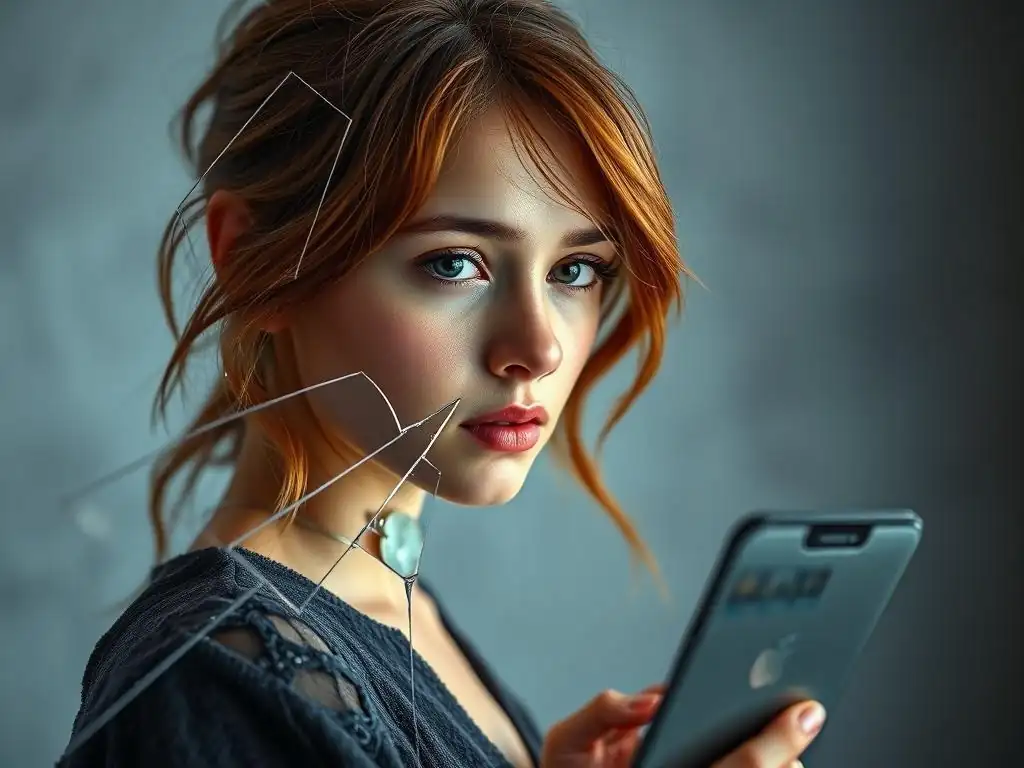
Welcome to Mind Care Guide, a space dedicated to nurturing your mental well-being.
Are you feeling the subtle pressures of the online world? In today's digital age, it's easy to question your worth, especially when constantly bombarded with curated perfection. Let's unravel the complex relationship between social media and your self-esteem. Explore how influencer culture subtly shapes your self-perception and discover practical strategies to reclaim your confidence and cultivate a healthier relationship with social media. Ready to understand the impact and take control? Dive in to learn more!
-
The Impact of Influencer Culture on Self-Perception: A Mind Care Guide
- Defining Influencer Culture: Individuals who have established credibility in a specific industry and leverage social media to influence their audience's opinions, behaviors, and purchasing decisions.
- The Pervasive Influence of Social Media on Modern Society
- Why Focus on Influencer Culture and Self-Perception?
- Social Media Self-Esteem Impact: Setting the Stage
-
How Influencer Content Shapes Self-Perception
- The Curated Reality: How Influencers Present Idealized Versions of Themselves
- The Role of Editing, Filters, and Staging in Influencer Content
- Social Comparison Theory: Individuals evaluate their own opinions and abilities by comparing themselves to others, leading to feelings of inadequacy when constantly exposed to curated perfection.
- The Illusion of Perfection: Recognizing the Difference Between Reality and Online Presentation
- The Negative Effects of Influencer Culture on Self-Esteem
-
The Link Between Influencer Culture and Mental Health Challenges
- Increased Anxiety and Depression: The Impact of Constant Comparison
- Feelings of Inadequacy and Low Self-Worth: The constant comparison to seemingly perfect lives can lead to feelings of inadequacy and low self-worth by creating unattainable standards.
- The Pressure to Achieve: The Influencer-Driven Pursuit of Success
- The Role of Social Validation: Likes, Comments, and the Quest for Approval
- Identifying and Challenging Unrealistic Expectations
- Strategies for Building a Healthier Relationship with Social Media
- Cultivating Self-Acceptance in the Age of Influencers
- Counteracting Negative Influences: Promoting Positive Self-Image
- Conclusion: Reclaiming Your Self-Perception in the Digital Age
-
Frequently Asked Questions
- How does influencer culture on social media affect self-esteem?
- What are some signs that social media is negatively impacting my self-esteem?
- Can limiting my social media use improve my self-esteem?
- What are some healthier ways to use social media without damaging my self-esteem?
- Are there resources available to help me cope with the negative impact of social media on my self-esteem?
- Final Reflection: Reframing Our Selves in the Age of Influence
- Unleash Your Authentic Self: Take Control of Your Online Influence
The Impact of Influencer Culture on Self-Perception: A Mind Care Guide
Influencer culture has rapidly ascended as a dominant force within the digital landscape. At its core, it involves individuals who have cultivated a significant following on platforms like Instagram, YouTube, TikTok, and others, establishing themselves as credible voices or aspirational figures within particular niches, whether it's fashion, fitness, travel, or lifestyle.
These individuals, often referred to as "influencers," strategically use their platforms to share content that resonates with their audience, ranging from personal anecdotes and daily routines to product recommendations and sponsored posts. Their power lies in their perceived authenticity and relatability, allowing them to effectively sway their followers' perspectives, shape trends, and ultimately impact purchasing decisions and lifestyle choices on a massive scale.
The ecosystem of influencer culture is complex, involving not just the creators but also brands, marketing agencies, and, most importantly, the vast audience consuming their content. This audience, often comprising millions globally, actively engages with influencers through likes, comments, shares, and direct interactions.
The constant stream of content from these digital personalities creates a continuous loop of exposure to specific lifestyles, aesthetics, and values. This pervasive presence means that for many, particularly younger generations, influencers are not just entertainers but significant figures shaping their understanding of success, beauty, happiness, and even personal worth, thereby having a profound social media self-esteem impact.
Social media platforms have become integral to the fabric of modern society, fundamentally altering how people connect, communicate, and consume information. With billions of users worldwide, these platforms offer unprecedented access to diverse perspectives, global events, and personal narratives. They facilitate community building, enable social movements, and provide avenues for self-expression. However, this pervasive integration also means that individuals spend significant portions of their day immersed in digital environments, constantly exposed to carefully curated content and the lives of others, including those presented by influencers.
The sheer volume and speed of information flow on social media mean that users are constantly bombarded with stimuli. This environment fosters a culture of constant comparison and external validation. From tracking likes and comments to observing the seemingly perfect lives of others, the digital world often encourages an outward focus. This relentless exposure, particularly to the polished and often unrealistic portrayals common in influencer content, can subtly but significantly shape users' perceptions of themselves and their own lives, contributing to the overall social media self-esteem impact experienced by individuals.
Why Focus on Influencer Culture and Self-Perception?
Focusing specifically on the intersection of influencer culture and self-perception is crucial because influencers represent a highly concentrated and impactful form of social media content. Unlike content shared by friends or family, influencer content is often professionally produced, strategically designed, and explicitly aimed at influencing audience behavior and opinion.
This deliberate nature, combined with the large scale of their audience, gives influencers unique power in shaping cultural norms, beauty standards, and lifestyle aspirations. Their content often presents an idealized version of reality, which, when consumed uncritically, can lead viewers to develop skewed perceptions of what is normal, achievable, or desirable.
Understanding how influencer culture impacts self-perception is vital for mental well-being. The constant exposure to seemingly perfect bodies, lavish lifestyles, and effortless success can create unrealistic benchmarks against which individuals measure themselves. This can fuel feelings of inadequacy, dissatisfaction with one's own life, and a distorted sense of self-worth tied to external validation and unattainable ideals. By examining this dynamic, we can better understand the mechanisms through which social media influences how we see ourselves and develop strategies to mitigate potential negative effects, particularly concerning the significant social media self-esteem impact observed across various demographics.
The relationship between social media use and self-esteem has been a growing area of concern and research. While social media can offer positive avenues for connection and self-expression, its design and common usage patterns can also contribute to negative outcomes for self-worth.
The platform features, such as like counts and public comment sections, inherently create systems of external validation that can lead individuals to tie their self-esteem to digital approval. Furthermore, the nature of content sharing, where users typically present highlights and curated versions of their lives, fosters an environment ripe for upward social comparison – comparing oneself to those perceived as better off.
Influencer culture amplifies these existing social media dynamics. By presenting highly curated, often unrealistic, and aspirational content on a massive scale, influencers set a high bar for comparison. This continuous exposure to perceived perfection can exacerbate feelings of not being good enough, not having enough, or not looking a certain way.
The explicit focus on aesthetics, consumption, and achievement within much of influencer content directly challenges the viewer's sense of self-acceptance and can significantly undermine their intrinsic self-worth. Exploring the specifics of how influencer culture operates provides critical insights into the complex and often detrimental social media self-esteem impact experienced by users today.
How Influencer Content Shapes Self-Perception
The Curated Reality: How Influencers Present Idealized Versions of Themselves
Influencers meticulously craft their online personas and content, presenting highly idealized versions of their lives, appearances, and experiences. This is not simply sharing moments; it's a strategic presentation designed to engage, entertain, and often, to sell. Every photo, video, and caption is carefully considered to fit a specific aesthetic, narrative, or brand image.
Followers are shown aspirational homes, exotic travel destinations, perfect bodies, and seemingly effortless success. For instance, a fitness influencer might share daily workout routines and perfectly plated healthy meals, but rarely show days off, struggles with motivation, or less-than-ideal eating habits. This curated reality creates an illusion of a consistently perfect, joyful, and successful existence that is often far removed from the complexities and challenges of real life.
This constant stream of idealized content sets an impossibly high standard for viewers. When individuals compare their own messy, everyday lives to the polished highlight reels of influencers, they are likely to feel inadequate. A young person scrolling through images of influencers with seemingly flawless skin, perfect bodies, and luxurious possessions might begin to feel deeply dissatisfied with their own appearance or circumstances. This discrepancy between one's own reality and the presented curated reality is a significant driver of negative self-perception and contributes substantially to the adverse social media self-esteem impact experienced by many users.
The Role of Editing, Filters, and Staging in Influencer Content
A critical component of the curated reality presented by influencers is the extensive use of editing, filters, and deliberate staging. Photos are routinely airbrushed to smooth skin, alter body shapes, and perfect lighting. Filters can dramatically change colors, tones, and even facial features, creating looks that are physically unattainable without digital manipulation.
Videos are edited to remove awkward moments, highlight peak experiences, and create a narrative of seamless perfection. Furthermore, influencers often stage their photos and videos meticulously – selecting perfect locations, arranging props, and posing in specific ways to achieve a desired effect. A seemingly spontaneous travel photo might have taken dozens of attempts and significant planning.
This digital alteration and staging mean that the images and videos followers consume are often artificial constructs rather than genuine representations of reality. The "effortless beauty" or "perfect moment" is, more often than not, the result of significant effort, technical skill, and digital manipulation.
However, this process is frequently hidden from the audience, who perceive the final product as authentic. This lack of transparency about the level of artificiality involved perpetuates the illusion of unattainable perfection, making the social comparison that follows even more damaging and intensifying the negative social media self-esteem impact felt by viewers who are unaware of the digital wizardry behind the scenes.
Social comparison theory, a psychological concept, posits that individuals have an innate drive to evaluate themselves by comparing their own opinions, abilities, and circumstances to those of others. On social media, this theory plays out constantly, but often in a way that is detrimental to self-esteem.
When users are bombarded with the highly curated and idealized content from influencers, they are engaging in upward social comparison – comparing themselves to individuals who appear to be superior in some desirable trait (beauty, wealth, success, happiness). Because influencer content is often an unrealistic portrayal, this comparison is inherently unfavorable to the viewer.
This relentless exposure to seemingly perfect lives, bodies, and achievements triggers feelings of inadequacy, envy, and dissatisfaction with one's own life. For example, seeing an influencer flaunting a luxury vacation can make someone feel unhappy with their own budget travel plans or lack thereof. Witnessing an influencer's seemingly perfect physique can lead to negative body image issues.
This constant, unfavorable comparison, fueled by the unrealistic standards presented by influencer culture, is a primary mechanism through which social media use can negatively impact self-esteem. Research consistently shows a link between increased social comparison on platforms and lower levels of self-worth and higher rates of depressive symptoms.
The Illusion of Perfection: Recognizing the Difference Between Reality and Online Presentation
One of the most significant challenges in navigating influencer culture is recognizing and internalizing the difference between the presented online version of reality and actual reality. Influencer content is a carefully constructed performance, a highlight reel designed to showcase only the best, most aspirational aspects of a person's life. It rarely includes the mundane struggles, setbacks, insecurities, or everyday challenges that are part of the human experience. The perfect hair, the flawless skin, the effortless lifestyle, the constant stream of exciting experiences – these are often illusions created through strategic content planning, editing, and staging.
Understanding that what is presented online is not the full, authentic picture is crucial for maintaining a healthy self-perception. It requires a conscious effort to remember that everyone, including influencers, experiences bad days, faces difficulties, and has insecurities. The person you see online is a carefully managed brand, not a raw, unfiltered human being.
Developing this awareness helps to dismantle the illusion of perfection and reduces the power of social comparison. By recognizing the artificiality, individuals can begin to detach their own self-worth from the unattainable standards presented online and mitigate the negative social media self-esteem impact associated with constant exposure to these curated realities.
The Negative Effects of Influencer Culture on Self-Esteem

Body Image Issues: The Pressure to Conform to Unrealistic Beauty Standards
Influencer culture significantly contributes to body image issues by promoting narrow and often unattainable beauty standards. Many popular influencers, particularly in the fashion, beauty, and fitness niches, showcase bodies and looks that are often the result of genetic predisposition, strict diets, intense workout regimes, cosmetic procedures, and significant digital editing. These idealized images are then consumed by millions, setting a benchmark for what is considered beautiful or desirable. For example, the prevalence of heavily filtered images promoting extremely slim or highly muscular physiques can lead viewers to feel dissatisfied with their own natural body types.
This constant exposure creates immense pressure to conform to these unrealistic ideals. Individuals may develop negative feelings about their own appearance, leading to body dissatisfaction, disordered eating patterns, excessive exercise, and consideration of unnecessary cosmetic procedures. Studies have indicated that increased exposure to idealized body images on social media correlates with higher levels of body dissatisfaction among young people. The relentless visual emphasis on a specific, often digitally enhanced, aesthetic makes it incredibly challenging for individuals to accept and appreciate their own bodies, directly contributing to a negative social media self-esteem impact centered around physical appearance.
Financial Anxiety: The "Keeping Up With The Joneses" Effect in the Digital Age
Influencer culture often puts a spotlight on consumerism and lavish lifestyles, fueling a digital version of the "keeping up with the Joneses" phenomenon. Influencers frequently showcase luxury goods, expensive travel, high-end fashion, and opulent experiences, often as part of sponsored content. While presented as aspirational, this constant display of wealth and consumption can trigger feelings of financial inadequacy and anxiety among viewers who cannot afford such lifestyles. Seeing influencers effortlessly acquire designer items or jet off to exotic locations can make individuals feel like their own financial situation is insufficient or that they are falling behind.
This pressure to keep up, even if only in appearance, can lead to poor financial decisions, such as overspending on credit cards to purchase items seen online or feeling dissatisfied with perfectly adequate possessions. The focus shifts from financial well-being to the external display of wealth, creating a cycle of wanting more and feeling less-than if one cannot attain it.
Surveys have shown that a significant percentage of social media users report feeling envious of the lifestyles they see online, which can translate into real-world financial stress and dissatisfaction. This financial anxiety is a less discussed but significant part of the social media self-esteem impact driven by influencer culture.
Fear of Missing Out (FOMO): The Constant Exposure to Seemingly Exciting Lives
Influencer content is often curated to highlight peak experiences – exciting trips, glamorous events, and constant fun. This creates an illusion that the influencer's life is perpetually thrilling and fulfilling. For viewers, this constant exposure to highlight reels of seemingly exciting lives can trigger Fear of Missing Out (FOMO). Seeing influencers enjoying lavish parties, exploring exotic destinations, or participating in exclusive events can lead individuals to feel like their own lives are mundane, boring, or inadequate in comparison.
This feeling of missing out can lead to restlessness, dissatisfaction with one's current circumstances, and a compulsion to constantly seek out new experiences, often driven by the desire to create content that mirrors what is seen online. It can also lead to feelings of loneliness and isolation, as the viewer perceives everyone else (or at least, everyone online) as having more exciting and fulfilling social lives.
This pervasive sense of FOMO, fueled by the curated excitement of influencer content, contributes significantly to anxiety, dissatisfaction, and a negative social media self-esteem impact by making individuals feel their own reality is somehow lacking.
Research has consistently demonstrated a correlation between heavy social media use and lower self-esteem, particularly among adolescents and young adults. Influencer culture acts as a potent catalyst within this relationship. By presenting highly curated, often unattainable ideals related to appearance, lifestyle, and success, influencers exacerbate the negative effects of social comparison. Studies using longitudinal data suggest that increased time spent on social media platforms, and specifically exposure to idealized images, predicts subsequent decreases in body image satisfaction and overall self-esteem.
One large-scale study involving thousands of teenagers found that frequent social media users were significantly more likely to report feelings of depression and anxiety, with social comparison identified as a key mediating factor. The constant influx of perfectly posed photos and highlight reels makes it difficult for individuals to maintain a realistic perspective on their own lives and worth.
The emphasis on external validation through likes and comments, coupled with the unattainable standards set by influencers, creates a toxic environment for developing a stable and positive sense of self. Understanding this direct social media self-esteem impact is crucial for developing strategies to protect mental well-being in the digital age.
The Link Between Influencer Culture and Mental Health Challenges
Increased Anxiety and Depression: The Impact of Constant Comparison
The relentless exposure to idealized lives and the subsequent social comparison fueled by influencer culture are strongly linked to increased rates of anxiety and depression. When individuals constantly compare their own reality to the carefully curated perfection presented online, they are likely to feel inadequate, unsuccessful, and unhappy with their lives. This persistent feeling of not measuring up can lead to chronic stress and contribute to the development of anxiety disorders. The pressure to achieve the same level of perceived success, happiness, or physical perfection seen online creates a constant state of unease and worry.
Furthermore, the feelings of isolation and loneliness that can arise from witnessing seemingly perfect social lives and experiences contribute to depressive symptoms. The disconnect between one's own perceived reality and the online world can be profound, leading to feelings of hopelessness and despair. Research published in psychological journals has consistently found a positive correlation between high social media usage, particularly passive consumption of content like that produced by influencers, and increased symptoms of depression and anxiety among users. This direct link highlights the significant mental health implications of prolonged engagement with influencer culture.
Feelings of Inadequacy and Low Self-Worth: The constant comparison to seemingly perfect lives can lead to feelings of inadequacy and low self-worth by creating unattainable standards.
At the heart of the negative social media self-esteem impact driven by influencer culture are profound feelings of inadequacy and low self-worth. Influencers often present standards of beauty, wealth, success, and happiness that are not only exceptionally high but frequently manufactured or exaggerated. When viewers compare their own authentic, imperfect lives to these polished presentations, they are almost guaranteed to fall short. This constant failure to measure up, even against an artificial benchmark, erodes a person's sense of self-efficacy and value.
For example, someone struggling with their career might see influencers showcasing luxurious offices and rapid promotions, leading them to feel like a failure in their own professional life. An individual dealing with body image issues will likely feel worse after scrolling through endless photos of influencers with "perfect" physiques. These perpetual, unfavorable comparisons reinforce the belief that one is not good enough, not successful enough, or not attractive enough, deeply undermining intrinsic self-worth. This mechanism is a primary driver of the negative social media self-esteem impact observed in heavy social media users exposed to influencer content.
The Pressure to Achieve: The Influencer-Driven Pursuit of Success
Influencer culture often places a strong emphasis on external markers of success – wealth, fame, popularity (measured in followers and likes), and a seemingly effortless, glamorous lifestyle. This creates a narrative that true value lies in achieving these outward symbols of success. Viewers are constantly shown the "rewards" of being an influencer or living an "influencer-approved" life, fostering a belief that they too must strive for similar achievements to be happy or successful. This can translate into intense pressure to constantly be productive, to monetize hobbies, to build a personal brand, or to chase validation through external achievements.
This pressure to achieve the kind of success portrayed by influencers can be overwhelming and debilitating. It shifts the focus from personal growth, well-being, and intrinsic motivation to the relentless pursuit of external validation and material gain. When individuals inevitably fall short of these often unrealistic standards, it can lead to feelings of failure, burnout, and a diminished sense of self-worth. The influencer-driven pursuit of success contributes to a culture where "doing enough" is never truly possible, significantly impacting mental health and contributing to a negative social media self-esteem impact.
Social media platforms are built on systems of social validation, primarily through likes, comments, shares, and follower counts. These metrics provide tangible feedback on the content shared and, by extension, the person sharing it. Influencer culture thrives on this system; their success is often measured by their engagement rates and follower numbers. For viewers, observing the high levels of validation received by influencers can create a subconscious, or even conscious, desire to attain similar levels of approval. This leads to a quest for social validation through their own online presence.
Individuals may begin to tailor their own content to maximize likes and comments, seeking external approval to bolster their self-esteem. This can create a dependency on external validation, where one's mood and self-worth fluctuate based on the reception of their online posts.
If a post doesn't receive the expected number of likes, it can be interpreted as a personal rejection, leading to feelings of inadequacy and anxiety. This constant pursuit of external validation, amplified by the visibility of influencer success metrics, reinforces the idea that one's worth is determined by others' approval rather than intrinsic qualities, exacerbating the negative social media self-esteem impact.
Identifying and Challenging Unrealistic Expectations
Recognizing the Signs of Negative Self-Perception
Identifying the signs that influencer culture might be negatively impacting your self-perception is the first step towards mitigating its effects. These signs can manifest in various ways. You might find yourself constantly comparing your appearance, lifestyle, or achievements to those you see online, leading to feelings of dissatisfaction or envy. You might experience increased anxiety or sadness after spending time scrolling through social media feeds. Negative self-talk, such as thinking "I'm not good enough," "I'll never have that," or "My life is boring," particularly after seeing influencer content, is another key indicator.
Other signs include spending an excessive amount of time trying to curate your own online presence to appear more like the influencers you admire, feeling pressure to buy products or participate in activities promoted by influencers even if they don't align with your values or budget, or experiencing physical symptoms like restless sleep or increased stress related to social media use. A significant indicator is a decline in overall self-esteem or a feeling that your worth is tied to external validation or achieving the standards you see online.
Recognizing these patterns is crucial for understanding the personal social media self-esteem impact you might be experiencing.
Questioning the Authenticity of Influencer Content
A powerful tool in challenging the unrealistic expectations set by influencer culture is to critically question the authenticity of the content you consume. Develop a mindful skepticism towards the flawless images, perfect narratives, and effortless lifestyles presented online. Ask yourself: How much editing or filtering might have been used in this photo?
What parts of the story are not being shown? Is this experience as spontaneous as it seems, or was it carefully staged? Understand that influencers are often running a business, and their content is a form of marketing designed to be aspirational and engaging, not necessarily a raw depiction of their everyday reality.
Research suggests that media literacy training, which includes understanding how media is constructed and curated, can help individuals become more critical consumers of online content. For instance, awareness campaigns highlighting the extent of photo editing can help deconstruct the illusion of perfect bodies and faces. By actively questioning the authenticity, you begin to dismantle the perceived reality of influencer content, making it less likely to serve as a benchmark for unfavorable social comparison. This critical approach directly helps to mitigate the negative social media self-esteem impact that arises from believing in the illusion of perfection.
Practicing Self-Compassion: Treating yourself with the same kindness and understanding you would offer a friend, especially during times of difficulty.
In a world that constantly presents images of unattainable perfection, practicing self-compassion is a vital strategy for protecting your self-esteem. Self-compassion involves treating yourself with the same kindness, understanding, and acceptance that you would readily offer to a friend who is struggling. Instead of harshly judging yourself for not measuring up to the standards seen online, acknowledge that it's normal to feel inadequate when exposed to such content. Recognize that everyone has flaws and experiences difficulties, even those who appear to have perfect lives online.
This practice involves being mindful of negative self-talk and actively counteracting it with supportive and understanding internal dialogue. For example, instead of thinking, "I'm not as fit as that influencer," reframe it as, "My body is unique and capable, and I am worthy regardless of how I compare to others online." Self-compassion also involves recognizing that suffering and imperfection are part of the shared human experience, which can reduce feelings of isolation. By cultivating self-compassion, you build an inner resilience that helps buffer the negative social media self-esteem impact caused by external pressures and comparisons.
Focusing on Personal Strengths and Values
Counteracting the external focus promoted by influencer culture requires deliberately shifting attention inward to your personal strengths and values. Instead of dwelling on what you lack compared to others online, take time to identify and appreciate your unique qualities, skills, and accomplishments. Make a list of things you are good at, positive traits you possess, and contributions you make to the world around you. These might be related to your work, hobbies, relationships, or personal characteristics like kindness, resilience, or creativity.
Equally important is clarifying your core values – the principles that guide your life and define what is truly important to you, such as integrity, compassion, creativity, or community. When you are grounded in your own strengths and values, the external standards presented by influencers lose some of their power.
Your sense of self-worth becomes rooted in who you are and what you stand for, rather than how you compare to others online. This internal focus provides a stable foundation for self-esteem that is less susceptible to the fluctuating and often superficial metrics of social media and helps to counteract the negative social media self-esteem impact.

Developing a healthier relationship with social media begins with mindful consumption. This involves paying conscious attention to how you use these platforms and how they make you feel. Before opening an app, take a moment to consider your intention. Are you genuinely trying to connect with friends, or are you mindlessly scrolling out of boredom or habit? While using the app, notice what kind of content elicits negative emotions. Do certain types of posts, like those focusing on extreme wealth or idealized bodies, consistently make you feel anxious or inadequate?
Identifying these triggers is crucial. Once you recognize that specific accounts or types of content negatively impact your mood or self-perception, you can take steps to reduce your exposure to them. This might involve unfollowing accounts, muting certain keywords, or simply being aware that you need to approach that type of content with greater critical thinking.
Being mindful also means noticing the physical sensations associated with social media use – tension in your shoulders, eye strain, or a racing heart – as these can be indicators of unhealthy engagement patterns. Conscious awareness is the first step in mitigating the negative social media self-esteem impact.
Unfollowing Accounts That Negatively Impact Your Mental Health
One of the most direct and effective strategies for improving your social media self-esteem impact is to curate your feed by unfollowing accounts that consistently make you feel bad about yourself. This isn't about censorship; it's about protecting your mental well-being. If following a particular influencer's seemingly perfect life leaves you feeling inadequate, envious, or dissatisfied with your own circumstances, it's okay to unfollow them. Your social media feed should ideally be a space that informs, inspires, or entertains you in a positive way, not one that constantly erodes your self-worth.
Take time to review the accounts you follow and honestly assess how their content makes you feel. Be particularly mindful of accounts that promote unrealistic beauty standards, excessive consumerism, or a constant narrative of unattainable perfection. Replacing these accounts with those that promote body positivity, mental wellness, diverse perspectives, or realistic portrayals of life can significantly improve your online experience and foster a more positive self-perception. This simple act of curating your digital environment is a powerful step towards reclaiming your social media self-esteem impact.
Just as a balanced diet is important for physical health, creating a balanced social media diet is crucial for mental well-being. This means diversifying the types of content you consume beyond just aspirational influencer posts. Actively seek out accounts that offer different perspectives, share educational content, provide genuine humor, or focus on hobbies and interests that are meaningful to you. Follow accounts that promote body diversity, mental health awareness, and realistic portrayals of everyday life.
For instance, if you follow fitness influencers, balance that with accounts that promote intuitive eating, body acceptance, or focus on the joy of movement rather than just aesthetics. If you follow travel influencers, also seek out accounts that discuss budget travel, cultural immersion, or the environmental impact of tourism.
By diversifying your feed, you expose yourself to a wider range of realities and perspectives, reducing the overwhelming impact of any single type of content, particularly the often-unrealistic portrayals common in influencer culture. A balanced digital diet helps to contextualize influencer content and reduces its overall negative social media self-esteem impact.
Setting clear boundaries around your social media use is essential for preventing it from negatively impacting your self-perception and mental health. This involves being intentional about when, where, and for how long you engage with these platforms. Consider setting specific time limits for social media use each day, perhaps using built-in phone features or third-party apps to track and manage your usage. Avoid mindlessly scrolling for extended periods, which is often when unfavorable comparisons and negative feelings creep in.
Establish "no-phone" zones or times, such as during meals, before bed, or during social gatherings with friends and family. This helps to ensure that real-life interactions and experiences take precedence over digital consumption. Turning off notifications can also reduce the constant pull to check your phone and engage with social media. By setting and adhering to these boundaries, you regain control over your time and attention, reducing the opportunities for influencer culture to negatively influence your self-perception and mitigating the overall social media self-esteem impact.
Cultivating Self-Acceptance in the Age of Influencers
Focusing on Inner Qualities and Personal Growth
In an age dominated by external validation and the display of material possessions, cultivating self-acceptance requires a deliberate shift in focus towards inner qualities and personal growth. Instead of measuring your worth based on how you look, what you own, or how many likes you get, concentrate on developing aspects of yourself that are intrinsically valuable. This includes nurturing qualities like kindness, empathy, resilience, creativity, and integrity. These are aspects of self that cannot be captured in a filtered photo or measured by follower counts.
Engage in activities that promote personal growth and skill development, whether it's learning a new language, mastering a craft, or expanding your knowledge on a subject you care about. Focus on becoming a better person according to your own values, rather than striving to embody the external ideals presented by influencers. This internal focus builds a strong, resilient sense of self-worth that is independent of external comparisons and validation. By prioritizing inner development, you create a buffer against the negative social media self-esteem impact driven by the superficial metrics of online culture.
Celebrating Individuality and Uniqueness
Influencer culture often promotes a certain homogeneity in appearance, lifestyle, and interests, encouraging conformity to popular trends. Cultivating self-acceptance, however, is about celebrating your individuality and uniqueness. Recognize that your quirks, your specific talents, your personal history, and your unique perspective are what make you, you. There is no one else exactly like you, and that is a source of strength, not something to be hidden or changed to fit an online mold.
Challenge the notion that you need to look, act, or live exactly like the people you see online to be valuable or worthy. Embrace what makes you different. This might involve proudly displaying aspects of your identity that don't fit mainstream beauty standards, pursuing niche hobbies that aren't popular online, or simply being comfortable with your own style and preferences without seeking external approval. Celebrating your individuality is a powerful act of rebellion against the homogenizing forces of social media and a vital step in building self-acceptance and counteracting the negative social media self-esteem impact.
Practicing Gratitude: Appreciating What You Have
In contrast to the constant focus on acquiring more and achieving more seen in much of influencer content, practicing gratitude shifts your perspective to appreciate what you already have. Regularly taking time to acknowledge and appreciate the positive aspects of your life – your relationships, your health, your opportunities, your skills, your simple comforts – can significantly boost your overall well-being and satisfaction. This practice helps to counteract the feelings of lack or inadequacy that arise from comparing yourself to the perceived abundance in influencers' lives.
Gratitude can be as simple as keeping a gratitude journal, taking a few moments each day to think about things you are thankful for, or expressing appreciation to others. By focusing on abundance in your own life, rather than perceived scarcity compared to others, you cultivate a more positive mindset and strengthen your sense of self-worth. This deliberate practice helps to reframe your perspective away from the external comparisons that fuel the negative social media self-esteem impact and towards an appreciation of your own unique blessings.
Seeking Support: Connecting With Others Who Understand
Navigating the pressures of influencer culture and its impact on self-perception can be challenging, and seeking support from others is a sign of strength, not weakness. Talk to trusted friends, family members, or a therapist about how social media makes you feel. Sharing your experiences and hearing that others feel similarly can reduce feelings of isolation and normalize your struggles. Connecting with people who understand the complexities of online life and its mental health implications can provide invaluable support and perspective.
Consider joining online or in-person communities focused on mental wellness, body positivity, or mindful social media use. Hearing strategies from others and sharing your own can empower you to make positive changes. A mental health professional can also provide tailored strategies for dealing with social comparison, improving self-esteem, and building a healthier relationship with social media. Reaching out and connecting with others creates a support system that helps you navigate the pressures of influencer culture and mitigate its negative social media self-esteem impact.
Counteracting Negative Influences: Promoting Positive Self-Image
Supporting Influencers Who Advocate for Authenticity and Body Positivity
While much of influencer culture can be detrimental to self-esteem, there is a growing movement of influencers who actively advocate for authenticity, body positivity, mental health awareness, and realistic portrayals of life. Deliberately seeking out and supporting these creators can help counterbalance the negative influences in your feed. These influencers often share their struggles, their imperfections, and their journeys towards self-acceptance, offering a refreshing and relatable alternative to the curated perfection.
Look for influencers who promote diverse body types, challenge unrealistic beauty standards, talk openly about mental health challenges, and share more genuine glimpses into their everyday lives. By following and engaging with these accounts, you not only expose yourself to more positive and realistic content but also support a movement towards a healthier and more authentic online environment. This conscious choice in who you follow can significantly improve your social media experience and foster a more positive social media self-esteem impact.
Engaging in Positive Self-Talk and Affirmations
The negative self-talk that often arises from comparing oneself to influencers can be powerful and damaging. Actively counteracting this requires engaging in positive self-talk and affirmations. Pay attention to your internal dialogue. When you notice critical or negative thoughts about yourself, particularly after being on social media, challenge them. Replace negative thoughts like "I'm not pretty enough" with positive affirmations like "I am beautiful and worthy just as I am."
Affirmations are positive statements that you repeat to yourself to reinforce a positive self-image. Examples include "I accept myself completely," "My worth is not defined by external validation," or "I am enough." While it might feel awkward at first, consistently practicing positive self-talk and affirmations can gradually reprogram your internal dialogue, making you less susceptible to the negative messages implicitly or explicitly sent by influencer culture. This internal work is crucial for building resilience against the social media self-esteem impact.
Focusing on Real-Life Experiences and Connections
In the digital age, it's easy to become overly focused on online interactions and experiences. Counteracting the negative influences of influencer culture requires prioritizing real-life experiences and connections. Spend quality time with friends and family, engage in hobbies and activities that bring you joy offline, and seek out experiences that are meaningful and fulfilling in the real world. These genuine interactions and activities provide a sense of purpose, belonging, and accomplishment that is far more robust and sustainable than anything found online.
Making conscious efforts to limit screen time and increase face-to-face interactions strengthens your real-world support system and provides a crucial anchor in reality. Engaging in activities you love, achieving goals in the real world, and nurturing authentic relationships build a sense of self-worth that is rooted in genuine experiences, not curated online performances. This focus on real life helps to diminish the importance of the online world and its often-negative social media self-esteem impact.
One of the most effective ways to disarm the negative impact of influencer culture is to actively challenge and reject the notion of "perfect" that it often promotes. Understand that perfection, especially as portrayed online, is an illusion. Life is inherently messy, imperfect, and full of challenges. Embrace this reality both in your own life and in your perception of others. Recognize that the "perfect" bodies, lives, and achievements seen online are either the result of significant effort and resources (like editing, staging, or professional help) or simply not the full picture.
Actively question and deconstruct the images of perfection you encounter. Look for signs of editing, consider the context that might be missing, and remind yourself that everyone faces struggles behind closed doors. By consciously rejecting the idea that perfection is attainable or desirable, you free yourself from the pressure to achieve an impossible standard. This critical perspective is fundamental to building resilience against the negative social media self-esteem impact and fostering a healthier, more realistic self-image.
Conclusion: Reclaiming Your Self-Perception in the Digital Age
The Power of Awareness and Conscious Choices
Navigating the complex landscape of influencer culture and its potential negative impact on self-perception ultimately comes down to the power of awareness and conscious choices. Simply understanding how influencer content is created, the psychological mechanisms behind social comparison, and the potential effects on self-esteem is a significant step. This awareness allows you to view online content with a more critical and discerning eye, recognizing the curated reality for what it is.
Beyond awareness, actively making conscious choices about your social media habits is crucial. This includes deciding who to follow, how much time to spend on platforms, when and where to engage, and how to interpret the content you see. By taking control of your digital environment and consumption patterns, you can significantly reduce your exposure to negative influences and create a more positive online experience. These conscious decisions are powerful tools in reclaiming your self-perception and mitigating the adverse social media self-esteem impact.
Building a Stronger Sense of Self-Worth
Counteracting the external pressures of influencer culture requires actively building a stronger sense of intrinsic self-worth. This means basing your value on who you are as a person – your character, your values, your efforts, and your inner qualities – rather than on external factors like appearance, possessions, or social media validation. Focus on personal growth, cultivate self-compassion, celebrate your unique individuality, and engage in activities that are personally meaningful and fulfilling.
Building self-worth is an ongoing process, not a destination. It involves consistent effort to challenge negative self-talk, practice self-acceptance, and prioritize your well-being. By nurturing a strong internal foundation, you become less vulnerable to the fluctuating and often superficial standards presented by influencer culture. A robust sense of self-worth is the most powerful defense against the negative social media self-esteem impact.
Achieving a healthier relationship with social media and influencer culture is about finding a balance that works for you. It's not necessarily about completely abandoning these platforms, but about engaging with them mindfully and intentionally. This involves setting boundaries, curating your feed to include positive and diverse content, and critically evaluating the information you consume.
A healthier relationship means using social media as a tool for connection, inspiration, or information, rather than allowing it to dictate your self-worth or define your reality. It involves recognizing the limitations and artificiality of online presentations and prioritizing real-life experiences and relationships. By implementing strategies for mindful consumption and focusing on self-acceptance, you can navigate the digital world in a way that supports, rather than undermines, your mental well-being and fosters a positive social media self-esteem impact.
For those seeking additional support in navigating the challenges of social media and its impact on mental health, numerous resources are available. Mental health organizations often provide guides and tips for healthy social media use. Therapists specializing in digital well-being can offer personalized strategies.
Online communities and forums dedicated to body positivity, self-acceptance, and mindful technology use can provide peer support and shared experiences. Educational materials on media literacy can also empower you to critically analyze online content. Remember that seeking help is a sign of strength, and there are many avenues available to support you in fostering a positive self-image in the digital age.
Frequently Asked Questions
Influencer culture often promotes unrealistic ideals, leading to social comparison and feelings of inadequacy. This can negatively impact self-esteem as individuals strive to meet these unattainable standards.
Common signs include increased anxiety, constant self-doubt, and a persistent need for validation through likes and comments. You might also experience feelings of envy or low self-worth after browsing social media.
Yes, reducing your exposure to influencer content can significantly improve self-esteem. This allows you to focus on your own personal values and achievements, rather than comparing yourself to others.
Curate your feed to follow accounts that promote body positivity, authenticity, and mental well-being. Practice mindful scrolling and remember that what you see online is often a carefully constructed highlight reel.
Yes, many resources are available, including therapy, support groups, and online communities focused on building self-esteem and navigating the challenges of social media. Mind Care Guide offers a wealth of information and support too.
Final Reflection: Reframing Our Selves in the Age of Influence
The curated perfection presented by influencers online is not reality, yet its impact on our self-perception is undeniably profound and deeply pervasive. We are constantly bombarded with images and narratives that promote unrealistic beauty standards, lifestyles, and achievements, creating a fertile ground for self-doubt and anxiety. This relentless comparison game, fueled by algorithms designed to keep us scrolling, has significant consequences for our mental well-being.
The insidious nature of influencer culture lies in its ability to subtly yet powerfully shape our self-worth. It normalizes a constant striving for unattainable ideals, fostering a culture of inadequacy and dissatisfaction. Comparison is the thief of joy,
Theodore Roosevelt wisely observed, and this rings truer than ever in our hyper-connected world. The pressure to conform to these digitally constructed ideals is immense, leading many to question their own value and authenticity. This constant striving for validation through likes and comments can be incredibly damaging to one's self-esteem and mental health.
Consider the impact of this article's findings on your own life. Are you consciously engaging with social media, or are you passively absorbing the messages it projects? I urge you to take a critical look at your own relationship with social media and the influencers you follow.
Unfollow accounts that trigger negative feelings, curate your feed to prioritize genuine connection and positive content, and remember that the carefully crafted online personas you see are rarely the whole story. By consciously choosing what we consume and how we engage, we can reclaim our self-perception and build a healthier relationship with ourselves and the digital world.
Unleash Your Authentic Self: Take Control of Your Online Influence
Thanks for exploring the fascinating—and sometimes challenging—world of influencer culture and its impact on self-perception with us! We hope you gained valuable insights into how to navigate this digital landscape. Now, it's time to put that knowledge into action.
- Prioritize self-reflection: Take 15 minutes today to genuinely assess how social media influences your self-image. Journal your thoughts, and identify areas where you feel pressure to conform. This is your crucial first step to building a healthier relationship with online platforms.
- Share your thoughts: Let's start a conversation! Share your experiences and insights in the comments below. What strategies do you use to maintain a positive self-image in the face of online pressures?
- Challenge your feed: Consciously curate your social media feed. Unfollow accounts that trigger negative feelings and replace them with content that inspires and uplifts you. This simple action can have a transformative effect on your mental well-being.
What small step will you take today to reclaim your authentic self and foster a healthier relationship with social media?