
Therapy Approaches for Anxiety and ADHD: Finding What Works


Welcome to Mind Care Guide, a space dedicated to nurturing your mental well-being.
Feeling overwhelmed by the intertwined challenges of anxiety and ADHD? You're not alone. We understand the complexities, and that's why we've created this resource. In this article, "Therapy Approaches for Anxiety and ADHD: Finding What Works," we delve into the diverse world of therapeutic options. Could a specific therapy unlock a calmer, more focused you? Explore the possibilities and discover which approach might resonate with your unique needs. Let's embark on this journey to understanding and healing together.
Therapy Approaches for Anxiety and ADHD: Finding What Works
- Understanding Co-occurring Anxiety and ADHD
- Exploring Therapy Options for Anxiety and ADHD
- Comparing Therapy Types: Which is Right for You?
- Finding the Right Therapist for Anxiety and ADHD
- Self-Help Strategies to Support Therapy
- Navigating Challenges in Therapy for Anxiety and ADHD
- Long-Term Management of Anxiety and ADHD
-
Frequently Asked Questions
- What are some common therapy approaches used for individuals with both anxiety and ADHD?
- How does therapy help with managing anxiety symptoms in individuals with ADHD?
- Can therapy improve focus and concentration in individuals with ADHD?
- Is it possible to find a therapist who specializes in both anxiety and ADHD?
- What are the long-term benefits of therapy for individuals with anxiety and ADHD?
- Final Reflection: Finding Your Path to Calm and Focus
- Unlock Your Calm: Take the Next Step Towards Managing Anxiety and ADHD
Understanding Co-occurring Anxiety and ADHD
Individuals living with Attention-Deficit/Hyperactivity Disorder (ADHD) often experience other mental health conditions. Among the most common co-occurring conditions are anxiety disorders. This complex interplay between ADHD symptoms, such as inattention, impulsivity, and hyperactivity, and anxiety symptoms, like excessive worry, nervousness, and avoidance, can significantly impact daily functioning and overall well-being. Recognizing this overlap is the first step in seeking effective support, including specialized therapy for anxiety adhd.
The challenges posed by this comorbidity can be substantial. For example, the inattentiveness associated with ADHD can lead to mistakes or missed deadlines, triggering anxiety about performance or failure. Conversely, the restlessness and difficulty sitting still in ADHD can sometimes be mistaken for anxiety symptoms, while the constant worry of anxiety can further impair focus and exacerbate inattentive symptoms. Understanding how these conditions influence each other is crucial for developing comprehensive treatment plans.
The Link Between Generalized Anxiety Disorder and ADHD
Generalized Anxiety Disorder (GAD) is characterized by persistent and excessive worry about various topics, coupled with physical symptoms like restlessness, fatigue, difficulty concentrating, irritability, muscle tension, and sleep disturbances. For individuals with ADHD, the inherent challenges of managing tasks, organizing, and regulating impulses can provide fertile ground for excessive worry. A common scenario involves worrying intensely about forgetting something important, missing an appointment due to poor time management, or saying the wrong thing impulsively.
Research indicates a significant overlap, with studies suggesting that between 30% and 50% of adults with ADHD also experience an anxiety disorder, including GAD. This co-occurrence means that the individual isn't just dealing with the core symptoms of each condition in isolation, but rather a complex interaction where symptoms can amplify each other. For instance, the difficulty initiating tasks in ADHD might be compounded by anxiety about failure, leading to significant procrastination and increased distress. Effective therapy for anxiety adhd must address both sets of symptoms.
Social Anxiety Disorder (SAD), also known as social phobia, involves intense fear of social situations where one might be judged, scrutinized, or humiliated. This can manifest as fear of public speaking, attending social gatherings, or even simple interactions like talking on the phone or eating in front of others. The impulsivity and sometimes unconventional social behaviors associated with ADHD can unfortunately lead to negative social experiences or perceived judgment, which can fuel the development or worsening of social anxiety.
Diagnosing SAD alongside ADHD can be challenging because some symptoms overlap or mimic each other. For example, fidgeting or difficulty maintaining eye contact might be attributed to ADHD hyperactivity/inattention, but could also be manifestations of social anxiety. A thorough diagnostic process is essential, often involving detailed interviews, questionnaires, and potentially input from family members or teachers. Clinicians look for patterns of behavior and internal experience that clearly point to the presence of both distinct conditions, ensuring that the subsequent therapy for anxiety adhd is appropriately targeted.
Why Combined Therapy Approaches Are Often Necessary
Given the intricate relationship between anxiety and ADHD, treating only one condition in isolation is often insufficient. A person might receive medication for ADHD to improve focus, but if the underlying anxiety isn't addressed, they may still struggle with worry, avoidance, and emotional distress that hinders their ability to function effectively, even with improved attention. Similarly, treating anxiety without addressing the core ADHD symptoms might leave the individual unable to utilize coping strategies effectively due to inattention or executive function deficits.
Therefore, integrated or combined therapy approaches are frequently recommended. These approaches aim to address the specific ways anxiety and ADHD interact in an individual's life. This might involve using therapeutic techniques that help manage both anxious thoughts and poor executive function, or combining psychotherapy with medication management tailored to the specific symptom profile. A holistic therapy for anxiety adhd plan acknowledges the complexity and seeks to provide comprehensive support.
Exploring Therapy Options for Anxiety and ADHD
When seeking therapy for anxiety adhd, several modalities have shown promise, either individually or in combination. The choice of therapy often depends on the specific symptoms, the individual's age, preferences, and the therapist's expertise. It's not a one-size-fits-all situation, and a collaborative approach between the individual and therapist is key to finding the most effective path forward.
The goal of these therapies is not just symptom reduction but also building skills, improving self-understanding, and enhancing overall quality of life. They provide individuals with practical tools to navigate the daily challenges posed by both conditions, fostering resilience and empowering them to manage their mental health effectively.
Cognitive Behavioral Therapy (CBT) for Anxiety and ADHD
Cognitive Behavioral Therapy (CBT) is a widely used and evidence-based therapy that focuses on identifying and changing negative thought patterns and behaviors. For individuals with co-occurring anxiety and ADHD, CBT can be adapted to address the unique ways their thoughts and actions contribute to their difficulties. It typically involves psychoeducation, cognitive restructuring (challenging unhelpful thoughts), and behavioral techniques.
In the context of therapy for anxiety adhd, CBT helps individuals recognize how their anxious thoughts (e.g., "I'm going to fail this") are often linked to their ADHD challenges (e.g., difficulty starting a task). It also provides strategies to break negative feedback loops where ADHD symptoms trigger anxiety, which in turn worsens focus. A course of CBT often lasts between 12 and 20 sessions, though this can vary. Studies have shown that adapted CBT can lead to significant reductions in both anxiety symptoms and improvements in ADHD-related impairments, with effect sizes often moderate to large.
How CBT Addresses Anxiety Symptoms in ADHD Individuals
CBT helps individuals with ADHD manage anxiety by teaching them to identify catastrophic or overly critical thoughts that arise from their experiences with ADHD symptoms. For example, someone who consistently struggles with time management might develop the thought, "I'm always late, everyone thinks I'm irresponsible, I'll never be able to keep a job." CBT techniques help them challenge the validity of these thoughts and replace them with more balanced and realistic ones, such as "I struggle with time management, but I can learn strategies to improve, and being late sometimes doesn't define my worth."
Behavioral components of CBT for anxiety often involve gradual exposure to feared situations (if social anxiety is present) or developing coping mechanisms for physical anxiety symptoms like panic. For the ADHD individual, this might be paired with strategies to improve the underlying ADHD issue causing the anxiety, such as breaking down tasks into smaller steps or using organizational tools, making the feared situation less overwhelming and more manageable. This integrated approach is key to effective therapy for anxiety adhd.
CBT Techniques for Managing ADHD-Related Anxiety
Specific CBT techniques adapted for individuals with ADHD and anxiety often include:
- Thought Records: A structured way to write down triggering situations, resulting thoughts, emotions, and physical sensations, and then challenging the evidence for and against the thought. This can be modified with checklists or templates to accommodate potential executive function difficulties.
- Behavioral Experiments: Testing out anxious predictions in real-life situations. For example, if someone is anxious about starting a task due to fear of failure, they might commit to working on it for just 15 minutes to see if their fear is realized or if they can make progress.
- Problem-Solving Skills: Teaching systematic steps to tackle problems that trigger anxiety, such as breaking down complex assignments or planning for potential obstacles related to ADHD symptoms.
- Relaxation Techniques: Learning breathing exercises or progressive muscle relaxation to manage the physical symptoms of anxiety, which can be particularly helpful for individuals who experience restlessness or hyperactivity.
These techniques are taught and practiced both in therapy sessions and as homework assignments, building skills that individuals can use independently to manage their anxiety and navigate the challenges of living with ADHD.
Dialectical Behavior Therapy (DBT) for Anxiety and ADHD
Dialectical Behavior Therapy (DBT), originally developed for individuals with Borderline Personality Disorder, has been successfully adapted for a range of conditions involving emotion dysregulation, including co-occurring anxiety and ADHD. DBT emphasizes learning practical skills across four main modules: mindfulness, distress tolerance, emotion regulation, and interpersonal effectiveness.
DBT is often delivered in a comprehensive format that includes individual therapy, skills training groups, phone coaching, and a consultation team for therapists. While a full DBT program can be intensive, lasting from six months to a year or more, many individuals benefit from participating in DBT skills groups alone. This modular approach allows for flexibility in applying therapy for anxiety adhd based on individual needs. Studies suggest that DBT skills training can improve emotional regulation and reduce impulsivity, which are beneficial for both anxiety and ADHD.
DBT Skills for Emotional Regulation in Co-occurring Conditions
Emotion dysregulation is a common challenge for individuals with both anxiety and ADHD. This can manifest as intense emotional reactions to perceived failures or frustrations related to ADHD symptoms, or difficulty managing the intense worry and physical symptoms of anxiety. DBT's emotion regulation module teaches skills to:
- Identify and label emotions: Helping individuals understand what they are feeling.
- Understand the function of emotions: Recognizing why emotions occur.
- Reduce emotional vulnerability: Taking care of physical health (sleep, diet, exercise) to be less reactive.
- Increase positive emotional experiences: Engaging in activities that bring joy.
- Change unwanted emotions: Using specific techniques to shift emotional states.
For someone with ADHD and anxiety, these skills can be invaluable in managing frustration when things don't go as planned due to inattention, or coping with intense worry about potential negative outcomes. Learning to identify and regulate these feelings reduces the likelihood of maladaptive coping behaviors and improves overall emotional stability.
Applying DBT to Reduce Anxiety and Improve Focus
DBT skills are highly applicable to managing the symptoms of anxiety and improving focus in individuals with ADHD. The mindfulness module, for instance, teaches individuals to observe their thoughts and feelings without judgment, which can help detach from anxious rumination and bring attention back to the present moment or task at hand. Distress tolerance skills provide ways to cope with intense anxiety or frustration without making the situation worse, using techniques like self-soothing or distraction.
Interpersonal effectiveness skills can help individuals navigate social situations that trigger anxiety, teaching them how to assert their needs and set boundaries effectively. While DBT doesn't directly target core ADHD symptoms like inattention in the same way stimulants might, the skills learned in emotion regulation, distress tolerance, and mindfulness can indirectly improve focus by reducing the cognitive load of anxiety and improving the ability to stay present with tasks. This makes DBT a valuable component of a comprehensive therapy for anxiety adhd plan.
Mindfulness-Based Cognitive Therapy (MBCT) for Anxiety and ADHD
Mindfulness-Based Cognitive Therapy (MBCT) combines principles of CBT with mindfulness practices. It was initially developed to prevent relapse in individuals with recurrent depression, but its focus on becoming more aware of thoughts and feelings without getting caught up in them is highly relevant for managing anxiety and the cognitive aspects of ADHD. MBCT typically involves an 8-week group program with guided meditations, gentle stretching, and group discussion.
The core idea is to shift from a state of "doing" (trying to fix or get rid of problems) to a state of "being" (observing present moment experiences with acceptance). For someone with ADHD and anxiety, who might feel constantly driven to fix their perceived flaws or worry incessantly about future outcomes, this shift can be profoundly helpful. While research specifically on MBCT for co-occurring anxiety and ADHD is still growing, studies on its effectiveness for anxiety and related conditions are promising.
MBCT Principles for Managing Anxiety and ADHD Symptoms
MBCT operates on the principle that much suffering comes not from having difficult thoughts or feelings, but from our reaction to them – trying to suppress them, analyze them excessively, or believing them as absolute truth. For the anxious ADHD individual, this might involve getting lost in loops of worry or feeling overwhelmed by the constant internal chatter. MBCT teaches practices like the body scan, sitting meditation, and mindful movement to cultivate non-judgmental awareness of physical sensations, thoughts, and emotions as they arise.
By practicing mindfulness, individuals learn to observe their anxious thoughts ("What if I forget my keys again?") or frustrating feelings about their ADHD symptoms ("I'm so scatterbrained") without automatically reacting or getting swept away. This creates a space between the thought/feeling and the reaction, allowing for a more deliberate and less emotionally driven response. This fundamental shift in relating to internal experiences is a core component of therapy for anxiety adhd using MBCT.
Using MBCT to Increase Self-Awareness and Reduce Rumination
A key benefit of MBCT for individuals with anxiety and ADHD is the increase in self-awareness. Regular mindfulness practice helps individuals become more attuned to their internal state – recognizing the early signs of rising anxiety, noticing when their attention is drifting, or becoming aware of automatic negative thought patterns. This heightened awareness is the first step in being able to manage these experiences more effectively.
Furthermore, MBCT is particularly effective at reducing rumination, the tendency to dwell on negative thoughts or worries. The practice of redirecting attention back to the present moment, gently and repeatedly, trains the mind to break free from these loops. For someone with anxiety and ADHD, who might ruminate on past mistakes related to inattention or worry excessively about future tasks, reducing this mental clutter can free up cognitive resources and potentially improve focus and reduce the intensity of anxious feelings.
Medication Management: A Complementary Approach
While therapy is a cornerstone of treatment for co-occurring anxiety and ADHD, medication often plays a significant, complementary role. Medications can help manage core symptoms of either or both conditions, potentially making therapy more accessible and effective by reducing the intensity of symptoms that interfere with engagement in therapeutic work. It is crucial that medication is prescribed and monitored by a qualified medical professional, typically a psychiatrist.
Finding the right medication regimen can sometimes involve trial and error, as individuals respond differently to various types and dosages. Open communication with the prescribing doctor about symptoms, side effects, and how the medication is impacting daily life is essential. Medication management is usually part of a broader treatment plan that includes therapy for anxiety adhd.
Understanding Stimulant and Non-Stimulant Medications for ADHD and SSRIs/SNRIs for Anxiety
Medications for ADHD generally fall into two categories: stimulants and non-stimulants. Stimulants, such as methylphenidate- or amphetamine-based medications, are often the first line of treatment for ADHD and work by increasing dopamine and norepinephrine in the brain, improving focus and impulse control. Non-stimulants, like atomoxetine or guanfacine, work differently and can be an option if stimulants are ineffective or cause side effects, or if there are specific co-occurring conditions to consider.
For anxiety disorders, selective serotonin reuptake inhibitors (SSRIs) and serotonin-norepinephrine reuptake inhibitors (SNRIs) are commonly prescribed. These antidepressants work by affecting neurotransmitters like serotonin and norepinephrine, which are implicated in mood and anxiety regulation.
It's important to note that some medications can affect both conditions; for example, certain non-stimulants for ADHD can also have an effect on anxiety, and some antidepressants might have a mild positive impact on some ADHD symptoms in certain individuals. The interaction between these classes of drugs when treating co-occurring conditions requires careful consideration by a medical professional experienced in therapy for anxiety adhd and psychopharmacology.
Working with a Psychiatrist or Medical Professional
Collaborating closely with a psychiatrist or other medical professional who specializes in treating both ADHD and anxiety is vital. They can assess your specific symptoms, medical history, and other factors to determine if medication is appropriate and, if so, which medications might be most beneficial and how they should be dosed. They will also monitor for side effects and adjust the treatment plan as needed.
This relationship is ongoing, involving regular check-ins to evaluate the medication's effectiveness, manage any side effects, and ensure it integrates well with therapeutic interventions. Finding a professional who understands the complexities of co-occurring conditions is key to developing a safe and effective medication strategy as part of your overall therapy for anxiety adhd.
Comparing Therapy Types: Which is Right for You?
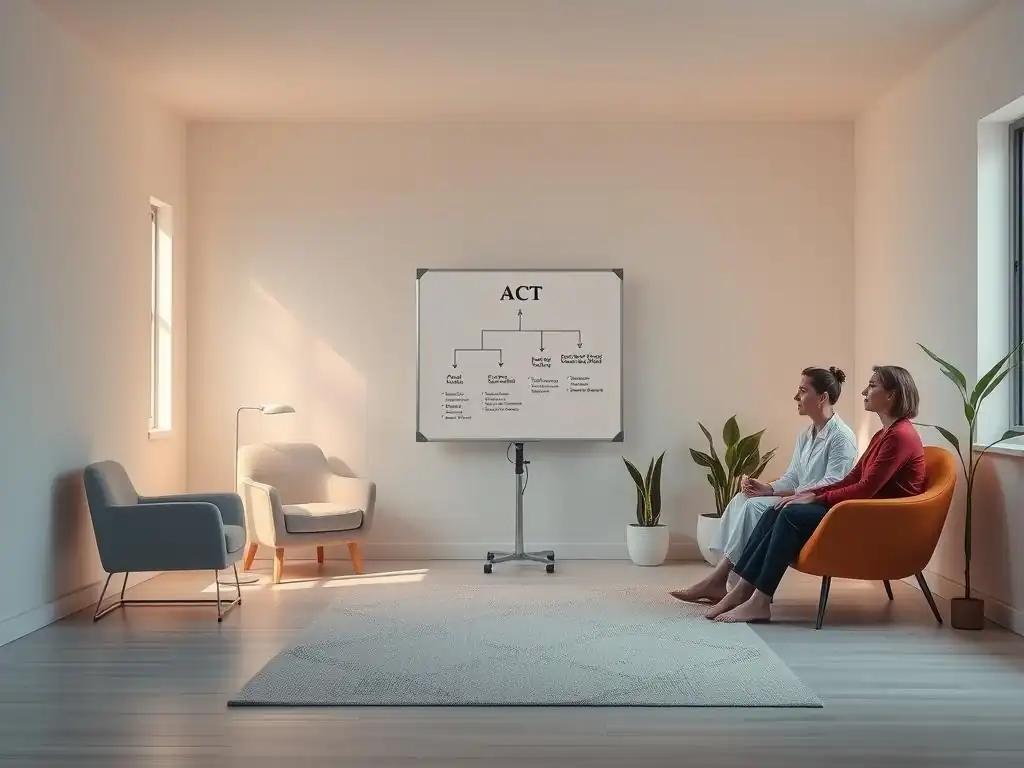
Choosing the right therapy approach when dealing with co-occurring anxiety and ADHD can feel daunting. While CBT, DBT, and MBCT are all valuable modalities, they have different focuses and structures. Understanding these differences can help you discuss options with a therapist and determine which might be the best fit for your specific needs, personality, and goals. Often, the most effective approach involves integrating elements from different therapies or progressing through different modalities over time.
There is no single "best" therapy for everyone. What works well for one person may not be the ideal fit for another. Factors such as the severity of symptoms, the specific type of anxiety disorder, individual learning style, and personal preferences all play a role in determining the most suitable therapeutic path.
CBT vs. DBT: Key Differences and Similarities
Both CBT and DBT are forms of cognitive-behavioral therapy, meaning they focus on the link between thoughts, feelings, and behaviors. However, they have different emphases. CBT is often more focused on identifying and challenging unhelpful thoughts and gradually changing behaviors through exposure or skill-building related to specific problems. It's generally more structured and time-limited, focusing on specific symptom reduction.
DBT, while incorporating cognitive and behavioral elements, places a greater emphasis on emotion regulation and distress tolerance. It's often more intensive and focuses on accepting difficult emotions while also working to change them (the "dialectical" aspect). DBT skills training is particularly strong in teaching individuals how to manage intense emotional crises and navigate difficult interpersonal situations.
For someone whose anxiety and ADHD symptoms are heavily intertwined with significant emotional lability or difficulty coping with intense feelings, DBT might offer more targeted skills than standard CBT. Conversely, if the primary challenge is specific anxious thought patterns and avoidance behaviors related to ADHD difficulties, CBT might be a more direct approach initially. Both can be valuable components of therapy for anxiety adhd.
MBCT vs. CBT: Tailoring Therapy to Individual Needs
MBCT shares roots with CBT but differs significantly in its approach. While CBT focuses on changing negative thoughts and behaviors, MBCT focuses on changing your relationship with your thoughts and feelings through mindfulness. It's less about analyzing the content of thoughts and more about observing them as temporary mental events without judgment.
For someone whose anxiety involves a lot of rumination or getting "stuck" in worry loops, and whose ADHD might involve difficulty staying present, MBCT's emphasis on present-moment awareness and non-judgmental observation can be particularly helpful. It cultivates a different way of relating to the internal experience of both anxiety and ADHD symptoms.
CBT might be preferred if the individual needs concrete strategies for specific problems (e.g., how to manage social anxiety in meetings) or wants to directly challenge specific irrational fears. Often, individuals might benefit from starting with CBT to build foundational skills and then incorporating MBCT to deepen their ability to manage internal experiences with greater acceptance and awareness, enhancing the overall effectiveness of their therapy for anxiety adhd.
Integrating Different Therapy Modalities for Optimal Results
Given the complexity of co-occurring anxiety and ADHD, an integrated approach is often the most effective. This doesn't necessarily mean doing multiple full therapy programs simultaneously, but rather drawing on techniques and principles from different modalities. For example, an individual might primarily be engaged in CBT but incorporate mindfulness practices learned from MBCT to help manage anxious thoughts. Or, someone in DBT might use organizational strategies commonly taught in ADHD coaching or CBT to help manage the practical challenges that trigger their emotional distress.
A skilled therapist experienced in therapy for anxiety adhd can help weave together elements from different approaches, creating a personalized treatment plan. This might involve using CBT to address specific performance anxiety related to work deadlines (anxiety tied to ADHD executive function), incorporating DBT skills to manage intense frustration when tasks are overwhelming, and using mindfulness to reduce overall reactivity and improve self-awareness. This flexible, integrated approach acknowledges that individuals are complex and often benefit from a multi-faceted strategy.
Finding the Right Therapist for Anxiety and ADHD
Finding a therapist who is a good fit and has experience working with both anxiety and ADHD is crucial for effective therapy. Not all therapists specialize in this particular combination, and the nuances of how these conditions interact require a therapist who understands both. Investing time in finding the right professional can significantly impact the success of your therapy for anxiety adhd journey.
A strong therapeutic alliance – the trusting relationship between you and your therapist – is consistently shown in research to be one of the most important factors in positive therapy outcomes, regardless of the specific modality used. Therefore, beyond credentials, finding someone you feel comfortable and safe talking to is paramount.
What to Look for in a Therapist's Credentials and Experience
When searching for a therapist, look for licensed mental health professionals such as licensed psychologists (Ph.D., Psy.D. ), licensed clinical social workers (LCSW), licensed professional counselors (LPC), or licensed marriage and family therapists (LMFT). Their license indicates they have met specific educational and training requirements. More importantly, inquire about their experience treating both anxiety disorders and ADHD.
Specific training or certifications in modalities like CBT, DBT, or MBCT can be beneficial if those approaches align with your needs. Ask about their approach to working with co-occurring conditions – do they have a specific framework or do they integrate techniques? A therapist who understands the unique challenges of executive dysfunction alongside anxiety is better equipped to provide relevant strategies and support. For instance, they might adapt homework assignments or session structure to accommodate attentional difficulties.
Questions to Ask Potential Therapists
Before committing to a therapist, it's helpful to have an initial consultation or phone call. Prepare some questions to assess their suitability. Examples include:
- "Do you have experience treating individuals with both anxiety and ADHD?"
- "What is your approach to working with co-occurring conditions?"
- "Which therapy modalities do you primarily use (e.g., CBT, DBT, MBCT) and how do you tailor them for someone with my profile?"
- "How do you typically structure sessions?"
- "How do you measure progress in therapy?"
- "What is your philosophy on integrating medication with therapy?"
- "What are your fees and cancellation policy?"
These questions help you gauge their expertise and approach to therapy for anxiety adhd, as well as practical considerations. It's also an opportunity to get a feel for their personality and communication style.
Building a Strong Therapeutic Relationship
Once you begin therapy, actively work on building a strong relationship with your therapist. Be open and honest about your struggles, feelings, and experiences. Provide feedback on what feels helpful or unhelpful in sessions. Therapy is a collaborative process, and your input is valuable.
Trust takes time to develop, but you should generally feel heard, respected, and understood by your therapist. If after a few sessions you don't feel a connection or confidence in their ability to help, it's okay to explore other options. Finding the right fit is an essential step in making therapy for anxiety adhd effective.
Self-Help Strategies to Support Therapy

Therapy provides professional guidance and structure, but the work doesn't stop when the session ends. Implementing self-help strategies between appointments is crucial for reinforcing therapeutic gains and building independence in managing symptoms. These strategies can complement any therapy for anxiety adhd approach and empower individuals to take an active role in their well-being.
Consistency is key with self-help. Even small, regular efforts can make a significant difference over time in reducing anxiety, improving focus, and enhancing overall mental health.
Mindfulness Meditation Techniques for Anxiety and ADHD
Mindfulness meditation is a powerful tool that directly supports principles taught in MBCT and can enhance the effectiveness of CBT and DBT as well. Regular practice helps cultivate present-moment awareness, which can reduce the tendency to get lost in anxious thoughts about the future or ruminations about the past, common challenges for individuals with anxiety and ADHD.
Simple techniques include:
- Focused Breathing: Paying attention to the sensation of breath entering and leaving the body. When the mind wanders (which it will! ), gently guide it back to the breath. Start with just 5-10 minutes daily.
- Body Scan: Bringing gentle attention to different parts of the body, noticing sensations without judgment. This can help ground you when feeling anxious or overwhelmed.
- Mindful Walking: Paying attention to the physical sensations of walking – the ground beneath your feet, the movement of your legs, the air on your skin.
Consistent practice, even for short durations, can help improve attention regulation and reduce reactivity to anxious feelings, supporting the goals of therapy for anxiety adhd.
Lifestyle Changes to Reduce Anxiety and Improve Focus
Several lifestyle factors significantly impact both anxiety and ADHD symptoms. Making conscious changes in these areas can provide a strong foundation for managing both conditions.
Consider focusing on:
- Sleep: Aim for 7-9 hours of quality sleep per night. Irregular sleep can worsen both anxiety and ADHD symptoms. Establishing a consistent sleep schedule is vital.
- Exercise: Regular physical activity is a potent stress reducer and can improve focus and mood. Aim for at least 30 minutes of moderate exercise most days of the week. Even short bursts of activity can be helpful.
- Nutrition: A balanced diet can impact mood and energy levels. Limiting caffeine and sugar, which can sometimes exacerbate anxiety and impact focus, can be beneficial.
- Stress Management: Identify sources of stress and develop healthy coping mechanisms beyond therapy for anxiety adhd. This might include hobbies, spending time in nature, or creative pursuits.
Implementing even one or two of these changes can have a noticeable positive effect on managing symptoms.
Support Groups and Online Forums
Connecting with others who understand the experience of living with co-occurring anxiety and ADHD can be incredibly validating and provide practical support. Support groups, whether in-person or online, offer a safe space to share challenges, learn from others' experiences, and reduce feelings of isolation.
Organizations focused on ADHD (like CHADD or ADDA) or anxiety disorders often host groups specifically for individuals dealing with comorbidity. Online forums can provide 24/7 access to a community. While not a substitute for professional therapy for anxiety adhd, peer support can offer encouragement, shared coping strategies, and a reminder that you are not alone in your journey.
The path of therapy is rarely linear. There will be ups and downs, and encountering challenges is a normal part of the process. For individuals with co-occurring anxiety and ADHD, specific obstacles might arise due to the nature of their conditions. Recognizing these potential difficulties and developing strategies to navigate them is important for staying engaged and making progress in therapy for anxiety adhd.
Patience and self-compassion are essential. Setbacks don't mean failure; they are opportunities to learn and adjust the approach. Open communication with your therapist about challenges is also key.
Addressing Resistance to Therapy
Sometimes, individuals might feel resistant to therapy. For someone with ADHD, this could manifest as difficulty scheduling or remembering appointments, challenges with completing homework assignments due to executive dysfunction, or impatience with the pace of progress. Anxiety might lead to avoidance of difficult topics or fear of judgment from the therapist.
Addressing resistance involves open discussion with the therapist about what feels challenging. Strategies might include:
- Breaking down therapy goals into smaller, more manageable steps.
- Using reminders or apps to help with scheduling and homework.
- Exploring the fears or beliefs underlying the resistance.
- Adjusting the therapy format or homework to better suit the individual's learning style and executive function abilities.
Acknowledging resistance without judgment is the first step towards overcoming it and continuing effective therapy for anxiety adhd.
Managing Frustration and Setbacks
It's natural to feel frustrated when progress isn't as fast as hoped, or when setbacks occur – for example, a period of increased anxiety despite using coping skills, or a return of inattentive mistakes. These moments can be particularly disheartening for individuals who are already prone to negative self-talk or feelings of failure due to past experiences with ADHD and anxiety.
Managing frustration involves:
- Accepting Imperfection: Understanding that recovery is a process with fluctuations.
- Reframing Setbacks: Viewing them as learning opportunities rather than failures. What can be learned from this difficult period?
- Practicing Self-Compassion: Being kind to yourself during difficult times, recognizing that you are doing your best.
- Communicating with Your Therapist: Discussing setbacks helps the therapist understand what challenges you're facing and adjust the plan.
Remember the skills learned in therapy for anxiety adhd, such as distress tolerance or challenging negative thoughts, are specifically designed for navigating these difficult moments.
Celebrating Progress and Maintaining Momentum
While it's important to address challenges, it's equally vital to recognize and celebrate progress, no matter how small. For someone with ADHD who might struggle with long-term planning and maintaining motivation, focusing on incremental wins can be particularly powerful.
Celebrating progress can involve:
- Acknowledging Milestones: Recognizing when you successfully used a coping skill in a difficult situation, completed a therapy assignment, or noticed a subtle shift in your thinking.
- Self-Reinforcement: Rewarding yourself (in healthy ways) for achieving goals or sticking with challenging practices.
- Reviewing Progress with Your Therapist: Discussing how far you've come can provide perspective and motivation.
Maintaining momentum in therapy for anxiety adhd involves integrating learned skills into daily life consistently, even when symptoms are manageable. This ongoing practice builds resilience and helps prevent relapse.
Long-Term Management of Anxiety and ADHD
Managing co-occurring anxiety and ADHD is often a long-term process rather than a cure. The goal is to develop sustainable strategies and coping mechanisms that allow individuals to live fulfilling lives despite the presence of these conditions. Therapy for anxiety adhd provides the foundational skills, but ongoing self-care and support are essential for maintaining well-being.
This involves a commitment to applying learned skills, seeking support when needed, and making lifestyle choices that support mental health. It's about building a toolbox of strategies to navigate life's challenges effectively.
Developing Coping Mechanisms for Anxiety and ADHD
Effective long-term management relies on having a robust set of coping mechanisms. These are the skills learned in therapy and practiced daily. For someone with anxiety and ADHD, this might include:
- Using organizational tools and time management techniques to reduce anxiety related to task completion and deadlines.
- Applying cognitive restructuring to challenge anxious thoughts about social situations or performance.
- Using mindfulness or relaxation techniques to manage physical symptoms of anxiety or restlessness.
- Implementing strategies for managing impulsivity or emotional reactivity.
- Developing effective communication skills to navigate interpersonal challenges.
These mechanisms become integrated into daily life, allowing individuals to proactively manage their symptoms and reduce their impact. The therapy for anxiety adhd journey is about building this internal capacity.
Maintaining a Healthy Lifestyle for Mental Well-being
As discussed earlier, lifestyle factors play a significant role. Maintaining a healthy diet, regular exercise, consistent sleep, and effective stress management are not just temporary fixes but ongoing practices that support brain health and emotional regulation.
Prioritizing these areas helps create a stable foundation that makes it easier to manage both anxiety and ADHD symptoms. When physical needs are met, the nervous system is better equipped to handle stress and maintain focus. This commitment to physical well-being is a critical component of the long-term management plan for therapy for anxiety adhd.
The Role of Ongoing Support and Maintenance Therapy
For many individuals, ongoing support is beneficial. This might mean occasional "booster" sessions with a therapist to reinforce skills or address new challenges that arise. It could also involve participating in support groups, checking in with accountability partners, or continuing medication management if needed.
Maintenance therapy, less frequent but regular therapy sessions, can provide continued guidance, help troubleshoot difficulties, and offer a space for reflection and continued growth. Recognizing that support needs may change over time and being willing to seek help when necessary are signs of strength and commitment to long-term mental well-being. The journey of therapy for anxiety adhd is about building a life where both conditions are managed effectively, allowing the individual to thrive.
Frequently Asked Questions
What are some common therapy approaches used for individuals with both anxiety and ADHD?
Common approaches include Cognitive Behavioral Therapy (CBT), which addresses negative thought patterns, and Dialectical Behavior Therapy (DBT), which focuses on emotional regulation. Medication management may also be part of the treatment plan.
How does therapy help with managing anxiety symptoms in individuals with ADHD?
Therapy helps by teaching coping mechanisms for anxiety triggers. It also helps individuals develop organizational skills and time management strategies that can reduce anxiety related to ADHD symptoms.
Can therapy improve focus and concentration in individuals with ADHD?
Yes, therapy, especially behavioral therapy, can teach strategies to improve focus. This often involves techniques like mindfulness exercises and structured routines to minimize distractions.
Is it possible to find a therapist who specializes in both anxiety and ADHD?
Absolutely. It's beneficial to seek a therapist with experience in both conditions. Look for therapists who are familiar with dual diagnoses and can tailor treatment accordingly.
What are the long-term benefits of therapy for individuals with anxiety and ADHD?
Long-term benefits include improved emotional regulation, better coping skills, and increased overall quality of life. Successful therapy can lead to greater self-awareness and independence.
Final Reflection: Finding Your Path to Calm and Focus
The convergence of anxiety and ADHD presents a unique challenge, but understanding the diverse therapeutic approaches available is crucial for navigating this complex landscape. The right therapeutic strategy can be transformative, offering a pathway to managing symptoms and unlocking a more fulfilling life. This isn't just about symptom reduction; it's about reclaiming agency and building resilience.
The journey to effective treatment is deeply personal, a testament to the individual nature of both anxiety and ADHD. Each individual's experience is unique, requiring a tailored approach that considers their specific needs and preferences. This exploration of various therapies highlights the importance of finding the right fit, not just the "best" therapy. The most effective therapy is the one that works for you.
This simple truth underscores the need for open communication with therapists and a willingness to explore different options until the right match is found.
You now possess a deeper understanding of the therapeutic options available to manage anxiety and ADHD. Consider what resonates most with you from this exploration. Take the time to research therapists in your area, read their profiles, and schedule consultations to find the right fit. This is an investment in your well-being, a journey toward a calmer, more focused, and ultimately, happier you. Don't hesitate to advocate for yourself and actively participate in your treatment plan. Your path to a more balanced life begins with this crucial first step.
Unlock Your Calm: Take the Next Step Towards Managing Anxiety and ADHD
Thanks for taking the time to explore different therapy approaches for anxiety and ADHD! We hope this article equipped you with valuable insights to navigate your journey towards better mental well-being. Now, let's put that knowledge into action.
- Schedule a consultation: Reach out to a therapist specializing in anxiety and/or ADHD to discuss your specific needs and explore treatment options. This is the most important step towards finding the right fit for you.
- Explore mindfulness techniques: Even small daily practices, like deep breathing or meditation, can significantly impact your ability to manage symptoms. Many free resources are available online to get you started.
- Share this article: Help others on their journey by sharing this article with friends or family members who might benefit from learning about these therapy approaches. Starting a conversation is powerful!
What specific technique mentioned in the article resonates most with you, and why? Let's discuss in the comments!