
Beyond Medication: Exploring NonPharmacological Treatments for GAD

Welcome to Mind Care Guide, a sanctuary for your mental well-being. Feeling overwhelmed by anxiety and searching for relief beyond medication? You're not alone. Many find solace and strength through alternative paths. This guide delves into nonmedication anxiety treatment options, offering a compassionate exploration of strategies that can empower you to manage your Generalized Anxiety Disorder (GAD) and reclaim a sense of calm. Curious to discover what possibilities await? Let's embark on this journey together...
Beyond Medication: Exploring Non-Pharmacological Treatments for GAD - Mind Care Guide
- Understanding Generalized Anxiety Disorder (GAD) and Treatment Approaches
- Non-Medication Anxiety Treatment Options: An Overview
- Therapy-Based Non-Medication Anxiety Treatments
- Lifestyle Adjustments for Anxiety Management
- Complementary and Alternative Medicine (CAM) for GAD
- Creating a Personalized Non-Pharmacological Treatment Plan for GAD
- Maintaining Long-Term Anxiety Relief Without Medication
-
Frequently Asked Questions
- What are some nonmedication anxiety treatment options for Generalized Anxiety Disorder (GAD)?
- How effective are nonmedication approaches compared to medication for managing anxiety?
- Are there any potential side effects associated with nonpharmacological treatments for GAD?
- Can nonmedication treatments be used alongside medication for anxiety?
- Where can I find resources and support for exploring nonmedication anxiety treatment options?
- Final Reflection: Reimagining Anxiety Care: Beyond the Pill
- Unlock Your Calm: Take Control of Your GAD
Understanding Generalized Anxiety Disorder (GAD) and Treatment Approaches
The Role of Medication in Managing GAD
Medication, particularly selective serotonin reuptake inhibitors (SSRIs) and serotonin-norepinephrine reuptake inhibitors (SNRIs), plays a significant role in the management of Generalized Anxiety Disorder (GAD). These pharmacological interventions aim to regulate neurotransmitters in the brain that are believed to be involved in anxiety symptoms, such as serotonin and norepinephrine. For many individuals, medication can provide substantial relief from the persistent worry, restlessness, fatigue, difficulty concentrating, irritability, muscle tension, and sleep disturbances characteristic of GAD, often within a few weeks of starting treatment.
While effective for many, medication is typically considered part of a broader treatment plan and may not be suitable or preferred for everyone. The decision to use medication is often based on the severity of symptoms, the presence of co-occurring conditions like depression, and individual patient factors and preferences. It's a tool that can help manage symptoms, making it easier for individuals to engage in other forms of treatment, such as therapy, and improve their overall quality of life.
Limitations of Medication and the Need for Alternative Therapies
Despite their effectiveness, pharmacological treatments for GAD have limitations. Common side effects can include nausea, insomnia, dizziness, weight changes, and sexual dysfunction, which can impact adherence and quality of life for some individuals. Additionally, some people may not respond adequately to medication, or they may experience a relapse of symptoms even while taking it. There can also be concerns about dependency or withdrawal effects when discontinuing certain medications, such as benzodiazepines, although these are less common with SSRIs and SNRIs when tapered properly.
These limitations highlight the critical need for exploring nonmedication anxiety treatment options. Non-pharmacological approaches offer alternatives or complementary strategies that address anxiety through behavioral, psychological, and lifestyle changes. These methods often empower individuals by teaching them coping skills and strategies they can use proactively to manage their anxiety long-term, rather than solely relying on a pill to alleviate symptoms. This focus on skill-building and holistic well-being is a key advantage of non-drug treatments for GAD.
Non-Medication Anxiety Treatment Options: An Overview
Exploring the Spectrum of Non-Pharmacological Approaches
Non-medication anxiety treatment options encompass a wide spectrum of interventions that do not involve prescription drugs. These approaches range from structured psychotherapies that help individuals change their thought patterns and behaviors, to lifestyle adjustments that promote overall well-being, and complementary practices that support relaxation and stress reduction. The goal is to address the root causes and manifestations of anxiety through active engagement and learned skills.
This spectrum includes evidence-based therapies like Cognitive Behavioral Therapy (CBT) and Acceptance and Commitment Therapy (ACT), which have strong research support for their effectiveness in treating GAD. It also includes interventions focused on physical health, such as exercise, nutrition, and sleep hygiene, recognizing the profound connection between mind and body. Furthermore, complementary and alternative medicine (CAM) practices like mindfulness, yoga, acupuncture, and herbal remedies are explored for their potential benefits, offering additional non-medication anxiety treatment options.
Why Choose Non-Drug Treatments for GAD?
Choosing non-drug treatments for GAD can be appealing for several reasons. As mentioned, they avoid the potential side effects associated with medication. For individuals who prefer not to take medication due to personal beliefs, medical conditions, or concerns about long-term use, these options provide viable alternatives. Non-medication approaches often focus on teaching sustainable coping skills, empowering individuals to become active participants in their own recovery and build resilience against future anxiety episodes.
Furthermore, many nonmedication anxiety treatment options address not just the symptoms of GAD, but also contribute to overall physical and mental health. For example, regular exercise benefits cardiovascular health and mood, while improved sleep hygiene impacts numerous physiological processes. These holistic benefits make non-pharmacological methods attractive for individuals seeking comprehensive well-being alongside anxiety relief. While some may use these approaches alongside medication, others find them sufficient on their own or prefer to start with them before considering pharmacological intervention.
Therapy-Based Non-Medication Anxiety Treatments
Cognitive Behavioral Therapy (CBT) for Anxiety Reduction
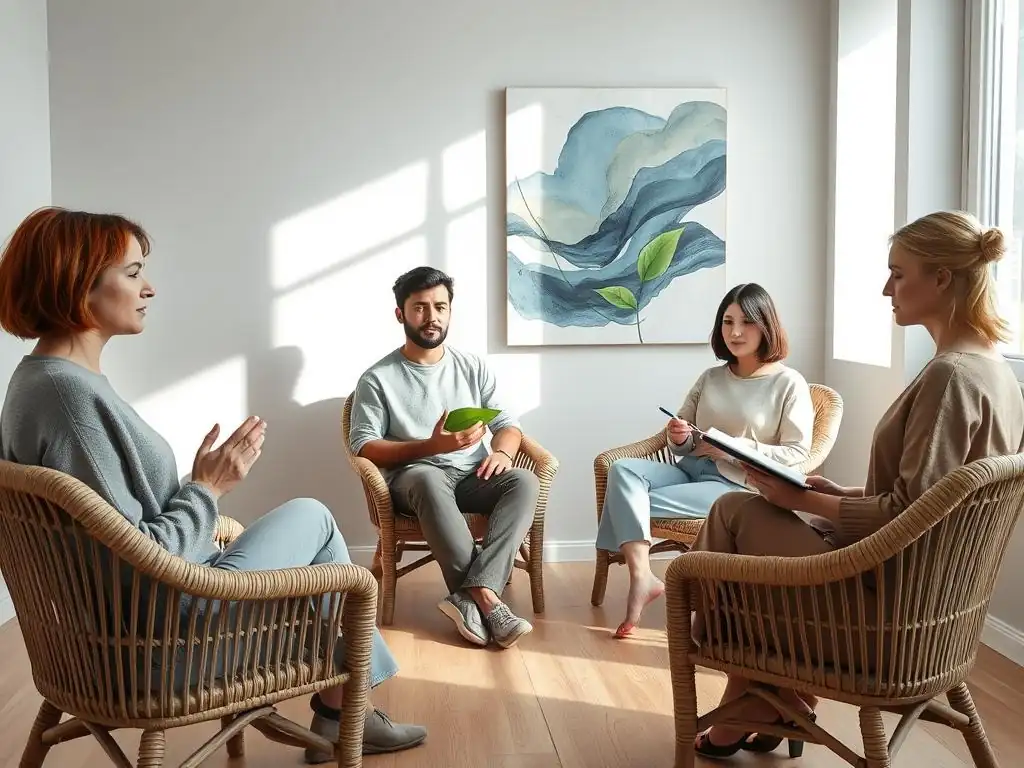
Cognitive Behavioral Therapy (CBT) is one of the most widely researched and effective nonmedication anxiety treatment options for GAD. It is a structured, short-to-medium-term therapy that helps individuals identify and challenge negative thought patterns and behaviors that contribute to their anxiety. The core principle is that our thoughts, feelings, and behaviors are interconnected, and by changing one, we can influence the others. For GAD, CBT specifically targets the excessive worry and catastrophic thinking that characterize the disorder.
A typical course of CBT for GAD might involve weekly sessions over 12 to 20 weeks, though this can vary. During therapy, individuals learn to recognize their "worry triggers," examine the validity of their anxious thoughts, and develop more balanced and realistic perspectives. They also learn behavioral techniques to confront feared situations gradually (exposure therapy) and reduce avoidance behaviors, which often maintain anxiety. Studies consistently show that CBT can significantly reduce worry, improve daily functioning, and provide long-lasting benefits for individuals with GAD, with many experiencing a significant reduction in symptoms.
How CBT Addresses Anxious Thoughts and Behaviors
CBT addresses anxious thoughts through techniques like cognitive restructuring. This involves identifying cognitive distortions – biased ways of thinking such as catastrophizing (assuming the worst outcome), fortune-telling (predicting negative events), or mind-reading (assuming what others think). For instance, someone with GAD might worry excessively about a minor physical symptom, catastrophizing it into a sign of a severe illness. A CBT therapist would help them examine the evidence for and against this thought, consider alternative explanations, and develop a more realistic assessment, such as "It's likely a common symptom, and I can monitor it or see a doctor if needed."
Behaviorally, CBT utilizes techniques like exposure therapy and behavioral experiments. Exposure involves gradually confronting feared situations or thoughts that are typically avoided. For GAD, this might mean spending dedicated time engaging in worrying without distraction (scheduled worry time) or facing situations that trigger social anxiety if that is part of their GAD.
Behavioral experiments involve testing the validity of anxious predictions. For example, if someone worries excessively about making mistakes at work, a behavioral experiment might involve intentionally making a small, non-consequential mistake to see if the feared negative outcome actually occurs, helping to challenge their beliefs about the consequences of imperfection.
CBT Techniques for GAD
CBT for GAD employs several specific techniques tailored to the disorder's characteristics. Cognitive restructuring is central, helping individuals identify and challenge the validity of their persistent, negative thoughts and worries. This often involves using thought records to document anxious thoughts, identify the emotions and behaviors they trigger, and then generate and evaluate alternative, more balanced thoughts.
Another key technique is worry exposure or scheduled worry time. Instead of trying to suppress worry, which is often ineffective, individuals are encouraged to set aside a specific time each day (e.g., 20-30 minutes) to focus only on their worries. This paradoxical technique can help demystify worry, make it feel less uncontrollable, and highlight its often repetitive and unproductive nature. Other techniques include relaxation training (like progressive muscle relaxation or deep breathing) to manage physical tension associated with anxiety, and problem-solving skills training to address practical concerns that contribute to worry in a more constructive way.
Acceptance and Commitment Therapy (ACT) for GAD
Acceptance and Commitment Therapy (ACT) is another prominent nonmedication anxiety treatment option, differing from traditional CBT by emphasizing acceptance and mindfulness processes alongside commitment and behavior change. Instead of focusing primarily on challenging or eliminating anxious thoughts, ACT encourages individuals to notice and accept their internal experiences (thoughts, feelings, sensations) without judgment, while committing to actions aligned with their personal values. The goal is not to feel better, but to live a rich and meaningful life with anxiety potentially present.
ACT operates on the principle of psychological flexibility, which involves six core processes: acceptance, cognitive defusion (learning to see thoughts as just thoughts, not necessarily truth), being present, self-as-context (seeing oneself as separate from one's thoughts and feelings), values (clarifying what truly matters), and committed action (taking steps guided by values). For someone with GAD, this means learning to coexist with worrying thoughts and anxious feelings without getting entangled or controlled by them, thereby freeing up energy to pursue meaningful activities rather than engaging in avoidance or constant reassurance-seeking.
ACT's Focus on Psychological Flexibility and Values
ACT's unique strength lies in its focus on psychological flexibility. GAD often involves rigidity – a desperate attempt to control or eliminate internal experiences (anxiety, worry) and external circumstances to feel safe. This struggle often backfires, paradoxically increasing distress. ACT helps individuals loosen this rigid control by practicing acceptance of unwanted internal experiences. For example, instead of fighting a wave of anxiety, they learn to notice it, acknowledge it, and let it be, without necessarily acting on it.
Furthermore, ACT places a strong emphasis on clarifying personal values – what truly matters most in life (e.g., relationships, personal growth, contribution, health). Once values are clear, the therapy helps individuals commit to taking actions aligned with these values, even when anxiety is present. This shift from being driven by fear and avoidance to being guided by what is deeply meaningful helps individuals move forward in life despite their anxiety, building a sense of purpose and vitality that anxiety often diminishes.
ACT Strategies for Managing Anxiety Symptoms
ACT employs various strategies to help individuals manage anxiety symptoms by fostering psychological flexibility. Cognitive defusion techniques help individuals change their relationship with anxious thoughts. Instead of getting hooked by a worry ("I'm going to fail"), defusion techniques might involve repeating the thought in a funny voice, noticing it as a sentence ("I'm having the thought that I'm going to fail"), or labeling it ("Here's the worry thought again"). The aim is not to make the thought disappear, but to reduce its believability and impact.
Acceptance strategies involve making space for uncomfortable feelings and sensations. This might include mindfulness exercises where individuals gently observe physical sensations of anxiety (e.g., rapid heartbeat, muscle tension) without trying to push them away. Mindfulness practices are central to ACT, helping individuals connect with the present moment non-judgmentally, reducing the time spent dwelling on past worries or future fears. Finally, committed action involves setting goals and taking concrete steps towards value-consistent living, even if anxiety is present. This could mean attending a social event (value: connection) despite social anxiety, or starting a new project (value: creativity) despite performance worries.
Mindfulness-Based Therapies for Anxiety Relief
Mindfulness-Based Therapies, such as Mindfulness-Based Stress Reduction (MBSR) and Mindfulness-Based Cognitive Therapy (MBCT), are increasingly recognized as valuable nonmedication anxiety treatment options. These approaches teach individuals how to cultivate present moment awareness with an attitude of non-judgment and acceptance. For GAD, which is characterized by excessive future-oriented worry and rumination on the past, learning to anchor oneself in the present can be profoundly therapeutic.
Mindfulness training helps individuals observe their thoughts, feelings, and bodily sensations as transient events rather than absolute truths or dangers. This practice can help reduce the tendency to get caught up in the spiral of worry. Instead of automatically reacting to an anxious thought, a person trained in mindfulness can learn to notice the thought ("Oh, there's the 'what if' thought again"), acknowledge it, and let it pass without getting swept away by it. This creates a space between the thought and the reaction, allowing for a more conscious and less reactive response to anxiety.
Cultivating Present Moment Awareness to Reduce Worry
The core of mindfulness-based therapies is the cultivation of present moment awareness. This involves intentionally paying attention to one's internal and external experiences as they unfold, moment by moment, without evaluation or elaboration. For individuals with GAD, whose minds are often preoccupied with hypothetical future threats or past regrets, this practice offers a powerful antidote to chronic worry. By focusing on sensory details (the feeling of breath, sounds, physical sensations) or simple activities, the mind is gently redirected away from the cycle of anxious thoughts.
Regular practice helps individuals develop a greater capacity to notice when their mind has drifted into worry and to gently guide it back to the present. This is not about stopping thoughts, but about changing the relationship with them – seeing them as mental events rather than commands or accurate predictions. Over time, this can weaken the habit of automatically engaging with every worry, reducing the overall intensity and frequency of anxious rumination and offering significant anxiety relief.
Mindfulness Practices for GAD
Several specific mindfulness practices are beneficial for managing GAD. Mindful breathing involves focusing attention on the sensation of the breath entering and leaving the body. When the mind wanders to worries, the individual simply notices this and gently returns their attention to the breath. This simple practice can be done anywhere and helps ground the individual in the present moment.
Body scan meditation involves systematically bringing attention to different parts of the body, noticing physical sensations without trying to change them. This can help individuals become more aware of physical tension associated with anxiety and learn to release it, while also practicing non-judgmental acceptance of bodily sensations.
Mindful movement, such as walking or gentle yoga, focuses attention on the physical sensations of movement. Formal seated meditation and informal mindfulness practice (bringing awareness to everyday activities like eating or washing dishes) are also taught, all aimed at increasing present moment awareness and reducing entanglement with anxious thoughts, contributing to nonmedication anxiety treatment options.
Lifestyle Adjustments for Anxiety Management
The Power of Exercise in Reducing Anxiety
Regular physical exercise is a powerful and accessible nonmedication anxiety treatment option, often recommended as a first-line approach for mild to moderate anxiety and as an adjunctive therapy for more severe cases. The benefits are multifaceted, impacting both psychological and physiological aspects of anxiety. Engaging in physical activity helps to reduce muscle tension, which is a common symptom of GAD. It also provides a distraction from worries and can improve mood by releasing endorphins, natural mood boosters.
Beyond immediate effects, consistent exercise helps regulate stress hormones like cortisol and promotes overall nervous system health. Research suggests that regular aerobic activity can be as effective as medication or therapy for some individuals in reducing anxiety symptoms. For instance, a meta-analysis of studies found that exercise significantly reduced anxiety symptoms across various populations, with effects comparable to those of pharmacological treatments in some cases. This highlights exercise's potential as a standalone or complementary strategy among non-drug treatments for GAD.
Types of Exercise Beneficial for GAD
While most forms of exercise can be beneficial, some types are particularly helpful for reducing anxiety. Aerobic exercises, such as brisk walking, jogging, swimming, or cycling, are well-studied and consistently shown to reduce anxiety. These activities elevate heart rate and breathing, releasing endorphins and helping to burn off nervous energy. Aiming for moderate intensity, where you can talk but not sing, is often recommended.
Mind-body exercises like yoga and Tai Chi (discussed further below) combine physical movement with mindfulness or meditation, offering dual benefits of physical activity and stress reduction. Strength training can also be beneficial, helping to reduce muscle tension and improve body image and confidence, which can indirectly impact anxiety. The key is to find an activity you enjoy and can stick with consistently, making it a sustainable nonmedication anxiety treatment option.
Recommended Exercise Routine for Anxiety Relief
General guidelines for exercise for anxiety relief often align with overall public health recommendations, suggesting at least 150 minutes of moderate-intensity aerobic activity or 75 minutes of vigorous-intensity activity per week, spread throughout the week. For GAD, consistency is often more important than intensity. Even short bursts of activity, like a 10-15 minute brisk walk, can provide immediate relief from acute anxiety.
Incorporating exercise into a daily or near-daily routine (e.g., 30 minutes of moderate activity most days of the week) seems to yield the most significant and lasting benefits for anxiety reduction. It's also helpful to find ways to make exercise enjoyable and sustainable, perhaps exercising with a friend, joining a class, or setting achievable goals. Starting slowly and gradually increasing duration or intensity is crucial to avoid injury and maintain motivation, establishing exercise as a reliable nonmedication anxiety treatment option.
Nutrition and Diet for Anxiety: A Mind-Body Connection
While diet alone may not cure GAD, nutrition plays a significant role in overall mental health and can influence anxiety levels. What we eat affects brain function, neurotransmitter production, and inflammation, all of which can impact mood and anxiety. Focusing on a balanced, nutrient-dense diet can be a supportive nonmedication anxiety treatment option. This involves prioritizing whole foods and minimizing processed items, excessive sugar, and unhealthy fats, which can sometimes exacerbate anxiety symptoms or lead to energy crashes that worsen mood.
Ensuring adequate intake of certain nutrients is particularly important. Omega-3 fatty acids, found in fatty fish, flaxseeds, and walnuts, are crucial for brain health and have anti-inflammatory properties that may help regulate mood. B vitamins are essential for nervous system function and energy production. Magnesium, often called the "relaxation mineral," plays a role in stress response and muscle function. Balancing blood sugar levels through regular meals and complex carbohydrates can also prevent mood swings and irritability that might fuel anxiety.
Foods to Include and Avoid for Optimal Mental Health
For optimal mental health and anxiety management, focus on incorporating nutrient-rich foods. Include:
- Fatty fish: Salmon, mackerel, sardines (rich in Omega-3s).
- Leafy greens: Spinach, kale (good source of magnesium and B vitamins).
- Nuts and seeds: Walnuts, almonds, chia seeds, flaxseeds (Omega-3s, magnesium, zinc).
- Whole grains: Oats, brown rice, quinoa (complex carbohydrates for stable energy).
- Lean proteins: Chicken, turkey, beans, lentils (support neurotransmitter production).
- Fermented foods: Yogurt, kefir, sauerkraut (support gut health, linked to mood).
- Fruits and vegetables: A wide variety for antioxidants and vitamins.
Foods to limit or avoid include:
- Excessive caffeine: Can trigger or worsen anxiety symptoms like restlessness and nervousness.
- High sugar foods and refined carbohydrates: Cause blood sugar spikes and crashes, affecting mood and energy.
- Processed foods: Often lack essential nutrients and can contain additives that may negatively impact mood for some individuals.
- Excessive alcohol: While it may seem to reduce anxiety initially, it disrupts sleep and can worsen anxiety as it wears off.
The Role of Gut Health in Anxiety
Emerging research highlights a significant connection between gut health and mental well-being, often referred to as the "gut-brain axis." The gut is home to trillions of microorganisms (the gut microbiome) that produce neurotransmitters and other chemicals that can influence brain function and mood. An imbalanced gut microbiome (dysbiosis) has been linked to various mental health conditions, including anxiety.
Supporting a healthy gut microbiome through diet can be a valuable nonmedication anxiety treatment option. Consuming probiotic-rich foods (like yogurt with live cultures, kefir, sauerkraut, kimchi) and prebiotic-rich foods (like garlic, onions, bananas, oats) helps nourish beneficial gut bacteria. Reducing intake of sugar, processed foods, and unhealthy fats can also improve gut health. While this is a complex area of research, focusing on a diverse, plant-rich diet that supports a healthy gut is a promising strategy for supporting mental well-being alongside other non-pharmacological approaches.
Sleep Hygiene for Anxiety: Prioritizing Rest
Sleep disturbances are incredibly common in GAD; worry often makes it difficult to fall asleep or stay asleep, and lack of sleep can in turn exacerbate anxiety symptoms, creating a vicious cycle. Prioritizing good sleep hygiene – consistent habits that promote healthy sleep – is a fundamental nonmedication anxiety treatment option. Improving sleep quality and duration can significantly impact mood, cognitive function, and the ability to cope with stress and worry.
Chronic sleep deprivation can increase activity in the brain's amygdala, the region associated with fear and emotional responses, while decreasing activity in the prefrontal cortex, responsible for rational thinking and emotional regulation. This makes individuals more reactive to stressors and less able to manage anxious thoughts. Establishing a consistent sleep routine helps regulate the body's internal clock (circadian rhythm), promoting more restful and restorative sleep, which is essential for managing GAD.
Establishing a Consistent Sleep Schedule
One of the most important aspects of sleep hygiene is establishing and maintaining a consistent sleep schedule. This means going to bed and waking up around the same time every day, even on weekends. Consistency helps regulate the body's circadian rhythm, making it easier to fall asleep and wake up naturally. While it might be tempting to sleep in on days off, significant variations can disrupt this rhythm and worsen sleep quality overall.
Aim for 7-9 hours of quality sleep per night, the amount recommended for most adults. If you struggle with this, focus on consistency first. Avoid trying to "catch up" on sleep excessively, as this can further disrupt your schedule. If you need to nap, keep it short (20-30 minutes) and avoid napping late in the afternoon. Making a consistent sleep schedule a priority is a foundational nonmedication anxiety treatment option for improving overall well-being and anxiety management.
Creating a Relaxing Bedtime Routine
Creating a relaxing bedtime routine signals to your body that it's time to wind down and prepare for sleep. This routine should ideally start 30-60 minutes before your target bedtime and involve calming activities. Avoid stimulating activities like working, engaging in stressful conversations, or using electronic devices (phones, tablets, computers) which emit blue light that can interfere with melatonin production, the hormone that regulates sleep.
Examples of relaxing activities include:
- Taking a warm bath or shower.
- Reading a physical book (not on a backlit device).
- Listening to calming music or a podcast.
- Practicing gentle stretching or yoga.
- Engaging in mindfulness or meditation.
- Writing in a journal (perhaps a worry journal to offload thoughts before bed).
Ensuring your bedroom environment is conducive to sleep is also crucial: dark, quiet, and cool. By consistently following a relaxing routine, you train your body and mind to associate these activities with sleep, making it easier to transition from wakefulness to rest, significantly aiding nonmedication anxiety treatment options.
Complementary and Alternative Medicine (CAM) for GAD
Herbal Remedies for Anxiety
Various herbal remedies are marketed for anxiety relief, representing a category of nonmedication anxiety treatment options. Some of the most commonly discussed include valerian, chamomile, passionflower, and kava. These herbs are often used traditionally for their calming or sedative properties. For example, chamomile tea is a popular choice for relaxation, and valerian is often used to help with sleep issues related to anxiety.
While anecdotal evidence and traditional use are prevalent, the scientific evidence for the effectiveness and safety of many herbal remedies for GAD varies. Some studies suggest potential benefits for certain herbs like passionflower or kava (though kava has associated liver toxicity risks), while others show mixed or inconclusive results. The quality and potency of herbal supplements can also vary widely.
Understanding the Evidence and Potential Risks of Herbal Treatments
It is crucial to approach herbal remedies with caution and a clear understanding of the evidence and potential risks. Unlike prescription medications, herbal supplements are not regulated by agencies like the FDA in the same way, meaning their purity, dosage, and efficacy are not as strictly controlled. There is a risk of contamination, incorrect dosing, or interactions with other medications you may be taking.
For example, Kava has been linked to liver damage in some individuals, leading to warnings and restrictions in various countries. St. John's Wort, sometimes used for mood, can interact dangerously with many medications, including antidepressants. Even seemingly benign herbs like chamomile can cause allergic reactions in some people. Therefore, while exploring these nonmedication anxiety treatment options, it's essential to prioritize safety and informed decision-making based on available evidence.
Consulting a Healthcare Professional Before Using Herbal Remedies
Given the potential risks and interactions, it is absolutely essential to consult with a qualified healthcare professional, such as a medical doctor or a pharmacist, before starting any herbal remedy for anxiety. They can provide guidance on the current scientific evidence for a particular herb's effectiveness, potential side effects, appropriate dosing, and, critically, potential interactions with any prescription or over-the-counter medications you are already taking.
A healthcare provider can also help determine if herbal remedies are appropriate for your specific situation or if other non-pharmacological or pharmacological treatments might be more effective or safer. They can monitor for any adverse effects or interactions. Self-treating with herbal remedies without professional guidance can be risky and may delay seeking more effective, evidence-based treatments for GAD, underscoring the need for caution even with non-drug treatments for GAD.
Acupuncture for Anxiety Relief
Acupuncture, a traditional Chinese medicine technique involving the insertion of thin needles into specific points on the body, is explored by some as a nonmedication anxiety treatment option. The theory behind acupuncture is that it helps balance the body's energy flow (Qi) and stimulate the nervous system. From a Western perspective, it's believed that acupuncture may stimulate the release of endorphins, influence neurotransmitter levels, and reduce stress hormones like cortisol.
Studies on acupuncture for GAD have shown mixed results, with some indicating a reduction in anxiety symptoms and others finding no significant difference compared to control groups. The mechanisms are not fully understood, and more rigorous research is needed to establish its effectiveness definitively for GAD specifically. However, some individuals report feeling more relaxed and less anxious after acupuncture sessions.
How Acupuncture May Help Regulate the Nervous System
One hypothesis regarding how acupuncture might help with anxiety relates to its potential effects on the autonomic nervous system. GAD is often associated with an overactive sympathetic nervous system (the "fight or flight" response). Acupuncture may help shift the body towards a more relaxed state by stimulating the parasympathetic nervous system (the "rest and digest" response).
This potential modulation of the nervous system could lead to reduced heart rate, lower blood pressure, decreased muscle tension, and a general sense of calm. Additionally, the release of endorphins triggered by acupuncture could contribute to improved mood and a reduction in the perception of stress and anxiety. While the exact pathways are still under investigation, these proposed mechanisms support the idea that acupuncture could be a beneficial nonmedication anxiety treatment option for some individuals.
Finding a Qualified Acupuncturist
If considering acupuncture as a non-drug treatment for GAD, it is crucial to find a qualified and licensed practitioner. Licensing requirements vary by location, but look for an acupuncturist certified by a reputable national body (e.g., the National Certification Commission for Acupuncture and Oriental Medicine - NCCAOM in the US) and licensed by your state or local jurisdiction. This ensures they have met educational and safety standards.
Discuss your GAD symptoms and any other health conditions with the acupuncturist during your initial consultation. They should be able to explain their approach and how it might address your specific concerns. While acupuncture is generally considered safe when performed by a trained professional, ensure sterile needles are used and discuss any concerns you have. Acupuncture can be explored as a complementary nonmedication anxiety treatment option alongside more evidence-based approaches.
Yoga and Tai Chi for Anxiety Reduction
Yoga and Tai Chi are ancient mind-body practices that involve gentle movements, breath control, and meditation or mindfulness. These practices are increasingly recognized as valuable nonmedication anxiety treatment options due to their ability to reduce stress, improve physical health, and cultivate a sense of calm and present moment awareness. They offer a holistic approach that addresses both the physical tension and mental rumination often associated with GAD.
Regular participation in yoga or Tai Chi has been shown in various studies to reduce symptoms of anxiety and depression. For instance, a study on participants with elevated anxiety found that a regular yoga practice significantly reduced self-reported anxiety levels. These practices help lower heart rate, blood pressure, and cortisol levels, counteracting the physiological effects of chronic stress and anxiety. They also encourage mindfulness, helping individuals become more aware of their bodies and minds without judgment.
The Benefits of Mind-Body Practices for GAD
Mind-body practices like yoga and Tai Chi offer several benefits specifically relevant to GAD. Physically, the gentle movements and stretching help release chronic muscle tension, a common GAD symptom. The focus on breath control (pranayama in yoga) teaches individuals how to regulate their breathing, which can be a powerful tool for calming the nervous system during moments of heightened anxiety or panic.
Mentally and emotionally, these practices cultivate mindfulness and acceptance. By focusing on the sensations of the body and the breath, participants are drawn into the present moment, reducing the time spent dwelling on worries about the future or past. The non-competitive and self-compassionate nature of these practices also encourages a gentler attitude towards oneself, counteracting the self-criticism often present in GAD. This combination of physical and mental benefits makes them effective nonmedication anxiety treatment options.
Finding a Yoga or Tai Chi Class Suitable for Anxiety
When seeking a yoga or Tai Chi class for anxiety reduction, look for styles that emphasize gentle movement, breathwork, and mindfulness rather than intense physical challenge. Hatha yoga, Yin yoga, or restorative yoga styles might be more suitable than fast-paced Vinyasa flow or hot yoga, especially when starting out. Similarly, traditional forms of Tai Chi that focus on slow, deliberate movements and meditation are ideal.
Look for instructors who are experienced and create a supportive, non-judgmental environment. Inform the instructor that you are practicing for anxiety relief so they can offer modifications or guidance if needed. Many studios or community centers offer beginner classes specifically designed for relaxation or stress reduction. Practicing regularly, even just 20-30 minutes a few times a week, can yield significant benefits as a non-drug treatment for GAD.
Creating a Personalized Non-Pharmacological Treatment Plan for GAD
Assessing Your Individual Needs and Preferences
Creating an effective non-pharmacological treatment plan for GAD is a highly personal process. What works well for one person may not be the best fit for another. The first step is to assess your individual needs, preferences, and the specific ways GAD impacts your life. Consider which symptoms are most bothersome (e.g., excessive worry, physical tension, sleep problems) and which nonmedication anxiety treatment options resonate most with you based on your interests, lifestyle, and resources.
Think about your schedule and commitments: how much time can you realistically dedicate to therapy sessions, exercise, or mindfulness practice? What are your financial resources? Are there certain activities you genuinely enjoy or are curious about trying? Reflecting on these factors will help you identify non-drug treatments for GAD that are not only potentially effective but also sustainable and enjoyable, increasing the likelihood that you will stick with them long-term.
Combining Different Non-Medication Approaches for Optimal Results
Often, the most effective approach for managing GAD without medication involves combining several different non-pharmacological strategies. Just as a balanced diet includes various food groups, a comprehensive treatment plan can integrate different types of nonmedication anxiety treatment options that address different aspects of the disorder. For example, someone might benefit from weekly CBT sessions to challenge worry patterns, daily mindfulness practice to cultivate present moment awareness, and regular exercise to reduce physical tension and improve mood.
Combining approaches can offer synergistic benefits. Therapy provides structured tools and insights, while lifestyle changes like exercise and good sleep hygiene build a foundation of physical resilience. Practices like yoga or mindfulness can complement therapy by enhancing self-awareness and the ability to tolerate discomfort. A layered approach that incorporates multiple non-drug treatments for GAD is often more robust and provides more comprehensive support than relying on a single method.
Working with a Mental Health Professional to Develop a Comprehensive Plan
Developing a personalized and comprehensive non-pharmacological treatment plan for GAD is best done in collaboration with a qualified mental health professional. A therapist (such as a psychologist, licensed clinical social worker, or counselor) specializing in anxiety disorders can help you assess your specific needs, understand the evidence base for different nonmedication anxiety treatment options, and guide you in selecting and implementing the most appropriate strategies.
They can provide structured therapy like CBT or ACT, teach mindfulness techniques, offer support and accountability for lifestyle changes, and help you navigate any challenges that arise. A professional can also help you determine if a non-pharmacological approach is sufficient for your level of anxiety or if integrating medication might be beneficial in conjunction with these non-drug treatments for GAD. Their expertise is invaluable in creating a plan that is safe, effective, and tailored to your unique path towards recovery.
Maintaining Long-Term Anxiety Relief Without Medication
Building Resilience and Coping Skills
Achieving long-term anxiety relief without medication is largely dependent on building robust resilience and effective coping skills. Non-pharmacological treatments for GAD, particularly therapy-based approaches like CBT and ACT, are specifically designed to equip individuals with these tools. Resilience isn't about never feeling anxious, but about the ability to bounce back from stressful situations and manage anxious feelings when they arise. This involves learning to tolerate uncertainty, view challenges as opportunities for growth, and maintain a sense of control over one's response rather than being controlled by anxiety.
Coping skills are the specific strategies used to manage difficult thoughts, feelings, and situations. Examples include using relaxation techniques (like deep breathing or progressive muscle relaxation) during moments of panic, employing cognitive restructuring to challenge unhelpful thoughts, practicing mindfulness to stay grounded in the present, or utilizing problem-solving skills to address genuine concerns constructively. Regularly practicing and refining these skills, even when not feeling acutely anxious, is key to maintaining long-term relief and strengthening your ability to navigate life's inevitable stressors using non-drug treatments for GAD.
The Importance of Ongoing Support and Self-Care
Maintaining anxiety relief is an ongoing process, not a destination. Continued engagement with support systems and prioritizing self-care are crucial for long-term well-being. This might involve periodic check-ins with a therapist, participating in support groups (either in-person or online), or staying connected with supportive friends and family who understand your journey with GAD and nonmedication anxiety treatment options. Social connection itself is a powerful buffer against stress and anxiety.
Self-care practices that you incorporated into your initial treatment plan – such as regular exercise, healthy eating, consistent sleep, and enjoyable hobbies – need to remain a priority. Think of these not as optional extras, but as essential components of your maintenance strategy. Regularly assessing your stress levels and proactively using your learned coping skills are acts of self-care that prevent anxiety from escalating. Committing to these practices supports your continued success with non-drug treatments for GAD.
Recognizing and Addressing Setbacks
It is important to recognize that setbacks are a normal part of managing any chronic condition, including GAD. There will likely be times when anxiety symptoms return or intensify, perhaps during periods of high stress or life transitions. This is not a sign of failure, but rather an indication that additional attention and care are needed. Learning to recognize the early warning signs of increasing anxiety is a critical skill for addressing setbacks promptly using your nonmedication anxiety treatment options.
Having a plan in place for how to handle setbacks is essential. This might involve revisiting techniques learned in therapy, increasing the frequency of mindfulness practice, doubling down on sleep hygiene, or reaching out to your therapist or support system for help. Viewing setbacks as opportunities to practice your coping skills and reinforce healthy habits, rather than as reasons to become discouraged, is vital for maintaining long-term anxiety relief without relying solely on medication. Your established non-drug treatments for GAD are your tools to navigate these challenges.
Frequently Asked Questions
What are some nonmedication anxiety treatment options for Generalized Anxiety Disorder (GAD)?
Several nonpharmacological treatments exist, including cognitive behavioral therapy (CBT), mindfulness-based stress reduction (MBSR), and lifestyle changes like exercise and diet. These approaches aim to manage anxiety without medication.
How effective are nonmedication approaches compared to medication for managing anxiety?
The effectiveness varies depending on the individual, but research shows that nonmedication options can be highly effective, sometimes even comparable to medication, especially for mild to moderate anxiety.
Are there any potential side effects associated with nonpharmacological treatments for GAD?
Generally, nonmedication treatments have minimal to no side effects compared to medication. However, some individuals may experience temporary discomfort or frustration during therapy or lifestyle adjustments.
Can nonmedication treatments be used alongside medication for anxiety?
Yes, combining medication with nonpharmacological treatments like therapy or mindfulness can be a highly effective approach for managing anxiety, offering a more comprehensive treatment plan.
Where can I find resources and support for exploring nonmedication anxiety treatment options?
You can find resources through your healthcare provider, mental health organizations, and online platforms like Mind Care Guide, which offer information, support groups, and guidance on various treatment options.
Final Reflection: Reimagining Anxiety Care: Beyond the Pill
The limitations of solely relying on medication for Generalized Anxiety Disorder (GAD) are becoming increasingly clear, paving the way for a more holistic and empowering approach to anxiety management. The sheer number of individuals seeking alternatives underscores a growing dissatisfaction with pharmaceutical solutions alone and a desire for sustainable, long-term well-being. This shift represents a crucial turning point in how we understand and treat anxiety.
The exploration of non-pharmacological treatments for GAD, as detailed in this article, reveals a rich tapestry of options that address the root causes of anxiety, rather than simply masking the symptoms. These methods, from mindfulness practices to cognitive behavioral therapy, empower individuals to actively participate in their healing journey. This active engagement fosters a deeper understanding of their own anxieties and equips them with the tools to navigate future challenges. The mind is everything. What you think you become.
– Buddha. This ancient wisdom rings true in the context of non-pharmacological approaches, emphasizing the power of mental training and self-awareness.
Consider the potential within you. This article has presented a range of non-medication anxiety treatment options; now, it's your turn to explore which resonate most deeply with your needs and personality. Don't hesitate to experiment, to find what works best for you. Embrace the journey of self-discovery and healing, and remember that lasting relief from anxiety is attainable through a combination of self-care, professional guidance, and a commitment to your own well-being. You have the power to rewrite your narrative around anxiety.
Unlock Your Calm: Take Control of Your GAD
Thanks for taking the time to explore non-pharmacological approaches to managing Generalized Anxiety Disorder. We hope this article equipped you with valuable insights and new perspectives. Now it's time to put that knowledge into action!
- Prioritize one simple mindfulness technique: Whether it's deep breathing, meditation, or even a mindful walk, dedicate just 5 minutes each day to practicing it. This small step can make a big difference.
- Share your newfound knowledge: Discuss your learnings with a friend, family member, or support group. Talking about anxiety can reduce feelings of isolation and help others find support, too.
- Explore a new relaxation method: Try something you haven't explored before – yoga, progressive muscle relaxation, or even listening to nature sounds. Experiment to discover what works best for you.
Ready to start your journey towards a calmer, more manageable life? What small step will you take today to improve your GAD management?