
PostGame Reflection: Managing Anxiety After Competition Ends

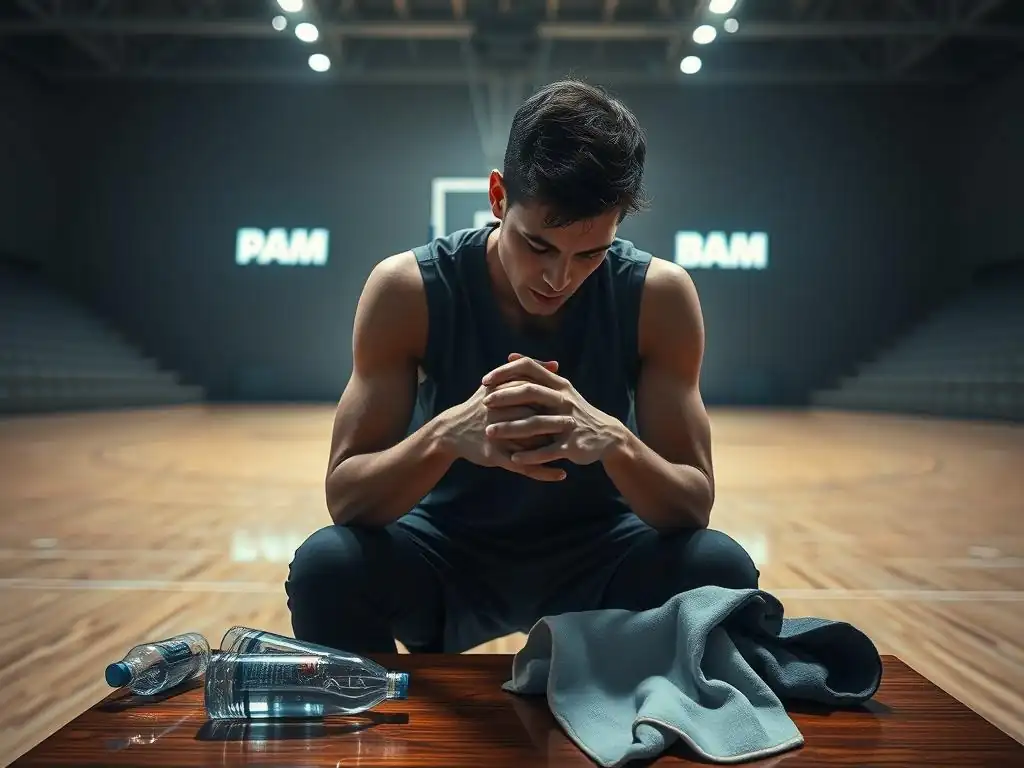
Welcome to Mind Care Guide, your sanctuary for navigating the complexities of mental well-being. Ever feel that gnawing anxiety after the final whistle blows, the game ends, and the competitive fire dims? You're not alone. PostGame Reflection delves into understanding and managing anxiety after competitive sports, offering practical strategies and compassionate support. Let's explore how to reclaim your peace of mind, one step at a time, starting now.
- Post-Game Reflection: Managing Anxiety After Competition Ends - A Mind Care Guide
- Recognizing the Symptoms of Post-Game Anxiety
- Strategies for Managing Anxiety After Competitive Sports
- Building Resilience to Prevent Future Post-Competition Anxiety
- Resources for Athletes Struggling with Anxiety
- Conclusion: Embracing Mental Well-being After the Competition
-
Frequently Asked Questions
- What are the common symptoms of anxiety after competitive sports?
- Why does anxiety occur after competitive sports?
- How can I manage anxiety immediately after a competition?
- What are some long-term strategies for coping with post-competition anxiety?
- When should I seek professional help for post-competition anxiety?
- Final Reflection: Finding Peace Beyond the Finish Line
- Unleash Your Post-Competition Potential
Post-Game Reflection: Managing Anxiety After Competition Ends - A Mind Care Guide
The Unique Pressure Cooker of Athletic Competition
Athletic competition places athletes under immense pressure, unlike many other areas of life. From the roar of the crowd to the internal drive for peak performance, athletes constantly navigate high-stakes situations. Studies indicate that elite athletes report experiencing pressure from various sources, including self-expectations (often cited by over 90%), coach expectations (around 80%), and external pressures from fans or media (ranging from 50-70% depending on the sport and level).
This sustained exposure to pressure during training and competition builds a unique psychological landscape where the mind and body are constantly on high alert. The intensity of this environment can prime an athlete's system to respond strongly, not just during the event, but also in the aftermath, contributing to potential anxiety after competitive sports.
This environment doesn't just impact performance; it shapes an athlete's psychological well-being. The constant evaluation, the pursuit of perfection, and the public nature of success or failure create a scenario where self-worth can become closely tied to results.
For instance, a gymnast who has trained for years for a single routine or a basketball player facing a game-winning shot experiences a level of acute stress that is difficult to replicate. While this pressure can drive performance, it also creates a vulnerability to mental health challenges, including heightened levels of stress and anxiety after competitive sports, especially once the immediate focus of the game is gone.
Defining Post-Competition Anxiety: Beyond the Game
Post-competition anxiety is a specific form of distress that athletes may experience in the hours, days, or even weeks following a competitive event. It's more than just disappointment or fatigue; it's a persistent feeling of worry, nervousness, or unease related to the competition, performance, or the transition away from the intense focus of sport. This type of anxiety after competitive sports can manifest whether the outcome was a win, a loss, or a personal best, indicating it's not solely tied to failure but to the complex psychological aftermath of intense effort and focus.
Unlike general anxiety, post-competition anxiety is directly triggered by the conclusion of the athletic event and the subsequent shift in routine and psychological state. It can involve replaying moments from the game, worrying about future performance, dwelling on mistakes, or feeling a sense of emptiness or loss now that the immediate goal has passed.
Athletes across various disciplines, from individual sports like swimming and track and field to team sports such as soccer and football, can experience this phenomenon, highlighting its widespread nature within the athletic community. Understanding this specific manifestation of anxiety after competitive sports is crucial for effective management and support.
Why Anxiety Spikes After the Final Whistle
The Adrenaline Crash and Its Effects
During competition, an athlete's body is flooded with adrenaline and other stress hormones, preparing them for peak physical and mental performance. This physiological arousal helps with focus, speed, and strength. However, once the competition ends, this surge of hormones rapidly declines, leading to a significant "crash." This sudden drop can leave athletes feeling depleted, irritable, and emotionally vulnerable. The physiological rebound from this high-stress state can mimic symptoms of anxiety, such as restlessness, difficulty relaxing, and a general feeling of being unsettled, contributing directly to feelings of anxiety after competitive sports.
Consider a marathon runner who experiences an intense adrenaline rush during the final mile. After crossing the finish line, their body begins the process of recovery, which includes a sharp decrease in circulating stress hormones. This hormonal shift, combined with physical exhaustion, can lead to feelings of profound fatigue, moodiness, and even a sense of anti-climax or low mood, which can easily transition into or exacerbate anxiety symptoms. This physiological component is a significant, often overlooked, factor in the experience of anxiety after competitive sports.
Loss of Structure and Routine
Competitive sports provide athletes with a rigid and demanding structure: daily training schedules, strict nutrition plans, regular competition dates, and clear goals. This predictable routine offers a sense of purpose, discipline, and security. When the season ends or a major competition is over, this structure suddenly disappears or significantly loosens. This abrupt transition can leave athletes feeling adrift, lacking direction, and unsure how to fill their time and energy. The void left by the absence of this familiar routine can be disorienting and trigger feelings of uncertainty and anxiety.
For example, a college athlete whose season ends in March might suddenly find their afternoons and evenings free from practices, team meetings, and travel. While initially welcomed, this lack of scheduled activity can lead to boredom and a feeling of aimlessness. The mental energy previously directed towards training and performance may now turn inward, focusing on worries about the future, identity outside of sport, or simply the discomfort of unstructured time, all contributing to anxiety after competitive sports.
Fear of Judgment and Self-Criticism
Athletes are often highly self-critical and sensitive to judgment, both from others and themselves. After a competition, especially one that didn't meet expectations, athletes may ruminate on mistakes, replay negative moments, and harshly evaluate their performance. The fear of being judged by coaches, teammates, fans, or family members can amplify these internal criticisms. This cycle of self-doubt and fear of external evaluation is a powerful driver of anxiety after competitive sports.
Consider a soccer player who missed a crucial penalty kick. After the game, they may be plagued by thoughts of letting the team down, worry about how fans or coaches view their performance, and engage in intense negative self-talk ("I'm not good enough," "I choked"). This internal and external pressure cooker can lead to significant anxiety, sleepless nights, and difficulty moving on from the event. Research suggests that athletes with higher levels of perfectionism are particularly susceptible to this post-competition self-criticism and subsequent anxiety.
Recognizing the Symptoms of Post-Game Anxiety
Physical Symptoms of Anxiety Following Competition
Increased Heart Rate and Sweating
Even hours or days after the physical exertion of competition has ended, anxiety can keep an athlete's body in a state of heightened alert. This manifests physically as an elevated heart rate, even at rest, and increased sweating that isn't related to physical activity or environmental temperature. These are classic physiological responses to the body's "fight or flight" system being activated by the anxiety. An athlete might notice their heart pounding while lying in bed or experience clammy hands and excessive perspiration during routine activities, clear signs of lingering anxiety after competitive sports.
These symptoms are often confusing for athletes who expect their bodies to calm down after the event. A swimmer, for instance, might experience their heart racing intensely the night after a big meet, making it difficult to fall asleep. This isn't just residual physical arousal from the race; it's the body reacting to the psychological stress and worry associated with the post-competition period, demonstrating how anxiety after competitive sports impacts physical well-being.
Muscle Tension and Headaches
Anxiety causes the muscles to tense up as a protective mechanism. After the intense physical exertion of competition, this added layer of muscular tension due to anxiety can lead to significant discomfort. Athletes may experience persistent tightness in the neck, shoulders, and back, which can contribute to tension headaches. These physical symptoms are not merely soreness from the sport itself but are exacerbated or caused by the ongoing mental stress.
A weightlifter might find their shoulders and jaw remain clenched for days after a competition, even after their muscles have recovered from the lifting. This chronic tension can lead to debilitating headaches that are unresponsive to typical pain relief, indicating that the source is psychological rather than purely physical. This physical manifestation of anxiety after competitive sports highlights the deep connection between mental and physical states.
Sleep Disturbances and Fatigue
One of the most common physical symptoms of anxiety after competitive sports is difficulty sleeping. Athletes may struggle to fall asleep because their minds are racing, or they may wake up frequently during the night. This lack of restorative sleep leads to significant fatigue during the day, creating a vicious cycle where tiredness exacerbates anxiety and vice versa. Despite physical exhaustion from training and competition, the anxious mind prevents the body from achieving restful sleep.
A basketball player, physically drained from a tough game, might lie awake for hours replaying moments from the match or worrying about the next practice. This inability to switch off leads to chronic fatigue, impacting their mood, concentration, and overall well-being. Sleep disturbances are a clear indicator that the athlete is grappling with significant anxiety after competitive sports and requires attention.
Emotional and Behavioral Signs of Post-Competition Anxiety
Irritability and Mood Swings
The emotional toll of anxiety after competitive sports can lead to noticeable changes in mood. Athletes may become uncharacteristically irritable, short-tempered, or easily frustrated. They might experience rapid mood swings, feeling okay one moment and overwhelmed or angry the next. This emotional dysregulation is a direct result of the underlying anxiety and stress they are experiencing as they process the competition and its aftermath.
A normally calm and composed athlete might snap at family members or teammates over minor issues in the days following a competition. This heightened sensitivity and volatile emotional state are signs that the athlete is struggling to manage their internal distress. These mood changes are not just personality quirks but symptoms of anxiety after competitive sports impacting their emotional resilience.
Difficulty Concentrating and Making Decisions
Anxiety consumes mental energy, making it difficult for athletes to focus on tasks outside of their worries. They may find themselves easily distracted, struggling to concentrate on schoolwork, conversations, or even simple leisure activities. Decision-making can also become challenging, as the anxious mind overanalyzes options and anticipates negative outcomes. This cognitive impairment is a significant behavioral sign of post-competition anxiety.
A student-athlete might find it nearly impossible to focus on their studies after a big game, their mind constantly drifting back to the competition or future worries. Simple decisions, like what to eat or how to spend their free time, might feel overwhelming due to the mental fog caused by anxiety after competitive sports. This inability to concentrate impacts their life outside of sport.
Social Withdrawal and Isolation
When struggling with anxiety after competitive sports, some athletes may withdraw from social interactions. They might avoid spending time with teammates, friends, or family, preferring to be alone. This isolation can be a way to avoid discussing the competition, hide their distress, or simply because they lack the energy or motivation for social engagement. However, this withdrawal can deepen feelings of loneliness and exacerbate anxiety.
A soccer player who is usually outgoing and enjoys spending time with their team might start making excuses to avoid team dinners or social gatherings after a tough loss. This pulling away from their support network is a behavioral indicator that they are wrestling with difficult emotions and anxiety after competitive sports, and it can be a warning sign that they need support.
Strategies for Managing Anxiety After Competitive Sports
Immediate Post-Game Coping Mechanisms
Cool-Down Rituals: Physical and Mental
Implementing a structured cool-down ritual immediately after competition can significantly help in transitioning the body and mind from a state of high arousal. This involves not just physical recovery, like stretching or foam rolling, but also a mental decompression.
Dedicating 10-15 minutes to quiet reflection, deep breathing, or even journaling about the experience without immediate judgment can help process the event and begin to regulate the nervous system. For example, after a high-intensity match, a tennis player might spend 5 minutes stretching, followed by 10 minutes sitting quietly, focusing on their breath and allowing their heart rate to return to baseline before engaging with coaches or media.
This intentional period allows the athlete to physically recover while also providing space to emotionally and mentally transition out of the competitive mindset. It's a deliberate act of signaling to the body and mind that the intense demands are over, starting the process of reducing the likelihood of severe anxiety after competitive sports. Making this a consistent practice helps create a buffer against the immediate adrenaline crash and its associated psychological effects.
Mindful Breathing Exercises for Anxiety Relief
Simple mindful breathing techniques can be powerful tools for managing the immediate physiological symptoms of anxiety after competitive sports. Practicing slow, deep diaphragmatic breathing helps activate the parasympathetic nervous system, which counteracts the "fight or flight" response. Techniques like the 4-7-8 method (inhale for 4 counts, hold for 7, exhale for 8) can quickly lower heart rate and promote a sense of calm. Athletes can practice this in the locker room, on the bus ride home, or even in the car.
For instance, a swimmer who feels their heart still pounding minutes after getting out of the pool can sit quietly and focus on taking slow, deep breaths, feeling their abdomen rise and fall. Even performing just a few minutes of focused breathing can interrupt the anxiety cycle and prevent the physiological symptoms from escalating. Regularly using these techniques helps athletes build a skill they can deploy anytime they feel the onset of anxiety after competitive sports.
Reframing Negative Thoughts in the Moment
Immediately after competition, athletes are prone to negative self-talk and dwelling on mistakes. Learning to identify and reframe these thoughts in the moment is crucial. Instead of thinking "I failed," an athlete can try reframing it as "That didn't go as planned, but I learned something." Focusing on effort, lessons learned, or positive aspects of the performance, even small ones, can shift the mental narrative away from harsh self-criticism. This isn't about denying reality but about adopting a more balanced and constructive perspective.
A track and field athlete who didn't achieve a personal best might initially think, "I'm not fast enough." They can reframe this by acknowledging the effort put in, recognizing specific aspects of the race that did go well (e.g., a strong start), and identifying areas for future improvement. This proactive reframing helps mitigate the immediate sting of disappointment and reduces the fuel for persistent anxiety after competitive sports.
Long-Term Strategies for Reducing Anxiety in Athletes
Establishing a Consistent Post-Competition Routine
Beyond the immediate cool-down, establishing a consistent routine for the hours and days following a competition provides structure and predictability, counteracting the disorienting feeling of the season ending. This routine might include specific recovery practices (ice baths, massage), dedicated time for connecting with support systems, engaging in non-sport hobbies, and scheduling rest. Knowing what to expect after the event reduces uncertainty, a key contributor to anxiety after competitive sports.
For example, a football team might have a set routine for the 24 hours post-game: mandatory recovery session Sunday morning, team review meeting Sunday afternoon, and players having Monday off for rest and personal time. Establishing these expectations helps athletes transition mentally and physically. Individually, an athlete might commit to a specific yoga session or a walk in nature the day after a competition, creating a calming ritual that signals a shift in focus away from the intensity of the event.
Seeking Support from Coaches, Teammates, and Family
Building a strong support network and actively utilizing it is vital for managing anxiety after competitive sports. Coaches can provide performance feedback from an objective standpoint, helping athletes process the game constructively. Teammates share similar experiences and can offer empathy and understanding. Family and friends provide emotional support and a connection to life outside of sport. Openly communicating feelings of stress or anxiety with trusted individuals normalizes the experience and reduces feelings of isolation.
Research indicates that athletes who feel supported by their coaches report lower levels of anxiety. A basketball player feeling anxious about a missed shot might talk to their coach, who can offer perspective on the overall game performance or provide technical feedback for improvement, shifting the focus from self-blame to growth. Sharing feelings with a teammate who understands the pressure can also validate their emotions and provide comfort, demonstrating the power of connection in mitigating anxiety after competitive sports.
The Importance of Off-Season Mental Health Care
The off-season, while a break from competition, can be a challenging period for athletes, marked by the loss of routine and uncertainty about the future. Prioritizing mental health care during this time is crucial for preventing and managing anxiety after competitive sports. This might involve scheduling regular check-ins with a sports psychologist, engaging in mindfulness practices, pursuing hobbies outside of sport, or even taking a complete mental break from thinking about the sport for a defined period.
Many professional sports organizations now emphasize off-season mental wellness programs. An athlete might use their off-season to work with a therapist on performance anxiety triggers or develop coping strategies for dealing with setbacks. This proactive approach during a less intense period prepares them mentally for the pressures of the next season and builds long-term resilience against anxiety after competitive sports.
Professional Help for Persistent Anxiety After Competition
When to Seek Therapy or Counseling
While some post-competition anxiety is normal, persistent or severe symptoms that interfere with daily life warrant professional help. If an athlete experiences anxiety that lasts for more than a couple of weeks after competition, significantly impacts their sleep, appetite, relationships, or ability to function, it's time to consult a mental health professional. Signs like panic attacks, constant worry, or withdrawal are red flags. Seeking therapy is a sign of strength, not weakness, and can provide athletes with effective strategies.
For instance, if a runner finds themselves unable to sleep for weeks after a major race, constantly replaying the event and feeling a sense of dread about future training, this level of distress goes beyond typical post-race fatigue. A sports psychologist or therapist specializing in athlete mental health can help them understand and manage this persistent anxiety after competitive sports.
Cognitive Behavioral Therapy (CBT) for Athletes
Cognitive Behavioral Therapy (CBT) is a highly effective form of therapy for managing anxiety, including anxiety after competitive sports. CBT helps athletes identify and challenge negative thought patterns (e.g., "My performance was terrible, I'm a failure") and replace them with more realistic and constructive ones. It also teaches behavioral techniques to manage anxiety symptoms, such as relaxation exercises and gradual exposure to feared situations (like reviewing game film). Studies show CBT can significantly reduce anxiety symptoms in athletes.
A swimmer struggling with anxiety about their performance might work with a CBT therapist to identify the automatic negative thoughts that arise after a race. They would learn to question the validity of these thoughts and develop alternative, more balanced perspectives. This structured approach provides tangible tools for managing the mental aspects of anxiety after competitive sports.
Acceptance and Commitment Therapy (ACT) for Athletes
Acceptance and Commitment Therapy (ACT) is another valuable therapeutic approach for athletes experiencing anxiety after competitive sports. ACT focuses on teaching athletes to accept difficult thoughts and feelings (like anxiety or disappointment) rather than fighting against them. It encourages them to commit to actions aligned with their values (e.g., dedication, teamwork, personal growth) even when experiencing distress. This approach helps athletes detach from negative self-judgment and focus on meaningful actions.
An athlete who feels overwhelmed by anxiety after a loss might learn through ACT to notice the anxious thoughts without getting caught up in them. They would then focus on committing to value-driven behaviors, such as showing up to practice with a positive attitude or supporting their teammates, even while still feeling anxious. ACT helps athletes build psychological flexibility and resilience against anxiety after competitive sports.
Building Resilience to Prevent Future Post-Competition Anxiety
Cultivating a Growth Mindset in Sports
Adopting a growth mindset is fundamental to building resilience against anxiety after competitive sports. A growth mindset, as opposed to a fixed mindset, is the belief that abilities and intelligence can be developed through dedication and hard work. Athletes with a growth mindset view challenges, setbacks, and even "failures" not as indicators of inherent inability but as opportunities to learn and improve. This perspective shifts the focus from outcome to process and effort.
An athlete with a fixed mindset might see a poor performance as proof they aren't talented enough, leading to feelings of hopelessness and anxiety. Conversely, an athlete with a growth mindset will analyze the performance to understand what went wrong, seek feedback, and adjust their training. This focus on learning reduces the personal threat of imperfection and builds resilience against the self-criticism that fuels anxiety after competitive sports. Coaches and parents can foster this by praising effort and learning over innate talent.
Developing Healthy Coping Mechanisms for Stress
Learning and practicing a range of healthy coping mechanisms is essential for managing the inherent stress of athletic competition and preventing it from escalating into significant anxiety after competitive sports. This includes stress-reducing activities that are not directly related to the sport. Examples include engaging in hobbies, spending time in nature, practicing yoga or meditation, listening to music, or creative outlets like drawing or writing. These activities provide a necessary mental break and help regulate the nervous system.
When faced with the pressure leading up to a competition or the aftermath of one, an athlete with a repertoire of coping skills can choose healthy ways to manage their stress rather than resorting to unhealthy behaviors like excessive worry or withdrawal. For instance, a swimmer might find that playing a musical instrument for an hour after practice helps them decompress and reduces the build-up of stress that could contribute to anxiety after competitive sports.
Prioritizing Self-Care and Mental Wellness
Making self-care and mental wellness non-negotiable priorities is a crucial preventive strategy for anxiety after competitive sports. This means viewing mental health as equally important as physical health. It involves consistently allocating time and energy to activities that nourish the mind and spirit, not just the body. This proactive approach builds a strong foundation of mental resilience that can better withstand the pressures of competition and its aftermath.
Nutrition and Exercise for Mental Health
While exercise is inherent to being an athlete, ensuring it's balanced and not solely performance-driven is important for mental health. Overtraining can exacerbate stress and anxiety. Proper nutrition, including balanced meals and adequate hydration, also plays a significant role in mood regulation and cognitive function. Fueling the body correctly supports brain health and helps manage stress hormones, contributing to better mental resilience against anxiety after competitive sports.
An athlete might work with a nutritionist to ensure their diet supports both physical recovery and mental well-being, focusing on nutrient-dense foods that stabilize mood and energy levels. Recognizing the signs of overtraining, such as chronic fatigue or irritability, and adjusting training intensity accordingly is also a form of self-care that protects against burnout and subsequent anxiety.
The Role of Mindfulness and Meditation
Incorporating mindfulness and meditation into a regular routine can significantly reduce overall stress levels and improve an athlete's ability to manage difficult thoughts and feelings, including anxiety after competitive sports. Mindfulness involves paying attention to the present moment without judgment, which can help athletes detach from ruminating on past performances or worrying about future ones. Regular meditation practice can alter brain structure over time, increasing resilience to stress.
Even practicing mindful eating, taking a mindful walk, or dedicating 5-10 minutes daily to guided meditation can help athletes develop greater self-awareness and emotional regulation skills. These practices train the mind to be less reactive to stressful triggers, making them better equipped to navigate the emotional challenges that often arise after competition and effectively manage anxiety after competitive sports.
Resources for Athletes Struggling with Anxiety
Mental Health America (MHA) and National Alliance on Mental Illness (NAMI)
Mental Health America (MHA) and the National Alliance on Mental Illness (NAMI) are national organizations offering valuable resources, information, and support for individuals dealing with mental health conditions, including anxiety. They provide educational materials, helplines, support groups, and guidance on finding local mental health services. While not specific to athletes, their resources offer a broad base of information and support that can be incredibly helpful for anyone experiencing anxiety after competitive sports.
These organizations can be starting points for athletes seeking to understand their symptoms better or find general support networks. Their websites contain extensive articles and guides on managing anxiety, understanding treatment options, and connecting with others who have similar experiences.
"The Inner Game of Tennis" by W. Timothy Gallwey
Although focused on tennis, "The Inner Game of Tennis" by W. Timothy Gallwey is a seminal book on the psychology of performance that offers principles applicable to any sport and life in general. It explores how to quiet the "Self 1" (the critical, judgmental mind) and allow "Self 2" (the intuitive, performing self) to take over. The book's techniques on focus, trust, and letting go of judgment are highly relevant for athletes struggling with self-criticism and anxiety after competitive sports.
Gallwey's work emphasizes the importance of non-judgmental awareness and the power of the mind-body connection. Athletes can apply his principles to reduce performance pressure and manage the mental chatter that contributes to post-competition anxiety. The book offers practical exercises for improving focus and reducing internal interference.
Headspace and Calm Apps for Mental Well-being
Meditation and mindfulness apps like Headspace and Calm provide accessible tools for athletes looking to integrate mental wellness practices into their daily routines. These apps offer guided meditations, sleep stories, breathing exercises, and mindfulness techniques specifically designed to reduce stress and anxiety, improve focus, and promote restful sleep. They are convenient resources for athletes dealing with anxiety after competitive sports, offering support anytime, anywhere.
Many athletes find that incorporating a 10-minute guided meditation from one of these apps before bed helps quiet a racing mind and improves sleep quality, directly addressing a common symptom of post-competition anxiety. The apps offer programs tailored to stress reduction, focus, and sleep, providing structured support for developing these crucial mental skills.
Conclusion: Embracing Mental Well-being After the Competition
Frequently Asked Questions
What are the common symptoms of anxiety after competitive sports?
Symptoms often include increased heart rate, difficulty sleeping, and intrusive thoughts about the competition. These can manifest as nervousness, irritability, and a feeling of being on edge.
Why does anxiety occur after competitive sports?
Anxiety can arise due to a sudden drop in adrenaline, the pressure to perform that lingers, and the uncertainty of future competitions. The shift in focus from the game can also be a trigger.
How can I manage anxiety immediately after a competition?
Focus on recovery techniques such as deep breathing exercises and mindfulness. Connecting with teammates or coaches for support can also be beneficial.
What are some long-term strategies for coping with post-competition anxiety?
Develop a balanced lifestyle that includes activities unrelated to sports. Consider therapy or counseling to address underlying performance anxiety issues and build coping mechanisms.
When should I seek professional help for post-competition anxiety?
If anxiety symptoms are severe, persistent, and interfere with daily life, it's important to consult a mental health professional for an evaluation and personalized treatment plan.
Final Reflection: Finding Peace Beyond the Finish Line
The adrenaline fades, the cheering stops, and the intense focus of competition dissolves, leaving many athletes grappling with a surprising wave of anxiety. This post-competition anxiety, often overlooked, is a significant challenge for athletes of all levels, impacting their mental well-being and future performance. Understanding its roots and developing effective coping mechanisms is crucial for fostering a healthy and sustainable athletic journey.
The lingering effects of competition extend far beyond the physical exhaustion; the emotional toll can be profound and long-lasting. The pressure to perform, the weight of expectations, and the intense emotional investment in the outcome can leave athletes feeling vulnerable and uncertain even after achieving success. This experience resonates deeply with me, as I've witnessed firsthand the struggles of athletes navigating this complex emotional landscape. The game is over, but the battle within continues.
This unspoken truth highlights the importance of prioritizing mental health alongside physical training.
Now, consider your own experiences. Have you felt the unsettling quiet after a competition? Perhaps you've felt a sense of letdown, or even a surge of anxiety unrelated to the outcome itself.
This reflection isn't just about understanding the problem; it's about empowering you to take control. Take a moment to identify your personal triggers and develop a personalized toolkit of coping strategies – mindfulness techniques, relaxation exercises, or simply connecting with supportive friends and family. By acknowledging and addressing this often-overlooked aspect of athletic life, you can cultivate resilience, build a stronger mental foundation, and ultimately, find lasting peace beyond the finish line.
Unleash Your Post-Competition Potential
Thanks for taking the time to explore strategies for managing anxiety after competition! We hope you found valuable insights to help navigate those challenging post-game emotions. Now it's time to put your newfound knowledge into action.
- Prioritize your self-care routine: Schedule in some dedicated time for relaxation and recovery – whether it's a calming bath, a mindful walk, or simply some quiet time to reflect. This is crucial for processing the experience and setting a positive foundation for future endeavors.
- Share your experience: Connect with fellow athletes or coaches; discussing your feelings can be incredibly helpful and offer fresh perspectives.
- Journal your reflections: Write down your key takeaways from both your performance and your emotional responses. This helps you identify patterns and develop personalized coping mechanisms for the future.
What's one small step you can take today to improve your post-competition well-being?