
Breathwork for Trauma: Releasing Tension and Promoting Calm


Welcome to Mind Care Guide, your haven for mental well-being.
Feeling overwhelmed? Know that you're not alone. We understand that navigating trauma can be incredibly challenging, and finding effective coping mechanisms is crucial. That's why we're diving deep into a powerful, yet gentle, technique in this article: traumainformed breathwork for calm. Curious to learn how simple breaths can unlock inner peace and help you reclaim your calm? Let's explore this transformative practice together...
Breathwork for Trauma: Releasing Tension and Promoting Calm
- Understanding Trauma and Its Impact on Breathing
- Introduction to Trauma-Informed Breathwork
- Specific Breathwork Techniques for Trauma Recovery
- Creating a Safe Space for Breathwork Practice
- Integrating Breathwork into Your Trauma Recovery Journey
- Potential Challenges and Considerations
- Resources for Trauma-Informed Breathwork and Mental Well-being
- The Power of Breath: Finding Calm and Resilience After Trauma
-
Frequently Asked Questions
- What is trauma-informed breathwork and how does it differ from regular breathwork?
- How can breathwork help release tension related to trauma?
- Are there any specific breathwork techniques recommended for trauma survivors?
- Is trauma-informed breathwork a replacement for traditional therapy?
- How do I find a qualified trauma-informed breathwork practitioner?
- Final Reflection: Breathing Our Way to Wholeness
- Unlock Your Inner Calm: Start Your Breathwork Journey Today
Understanding Trauma and Its Impact on Breathing
The Connection Between Trauma, Stress, and the Nervous System
Trauma, whether a single overwhelming event or prolonged exposure to adversity, significantly impacts the body's stress response system, primarily the sympathetic nervous system. When faced with a perceived threat, the body activates the "fight, flight, or freeze" response. This involves a cascade of physiological changes, including elevated heart rate, increased blood pressure, and altered breathing patterns.
While adaptive in the moment of danger, chronic activation or dysregulation of this system after trauma can lead to persistent states of hypervigilance, anxiety, and a feeling of being "stuck" in survival mode. The vagus nerve, a key component of the parasympathetic nervous system responsible for rest and digestion, can become less effective at signaling safety and promoting calm, leaving individuals more susceptible to stress triggers.
This heightened state of arousal is often accompanied by physical tension, particularly in the chest, shoulders, and diaphragm. The body, in anticipating future threats, remains braced. Research indicates that individuals with Post-Traumatic Stress Disorder (PTSD) often exhibit a persistently elevated sympathetic tone and a reduced parasympathetic response compared to those without trauma histories.
For instance, studies using heart rate variability (HRV) – a measure of the variation in time between heartbeats, largely influenced by the vagus nerve – consistently show lower HRV in trauma survivors, indicating a less flexible and more stressed nervous system. This physiological state directly influences involuntary functions like breathing, often making it shallow or erratic.
How Trauma Affects Breathing Patterns: Hyperventilation, Shallow Breathing, and Breath Holding
Trauma survivors frequently experience disruptions in their natural breathing patterns, often unconsciously. One common pattern is shallow chest breathing, where the breath is held high in the chest rather than extending deeply into the diaphragm. This limits oxygen intake, maintains a state of physiological alert, and reinforces the feeling of being unsafe or restricted.
Another pattern is hyperventilation, characterized by rapid, shallow breaths, which can lead to dizziness, tingling, and a sense of panic, mimicking or triggering past trauma responses. Conversely, some individuals develop a tendency to hold their breath, particularly when anticipating stress or feeling overwhelmed, as a way to brace or shut down, reflecting the "freeze" response.
These altered breathing patterns are not merely symptoms; they can perpetuate the cycle of anxiety and dysregulation. For example, hyperventilation lowers carbon dioxide levels in the blood, which can exacerbate feelings of panic and depersonalization, common experiences for trauma survivors.
A small study involving veterans with PTSD found that a significant majority reported experiencing shortness of breath or difficulty breathing when recalling traumatic events, highlighting the direct link between trauma memory and respiratory distress. Learning to consciously regulate breathing through traumainformed breathwork for calm can interrupt these ingrained patterns and signal safety to the nervous system, offering a pathway to greater stability and peace.
The Importance of Trauma-Informed Practices
Approaching breathwork for individuals with trauma requires a deeply trauma-informed perspective. This means recognizing the pervasive impact of trauma and understanding potential triggers and responses. A trauma-informed approach prioritizes creating a sense of physical and psychological safety, offering choices, and empowering the individual. Unlike some traditional breathwork practices that may push intensity or deep emotional release quickly, trauma-informed methods proceed with caution and sensitivity, allowing the individual to remain in control and regulate their experience.
Without a trauma-informed lens, breathwork techniques, especially those involving deep or rapid breathing, could inadvertently trigger panic attacks, dissociation, or re-traumatization by bringing up intense physical sensations or emotions too quickly or without adequate support. For instance, simply instructing someone to "breathe deeply" without acknowledging potential body tension or fear associated with deep breathing might be counterproductive.
A trauma-informed practitioner understands that the body holds trauma memory and works collaboratively with the individual, focusing on building resources and capacity gradually. The goal of traumainformed breathwork for calm is not to force a feeling of calm, but to gently guide the nervous system towards a state of greater regulation and ease at a pace that feels safe for the individual.
Introduction to Trauma-Informed Breathwork
What is Trauma-Informed Breathwork? A Gentle Approach
Trauma-informed breathwork is a specialized application of breathing techniques designed specifically for individuals who have experienced trauma. It is founded on the understanding that the body, particularly the nervous system, retains the imprint of traumatic experiences, often manifesting as chronic tension, dysregulation, and altered breathing patterns. This approach is characterized by its emphasis on safety, gradualness, and individual autonomy. It avoids forceful or overly intense techniques that might overwhelm the system and instead focuses on gentle, accessible practices that help rebuild a sense of safety within the body.
At its core, trauma-informed breathwork serves as a tool to help survivors gently reconnect with their bodies, regulate their nervous system, and increase their capacity to tolerate physical and emotional sensations without becoming overwhelmed. It acknowledges that for many survivors, simply paying attention to the breath can be challenging or triggering due to past experiences. Therefore, practices are introduced slowly, often starting with very subtle movements or awareness exercises before moving to more structured breathing patterns.
The focus is always on empowering the individual to choose what feels right and safe in the moment, rather than adhering to a rigid technique. This gentle approach is crucial for building trust and fostering a sense of internal control, which is often compromised by trauma.
Key Principles: Safety, Choice, Control, and Empowerment
The foundation of trauma-informed breathwork rests on several key principles adapted from trauma-informed care models. Safety is paramount, both physical and emotional. This means creating a secure environment and ensuring the individual feels safe within their own body during the practice. Choice is vital; participants are always encouraged to choose techniques that feel comfortable, modify them as needed, and pause or stop at any time. This contrasts with approaches that might encourage pushing through discomfort. Control is emphasized by giving individuals agency over their breath and their experience, counteracting the loss of control often experienced during trauma.
Empowerment is the overarching goal. By learning to consciously influence their nervous system through breath, individuals gain a powerful tool for self-regulation and resilience. A study published in the Journal of Bodywork and Movement Therapies highlighted how incorporating principles of safety and choice in body-centered practices significantly improved outcomes and reduced adverse reactions in trauma populations.
For example, instead of simply saying "inhale deeply," a trauma-informed instruction might be "Notice your breath, and if it feels safe, perhaps you can allow your inhale to deepen just a little, or keep it shallow if that feels better right now." This subtle shift in language and approach makes the practice more accessible and less intimidating for survivors seeking traumainformed breathwork for calm.
Benefits: Reducing Anxiety and Promoting Emotional Regulation
Regular practice of trauma-informed breathwork can yield significant benefits for trauma survivors, particularly in reducing anxiety and enhancing emotional regulation. By activating the parasympathetic nervous system, these techniques help to dampen the "fight, flight, or freeze" response, leading to a decrease in physiological arousal associated with anxiety, such as rapid heart rate and muscle tension. The conscious focus on breath also helps to anchor awareness in the present moment, providing a respite from intrusive thoughts or flashbacks.
Furthermore, breathwork helps build interoceptive awareness – the ability to notice and interpret internal body sensations. This is often impaired in trauma survivors who may have learned to disconnect from their bodies to cope. By gently reconnecting with subtle shifts in breath and body, individuals can begin to recognize early signs of stress or emotional overwhelm and employ their breathwork skills to manage these states proactively.
A review of studies on breathwork for anxiety indicated that even simple techniques like diaphragmatic breathing could lead to measurable reductions in cortisol (a stress hormone) levels and subjective anxiety scores within weeks of consistent practice. This demonstrates the tangible physiological impact of using traumainformed breathwork for calm to navigate challenging emotional landscapes.
Specific Breathwork Techniques for Trauma Recovery
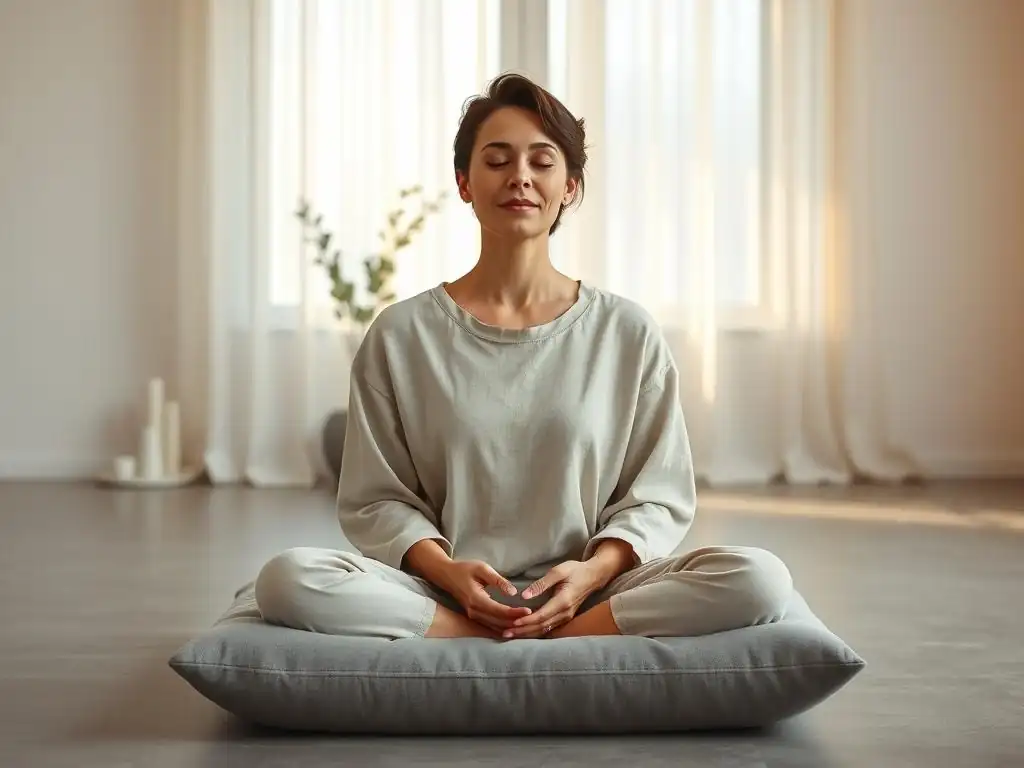
Diaphragmatic Breathing: Activating the Relaxation Response
Diaphragmatic breathing, often called "belly breathing," is a fundamental technique that encourages the use of the diaphragm, a large muscle located below the lungs, for more efficient and calming respiration. Unlike shallow chest breathing, which signals stress, deep diaphragmatic breathing stimulates the vagus nerve, which runs from the brainstem down through the diaphragm to the abdomen. This stimulation directly activates the parasympathetic nervous system, initiating the body's relaxation response. It can help reduce heart rate, lower blood pressure, and decrease the production of stress hormones like cortisol.
For trauma survivors, who often hold tension in the diaphragm and abdomen, relearning how to breathe deeply can be challenging but profoundly beneficial. It helps to release chronic physical tension and signals safety to a nervous system accustomed to being on high alert.
While initial attempts might feel awkward or even bring up discomfort, consistent gentle practice can retrain the body's respiratory patterns. Studies have shown that teaching diaphragmatic breathing to individuals with anxiety disorders, which often co-occur with trauma, can lead to significant decreases in reported anxiety levels and improvements in pulmonary function over time, highlighting its physiological impact.
How to Practice Diaphragmatic Breathing for Trauma Relief
- Find a comfortable position: Lie on your back with knees bent or sit upright in a chair with feet flat on the floor. Place one hand on your upper chest and the other just below your rib cage, on your abdomen. This helps you feel the movement of your diaphragm.
- Inhale gently: Breathe in slowly through your nose, allowing your abdomen to expand as if filling a balloon. The hand on your abdomen should rise, while the hand on your chest should remain relatively still.
- Exhale slowly: Exhale slowly through pursed lips (as if whistling softly), gently drawing your abdomen inwards. Feel the hand on your abdomen lower. The exhale should be longer than the inhale, if comfortable, as this further activates the parasympathetic system.
- Repeat: Continue for several minutes, focusing on the gentle rise and fall of your abdomen. If you feel dizzy or uncomfortable, pause and return to your normal breath. Remember, consistency over intensity is key when using this traumainformed breathwork for calm. Start with just 1-2 minutes and gradually increase as comfort allows.
Box Breathing: A Simple Technique for Calming the Nervous System
Box breathing, also known as square breathing, is a simple yet effective technique used to regulate breath rhythm and calm the nervous system. It involves breathing in, holding the breath, breathing out, and holding the breath again, all for equal counts, typically four. This structured approach provides a mental focus and helps to interrupt erratic breathing patterns often associated with anxiety and stress responses in trauma survivors. The pauses in the breath can be particularly grounding for some individuals, creating moments of stillness.
The systematic nature of box breathing can provide a sense of predictability and control, which is often soothing for a dysregulated nervous system. By engaging the mind in counting, it can also help to distract from anxious thoughts.
This technique is widely used in high-stress professions, such as by Navy SEALs, precisely because of its effectiveness in managing physiological responses under pressure. While a count of four is standard, individuals practicing traumainformed breathwork for calm can adjust the count to what feels comfortable and accessible, perhaps starting with a count of three or even two, gradually increasing as their capacity grows.
Step-by-Step Guide to Box Breathing for Anxiety Reduction
- Find a comfortable position: Sit or lie down comfortably.
- Exhale completely: Gently exhale all the air from your lungs.
- Inhale: Inhale slowly through your nose for a count of four (or a comfortable count).
Inhale: 4 - Hold: Hold your breath gently for a count of four.
Hold: 4 - Exhale: Exhale slowly through your mouth for a count of four.
Exhale: 4 - Hold: Hold your breath gently for a count of four before the next inhale.
Hold: 4 - Repeat: Repeat this cycle for several minutes. If holding the breath feels uncomfortable or triggering, you can modify the technique by simply breathing in for a count, and out for a count, without the holds. The goal is regulation, not stress. This adaptability makes it a valuable traumainformed breathwork for calm tool.
Alternate Nostril Breathing (Nadi Shodhana): Balancing Energy and Reducing Stress
Alternate Nostril Breathing, or Nadi Shodhana in Sanskrit, is a yogic breathing technique that involves closing one nostril while inhaling, then switching to exhale through the other nostril, and repeating the pattern. It is traditionally believed to balance the Ida and Pingala nadis (energy channels) in the body, promoting a sense of equilibrium. From a physiological perspective, it can help to soothe the nervous system, reduce anxiety, and improve focus by creating a rhythmic, controlled breathing pattern that engages both sides of the brain.
This technique requires a bit more coordination than simple diaphragmatic or box breathing, so it may be introduced after an individual has developed comfort with more basic practices. It can be particularly helpful for managing racing thoughts or feelings of agitation.
While some studies on Nadi Shodhana have focused on its effects on respiratory function and anxiety in general populations, anecdotal evidence and clinical experience suggest it can be a powerful tool within traumainformed breathwork for calm for promoting a sense of centeredness and reducing stress-related symptoms like headaches or tension. A randomized controlled trial on yoga practices, including breathwork like Nadi Shodhana, in veterans with PTSD showed significant reductions in PTSD symptoms and anxiety compared to a control group.
Practicing Alternate Nostril Breathing in a Trauma-Sensitive Way
- Find a comfortable seated position: Sit with your spine straight and relaxed shoulders.
- Hand position: Bring your right hand towards your face. Rest your index and middle fingers between your eyebrows (or gently folded down towards your palm). Use your thumb to close your right nostril and your ring finger (and pinky if needed) to close your left nostril.
- Initial breath: Exhale completely through both nostrils.
- Close right nostril: Close your right nostril with your thumb. Inhale slowly and smoothly through your left nostril.
- Close left nostril, open right: Close your left nostril with your ring finger. Release your thumb from the right nostril and exhale slowly and completely through your right nostril.
- Inhale right, exhale left: Inhale slowly through your right nostril.
- Close right nostril, open left: Close your right nostril with your thumb. Release your ring finger from the left nostril and exhale slowly and completely through your left nostril.
- Repeat: This completes one round. Continue alternating in this pattern for several minutes. If at any point you feel lightheaded, anxious, or uncomfortable, lower your hand, breathe normally, and pause. It's crucial to practice this traumainformed breathwork for calm gently, without forcing the breath or the holds (holds are often omitted in trauma-sensitive variations).
Pursed-Lip Breathing: Managing Shortness of Breath and Anxiety
Pursed-lip breathing is a simple technique that involves inhaling through the nose and exhaling slowly through pursed lips, as if gently blowing out a candle. While often taught to individuals with chronic respiratory conditions to help keep airways open and improve gas exchange, it is also highly effective for managing shortness of breath and reducing the physiological symptoms of anxiety, which can be particularly distressing for trauma survivors. The slow, controlled exhale helps to prolong the exhalation phase, which stimulates the parasympathetic nervous system and promotes relaxation.
This technique provides immediate relief for feelings of breathlessness or panic. By consciously controlling the rate of exhale, it gives the individual a sense of agency over their breathing, counteracting the feeling of being out of control that often accompanies anxiety or panic attacks. It's a discreet technique that can be used anywhere, providing a readily available tool for self-regulation. Even a few cycles of pursed-lip breathing can help to slow the heart rate and reduce muscle tension. Its simplicity and effectiveness make it a valuable addition to a traumainformed breathwork for calm toolkit.
Practicing Pursed-Lip Breathing for Calming the Nervous System
- Relax: Sit or stand comfortably. Relax your neck and shoulders.
- Inhale: Inhale slowly through your nose for about two counts. Keep your mouth closed.
- Pucker lips: Pucker your lips as if you were going to whistle or gently blow out a candle.
- Exhale: Exhale slowly and gently through your pursed lips for a count of four or longer – aim for the exhale to be at least twice as long as the inhale. Do not force the air out; let it flow gently.
- Repeat: Continue this pattern for several minutes. Focus on the slow, controlled exhale. This simple practice is a powerful piece of traumainformed breathwork for calm, readily accessible whenever you feel breathless or anxious.
Creating a Safe Space for Breathwork Practice
Establishing a Comfortable and Supportive Environment
Creating a physically and psychologically safe environment is paramount for practicing breathwork, especially when addressing trauma. For many survivors, certain settings or sensory input can be triggering. A safe space is one where the individual feels secure, private, and free from potential interruptions or perceived threats. This might mean choosing a quiet room, ensuring the door is closed, or using comfortable seating or lying down surfaces. Controlling sensory input can also be helpful; some might prefer dim lighting, while others feel safer with brighter light. The temperature should be comfortable, and any potentially jarring noises should be minimized.
Psychological safety is equally important. If practicing with a guide or in a group, the facilitator must clearly communicate the trauma-informed principles of choice, control, and the option to stop or modify at any time. There should be no pressure to perform or achieve a specific state.
For solitary practice, this means cultivating self-compassion and patience, recognizing that some days may feel easier than others. Establishing a consistent routine and location can also contribute to a sense of safety and predictability. For example, dedicating a specific corner of a room to breathwork practice can help condition that space to feel calming and supportive for traumainformed breathwork for calm.
Grounding Techniques Before and After Breathwork
Grounding techniques are essential tools to use before, during, and after breathwork, particularly for trauma survivors who may be prone to dissociation or feeling disconnected from their bodies. Grounding helps to anchor awareness in the present moment and connect with the physical reality of the body and its surroundings. Before starting breathwork, a simple grounding exercise can help bring focus and ensure the individual feels present and resourced. This might involve noticing the feeling of feet on the floor, the weight of the body on the chair or mat, or the textures of clothing.
Using grounding techniques after breathwork is equally important. Deep or focused breathing can sometimes bring up intense sensations or emotions. Having tools to gently return to a settled state prevents overwhelm.
Simple post-breathwork grounding might involve gently rubbing the hands together, placing hands on the heart or belly, slowly scanning the body for sensations, or noticing five things you can see, four things you can touch, three things you can hear, two things you can smell, and one thing you can taste (the 5-4-3-2-1 technique). Integrating these practices ensures that the traumainformed breathwork for calm session concludes with a sense of stability and integration rather than dysregulation.
Mindful Awareness of Body Sensations During Breathwork
Cultivating mindful awareness of body sensations during breathwork is a core component of a trauma-informed approach. Rather than focusing solely on the mechanics of breathing or trying to achieve a specific state of relaxation, the emphasis is on gently noticing what is happening in the body without judgment. This helps individuals build tolerance for internal experiences and differentiate between current sensations and past trauma responses. It's about curiosity and observation, not analysis or fixing.
For survivors, who may have a history of hypervigilance or disconnection from their bodies, this practice is introduced gradually. They are encouraged to notice sensations related to the breath – the coolness of the inhale, the warmth of the exhale, the movement of the chest or belly – as well as any other sensations that arise, such as tension, tingling, or ease.
If intense or uncomfortable sensations arise, the individual is empowered to gently shift their attention, perhaps back to the feeling of their feet on the floor, or to simply pause the breathing technique and return to natural breath. This mindful approach transforms breathwork from a potentially overwhelming experience into a practice of building capacity and gentle self-connection, crucial for effective traumainformed breathwork for calm.
Integrating Breathwork into Your Trauma Recovery Journey
Combining Breathwork with Other Therapeutic Modalities
Breathwork is a powerful complementary tool and is most effective when integrated into a broader trauma recovery plan, often in conjunction with other therapeutic modalities. Therapies such as Trauma-Focused Cognitive Behavioral Therapy (TF-CBT), Eye Movement Desensitization and Reprocessing (EMDR), Somatic Experiencing (SE), and Internal Family Systems (IFS) address the cognitive, emotional, and somatic aspects of trauma. Breathwork can support these processes by helping individuals manage anxiety, stay present during challenging therapeutic work, and build tolerance for the physical sensations that may arise when processing trauma memories.
For example, someone undergoing EMDR might use diaphragmatic breathing to ground themselves between sets of bilateral stimulation. An individual in Somatic Experiencing might use slow, gentle breathing to help track and regulate the release of stored tension in the body. Breathwork provides a self-regulation skill that individuals can use outside of therapy sessions, empowering them to manage distress in daily life.
A meta-analysis looking at complementary therapies for PTSD found that mind-body practices, including breath-focused techniques, showed promise in reducing symptoms when used alongside conventional treatments. The synergy between traumainformed breathwork for calm and other therapies enhances overall recovery by providing multiple pathways to healing.
Building a Consistent Breathwork Practice for Long-Term Well-Being
Consistency is key to unlocking the long-term benefits of breathwork for trauma recovery. Just like physical exercise builds muscle over time, regular breathwork practice trains the nervous system to become more resilient and better able to regulate stress. Brief, daily sessions (even just 5-10 minutes) are often more effective than infrequent, longer sessions. Finding a time and place that works reliably within one's daily routine helps establish the practice as a sustainable habit. This might be first thing in the morning, during a lunch break, or before bed.
Starting small and gradually increasing the duration or complexity of techniques is crucial. Celebrating small victories, such as noticing a subtle shift in tension or successfully navigating a moment of anxiety using breath, reinforces the practice. Building a consistent habit helps to reinforce new neural pathways associated with calm and safety, counteracting the ingrained pathways of the trauma response. Over weeks and months, this consistent engagement with traumainformed breathwork for calm can lead to a noticeable reduction in baseline anxiety levels, improved sleep, enhanced emotional stability, and a greater sense of capacity to handle life's challenges.
When to Seek Professional Guidance: Working with a Trauma-Informed Therapist
While breathwork can be a powerful self-help tool, it is not a substitute for professional mental health care, especially when dealing with complex or severe trauma. It is highly recommended to practice breathwork under the guidance of a qualified trauma-informed therapist or breathwork facilitator, particularly in the initial stages. A professional can help you select appropriate techniques, guide you through potential challenges like dissociation or emotional overwhelm, and ensure that breathwork is integrated safely and effectively into your overall treatment plan.
Signs that professional guidance is needed include experiencing significant distress, increased anxiety, panic attacks, flashbacks, or dissociation during or after breathwork practice. If breathwork feels consistently overwhelming or triggering despite attempting modifications, it's important to seek support. A trauma-informed therapist understands the nuances of trauma responses and can provide a safe container for processing whatever arises.
They can also help determine if breathwork is the right tool for you at this time or if other interventions should be prioritized. Working with a professional ensures that your journey with traumainformed breathwork for calm is supported, safe, and contributes positively to your healing process.
Potential Challenges and Considerations

Managing Dissociation and Emotional Overwhelm
One of the primary challenges when practicing breathwork after trauma is the potential for triggering dissociation or emotional overwhelm. Dissociation is a feeling of disconnection from one's body, thoughts, feelings, or surroundings, often used as a coping mechanism during trauma. Focused attention on the breath or body sensations can sometimes inadvertently bring awareness back to uncomfortable internal states, potentially leading to dissociation as a protective response. Similarly, deep breathing can sometimes unlock suppressed emotions, leading to feelings of being overwhelmed.
It is crucial to approach breathwork with caution and self-compassion. If you notice signs of dissociation (feeling spaced out, unreal, or detached) or overwhelm (intense emotions flooding in), gently pause the breathing technique. Return to your normal breath and immediately employ grounding techniques, such as pressing your feet firmly into the ground, holding a comforting object, or focusing on external sights and sounds.
Remember that it is okay to stop. A traumainformed breathwork for calm practice prioritizes staying within your window of tolerance, the zone where you feel present and able to cope. If you consistently experience dissociation or overwhelm, this is a strong indicator to seek guidance from a trauma-informed professional.
Recognizing and Responding to Triggers
Breathwork, like any body-centered practice, can sometimes inadvertently trigger trauma responses. Triggers are reminders of the traumatic event, which can be sensory (smells, sounds, sights), emotional, or physical (certain body positions, sensations like restricted breathing). For instance, lying on the back for diaphragmatic breathing might feel vulnerable for some survivors. Rapid or deep breathing, even if intended to be calming, might mimic the hyperventilation experienced during panic or a traumatic event.
Developing the ability to recognize potential triggers before they lead to overwhelm is a key skill. This involves building body awareness and noticing early warning signs, such as increased heart rate, muscle tension, or a sudden urge to escape. If a trigger is identified during practice, the response should be one of self-compassion and gentle redirection.
Stop the technique, return to normal breathing, use grounding methods, and if necessary, move to a different position or location. It is helpful to discuss potential triggers with a trauma-informed therapist or facilitator who can offer modifications or alternative techniques. Learning to navigate triggers within the safe context of traumainformed breathwork for calm builds resilience and empowers you to respond proactively rather than reactively.
The Importance of Self-Compassion and Patience
The journey of trauma recovery is not linear, and integrating breathwork into this process requires immense self-compassion and patience. There will be days when breathwork feels easy and calming, and days when it feels challenging, uncomfortable, or even triggering. It's essential to approach the practice without judgment or expectation. Avoid criticizing yourself if you find it difficult to focus, if your mind wanders, or if you experience uncomfortable sensations. These are common experiences, especially for trauma survivors whose nervous systems have been significantly impacted.
Patience is vital because retraining the nervous system takes time. The effects of traumainformed breathwork for calm accumulate with consistent, gentle practice over weeks and months. There is no quick fix. Celebrate small progress – perhaps you were able to stay with the practice for one extra minute, or you noticed a subtle shift in tension. Treat yourself with the same kindness and understanding you would offer a friend who is struggling. This compassionate stance fosters a sense of safety within the practice and makes it a sustainable part of your healing journey.
Resources for Trauma-Informed Breathwork and Mental Well-being
Books and Articles on Trauma Recovery and Breathwork
There are many valuable written resources available that delve deeper into the intersection of trauma and body-centered practices like breathwork. Seeking out books and articles specifically authored by trauma experts or clinicians who integrate somatic approaches can provide a solid foundation of understanding.
Consider resources that discuss the neurobiology of trauma, the role of the body in healing, and practical applications of techniques like breathwork within a trauma-informed framework. Look for titles that emphasize safety, regulation, and gradual engagement rather than intense release.
For example, books by authors like Bessel van der Kolk (e.g., The Body Keeps the Score), Peter Levine (e.g., Waking the Tiger), and Stephen Porges (Polyvagal Theory) provide essential background on how trauma affects the body and nervous system, which informs the principles of traumainformed breathwork for calm. Many articles in therapeutic journals or reputable mental health websites also offer practical guidance and research summaries.
Online Resources for Learning Breathwork Techniques
The internet offers a wealth of resources for learning breathwork techniques, but it is crucial to approach these with a discerning eye, especially when seeking traumainformed breathwork for calm. Look for platforms or instructors who explicitly state their trauma-informed approach and emphasize safety, choice, and control. Many qualified therapists, yoga instructors, or breathwork facilitators offer online courses, guided audio recordings, or video tutorials.
Reputable mental health organizations or trauma treatment centers sometimes provide vetted resources. Be cautious of resources that promise rapid or dramatic results, encourage pushing through intense discomfort, or lack clear guidance on managing potential triggers or overwhelming emotions. Prioritize resources that offer modifications, emphasize gentle practice, and encourage listening to your body's signals. Some apps also offer guided breathing exercises, but again, check for trauma-informed principles or the ability to customize duration and intensity.
Finding Qualified Trauma-Informed Practitioners
Working with a qualified trauma-informed practitioner is highly recommended when starting or deepening your journey with breathwork for trauma recovery. These professionals have received specialized training in understanding the impact of trauma and how to work with survivors in a safe and effective manner. They can help you identify which breathwork techniques are most appropriate for your specific needs and history, provide guidance on managing potential challenges, and integrate breathwork into a comprehensive healing plan.
You can search for qualified practitioners through professional directories for therapists (e.g., psychologists, licensed clinical social workers, licensed professional counselors) who specialize in trauma and incorporate somatic or body-centered approaches. Some directories specifically list trauma-informed yoga therapists or breathwork facilitators. Don't hesitate to ask potential practitioners about their training in trauma and their approach to breathwork. Finding someone with whom you feel safe and comfortable is essential for effective traumainformed breathwork for calm within a therapeutic context.
The Power of Breath: Finding Calm and Resilience After Trauma
The breath, often an unconscious process, holds profound potential as a tool for healing and regulation after trauma. By consciously engaging with our breath through traumainformed breathwork for calm, we can gently renegotiate our relationship with our bodies and nervous systems. These practices are not about erasing the past, but about building capacity to live more fully in the present, reducing the grip of anxiety and hypervigilance.
Embracing breathwork as part of your trauma recovery journey is an act of empowerment. It is a recognition that you possess an innate ability to influence your internal state and cultivate a sense of safety and peace from within. With consistent, gentle practice and, when needed, the support of trauma-informed professionals, breathwork can become a reliable ally in releasing stored tension, promoting emotional regulation, and fostering resilience as you move towards greater well-being after trauma.
Frequently Asked Questions
What is trauma-informed breathwork and how does it differ from regular breathwork?
Trauma-informed breathwork considers the potential impact of trauma on an individual's nervous system and avoids techniques that might be triggering or overwhelming. It emphasizes safety, choice, and control in the process.
Breathwork techniques can help regulate the nervous system, reducing feelings of anxiety, fear, and hypervigilance. Specific practices promote emotional processing and the release of stored trauma in the body.
Are there any specific breathwork techniques recommended for trauma survivors?
Diaphragmatic breathing (belly breathing), box breathing, and alternate nostril breathing are often recommended as they are gentle and grounding. It is crucial to practice under the guidance of a qualified practitioner experienced in trauma-informed care.
Is trauma-informed breathwork a replacement for traditional therapy?
No, it is not. Trauma-informed breathwork is a complementary practice that can support healing alongside traditional therapies like talk therapy or EMDR. It should be used as part of a holistic treatment plan.
How do I find a qualified trauma-informed breathwork practitioner?
Look for practitioners with specific training and certification in trauma-informed breathwork or trauma-sensitive yoga. Seek recommendations from therapists or mental health professionals and ensure they prioritize client safety and empowerment.
Final Reflection: Breathing Our Way to Wholeness
The pervasive impact of trauma on our lives is undeniable, yet the tools for healing are often overlooked. Breathwork, a simple yet profoundly powerful practice, offers a readily accessible pathway to reclaim inner peace and begin the journey towards healing. This article explored the specific techniques of trauma-informed breathwork, highlighting its ability to gently release tension held within the body and mind.
The ongoing influence of trauma on our cultural and social landscape is immense, shaping individual experiences and collective narratives. We are increasingly recognizing the need for holistic approaches to healing, moving beyond traditional models to embrace practices that address the body, mind, and spirit. This shift is vital, as it acknowledges the interconnectedness of our physical and emotional well-being. The body keeps the score,
as Bessel van der Kolk so aptly states, reminding us that trauma is not simply a mental experience but is deeply embedded within our physical selves. This understanding underscores the importance of practices like breathwork that directly engage with the body's wisdom.
Now, consider your own breath. Take a moment to feel the air entering and leaving your body. This simple act, often taken for granted, holds the key to unlocking profound healing and resilience. I invite you to explore the techniques discussed in this article, to experiment with conscious breathing, and to discover the transformative power it holds for yourself. Embrace the journey towards wholeness, one breath at a time. Remember, healing is a process, not a destination, and breathwork can be your steadfast companion along the way.
Unlock Your Inner Calm: Start Your Breathwork Journey Today
Thank you for taking the time to explore the power of breathwork for trauma recovery. We hope you gained valuable insights into how mindful breathing can help release tension and cultivate a sense of calm. Now it's time to put these insights into practice!
- Begin your personalized breathwork practice: Start with just 5 minutes daily, focusing on the techniques discussed. Even small consistent effort makes a big difference.
- Share your experience: Connect with others on their breathwork journeys. Share your thoughts and discoveries in the comments below – your insights could inspire others!
- Explore guided meditations: Many free resources are available online. Experiment to find what resonates with you and complements your breathwork practice.
Ready to transform your relationship with stress and begin feeling calmer and more centered? What small step will you take today to integrate breathwork into your daily life?