
Are You Addicted to Your Device? Recognizing the Anxiety Link


Welcome to Mind Care Guide, a space dedicated to nurturing your mental well-being.
Feeling overwhelmed by the constant pull of your devices? You're not alone. In today's digital age, the line between connection and compulsion can blur, often leading to unexpected anxiety. We understand. This article delves into device addiction anxiety symptoms relief, offering insights and practical steps to help you regain control and find peace. Curious to know if your tech use is impacting your mental health? Let's explore together.
- Understanding and Addressing Social Media Anxiety
- The Link Between Social Media and Anxiety
- Identifying Social Media-Related Anxiety
- The Cycle of Social Media Use and Anxiety
- Strategies for Reducing Social Media Anxiety
- Practical Tips for Healthier Social Media Usage
- Long-Term Strategies for Well-being
- Resources for Social Media Anxiety
-
Frequently Asked Questions
- What are some common anxiety symptoms linked to device addiction?
- How can I determine if my device use is crossing the line into addiction and causing anxiety?
- What are some immediate strategies for anxiety relief related to device addiction?
- Where can I find resources and support if I'm struggling with device addiction and its associated anxiety?
- How does limiting device use contribute to long-term mental well-being and anxiety reduction?
- Final Reflection: Unplugging from Anxiety: Finding Freedom in the Digital Age
- Unplug & Reconnect: Find Your Tech-Life Balance
Social media anxiety is a distinct form of social anxiety or general anxiety triggered or exacerbated by interactions with social media platforms. It goes beyond the occasional feeling of awkwardness or discomfort that might arise from online interactions. Instead, it manifests as persistent worry, nervousness, and apprehension related to one's presence, performance, and perception on platforms like Instagram, Facebook, Twitter, and others. This anxiety can stem from various sources, including the pressure to present a perfect online persona, the fear of negative comments or judgment, or the distress caused by comparing oneself unfavorably to others' curated online lives.
Unlike casual use, social media anxiety often involves a significant emotional toll that impacts daily functioning. For someone experiencing this, checking social media isn't just a quick browse; it can be a stressful event filled with anticipatory dread or post-viewing distress. Research has increasingly linked heavy social media use to higher reported levels of anxiety and depression, particularly among younger demographics. It's a state where the digital world, intended for connection, becomes a significant source of stress, highlighting the need for effective device addiction anxiety symptoms relief strategies.
Social media has become deeply integrated into the fabric of modern life, with billions of users worldwide accessing platforms daily. Statistics often show that the average user spends several hours each day scrolling through feeds, interacting with content, or posting updates. This constant accessibility and ubiquitous presence mean that for many, social media is not just an optional pastime but a central part of their social interactions, news consumption, and even professional networking.
The sheer pervasiveness means that the potential for its impact on mental health is vast. It's difficult to avoid social media entirely, making it crucial to understand how it influences psychological well-being. This widespread use forms the backdrop against which social media anxiety develops, as individuals navigate a constantly updating stream of information, social cues, and potential stressors, underscoring the importance of recognizing device addiction anxiety symptoms and seeking relief.
Social media can trigger a range of specific anxiety symptoms. Many individuals report feeling a knot in their stomach before posting something, worrying about the number of likes or comments it will receive, or experiencing a pang of anxiety after seeing a friend's seemingly perfect life update. This can manifest as racing thoughts, a sense of dread, or even panic when encountering negative interactions or perceived social slights online. The pressure to maintain an active and engaging online presence can itself be a significant source of stress, leading to persistent low-level anxiety throughout the day.
Furthermore, the constant influx of information and social stimuli can keep the nervous system in a heightened state of alert. Seeing distressing news, engaging in online arguments, or even just the endless scroll can contribute to feelings of overwhelm and unease. These specific triggers highlight why addressing social media habits is often a critical component of overall device addiction anxiety symptoms relief.
One of the most significant drivers of social media anxiety is the inherent nature of social comparison. Platforms are often curated highlight reels of people's lives, showcasing achievements, perfect appearances, and exciting experiences. When individuals constantly compare their own reality – with its imperfections and mundane moments – to these idealized online presentations, it can lead to feelings of inadequacy, envy, and low self-worth. This upward social comparison fuels anxiety about not being good enough, not doing enough, or not having enough.
Coupled with comparison is the drive for validation. Likes, comments, and followers can become perceived metrics of social acceptance and personal value. The anxiety arises from the need for this external validation and the fear of not receiving it. Posting an update and receiving little engagement can feel like a personal rejection, triggering anxiety about social standing or likeability. This cycle of seeking validation and fearing its absence is a core component of the link between social media use and anxiety, making strategies for device addiction anxiety symptoms relief essential.
Fear of Missing Out (FOMO) and its Contribution to Anxiety
Fear of Missing Out, or FOMO, is intensely amplified by social media. Seeing friends or acquaintances enjoying events, traveling, or achieving milestones without you can trigger significant anxiety and feelings of exclusion. Social media feeds constantly present opportunities and experiences that others are having, creating a sense that one is somehow falling behind or missing out on important social connections or life events.
This anxiety drives compulsive checking behavior. To alleviate the fear of missing out, individuals feel compelled to constantly check their feeds, ensuring they are up-to-date on everything happening. However, this constant checking often backfires, exposing them to even more content that fuels FOMO, thereby trapping them in a cycle where the attempt to reduce anxiety through checking only increases it. Addressing FOMO is a key aspect of managing device addiction anxiety symptoms.
Self-Assessment: Recognizing Problematic Usage Patterns
Recognizing if social media is contributing to your anxiety begins with honest self-assessment of your usage patterns. Ask yourself:
- Do you feel compelled to check social media as soon as you wake up or right before bed?
- Do you spend more time on social media than you intend to?
- Do you feel restless, anxious, or irritable when you cannot access social media?
- Do you use social media to escape from real-life problems or uncomfortable feelings?
- Do you feel anxious about what others are doing online or how your own posts are perceived?
If you answer yes to several of these questions, your social media use might be problematic and contributing to your anxiety levels. Understanding these patterns is a crucial step toward device addiction anxiety symptoms relief.
Physical Manifestations: Sleep Disturbances and Physical Tension
The anxiety fueled by social media doesn't just stay in your head; it can manifest physically. One common symptom is sleep disturbance. Scrolling through bright screens late at night disrupts the body's natural sleep-wake cycle, while the stimulating or anxiety-provoking content can make it difficult to quiet the mind and fall asleep. Many report lying in bed, scrolling for hours, and consequently feeling fatigued and anxious the next day.
Additionally, chronic anxiety, including that related to social media use, can lead to physical tension. This might include clenched jaw, tight shoulders, headaches, or stomach issues. The constant state of being "on call" for notifications or worrying about online interactions keeps the body in a state of low-grade stress, contributing to these physical symptoms. Recognizing these physical signs is important for understanding the full impact and seeking device addiction anxiety symptoms relief.
Psychological Manifestations: Low Self-Esteem and Constant Worry
Psychologically, social media anxiety is often characterized by feelings of low self-esteem and persistent worry. As mentioned, constant exposure to curated, often unrealistic portrayals of others' lives can erode self-confidence and foster a sense of not measuring up. This is particularly true when comparing appearances, achievements, or social lives.
Furthermore, individuals may experience constant worry about their online presence, fearing negative judgment, misinterpretations of their posts, or not being included in online social circles. This pervasive worry can spill over into other areas of life, making it difficult to focus or relax. These psychological burdens are significant indicators that social media use is negatively impacting mental well-being, necessitating strategies for device addiction anxiety symptoms relief.
Behavioral Manifestations: Compulsive Checking and Withdrawal from Real Life
Behaviorally, social media anxiety often presents as compulsive checking. This involves repeatedly opening apps throughout the day, often without conscious thought, driven by an urge to see what's new or to escape current feelings. This behavior can become automatic and difficult to stop, interfering with work, studies, and face-to-face interactions.
In severe cases, social media anxiety can lead to withdrawal from real-life activities and relationships. If online interactions feel safer or more manageable than in-person ones, or if the anxiety associated with social media drains energy, individuals might start avoiding social gatherings, hobbies, or responsibilities in favor of spending time online. Recognizing these behavioral shifts is key to identifying problematic usage patterns and seeking device addiction anxiety symptoms relief.
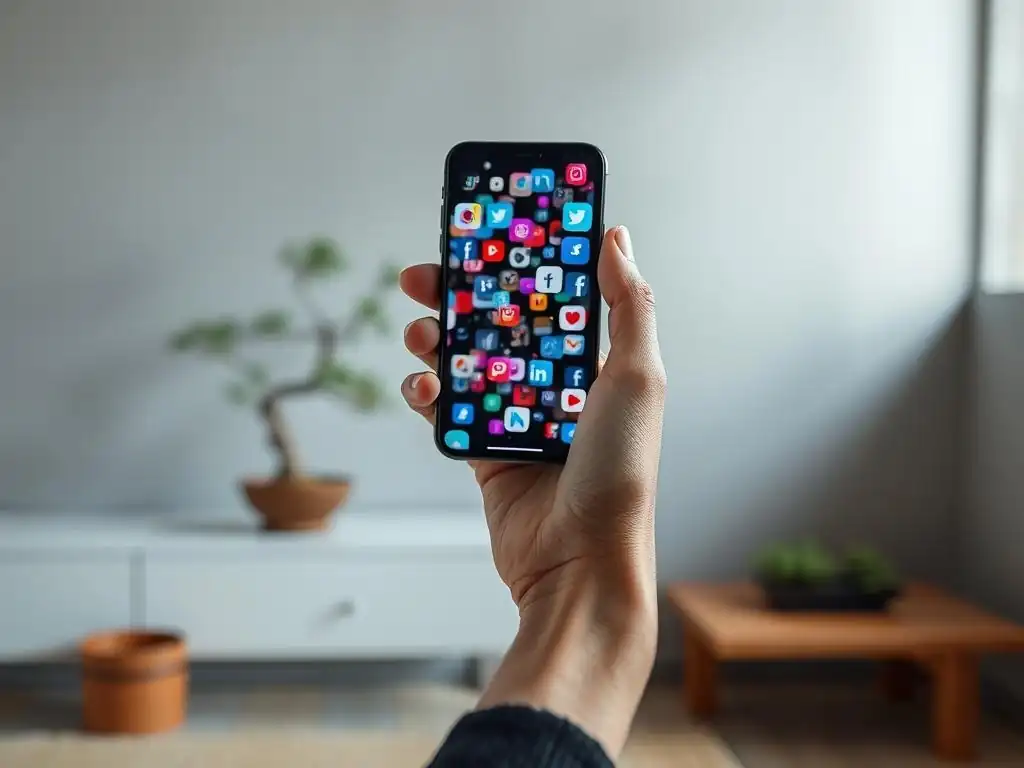
For some individuals, social media can initially serve as a temporary escape from existing anxiety or stress. When feeling overwhelmed, bored, or lonely, scrolling through a feed or interacting online can provide a distraction or a brief sense of connection. This provides a short-term relief from uncomfortable feelings, including anxiety related to other life stressors. The immediate gratification from likes or positive interactions can also offer a fleeting mood boost.
This use of social media as a coping mechanism, however, is often a double-edged sword. While it might provide momentary respite, it doesn't address the underlying causes of anxiety and can actually perpetuate the problem. The brain associates social media use with this temporary relief, reinforcing the behavior even if the long-term effects are detrimental.
Despite the initial escape, social media use frequently leads to an escalation of anxiety. After the distraction wears off, individuals may feel worse than before. They might encounter content that triggers comparison, FOMO, or negative self-talk. They could experience negative online interactions, or simply feel guilty about the amount of time they've spent scrolling instead of engaging in productive activities or real-life connections.
This post-use increase in anxiety creates a vicious cycle: individuals feel anxious, use social media to escape, only to feel more anxious afterward, leading them to seek the temporary escape again. Breaking this cycle is fundamental to achieving device addiction anxiety symptoms relief. The platforms are designed to be engaging, making it easy to fall into this pattern where use exacerbates the very feelings one is trying to avoid.
The Impact of Cyberbullying and Online Harassment
A particularly severe aspect of the social media and anxiety cycle is the impact of cyberbullying and online harassment. Unlike traditional bullying, online harassment can be relentless, public, and difficult to escape, as it can follow an individual across multiple platforms and into their private digital spaces. Experiencing negative comments, threats, exclusion, or the spread of rumors online can cause intense distress, fear, and shame.
The anxiety caused by cyberbullying can be profound, leading to severe emotional and psychological trauma. It can result in feelings of isolation, depression, panic attacks, and even suicidal thoughts. The fear of encountering harassment can make simply opening a social media app a source of significant anxiety. Addressing the impact of cyberbullying is a critical, though often challenging, part of providing device addiction anxiety symptoms relief for those affected.
Setting Time Limits and Boundaries
One of the most effective strategies for reducing social media anxiety is establishing clear time limits and boundaries. This involves consciously deciding how much time you will spend on social media each day and sticking to it. Many smartphones and third-party apps offer features to track and limit app usage, sending notifications when you've reached your set time. For example, aiming for just 30-60 minutes of intentional use per day, spread out, can drastically reduce exposure compared to several hours of mindless scrolling.
Beyond daily limits, establishing boundaries around when and where you use social media is crucial. This might involve designating certain times of day as tech-free (like the first hour after waking or the hour before bed) or creating tech-free zones in your home (like the bedroom or dining table). Implementing these boundaries helps regain control over usage and reduces the constant availability that fuels compulsive checking, contributing significantly to device addiction anxiety symptoms relief.
Taking intentional breaks from social media, known as a digital detox, can offer significant relief from anxiety. This could range from a few hours or a day to a week or even longer. During a detox, you temporarily deactivate or uninstall social media apps, removing the temptation and opportunity to check. This allows your mind to rest from the constant stimulation and social pressures of online platforms.
A digital detox provides perspective, helping you realize what you might be missing or gaining by being offline. It can reduce FOMO as you're no longer exposed to triggering content and can free up time and mental energy for other activities. Even short, regular breaks can help reset your relationship with social media and reduce device addiction anxiety symptoms.
Mindfulness and Grounding Techniques
Practicing mindfulness and grounding techniques can be powerful tools in managing social media anxiety. Mindfulness involves paying attention to the present moment without judgment. When you feel the urge to compulsively check social media, mindfulness can help you pause, notice the urge without acting on it, and understand the underlying feeling driving it (e.g., boredom, anxiety, loneliness). This creates space to choose a different, healthier response.
Grounding techniques can help when social media triggers overwhelming anxiety or panic. Simple techniques like focusing on your breath, feeling your feet on the ground, or identifying five things you can see, four things you can touch, three things you can hear, two things you can smell, and one thing you can taste, can pull you back to the present moment and away from anxious thoughts fueled by online content. Integrating these practices into your routine offers practical device addiction anxiety symptoms relief.
Engaging in Offline Activities and Hobbies
Counterbalancing online time with engaging in offline activities and hobbies is essential for mental well-being and reducing social media anxiety. Investing time and energy in real-world pursuits – whether it's exercise, reading, spending time in nature, pursuing a creative hobby, or volunteering – provides a sense of accomplishment, purpose, and connection that doesn't rely on external validation from social media.
These activities offer genuine stress relief and build self-esteem based on tangible experiences and skills, rather than online appearances. Actively scheduling and prioritizing offline engagements helps reduce the time available for social media and shifts focus away from the digital world's pressures, contributing to long-term device addiction anxiety symptoms relief.
Seeking Professional Support: Therapy and Counseling
If social media anxiety is significantly impacting your life, causing severe distress, or if you suspect a deeper issue like device addiction, seeking professional support is a brave and important step. Therapists and counselors specializing in anxiety or technology addiction can provide tailored strategies and support. Cognitive Behavioral Therapy (CBT), for instance, can help identify and challenge the negative thought patterns associated with social media use and develop healthier coping mechanisms.
A mental health professional can help you understand the root causes of your anxiety, develop personalized strategies for managing your social media use, and address any co-occurring conditions like depression or underlying anxiety disorders. Professional guidance offers a structured path towards significant device addiction anxiety symptoms relief and overall improved mental health.
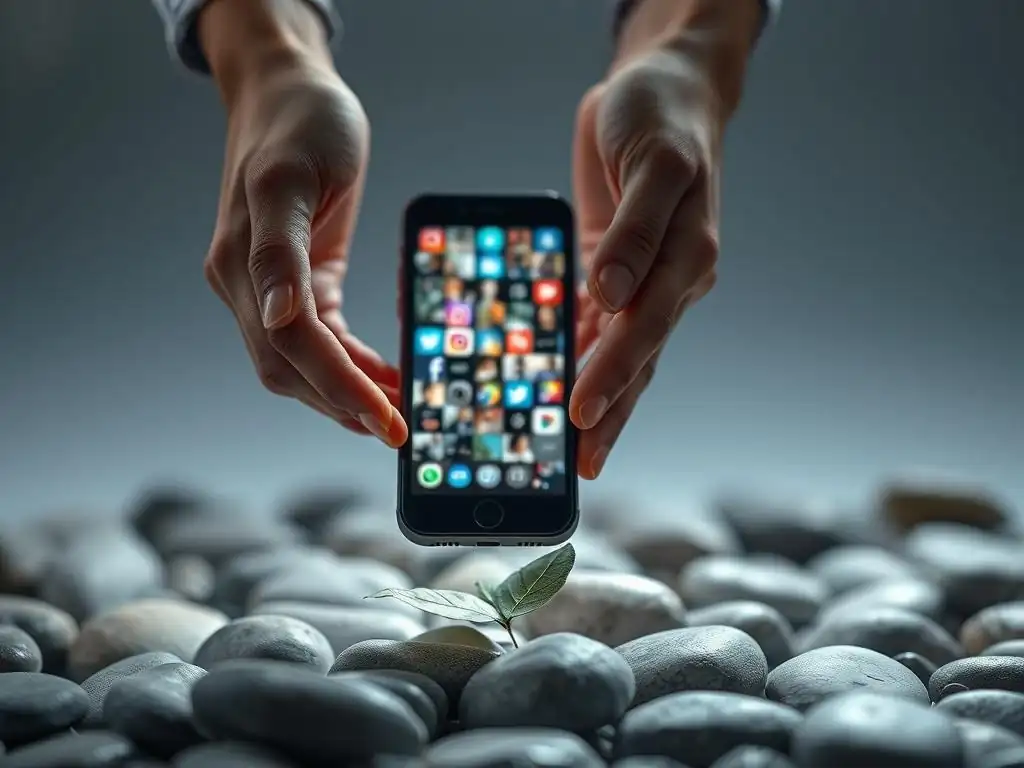
Curating Your Feed: Unfollowing Accounts That Trigger Anxiety
Take control of your social media experience by actively curating your feed. Unfollow or mute accounts that make you feel inadequate, anxious, envious, or stressed. This includes accounts that promote unrealistic beauty standards, excessive materialism, or negativity. Focus on following accounts that inspire you, make you feel good, are informative, or connect you with supportive communities.
Think of your feed as your mental environment; just as you wouldn't fill your physical space with things that make you unhappy, don't fill your digital space with triggering content. Regularly reviewing who you follow and making adjustments can significantly reduce exposure to anxiety-inducing material, providing a simple yet effective form of device addiction anxiety symptoms relief on a daily basis.
Turning Off Notifications and Limiting Exposure
Notifications are designed to pull you back into the app constantly, fueling compulsive checking and keeping your anxiety levels high. Turning off push notifications for social media apps is a simple yet powerful way to regain control. This prevents you from being interrupted throughout the day and allows you to check social media intentionally, on your own terms, rather than reactively.
Limiting exposure also involves avoiding checking social media during vulnerable times, such as late at night, first thing in the morning, or when you're feeling particularly stressed or lonely. Reducing the sheer amount of time and frequency of exposure diminishes the opportunities for anxiety triggers to impact you, aiding in device addiction anxiety symptoms relief.
Practicing Mindful Engagement: Being Present and Intentional
Shift from mindless scrolling to mindful engagement. Before opening a social media app, ask yourself why you are doing so. Are you looking for something specific, connecting with a particular person, or just aimlessly scrolling out of habit or boredom? Try to use social media with intention. If you're looking for information, find it and then close the app. If you're connecting with a friend, focus on that interaction.
While using the app, pay attention to how it makes you feel. If you notice yourself starting to feel anxious, envious, or down, recognize those feelings without judgment and consider closing the app. Mindful engagement transforms social media from a passive, potentially harmful habit into a tool used consciously and purposefully, supporting your efforts for device addiction anxiety symptoms relief.
Prioritizing Real-Life Connections
Remember that genuine human connection is a fundamental need that social media can't fully replicate. Make a conscious effort to prioritize real-life interactions with friends, family, and your community. Schedule face-to-face meetups, call instead of text, and participate in group activities. These interactions provide deeper emotional support, a sense of belonging, and positive experiences that are less susceptible to the anxieties of online performance and comparison.
Investing in real-life relationships builds a stronger support system and provides a healthier source of validation and connection than online interactions. This shift in focus away from the digital realm towards meaningful in-person relationships is a vital strategy for long-term well-being and provides potent device addiction anxiety symptoms relief.
Promoting Self-Compassion and Body Positivity
Combat the negative effects of social comparison by actively practicing self-compassion and promoting body positivity, both for yourself and others. Recognize that social media often presents an unrealistic standard and remind yourself that everyone has struggles and imperfections that aren't visible online. Be kind to yourself when you feel the pang of comparison or inadequacy.
Actively seek out and engage with content that promotes body diversity, self-acceptance, and mental health awareness. Consider unfollowing accounts that trigger negative feelings about your body or life and follow those that encourage self-love and acceptance. Cultivating a positive self-image and practicing self-compassion helps build resilience against the pressures and anxieties fueled by social media, contributing to device addiction anxiety symptoms relief.
Long-Term Strategies for Well-being
Developing Healthy Coping Mechanisms for Anxiety
Long-term well-being and lasting device addiction anxiety symptoms relief involve developing a repertoire of healthy coping mechanisms for anxiety that are not reliant on digital devices. This includes activities such as regular physical exercise, which is proven to reduce stress hormones and improve mood; practicing deep breathing exercises or meditation to calm the nervous system; engaging in creative outlets like writing, painting, or music; and spending time in nature.
Learning to identify the triggers for your anxiety and having healthy ways to process these feelings without resorting to social media or other potentially addictive behaviors is key. These coping skills build resilience and provide alternative, constructive ways to manage stress and emotional discomfort, leading to more sustainable mental health improvements.
Cultivating Self-Acceptance and Resilience
Building self-acceptance and resilience is fundamental to navigating the challenges posed by social media and other life stressors. Self-acceptance involves acknowledging and valuing yourself, including your flaws and imperfections, rather than seeking validation solely from external sources like social media likes or comments. Resilience is the ability to bounce back from difficulties, setbacks, and negative experiences.
Developing these qualities helps lessen the impact of social media pressures. When you accept yourself, comparisons become less painful. When you are resilient, negative online interactions or experiences don't derail your well-being as easily. This inner strength is a powerful buffer against social media anxiety and contributes significantly to long-term device addiction anxiety symptoms relief.
Building a Strong Support System
A strong support system of friends, family, or a community group is invaluable for overall mental well-being and mitigating the effects of social media anxiety. Having people you trust to talk to about your feelings, who offer understanding and encouragement, provides a sense of belonging and security that online interactions often lack. Sharing your struggles with social media use or anxiety with supportive individuals can provide perspective, accountability, and emotional relief.
Engaging in real-life connections also provides fulfilling experiences that reduce the reliance on social media for social interaction, which can be a significant factor in device addiction. Nurturing these relationships builds a robust foundation for emotional health, offering consistent and reliable device addiction anxiety symptoms relief.
Articles on Digital Well-being
Numerous articles and online resources offer valuable insights into the impact of digital technology on mental health and provide practical tips for managing screen time and reducing social media anxiety.
Mental Health Organizations and Support Groups
Many mental health organizations provide information, resources, and support for individuals struggling with anxiety, including that related to social media use. Support groups, both online and in-person, offer a space to connect with others who understand similar challenges.
Information on Therapy and Counseling Services
Finding the right therapist or counselor is crucial for addressing significant social media anxiety or potential device addiction. Resources are available to help locate mental health professionals who specialize in anxiety disorders, technology addiction, or cognitive behavioral therapy (CBT), which can be highly effective in providing device addiction anxiety symptoms relief.
Frequently Asked Questions
What are some common anxiety symptoms linked to device addiction?
Common symptoms include restlessness, irritability, difficulty concentrating, sleep disturbances, and feeling anxious when separated from your device. These symptoms often arise from the fear of missing out (FOMO) and the constant need to stay connected.
How can I determine if my device use is crossing the line into addiction and causing anxiety?
Look for signs like neglecting responsibilities, feeling compelled to check your device constantly, experiencing withdrawal symptoms when unable to use it, and using it to escape negative emotions. These behaviors often indicate a problematic relationship.
Practice mindfulness techniques like deep breathing, try limiting screen time with app timers, and engage in activities that don't involve technology, such as exercise or spending time in nature.
Where can I find resources and support if I'm struggling with device addiction and its associated anxiety?
Mind Care Guide offers articles, guides, and links to mental health professionals specializing in addiction. You can also find support groups online or in your community focused on digital wellness.
How does limiting device use contribute to long-term mental well-being and anxiety reduction?
Reducing screen time can improve sleep quality, reduce stress levels, increase focus and concentration, and foster real-life connections, leading to a more balanced and fulfilling life.
Final Reflection: Unplugging from Anxiety: Finding Freedom in the Digital Age
The pervasive nature of technology in modern life has created a new breed of anxiety, subtly woven into the fabric of our daily interactions. We are constantly connected, yet increasingly disconnected from ourselves and the present moment. The seemingly innocuous scroll, the endless notifications, the fear of missing out – these are not just inconveniences; they are symptoms of a deeper struggle, a struggle many are silently enduring.
The insidious creep of device addiction into our lives has profoundly reshaped our social landscapes, fostering a culture of instant gratification and constant comparison. This relentless pursuit of digital validation leaves many feeling inadequate and anxious, trapped in a cycle of seeking external approval rather than cultivating inner peace. The greatest glory in living lies not in never falling, but in rising every time we fall.
– Nelson Mandela. This quote resonates deeply because overcoming device addiction requires resilience, a willingness to stumble, learn, and rise again, stronger and more self-aware.
You hold the power to break free from this cycle. Take a moment to honestly assess your relationship with your devices. Are they serving you, or are you serving them? Consider setting boundaries, creating digital detox periods, and prioritizing real-life connections. Remember, true fulfillment lies not in the endless stream of digital content, but in the richness of human experience, the beauty of the natural world, and the quiet strength found within yourself. Embrace the opportunity to unplug, reconnect, and rediscover the joy of a life lived fully present.
Unplug & Reconnect: Find Your Tech-Life Balance
Thanks for taking the time to explore the anxiety-tech connection! We hope you gained valuable insights into how your device usage might be impacting your well-being. Now, let's move from awareness to action.
- Prioritize a Digital Detox: Schedule 30 minutes each day completely free from screens. Notice how you feel – more present, calmer? This is the power of mindful disconnection.
- Share Your Reflections: Discuss this article with a friend or family member. Sharing your experience can help solidify your commitment to better digital habits and open up a conversation about tech wellness.
- Explore Mindful Alternatives: Consider replacing some screen time with activities that nurture your mental health, like a relaxing walk, yoga, or creative expression.
Ready to take control of your tech use and reclaim your peace of mind? What small step will you take today to foster a healthier relationship with your devices?