
Relaxation Strategies to Ease Physical Symptoms of SAD

Welcome to Mind Care Guide, a safe space to explore your mental well-being.
Feeling the weight of the changing seasons? You're not alone. Many experience the blues, but for some, it deepens into Seasonal Affective Disorder (SAD). But what if we told you there were practical, effective relaxation techniques that can help ease SAD's physical symptoms? Curious to discover how to reclaim your inner peace and combat the winter blues? Let's explore how you can find relief, starting now.
Relaxation Strategies to Ease Physical Symptoms of SAD
- Understanding Seasonal Affective Disorder (SAD) and Its Physical Manifestations
- The Importance of Relaxation Techniques for Managing SAD's Physical Impact
-
Effective Relaxation Techniques for Easing Physical Symptoms of SAD
- Breathing Exercises for SAD Relief: Promoting Calm and Reducing Tension
- Progressive Muscle Relaxation (PMR): Releasing Physical Tension Caused by SAD
- Mindfulness Meditation for Physical Well-being During SAD
- Yoga and Tai Chi: Gentle Movement for Physical and Emotional Balance
- Autogenic Training: Harnessing the Power of Self-Suggestion for Relaxation
- Creating a Personalized Relaxation Plan for SAD Symptom Management
- Additional Tips for Managing Physical Symptoms of Seasonal Affective Disorder
- Conclusion: Empowering Yourself with Seasonal Affective Disorder Relaxation Techniques
-
Frequently Asked Questions
- How can relaxation techniques specifically help with Seasonal Affective Disorder (SAD)?
- What are some easy-to-learn relaxation techniques for managing SAD symptoms?
- How often should I practice relaxation techniques to see a noticeable difference in my SAD symptoms?
- Can relaxation techniques completely eliminate SAD symptoms, or are they best used in conjunction with other treatments?
- Are there any specific relaxation techniques that are particularly effective for combating the fatigue associated with SAD?
- Final Reflection: Finding Light Within: Easing the Shadow of SAD
- Unlock Your Calm: Take Control of SAD Symptoms Today
Understanding Seasonal Affective Disorder (SAD) and Its Physical Manifestations
What is Seasonal Affective Disorder? An Overview
Seasonal Affective Disorder (SAD) is a type of depression that's related to changes in seasons—SAD begins and ends at about the same times every year. For most people, SAD symptoms start in the fall and continue into the winter months, sapping energy and making them feel moody.
Less often, SAD causes depression in the spring or early summer. This condition is more than just the "winter blues"; it's a clinically recognized form of depression.
The exact cause of SAD is not fully understood, but factors like reduced sunlight disrupting the body's internal clock (circadian rhythm), a drop in serotonin levels (a brain chemical that affects mood), and a change in melatonin levels (which plays a role in sleep patterns and mood) are thought to contribute. Prevalence estimates vary widely depending on geographical location and diagnostic criteria, but some studies suggest SAD affects 1% to 10% of the population, with higher rates in regions further from the equator.
Living with SAD can significantly impact daily life, affecting mood, energy levels, sleep patterns, and overall well-being. While the emotional and psychological symptoms like persistent low mood, loss of interest, and feelings of hopelessness are well-known, the physical toll of SAD is often underestimated. Managing these physical symptoms is crucial for improving quality of life during the affected months. This is where incorporating effective seasonal affective disorder relaxation techniques becomes invaluable, offering practical ways to alleviate physical discomfort and build resilience against the seasonal shift.
The Connection Between SAD and Physical Symptoms
The link between SAD and physical symptoms is deeply rooted in the body's stress response and the physiological changes triggered by seasonal shifts. Reduced sunlight exposure during fall and winter can disrupt the body's natural rhythms, leading to hormonal imbalances that affect not only mood but also physical functions.
For instance, the disruption of the circadian rhythm can profoundly impact sleep quality, leading to chronic fatigue, which is a hallmark physical symptom of SAD. Furthermore, the stress and anxiety associated with managing the emotional aspects of SAD can manifest physically, increasing muscle tension, causing headaches, and even contributing to digestive issues.
Chronic stress, whether triggered by seasonal changes or the emotional burden of depression, activates the body's fight-or-flight response. While this response is useful in acute situations, its prolonged activation in conditions like SAD can lead to sustained levels of stress hormones like cortisol. Elevated cortisol levels over time are associated with a range of physical problems, including weakened immune function, increased inflammation, and heightened sensitivity to pain.
Therefore, addressing the physical symptoms of SAD isn't just about managing discomfort; it's about mitigating the broader physiological impact of the disorder. Relaxation techniques offer a powerful countermeasure, helping to calm the nervous system and reduce the physical manifestations of stress and seasonal depression.
Common Physical Symptoms Associated with SAD: A Detailed Look
Individuals experiencing SAD often report a constellation of physical symptoms that go beyond feeling tired or sluggish. Fatigue is perhaps the most pervasive, often described as an overwhelming lack of energy that makes even simple tasks feel monumental. This isn't just ordinary tiredness; it's a deep, persistent exhaustion that isn't relieved by rest. Coupled with fatigue is often hypersomnia, or excessive sleeping, where individuals may sleep much longer than usual but still wake up feeling unrefreshed. Conversely, some people with SAD might experience insomnia, struggling to fall or stay asleep, further exacerbating their fatigue.
Beyond sleep disturbances and low energy, other common physical symptoms include increased appetite, particularly a craving for carbohydrates and sugary foods, which can lead to weight gain. Many report feeling physically heavy, with a sensation of "leaden paralysis" in their limbs. Aches and pains, such as headaches or muscle tension, are also frequently experienced.
Digestive issues, changes in appetite, and a general feeling of being unwell can also occur. These physical symptoms can create a vicious cycle, where physical discomfort worsens emotional distress, and vice versa. Implementing seasonal affective disorder relaxation techniques can help break this cycle by directly targeting the physical tension and discomfort associated with the condition.
The Importance of Relaxation Techniques for Managing SAD's Physical Impact
Why Relaxation? Breaking the Cycle of SAD and Physical Discomfort
Seasonal Affective Disorder creates a complex interplay between mind and body. The emotional distress and low mood characteristic of SAD can heighten physical stress responses, leading to muscle tension, fatigue, and other uncomfortable symptoms. This physical discomfort, in turn, can deepen feelings of depression and anxiety, making individuals less likely to engage in activities that could help them feel better, such as exercise or social interaction. This creates a negative feedback loop: SAD symptoms lead to physical stress, which exacerbates emotional distress, reinforcing the cycle.
Relaxation techniques serve as powerful tools to interrupt this cycle. By actively engaging the body's relaxation response—the opposite of the stress response—these techniques can lower heart rate, reduce muscle tension, decrease stress hormone levels, and promote a sense of calm. This physiological shift directly counteracts the physical manifestations of SAD-related stress and anxiety. Incorporating seasonal affective disorder relaxation techniques into a daily routine can therefore provide a crucial buffer against the physical strain of the disorder, making it easier to cope with the emotional challenges and improving overall resilience during the difficult winter months.
Benefits of Relaxation Techniques for Individuals with Seasonal Affective Disorder
The benefits of regular relaxation practice for those with SAD extend across both physical and mental well-being. Physically, these techniques can significantly alleviate common symptoms like muscle tension, headaches, and fatigue. For example, practices like Progressive Muscle Relaxation can help individuals identify and release chronic tension they might not even be aware of holding, leading to reduced aches and pains. Improved sleep quality is another significant benefit, as relaxation techniques can calm the mind and body, making it easier to fall asleep and achieve more restful sleep, directly combating the hypersomnia or insomnia associated with SAD.
Beyond the direct physical relief, seasonal affective disorder relaxation techniques contribute to emotional regulation and stress management. By fostering a sense of calm and control, they can reduce feelings of anxiety and overwhelm often accompanying SAD. Regular practice can also enhance body awareness, helping individuals tune into their physical state and recognize early signs of tension or fatigue before they become severe.
This proactive approach empowers individuals to take steps to manage their symptoms effectively, improving their overall coping capacity and quality of life during the seasonal downturn. Studies on mindfulness and meditation, for instance, have shown reductions in symptoms of anxiety and depression, which are often co-occurring or central to SAD.
Effective Relaxation Techniques for Easing Physical Symptoms of SAD
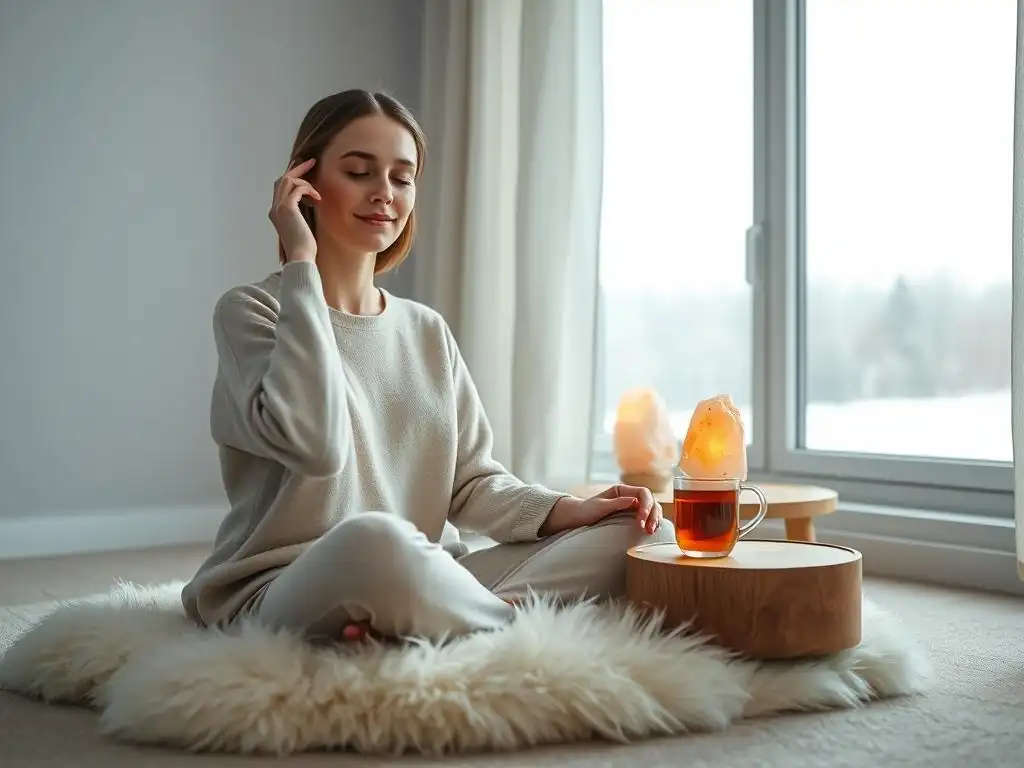
Breathing Exercises for SAD Relief: Promoting Calm and Reducing Tension
Simple, conscious breathing techniques are among the most accessible and immediate ways to trigger the body's relaxation response, making them excellent seasonal affective disorder relaxation techniques. When stressed or anxious, breathing often becomes shallow and rapid. Conversely, slow, deep, and rhythmic breathing signals to the nervous system that it is safe to relax. This can help lower heart rate, blood pressure, and levels of stress hormones like cortisol, directly impacting physical symptoms like muscle tension and a racing heart.
Practicing breathing exercises regularly, even for just a few minutes each day, can build a greater capacity for calm and provide a quick tool to use during moments of heightened anxiety or physical discomfort related to SAD. They require no special equipment and can be done anywhere, making them highly practical for daily symptom management. Mastering even one or two techniques can provide a significant boost in managing the physical and emotional challenges of seasonal depression.
Diaphragmatic Breathing (Belly Breathing)
Diaphragmatic breathing, or belly breathing, is a fundamental technique that maximizes the amount of oxygen entering the bloodstream and calms the nervous system. It involves consciously engaging the diaphragm, a large muscle located below the lungs, to pull air deep into the belly rather than just the chest. To practice, find a comfortable position, either sitting or lying down. Place one hand on your chest and the other on your belly just below your rib cage.
Inhale slowly through your nose, allowing your belly to expand and push your hand out. Your chest should remain relatively still. Exhale slowly through pursed lips, gently pulling your abdominal muscles in as your belly deflates.
Focus on making your exhalations longer than your inhalations, perhaps inhaling for a count of four and exhaling for a count of six or eight. Repeat this process for 5-10 minutes. Regular practice helps reverse the shallow breathing pattern often associated with stress and anxiety, promoting deeper relaxation and reducing physical tension throughout the body. This simple yet powerful seasonal affective disorder relaxation technique can be particularly helpful when feeling overwhelmed or physically tense due to SAD.
Alternate Nostril Breathing
Alternate Nostril Breathing, or Nadi Shodhana Pranayama in yoga, is a balancing breathing exercise that is believed to calm the mind and reduce stress. It involves breathing through one nostril at a time, alternating between them. Sit in a comfortable position with your spine straight. Close your eyes or lower your gaze. Place your left hand comfortably on your left knee. With your right hand, bring your index and middle fingers to rest between your eyebrows. You will use your thumb to close your right nostril and your ring and little fingers to close your left nostril.
Close your right nostril with your thumb and exhale completely through the left nostril. Inhale deeply through the left nostril. Close the left nostril with your ring and little fingers, release the thumb from the right nostril, and exhale completely through the right nostril. Inhale deeply through the right nostril.
Close the right nostril with your thumb, release the fingers from the left nostril, and exhale completely through the left nostril. This completes one cycle. Continue for 5-10 cycles. This technique can help balance energy, reduce anxiety, and promote a sense of physical and mental harmony, offering a unique seasonal affective disorder relaxation technique.
Progressive Muscle Relaxation (PMR): Releasing Physical Tension Caused by SAD
Progressive Muscle Relaxation (PMR) is a technique that involves tensing and then releasing specific muscle groups in the body. The underlying principle is that physical tension is often a response to stress and anxiety, and by consciously tensing and then releasing muscles, you can achieve a state of deep physical relaxation. This practice makes you more aware of the physical sensations of tension and relaxation, helping you recognize and release chronic tension you might be holding, which is common with the physical symptoms of SAD like muscle aches and stiffness.
Regular practice of PMR can lead to reduced overall muscle tension, decreased levels of stress hormones, and improved sleep quality. It can be particularly effective for alleviating physical symptoms such as tension headaches, back pain, and general body stiffness often associated with the fatigue and reduced activity levels during winter months affected by SAD. As a seasonal affective disorder relaxation technique, it offers a direct way to address the physical discomfort that accompanies the emotional state.
How to Practice Progressive Muscle Relaxation
Find a quiet place where you won't be disturbed and get into a comfortable position, either sitting or lying down. Close your eyes or soften your gaze. Begin by taking a few slow, deep breaths. Start with your hands and forearms: make a tight fist with your dominant hand and hold the tension for about 5-10 seconds, really noticing the feeling of tightness. Then, release the tension quickly, letting your hand and forearm go limp. Notice the difference between tension and relaxation, and rest in the relaxed state for 15-20 seconds.
Move systematically through different muscle groups, typically in a sequence like: hands and forearms, upper arms, forehead, eyes, jaw, neck and shoulders, back, abdomen, buttocks, thighs, calves, and feet. For each group, tense the muscles for 5-10 seconds, then release for 15-20 seconds, focusing on the feeling of relaxation. You can find guided PMR scripts or audio recordings online or through mental health resources to help you through the sequence. Consistency in practice is key to experiencing the full benefits of this effective seasonal affective disorder relaxation technique.
Benefits of PMR for Alleviating SAD Symptoms
Progressive Muscle Relaxation offers tangible benefits for individuals struggling with the physical symptoms of SAD. By systematically releasing muscle tension, PMR can significantly reduce physical discomfort such as headaches, back pain, and general bodily aches that often accompany the low energy and mood associated with seasonal depression. Many people with SAD report feeling physically heavy or stiff, and PMR directly counteracts this by promoting deep muscular relaxation.
Beyond physical relief, the practice of PMR also helps calm the nervous system, which can reduce overall anxiety levels and improve sleep quality – two major challenges for those with SAD. By becoming more attuned to physical sensations, individuals can also learn to recognize early signs of stress or tension related to their SAD symptoms, allowing them to apply relaxation techniques proactively. Incorporating PMR as one of your seasonal affective disorder relaxation techniques provides a concrete method for reducing the physical burden of the condition.
Mindfulness Meditation for Physical Well-being During SAD
Mindfulness meditation involves paying attention to the present moment without judgment. This practice cultivates awareness of thoughts, feelings, and physical sensations as they arise, helping individuals observe them without getting swept away. For individuals with SAD, whose minds might be preoccupied with negative thoughts or worries about their seasonal symptoms, mindfulness can provide a much-needed anchor in the present, reducing rumination and its associated stress.
While often thought of as a mental practice, mindfulness has profound physical benefits. By calming the mind, it reduces the physiological stress response, leading to lower levels of stress hormones and decreased physical tension. It also enhances body awareness, enabling individuals to notice and accept physical discomfort without added emotional distress. Regular mindfulness practice, even for short periods, can foster a greater sense of peace and resilience against the physical and emotional challenges of SAD.
Cultivating Present Moment Awareness to Reduce Physical Discomfort
Cultivating present moment awareness through mindfulness can directly impact the experience of physical discomfort associated with SAD. Often, physical pain or tension is amplified by worrying about it, resisting it, or thinking about how long it might last.
Mindfulness teaches you to observe the physical sensation itself, without adding layers of judgment or fear. For example, if you feel fatigue, instead of thinking "I'm so tired, I'll never get anything done," mindfulness encourages you to simply notice the sensation of tiredness in your body – perhaps a heaviness in the limbs or a dullness in the eyes – without adding narrative.
This detached observation can reduce the emotional component of physical symptoms, making them feel less overwhelming. By accepting the present physical reality without resistance, the body's stress response is less likely to be activated, potentially reducing the intensity or duration of discomfort. Regular mindfulness practice builds this capacity over time, helping individuals navigate the physical symptoms of SAD with greater ease and less added suffering. It's a powerful yet subtle seasonal affective disorder relaxation technique.
Guided Mindfulness Meditations for SAD: Resources and Tips
If you're new to mindfulness meditation, guided meditations can be an excellent starting point. These meditations are led by an instructor who guides you through the process, often focusing on breath, body sensations, or sounds. Many resources offer guided meditations specifically designed for stress, anxiety, or depression, which are highly relevant to SAD. You can find guided meditations on various meditation apps (like Calm, Headspace), websites (like UCLA Mindful Awareness Research Center, Palouse Mindfulness), and YouTube channels.
When choosing a guided meditation, look for ones that resonate with you and are of a length that fits into your schedule, even if it's just 5-10 minutes. Find a quiet space where you can sit or lie comfortably without interruption. While practicing, remember that the goal isn't to stop thinking, but to notice when your mind wanders and gently bring your attention back to the anchor (like the breath or body sensations).
Don't judge yourself if your mind is busy; simply notice and return. Consistent practice, even short sessions, is more beneficial than infrequent long sessions when using mindfulness as a seasonal affective disorder relaxation technique.
Yoga and Tai Chi: Gentle Movement for Physical and Emotional Balance
Yoga and Tai Chi are mind-body practices that combine gentle physical movements, controlled breathing, and meditation or mindfulness. Both disciplines have ancient roots and are increasingly recognized for their therapeutic benefits, including stress reduction, improved physical health, and enhanced mental well-being. Unlike strenuous exercise, which might feel daunting when experiencing SAD-related fatigue, the gentle nature of yoga and Tai Chi makes them accessible even when energy levels are low.
These practices promote flexibility, strength, and balance while simultaneously calming the nervous system and reducing stress hormone levels. The focus on breath and mindful movement helps ground individuals in the present moment, reducing rumination on negative thoughts. Incorporating yoga or Tai Chi can be a holistic approach to managing both the physical and emotional symptoms of SAD, serving as effective seasonal affective disorder relaxation techniques that also promote physical vitality.
The Benefits of Yoga for SAD-Related Physical Symptoms
Yoga can be particularly beneficial for alleviating the physical discomfort associated with SAD. The gentle stretching and poses help release muscle tension that can accumulate from stress, inactivity, or poor posture often adopted when feeling low on energy. Poses that open the chest and shoulders can counteract the hunched posture sometimes seen in depression, promoting better breathing and energy flow. Specific poses can also help stimulate circulation and lymphatic drainage, potentially easing feelings of sluggishness and improving overall vitality.
Furthermore, the emphasis on breathwork (pranayama) in yoga calms the nervous system, reducing the physiological stress response that contributes to physical symptoms like headaches and digestive issues. The meditative aspect of holding poses and flowing through sequences fosters body awareness and helps quiet the mind, reducing the mental stress that exacerbates physical symptoms. Practicing yoga consistently can improve physical comfort, increase energy levels, and enhance the body's ability to cope with the physical demands of SAD.
Tai Chi for Improved Physical and Mental Well-being During Winter Months
Tai Chi, often described as "meditation in motion," involves a series of slow, flowing movements combined with deep breathing and mental focus. Its gentle nature makes it suitable for people of all ages and fitness levels, including those experiencing fatigue or low energy due to SAD. The continuous, circular movements promote relaxation and reduce physical tension without putting strain on the body.
Research suggests that regular Tai Chi practice can improve balance, flexibility, and cardiovascular health. Crucially for SAD sufferers, it also significantly reduces stress, anxiety, and depression. The focus on mindful movement and breath helps clear the mind of worries and promotes a state of calm awareness. By improving circulation and energy flow (often referred to as 'Qi' in traditional Chinese medicine), Tai Chi can help combat the feelings of sluggishness and lethargy common in SAD. It offers a unique and gentle way to use movement as a seasonal affective disorder relaxation technique, fostering both physical ease and mental tranquility.
Autogenic Training: Harnessing the Power of Self-Suggestion for Relaxation
Autogenic Training is a relaxation technique developed by German psychiatrist Johannes Schultz in the early 20th century. It involves a series of self-statements or "formulas" that are repeated silently to induce a state of deep relaxation in different parts of the body. The term "autogenic" means "generated from within," highlighting the technique's reliance on the individual's ability to influence their own physical state through mental focus and suggestion.
By focusing on specific physical sensations like warmth and heaviness in the limbs, Autogenic Training helps calm the autonomic nervous system. Regular practice can lead to significant reductions in stress, anxiety, and physical symptoms related to tension, such as headaches, muscle stiffness, and digestive issues. It provides a structured method for achieving deep relaxation and is considered a powerful seasonal affective disorder relaxation technique for those seeking to manage physical discomfort through mental control.
The Six Standard Exercises of Autogenic Training
Autogenic Training typically involves focusing on six standard exercises to induce specific physical sensations associated with relaxation:
- Heaviness: Focus on feeling heavy in different limbs (e.g., "My right arm is heavy"). This suggests muscle relaxation.
- Warmth: Focus on feeling warm in different limbs (e.g., "My left leg is warm"). This suggests vasodilation and improved blood flow.
- Heartbeat: Focus on the rhythm of your heartbeat (e.g., "My heartbeat is calm and regular"). This promotes cardiovascular relaxation.
- Breathing: Focus on the flow of your breath (e.g., "My breathing is calm and effortless"). This encourages respiratory relaxation.
- Abdominal Warmth: Focus on warmth in the solar plexus area (e.g., "My abdomen is warm"). This suggests relaxation of abdominal organs.
- Cool Forehead: Focus on coolness in the forehead (e.g., "My forehead is cool"). This can help alleviate tension headaches.
These exercises are practiced sequentially, typically for a few minutes each, in a quiet, comfortable position. Over time, individuals learn to induce these sensations relatively quickly, allowing for rapid relaxation.
How Autogenic Training Can Reduce Physical Tension and Anxiety
Autogenic Training works by influencing the autonomic nervous system, which controls involuntary bodily functions like heart rate, breathing, and muscle tension. By repeating formulas that suggest warmth and heaviness, the technique can promote vasodilation (widening of blood vessels) and muscle relaxation. The focus on a calm heartbeat and effortless breathing further reinforces the body's relaxation response. This counteracts the "fight-or-flight" response often heightened by stress and anxiety, which manifests physically as increased muscle tension, rapid heart rate, and shallow breathing.
Regular practice helps individuals gain a degree of conscious control over these typically involuntary processes. This ability to self-regulate physiological responses makes Autogenic Training a highly effective method for reducing chronic physical tension, alleviating stress-related symptoms like headaches and digestive upset, and calming the overall nervous system. As a seasonal affective disorder relaxation technique, it empowers individuals to actively reduce the physical burden imposed by the condition.
Creating a Personalized Relaxation Plan for SAD Symptom Management
Managing the physical symptoms of SAD effectively often requires a tailored approach. What works for one person might not work for another, and the intensity and type of symptoms can vary. Developing a personalized relaxation plan allows you to choose the seasonal affective disorder relaxation techniques that are most relevant to your specific challenges and integrate them into your daily life in a way that is sustainable and effective. This plan should be flexible and adaptable, allowing for adjustments as your symptoms or circumstances change throughout the season.
Taking the time to identify your specific needs and preferences is the first step in creating a plan that will truly support your well-being during the winter months. A structured approach helps ensure that relaxation doesn't become an afterthought but a consistent, integral part of your SAD management strategy.
Identifying Your Specific Physical Symptoms and Triggers
The first step in creating your personalized relaxation plan is to gain clarity on exactly which physical symptoms of SAD you experience and when or why they seem to worsen. Do you primarily suffer from overwhelming fatigue and leaden paralysis? Are tension headaches a regular occurrence? Do you notice increased muscle stiffness or digestive issues as the season changes? Keep a simple journal for a week or two, noting your physical symptoms, their severity, and what you were doing or feeling beforehand.
Also, consider potential triggers. Is your fatigue worse on particularly dark, cloudy days? Does muscle tension flare up when you're feeling particularly anxious about the lack of light or social withdrawal? Understanding these patterns provides valuable insight into which seasonal affective disorder relaxation techniques might be most helpful. For example, if muscle tension is a major issue, Progressive Muscle Relaxation might be a priority. If anxiety and racing thoughts exacerbate your physical discomfort, breathing exercises or mindfulness could be key.
Choosing the Right Relaxation Techniques for Your Needs
Based on your identified symptoms and triggers, select the relaxation techniques that seem most promising. There's no need to try everything at once. Start with one or two techniques that resonate with you or seem most relevant to your primary physical symptoms. If you struggle with energy, gentle practices like diaphragmatic breathing, short mindfulness sessions, or Tai Chi might be more accessible than a long yoga session. If tension is your main issue, PMR or Autogenic Training could be highly effective.
Consider your lifestyle and preferences. Are you someone who prefers structured exercises, or do you prefer something more free-form like mindful walking? Do you have 10 minutes to spare in the morning, or is the evening a better time? Choose techniques that you feel you can realistically incorporate into your routine. Experimentation is key; what looks good on paper might not feel right in practice. Be open to trying different seasonal affective disorder relaxation techniques until you find those that provide genuine relief.
Integrating Relaxation into Your Daily Routine: Consistency is Key
Once you've chosen your techniques, the challenge is making them a regular habit. Consistency is far more important than duration when it comes to relaxation practices. Even 5-10 minutes daily can make a significant difference over time compared to sporadic longer sessions. Think about where you can naturally fit relaxation into your day. Could you do 5 minutes of belly breathing before getting out of bed? Practice PMR while listening to a podcast during your commute? Do a short guided meditation during your lunch break?
Schedule your relaxation time like any other important appointment. Use reminders on your phone or integrate it into your existing routines (e.g., "after I brush my teeth, I will do 5 minutes of mindfulness"). Don't get discouraged if you miss a day; just pick up where you left off. The goal is progress, not perfection. Making seasonal affective disorder relaxation techniques a non-negotiable part of your day is crucial for building resilience and consistently managing physical symptoms.
Tracking Your Progress and Adjusting Your Plan as Needed
To understand how effective your relaxation plan is and make necessary adjustments, it's helpful to track your progress. Continue your symptom journal, but now also note which relaxation techniques you practiced each day and how you felt afterward, both physically and emotionally. Did the breathing exercise reduce your tension headache? Did PMR help you feel less physically heavy? Did mindfulness make you feel calmer?
After a couple of weeks, review your journal entries. Are certain techniques consistently providing relief? Are others not making much difference? Based on this feedback, be prepared to adjust your plan. You might swap out a technique that isn't working for a new one, increase the duration of a practice that feels beneficial, or try different times of day. Your personalized seasonal affective disorder relaxation techniques plan should be dynamic, evolving as you learn more about what helps you manage your SAD symptoms most effectively.
Additional Tips for Managing Physical Symptoms of Seasonal Affective Disorder
Beyond targeted relaxation techniques, several other strategies can complement your efforts to manage the physical impact of SAD. These approaches address other factors known to influence mood and energy levels during the winter months and can work synergistically with relaxation practices to provide more comprehensive relief. Integrating these tips into your overall SAD management plan can enhance your ability to cope with the seasonal shift and reduce the severity of physical symptoms.
A holistic approach that combines relaxation with other evidence-based strategies is often the most effective way to navigate the challenges of seasonal depression and minimize its physical toll.
Light Therapy: A Complementary Approach
Light therapy, also known as phototherapy, is a common and often effective treatment for SAD. It involves daily exposure to a special light box that mimics natural outdoor light. The theory is that this type of light exposure affects brain chemicals linked to mood and sleep, easing SAD symptoms. While primarily aimed at improving mood and energy levels, its positive impact on circadian rhythms and neurochemical balance can also indirectly alleviate physical symptoms like fatigue and sleep disturbances.
Using a light box typically involves sitting a specific distance from the box for 20-60 minutes each morning, ideally within the first hour of waking. It's important to use a light box specifically designed for SAD (usually emitting 10,000 lux) and to avoid tanning beds, which emit harmful UV rays. Light therapy is often used in conjunction with other treatments, and while it's not a relaxation technique itself, its ability to address an underlying cause of SAD makes it a valuable complement to seasonal affective disorder relaxation techniques for managing overall symptoms.
The Role of Diet and Exercise in Managing SAD's Physical Effects
Lifestyle factors like diet and exercise play a significant role in managing both the emotional and physical symptoms of SAD. A balanced diet rich in fruits, vegetables, whole grains, and lean protein can help stabilize blood sugar levels, which can combat energy crashes and cravings for unhealthy carbohydrates often associated with SAD. Limiting processed foods, excessive sugar, and caffeine can also improve mood and sleep quality. Ensuring adequate intake of Vitamin D, which is lower in winter due to reduced sun exposure, might also be beneficial, though dietary sources or supplements should be discussed with a healthcare provider.
Regular physical activity, even moderate exercise like walking or gentle yoga, is a powerful mood booster and energy enhancer. Exercise releases endorphins, which have natural mood-lifting and pain-relieving effects. It can also improve sleep patterns and reduce stress and anxiety. Aim for at least 30 minutes of moderate-intensity exercise most days of the week, if possible. Finding enjoyable ways to stay active during the winter months can be challenging but is incredibly beneficial for combating the fatigue and low mood of SAD. Combining exercise with seasonal affective disorder relaxation techniques provides a robust strategy for physical and mental well-being.
Seeking Professional Help for Severe or Persistent Symptoms
While seasonal affective disorder relaxation techniques and lifestyle adjustments can be incredibly helpful in managing the physical symptoms of SAD, they may not be sufficient for everyone, especially if symptoms are severe or persistent. If your SAD symptoms significantly impact your daily functioning, mood, or relationships, or if you experience thoughts of self-harm, it is crucial to seek professional help.
Mental health professionals, such as therapists, counselors, or psychiatrists, can provide diagnosis, recommend evidence-based treatments like psychotherapy (e.g., Cognitive Behavioral Therapy tailored for SAD - CBT-SAD) or medication, and offer personalized coping strategies. They can also help you integrate relaxation techniques effectively into a broader treatment plan. Don't hesitate to reach out; seeking support is a sign of strength and a vital step towards managing SAD and improving your quality of life.
Conclusion: Empowering Yourself with Seasonal Affective Disorder Relaxation Techniques
Living with Seasonal Affective Disorder can present significant physical challenges, from overwhelming fatigue and muscle aches to sleep disturbances and increased tension. These physical symptoms can exacerbate the emotional burden of SAD, creating a difficult cycle that impacts daily life. However, there are effective strategies available to help manage these physical manifestations and regain a sense of control and comfort during the winter months.
Seasonal affective disorder relaxation techniques offer powerful tools to directly address the body's stress response and alleviate physical discomfort. Practices such as diaphragmatic breathing, Progressive Muscle Relaxation, mindfulness meditation, yoga, Tai Chi, and Autogenic Training provide diverse approaches to calming the nervous system, releasing muscle tension, and promoting overall physical well-being. By incorporating these techniques into a personalized relaxation plan, individuals can actively work to reduce the physical toll of SAD.
Complemented by strategies like light therapy, healthy diet, regular exercise, and professional support when needed, relaxation techniques become a cornerstone of a comprehensive approach to managing SAD symptoms. Empowering yourself with these seasonal affective disorder relaxation techniques is a proactive step towards finding greater ease, energy, and resilience throughout the year.
Frequently Asked Questions
How can relaxation techniques specifically help with Seasonal Affective Disorder (SAD)?
Relaxation techniques, such as deep breathing and meditation, can help reduce the stress and anxiety often associated with SAD. This can, in turn, alleviate physical symptoms like fatigue and muscle tension. Ultimately, these practices aim to restore mental well-being.
What are some easy-to-learn relaxation techniques for managing SAD symptoms?
Simple techniques include progressive muscle relaxation, where you tense and release different muscle groups. Another is mindful breathing, focusing on your breath to anchor you in the present moment. Many online resources offer guided sessions for these practices.
How often should I practice relaxation techniques to see a noticeable difference in my SAD symptoms?
Consistency is key; aim for at least 15-20 minutes daily. You might notice improvements within a few weeks of regular practice, though individual results may vary. Listen to your body and adjust the duration as needed.
Can relaxation techniques completely eliminate SAD symptoms, or are they best used in conjunction with other treatments?
Relaxation techniques are a valuable tool but are usually most effective when combined with other treatments. Light therapy, medication, and therapy may also be necessary for comprehensive SAD management. Consult with a mental health professional for personalized guidance.
Are there any specific relaxation techniques that are particularly effective for combating the fatigue associated with SAD?
Gentle yoga and Tai Chi can be particularly beneficial for combating fatigue. These practices combine physical movement with mindfulness, boosting energy levels and reducing feelings of sluggishness. Restorative yoga is another excellent option for deep relaxation.
Final Reflection: Finding Light Within: Easing the Shadow of SAD
The struggle with Seasonal Affective Disorder (SAD) is far from a seasonal inconvenience; it's a pervasive challenge impacting millions, demanding proactive strategies for coping. The physical symptoms – fatigue, aches, weight changes – can be debilitating, making even simple daily tasks feel insurmountable. This article has explored a range of relaxation techniques, offering practical tools to navigate the darker months and reclaim a sense of well-being.
The impact of SAD extends far beyond the individual; it ripples through families, workplaces, and communities. The pervasive nature of this condition underscores the importance of open conversation and readily available support. The darkness may be overwhelming, but even the smallest spark of light can illuminate the path forward.
This quote encapsulates the essence of finding solace and strength through self-care, particularly when facing the physical and emotional burdens of SAD. The techniques discussed – from mindful breathing to progressive muscle relaxation – are not merely temporary fixes, but rather tools for building resilience and cultivating a healthier relationship with one's body and mind.
Now, consider your own well-being. What resonates most from the strategies explored? Which technique feels most accessible and empowering for you? Don't wait for the next bout of SAD to begin your journey toward self-care. Start incorporating these practices into your daily life, creating a foundation of strength and resilience that will help you navigate the challenges ahead, no matter the season. Embrace the power of self-compassion and discover the light within, even on the darkest days.
Unlock Your Calm: Take Control of SAD Symptoms Today
Thanks for taking the time to explore relaxation techniques for managing Seasonal Affective Disorder (SAD). We hope you found valuable insights to help navigate those challenging winter months. Now, let's put that knowledge into action!
- Prioritize your self-care: Start with one new relaxation technique from the article – whether it's mindful breathing, a short yoga flow, or a calming aromatherapy session – and integrate it into your daily routine. Even 5 minutes can make a difference!
- Share your journey: Connect with others facing similar challenges. Share your experiences and what you're learning with friends, family, or online communities dedicated to mental wellness.
- Try a surprising twist: Combine relaxation with a physical activity you enjoy – like a gentle walk in nature or listening to uplifting music while stretching. See how the combination impacts your mood.
What simple change will you make today to prioritize your mental and physical wellbeing this season?