
Is Your Brain Stuck? Recognizing Signs You Need to Encourage Plasticity

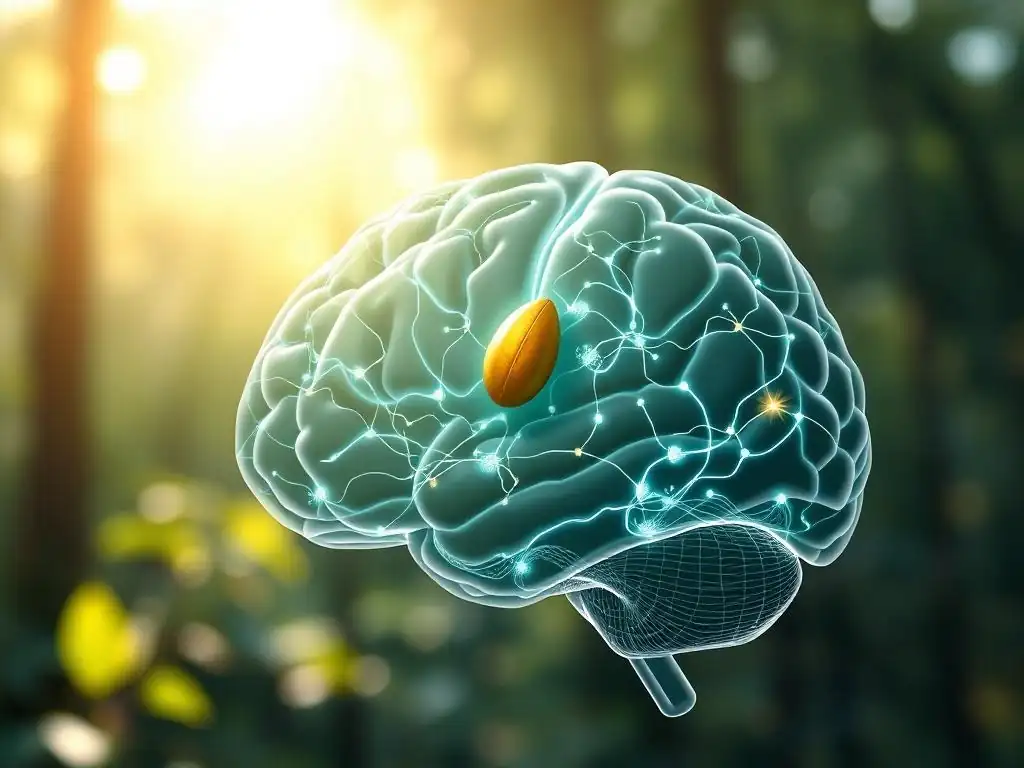
Welcome to Mind Care Guide, a sanctuary for your mental well-being.
Are you feeling stuck in a rut, your thoughts and feelings stubbornly resistant to change? This might be a sign your brain isn't as flexible as it could be. Dive into our exploration of brain plasticity recovery techniques to discover how you can unlock your brain's incredible potential for growth and healing. Curious to learn how to reshape your mental landscape? Let's begin...
- Understanding Brain Plasticity and Mental Wellbeing
- Recognizing the Signs Your Brain Needs a Boost of Plasticity
- Factors That Inhibit Brain Plasticity and Mental Flexibility
- Brain Plasticity Recovery Techniques: Rewiring Your Brain for Better Mental Health
- Practical Strategies to Foster Brain Plasticity and Improve Mental Wellbeing
- Conclusion: Embracing Neuroplasticity for a Healthier, More Resilient Brain
-
Frequently Asked Questions
- What is brain plasticity and why is it important for mental well-being?
- What are some common signs that my brain might not be as plastic as it could be?
- What are some Brain plasticity recovery techniques I can use to improve my mental well-being?
- How long does it typically take to see results from using Brain plasticity recovery techniques?
- Where can I find more information and support for implementing Brain plasticity recovery techniques into my life?
- Final Reflection: Unlocking Your Brain's Potential Through Neuroplasticity
- Unlock Your Brain's Potential: Boost Your Neuroplasticity Today!
Understanding Brain Plasticity and Mental Wellbeing
What is Brain Plasticity and Why Does it Matter for Mental Health?
Brain plasticity, also known as neuroplasticity, is the remarkable ability of the brain to reorganize itself throughout life. This involves forming new neural connections, altering existing ones, and even generating new neurons in certain areas, like the hippocampus. This dynamic process is fundamental because it allows the brain to adapt to new experiences, learn new information, and recover from injury.
Without plasticity, our brains would be rigid and unchanging, severely limiting our capacity for learning, memory, and emotional regulation. Think of it like a complex highway system that can constantly reroute traffic, build new roads, and repair damaged sections to keep things flowing efficiently. This adaptability is not just for childhood development; it continues, albeit sometimes at a slower pace, throughout adulthood and into old age.
The significance of brain plasticity for mental health is profound. Conditions like depression, anxiety disorders, PTSD, and even addiction are often associated with specific changes in brain structure and function. For example, studies using fMRI have shown reduced volume in the hippocampus and prefrontal cortex in individuals with chronic depression.
Neuroplasticity offers a pathway for recovery and healing by allowing the brain to reverse some of these changes, strengthen weakened circuits, and build new, healthier pathways. Effective brain plasticity recovery techniques leverage this natural ability to help individuals develop more adaptive thought patterns, improve emotional resilience, and enhance overall cognitive function, contributing significantly to mental wellbeing.
The Link Between Brain Plasticity and Cognitive Function
The intricate relationship between brain plasticity and cognitive function is at the heart of how we learn, remember, problem-solve, and pay attention. Every time you learn a new skill, acquire a piece of information, or even practice a complex task like playing an instrument or speaking a foreign language, you are actively engaging neuroplasticity.
Specific neural pathways are strengthened or formed, making the processing of that information or the execution of that skill more efficient over time. For instance, research on London taxi drivers famously showed they have a larger posterior hippocampus compared to control groups, a region associated with spatial memory, directly linking the demands of their job (navigating complex routes) to structural brain changes driven by plasticity.
Conversely, reduced neuroplasticity can manifest as declines in various cognitive abilities. As the brain's ability to adapt wanes, individuals might experience difficulties with executive functions such as planning and decision-making, struggle with working memory (the ability to hold and manipulate information in mind), or find it harder to shift between tasks.
This reduced cognitive flexibility can make learning new things feel like a significant challenge and contribute to feelings of being mentally "stuck." Implementing brain plasticity recovery techniques through targeted cognitive exercises and lifestyle changes can help maintain or improve cognitive function, countering age-related decline or the effects of certain mental health conditions.
How Neuroplasticity Impacts Emotional Regulation and Mental Resilience
Neuroplasticity plays a critical role in our ability to manage emotions and bounce back from adversity – key components of mental resilience. The brain's emotional circuits, particularly those involving the amygdala (processing fear and threats) and the prefrontal cortex (regulating emotional responses), are highly plastic. Traumatic experiences, for example, can strengthen pathways associated with fear and hypervigilance, making individuals more susceptible to anxiety and PTSD. Conversely, therapeutic interventions and mindful practices can weaken these maladaptive connections and strengthen pathways associated with calm, rational processing.
Developing greater emotional regulation relies heavily on the brain's capacity to change. By practicing techniques that promote positive emotional states or learning to reappraise negative situations, we are essentially rewiring our emotional responses. This allows us to respond to stressors in a more measured and adaptive way, rather than being overwhelmed by intense feelings.
Research has shown that consistent mindfulness practice, a form of brain plasticity recovery technique, can lead to structural changes in areas like the prefrontal cortex and hippocampus, improving emotional control and stress tolerance. This enhanced capacity for emotional flexibility is fundamental to building mental resilience and navigating life's challenges effectively.
Recognizing the Signs Your Brain Needs a Boost of Plasticity
Cognitive Signs of Reduced Brain Plasticity: Is Your Thinking Stiff?
Reduced brain plasticity can manifest in various ways that impact how we think and process information. One of the most noticeable signs is a feeling that your thinking is becoming rigid or inflexible, as if your brain is stuck in old patterns. This can affect everything from problem-solving to daily routines. It's not just about struggling with complex tasks; even simple changes can feel overwhelming when cognitive flexibility is low. Recognizing these cognitive indicators early is crucial, as it suggests that incorporating brain plasticity recovery techniques could be beneficial.
These cognitive signs often include a general slowing down of thought processes, increased difficulty concentrating for extended periods, and a reduced capacity to handle multiple pieces of information simultaneously. For example, someone might find it increasingly challenging to follow complex instructions, or they might feel overwhelmed by tasks that require multitasking. This "stiffness" in thinking is distinct from occasional forgetfulness; it's a pervasive sense that the brain is less adaptable and efficient than it used to be, impacting daily functioning and potentially hindering the ability to learn from new experiences.
Difficulty Learning New Things: A Key Indicator
A significant sign that your brain's plasticity might be reduced is a marked increase in the difficulty you experience when trying to learn something new. This could be anything from a new software program, a language, a hobby, or even just adapting to a new route to work.
While learning always requires effort, a noticeable struggle where previously you might have picked things up more easily suggests that the neural connections needed for acquiring and consolidating new information are not forming or strengthening as readily. This isn't just about age; younger individuals experiencing chronic stress or certain health issues can also face this challenge.
This difficulty often stems from a reduced ability of synapses to change their strength (synaptic plasticity) and a slower rate of forming new connections or pruning old, inefficient ones. For instance, attempting to learn a musical instrument might feel frustratingly slow, with motor skills and memory for notes not improving despite practice. This struggle can be a direct signal that your brain is not engaging its plastic capabilities effectively. Implementing specific brain plasticity recovery techniques focused on skill acquisition and novelty can help stimulate these learning pathways.
Memory Problems and Forgetfulness: Beyond Normal Aging
While some degree of forgetfulness is a normal part of aging, persistent or worsening memory problems can be a sign of reduced brain plasticity, particularly impacting areas like the hippocampus, which is vital for forming new memories. This might manifest as frequently forgetting appointments, misplacing items more often than usual, struggling to recall names of acquaintances, or difficulty remembering recent events. Unlike simple absentmindedness, these issues can interfere with daily life and cause distress.
Memory formation and retrieval rely heavily on the dynamic changes occurring at the synaptic level – the strengthening or weakening of connections between neurons. When plasticity is compromised, these processes become less efficient. For example, studies on individuals experiencing cognitive decline often show changes in hippocampal volume and connectivity, directly related to impaired memory function. Focusing on brain plasticity recovery techniques that involve memory exercises and engaging multiple brain regions can help support healthier memory processes.
Mental Fatigue and Brain Fog: Struggling to Focus
Chronic mental fatigue and a pervasive feeling of "brain fog" are increasingly recognized as indicators that the brain might not be functioning at its optimal level, potentially linked to reduced plasticity and impaired neural efficiency. This isn't just feeling tired; it's a sense of cognitive slowness, difficulty concentrating, reduced mental clarity, and a struggle to maintain focus on tasks. It can make even routine cognitive demands feel exhausting.
Brain fog can result from various factors, including inflammation, stress, poor sleep, and certain medical conditions, all of which can negatively impact neuroplasticity. When the brain's ability to adapt and maintain efficient neural pathways is compromised, it requires more effort to perform cognitive tasks, leading to fatigue. For instance, someone might find they can only concentrate deeply for short periods before feeling mentally drained, a stark contrast to their previous capacity. Addressing the underlying causes and employing brain plasticity recovery techniques aimed at improving neural health and efficiency can help alleviate these symptoms.
Emotional and Behavioral Signs: Is Your Brain Rigid?
Reduced brain plasticity doesn't only impact cognitive function; it also significantly affects our emotional responses and behavioral patterns. When the brain becomes less flexible, so too can our emotional reactions and our ability to adapt our behavior to changing circumstances. This rigidity can make it harder to cope with stress, regulate moods, and interact effectively with others. Recognizing these emotional and behavioral signs can be just as important as noting cognitive shifts when considering brain health.
These signs often involve a reduced capacity to shift emotional states, a tendency to get stuck in negative thought loops, and difficulty adjusting behaviors or perspectives in response to new information or experiences. It can feel like being stuck in an emotional rut or reacting disproportionately to minor stressors. This rigidity isn't just a personality trait; it can reflect underlying changes in the brain's emotional circuits and their ability to adapt. Exploring brain plasticity recovery techniques that target emotional regulation can be particularly helpful in these cases.
Increased Anxiety and Stress Levels
A notable emotional sign of reduced brain plasticity can be a persistent increase in anxiety and stress levels, often accompanied by a decreased ability to manage or recover from stressful situations. When the brain's stress response systems, particularly the amygdala and its connections to the prefrontal cortex, become less flexible, they can become stuck in a state of hyperarousal. This makes it harder to calm down after a stressful event and increases reactivity to perceived threats.
This is often linked to the strengthening of neural pathways associated with fear and worry, while pathways involved in calming and rational assessment become weaker. For example, someone might find themselves constantly worrying about minor issues or experiencing disproportionate anxiety in social situations that previously didn't bother them. This heightened state of alert reflects a brain that is less able to adapt its emotional response. Implementing brain plasticity recovery techniques like mindfulness or certain therapeutic approaches can help rewire these stress pathways.
Difficulty Adapting to Change: Inflexibility in Thinking
Behavioral inflexibility, characterized by a significant difficulty adapting to changes in routine, plans, or unexpected circumstances, is a strong indicator of potentially reduced cognitive and emotional plasticity. This isn't just about disliking change; it's a profound struggle to adjust one's thinking, behavior, or emotional response when things don't go as expected. It can manifest as getting easily frustrated or overwhelmed by minor deviations from the norm.
This inflexibility stems from a reduced ability of the brain's executive function areas, like the prefrontal cortex, to shift cognitive sets – essentially, the ability to switch between different rules or tasks. For example, someone might become highly distressed if a meeting time changes unexpectedly, struggling to adjust their schedule and mindset. This behavioral rigidity reflects a brain that is less capable of dynamically rerouting its processing pathways. Engaging in brain plasticity recovery techniques that encourage cognitive flexibility and problem-solving can help improve this adaptability.
Reduced Creativity and Problem-Solving Abilities
A decline in creativity and problem-solving abilities is another potential sign that your brain's plasticity might be waning. Creativity involves making novel connections between disparate ideas, a process that relies heavily on the brain's ability to form new associations and explore different neural pathways. Similarly, effective problem-solving requires flexible thinking, the ability to consider multiple perspectives, and the capacity to devise new solutions when old ones fail.
When plasticity is reduced, the brain may become more reliant on established, well-worn pathways, making it harder to break free from conventional thinking patterns. This can lead to feeling "stuck" when faced with challenges or finding it difficult to come up with original ideas. For instance, someone who previously enjoyed brainstorming creative solutions at work might find themselves defaulting to routine approaches or feeling uninspired. Actively engaging in brain plasticity recovery techniques that stimulate divergent thinking and novel experiences can help rekindle these abilities.
Factors That Inhibit Brain Plasticity and Mental Flexibility
The Role of Stress and Trauma in Limiting Neuroplasticity
Chronic stress and trauma are significant inhibitors of brain plasticity, exerting detrimental effects on both structure and function. Prolonged exposure to stress hormones like cortisol can damage neurons, particularly in the hippocampus (critical for memory and learning) and the prefrontal cortex (involved in executive functions and emotional regulation). This damage can lead to reduced volume in these areas and impair their ability to form new connections. For instance, studies on individuals with PTSD often show a smaller hippocampus compared to those without trauma exposure.
Furthermore, chronic stress can alter the balance of neurotransmitters and reduce the production of neurotrophic factors, such as Brain-Derived Neurotrophic Factor (BDNF), which are essential for neuronal growth and survival. This creates an environment less conducive to neuroplastic change. The brain becomes less adaptable, reinforcing pathways associated with fear and anxiety while weakening those needed for calm and resilience. Understanding this link is crucial when considering brain plasticity recovery techniques, as stress management becomes a vital component of rewiring the brain.
Lifestyle Factors: Diet, Sleep, and Exercise's Impact on Brain Health
Our daily lifestyle choices have a profound impact on brain health and neuroplasticity. A poor diet, lack of sleep, and insufficient physical activity can significantly inhibit the brain's ability to change and adapt. For example, a diet high in processed foods, sugar, and unhealthy fats is associated with inflammation and oxidative stress, both of which can damage brain cells and impair synaptic function, making it harder for the brain to form new connections. Conversely, a diet rich in omega-3 fatty acids, antioxidants, and vitamins supports brain health and promotes neuroplasticity.
Sleep is a critical period for brain regeneration and consolidation of learning and memory, processes heavily reliant on plasticity. Chronic sleep deprivation disrupts these processes, impairs cognitive function, and reduces the production of BDNF. Studies consistently show that poor sleep negatively impacts learning capacity and can even lead to a decrease in brain volume over time. Regular physical exercise, on the other hand, is a powerful promoter of neuroplasticity. It increases blood flow to the brain, stimulates the production of BDNF, and encourages the growth of new neurons in the hippocampus, directly enhancing learning and memory capabilities.
The Influence of Age on Brain Plasticity and Cognitive Decline
While it's a common misconception that brain plasticity declines sharply with age, the reality is more nuanced. Plasticity remains throughout life, but certain aspects may become less efficient or require more effort to stimulate in older age. As we age, there can be a natural reduction in synaptic density and the rate of neurogenesis (birth of new neurons), particularly if not actively counteracted by lifestyle factors. This can contribute to age-related cognitive changes, such as slower processing speed and some memory decline.
However, this age-related shift in plasticity is not inevitable or irreversible. Research shows that older adults who remain mentally, physically, and socially active demonstrate higher levels of plasticity and better cognitive function than their sedentary counterparts. Engaging in novel learning experiences, regular exercise, and social interaction can stimulate neuroplasticity and help maintain cognitive vitality well into later years. Therefore, age influences plasticity, but it doesn't eliminate the potential for brain plasticity recovery techniques to be effective in supporting cognitive health.
Brain Plasticity Recovery Techniques: Rewiring Your Brain for Better Mental Health
Lifestyle Changes to Enhance Brain Plasticity
Implementing positive lifestyle changes is one of the most accessible and powerful ways to enhance brain plasticity and support mental wellbeing. These changes don't require specialized equipment or therapy sessions; they involve fundamental shifts in daily habits related to how we move, sleep, and eat. Consistency is key, as the brain responds best to sustained positive input. By optimizing these basic pillars of health, we create a fertile ground for neuroplasticity to thrive, making the brain more resilient and adaptable.
These lifestyle-based brain plasticity recovery techniques work by directly influencing the brain's environment. For example, regular exercise increases blood flow and growth factors, while good sleep allows for repair and consolidation. A nutrient-rich diet provides the building blocks necessary for healthy brain function. Collectively, these habits reduce inflammation, oxidative stress, and hormonal imbalances that can impede plasticity, thereby facilitating the formation of new neural connections and improving overall brain health.
The Power of Exercise for Brain Health and Cognitive Function
Physical exercise is arguably one of the most potent brain plasticity recovery techniques available. It has a remarkable ability to improve cognitive function across the lifespan, from childhood development to protecting against age-related decline. Engaging in regular aerobic exercise, such as brisk walking, jogging, swimming, or cycling, increases heart rate and blood flow, delivering more oxygen and nutrients to the brain. This improved circulation supports the health and function of brain cells.
Beyond improved blood flow, exercise directly stimulates the production of key neurotrophic factors, most notably BDNF. BDNF is often referred to as "Miracle-Gro" for the brain because it promotes the growth of new neurons (neurogenesis), supports the survival of existing neurons, and strengthens synaptic connections. Studies have shown that just 30 minutes of moderate-intensity exercise performed most days of the week can lead to measurable improvements in memory, attention, and executive function, demonstrating the significant power of physical activity in promoting brain plasticity.
Optimizing Sleep for Brain Regeneration and Neuroplasticity
Adequate and quality sleep is absolutely essential for brain health and is a fundamental brain plasticity recovery technique. During sleep, particularly slow-wave sleep (deep sleep) and REM sleep, the brain is highly active in consolidating memories, processing information learned during the day, and clearing out metabolic waste products. This process of consolidation involves strengthening and pruning synaptic connections, a core aspect of neuroplasticity.
Chronic sleep deprivation impairs these vital processes. It reduces the brain's ability to form new memories, disrupts attention and executive function, and can even lead to a decrease in brain volume over time. Aiming for 7-9 hours of quality sleep per night supports optimal brain function and allows the brain to perform necessary repair and reorganization. Establishing a consistent sleep schedule and creating a conducive sleep environment are practical steps to harness the power of sleep for enhancing neuroplasticity.
The Importance of a Brain-Boosting Diet
Nutrition plays a critical role in providing the brain with the necessary fuel and building blocks for optimal function and plasticity. A diet rich in certain nutrients can promote neurogenesis, support synaptic health, and protect against inflammation and oxidative stress, making it a crucial brain plasticity recovery technique. Conversely, a diet high in refined sugars and unhealthy fats can have detrimental effects.
Key components of a brain-boosting diet include omega-3 fatty acids (found in fatty fish like salmon, walnuts, and flaxseeds), antioxidants (abundant in berries, dark leafy greens, and dark chocolate), vitamins (particularly B vitamins and vitamin D), and minerals (like zinc and magnesium). For example, omega-3s are vital structural components of brain cell membranes and play a role in synaptic function.
Incorporating foods like blueberries, known for their antioxidant properties, has been linked to improved cognitive function in studies. Prioritizing whole, unprocessed foods over highly processed items provides the brain with the support it needs to maintain and enhance its plastic capabilities.
Cognitive Training and Mental Exercises for Neuroplasticity
Just as physical exercise strengthens muscles, mental exercises and cognitive training can strengthen neural connections and promote brain plasticity. Engaging in novel, challenging, and varied mental activities stimulates different brain regions and encourages the formation of new pathways. This is a direct application of brain plasticity recovery techniques aimed at keeping the brain active and adaptable.
The key is to move beyond routine activities that the brain can perform on autopilot. Learning a new skill, solving complex puzzles, or engaging in activities that require significant mental effort all contribute to cognitive reserve and enhance plasticity. The brain responds to challenge by building more robust and efficient networks.
Learning New Skills: A Powerful Tool for Brain Rewiring
Actively engaging in learning new skills is one of the most effective brain plasticity recovery techniques because it demands the formation of entirely new neural circuits and strengthens existing ones. Whether it's learning a new language, mastering a musical instrument, taking up painting, or learning to code, the process of acquiring proficiency in a novel domain provides a rich stimulus for neuroplastic change. This is particularly true when the skill involves multiple cognitive domains, such as memory, motor skills, and problem-solving.
For example, learning to play the piano requires reading music (visual processing), coordinating hand movements (motor cortex), remembering melodies and rhythms (auditory processing and memory), and integrating all these elements simultaneously. This complex interplay forces the brain to build and strengthen connections across numerous areas. Studies have shown that learning a new language can increase gray matter density in certain brain regions. The effort and dedication involved in skill acquisition directly translate into enhanced neuroplasticity.
Brain Training Games and Apps: Are They Effective?
The effectiveness of brain training games and apps as brain plasticity recovery techniques is a topic of ongoing research and debate. While many apps claim to improve cognitive function, the evidence supporting generalized improvements that transfer to real-world tasks is often limited. Most studies show that individuals get better at the specific tasks within the game, but this improvement doesn't necessarily translate to better memory, attention, or problem-solving in daily life.
However, some research suggests that certain types of cognitive training, particularly those that are adaptive (increasing in difficulty as you improve) and target specific cognitive domains like working memory or processing speed, can yield modest improvements in those specific areas. The key seems to be novelty and challenge; if the game becomes too easy or repetitive, its plasticity-enhancing benefits likely diminish. While they might not be a miracle cure, using these tools as part of a broader approach that includes other lifestyle factors and engaging in real-world novel learning might offer some supplementary benefits.
Mindfulness and Meditation: Cultivating Mental Flexibility
Mindfulness and meditation practices are increasingly recognized as valuable brain plasticity recovery techniques, particularly for improving emotional regulation, reducing stress, and enhancing cognitive flexibility. Regular meditation has been shown to induce structural and functional changes in the brain, including increased gray matter density in areas associated with attention, self-awareness, and emotional regulation, such as the prefrontal cortex and hippocampus.
Mindfulness involves paying attention to the present moment non-judgmentally, which trains the brain to observe thoughts and feelings without getting carried away by them. This practice helps weaken the neural pathways associated with rumination and worry and strengthens those involved in focused attention and emotional detachment. For instance, studies have shown that just 8 weeks of mindfulness-based stress reduction (MBSR) can lead to measurable changes in amygdala reactivity to negative stimuli, demonstrating enhanced emotional resilience. By cultivating greater awareness and control over internal states, mindfulness directly contributes to mental flexibility.
Therapeutic Interventions to Promote Brain Plasticity Recovery
Beyond lifestyle changes and cognitive exercises, certain therapeutic interventions specifically target brain function and structure to promote neuroplasticity, offering more direct brain plasticity recovery techniques for individuals facing significant challenges, such as those with mental health disorders or neurological conditions. These approaches are often administered by trained professionals and are based on a deeper understanding of brain circuits and their malleability.
These interventions range from behavioral therapies that leverage the principles of learning (a form of plasticity) to more technologically advanced methods that directly influence brain activity. They represent the clinical side of harnessing neuroplasticity for healing and recovery.
Neurofeedback: Training Your Brainwaves for Optimal Function
Neurofeedback is a type of biofeedback that trains individuals to alter their own brainwave activity, operating on the principle of neuroplasticity. Sensors are placed on the scalp to measure brainwave patterns, which are then displayed in real-time to the individual, often in the form of a video game or a visual display. The individual learns to change their brainwave activity (e.g., increasing alpha waves associated with relaxation or decreasing theta waves associated with distractibility) through operant conditioning – they are rewarded (e.g., the video game character moves forward) when their brainwaves move in the desired direction.
This process helps the brain learn to self-regulate, strengthening neural pathways associated with desired states (like focus or calm) and weakening those associated with maladaptive patterns (like anxiety or impulsivity). Neurofeedback has shown promise as a brain plasticity recovery technique for conditions like ADHD, anxiety, and even some forms of depression, with studies reporting improvements in attention, emotional regulation, and cognitive performance after a course of sessions. A typical course might involve 20-40 sessions over several weeks or months.
Cognitive Behavioral Therapy (CBT) and Neuroplasticity
Cognitive Behavioral Therapy (CBT) is a widely used psychotherapy that, at its core, is a powerful brain plasticity recovery technique. CBT helps individuals identify and challenge negative or irrational thought patterns and replace them with more realistic and positive ones. It also teaches behavioral strategies to cope with difficult situations. While it might seem purely psychological, the process of changing thought patterns and behaviors directly involves rewiring the brain.
By repeatedly practicing new ways of thinking and responding, individuals strengthen the neural pathways associated with these healthier patterns and weaken the pathways associated with the old, maladaptive ones. For example, someone with social anxiety learning to challenge catastrophic thoughts about social situations and gradually expose themselves to feared scenarios is actively building new, less fearful associations in the brain. Research using neuroimaging has shown that successful CBT treatment for conditions like depression and anxiety is associated with measurable changes in brain activity and connectivity in areas involved in emotion regulation and cognitive control, demonstrating its neuroplastic effects.
Transcranial Magnetic Stimulation (TMS) for Depression and Other Disorders
Transcranial Magnetic Stimulation (TMS) is a non-invasive medical procedure that uses magnetic pulses to stimulate specific areas of the brain, primarily the prefrontal cortex, which is often underactive in individuals with depression. It is approved by regulatory bodies like the FDA for treating major depressive disorder when other treatments have been ineffective. TMS is considered a direct brain plasticity recovery technique because the repeated magnetic pulses are thought to induce changes in synaptic strength and excitability in the targeted brain region and its connected networks.
A typical course of TMS treatment for depression involves daily sessions (usually 5 days a week) for 4-6 weeks. Studies have shown that TMS can lead to significant improvements in mood for many individuals who haven't responded to medication or therapy. While the exact mechanisms are still being researched, the prevailing theory is that TMS enhances the excitability of neurons in the targeted area, helping to normalize activity in brain circuits involved in mood regulation and promoting long-term plastic changes that support recovery. It is also being explored for other conditions like OCD and anxiety.
Practical Strategies to Foster Brain Plasticity and Improve Mental Wellbeing
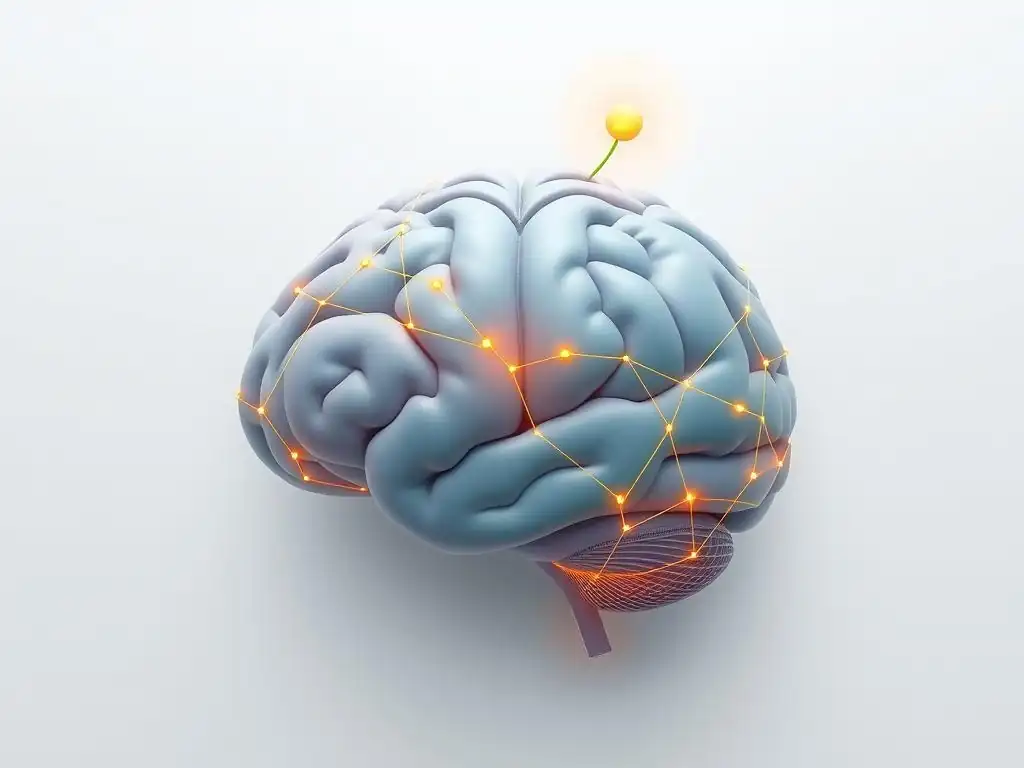
Creating a Brain-Healthy Environment
Creating an environment that supports brain health and encourages plasticity involves making conscious choices about our surroundings and interactions. This goes beyond just physical space; it includes the cognitive and social environment we immerse ourselves in. A stimulating environment that offers novelty and challenge is crucial for keeping the brain engaged and promoting the formation of new connections. This doesn't mean constant sensory overload, but rather opportunities for engaging with the world in varied ways.
This could involve simple things like taking a different route to work, trying new foods, visiting new places, or engaging in diverse conversations. Reducing exposure to chronic stressors, minimizing multitasking (which can impair deep processing), and ensuring exposure to natural light also contribute to a brain-healthy environment. By curating our surroundings to be supportive and stimulating, we provide the brain with the consistent positive input it needs to maintain and enhance its plastic capabilities, complementing other brain plasticity recovery techniques.
Setting Realistic Goals for Cognitive Enhancement
When embarking on a journey to enhance brain plasticity, whether through lifestyle changes, cognitive exercises, or therapeutic interventions, setting realistic and achievable goals is essential for maintaining motivation and seeing progress. Trying to tackle too much at once can be overwhelming and counterproductive. Instead, focus on making gradual, sustainable changes that can be integrated into your daily or weekly routine.
For example, instead of resolving to learn three new languages simultaneously, start with 15-20 minutes of dedicated practice for one language each day. If incorporating exercise, begin with a manageable goal, like a 20-minute walk three times a week, and gradually increase duration or intensity. Celebrating small victories along the way helps reinforce positive habits and builds confidence. Setting realistic goals ensures that your efforts towards brain plasticity recovery techniques are sustainable and enjoyable, rather than feeling like a burden.
Maintaining a Positive Mindset and Embracing Challenges
A positive mindset and a willingness to embrace challenges are powerful psychological factors that can support brain plasticity. Believing in your ability to learn and change – often referred to as having a "growth mindset" – can itself influence how the brain responds to effort and setbacks. When faced with a challenge, viewing it as an opportunity to learn rather than an insurmountable obstacle encourages persistence and engagement, which are key drivers of neuroplasticity.
Stress and negative emotions can inhibit plasticity, while positive emotions and a sense of accomplishment can promote it. Cultivating gratitude, practicing self-compassion, and focusing on solutions rather than problems can help create a more brain-friendly emotional landscape. Embracing challenges, even small ones, helps the brain stay active and adaptable. It's the effort and the process of overcoming difficulty that stimulate neural growth and strengthening. Maintaining this outlook is a crucial, though often overlooked, aspect of effective brain plasticity recovery techniques.
Conclusion: Embracing Neuroplasticity for a Healthier, More Resilient Brain
Understanding brain plasticity reveals the incredible capacity of our brains to change and adapt throughout life. It highlights that our cognitive abilities, emotional regulation, and mental resilience are not fixed but can be actively shaped by our experiences, habits, and intentional efforts. Recognizing the signs that indicate reduced brain flexibility – whether cognitive, emotional, or behavioral – is the first step towards taking action.
Fortunately, a wide range of brain plasticity recovery techniques are available, from fundamental lifestyle adjustments like exercise, sleep, and diet to targeted cognitive training and therapeutic interventions. By consistently applying these techniques, we can actively work to strengthen neural connections, build new pathways, and cultivate a brain that is more adaptable, efficient, and resilient. Embracing the principles of neuroplasticity empowers us to take proactive steps towards improving our mental wellbeing and fostering a healthier, more robust brain capable of navigating the complexities of life with greater ease and flexibility.
Frequently Asked Questions
What is brain plasticity and why is it important for mental well-being?
Brain plasticity, also known as neuroplasticity, is the brain's ability to reorganize itself by forming new neural connections throughout life. This is crucial for learning, adaptation, and recovering from mental health challenges.
What are some common signs that my brain might not be as plastic as it could be?
Signs include difficulty learning new things, struggling with memory, feeling stuck in negative thought patterns, and having trouble adapting to change. These can all indicate a need to encourage brain plasticity.
What are some Brain plasticity recovery techniques I can use to improve my mental well-being?
Several techniques can help, including learning new skills, engaging in mindfulness practices, and challenging negative thoughts. These activities stimulate neural pathways and promote plasticity.
How long does it typically take to see results from using Brain plasticity recovery techniques?
The timeframe varies depending on the individual and the techniques used. However, consistent effort over several weeks or months is usually required to see noticeable improvements in cognitive function and mental well-being.
Where can I find more information and support for implementing Brain plasticity recovery techniques into my life?
Websites like Mind Care Guide offer resources, information, and support for understanding and implementing various mental health strategies, including techniques to boost brain plasticity and improve overall well-being.
Final Reflection: Unlocking Your Brain's Potential Through Neuroplasticity
The ability of our brains to adapt and change, neuroplasticity, isn't just a scientific concept; it's the key to unlocking a richer, more fulfilling life. Understanding and actively encouraging this remarkable capacity is more crucial than ever in our fast-paced, ever-evolving world, where adaptability is paramount to success and well-being. Ignoring the power of neuroplasticity is akin to ignoring the potential for personal growth and resilience.
The exploration of brain plasticity and its recovery techniques has profoundly impacted my understanding of learning, healing, and personal development. It's not just about overcoming injury or illness; it's about cultivating a mindset that embraces lifelong learning and adaptation. This journey of understanding has reinforced the importance of continuous mental stimulation and the power of positive thinking in shaping our neural pathways. What we think, we become.
– Buddha. This ancient wisdom resonates deeply with the modern scientific understanding of neuroplasticity, highlighting the profound connection between our thoughts and the physical structure of our brains.
Now, it's your turn. Consider the ways in which you can actively nurture your brain's plasticity. What new skills can you learn? What challenges can you embrace? What mental exercises can you incorporate into your daily routine? Don't let your brain stagnate; actively engage it, challenge it, and watch as it responds with remarkable resilience and growth. The journey of unlocking your brain's full potential is a lifelong adventure, and the rewards are immeasurable.
Unlock Your Brain's Potential: Boost Your Neuroplasticity Today!
We hope you found this exploration of brain plasticity insightful and empowering! Understanding how your brain adapts is the first step to unlocking its incredible potential. Now it's time to put that knowledge into action.
Here's how you can start nurturing your brain's flexibility:
- Prioritize a New Skill: Choose one thing—learning a language, playing a musical instrument, or even mastering a new recipe—and dedicate time to it this week. This actively challenges your brain and strengthens neural connections.
- Engage Your Senses: Explore new environments, try unfamiliar foods, or listen to different genres of music. Actively engaging your senses stimulates brain activity and promotes plasticity.
- Share Your Journey: Tell a friend or family member about your commitment to enhancing your brain health. Accountability is a powerful motivator!
Ready to embark on this amazing journey of brain growth? What new skill or experience are you most excited to try?