
Navigating Misinformation and its Mental Toll on Social Media


Welcome to Mind Care Guide, a space dedicated to your mental well-being.
Feeling overwhelmed by the constant stream of information, especially online? We understand. Our latest article dives deep into the impact of social media misinformation on mental health, exploring how to navigate the digital landscape and protect your peace of mind. Ready to untangle the truth and reclaim your mental space? Let's explore it together.
- Navigating Misinformation and its Mental Toll on Social Media: A Mind Care Guide
- Understanding the Link Between Social Media Misinformation and Mental Health
- The Mental Health Toll of Social Media Misinformation: Specific Effects
- Identifying and Combating Misinformation on Social Media
- Strategies for Protecting Your Mental Health from Social Media Misinformation
- Building a Healthier Relationship with Social Media: A Path to Mental Well-being
- Conclusion: Empowering Yourself Against the Mental Health Effects of Social Media Misinformation
-
Frequently Asked Questions
- How does social media misinformation directly impact mental health?
- What are some strategies for identifying misinformation on social media related to mental health?
- Can prolonged exposure to mental health misinformation on social media worsen existing mental health conditions?
- What resources are available for individuals struggling with the mental health effects of social media misinformation?
- How can social media platforms better address the spread of mental health misinformation?
- Final Reflection: The Unseen Scars of Online Deception
- Unmask the Truth: Reclaim Your Mental Wellbeing Online
Social media platforms have revolutionized how we connect and access information, offering instant updates and diverse perspectives. However, this rapid flow of information comes with a significant challenge: the widespread dissemination of misinformation. False or misleading content, ranging from fabricated news stories about health crises to deceptive political propaganda, can spread virally, often faster than verified facts. This pervasive issue isn't just about incorrect data; it has tangible and often severe consequences for individuals' psychological well-being, contributing significantly to the negative social media misinformation mental health impact.
The sheer volume of content shared daily makes it incredibly difficult to filter truth from falsehood. Estimates suggest that billions of pieces of content are posted across major platforms every day. While platforms attempt to moderate, the scale of the problem means much slips through. This constant exposure to potentially misleading narratives creates an environment of uncertainty and can erode trust in institutions, media, and even personal connections. Understanding how this information environment affects our minds is crucial for navigating the digital landscape safely and protecting our mental health from social media misinformation.
Social media misinformation encompasses a broad spectrum of false or inaccurate content intentionally or unintentionally spread online. This includes outright fabrications, misleading content that manipulates information to deceive, imposter content designed to impersonate genuine sources, and false contexts where true information is shared in a deceptive way. For instance, during public health events, misinformation might include false cures, exaggerated risks, or conspiracy theories about the origins of a disease, all contributing to social media misinformation mental health challenges.
Sources of this harmful content are diverse, ranging from state-sponsored actors seeking to sow discord, to individuals sharing unverified anecdotes or hoaxes, to clickbait farms driven purely by advertising revenue. Identifying the origin can be difficult as content is rapidly shared and repackaged across different accounts and platforms. Understanding these types and sources is the first step in recognizing the problem and mitigating the negative effects of social media misinformation on mental health.
The architecture of social media platforms is inherently designed for rapid sharing and engagement, which unfortunately also facilitates the viral spread of misinformation. Algorithms often prioritize content that generates strong emotional responses—whether anger, fear, or excitement—as this drives clicks and shares. Misinformation is frequently crafted to elicit these strong emotions, making it highly effective at capturing attention and spreading quickly through networks of users, bypassing traditional gatekeepers of information like professional journalists.
Furthermore, social networks rely heavily on users sharing content within their existing social circles. When a friend or trusted contact shares something, even if it's false, it's often perceived as more credible than information from an unknown source. This phenomenon, combined with the speed of sharing and the emotional resonance of misinformation, creates a perfect storm where false narratives can outpace facts by a significant margin, sometimes spreading six times faster according to some studies on specific topics, amplifying the social media misinformation mental health risk.
The Psychological Impact of Exposure to Misinformation Online
Constant exposure to conflicting or false information online can have profound psychological effects. It creates cognitive dissonance, forcing individuals to reconcile contradictory pieces of information, which can be mentally taxing. This constant state of uncertainty and the effort required to discern truth can lead to significant stress and mental fatigue. The cumulative effect of navigating this confusing landscape contributes directly to the negative social media misinformation mental health outcomes.
Beyond the cognitive strain, exposure to misinformation can influence beliefs and behaviors in ways that impact mental health. Believing false narratives about health treatments, for example, can lead to dangerous decisions. Exposure to divisive or hateful misinformation can increase feelings of anger and hostility. The pervasive nature of this issue means that individuals are often grappling with these psychological burdens daily as they interact with their online environments.
Increased Anxiety and Stress from Misleading News
Misleading news, particularly concerning sensitive topics like health, safety, or political stability, can significantly elevate anxiety and stress levels. For instance, during the COVID-19 pandemic, widespread misinformation about the virus's spread, severity, and prevention methods fueled widespread fear and panic. Individuals struggled to determine credible sources, leading to heightened worry about their own health and the well-being of their loved ones.
This constant state of alarm triggered by false reports can manifest as physical symptoms of stress, sleep disturbances, and persistent feelings of unease. The inability to rely on the information encountered online creates a sense of vulnerability and lack of control, common triggers for anxiety disorders.
Erosion of Trust and Cynicism Towards Information Sources
Repeated encounters with misinformation erode trust not only in the social platforms themselves but also in traditional news media, scientific institutions, and even government bodies. When it becomes difficult to distinguish credible information from falsehoods, people may become cynical about all sources, assuming everything is potentially biased or untrue. This widespread skepticism can lead to a feeling of disconnection from reliable information channels.
This erosion of trust can contribute to social isolation and feelings of alienation. If individuals feel they cannot trust any readily available information, they may withdraw from online discussions or even avoid seeking important information altogether. This cynicism poses a significant challenge to public discourse and individual well-being, impacting social media misinformation mental health on a societal level.
The Role of Confirmation Bias in Perpetuating Misinformation
Confirmation bias, the psychological tendency to favor information that confirms one's existing beliefs, plays a crucial role in the spread and acceptance of misinformation. On social media, algorithms often show users content that aligns with their perceived interests and past interactions, inadvertently creating "filter bubbles" or "echo chambers." Within these bubbles, individuals are more likely to encounter and accept misinformation that fits their worldview, even if it's demonstrably false.
When misinformation aligns with a pre-existing belief, it is often shared without critical evaluation, reinforcing the belief within the user's network. This creates a cycle where misinformation is amplified by users who are already predisposed to believe it, making it incredibly difficult to counter with factual information. Understanding this bias is key to understanding why social media misinformation mental health is such a complex problem.
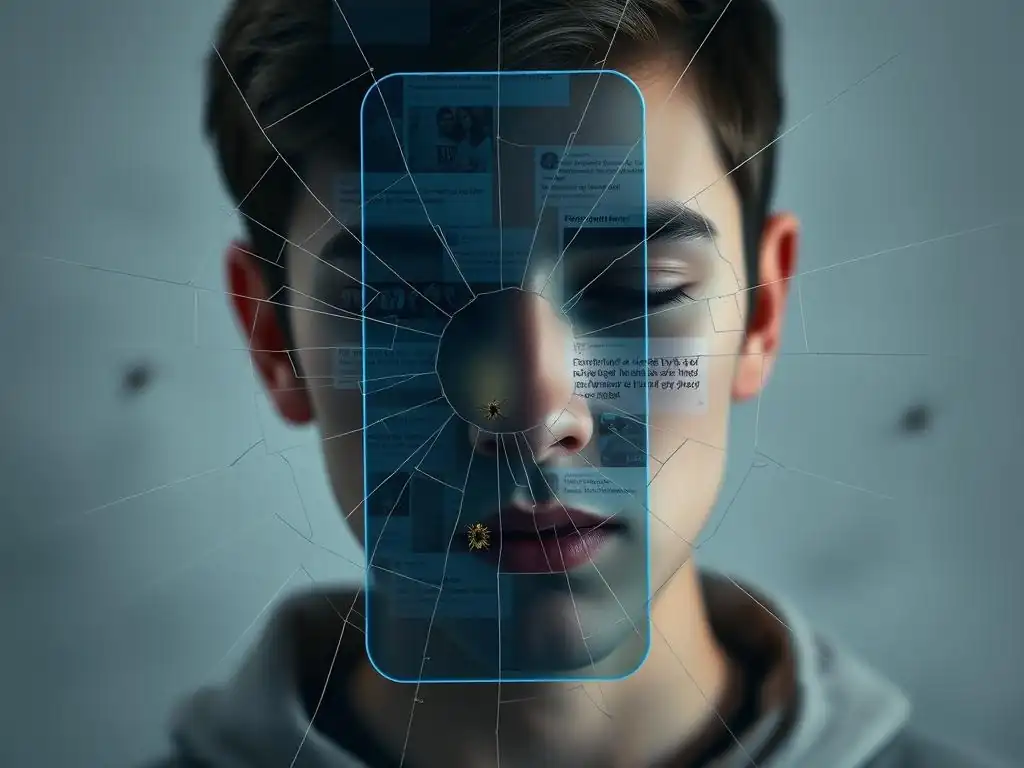
Increased Feelings of Isolation and Loneliness Due to Divisive Content
Misinformation is frequently used to create division and polarization around sensitive topics like politics, social issues, or cultural identities. Content designed to provoke outrage or reinforce "us vs. them" narratives can strain relationships, both online and offline. Disagreements fueled by differing beliefs based on false information can lead to arguments, unfollowing friends or family, and a general sense of alienation from those who hold opposing views, regardless of the factual basis.
This division can exacerbate feelings of isolation and loneliness. As individuals retreat into echo chambers or sever ties with those who don't share their (potentially misinformed) perspective, they lose valuable social connections. Human beings are wired for connection, and the breakdown of relationships due to exposure to divisive misinformation is a significant contributor to the negative social media misinformation mental health outcomes.
Negative Impact on Self-Esteem and Body Image from Unrealistic Comparisons
While not always direct misinformation, the curated and often unrealistic portrayals of life, success, and physical appearance on social media contribute to a form of pervasive, subtle deception. Influencers and peers often present idealized versions of themselves, frequently enhanced with filters or editing, which do not reflect reality. Constant exposure to these unattainable standards can lead to unfavorable social comparisons, making individuals feel inadequate about their own lives, achievements, and bodies.
This relentless comparison can severely damage self-esteem and contribute to body image issues. Studies have shown a correlation between heavy social media use focused on appearance and increased dissatisfaction with one's body. This constant exposure to 'perfect' online lives, a form of misleading information about reality, is a significant factor in the social media misinformation mental health crisis for many users.
The Connection Between Online Misinformation and Depression
Exposure to certain types of misinformation, particularly that which is negative, alarming, or promotes conspiracy theories, has been linked to increased symptoms of depression. The sense of hopelessness and powerlessness that can arise from believing in widespread corruption, uncontrollable threats, or the futility of positive action, often promoted through misinformation, can be overwhelming. This can lead to withdrawal, loss of interest in activities, and other classic signs of depression.
Furthermore, the social isolation that can result from engaging with divisive misinformation or becoming embroiled in online conflicts can also be a significant risk factor for depression. The emotional toll of navigating a confusing and often hostile online environment, coupled with potential real-world consequences of believing and acting on false information, contributes to the burden of depression associated with social media misinformation mental health issues.
The Dangers of Cyberbullying and Online Harassment Amplified by Misinformation
Misinformation can serve as fuel for cyberbullying and online harassment campaigns. False rumors or misleading narratives about individuals or groups can quickly spread, inciting online mobs or providing justification for targeted attacks. For example, false accusations or misinterpretations of someone's actions, amplified through social media, can lead to waves of harassment, doxxing (publishing private information), and even real-world threats.
This form of online abuse, often underpinned by misinformation, has devastating effects on mental health, including severe anxiety, depression, post-traumatic stress, and in extreme cases, suicidal ideation. The relentless nature of online harassment, where attacks can occur at any time and be seen by a wide audience, makes it particularly damaging. The intersection of misinformation and online abuse is a critical aspect of the social media misinformation mental health problem.
Developing Critical Thinking Skills for Evaluating Online Content
A crucial defense against the negative mental health effects of social media misinformation is developing robust critical thinking skills. This involves approaching online content with a healthy dose of skepticism, questioning the source, looking for evidence, and considering potential biases. Instead of passively consuming information, actively engaging with it through questioning helps individuals become more discerning consumers of digital content.
This practice isn't about becoming cynical about everything online, but rather about applying reasoned judgment. It's about pausing before sharing, verifying claims that seem questionable, and understanding that not everything presented as fact on social media is accurate. Cultivating these skills empowers individuals to navigate the complex online information landscape more safely and reduces the likelihood of falling prey to misleading narratives that harm social media misinformation mental health.
Fact-Checking Tools and Resources for Verifying Information
Fortunately, numerous tools and resources are available to help verify information encountered online. Dedicated fact-checking websites, such as Snopes, PolitiFact, or the International Fact-Checking Network's database, investigate viral claims and provide evidence-based assessments of their accuracy. Many search engines and social platforms are also integrating features that flag potentially false content or provide links to credible sources.
Beyond dedicated fact-checkers, basic verification steps like reverse image searches can reveal if a photo or video has been used out of context. Checking multiple reputable news sources (with a track record of journalistic integrity) for the same story can also help confirm its veracity. Utilizing these tools is an active step individuals can take to protect themselves from the negative impacts of social media misinformation mental health.
Recognizing Common Misinformation Tactics and Techniques
Misinformation often employs predictable tactics designed to deceive or manipulate. Recognizing these techniques makes it easier to spot false content. Common tactics include using emotionally charged language to bypass rational thinking, presenting opinions or speculation as facts, cherry-picking data to support a false claim, using sensational headlines that don't match the article content (clickbait), or impersonating legitimate sources.
Another technique is the rapid spread of narratives that are just plausible enough to be believed but lack concrete evidence. Understanding that misinformation often preys on fears, biases, or hopes can help individuals be more vigilant. Becoming familiar with these patterns is a powerful way to build resilience against the spread and impact of social media misinformation mental health.
Strategies for Limiting Exposure to Misinformation
While developing critical thinking is essential, proactive strategies to limit exposure to misinformation are also vital for protecting mental health. Simply spending less time in environments where misinformation thrives can reduce the likelihood of encountering harmful content. This isn't always easy given the addictive nature of some platforms, but setting boundaries is a crucial step.
Another effective strategy is to be intentional about the sources of information consumed online. Actively seeking out and following reputable news organizations, experts in relevant fields, and fact-checking organizations can help ensure a higher quality information diet. These steps contribute significantly to mitigating the negative social media misinformation mental health effects.
Curating Your Social Media Feed: Unfollowing and Blocking Problematic Accounts
Taking control of your social media feed is a practical way to reduce exposure to misinformation. This involves actively unfollowing accounts that consistently share misleading or divisive content, even if they are friends or acquaintances. Blocking accounts that are overt sources of harmful misinformation or harassment is also a necessary step for creating a safer online space.
Platforms often allow users to adjust their preferences to see less of certain types of content. Utilizing these features, combined with manual curation through unfollowing and blocking, helps shape a feed that is less likely to expose you to harmful misinformation and its associated mental health toll. This active management is key to a healthier online experience.
Setting Time Limits for Social Media Use
Spending excessive amounts of time on social media increases the probability of encountering misinformation and the negative mental health effects that come with it. Setting clear boundaries on how much time is spent scrolling can significantly reduce this risk. Many smartphones and social media apps now offer built-in tools to monitor and limit usage.
Committing to specific periods away from social media, such as during meals, before bed, or for entire days (digital detoxes), can provide a much-needed break from the constant influx of information, including potential misinformation. Reducing overall exposure lessens the burden on your mental processing and helps protect your social media misinformation mental health.
Promoting Media Literacy and Responsible Online Engagement
Educating oneself and others about how media works, including the business models of social media platforms and the tactics used to spread misinformation, is a powerful long-term strategy. Media literacy involves understanding the intent behind online content, recognizing bias, and evaluating the credibility of sources. This knowledge empowers individuals to be more resilient against manipulation.
Responsible online engagement goes beyond simply avoiding misinformation; it involves being mindful of what you share. Before posting or forwarding content, take a moment to verify its accuracy. Consider the potential impact of sharing something that might be false or harmful. Promoting a culture of verification and thoughtful sharing within your own network contributes to a healthier online environment for everyone, reducing the overall social media misinformation mental health burden.
Practicing Mindfulness and Self-Care Techniques
In the face of overwhelming or distressing information online, mindfulness and self-care techniques can be invaluable tools for managing the emotional impact. Mindfulness involves paying attention to the present moment without judgment. When encountering upsetting or confusing content, pausing to acknowledge the feeling it evokes (anxiety, anger, fear) without getting swept away by it can help maintain emotional regulation.
Engaging in regular self-care activities—such as exercise, spending time in nature, pursuing hobbies, or practicing relaxation techniques like deep breathing or meditation—helps build overall resilience. These practices create a buffer against the stress and negative emotions that can arise from exposure to social media misinformation, supporting overall social media misinformation mental health.
Seeking Support from Mental Health Professionals
If the stress, anxiety, or other negative emotions caused by exposure to online misinformation are significantly impacting your daily life, seeking support from a mental health professional is a crucial step. Therapists can provide coping strategies for managing anxiety, processing difficult information, and setting healthy boundaries with social media. They can also help address underlying vulnerabilities that might make one more susceptible to the negative effects of misinformation.
Mental health professionals offer a safe space to discuss the challenges of navigating the digital world and its impact on your well-being. They can provide tailored support and guidance to help you develop healthier habits and resilience against the psychological toll of social media misinformation mental health issues.
Engaging in Meaningful Offline Activities
Counterbalancing online activity with meaningful offline engagement is essential for maintaining mental health. Spending time with friends and family in person, participating in community events, volunteering, or dedicating time to hobbies that don't involve screens provide authentic connection and a sense of purpose that can be a powerful antidote to the negative aspects of the online world.
These offline activities ground you in reality, offer genuine social support, and provide experiences that boost mood and reduce stress. Prioritizing real-world interactions helps build a strong foundation of well-being that is less susceptible to being shaken by the confusing or upsetting content sometimes found online, mitigating the overall impact on social media misinformation mental health.
Fostering Positive Online Communities and Connections
While social media can be a source of misinformation and negativity, it also offers opportunities for positive connection and community. Actively seeking out and engaging with online groups or individuals who share similar interests, offer support, or provide valuable, credible information can enrich your online experience. Focus on interactions that are uplifting, informative, and genuinely connective.
Participating in positive online communities provides a sense of belonging and mutual support, which are vital for mental well-being. By intentionally cultivating these positive spaces, you can shift your social media experience away from one dominated by stress and misinformation towards one that supports your social media misinformation mental health.
Prioritizing Authentic Interactions Over Superficial Validation
Social media often encourages seeking validation through likes, comments, and follower counts. Shifting focus from these superficial metrics towards authentic interactions can lead to a more fulfilling online experience. Engage in genuine conversations, share thoughtfully, and prioritize meaningful connections with others rather than chasing external validation.
This shift involves being true to yourself online rather than presenting an idealized or curated version. It's about using social media as a tool for genuine connection and learning, rather than a platform for performance. Prioritizing authenticity helps reduce the anxiety and pressure associated with maintaining a perfect online persona, contributing positively to your overall social media misinformation mental health.
Individuals can also play a role in advocating for healthier social media environments. This can involve reporting misinformation when encountered, supporting platforms and initiatives that prioritize accuracy and user well-being, and having conversations with friends and family about the importance of media literacy and responsible sharing.
By promoting responsible practices within your own network and encouraging platforms to take greater action against misinformation and harmful content, you contribute to a safer digital space for everyone. This advocacy is an important step in addressing the systemic issues that contribute to the widespread problem of social media misinformation mental health.
Navigating the landscape of social media in the age of misinformation presents significant challenges to mental well-being. The pervasive nature of false and misleading content contributes to increased anxiety, stress, erosion of trust, and can exacerbate feelings of isolation and depression. Recognizing the link between social media misinformation mental health is the first critical step towards protecting yourself.
By developing critical thinking skills, utilizing fact-checking resources, recognizing common misinformation tactics, and implementing strategies to limit exposure, individuals can become more resilient consumers of online information. Coupled with proactive mental health strategies like mindfulness, seeking professional support, and engaging in meaningful offline activities, it is possible to mitigate the negative psychological toll. Building a healthier, more intentional relationship with social media—one that prioritizes authentic connection and responsible engagement—empowers you to navigate the digital world more safely and protect your mental health from the widespread impact of misinformation.
Frequently Asked Questions
Misinformation on social media can lead to increased anxiety and stress, as well as feelings of isolation and depression due to exposure to false or misleading narratives. It can also erode trust in credible sources.
Look for unverified sources, sensationalized headlines, and information that contradicts established scientific consensus. Fact-checking websites and critical thinking skills are crucial.
Yes, prolonged exposure to misinformation can exacerbate existing anxiety, depression, or other mental health conditions by creating a cycle of fear and uncertainty. It can hinder effective treatment.
Numerous organizations offer mental health support, including online therapy, crisis hotlines, and educational resources. Consulting with a qualified mental health professional is highly recommended.
Platforms should implement stricter content moderation policies, partner with mental health experts for verification, and promote evidence-based information to counter harmful narratives.
Final Reflection: The Unseen Scars of Online Deception
The relentless spread of misinformation on social media is not merely a technological problem; it's a profound public health crisis. The anxieties, uncertainties, and outright distress caused by false narratives are impacting mental well-being on an unprecedented scale, leaving individuals feeling isolated, confused, and vulnerable. This isn't just about "fake news"; it's about the erosion of trust, the amplification of harmful stereotypes, and the constant barrage of emotionally manipulative content designed to exploit our vulnerabilities.
The insidious nature of online misinformation lies in its ability to subtly reshape our perceptions of reality, influencing our beliefs and behaviors in ways we may not even fully comprehend. This constant exposure to conflicting narratives and the pressure to conform to online trends can lead to feelings of inadequacy, anxiety, and even depression. As the philosopher, Søren Kierkegaard, wisely noted, Life can only be understood backwards; but it must be lived forwards.
This rings especially true in the digital age, where the constant bombardment of information makes it difficult to process experiences and form a coherent understanding of the world, leading to a sense of disorientation and mental fatigue.
You, the reader, are now equipped with a deeper understanding of the mental health implications of social media misinformation. Consider your own online habits: How critically do you evaluate the information you encounter? Do you actively seek out diverse perspectives and reliable sources? More importantly, how do you protect your mental well-being in the face of this constant onslaught? Take a moment to reflect on your digital footprint and commit to cultivating a more mindful and discerning approach to the information you consume online. Your mental health depends on it.
Unmask the Truth: Reclaim Your Mental Wellbeing Online
Thanks for taking the time to explore the impact of misinformation on mental health. We hope you gained valuable insights into protecting your wellbeing in the digital age. Now, let's take action!
- Prioritize credible sources: Make a conscious effort to verify information before engaging or sharing it. Challenge yourself to fact-check at least one post today.
- Engage in mindful media consumption: Schedule specific times for social media and consciously step away when feeling overwhelmed or stressed. Try a social media detox for one day this week!
- Share this article: Spread awareness among your friends and family – let's create a more informed and supportive online community together.
What small change can you make today to better protect your mental well-being in the digital world?