
Tracking Your Tides: Mood Charting as a Tool for Rapid Cycling Insight


Welcome to Mind Care Guide, your compassionate companion on the journey to mental well-being.
Feeling lost in the unpredictable waves of rapid cycling? You're not alone. Our comprehensive guide offers support and resources to navigate these challenging waters. Dive into " Tracking Your Tides: Mood Charting as a Tool for Rapid Cycling Insight" to discover rapid cycling mood charting techniques that can empower you to understand your patterns and reclaim control. Curious to learn how visualizing your moods can unlock a deeper understanding of your inner landscape? Let's begin.
- Understanding Rapid Cycling Bipolar Disorder and Its Impact
- Mood Charting Techniques: A Comprehensive Guide
- Setting Up Your Mood Chart: A Step-by-Step Approach
- Analyzing Your Mood Data: Unlocking Insights into Your Rapid Cycling Patterns
- Advanced Mood Charting Strategies
- Troubleshooting Common Mood Charting Challenges
- Long-Term Benefits of Consistent Mood Charting
- Resources for Further Learning and Support
-
Frequently Asked Questions
- What is rapid cycling and why is mood charting important for it?
- How can mood charting specifically assist individuals experiencing rapid cycling?
- What are some rapid cycling mood charting techniques recommended by Mind Care Guide?
- How frequently should individuals with rapid cycling record their moods for effective mood charting?
- Where can I find resources and further support for understanding and managing rapid cycling and mood charting techniques?
- Final Reflection: Navigating the Emotional Currents
- Unlock Your Mood's Mysteries: Chart Your Course to Better Wellbeing
Understanding Rapid Cycling Bipolar Disorder and Its Impact
Defining Rapid Cycling: More Than Just Mood Swings
Rapid cycling is a distinct and often challenging pattern of bipolar disorder characterized by four or more separate mood episodes (major depression, hypomania, mania, or mixed states) within a single year. Unlike individuals with less frequent episodes, those experiencing rapid cycling can transition quickly between states, sometimes within weeks or even days. This pattern affects an estimated 10-20% of individuals diagnosed with bipolar disorder, though some data suggests it might be more prevalent in specific populations or at certain points in the illness trajectory. The frequent shifts make diagnosis and treatment particularly complex, often requiring careful observation and adjustment.
The diagnostic criteria from the DSM-5 specify the minimum number of episodes within a 12-month period, each meeting the criteria for a major mood episode and separated by either a period of full remission or a switch to an episode of the opposite polarity. This means that someone could experience a depressive episode, recover, then have a hypomanic episode, recover, then a depressive episode, and so on, four or more times in a year.
Alternatively, they might switch directly from one state to another, such as depression to hypomania, without a period of stability in between. This contrasts sharply with the more common presentation of bipolar disorder, where episodes might occur less frequently, sometimes only once every few years.
The Challenges of Living with Rapid Cycling Bipolar Disorder
Living with rapid cycling bipolar disorder presents significant challenges due to the inherent unpredictability and speed of mood shifts. Individuals may find it incredibly difficult to maintain stability in their daily lives, impacting relationships, employment, and education.
One week they might be experiencing the lethargy and hopelessness of depression, struggling to get out of bed, and the next they could be swept up in the intense energy, impulsivity, and racing thoughts of hypomania or mania. Mixed states, where symptoms of depression and mania occur simultaneously, are also common in rapid cycling and can be particularly distressing and challenging to manage.
The constant flux makes it hard to establish routines, manage responsibilities consistently, and even trust one's own perceptions and feelings. For instance, holding down a job can be precarious when productivity and social functioning fluctuate so wildly. Personal relationships are often strained as loved ones struggle to keep pace with the changes and understand the behavior associated with different mood states. Studies indicate that individuals with rapid cycling often experience higher rates of unemployment, relationship difficulties, and hospitalizations compared to those with non-rapid cycling bipolar disorder, underscoring the profound impact this pattern has on quality of life.
Why Mood Charting is Crucial for Managing Rapid Cycling
Mood charting is an indispensable tool for individuals managing rapid cycling bipolar disorder. Given the swift and sometimes subtle nature of mood shifts, subjective recall can be unreliable. People may not fully remember the duration or severity of past episodes, or they might fail to connect specific behaviors or feelings to a particular mood state. A consistent mood chart provides an objective, daily record of mood, sleep, activity levels, and other relevant factors. This data creates a tangible history that illuminates the pattern of the illness, which is often opaque to the individual experiencing it in real-time.
For rapid cycling, where transitions are frequent, charting helps capture these shifts as they happen, preventing them from being lost in memory. It allows individuals to identify not just the presence of an episode but also its intensity, duration, and the specific symptoms experienced. This detailed record is vital for understanding the unique rhythm of one's own rapid cycling pattern. For example, a chart might reveal that depressive episodes typically last 10-14 days before switching to hypomania for 5-7 days, a pattern that might otherwise be hard to discern without a structured record.
Mood Charting Techniques: A Comprehensive Guide
What is Mood Charting? An Introduction to the Process
Mood charting, also known as mood tracking or daily mood logging, is the systematic process of recording information about an individual's emotional state, behaviors, and relevant life events over time. For someone with bipolar disorder, particularly rapid cycling, this typically involves noting daily or even multiple times per day how they feel (e.g., on a scale from depressed to manic), how much they slept, their energy levels, any medications taken, and significant events or potential triggers.
The goal is to create a visual or written diary that reveals patterns, triggers, and the course of mood episodes. It transforms the often chaotic experience of mood swings into observable data points.
The fundamental principle behind mood charting is that mental health, like physical health, can be monitored and understood through data collection. Just as someone with diabetes tracks blood sugar levels or someone with hypertension tracks blood pressure, an individual with bipolar disorder tracks their mood states and related variables. This isn't just a passive recording; it's an active engagement with one's illness. By consistently charting, individuals begin to notice correlations and sequences that might otherwise go unnoticed, providing valuable insights into their personal experience of rapid cycling.
Benefits of Mood Charting for Individuals with Rapid Cycling
The benefits of consistent mood charting for individuals with rapid cycling bipolar disorder are numerous and impactful. Firstly, it provides invaluable insight into the individual's specific pattern of mood shifts. Rapid cycling can feel unpredictable, but charting often reveals underlying rhythms or responses to specific stimuli. For example, a chart might show that periods of stress consistently precede a depressive swing, or that disrupted sleep reliably triggers hypomania. This objective data helps demystify the illness, making it feel less random and more manageable.
Secondly, mood charting significantly enhances communication with healthcare providers. A clinician relying solely on a patient's memory during a brief appointment may get an incomplete or skewed picture of the past month or two, especially when mood states have shifted frequently. A detailed mood chart, however, offers a clear, objective summary of mood states, sleep patterns, medication adherence, and symptom severity over the period since the last visit.
This allows for more accurate assessment, better-informed treatment adjustments (such as changes in medication dosage or type), and a more collaborative therapeutic relationship. It shifts the conversation from vague descriptions to specific, data-driven observations.
Identifying Your Mood Baseline and Triggers
A crucial aspect of mood charting, especially for rapid cycling, is identifying your personal mood baseline and potential triggers. The baseline, often referred to as euthymia, is the relatively stable mood state experienced between episodes. Charting helps individuals recognize what this state feels like for them – their typical energy levels, sleep needs, social engagement, and overall emotional tone when not experiencing significant depressive, manic, or hypomanic symptoms. Establishing this baseline provides a point of comparison against which shifts can be measured and recognized early.
Concurrently, mood charting is a powerful tool for identifying personal triggers for mood episodes. While common triggers like sleep deprivation, stress, and substance use are well-known, individual triggers can vary. By recording daily activities, social interactions, stressors, and physical health alongside mood, individuals can begin to see patterns.
For instance, one person's chart might consistently show a dip into depression after a major social event, while another's might show a rise into hypomania following a significant change in routine or travel. Recognizing these specific triggers through charting allows individuals to develop proactive coping strategies and potentially mitigate the severity or frequency of future episodes, which is particularly important for the frequent shifts seen in rapid cycling.
Setting Up Your Mood Chart: A Step-by-Step Approach
Choosing the Right Charting Method: Digital vs. Traditional
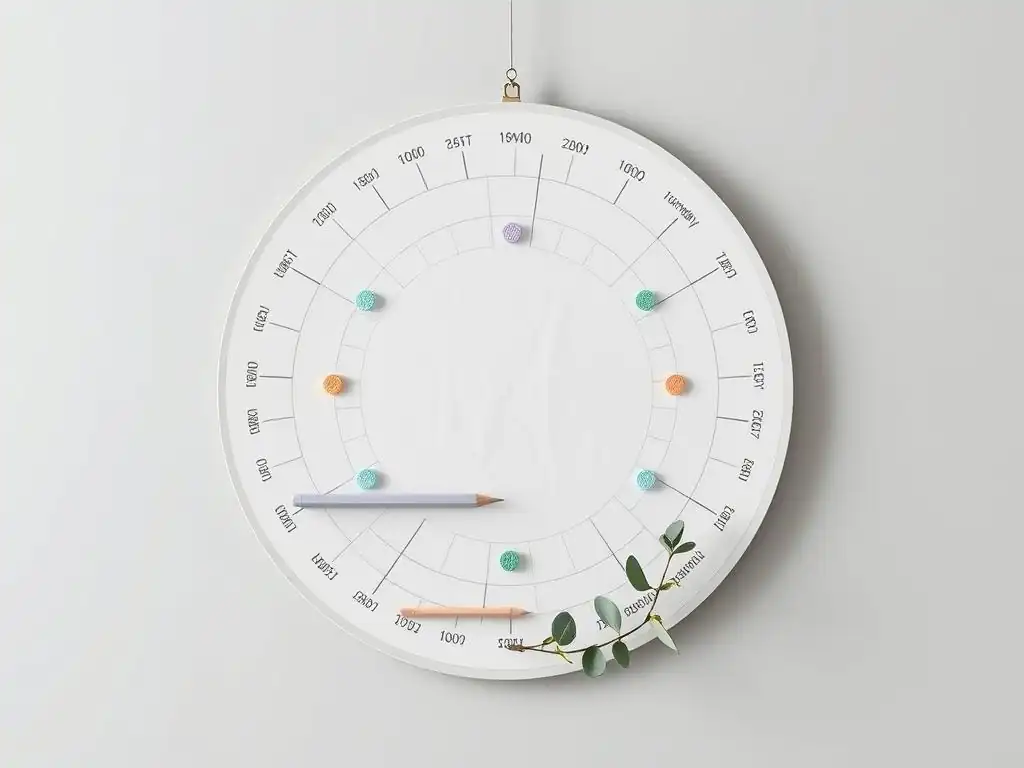
The first step in setting up your mood chart is deciding on the method that best suits your lifestyle and preferences. There are two primary approaches: traditional paper-based charting and digital tracking using apps or software. Paper charts, such as printable templates or simple notebooks, offer a tangible, screen-free option. They can be carried easily and require no technology. For some, the act of physically writing can be therapeutic and aids memory. However, analyzing patterns over long periods can be cumbersome, and data might be lost or damaged.
Digital methods, including dedicated mood tracking apps for smartphones and tablets, or even spreadsheets on a computer, offer significant advantages in data analysis and accessibility. Apps often provide graphical representations of mood trends over time, making patterns visually apparent. Many allow for easy data entry and include features like reminders, customizable tracking categories, and secure storage.
For example, apps like eMoods, Daylio, or Moodpath are specifically designed for mood tracking and can quickly generate charts showing fluctuations. The choice between digital and traditional depends on personal comfort with technology, the desire for analytical features, and the importance of portability and ease of access throughout the day.
Key Elements to Track in Your Mood Chart: Beyond Just Mood Level
While tracking your core mood level (e.g., on a scale from -3 for severe depression to +3 for severe mania) is fundamental, effective rapid cycling mood charting requires tracking several other key elements. These additional data points provide context for mood changes and help identify potential influences and triggers. Essential elements often include sleep duration and quality, medication adherence (including dosage and time taken), significant life events (stressors, positive experiences), and daily activity levels (exercise, social engagement).
Tracking these variables alongside mood creates a richer dataset that can reveal correlations. For example, a chart might show consistently poor sleep preceding hypomanic episodes, or missed medication doses correlating with depressive swings.
Beyond these basics, individuals might choose to track other factors relevant to their personal experience. This could include physical symptoms (headaches, fatigue), substance use (alcohol, caffeine, nicotine, recreational drugs), diet changes, menstrual cycles (for women), or specific coping strategies used. The key is to be consistent but not overwhelmed. Start with the core elements and add others gradually if you suspect they influence your moods. The goal is to gather enough information to understand the complex interplay of factors influencing your rapid cycling pattern without making the process so burdensome that you stop tracking altogether.
Tracking Sleep Patterns and Their Influence on Rapid Cycling Moods
Tracking sleep patterns is arguably one of the most critical elements for individuals with rapid cycling bipolar disorder, as sleep disruption is a well-documented trigger for mood episodes, particularly hypomania and mania. Your mood chart should include details such as the time you went to bed, the time you woke up, the total hours slept, and a subjective rating of sleep quality (e.g., restless, sound). Consistently noting this information helps identify deviations from your typical sleep needs or routine.
Over time, analyzing this data alongside your mood entries can reveal powerful correlations. For example, your chart might show that getting less than 5-6 hours of sleep for two consecutive nights consistently triggers a shift towards hypomania, or that sleeping excessively (10+ hours) often precedes or accompanies a depressive phase. This insight is actionable; recognizing the link between sleep and mood empowers you to prioritize sleep hygiene and recognize early warning signs based on sleep changes, which is vital for managing the rapid transitions characteristic of rapid cycling.
Monitoring Medication Effectiveness and Side Effects
Monitoring medication adherence and effects is another indispensable component of effective rapid cycling mood charting techniques. For most people managing bipolar disorder, medication is a cornerstone of treatment, and consistency is key, especially with frequent mood shifts. Your chart should ideally note which medications were taken each day, the dosage, and the time. This helps ensure adherence and provides data if questions arise about missed doses or timing.
Furthermore, charting allows you to track the perceived effectiveness of your medications over time and note any side effects. You can record if a new medication seems to correlate with increased mood stability, reduced episode severity, or a change in the frequency of shifts.
Similarly, noting side effects (e.g., tremor, fatigue, nausea) and their timing can help determine if they are related to a specific medication or dosage. This data is invaluable when discussing treatment adjustments with your prescriber; you can provide concrete evidence of how medications are impacting your symptoms and overall mood stability, leading to more informed clinical decisions regarding your rapid cycling treatment plan.
Identifying Environmental Factors and Their Impact on Rapid Cycling Moods
Environmental factors play a significant role in influencing mood states for many individuals with bipolar disorder, including those with rapid cycling. Tracking these factors in your mood chart helps pinpoint external influences that might contribute to mood shifts. Environmental factors can range from major life events (moving, job change, relationship changes) to daily stressors (work deadlines, family conflicts) and even seasonal changes or weather patterns.
By noting these events and conditions alongside your daily mood entries, you can begin to see patterns emerge. For instance, your chart might reveal that your mood consistently dips during the winter months, suggesting a sensitivity to seasonal changes.
Or you might notice that periods of high stress at work reliably precede episodes of irritability or depression. Identifying these specific environmental triggers through rapid cycling mood charting techniques allows you to develop targeted coping strategies, such as stress management techniques, planning for challenging periods, or adjusting your routine during specific seasons, thereby gaining more control over the external influences on your rapid cycling pattern.
Examples of Effective Mood Charts
Effective mood charts come in various formats, but they share common features designed to capture the necessary data clearly and consistently. A simple paper chart might use a grid with dates across the top and categories like "Mood (Scale -3 to +3)", "Sleep (Hours)", "Medication Taken (Y/N)", and "Notes (Events/Triggers)" down the side. Each day, the individual fills in the corresponding boxes. Some paper charts use color coding or simple lines to visually represent mood fluctuations over a month.
Digital charts, often in the form of smartphone apps, are popular for their ease of use and analytical capabilities. Apps typically use sliders or numerical scales for mood, dedicated fields for sleep duration, checkboxes for medications, and sections for notes on activities or triggers. Many apps automatically generate graphs showing mood trends, sleep correlations, and medication adherence over weeks or months.
These visual summaries are extremely helpful for quickly identifying patterns in rapid cycling. For example, a graph might show a jagged line representing frequent mood shifts, with peaks and troughs clearly marked, and potentially overlaid with sleep duration or medication entries to highlight correlations. The best chart is ultimately the one you will use consistently.
Analyzing Your Mood Data: Unlocking Insights into Your Rapid Cycling Patterns
Recognizing Patterns and Trends in Your Rapid Cycling Mood Swings
Once you've consistently used rapid cycling mood charting techniques for a period (ideally several weeks to months), the data becomes a powerful tool for recognizing patterns and trends in your mood swings. For individuals with rapid cycling, this analysis is particularly insightful because the frequent shifts often obscure underlying patterns. Look for the typical sequence of your episodes: Do you usually go from depression to hypomania, or is it more variable?
What is the average duration of your depressive episodes? Your hypomanic/manic episodes? Are there specific days of the week or times of the month when shifts are more likely?
Analyzing the visual representation of your mood data, whether on a paper graph or an app's generated chart, can make these patterns leap out. You might notice a consistent wave-like pattern of ups and downs, characteristic of rapid cycling. You might also identify correlations between different tracked variables. For instance, drawing lines representing sleep hours alongside your mood line might clearly show that periods of significantly reduced sleep consistently precede manic or hypomanic phases. Recognizing these personal patterns helps demystify the rapid cycling experience and provides concrete information for self-management and treatment planning.
Identifying Early Warning Signs of Rapid Cycling Mood Shifts
One of the most valuable benefits of consistent rapid cycling mood charting is the ability to identify your personal early warning signs of an impending mood shift. These are subtle changes in mood, thought patterns, physical sensations, or behavior that occur before a full-blown episode develops. For example, before a depressive episode, warning signs might include increased fatigue, loss of interest in hobbies, changes in appetite, or difficulty concentrating. Before a hypomanic or manic episode, signs could be decreased need for sleep, increased talkativeness, racing thoughts, irritability, or impulsive urges.
By diligently tracking these symptoms and their severity daily, you can look back at your chart when a mood shift occurs and identify what was happening in the days immediately preceding it. Were there subtle changes in sleep? Did you start feeling more restless or more tired than usual?
Did your thoughts speed up or slow down? Pinpointing these early warning signs allows you to intervene sooner, potentially mitigating the severity or duration of the episode, or even preventing it entirely with proactive strategies. This is particularly crucial for rapid cycling, where early intervention is key due to the speed of the shifts.
Using Mood Chart Data to Communicate with Your Healthcare Provider
Your meticulously kept mood chart is an invaluable communication tool when meeting with your psychiatrist, therapist, or other healthcare providers. Instead of relying on potentially flawed memory to describe your mood fluctuations since the last appointment, you can present objective data. This allows for a much more accurate and productive conversation about your rapid cycling pattern. For example, you can show a chart illustrating that despite taking medication consistently, you experienced four distinct mood episodes in the last three months, providing clear evidence of rapid cycling activity.
Sharing your mood chart data helps your provider understand the nuances of your experience, the frequency and severity of your episodes, and potential triggers or contributing factors you've identified. This data can directly inform treatment decisions.
For instance, if your chart shows that a particular medication isn't effectively preventing rapid shifts, or that side effects are consistently correlating with dosage times, your provider has the concrete information needed to consider adjusting your treatment plan. It shifts the dynamic from a patient trying to recall events to a collaborative process based on shared, objective data, leading to more personalized and effective management of your rapid cycling bipolar disorder.
Advanced Mood Charting Strategies
Incorporating Additional Tracking Metrics: Diet, Exercise, Stress Levels
To gain an even deeper understanding of the factors influencing your rapid cycling moods, consider incorporating additional tracking metrics into your chart beyond the basics. Diet, exercise, and stress levels are all known to impact mood regulation and can be particularly relevant for individuals with bipolar disorder. For diet, you might note significant changes in eating patterns, skipped meals, or consumption of substances like alcohol or caffeine, which can affect sleep and mood stability.
Tracking exercise could involve noting the type, duration, and intensity of physical activity. Some individuals find regular exercise helps stabilize mood, while excessive or strenuous exercise might correlate with hypomania. Similarly, systematically rating your daily stress level or noting major stressors can highlight the powerful link between stress and mood episodes. For example, your chart might reveal that periods of intense work pressure consistently precede depressive or mixed states. By adding these layers of data to your rapid cycling mood charting techniques, you build a more comprehensive picture of the complex factors at play in your mood regulation.
Using Technology to Enhance Your Mood Charting Experience: Apps, Wearable Devices
Leveraging technology can significantly enhance your rapid cycling mood charting experience, making it easier to track consistently and analyze data effectively. As mentioned, dedicated mood tracking apps are designed specifically for this purpose, offering user-friendly interfaces, customizable tracking categories, and automated data visualization. Many apps allow you to track not just mood but also sleep, medication, activities, symptoms, and triggers, presenting the data in easy-to-understand graphs and charts.
Beyond dedicated apps, other technologies can integrate relevant data. For example, wearable fitness trackers can automatically monitor sleep duration and quality, as well as physical activity levels. Some apps can sync with these devices to pull in sleep data automatically, reducing manual entry. While wearable devices don't directly track mood, the objective data they collect on sleep and activity can be integrated into your mood chart analysis, providing further insight into potential correlations with your rapid cycling patterns. Exploring these technological tools can streamline the tracking process and provide more sophisticated data analysis capabilities.
Integrating Mood Charting with Other Therapeutic Approaches
Rapid cycling mood charting techniques are not a standalone treatment but are most powerful when integrated with other therapeutic approaches for bipolar disorder. The data gathered through charting can significantly enhance the effectiveness of psychotherapy, such as Cognitive Behavioral Therapy (CBT), Dialectical Behavior Therapy (DBT), or Interpersonal and Social Rhythm Therapy (IPSRT). For example, in CBT, the chart can provide concrete examples of negative thought patterns correlating with depressive dips, offering specific instances to work on.
In IPSRT, which focuses on regulating daily routines and social rhythms to stabilize mood, the chart is essential for identifying disruptions in sleep, social interactions, or daily schedules that might be triggering rapid shifts. By reviewing the chart together, the therapist and individual can pinpoint areas needing adjustment and track the impact of implementing new routines. Similarly, charting provides valuable data for medication management, as discussed previously. Integrating charting into your overall treatment plan ensures that the insights gained inform and strengthen all aspects of your recovery journey, making rapid cycling management more coordinated and effective.
Troubleshooting Common Mood Charting Challenges
Overcoming Resistance to Charting
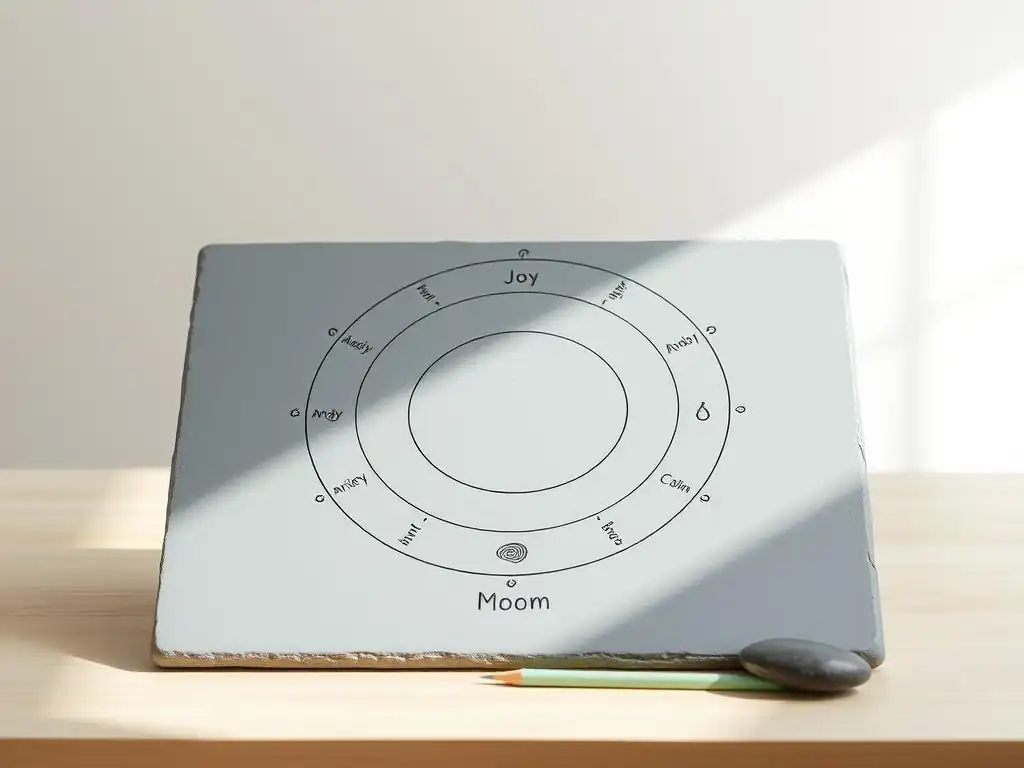
One of the most common challenges in rapid cycling mood charting is overcoming resistance or finding the motivation to track consistently, especially when experiencing mood swings. When depressed, the energy required for tracking might feel overwhelming. When hypomanic, the focus might be elsewhere, and the perceived need for tracking might diminish. It's important to acknowledge these internal barriers with self-compassion. Resistance is normal, but consistency is key to unlocking the benefits.
Strategies to overcome resistance include starting small – perhaps just tracking mood and sleep initially. Find a method that is as easy and low-barrier as possible, whether it's a simple note in your phone or a pre-printed chart by your bed. Set reminders (phone alarms, calendar notifications) to prompt tracking at specific times each day.
Focus on the why – remind yourself that this data is crucial for understanding your rapid cycling, communicating with your doctor, and ultimately gaining more control over your life. Frame it not as a chore, but as an act of self-care and empowerment. Even if you miss a day or two, don't give up; just start again.
Dealing with Inconsistent Data Entry
Inconsistent data entry is a frequent problem in mood charting, particularly during episodes when routine breaks down. Missing days or only partially filling out the chart reduces the data's accuracy and makes pattern analysis more difficult. The first step is to identify why data is inconsistent. Is it forgetfulness? Lack of time? Feeling overwhelmed by the process? The chosen method is too cumbersome? Addressing the root cause is essential.
If forgetfulness is an issue, rely heavily on reminders. If time is short, use a method that allows for quick entry, like a mobile app. If the process feels overwhelming, simplify the chart – track only the most essential variables for a while. It's better to track three things consistently than ten inconsistently.
Consider tracking at specific, fixed times each day (e.g., morning and evening) to build a habit. If a period of inconsistency occurs, don't dwell on it; simply resume tracking from the current day. A chart with some gaps is still more informative than no chart at all when trying to understand rapid cycling patterns.
Interpreting Complex or Conflicting Mood Patterns
Interpreting the data from your mood chart can sometimes be challenging, especially when dealing with complex or seemingly conflicting patterns, which are common in rapid cycling and mixed states. You might see rapid shifts that don't seem clearly linked to triggers, or experience symptoms of depression and hypomania simultaneously, making it hard to assign a single mood rating. It's important to remember that mood charting provides data points, but interpreting them often requires collaboration with your healthcare provider.
When faced with complex patterns, look for trends over longer periods rather than getting hung up on daily fluctuations. Are certain combinations of factors frequently appearing before a shift? Are there patterns in the speed of transitions?
For mixed states, your chart might show high irritability and energy alongside significant sadness – noting both sets of symptoms in the 'Notes' section is more important than trying to force a single mood rating. Bring these complex charts to your appointments. Your psychiatrist or therapist has the clinical expertise to help you interpret the data in the context of your diagnosis and treatment, providing valuable insights into your specific rapid cycling presentation that might not be obvious to you alone.
Long-Term Benefits of Consistent Mood Charting
Empowering Self-Management and Improving Quality of Life
Consistent rapid cycling mood charting techniques offer profound long-term benefits, significantly empowering individuals in their self-management and improving their overall quality of life. By providing a clear, objective record of their mood states, triggers, and the impact of interventions, charting moves individuals from a passive experience of their illness to an active, informed role. They gain a deeper understanding of their own patterns, feel more in control, and can anticipate potential challenges.
This increased self-awareness translates directly into improved self-management skills. Individuals can learn to recognize early warning signs and implement coping strategies sooner, potentially reducing the severity or duration of rapid shifts. They become better advocates for themselves in treatment, armed with data to discuss with their clinicians. Over time, this proactive approach can lead to greater mood stability, fewer hospitalizations, and a reduction in the disruptive impact of rapid cycling on daily life, ultimately enhancing their ability to pursue goals and enjoy life.
Fostering a Deeper Understanding of Your Rapid Cycling Triggers
One of the most enduring benefits of consistent mood charting is fostering a deep and nuanced understanding of your personal rapid cycling triggers. While general triggers for bipolar disorder are known, charting helps you identify the specific factors that reliably precede mood shifts for you. This goes beyond simply knowing that stress is a trigger; your chart might reveal that specific types of stress (e.g., interpersonal conflict vs. work pressure) or stress exceeding a certain duration or intensity are the key culprits.
Over months and years of tracking, patterns become clearer and more robust. You might discover that seasonal changes, specific social situations, travel, or even certain dietary changes consistently correlate with shifts. This detailed understanding allows for highly personalized prevention and management strategies. You can learn to avoid specific triggers when possible, develop robust coping mechanisms for unavoidable ones, and recognize the earliest signs that a known trigger is beginning to have an effect, enabling proactive steps to maintain stability in the face of rapid cycling.
Optimizing Treatment Strategies and Preventing Mood Episodes
The long-term data accumulated through consistent rapid cycling mood charting is invaluable for optimizing treatment strategies and working towards preventing or minimizing the impact of mood episodes. Your chart provides a longitudinal view of how your illness behaves over time and how it responds to various interventions. This allows you and your healthcare provider to assess the effectiveness of medications, therapy approaches, and lifestyle changes based on objective evidence.
For example, reviewing several months of charting might show that while a particular medication regimen has reduced the intensity of your episodes, the frequency of rapid shifts remains high, suggesting a need for a different approach. Or it might demonstrate that consistently adhering to a strict sleep schedule, as evidenced by your charting, correlates with longer periods of stability.
By using this data to continuously refine your treatment plan, you increase the likelihood of finding the combination of interventions that works best for managing your rapid cycling bipolar disorder, potentially leading to fewer and less severe episodes over time and a greater chance of achieving long-term remission.
Resources for Further Learning and Support
Books and Articles on Bipolar Disorder and Mood Management
For those seeking to deepen their understanding of bipolar disorder, rapid cycling, and effective mood management strategies, including rapid cycling mood charting techniques, numerous valuable books and articles are available. Reputable resources often provide detailed explanations of the illness, treatment options, and practical tools for self-care.
Look for books written by mental health professionals or individuals with lived experience that focus specifically on bipolar disorder management. Many include sections or chapters dedicated to the importance and practice of mood charting. Academic articles and publications from research institutions or mental health organizations also offer evidence-based information on rapid cycling patterns and the effectiveness of various tracking methods and interventions. Consulting these resources can provide additional context and practical guidance beyond the scope of a single article.
Online Communities and Support Groups
Connecting with others who understand the challenges of living with bipolar disorder, particularly rapid cycling, can be incredibly supportive. Online communities and local support groups offer a space to share experiences, gain practical tips, and feel less alone. Many organizations dedicated to bipolar disorder or mental health advocacy host forums or groups where individuals discuss their experiences with symptoms, treatment, and coping strategies, including the use of rapid cycling mood charting techniques.
These communities can be a source of peer support, offering encouragement and practical advice on managing the daily ups and downs. Hearing how others implement charting, troubleshoot challenges, or interpret their data can provide new perspectives and motivation. While not a substitute for professional medical advice, connecting with peers can be a powerful complement to formal treatment, fostering a sense of belonging and shared understanding in navigating the complexities of rapid cycling.
Finding a Psychiatrist or Mental Health Specialist
Effective management of rapid cycling bipolar disorder requires the guidance of qualified mental health professionals. If you are experiencing symptoms of rapid cycling or find it challenging to manage your mood swings, seeking help from a psychiatrist or mental health specialist is a crucial step. A psychiatrist can provide an accurate diagnosis, prescribe and manage medications specifically tailored for bipolar disorder and its rapid cycling pattern, and monitor your response to treatment, often utilizing the data from your mood chart.
Therapists (psychologists, social workers, counselors) specializing in mood disorders can provide psychotherapy, teach coping skills, help you identify triggers, and support you in interpreting your mood chart data. Finding a specialist with experience in treating bipolar disorder, and ideally rapid cycling, is important. Resources like directories from mental health organizations, referrals from your primary care physician, or online search tools can help you locate qualified professionals in your area who can partner with you in managing your rapid cycling journey, with rapid cycling mood charting techniques serving as a key tool in your collaborative care.
Frequently Asked Questions
What is rapid cycling and why is mood charting important for it?
Rapid cycling refers to experiencing four or more distinct mood episodes within a 12-month period. Mood charting helps individuals and their doctors identify patterns and triggers associated with these rapid shifts. Ultimately, this allows for more targeted and effective treatment.
How can mood charting specifically assist individuals experiencing rapid cycling?
Mood charting provides a visual representation of mood fluctuations. This allows for the identification of potential triggers, cycle lengths, and the effectiveness of medication or other treatments related to managing rapid cycling.
What are some rapid cycling mood charting techniques recommended by Mind Care Guide?
We recommend using charts that track mood intensity, sleep patterns, medication adherence, and significant life events. Regularity and consistency in recording are crucial for accurately capturing the rapid shifts in mood.
How frequently should individuals with rapid cycling record their moods for effective mood charting?
Ideally, moods should be recorded daily or even multiple times a day if fluctuations are very frequent. This provides the most detailed information to identify patterns and triggers associated with the rapid cycling and allow for accurate mood charting.
Where can I find resources and further support for understanding and managing rapid cycling and mood charting techniques?
The Mind Care Guide website offers a wealth of information, including articles, support forums, and links to mental health professionals. Explore our "Comprehensive guide to mental well-being" for additional resources and strategies to manage rapid cycling.
Understanding and charting rapid cycling moods isn't just a helpful technique; it's a crucial step towards reclaiming agency over your mental health. The information presented in this article highlights the power of self-monitoring in identifying patterns, triggers, and potential solutions within the often-chaotic landscape of rapid cycling bipolar disorder. This isn't just about data; it's about empowerment.
The impact of mood charting extends far beyond the individual. By openly discussing and normalizing these techniques, we foster a more compassionate and understanding environment for those experiencing rapid cycling. This shared experience helps break down the stigma surrounding mental health challenges. The greatest barrier to recovery is often the silence surrounding mental illness.
This quote underscores the importance of open communication and the power of shared experiences in overcoming adversity. By documenting our emotional tides, we contribute to a growing body of knowledge that can inform future research and treatment strategies.
You now hold the tools to begin your own journey of self-discovery. Consider starting a mood chart today. Don't be discouraged by initial complexities; the process itself is a form of self-care. By actively tracking your emotional shifts, you're not just observing; you're participating in your own healing. Embrace the power of self-knowledge, and remember that navigating these emotional currents is a journey, not a destination. Your resilience and dedication are your greatest assets.
Unlock Your Mood's Mysteries: Chart Your Course to Better Wellbeing
Thanks for taking the time to explore the power of mood charting! We hope you gained valuable insights into understanding your rapid cycling experiences. Now, let's put that knowledge into action.
Here's what you can do next:
- Start your own mood chart today. Even a simple daily log can make a huge difference in recognizing patterns and triggers. Experiment with different methods—digital apps, a simple notebook, whatever works best for you!
- Share your experience. Connect with others in the Mind Care Guide community; your insights could help someone else on a similar journey. Let's build a supportive network together!
- Try a different charting method this week. Perhaps a visual tracker or detailed journal entry would reveal even more helpful information.
Ready to uncover the secrets your mood holds? What's the first step you'll take to begin tracking your tides?