
Mindfulness for Dysthymia: Finding Calm and Presence in the Long Haul


Welcome to Mind Care Guide.
We understand that navigating the complexities of mental well-being can feel overwhelming. If you're living with dysthymia, also known as chronic depression, you might feel like a low-lying fog has settled permanently over your life. But there's hope. This article dives into a powerful tool that can help you reclaim moments of calm and presence: Mindfulness for chronic depression. Are you ready to explore how mindfulness can offer gentle support and lasting relief? Let's begin.
Mindfulness for Dysthymia: Finding Calm and Presence in the Long Haul
Persistent Depressive Disorder, commonly known as dysthymia, is a chronic form of depression that affects millions worldwide. Unlike major depressive disorder, which involves more severe but often episodic symptoms, dysthymia is characterized by a low-grade, persistent low mood that lasts for at least two years (one year in children and adolescents). This enduring nature makes finding sustainable coping strategies essential for long-term well-being. While traditional treatments like therapy and medication are cornerstones of management, incorporating practices like mindfulness for chronic depression offers a complementary path toward finding calm and presence amidst the ongoing challenges.
Mindfulness, the practice of paying attention to the present moment without judgment, has gained significant traction in mental health circles. It involves cultivating awareness of thoughts, feelings, bodily sensations, and the surrounding environment as they arise, rather than getting swept away by them.
For individuals navigating the persistent nature of dysthymia, mindfulness can serve as a valuable tool, helping to shift the focus from dwelling on the past or worrying about the future to engaging with the here and now. This shift can gradually foster a greater sense of acceptance and reduce the impact of negative thought patterns commonly associated with chronic low mood.
- Understanding Dysthymia and the Role of Mindfulness
-
Mindfulness Techniques for Managing Dysthymia
- Breath Awareness: Anchoring Yourself in the Present
- Body Scan Meditation: Cultivating Awareness of Physical Sensations
- Mindful Walking: Finding Presence in Movement
- Loving-Kindness Meditation: Fostering Self-Compassion and Connection
- Dealing with Negative Thoughts and Emotions Mindfully
- Guided Meditation: Noticing Thoughts Without Judgment
- Integrating Mindfulness into Daily Life with Dysthymia
- Benefits of Mindfulness for Chronic Depression: Evidence-Based Insights
- Overcoming Challenges in Mindfulness Practice with Dysthymia
- Combining Mindfulness with Other Treatments for Dysthymia
- Resources for Learning and Practicing Mindfulness
- Long-Term Mindfulness for Chronic Depression: Staying the Course
-
Frequently Asked Questions
- How does mindfulness help with chronic depression, also known as dysthymia?
- What specific mindfulness practices are most effective for managing dysthymia?
- Is mindfulness a replacement for traditional treatments like therapy or medication for dysthymia?
- How long does it typically take to see noticeable improvements in dysthymia symptoms through mindfulness practice?
- Where can someone find resources or support to learn and practice mindfulness for chronic depression?
- Final Reflection: Cultivating Resilience Through Mindful Presence
- Unlock Your Inner Calm: Start Your Mindfulness Journey Today
Understanding Dysthymia and the Role of Mindfulness
What is Dysthymia (Persistent Depressive Disorder)?
Dysthymia is diagnosed when a person experiences a depressed mood for most of the day, for more days than not, over a period of at least two years. Alongside this low mood, at least two other symptoms must be present, such as poor appetite or overeating, insomnia or hypersomnia, low energy or fatigue, low self-esteem, poor concentration or difficulty making decisions, or feelings of hopelessness.
These symptoms, while often less intense than those of major depression, are chronic and can significantly impact daily functioning, relationships, and overall quality of life. It's a condition that becomes deeply ingrained in one's experience, making the search for effective, long-term coping mechanisms crucial.
The insidious nature of dysthymia means that individuals may normalize their low mood and symptoms, sometimes believing "this is just how I am." This can delay diagnosis and treatment. Data suggests that a substantial percentage of people with dysthymia may also experience episodes of major depression at some point, a phenomenon sometimes referred to as "double depression." Managing this persistent state requires strategies that can be integrated into daily life over the long haul, addressing not just acute symptoms but the underlying patterns of thinking and feeling.
The Challenges of Long-Term Low-Grade Depression
Living with chronic low-grade depression presents unique challenges. One significant hurdle is the sheer persistence of symptoms, which can lead to feelings of hopelessness and resignation. The constant dull ache of low mood and fatigue can erode motivation, making it difficult to engage in activities that might otherwise provide pleasure or a sense of accomplishment. This can create a vicious cycle where reduced activity reinforces feelings of worthlessness and further diminishes mood. The long-term nature also means that relationships can be strained, as friends and family may struggle to understand a mood disorder that doesn't seem to lift.
Furthermore, the cognitive aspects of dysthymia, such as poor concentration and difficulty making decisions, can impede performance at work or school, leading to frustration and decreased self-esteem. The persistent negative self-talk and feelings of inadequacy are common features.
Unlike an acute episode, where there might be a clear contrast between feeling well and feeling unwell, the gradual onset and chronic nature of dysthymia mean individuals may not even recognize the extent to which their mood is impacting their lives until the condition is quite entrenched. Effective strategies for mindfulness for chronic depression need to address these persistent cognitive and emotional patterns.
Introduction to Mindfulness: A Path to Mental Well-being
Mindfulness is rooted in ancient contemplative traditions but has been adapted into secular practices widely used in clinical settings. At its core, it's about paying deliberate attention to the present moment with curiosity and non-judgment. This involves noticing thoughts as just thoughts, rather than facts; observing emotions as transient states, not permanent identities; and becoming aware of physical sensations without immediately trying to change them. It's a practice of cultivating awareness and acceptance of whatever is happening right now.
Developing mindfulness skills typically involves formal practices like meditation, where one dedicates specific time to focusing attention on the breath, body, or sounds. It also involves informal practices, which bring mindful awareness to everyday activities like eating, walking, or listening. The goal is not to empty the mind or achieve a state of bliss, but rather to develop a different relationship with one's thoughts and feelings – one characterized by greater awareness, distance, and acceptance. This shift in perspective is particularly powerful when applied to the persistent negative patterns associated with chronic depression.
How Mindfulness Can Help with Chronic Depression Symptoms
Mindfulness offers several potential benefits for managing the symptoms of chronic depression. By training the mind to focus on the present, it can help interrupt the cycle of rumination, which is a hallmark of depression where individuals repeatedly dwell on negative thoughts and past events. Instead of getting stuck in these mental loops, mindfulness encourages noticing the thoughts without getting entangled in them, creating a sense of mental space.
Studies and clinical observations suggest that a consistent mindfulness practice can lead to a reduction in the intensity and frequency of depressive symptoms over time. For instance, research indicates that mindfulness-based interventions can significantly decrease rumination and improve mood in individuals with persistent low mood. By fostering greater self-awareness, mindfulness helps individuals recognize the early signs of worsening mood or negative thought spirals, enabling them to apply coping strategies sooner. It also cultivates a more compassionate attitude towards oneself, which is vital for counteracting the self-criticism often present in chronic depression.
Mindfulness Techniques for Managing Dysthymia
Mindfulness techniques are varied and can be adapted to suit individual needs and preferences. The key is consistent practice, even in short bursts, to gradually build the capacity for present-moment awareness. Applying these techniques as part of a broader approach to mindfulness for chronic depression can provide tangible ways to navigate difficult moments.
Breath Awareness: Anchoring Yourself in the Present
Focusing on the breath is one of the most fundamental mindfulness practices. It involves simply paying attention to the physical sensations of breathing – the rise and fall of the abdomen, the air entering and leaving the nostrils. There's no need to change the breath, just observe it as it is. When the mind inevitably wanders (which it will), the practice is simply to notice that it has wandered and gently guide the attention back to the breath, without judgment.
Practicing breath awareness for even a few minutes each day can serve as an anchor, pulling you back to the present moment when your mind is caught in negative thoughts or worries about the future – common patterns in dysthymia. This simple act of focusing on the breath can create a small but significant pause, interrupting automatic negative reactions and allowing for a moment of calm amidst internal turbulence. Regular practice builds the skill of redirecting attention, which is invaluable for managing persistent low mood.
Body Scan Meditation: Cultivating Awareness of Physical Sensations
A body scan meditation involves systematically bringing mindful attention to different parts of the body, noticing any sensations present – warmth, coolness, tingling, tension, relaxation – without trying to change them. You might start with the toes and slowly move your awareness up through the legs, torso, arms, neck, and head. This practice helps cultivate a greater connection with the physical body and can reveal how emotional states manifest physically.
For individuals with chronic depression, the body can often feel heavy, fatigued, or disconnected. The body scan helps to gently reconnect with physical sensations, fostering a sense of embodiment. It also provides a concrete object of focus other than persistent negative thoughts, offering a respite from mental chatter. Practicing the body scan regularly can increase awareness of tension held in the body due to stress or low mood, allowing for greater conscious relaxation.
Mindful Walking: Finding Presence in Movement
Mindful walking involves bringing mindful awareness to the physical sensations of walking. This can be done anywhere – outdoors, indoors, or even just a short walk down a hallway. Pay attention to the feeling of your feet touching the ground, the movement of your legs, the swing of your arms, the rhythm of your breath, and the sights and sounds around you. The goal is not to get somewhere but to be fully present while moving.
Incorporating mindful walking into your routine can be particularly helpful for managing the low energy and lack of motivation often associated with dysthymia. It combines gentle physical activity with mental presence. Instead of walking while lost in ruminative thoughts, mindful walking encourages engagement with the sensory experience of movement and the environment, providing a refreshing shift in focus and helping to ground you in the present moment.
Loving-Kindness Meditation: Fostering Self-Compassion and Connection
Loving-kindness meditation (Metta) involves silently or softly repeating phrases that wish well-being for oneself and others. Typically, it starts with oneself ("May I be happy. May I be healthy. May I be safe. May I live with ease.") and then extends outward to loved ones, neutral persons, difficult persons, and eventually all beings. This practice actively cultivates feelings of warmth, compassion, and connection.
Given that chronic depression often involves significant self-criticism and feelings of isolation, loving-kindness meditation is a powerful antidote. It directly addresses the negative self-talk by intentionally directing kindness inward. Cultivating self-compassion is crucial for individuals navigating the long-term challenges of dysthymia, helping to soften harsh internal judgment and build resilience. Extending kindness outward can also help counteract feelings of detachment or isolation.
Dealing with Negative Thoughts and Emotions Mindfully
Mindfulness doesn't aim to eliminate negative thoughts or emotions, but rather to change your relationship with them. When difficult thoughts or feelings arise, the mindful approach is to notice them without immediately reacting or getting consumed by them. This involves recognizing thoughts as mental events ("I'm having the thought that I'm a failure") rather than absolute truths ("I am a failure").
Techniques like labeling thoughts or emotions (e.g., "thinking," "sadness," "worry") can help create distance. You can observe the thought or feeling as if watching clouds pass in the sky. This practice, central to mindfulness for chronic depression, helps to reduce the power that negative internal experiences hold. Over time, this allows you to respond to challenging thoughts and feelings with greater awareness and less automatic reactivity, fostering a sense of choice in how you engage with your internal landscape.
Guided Meditation: Noticing Thoughts Without Judgment
Guided meditations, led by a teacher or recording, can be an excellent way to learn and practice mindfulness, especially for beginners or when struggling with motivation. These meditations often guide you through focusing on the breath, body sensations, or observing thoughts. When the instruction is to notice thoughts, the guidance typically emphasizes simply observing them as they arise and pass, like leaves floating down a stream, without getting caught up in their content or judging them as good or bad.
Using guided meditations provides structure and support, making it easier to stay with the practice, particularly on days when the symptoms of dysthymia make it hard to focus or initiate activity. The guidance reinforces the core principle of non-judgmental awareness towards internal experiences, which is a cornerstone of using mindfulness for chronic depression. It teaches you that having negative thoughts is part of the human experience; the goal is to learn how to relate to them differently.
Integrating Mindfulness into Daily Life with Dysthymia
Making mindfulness a sustainable practice requires integrating it into the fabric of daily life, not just reserving it for formal meditation sessions. For those managing dysthymia, consistency is more important than duration; even brief moments of mindfulness throughout the day can be beneficial.
Establishing a Consistent Mindfulness Practice
Consistency is key when using mindfulness for chronic depression. Aim to practice for a set amount of time each day, even if it's just 5 or 10 minutes. Finding a regular time and place can help establish a routine. It's often helpful to start small and gradually increase the duration as you feel comfortable. Remember that consistency helps build the mental muscle of attention and non-judgmental awareness over time.
Don't expect perfection; some days practice will feel easier than others. The goal isn't to have a perfectly clear mind but to simply show up and practice, even when it's difficult. Tracking your practice (mentally or in a journal) can help maintain motivation and provide a sense of accomplishment. Finding a mindfulness buddy or joining a group can also offer support and accountability.
Mindful Eating: Savoring Each Moment
Mindful eating involves paying full attention to the experience of eating – noticing the colors, textures, smells, and tastes of your food, as well as the physical sensations of hunger and fullness. It's about slowing down and engaging all your senses in the process.
For individuals dealing with changes in appetite often associated with dysthymia (either poor appetite or overeating), mindful eating can help cultivate a healthier relationship with food. It shifts the focus from eating automatically or emotionally to eating with intention and awareness. This simple practice can transform a routine activity into an opportunity to ground yourself in the present moment several times a day.
Mindful Communication: Enhancing Relationships
Mindful communication involves listening with full attention, without interrupting or formulating your response while the other person is speaking. It also means speaking intentionally, being aware of your tone of voice and the impact of your words.
Dysthymia can sometimes strain relationships due to irritability, withdrawal, or difficulty expressing feelings. Practicing mindful communication can help improve connection by fostering deeper listening and more thoughtful responses. It encourages being fully present in interactions, reducing misunderstandings and building stronger bonds, which are vital for support when living with chronic depression.
Using Mindfulness to Manage Stress and Anxiety Associated with Dysthymia
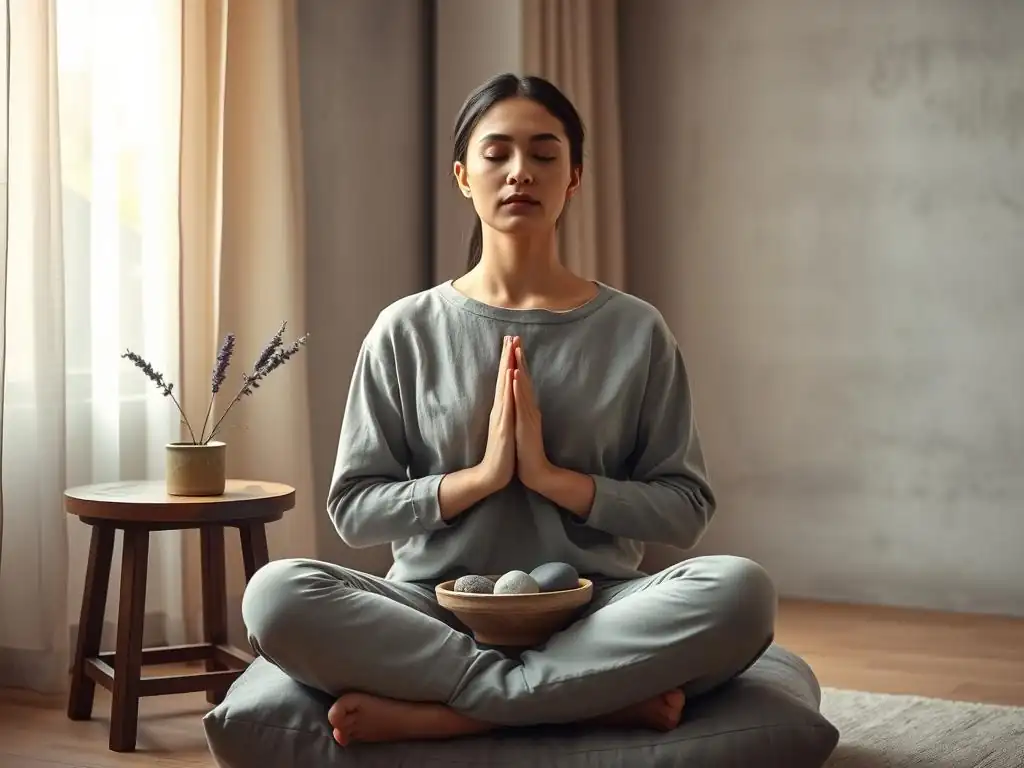
Stress and anxiety often coexist with and exacerbate the symptoms of dysthymia. Mindfulness provides tools to manage these challenging states by teaching you to notice the physical and mental signs of stress and anxiety as they arise, without being immediately overwhelmed.
Techniques like mindful breathing or a quick body scan can be used in moments of heightened stress or anxiety to interrupt the fight-or-flight response and bring you back to the present. By regularly practicing mindfulness, you build the capacity to observe anxious thoughts or stressful feelings without getting completely consumed by them, allowing for a more measured response rather than a reactive one. This skill is particularly valuable for navigating the ups and downs that can occur even within the context of persistent low mood.
Sample Daily Schedule: Integrating 15 Minutes of Mindfulness
Integrating mindfulness for chronic depression doesn't require hours of dedicated time. Here's a sample schedule incorporating just 15 minutes:
- Morning (5 minutes): Start the day with 5 minutes of mindful breathing or a short guided meditation immediately after waking up or before starting your day.
- Midday (5 minutes): Take a 5-minute mindful walking break during lunch or between tasks. Pay attention to the sensations of walking and your surroundings.
- Evening (5 minutes): Before dinner or before bed, practice 5 minutes of body scan meditation or mindful eating during your meal.
This simple structure ensures regular engagement with mindfulness throughout the day, reinforcing the practice without feeling overwhelming. It demonstrates that even small, consistent efforts can make a difference in cultivating present-moment awareness and managing the persistent symptoms of dysthymia.
Benefits of Mindfulness for Chronic Depression: Evidence-Based Insights
Research into the effects of mindfulness on mood disorders, including chronic depression, has grown significantly over recent decades. While individual results vary, studies point to several consistent benefits.
Reduced Rumination and Negative Thinking
One of the most consistently reported benefits of mindfulness for chronic depression is a reduction in rumination – the tendency to repetitively dwell on negative thoughts, problems, and past events. Mindfulness trains the mind to observe thoughts non-judgmentally rather than getting entangled in their content.
Studies using techniques like fMRI brain scans have shown that mindfulness practice can lead to changes in brain regions associated with self-referential thinking and rumination, such as the medial prefrontal cortex. By creating a mental distance from negative thought loops, individuals may experience a decrease in the intensity and frequency of these patterns, offering significant relief from a core symptom of persistent low mood. Estimates from meta-analyses suggest a moderate effect size for mindfulness interventions in reducing rumination across various populations, including those with depression.
Improved Emotional Regulation
Mindfulness enhances the ability to recognize and manage emotions more effectively. Instead of reacting automatically to difficult feelings, mindfulness encourages pausing, noticing the emotion without judgment, and choosing a response.
Research indicates that mindfulness practice can increase activity in areas of the brain associated with emotional regulation, such as the prefrontal cortex, while potentially decreasing reactivity in areas like the amygdala, which is involved in processing fear and threat. This improved capacity for emotional regulation helps individuals with chronic depression navigate challenging moods and feelings with greater skill and less overwhelm, fostering a sense of agency over their internal experience.
Increased Self-Awareness and Acceptance
Mindfulness cultivates a deeper awareness of one's internal states – thoughts, feelings, and bodily sensations. This increased self-awareness is crucial for recognizing the early signs of worsening mood or identifying triggers that may exacerbate dysthymia symptoms.
Furthermore, mindfulness emphasizes acceptance – acknowledging the present moment as it is, without wishing it were different. This doesn't mean resigning oneself to suffering, but rather accepting the reality of one's current experience, including difficult emotions or thoughts. This non-judgmental acceptance can counteract the self-criticism and resistance often present in chronic depression, paving the way for a more compassionate relationship with oneself.
Enhanced Resilience and Coping Skills
Regular mindfulness practice helps build resilience – the ability to bounce back from adversity. By developing a non-reactive stance towards difficult experiences, individuals become better equipped to handle challenges and setbacks without being completely derailed by them.
Mindfulness provides a set of practical skills that can be applied in challenging moments, such as using breath awareness to calm the nervous system during stress or mindfully observing difficult thoughts without getting overwhelmed. These skills contribute to a stronger internal capacity to cope with the persistent nature of dysthymia, helping individuals navigate difficult periods with greater stability and less distress.
Scientific Studies Supporting Mindfulness for Persistent Depressive Disorder
While a large body of research focuses on Major Depressive Disorder, studies specifically examining mindfulness for chronic depression (dysthymia) also show promising results. For example, studies on Mindfulness-Based Cognitive Therapy (MBCT), which integrates mindfulness with principles of cognitive therapy, have demonstrated its effectiveness in reducing depressive symptoms and preventing relapse in individuals with recurrent depression, a population that often includes those with a history of dysthymia or double depression.
One study might show, for instance, that participants who completed an MBCT program reported statistically significant reductions in symptom severity compared to control groups. While specific percentages can vary between studies, the overall trend in the research supports the utility of mindfulness-based interventions as valuable components in the long-term management of persistent low mood and related conditions. This evidence base provides a strong rationale for incorporating mindfulness for chronic depression into a comprehensive treatment plan.
Overcoming Challenges in Mindfulness Practice with Dysthymia
Practicing mindfulness, especially when living with chronic depression, can present specific challenges. Low motivation, difficulty concentrating, and persistent negative thoughts can make starting and maintaining a practice feel daunting. However, these obstacles are common and can be addressed with patience and self-compassion.
Common Obstacles and How to Address Them
One frequent obstacle is the feeling that your mind is "too busy" or that you're "doing it wrong" because thoughts keep arising. This is a misunderstanding of mindfulness; the goal isn't to stop thinking, but to notice when the mind wanders and gently bring it back. Address this by reminding yourself that a wandering mind is normal and the practice is the act of returning your attention.
Another challenge is low energy or motivation, which are core symptoms of dysthymia. Counter this by starting with very short practice sessions (2-3 minutes) and gradually increasing the time as you feel able. Don't aim for perfection, just consistency.
Feeling discouraged or self-critical when practice feels difficult is also common. Combat this with self-compassion. Acknowledge that you are facing the challenges of chronic depression and that simply showing up to practice is an act of courage and self-care. Remind yourself that mindfulness is a skill that develops over time, like learning an instrument; there will be days when it's harder than others, and that's okay.
Dealing with Distractions and Wandering Thoughts
Distraction is an inherent part of mindfulness practice; it's not a sign of failure. When you notice your mind has wandered (whether to worries, to-do lists, or ruminations about the past), the practice is simply to acknowledge where it went without judgment and gently guide your attention back to your chosen anchor, such as the breath.
Think of it like training a puppy; it will wander off, and you gently bring it back, over and over. Each time you notice your mind has wandered and bring it back, you are strengthening your capacity for attention and awareness – skills vital for managing the cognitive symptoms of chronic depression. Be patient and persistent; the ability to notice and return develops gradually with practice.
Practicing Self-Compassion When Struggling
Self-compassion is arguably one of the most important aspects of mindfulness for chronic depression. Living with a persistent condition is challenging, and it's easy to fall into patterns of self-blame or feeling inadequate. Mindfulness encourages treating yourself with the same kindness and understanding you would offer a friend who is struggling.
When you find practice difficult, or when symptoms of dysthymia are particularly strong, acknowledge the difficulty without harsh self-criticism. You might place a hand over your heart and offer yourself a kind phrase, like "This is difficult right now," or "May I be kind to myself." Understanding that suffering, including the suffering of chronic depression, is part of the shared human experience can also reduce feelings of isolation and self-judgment, fostering a sense of common humanity.
Modifying Mindfulness Techniques to Suit Individual Needs

Mindfulness practice is not one-size-fits-all. If a particular technique feels overwhelming or difficult due to your symptoms, it's okay to modify it or try something different. For example, if sitting meditation feels too challenging due to restlessness or fatigue, start with mindful walking or a brief body scan while lying down.
If focusing on the breath feels difficult or anxiety-provoking, try focusing on sounds or visual anchors instead. Experiment with different durations – even 1 or 2 minutes of focused attention can be beneficial. The key is to find practices that feel accessible and sustainable for you, given your current experience with dysthymia. A qualified mindfulness teacher or therapist can help you find modifications that work.
Tips for Maintaining Motivation: Focus on Small Wins
Maintaining motivation for a long-term practice like mindfulness, especially when navigating the low energy and hopelessness of chronic depression, can be tough. It's helpful to focus on small, achievable goals and celebrate minor successes.
Instead of aiming for an hour of meditation daily, commit to 5 minutes. When you complete it, acknowledge that accomplishment. Notice subtle shifts – perhaps a moment of peace during practice, a slightly less reactive response to a difficult thought, or a brief increase in present-moment awareness during a daily activity. These small wins build momentum and reinforce the value of the practice. Connecting with others who practice mindfulness or revisiting the reasons why you started (to find calm, reduce rumination, etc.) can also help sustain motivation over the long haul.
Combining Mindfulness with Other Treatments for Dysthymia
Mindfulness is rarely presented as a standalone cure for dysthymia but rather as a powerful complementary tool that can enhance the effectiveness of other evidence-based treatments. Integrating mindfulness for chronic depression into a broader treatment plan, often involving therapy and/or medication, is a common and effective approach.
The Synergistic Effect of Mindfulness and Therapy
Combining mindfulness practice with psychotherapy, such as Cognitive Behavioral Therapy (CBT) or Interpersonal Therapy (IPT), can create a synergistic effect. Therapy provides frameworks for understanding the origins and patterns of chronic depression, identifying negative thought processes, and developing behavioral strategies. Mindfulness complements this by providing experiential tools to become aware of these thought patterns and emotions in real-time, without judgment, and to cultivate a different relationship with them.
For example, a therapist might help you identify specific negative beliefs associated with your dysthymia, while mindfulness practice helps you notice when those beliefs arise in your mind and learn to observe them as just thoughts, reducing their power. This combination addresses both the content of difficult thoughts (therapy) and the process of relating to those thoughts (mindfulness), leading to more robust and lasting change.
Mindfulness-Based Cognitive Therapy (MBCT) for Dysthymia
Mindfulness-Based Cognitive Therapy (MBCT) is a structured group program specifically designed to prevent relapse in individuals with recurrent depression, which is highly relevant for those with a history of dysthymia or double depression. MBCT integrates core mindfulness practices (like body scan, sitting meditation, and mindful movement) with elements of cognitive therapy.
The program teaches participants to become more aware of their thoughts, feelings, and bodily sensations and to recognize the patterns of thinking that can lead to a spiral into depression, particularly rumination. By developing the skill of noticing these patterns without automatically engaging with them, individuals learn to step out of depressive cycles before they deepen. Research consistently shows MBCT's effectiveness in reducing relapse rates, demonstrating the power of a structured approach to mindfulness for chronic depression.
Mindfulness and Medication: A Complementary Approach
For many individuals with dysthymia, antidepressant medication is an important part of managing symptoms, helping to lift the persistent low mood and improve energy levels. Mindfulness practice can complement medication by addressing aspects of the condition that medication alone may not fully impact, such as rumination, self-criticism, and the development of coping skills.
Medication can sometimes create a foundation that makes it easier to engage in practices like mindfulness by reducing the intensity of symptoms like fatigue or hopelessness. In turn, mindfulness can enhance the overall sense of well-being and provide active strategies for managing lingering symptoms or stressors, potentially reducing reliance on medication over the very long term or improving quality of life even when symptoms persist. It's crucial to discuss the combination of mindfulness and medication with a healthcare provider.
Working with a Therapist to Integrate Mindfulness Effectively
A therapist experienced in mindfulness-based approaches can be an invaluable resource for integrating mindfulness into your dysthymia management plan. They can help you understand how mindfulness specifically addresses your individual symptoms and challenges, guide you in selecting and modifying practices, and troubleshoot difficulties you encounter.
A therapist can also help you process insights that arise during mindfulness practice and integrate them into your overall therapeutic work. They can ensure that mindfulness is practiced safely and effectively, particularly if you have co-occurring conditions like anxiety or trauma. Working collaboratively with a therapist ensures that mindfulness practice is a supportive and beneficial component of your journey towards managing chronic depression.
Resources for Learning and Practicing Mindfulness
Accessing reliable resources is key to starting and sustaining a mindfulness practice. Fortunately, there are many options available, from books and online platforms to in-person classes and retreats. Finding resources that resonate with you can make the process of learning mindfulness for chronic depression more accessible and engaging.
Recommended Books on Mindfulness and Depression
Many excellent books provide introductions to mindfulness and its application for depression. Titles like "Full Catastrophe Living" by Jon Kabat-Zinn (the founder of Mindfulness-Based Stress Reduction, MBSR) offer a comprehensive guide to mindfulness principles and practices. Books specifically addressing depression often include "Mindfulness: A Practical Guide to Finding Peace in a Frantic World" by Mark Williams and Danny Penman, which is based on MBCT principles.
These books typically explain the science behind mindfulness, provide guided exercises, and offer insights into how mindfulness can help navigate difficult emotional states. They serve as valuable companions for developing an understanding and a personal practice of mindfulness for chronic depression at your own pace.
Online Mindfulness Courses and Apps
The digital age offers numerous online platforms and mobile applications designed to teach and support mindfulness practice. Apps like Headspace, Calm, and Insight Timer provide guided meditations of varying lengths, courses on specific topics (like stress or sleep), and tools for tracking practice.
Online courses, such as those offered by universities or mindfulness centers, can provide structured learning experiences similar to in-person programs like MBSR or MBCT. These digital resources offer flexibility and accessibility, allowing individuals to practice mindfulness for chronic depression from the comfort of their homes and fit it into busy schedules. Many offer free introductory content, making it easy to explore different styles.
Mindfulness Retreats and Workshops
For those seeking a more intensive experience, mindfulness retreats and workshops offer dedicated time and space to deepen practice away from daily distractions. Retreats can range from a single day to multiple days or weeks and often involve periods of silence and extensive guided practice.
Workshops typically focus on specific aspects of mindfulness or its application to particular challenges. While these require a greater time commitment and financial investment, they can provide powerful opportunities for intensive learning and practice, potentially accelerating the development of skills relevant to managing chronic depression. They also offer a sense of community with fellow practitioners.
Finding a Qualified Mindfulness Teacher
Learning mindfulness, especially when using it as a tool for mental health, can be significantly enhanced by working with a qualified teacher. A good teacher can provide personalized guidance, help troubleshoot difficulties, and ensure you are practicing in a way that is safe and beneficial.
Look for teachers who have undergone rigorous training programs (such as those for MBSR or MBCT instructors) and ideally have experience working with individuals facing mental health challenges. Professional organizations or mindfulness centers often list qualified teachers. While self-guided practice is possible, the support of a teacher can be invaluable, particularly when navigating the complexities of mindfulness for chronic depression.
Local Mental Health Organizations Offering Mindfulness Programs
Many local mental health organizations, community centers, or hospitals offer mindfulness programs or integrate mindfulness into their therapeutic services. These programs can provide accessible and affordable options for learning mindfulness in a supportive group setting.
Contacting local mental health services can help you discover if they offer MBSR, MBCT, or other mindfulness-based groups. Practicing in a group setting can provide peer support and a sense of shared experience, which can be particularly comforting for individuals living with chronic depression. These local resources often have ties to the healthcare system and can ensure a coordinated approach to your care.
Long-Term Mindfulness for Chronic Depression: Staying the Course
Dysthymia is a long-term condition, and similarly, mindfulness for chronic depression is most effective when approached as a lifelong practice rather than a temporary fix. Cultivating sustainable habits and adapting your practice over time are key to harnessing its benefits for enduring well-being.
Cultivating a Lifelong Practice of Mindfulness
Viewing mindfulness as a lifelong journey rather than a destination is crucial for its sustainability, particularly when managing a chronic condition. There will be periods when practice flows easily and times when it feels like a struggle. The goal is not to achieve a permanent state of calm but to consistently engage with the practice of present-moment awareness, regardless of internal or external circumstances.
This involves building mindfulness into your daily routine in ways that are flexible and adaptable. It means returning to the practice even after periods of lapse, without self-judgment. Cultivating a lifelong practice fosters a resilient approach to managing the persistent nature of dysthymia, providing a stable inner resource you can draw upon over the years.
Adapting Mindfulness to Changing Needs and Circumstances
Your experience with dysthymia and your life circumstances will change over time, and your mindfulness practice can adapt accordingly. During periods of increased stress or symptom severity, you might need to simplify your practice, focusing on shorter sessions or more accessible techniques like mindful breathing. When things are more stable, you might explore longer meditations or new practices like loving-kindness.
Being flexible and responsive to your current needs is essential. Don't feel tied to doing the same practice every day. Listen to your body and mind, and choose techniques that feel most supportive in the moment. This adaptability ensures that mindfulness remains a relevant and helpful tool throughout the various phases of living with chronic depression.
Celebrating Progress and Embracing Imperfection
It's important to acknowledge and celebrate the progress you make in your mindfulness journey, no matter how small it seems. Noticing subtle shifts, like a moment of less reactivity or a slightly longer period of focus, reinforces the value of the practice and helps maintain motivation.
Equally important is embracing imperfection. There will be days when you miss practice, when your mind feels exceptionally chaotic, or when symptoms make it feel impossible to focus. These are not failures but simply moments in the ongoing process. Approaching these times with self-compassion and a willingness to simply begin again is a fundamental aspect of mindfulness and a vital attitude for navigating the long-term challenges of dysthymia.
Mindfulness as a Tool for Sustained Mental Well-being with Dysthymia
Ultimately, mindfulness for chronic depression serves as a powerful tool for fostering sustained mental well-being. It equips individuals with the skills to navigate the persistent low mood, rumination, and other challenges associated with dysthymia with greater awareness, acceptance, and resilience.
By integrating mindfulness into daily life and combining it with other evidence-based treatments, individuals can cultivate a different relationship with their condition – one characterized by greater presence, self-compassion, and the capacity to find moments of calm and even joy amidst the long haul. It's an active process of cultivating inner resources that support not just symptom management but a richer, more engaged experience of life despite the presence of chronic depression.
Frequently Asked Questions
How does mindfulness help with chronic depression, also known as dysthymia?
Mindfulness helps by teaching you to observe thoughts and feelings without judgment, allowing you to disentangle yourself from negative thought patterns common in chronic depression. This present moment awareness can reduce rumination and improve overall well-being.
What specific mindfulness practices are most effective for managing dysthymia?
Practices like mindful breathing, body scans, and mindful movement (yoga or walking) are particularly beneficial. These techniques help to ground you in the present and reduce the impact of persistent negative thoughts and feelings.
Is mindfulness a replacement for traditional treatments like therapy or medication for dysthymia?
No, mindfulness is not a replacement, but rather a complementary therapy. It can enhance the effectiveness of traditional treatments by improving self-awareness and coping skills, working alongside therapy and/or medication.
How long does it typically take to see noticeable improvements in dysthymia symptoms through mindfulness practice?
The timeline varies, but consistent practice is key. Many individuals report small improvements within a few weeks, while significant changes may take several months of dedicated mindfulness practice and integration into daily life.
Where can someone find resources or support to learn and practice mindfulness for chronic depression?
Mind Care Guide offers articles and resources on mindfulness. You can also find guided meditations online, or seek guidance from a qualified mindfulness teacher or therapist experienced in treating dysthymia.
Final Reflection: Cultivating Resilience Through Mindful Presence
The persistent struggle with dysthymia demands more than just coping mechanisms; it requires a fundamental shift in perspective, a cultivation of inner resilience. Mindfulness, often overlooked in the treatment of chronic depression, offers a powerful pathway to navigate the complexities of this persistent low-grade depression and build a life beyond its limitations. It's not a quick fix, but a transformative practice that can profoundly impact daily life.
The journey of integrating mindfulness into my own life, and witnessing its impact on others struggling with dysthymia, has underscored its profound ability to reshape our relationship with our inner experience. It's about learning to observe our thoughts and feelings without judgment, creating space between stimulus and reaction, and fostering a sense of self-compassion that is often absent in the face of chronic negativity. The mind is everything. What you think you become.
– Buddha. This quote encapsulates the transformative power of mindful awareness, allowing us to actively shape our internal landscape rather than being passively shaped by it. The subtle shifts in perspective, the increased self-awareness, and the cultivation of acceptance are not merely theoretical benefits; they are tangible tools for navigating the challenges of dysthymia.
Now, consider your own relationship with your inner world. How might incorporating even small moments of mindfulness – a few deep breaths, a mindful walk, or simply paying attention to the sensations in your body – shift your experience of dysthymia? I invite you to explore the possibilities, to experiment with different mindfulness practices, and to discover the unique ways in which this ancient practice can support your journey towards a more peaceful and fulfilling life. Remember, the path to resilience is paved with consistent effort and self-compassion. Begin today.
Unlock Your Inner Calm: Start Your Mindfulness Journey Today
Thanks for taking the time to explore the powerful connection between mindfulness and managing dysthymia. We hope you found practical strategies to cultivate more peace and presence in your daily life. Ready to take the next step?
- Begin a daily mindfulness practice: Even 5 minutes of focused breathing can make a difference. Try our guided meditation suggestions from the article as a starting point.
- Share your experience: Connect with others in our online community (link implied, not included as per instructions) and share your insights on incorporating mindfulness into your day. Let's build a supportive space together!
- Try a mindful activity outside of meditation: Explore nature, engage in creative hobbies, or savor a mindful meal. Notice how these activities impact your mood and sense of well-being.
What small step will you take today to integrate mindfulness into your life and navigate dysthymia with greater ease?