
When Anxiety Wears a Mask: Identifying Anxiety Behind Anger or Defiance in Kids

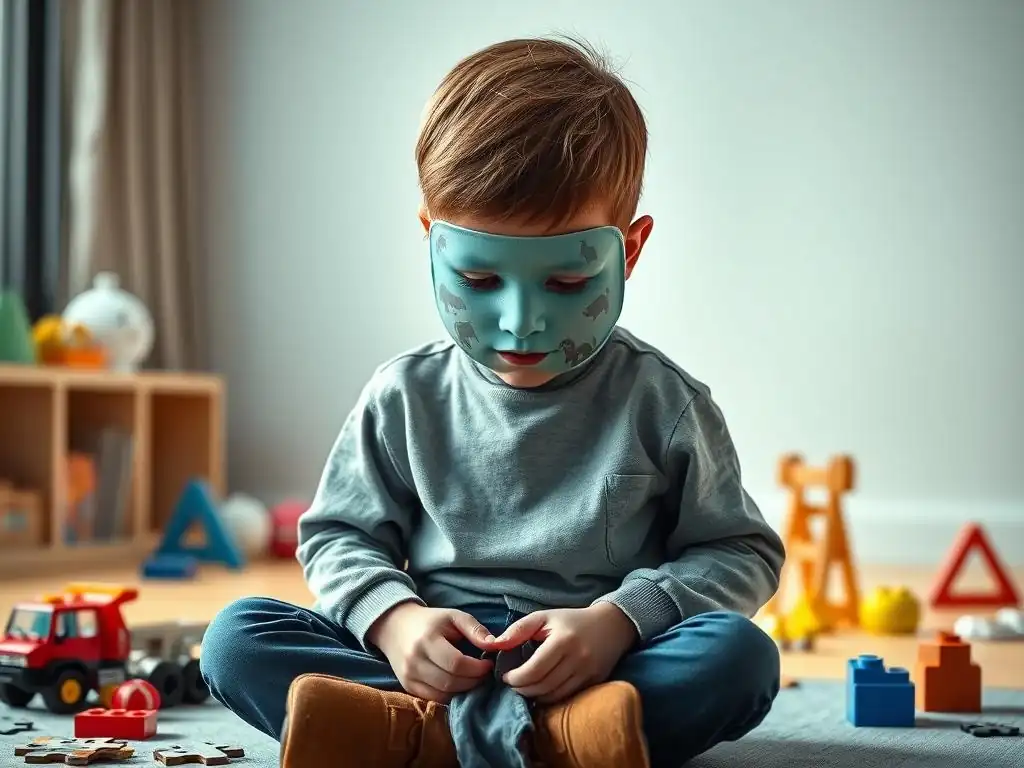
Welcome to Mind Care Guide, a safe space to explore your mental well-being.
Ever wonder if your child's outbursts are more than just typical tantrums? Beneath the surface of anger and defiance might lie something deeper. This week, we delve into the subtle ways anxiety can disguise itself, focusing specifically on Kids' anger, anxiety disguise. Understanding these hidden signals is the first step towards providing the right support. Are you ready to uncover the truth and learn how to help your child thrive?
When Anxiety Wears a Mask: Identifying Anxiety Behind Anger or Defiance in Kids
- Understanding Masked Anxiety in Children: When Anger Hides Fear
- Deciphering the Signals: Recognizing Anxiety Disguised as Anger in Children
- Triggers and Contributing Factors: What Fuels Anxiety-Related Anger in Kids?
- Practical Strategies for Helping Children Manage Masked Anxiety
- Effective Coping Mechanisms for Kids Dealing with Anxiety Disguised as Anger
- When to Seek Professional Help: Recognizing the Need for Expert Intervention
- Supporting Parents: Navigating the Challenges of Masked Anxiety in Children
-
Frequently Asked Questions
- What does it mean when anxiety is "disguised" as anger in children?
- How can I differentiate between typical childhood anger and anxiety-driven anger?
- What are some common triggers for anxiety that might manifest as anger in kids?
- What strategies can I use to help my child manage their anxiety and express their feelings more effectively?
- When should I seek professional help for my child's anxiety-related anger?
- Final Reflection: Unmasking the Anxious Child
- Unlock Your Child's Inner Calm: Practical Steps to Understanding Anxiety
Understanding Masked Anxiety in Children: When Anger Hides Fear
What is Masked Anxiety and How Does it Manifest in Children?
Masked anxiety in children refers to the phenomenon where typical signs of anxiety, such as excessive worry, fear, or avoidance, are not overtly visible. Instead, the child's internal distress and fear present themselves through externalizing behaviors like anger, irritability, defiance, or opposition. This can be incredibly confusing for parents and educators, as the child appears willful, disruptive, or aggressive, rather than scared or worried.
The underlying anxiety is hidden, or "masked," by these more outwardly disruptive actions. For instance, a child terrified of making a mistake might lash out in anger when asked to start homework, a task perceived as high-pressure.
These masked presentations can take many forms. A child with social anxiety might become defiant and refuse to participate in group activities, appearing stubborn rather than fearful. A child with separation anxiety might have explosive tantrums when a parent attempts to leave, which looks like anger but stems from intense fear of being alone. Unlike classic anxiety symptoms like trembling or constant questioning, masked anxiety often involves pushing people away, arguing, or shutting down completely. It's estimated that a significant percentage of children displaying disruptive behaviors may have underlying anxiety, making it crucial to look beyond the surface behavior.
Why Do Kids Express Anxiety as Anger or Defiance? Exploring the Underlying Mechanisms
Children often lack the sophisticated emotional vocabulary and cognitive skills to identify and articulate feelings like anxiety or fear. While adults can say, "I'm feeling overwhelmed and anxious," a child might only feel an uncomfortable internal surge of energy, fear, or threat without knowing what it is. This overwhelming internal state needs an outlet.
Anger and defiance serve as powerful, albeit maladaptive, coping mechanisms. They can create distance from the perceived threat (e.g., pushing away a situation that causes anxiety), provide a sense of control in a situation where the child feels powerless, or simply discharge the intense energy associated with the anxiety response.
Furthermore, expressing anger or defiance might sometimes yield a desired, albeit negative, outcome from the child's perspective. For example, a child who throws a tantrum when faced with a school project they fear failing might get sent to their room, effectively avoiding the anxiety-provoking task. This unintentionally reinforces the use of anger as a coping strategy.
The fight-or-flight response, hardwired into our biology, can manifest as "fight" when the child feels cornered by anxiety, leading to aggressive or defiant outbursts. This is a primitive survival mechanism kicking in when the child perceives a threat, even if that threat is internal or perceived rather than real.
Deciphering the Signals: Recognizing Anxiety Disguised as Anger in Children
Common Behavioral Patterns: Identifying Anger Outbursts Rooted in Anxiety
Identifying Kids’ anger, anxiety disguise requires looking beyond the immediate outburst to the context and pattern of the behavior. Children using anger or defiance to mask anxiety often exhibit specific patterns. These outbursts might occur predictably before or during situations known to cause the child stress, such as school transitions, social gatherings, tests, or bedtime. The intensity of the reaction often seems disproportionate to the situation at hand. For example, a simple request to tidy up might trigger an explosive meltdown if the child feels overwhelmed by the task or fears not doing it perfectly.
Other behavioral cues include rigid or controlling behavior, perfectionism leading to frustration, avoidance of specific situations (masked by "I don't want to" or "That's stupid"), excessive need for reassurance followed by irritation if not instantly provided, and difficulty accepting minor changes or disappointments. A child might be extremely rigid about rules or routines, and become explosively angry if they are disrupted, as this predictability helps manage their underlying anxiety. These behaviors aren't just "being difficult"; they are often a desperate attempt to manage intense internal discomfort.
Physical Symptoms: Recognizing Physical Signs of Anxiety Contributing to Irritability
Anxiety is not just a mental state; it has significant physical manifestations. In children, these physical symptoms can contribute to irritability and a shorter fuse, making them more prone to angry outbursts. Common physical signs include headaches, stomachaches, nausea, or other unexplained physical complaints, especially on school mornings or before stressful events. These somatic symptoms are real and are the body's way of signaling distress.
Other physical indicators related to anxiety that might precede or accompany anger include muscle tension (leading to restlessness or agitation), rapid heartbeat, shallow breathing, difficulty sleeping (insomnia or frequent waking), changes in appetite, and fatigue. A child who is constantly battling an upset stomach or struggling with sleep due to anxiety is likely to be more irritable and less able to cope with minor frustrations, making an angry response more probable when their anxiety is triggered. Recognizing these physical signs alongside the behavioral patterns is key to understanding the Kids’ anger, anxiety disguise.
Differentiating Between Typical Anger and Anxiety-Driven Anger in Children
Distinguishing between typical childhood anger (frustration, limit-testing) and anger rooted in anxiety requires careful observation of the context, triggers, and accompanying behaviors. Typical anger often has a clear, immediate cause (e.g., a toy is taken, a privilege is denied) and resolves relatively quickly once the issue is addressed or the child processes their frustration. It might involve yelling or stomping, but the underlying emotion is usually frustration or disappointment, not fear or panic.
Anxiety-driven anger, however, often appears out of proportion to the immediate situation or seems to lack an obvious trigger, occurring before predictable stressors. It might be accompanied by physical symptoms mentioned earlier, or by other signs of anxiety like excessive worry, avoidance, or perfectionism at other times. The child might seem genuinely distressed or panicked during the outburst, rather than simply defiant.
The behavior is often aimed at avoiding a situation or regaining a sense of control lost due to feeling anxious. For example, anger stemming from anxiety might involve rigid demands or control over others to reduce the child's internal feeling of chaos or uncertainty.
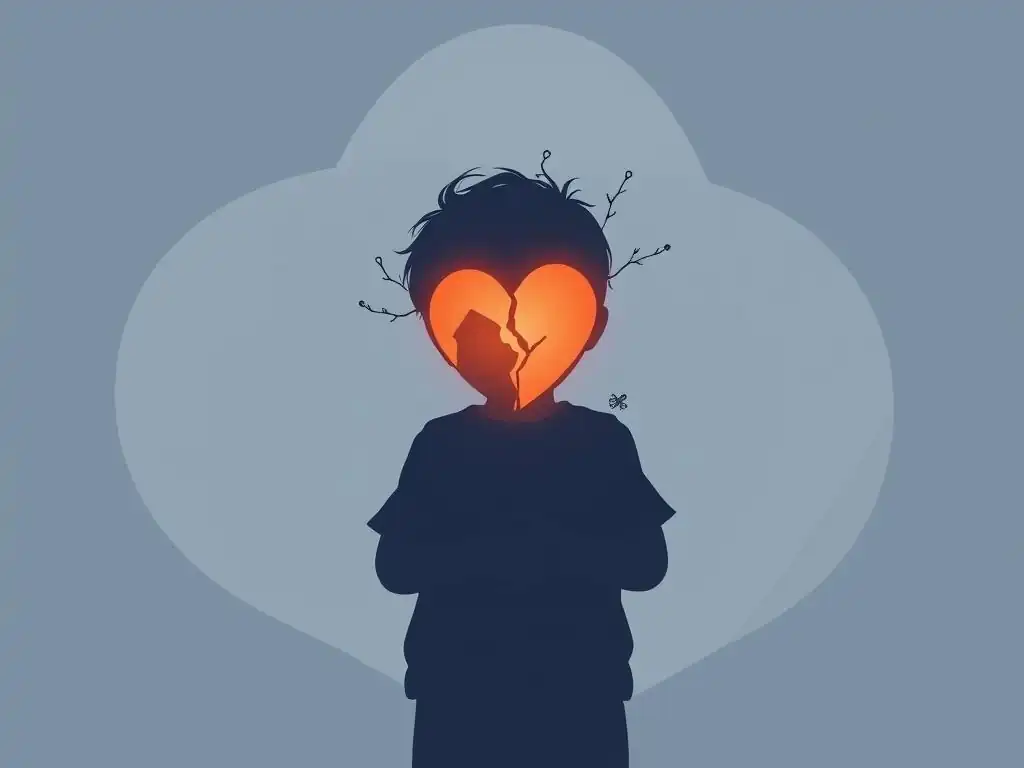
Identifying Common Anxiety Triggers That Lead to Anger and Defiance
Many common triggers can activate a child's anxiety and subsequently manifest as anger or defiance. These triggers often involve situations where the child feels a lack of control, faces uncertainty, fears failure or judgment, or anticipates separation. Academic pressures, such as tests, presentations, or homework, are frequent culprits. Social situations, particularly those involving new people, group activities, or potential conflict, can also be highly anxiety-provoking.
Transitions and changes in routine are significant triggers for many anxious children. This could be moving to a new school, changing classes, or even minor shifts in the daily schedule. Fear of the unknown, fear of making mistakes, fear of not being good enough, or fear of separation from caregivers are core anxieties that can fuel defiant or angry responses as the child attempts to regain control or avoid the feared situation entirely. Understanding these common triggers is vital when trying to identify Kids’ anger, anxiety disguise.
The Role of Environmental Factors in Masked Anxiety in Children
A child's environment plays a crucial role in the development and expression of anxiety, including when it is masked by anger. Stressful home environments, such as parental conflict, inconsistent discipline, or high levels of family stress, can contribute to a child's baseline anxiety. Similarly, challenging school environments, including bullying, academic pressure, or difficult peer relationships, can exacerbate anxious feelings.
Exposure to traumatic events, even seemingly minor ones from an adult perspective, can also heighten a child's anxiety levels. A child growing up in an unpredictable environment might develop a constant state of hypervigilance, leading to irritability and quick temper as a defense mechanism. Conversely, overly protective or anxious parenting styles, while well-intentioned, can sometimes inadvertently teach a child that the world is a dangerous place, increasing their anxiety and potentially leading to masked presentations like defiance as they struggle for independence while feeling unsafe.
Understanding the Impact of Developmental Stages on Anxiety Expression
The way anxiety manifests, including as anger or defiance, can vary significantly depending on a child's developmental stage. Younger children (preschool/early elementary) might express masked anxiety through increased tantrums, crying, or clinging, but also early signs of defiance and refusal. Their limited verbal skills make it harder to articulate feelings, so behavior becomes the primary communication tool.
As children move into middle childhood (late elementary/middle school), social anxieties, academic pressures, and body image concerns become more prominent. Masked anxiety might show up as increased arguments with parents, refusal to participate in school or extracurricular activities, irritability, or withdrawal that appears like sulking rather than fear. Adolescents, dealing with complex social dynamics, identity formation, and future worries, might express masked anxiety through significant defiance towards authority figures, risk-taking behaviors, increased conflict with peers or family, or intense mood swings that include significant anger, making Kids’ anger, anxiety disguise particularly complex during these years.
Practical Strategies for Helping Children Manage Masked Anxiety
Creating a Safe and Supportive Environment for Anxious Children
Providing a safe and supportive environment is the foundation for helping a child manage masked anxiety. This involves creating predictability and routine whenever possible, as consistency reduces uncertainty, a major anxiety trigger. Establishing clear expectations and consistent, calm responses to challenging behaviors helps the child feel secure. Avoid reacting to anger with anger; instead, strive to remain calm and empathetic, even when the child is being difficult.
Ensure the child feels heard and understood, even if you don't agree with their behavior. Create opportunities for them to express themselves in ways that feel safe, whether through play, drawing, or simply spending quiet time together. Acknowledging their feelings ("I see you're feeling really frustrated right now") validates their internal experience, even if the external expression (anger) is problematic. This consistent, predictable support helps lower their overall anxiety levels, reducing the need for the anger 'mask'.
Teaching Emotional Regulation Skills to Help Kids Manage Anger and Anxiety
Helping children develop emotional regulation skills is crucial for managing both anxiety and the anger it can hide. This involves teaching them to identify their feelings before they escalate into an outburst. Start by labeling emotions for them ("It looks like you're feeling angry," "Are you feeling worried about...?") and helping them understand the physical sensations associated with different feelings.
Introduce coping strategies they can use when they feel overwhelmed. These might include deep breathing exercises (e.g., "square breathing"), counting slowly, taking a break in a quiet space, or engaging in a calming activity like drawing or listening to music. Practice these skills when the child is calm so they can access them when they are feeling anxious or angry. Role-playing difficult situations can also help them practice using these new skills in advance.
Communicating effectively with a child who uses anger as an anxiety disguise requires patience and empathy. Avoid accusatory language ("Why are you being so difficult?"). Instead, use "I" statements and focus on the behavior and your concern ("I feel worried when I see you get so angry before school"). Choose calm moments to talk, not during or immediately after an outburst.
Frame conversations around feelings and challenges, rather than just the negative behavior. For example, instead of "Stop being so angry," try, "I noticed you got really angry when it was time for homework. Sometimes big feelings like that can mean we're feeling worried or scared about something. Were you feeling worried about the homework?" Help them connect the anger to the underlying feeling. Use open-ended questions and listen actively. Sometimes, simply saying, "It's okay to feel scared or worried. Everyone does sometimes," can open the door for them to share.
Effective Coping Mechanisms for Kids Dealing with Anxiety Disguised as Anger
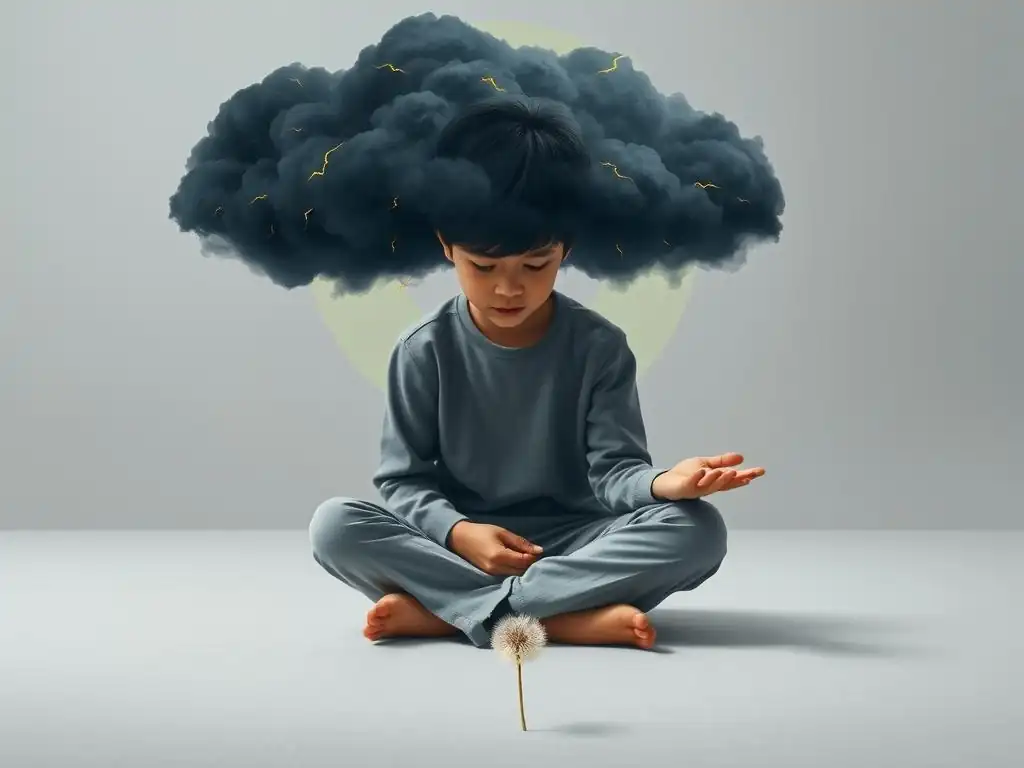
Relaxation Techniques: Calming Strategies for Anxious and Angry Children
Teaching children simple relaxation techniques provides them with tools to manage the physical and emotional intensity that underlies their anger and anxiety. Deep breathing exercises are fundamental. Techniques like "smell the flower, blow out the candle" or progressive muscle relaxation (tensing and releasing different muscle groups) can help calm the nervous system.
Guided imagery, where the child imagines themselves in a peaceful place, can also be effective. Simple activities like drawing, coloring, listening to quiet music, or playing with sensory toys (like stress balls or kinetic sand) can also serve as relaxation tools. The key is helping the child identify which techniques work best for them and encouraging regular practice, not just when they are in distress. These strategies offer alternatives to the "fight" response of anger.
Mindfulness Exercises: Promoting Emotional Awareness and Regulation
Mindfulness helps children become more aware of their thoughts, feelings, and body sensations without judgment. This awareness is crucial for recognizing the early signs of anxiety before they escalate into anger. Simple mindfulness exercises for kids include paying attention to their breath, doing a body scan (noticing sensations in different parts of their body), or mindfully eating a snack, focusing on the taste and texture.
Encourage them to notice when they start feeling "fizzy" or "tense" inside – physical sensations often linked to rising anxiety. Mindfulness helps them pause and observe these feelings rather than immediately reacting with anger. Practicing short mindfulness exercises regularly can build their capacity for self-awareness and emotional regulation over time, making it easier to manage Kids’ anger, anxiety disguise.
Cognitive Restructuring: Helping Kids Challenge Anxious Thoughts
Anxiety is often fueled by negative or distorted thought patterns (e.g., "I'm going to fail," "Everyone will laugh at me," "Something bad will happen"). These thoughts trigger the anxiety response, which can then lead to angry behavior. Cognitive restructuring involves helping children identify these anxious thoughts and challenge their accuracy.
This doesn't mean telling them their feelings are wrong, but helping them question the thought itself. For instance, if a child thinks, "I'm going to fail this test," you can ask, "What is the evidence that you will fail? What is the evidence that you might do okay?
What is another way to think about this?" Help them replace negative thoughts with more realistic or positive ones (e.g., "I will try my best," "It's okay to make mistakes"). This process requires practice but empowers children to change their relationship with their anxious thoughts, reducing the intensity of the feeling and the likelihood of an angry reaction.
When to Seek Professional Help: Recognizing the Need for Expert Intervention
Red Flags: Identifying When Anxiety-Driven Anger Requires Professional Attention
While occasional anger or defiance is normal in childhood, certain signs indicate that professional help is needed, particularly when it's suspected as an anxiety disguise. Persistent patterns of intense anger or defiance that significantly disrupt daily life at home, school, or in social settings are major red flags. If the behaviors are increasing in frequency or intensity, or if they are impacting the child's ability to learn, make friends, or participate in family activities, it's time to seek evaluation.
Other warning signs include:
- The child's anger/defiance is accompanied by significant withdrawal or sadness at other times.
- Physical symptoms (headaches, stomachaches) are frequent and unexplained by medical issues.
- The child expresses thoughts of harming themselves or others (though this is less common as a disguise for anxiety, severe distress requires immediate attention).
- The family is struggling to cope, and parental stress is very high.
- The child is missing a significant amount of school or avoiding important activities due to their difficulties.
Types of Therapy: Exploring Treatment Options for Anxiety in Children
Several evidence-based therapies are effective for treating anxiety in children, including when it's masked by anger. Cognitive Behavioral Therapy (CBT) is a gold standard. CBT helps children identify anxious thoughts and feelings, challenge negative thinking patterns, and gradually face feared situations using coping strategies. Exposure and Response Prevention (ERP), a specific type of CBT, is particularly effective for phobias and OCD but principles can be adapted for other anxieties.
Play therapy can be beneficial for younger children, allowing them to process feelings and fears through play. Family therapy can also be helpful, addressing family dynamics that might contribute to or maintain the child's anxiety and teaching parents strategies to support their child. In some cases, medication might be considered as an adjunct to therapy, particularly for severe anxiety, but therapy is typically the first line of treatment.
Finding a Qualified Therapist: Resources for Locating Child Anxiety Specialists
Finding a therapist specializing in child anxiety is crucial for effective treatment. Start by consulting your pediatrician, who can often provide referrals. School counselors or psychologists may also have recommendations or provide initial support.
Online directories from professional organizations are valuable resources. The Anxiety & Depression Association of America (ADAA) and the Association for Behavioral and Cognitive Therapies (ABCT) have "Find a Therapist" tools. Psychology Today's therapist finder allows filtering by location, insurance, and specialization (like child therapy, anxiety, or specific techniques like CBT). When contacting therapists, ask about their experience treating anxiety in children, particularly presentations involving anger or defiance, and their approach to working with families.
Understanding Parental Stress and Its Impact on Children's Anxiety
Parenting a child whose anxiety presents as anger or defiance is incredibly challenging and can lead to significant parental stress, burnout, and feelings of guilt or inadequacy. Constantly dealing with outbursts, defiance, and conflict is emotionally draining. This stress can inadvertently impact the child, creating a cycle where parental anxiety or frustration heightens the child's anxiety, leading to more challenging behaviors. It's vital for parents to recognize the toll this takes and prioritize their own well-being.
Research indicates that high levels of parental stress can make it harder to respond calmly and consistently to a child's behavior, which is exactly what anxious children need. Parents might feel isolated, judged by others who don't understand the underlying anxiety, and unsure how to help their child. Acknowledging these feelings is the first step towards managing them and breaking the negative cycle.
Strategies for Self-Care: Prioritizing Parental Well-being
Self-care is not a luxury; it is essential for parents supporting a child with complex emotional needs like masked anxiety. Prioritizing self-care allows parents to be more resilient, patient, and effective in supporting their child. Simple strategies can make a difference: ensuring adequate sleep, eating nutritious food, and engaging in regular physical activity.
Find activities that help you de-stress, whether it's reading, hobbies, spending time in nature, or listening to music. Setting boundaries around your time and energy is also important. It's okay to say no to extra commitments if you're feeling overwhelmed. Remember that taking care of yourself is taking care of your child; a less stressed parent is better equipped to handle the challenges of Kids’ anger, anxiety disguise.
Building a Support Network: Connecting with Other Parents and Professionals
Navigating a child's masked anxiety can feel isolating. Building a strong support network is crucial for parental well-being and for gaining practical advice. Connect with other parents who understand what you're going through, whether through formal support groups (local or online) or informal connections with friends or family. Sharing experiences and strategies can reduce feelings of isolation and provide valuable insights.
Lean on professionals involved in your child's care – therapists, school staff, pediatricians. Don't hesitate to ask for guidance on specific challenges you're facing. Consider seeking your own therapy or counseling to process the stress and develop coping strategies for yourself. Remember, you are not alone in dealing with Kids’ anger, anxiety disguise, and support is available.
Frequently Asked Questions
What does it mean when anxiety is "disguised" as anger in children?
It means that a child's underlying anxiety is being expressed outwardly as anger, irritability, or defiance. This can happen because children may not have the emotional vocabulary or understanding to express their true feelings.
How can I differentiate between typical childhood anger and anxiety-driven anger?
Look for patterns. Is the anger disproportionate to the situation? Are there other signs of anxiety, such as avoidance, sleep problems, or excessive worry, even if they're subtle? Consider also the frequency and intensity of the behavior.
What are some common triggers for anxiety that might manifest as anger in kids?
Triggers can include school-related stress, social situations, performance pressure, changes in routine, or feeling a lack of control. Identifying these triggers is key to understanding the anxiety's root cause.
What strategies can I use to help my child manage their anxiety and express their feelings more effectively?
Teach coping mechanisms like deep breathing or mindfulness. Help them label their emotions and provide a safe space to talk about their anxiety without judgment. Consider professional help for evidence-based treatments.
If the anger is frequent, intense, or interfering with their daily life, school, or relationships. Also, if you suspect underlying mental health conditions beyond typical childhood anxiety, a professional assessment is recommended.
Final Reflection: Unmasking the Anxious Child
The outward display of anger or defiance in children is often a carefully constructed mask, hiding a deeper wellspring of anxiety. Understanding this crucial connection is not just academically interesting; it's vital for parents, educators, and therapists seeking to provide effective support and nurture healthy emotional development in young people. Ignoring the anxiety beneath the surface can lead to misdiagnosis, ineffective interventions, and ultimately, prolonged suffering for the child.
The impact of societal pressures on children's emotional well-being is profound, and the pressure to conform, succeed, and appear "strong" often forces anxiety into the shadows. This pressure manifests in various ways, and recognizing the subtle cues of masked anxiety is a critical step towards fostering a more compassionate and understanding environment. Children are not born with anger; they learn it from their environment.
This quote highlights the importance of examining the root causes of a child's behavior, rather than simply reacting to the surface-level anger. We must create spaces where children feel safe enough to express their vulnerabilities without fear of judgment or punishment.
You, the reader, now hold a key to unlocking a deeper understanding of children's emotional landscapes. Take a moment to reflect on the children in your life – your own, your students, your friends' children. Consider the possibility that anger might be a shield, and look beyond the surface behaviors to uncover the underlying anxieties. By fostering empathy, patience, and a willingness to listen deeply, you can help these children shed their masks and embrace healthier ways of coping with the challenges they face. Let's work together to create a world where every child feels safe, seen, and understood.
Unlock Your Child's Inner Calm: Practical Steps to Understanding Anxiety
Thanks for taking the time to learn about the hidden connection between anger, defiance, and anxiety in children. We hope this article provided valuable insights into supporting your little one. Now, let's put this knowledge into action!
- Prioritize a calm and consistent home environment: This is your primary focus. Creating a safe space where your child feels understood is crucial. Consider establishing simple, predictable routines.
- Explore mindful activities together: This could be anything from deep breathing exercises to a nature walk – finding calming routines you both enjoy can be powerful.
- Share this article with other parents: Let's build a supportive community around childhood anxiety. Helping others understand this connection can make a real difference.
What small step will you take today to foster a calmer, more understanding environment for your child?