
New Discoveries: CuttingEdge Research in the Neuropsychology of Mood

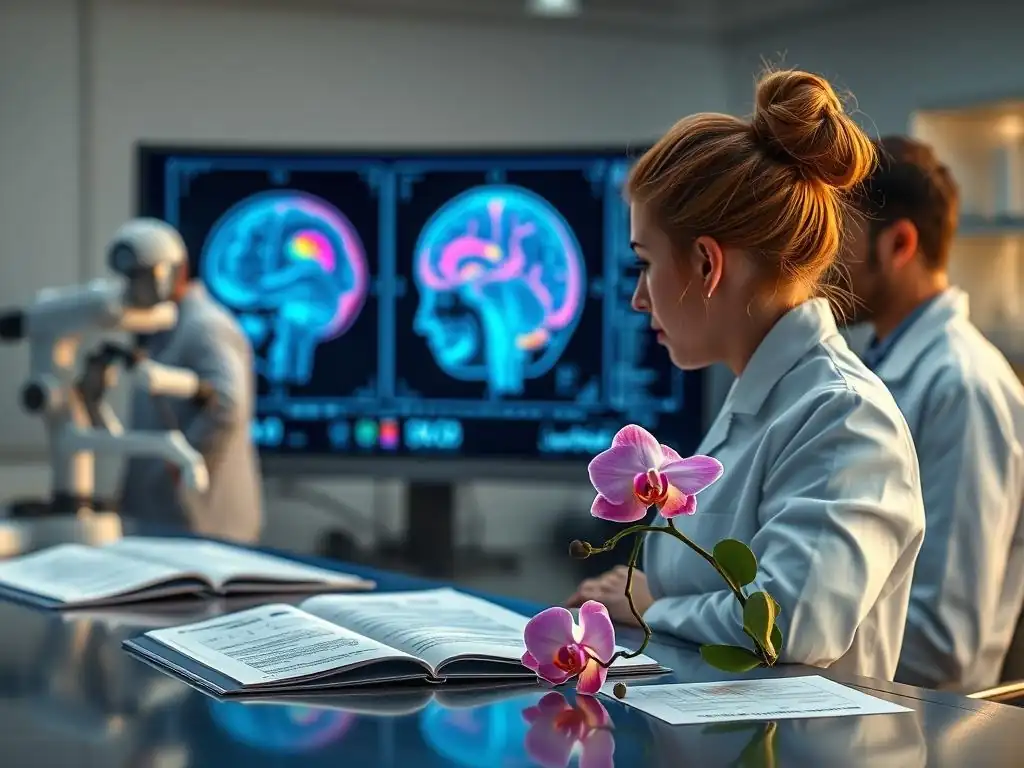
Welcome to Mind Care Guide, your sanctuary for understanding and nurturing your mental well-being.
Feeling lost in the complexities of mood disorders? You're not alone. We understand the challenges, and that's why we're thrilled to share the latest breakthroughs. Dive into our feature article, "New Discoveries: Cutting-Edge Research in the Neuropsychology of Mood," where we explore cutting-edge neuropsychology mood disorder treatment options. What if the key to unlocking a brighter future lies within these advancements? Let's explore them together.
New Discoveries: Cutting-Edge Research in the Neuropsychology of Mood
- Introduction to the Neuropsychology of Mood Disorders
- Latest Research on Brain Chemistry and Mood Regulation
- Cutting-Edge Techniques in Neuropsychological Assessment of Mood
- Innovative Neuropsychology Mood Disorder Treatment Options
- The Future of Neuropsychology in Mood Disorder Management
- Neuroplasticity and Recovery from Mood Disorders
- Conclusion: Advancing Our Understanding of Mood Through Neuropsychology
-
Frequently Asked Questions
- What is the role of neuropsychology in understanding mood disorders?
- What are some cutting-edge research areas in the neuropsychology of mood?
- How can neuropsychological assessments help in the treatment of mood disorders?
- What are some of the latest neuropsychology-informed treatment options for mood disorders?
- Where can I find more information and support related to mood disorders and neuropsychology?
- Final Reflection: The Evolving Landscape of Mood Disorder Treatment
- Unlock Your Mood's Potential: Take Charge Now!
Introduction to the Neuropsychology of Mood Disorders
Understanding the Brain-Mood Connection in Mental Health
Mood disorders, such as major depressive disorder and bipolar disorder, are complex conditions characterized by significant disturbances in a person's emotional state. These disorders are not merely psychological phenomena; they are deeply rooted in the intricate workings of the brain. Neuropsychology provides a crucial framework for understanding how specific brain structures, circuits, and neurochemical processes contribute to the development and manifestation of these conditions. By examining the biological underpinnings, researchers can uncover the fundamental mechanisms driving persistent sadness, irritability, euphoria, and the associated cognitive impairments often seen in individuals with mood disorders.
Recent research has increasingly highlighted the interconnectedness of various brain regions involved in emotional processing, reward, and cognition. For instance, studies using advanced imaging techniques have shown altered activity and connectivity within networks involving the prefrontal cortex, amygdala, hippocampus, and cingulate cortex in individuals experiencing depressive or manic episodes.
Understanding these complex neural networks is vital for developing more targeted and effective neuropsychology mood disorder treatment options that address the root biological causes rather than just the symptoms. This brain-centric view offers a powerful lens through which to view mental health challenges, moving towards more precise diagnostic and therapeutic strategies.
The Role of Neuropsychology in Diagnosing Mood Disorders
Neuropsychology plays a significant role beyond just understanding the mechanisms of mood disorders; it is also instrumental in their diagnosis and differential diagnosis. While clinical interviews and symptom checklists remain primary tools, neuropsychological assessments can provide objective data on cognitive functions frequently affected by mood disorders, such as attention, memory, executive function, and processing speed. For example, individuals with depression often exhibit deficits in executive functions like planning and decision-making, and memory biases towards negative information, which can be quantified through standardized tests.
Furthermore, neuropsychological evaluations can help distinguish mood disorders from other conditions that might present with similar symptoms, such as neurological disorders (e.g., early-stage dementia, stroke) or other psychiatric conditions. By identifying specific patterns of cognitive strengths and weaknesses, neuropsychologists can contribute valuable information to the diagnostic process. This detailed profiling is particularly important in complex cases or when assessing the impact of the disorder on daily functioning and guiding rehabilitation or support strategies, paving the way for more personalized neuropsychology mood disorder treatment options.
Latest Research on Brain Chemistry and Mood Regulation
Neurotransmitters and Mood: Serotonin, Dopamine, and Norepinephrine's Impact
The monoamine hypothesis, though simplified, remains a cornerstone in understanding the neurochemical basis of mood disorders, focusing on neurotransmitters like serotonin, dopamine, and norepinephrine. Serotonin is widely associated with regulating mood, sleep, appetite, and social behavior. Dysregulation in serotonin pathways, potentially involving receptor sensitivity or transporter function, has been implicated in depression and anxiety. While directly measuring neurotransmitter levels in the living human brain is challenging, studies examining metabolites in cerebrospinal fluid or using PET imaging targeting specific receptors provide clues; for example, some studies suggest reduced serotonin activity in certain brain regions of depressed individuals.
Dopamine is crucial for motivation, pleasure, and reward processing, while norepinephrine is involved in alertness, arousal, and the stress response. Imbalances in these systems are thought to contribute to the anhedonia (loss of pleasure) and lack of motivation often seen in depression, and the heightened energy and impulsivity characteristic of mania in bipolar disorder. Research continues to explore the complex interactions between these neurotransmitters and other neurochemicals, including glutamate and GABA, and their specific roles in different mood states. Understanding these intricate chemical imbalances is fundamental to developing pharmacological neuropsychology mood disorder treatment options.
The Influence of Brain Structures on Emotional Processing
Beyond individual neurotransmitters, specific brain structures and their interconnectedness form the neural circuitry underlying emotional processing and mood regulation. The limbic system, comprising structures like the amygdala, hippocampus, and cingulate cortex, is central to generating and processing emotions. The prefrontal cortex, particularly the ventromedial and dorsolateral regions, plays a critical role in regulating emotional responses, decision-making, and executive control, integrating emotional information with cognitive processes.
Functional neuroimaging studies consistently show altered activity and connectivity within these regions in individuals with mood disorders. For example, the amygdala, involved in processing fear and threat, often shows increased activity in depression and anxiety, potentially contributing to heightened negative emotional reactivity. Conversely, the prefrontal cortex, responsible for top-down control, may show reduced activity or connectivity, impairing the ability to regulate these heightened emotional responses. These findings underscore the importance of targeting specific brain circuits when considering neuropsychology mood disorder treatment options.
Amygdala and Emotional Reactivity
The amygdala is a small, almond-shaped structure deep within the temporal lobe, known for its critical role in processing emotions, particularly fear and threat detection. In the context of mood disorders, research often points to altered amygdala activity. Studies using fMRI have frequently observed increased amygdala reactivity to negative stimuli in individuals with major depressive disorder compared to healthy controls. This heightened response is hypothesized to contribute to the pervasive negative mood and increased sensitivity to perceived threats or negative events characteristic of depression.
Furthermore, the connectivity between the amygdala and other brain regions, such as the prefrontal cortex, appears altered in mood disorders. Reduced functional connectivity between the amygdala and regulatory areas in the prefrontal cortex might impair the brain's ability to dampen or modulate the amygdala's response, leading to prolonged or exaggerated negative emotional states. Understanding these specific functional changes in the amygdala and its network is crucial for developing targeted therapies that aim to normalize emotional processing and reactivity.
Prefrontal Cortex and Mood Regulation
The prefrontal cortex (PFC), the most anterior part of the frontal lobe, is essential for executive functions, decision-making, and the conscious regulation of emotions. Different subregions of the PFC are implicated in distinct aspects of mood regulation. The ventromedial prefrontal cortex (vmPFC) and orbitofrontal cortex (OFC) are involved in processing reward and punishment and regulating emotional responses, while the dorsolateral prefrontal cortex (dlPFC) is more associated with cognitive control and executive functions, including the cognitive regulation of emotion.
In mood disorders, particularly depression, reduced activity in certain areas of the PFC, such as the dlPFC, is commonly observed. This hypoactivity is thought to contribute to deficits in cognitive control, impaired emotional regulation, and difficulty engaging in goal-directed behavior. Conversely, altered activity in the vmPFC might be linked to changes in reward processing and emotional valuation. Restoring normal activity and connectivity within prefrontal circuits is a key target for many neuropsychology mood disorder treatment options, including psychotherapy and neurostimulation techniques.
The Gut-Brain Axis and its Connection to Mood
Emerging research highlights the significant bidirectional communication pathway between the gut and the brain, known as the gut-brain axis. This axis involves complex interactions via the nervous system (like the vagus nerve), the endocrine system, the immune system, and microbial metabolites produced by the gut microbiota. The composition and function of the gut microbiome are increasingly recognized as potential modulators of brain function and behavior, including mood.
Studies in both animals and humans suggest that alterations in the gut microbiome composition (dysbiosis) can influence neurotransmitter production (like serotonin, much of which is produced in the gut), inflammation levels, and brain signaling pathways. For example, research has found differences in the gut microbial profiles of individuals with depression compared to healthy controls, although specific causal links are still being investigated. Probiotics, prebiotics, and dietary interventions targeting the gut microbiome are being explored as novel adjunctive neuropsychology mood disorder treatment options, aiming to positively influence mental well-being through the gut.
Cutting-Edge Techniques in Neuropsychological Assessment of Mood

Advanced Brain Imaging for Mood Disorder Diagnosis
Advanced brain imaging techniques provide non-invasive ways to visualize the structure and function of the living brain, offering invaluable insights into the neural correlates of mood disorders. These techniques allow researchers and clinicians to identify structural abnormalities, measure brain activity patterns, and assess connectivity between different brain regions, helping to build a more objective picture of the biological state associated with a mood disorder. While imaging alone is not typically used for a definitive diagnosis in clinical practice, it is a powerful tool in research and holds promise for future diagnostic markers.
For example, studies using structural MRI have sometimes revealed subtle differences in brain volume in regions like the hippocampus and prefrontal cortex in individuals with chronic depression. However, functional imaging techniques are often more revealing regarding the activity of these regions during emotional or cognitive tasks. These advanced methods are fundamental to understanding the biological underpinnings and evaluating the effectiveness of various neuropsychology mood disorder treatment options.
Functional MRI (fMRI) and Mood-Related Brain Activity
Functional Magnetic Resonance Imaging (fMRI) measures brain activity by detecting changes in blood flow. It's a cornerstone technique in cognitive neuroscience and neuropsychology for mapping which brain areas are active during specific tasks or in different emotional states.
In mood disorder research, fMRI is used to examine how brain networks involved in emotion regulation, reward processing, and cognitive control function differently in affected individuals. For example, studies might show altered activity in the amygdala when processing emotional faces or atypical connectivity patterns within the default mode network (DMN), a network active during rest or self-referential thought, which is often found to be hyperactive in depression.
Task-based fMRI can reveal how individuals with mood disorders respond neurally to emotional stimuli, while resting-state fMRI can assess the intrinsic connectivity between brain regions when the individual is not performing a specific task. Findings from fMRI studies contribute significantly to understanding the neural circuits targeted by neuropsychology mood disorder treatment options, such as psychotherapy or medication, by observing changes in brain activity patterns post-treatment.
Diffusion Tensor Imaging (DTI) and White Matter Integrity
Diffusion Tensor Imaging (DTI) is an MRI technique that measures the diffusion of water molecules in the brain, providing information about the integrity and orientation of white matter tracts – the bundles of nerve fibers that connect different brain regions. White matter tracts are essential for efficient communication between brain areas. Alterations in these tracts can disrupt neural networks involved in mood regulation.
Research using DTI has reported reduced white matter integrity in specific pathways in individuals with mood disorders, such as those connecting the prefrontal cortex to the amygdala or other limbic structures. These findings suggest that impaired structural connectivity could contribute to the difficulties in emotional regulation and cognitive control seen in these conditions. Understanding these structural changes complements the functional insights gained from fMRI and helps paint a more complete picture of the neural basis of mood disorders, informing the development of treatments that might promote structural recovery or compensation.
Cognitive Testing and Neuropsychological Profiling
Standardized cognitive testing is a fundamental component of neuropsychological assessment. These tests evaluate various cognitive domains, including attention, memory, executive functions (such as planning, problem-solving, and cognitive flexibility), language, and processing speed. Mood disorders, particularly depression, are often associated with measurable cognitive impairments that can significantly impact daily functioning and treatment outcomes.
A neuropsychological profile generated from these tests provides an objective measure of an individual's cognitive strengths and weaknesses. For example, someone with depression might show slowed processing speed and difficulties with tasks requiring sustained attention or complex problem-solving. This profile can help clarify the extent of cognitive deficits, guide treatment planning (e.g., incorporating cognitive remediation strategies), and provide a baseline for monitoring recovery. Integrating cognitive assessment with clinical information and brain imaging findings offers a comprehensive view, refining neuropsychology mood disorder treatment options to address both mood symptoms and associated cognitive challenges.
Biomarkers for Mood Disorders: Identifying Biological Signatures
The search for reliable biomarkers for mood disorders is a major focus of current research. Biomarkers are measurable biological indicators that can signal the presence or severity of a disease state or predict treatment response. Potential biomarkers for mood disorders are being investigated across various biological levels, including genetic variations, epigenetic modifications, inflammatory markers, hormone levels (like cortisol), and neurochemical profiles in blood, saliva, or cerebrospinal fluid.
For instance, some studies have explored the role of inflammatory cytokines, such as IL-6 and TNF-alpha, finding elevated levels in some individuals with depression, suggesting a link between inflammation and mood. Genetic research has identified numerous genes associated with increased risk for mood disorders, although each typically contributes a small effect size. The goal is to identify a panel of biomarkers that could aid in objective diagnosis, subtype classification, prediction of treatment response to specific neuropsychology mood disorder treatment options, and monitoring disease progression, moving towards precision psychiatry.
Innovative Neuropsychology Mood Disorder Treatment Options
Neurostimulation Techniques for Mood Enhancement
Neurostimulation techniques represent a class of innovative neuropsychology mood disorder treatment options that directly target brain activity using electrical or magnetic impulses. These methods are often considered for individuals who have not responded adequately to traditional treatments like medication and psychotherapy. They aim to modulate activity in specific brain circuits known to be dysregulated in mood disorders, offering a more direct approach to altering brain function.
The development and refinement of these techniques are informed by neuroimaging and neuropsychological research identifying the key brain areas involved in mood regulation. While some techniques are non-invasive and used in outpatient settings, others are invasive and reserved for severe, treatment-resistant cases. These interventions highlight the growing understanding that directly influencing neural activity can be a powerful therapeutic strategy.
Transcranial Magnetic Stimulation (TMS)
Transcranial Magnetic Stimulation (TMS) is a non-invasive neurostimulation technique that uses magnetic pulses delivered through a coil placed on the scalp to stimulate specific areas of the brain. For depression, repetitive TMS (rTMS) is commonly applied to the dorsolateral prefrontal cortex (dlPFC), an area often found to be underactive in depressed individuals and involved in mood regulation and executive control. The magnetic pulses induce small electrical currents in the brain tissue below the coil, aiming to modulate neuronal activity in the targeted region and its interconnected circuits.
TMS is an FDA-approved treatment for major depressive disorder that has not responded to at least one antidepressant medication. Clinical trials have shown response rates (significant reduction in symptoms) typically ranging from 50% to 60%, with remission rates (near or complete absence of symptoms) around 30% to 40% in patients with treatment-resistant depression. A typical course involves daily sessions for several weeks. TMS offers a promising alternative or adjunct for patients seeking non-pharmacological neuropsychology mood disorder treatment options.
Deep Brain Stimulation (DBS) for Treatment-Resistant Depression
Deep Brain Stimulation (DBS) is a more invasive neurosurgical procedure involving the implantation of electrodes in specific, deep brain regions. These electrodes deliver continuous electrical impulses, similar to a pacemaker, to modulate the activity of targeted neural circuits. DBS is an established treatment for movement disorders like Parkinson's disease and is being investigated as a potential treatment for severe, treatment-resistant obsessive-compulsive disorder and major depressive disorder.
For depression, research has focused on targeting areas like the subgenual anterior cingulate cortex (sgACC) or the ventral capsule/ventral striatum (VC/VS), regions implicated in emotional processing and reward pathways that show altered activity in severe depression. While results in clinical trials for depression have been mixed and it remains an experimental treatment for this indication, some studies have shown significant and sustained improvement in a subset of patients who have failed multiple other treatments. DBS is typically considered only for the most severe and intractable cases of depression due to its invasive nature.
Neurofeedback and Brainwave Training for Mood Regulation
Neurofeedback, also known as EEG biofeedback, is a non-invasive technique that trains individuals to self-regulate their brain activity patterns. Sensors are placed on the scalp to measure electrical brain activity (EEG), which is then displayed to the individual in real-time, often in the form of a game or visual display. The individual learns to modify their brainwave patterns (e.g., increasing alpha or decreasing theta activity in specific regions) based on the feedback provided, with the goal of shifting activity towards patterns associated with healthier mood states.
While still considered an experimental or complementary therapy for mood disorders compared to established treatments, research is exploring its potential. Some studies suggest that neurofeedback targeting specific brainwave frequencies or regions (like the prefrontal cortex) might help improve symptoms of depression or anxiety, possibly by enhancing self-regulation of emotional responses. It offers a non-pharmacological approach among potential neuropsychology mood disorder treatment options, empowering individuals to gain more direct control over their brain function.
Pharmacological Interventions Targeting Specific Brain Circuits
Pharmacological treatments, such as antidepressants, are a cornerstone of neuropsychology mood disorder treatment options. While the first-generation antidepressants broadly affected monoamine systems, newer medications and research are increasingly focusing on targeting more specific receptors or downstream signaling pathways within the neural circuits implicated by neuropsychological research. This includes exploring drugs that affect glutamate, GABA, or even inflammatory pathways, moving beyond the traditional monoamine hypothesis.
Research is also investigating how individual genetic profiles or biomarkers might predict response to specific medications (pharmacogenomics), aiming to personalize treatment selection. For example, variations in genes related to serotonin transporters or receptors might influence how effectively an SSRI works for a particular individual. This precision approach, guided by a deeper understanding of brain chemistry and circuits, seeks to improve efficacy and reduce side effects compared to a trial-and-error approach.
Selective Serotonin Reuptake Inhibitors (SSRIs) and Their Neuropsychological Effects
Selective Serotonin Reuptake Inhibitors (SSRIs) are the most commonly prescribed class of antidepressants. They work by blocking the reuptake of serotonin in the synaptic cleft, increasing the availability of serotonin to bind to receptors. While their primary target is neurochemical, their therapeutic effects are mediated through changes in brain function and connectivity over time. Neuropsychological research has examined how SSRIs impact not just mood but also cognitive function and emotional processing.
Studies have shown that beyond reducing depressive symptoms, SSRIs can influence emotional biases, for instance, reducing the tendency to focus on negative information and enhancing the processing of positive information. They may also have positive effects on cognitive functions like attention and memory, which are often impaired in depression. However, the response to SSRIs is variable, with approximately 30-40% of patients not achieving remission with the first SSRI tried. Understanding the specific neuropsychological effects and variability in response helps refine treatment strategies and guides the exploration of alternative neuropsychology mood disorder treatment options.
The Future of Neuropsychology in Mood Disorder Management
Personalized Treatment Approaches Based on Neuropsychological Profiles
The future of neuropsychology in mood disorder management lies increasingly in personalized treatment approaches. Recognizing that mood disorders are heterogeneous, with varying underlying neural and cognitive profiles, suggests that a one-size-fits-all treatment is unlikely to be optimally effective for everyone. By conducting comprehensive neuropsychological assessments, including cognitive testing, imaging, and potentially biomarker analysis, clinicians can build a detailed profile of an individual's specific impairments and biological characteristics.
This personalized profile can then inform the selection of the most appropriate neuropsychology mood disorder treatment options. For example, a patient with significant executive function deficits might benefit more from cognitive remediation alongside traditional therapy, while a patient showing specific patterns of altered connectivity in reward circuits might be a better candidate for certain types of neurostimulation or novel pharmacological agents targeting those pathways. This approach promises to improve treatment outcomes by matching the therapy to the individual's unique neurobiological and cognitive landscape.
Integrating Technology for Remote Monitoring and Intervention
Technology is poised to play a significant role in the future of mood disorder management, particularly in remote monitoring and intervention, guided by neuropsychological principles. Wearable sensors and smartphone apps can collect real-time data on activity levels, sleep patterns, social interactions, and even voice tone, providing continuous insights into a patient's behavior and mood state outside of clinical visits. This data can be analyzed to detect early signs of relapse or changes in symptom severity.
Furthermore, technology enables the delivery of neuropsychologically informed interventions remotely. This includes digital cognitive behavioral therapy (CBT) modules, online platforms for cognitive training designed to address specific deficits identified through neuropsychological assessment, and even remotely supervised neurofeedback or TMS sessions in some contexts. Integrating these technological tools expands access to care and allows for more dynamic, data-driven adjustments to neuropsychology mood disorder treatment options.
Ethical Considerations in Neuropsychological Interventions for Mood
As neuropsychological interventions for mood disorders become more powerful and precise, significant ethical considerations arise. Techniques like deep brain stimulation or transcranial magnetic stimulation raise questions about potential long-term effects on personality, identity, and cognitive function. While the primary goal is to alleviate suffering, altering brain activity directly necessitates careful consideration of potential unintended consequences.
Issues of access and equity are also paramount. Will these advanced neuropsychology mood disorder treatment options be available to everyone who could benefit, or will they exacerbate disparities in mental health care? Privacy concerns regarding the collection and use of sensitive brain imaging data and other personal health information are also critical. As the field advances, ongoing ethical dialogue and robust regulatory frameworks are essential to ensure these powerful tools are used responsibly and beneficially.
Neuroplasticity and Recovery from Mood Disorders
The Brain's Capacity for Change and Adaptation
A fundamental concept in modern neuropsychology is neuroplasticity – the brain's remarkable ability to change and adapt throughout life. This includes the formation of new neural connections, the strengthening or weakening of existing synapses, and even the generation of new neurons in certain brain regions (neurogenesis). Understanding neuroplasticity offers hope for recovery from mood disorders, suggesting that the brain changes associated with these conditions are not necessarily permanent.
Neuroplasticity provides the biological basis for the effectiveness of many neuropsychology mood disorder treatment options, including psychotherapy, pharmacological interventions, and neurostimulation. These treatments are thought to work, at least in part, by promoting beneficial neuroplastic changes that help restore normal brain function and connectivity in mood-regulating circuits. Research continues to explore the specific mechanisms of neuroplasticity induced by different therapies.
Strategies to Promote Neuroplasticity in Mood Disorder Treatment
Promoting neuroplasticity is a key goal in the treatment of mood disorders. Various therapeutic strategies are believed to facilitate these beneficial brain changes. Psychotherapy, particularly forms like cognitive behavioral therapy (CBT) and interpersonal therapy (IPT), can lead to observable changes in brain activity and structure, potentially by helping individuals develop new coping strategies and modify negative thought patterns, effectively 'rewiring' maladaptive neural pathways.
Pharmacological treatments, such as antidepressants, are also thought to exert their therapeutic effects by promoting neuroplasticity, for example, by increasing levels of neurotrophic factors like Brain-Derived Neurotrophic Factor (BDNF), which supports neuronal growth and survival. Exercise, discussed below, is another potent promoter of neuroplasticity. Integrating these strategies aims to not only alleviate symptoms but also strengthen the neural circuits necessary for sustained recovery and resilience, enhancing the effectiveness of neuropsychology mood disorder treatment options.
The Importance of Lifestyle Factors in Supporting Brain Health and Mood
Lifestyle factors play a crucial, often underestimated, role in supporting brain health and promoting neuroplasticity, thereby influencing mood. Diet, exercise, and sleep are fundamental pillars of overall well-being that have direct impacts on brain structure and function. Addressing these factors is an important adjunct to clinical neuropsychology mood disorder treatment options.
Diet and Nutrition
Nutrition significantly impacts brain health and mood. The brain requires a steady supply of nutrients to function optimally. Research suggests that diets rich in omega-3 fatty acids, antioxidants, vitamins (especially B vitamins and vitamin D), and minerals are associated with better mental health outcomes. For example, omega-3 fatty acids are crucial components of neuronal membranes and have anti-inflammatory properties, both of which are relevant to brain health and mood regulation.
Conversely, diets high in processed foods, sugar, and saturated fats have been linked to increased inflammation and poorer mental health. The gut-brain axis connection also highlights the importance of dietary fiber and fermented foods in supporting a healthy gut microbiome, which in turn can influence mood. Nutritional interventions and dietary guidance are increasingly recognized as valuable components of a holistic approach to managing mood disorders.
Exercise and Physical Activity
Regular physical activity is a powerful promoter of brain health and has well-documented antidepressant and anxiolytic effects. Exercise increases blood flow to the brain, promotes the release of endorphins (natural mood boosters), and, crucially, stimulates the production of neurotrophic factors like BDNF, supporting neurogenesis and synaptic plasticity, particularly in the hippocampus and prefrontal cortex – regions vital for mood and cognition.
Studies consistently show that exercise can be as effective as antidepressants for mild to moderate depression and can significantly improve symptoms in more severe cases when used as an adjunct therapy. Aiming for around 150 minutes of moderate-intensity aerobic exercise or 75 minutes of vigorous-intensity activity per week, combined with muscle-strengthening activities, is a general recommendation for overall health, including brain health. Incorporating exercise is a readily accessible and evidence-supported component of neuropsychology mood disorder treatment options.
Sleep Hygiene
Sleep is essential for brain function, including emotional regulation and cognitive processing. Chronic sleep deprivation or disturbed sleep patterns, common symptoms of mood disorders, can exacerbate mood symptoms and impair cognitive function. During sleep, the brain engages in processes vital for memory consolidation, emotional processing, and clearing metabolic waste products.
Establishing consistent and healthy sleep habits (good sleep hygiene) is crucial for managing mood disorders and supporting brain recovery. This includes maintaining a regular sleep schedule, creating a relaxing bedtime routine, ensuring the sleep environment is dark and quiet, and avoiding stimulants like caffeine and alcohol before bed. Addressing sleep disturbances is a vital part of comprehensive neuropsychology mood disorder treatment options, as improved sleep can positively impact mood, energy levels, and cognitive function.
Conclusion: Advancing Our Understanding of Mood Through Neuropsychology
Summarizing Key Findings and Their Implications for Mental Health Care
Neuropsychology has profoundly advanced our understanding of mood disorders, shifting the perspective from purely psychological issues to complex conditions rooted in brain dysfunction. Key findings highlight the critical roles of specific neurotransmitters like serotonin, dopamine, and norepinephrine, the intricate interplay within neural circuits involving the amygdala and prefrontal cortex, and the surprising influence of the gut-brain axis. Advanced techniques like fMRI and DTI provide unprecedented views into the functional and structural changes associated with these disorders, while cognitive testing reveals the often-present cognitive impairments.
These discoveries have significant implications for mental health care. They underscore the need for comprehensive assessments that consider both psychological and neurobiological factors. They also pave the way for the development of more targeted and effective neuropsychology mood disorder treatment options that address the specific biological and cognitive deficits unique to each individual. The recognition of neuroplasticity offers a hopeful outlook, suggesting that the brain can recover and adapt with appropriate interventions.
The Importance of Continued Research in Neuropsychology and Mood
Despite significant progress, much remains to be discovered about the neuropsychology of mood disorders. The complexity of brain function and the variability among individuals with these conditions mean that continued research is paramount. Further investigation into the genetic and environmental factors influencing brain development and function, the precise mechanisms by which different brain regions interact, and the role of novel factors like the microbiome is essential.
Continued research is also needed to refine existing neuropsychology mood disorder treatment options and develop entirely new ones. This includes improving the targeting and efficacy of neurostimulation techniques, identifying more reliable biomarkers for diagnosis and treatment prediction, and developing personalized interventions based on individual neurobiological profiles. Investing in this research is crucial for reducing the burden of mood disorders globally.
Developing More Targeted and Effective Therapies
The ultimate goal of advancing our understanding through neuropsychology is to develop more targeted and effective therapies for mood disorders. By identifying the specific brain circuits, neurochemical imbalances, and cognitive deficits underlying an individual's condition, clinicians can move beyond trial-and-error approaches towards precision medicine. This might involve selecting specific medications based on genetic or biomarker profiles, targeting particular brain regions with neurostimulation, or tailoring cognitive interventions to address specific cognitive impairments.
The integration of insights from neuropsychology into clinical practice holds the promise of significantly improving treatment outcomes, reducing symptom burden, and enhancing the quality of life for individuals living with mood disorders. As our knowledge of the brain-mood connection deepens, so too does our capacity to offer truly effective and personalized neuropsychology mood disorder treatment options.
Frequently Asked Questions
What is the role of neuropsychology in understanding mood disorders?
Neuropsychology examines the relationship between the brain and behavior, providing insights into the cognitive and emotional processes affected by mood disorders. It helps identify specific neurological markers associated with these conditions.
What are some cutting-edge research areas in the neuropsychology of mood?
Current research is focusing on neuroimaging techniques to visualize brain activity, exploring the role of neuroinflammation in mood disorders, and investigating the impact of genetics on brain function and mood regulation.
How can neuropsychological assessments help in the treatment of mood disorders?
These assessments can identify specific cognitive deficits associated with mood disorders, guiding the development of personalized treatment plans. They can also track treatment effectiveness over time by monitoring changes in cognitive function.
What are some of the latest neuropsychology-informed treatment options for mood disorders?
Emerging treatments include cognitive remediation therapy, which targets cognitive deficits, and brain stimulation techniques like TMS, which aim to modulate brain activity and improve mood regulation. These are evidence-based practices.
The Mind Care Guide website is a valuable resource, offering information, support, and resources for various mental health challenges. Consult with a qualified neuropsychologist for personalized assessment and treatment options.
Final Reflection: The Evolving Landscape of Mood Disorder Treatment
The groundbreaking research highlighted in this article underscores the urgent need for a more nuanced and personalized approach to mood disorder treatment. The sheer complexity of the neuropsychological underpinnings of conditions like depression and anxiety demands a move beyond one-size-fits-all solutions, paving the way for truly transformative therapeutic interventions.
The journey towards a deeper understanding of mood disorders is far from over, but the progress detailed here offers a beacon of hope. The shift from solely focusing on symptomatic relief to exploring the intricate neural mechanisms driving these conditions is profoundly impactful. This evolving understanding is reshaping not only clinical practice but also societal perceptions, fostering greater empathy and reducing stigma. The mind is not a vessel to be filled, but a fire to be kindled.
– Plutarch. This quote resonates deeply, reminding us that effective treatment must ignite the inherent resilience within individuals struggling with mood disorders, rather than simply suppressing symptoms.
Consider the implications of these advancements. You now have access to information that empowers you to engage in more informed conversations with healthcare professionals, advocate for personalized treatment plans, and actively participate in your own journey towards well-being. Take the time to reflect on the information presented, research further, and remember that seeking help is a sign of strength, not weakness. The future of mood disorder treatment is bright, and your active participation in this evolving landscape is crucial.
Unlock Your Mood's Potential: Take Charge Now!
Thanks for diving deep into the fascinating world of mood neuropsychology! We hope you gained valuable insights into the latest research and how it impacts your well-being. Now it's time to put that knowledge into action. Here’s how:
- Prioritize one small, manageable self-care practice this week. Whether it's a 15-minute walk, mindful breathing, or a creative activity, focus on consistency over intensity. This is your primary step towards positive change.
- Share this article with someone who might benefit. Knowledge is power, and spreading awareness about mood regulation can make a real difference in someone else's life.
- Explore MindCareGuide.org for more resources on mood enhancement and brain health. Discover more evidence-based techniques and connect with our supportive community.
Ready to make a meaningful shift in your emotional landscape? What small step will you take today to nurture your mental well-being?