
Choosing Your Stress Ally: A Guide to HRV Monitors


Welcome to Mind Care Guide, your trusted companion on the journey to mental well-being.
Feeling overwhelmed by stress? You're not alone. We understand the daily challenges life throws your way. That's why we're diving deep into a powerful tool that can help you understand and manage your stress levels: HRV monitors. Curious about how these devices can transform your approach to stress management and empower you to take control of your mental health? Let's explore how to choose the right "stress ally" for you.
Choosing Your Stress Ally: A Guide to HRV Monitors
- Understanding HRV and Stress Management: Why Monitor Your Heart Rate Variability?
- Decoding HRV Monitors: Features and Functionality for Stress Relief
-
Top HRV Monitors for Stress Management: A Comparative Review
- Polar H10: The Gold Standard for HRV Accuracy and Stress Tracking
- Whoop 4.0: Comprehensive HRV Data and Stress Recovery Insights
- Apple Watch Series 8: A Versatile Option for HRV and General Wellness
- Garmin Forerunner 955: Robust HRV Tracking for Athletes and Stress Management
- Comparing HRV Monitors: Accuracy, Comfort, and Cost Considerations
-
Using Your HRV Monitor for Stress Management: Practical Tips and Techniques
- Establishing a Baseline HRV: Understanding Your Normal Stress Levels
- Tracking Your HRV During Stressful Situations: Identifying Triggers and Patterns
- Using HRV Biofeedback for Stress Reduction: Guided Breathing and Mindfulness Exercises
- Case Study: How a Software Engineer Used HRV Monitoring to Reduce Work-Related Stress
- Optimizing Your Lifestyle for Better HRV and Stress Resilience
- Integrating HRV Data with Mental Health Apps and Therapies
- Investing in Your Wellbeing: Choosing the Right HRV Monitor for Stress Management
-
Frequently Asked Questions
- What is an HRV monitor and how does it relate to stress management?
- How can an HRV monitor help me manage my stress levels?
- Are HRV monitors only for people with diagnosed anxiety or stress disorders?
- What factors should I consider when choosing an HRV monitor?
- How often should I use an HRV monitor to effectively manage stress?
- Final Reflection: Harnessing Your Body's Wisdom for Stress Management
- Unlock Your Body's Wisdom: Take Control of Your Stress
Understanding HRV and Stress Management: Why Monitor Your Heart Rate Variability?
What is Heart Rate Variability (HRV) and How Does it Relate to Stress?
Heart Rate Variability (HRV) refers to the variation in the time interval between consecutive heartbeats. Unlike a metronome that ticks at a perfectly consistent pace, a healthy heart's rhythm is surprisingly dynamic, with the time between beats constantly changing. This seemingly subtle variation is a powerful indicator of the activity of your autonomic nervous system (ANS), which controls involuntary bodily functions like breathing, digestion, and heart rate.
The ANS has two main branches: the sympathetic nervous system, often associated with the "fight or flight" response and stress activation, and the parasympathetic nervous system, linked to "rest and digest" and recovery. Higher HRV generally indicates a greater balance and flexibility in the ANS, suggesting the body is well-adapted to handle stress and recover efficiently. Conversely, lower HRV is often associated with chronic stress, fatigue, illness, and a reduced capacity to cope with challenges.
The relationship between HRV and stress is profound. When you experience stress, whether physical (like intense exercise) or psychological (like a deadline at work), your sympathetic nervous system typically becomes more dominant. This leads to physiological changes, including an increase in heart rate and, importantly, a decrease in the variation between heartbeats – resulting in lower HRV.
Chronic stress keeps the sympathetic system in overdrive, suppressing parasympathetic activity and leading to persistently low HRV. Monitoring this metric with an HRV monitor stress management tool provides objective data on how stress is impacting your physiological state, offering a window into your body's resilience and recovery capacity. By observing changes in your HRV over time, you can gain valuable insights into the effectiveness of your stress management strategies and identify periods when your body is under significant strain, even before you might consciously feel overwhelmed.
The Science Behind HRV: Linking Physiological Data to Mental Wellbeing
The scientific basis of HRV lies in the complex interplay between the heart and the brain, mediated by the autonomic nervous system. Signals constantly travel back and forth between the brainstem (which regulates ANS activity) and the sinoatrial node in the heart (the natural pacemaker). Breathing patterns, blood pressure fluctuations, hormone levels (like cortisol, the stress hormone), and even emotional states influence this communication, leading to the variations in beat-to-beat intervals that we measure as HRV.
High HRV reflects a healthy vagal tone – the activity of the vagus nerve, a key component of the parasympathetic nervous system. A robust vagal tone allows the heart rate to quickly adapt to different demands, promoting resilience and emotional regulation.
Research has consistently linked HRV to mental wellbeing. Studies have shown that individuals with higher baseline HRV tend to exhibit greater emotional regulation, resilience to stress, and lower susceptibility to anxiety and depression. For instance, a meta-analysis published in Biological Psychology reviewed numerous studies finding a significant inverse correlation between HRV and symptoms of anxiety and depression.
Low HRV, on the other hand, is often observed in individuals experiencing chronic stress, burnout, and various mental health conditions. Using an HRV monitor stress management device allows individuals to track this physiological marker, providing quantifiable data that can correlate with their subjective feelings of stress or calm. This objective feedback can be incredibly empowering, helping users understand the tangible impact of stress on their bodies and the positive effects of stress-reducing practices like mindfulness or deep breathing on their physiological state.
Why HRV Monitoring is Crucial for Stress Management and Mental Health
HRV monitoring provides an objective, data-driven approach to understanding and managing stress, moving beyond subjective feelings that can sometimes be misleading. While you might feel okay, your HRV data could reveal that your body is actually under significant strain from accumulated stressors. This early warning signal allows you to intervene before stress leads to burnout, illness, or exacerbates mental health challenges.
By consistently tracking your HRV with an HRV monitor stress management tool, you build a personal baseline and can identify deviations that indicate increased stress, insufficient recovery, or the onset of illness. This data empowers you to make informed decisions about your daily activities, workload, exercise intensity, and recovery needs.
Furthermore, HRV monitoring facilitates personalized stress management strategies. Instead of guessing what works, you can use your HRV data to evaluate the effectiveness of different interventions. Does meditation lower your stress as measured by HRV? Does getting 8 hours of sleep significantly boost your recovery score?
Does a tough workout temporarily lower your HRV, but subsequent rest lead to a strong rebound? An HRV monitor stress management system helps you answer these questions with data. For someone managing anxiety, seeing their HRV increase after practicing breathing exercises recommended by a therapist can provide tangible proof of progress and reinforce positive habits. This objective feedback loop is crucial for building self-efficacy and adherence to stress-reducing practices, ultimately contributing to improved mental health and overall resilience.
Decoding HRV Monitors: Features and Functionality for Stress Relief
Types of HRV Monitors: Chest Straps, Wrist-Based Devices, and Smartphone Apps
HRV monitoring technology has evolved significantly, offering various form factors to suit different preferences and needs. The gold standard for accurate HRV measurement typically involves an electrocardiogram (ECG)-accurate signal, most reliably captured by a chest strap monitor. These devices measure the electrical activity of the heart directly, providing precise R-R interval data (the time between successive R waves in the ECG waveform), which is essential for calculating HRV metrics accurately. While chest straps offer high accuracy, some users find them less comfortable for continuous wear throughout the day or night.
Alternatively, wrist-based devices, such as smartwatches and fitness trackers, use photoplethysmography (PPG) sensors (the green lights on the back of the device) to measure blood flow volume changes under the skin. While convenient for all-day wear and sleep tracking, the accuracy of HRV derived from PPG can be more susceptible to movement artifacts and signal noise compared to ECG-based methods.
However, newer algorithms and improved sensor technology are continually enhancing the accuracy of wrist-based HRV tracking, making them a popular choice for general wellness monitoring and integrating an HRV monitor stress management feature into a daily routine. Finally, some smartphone apps can measure HRV using the phone's camera and flash (placing a finger over the lens) or by connecting to external sensors like chest straps or pulse oximeters.
Camera-based methods are generally considered less accurate for precise HRV analysis due to sensitivity to movement and pressure, but they can offer a quick, accessible way to get a snapshot of your state.
Key Features to Look for in an HRV Monitor for Stress Reduction: Accuracy, Data Analysis, and Personalized Insights
When selecting an HRV monitor stress management tool, accuracy is paramount, especially if you rely on the data for making meaningful decisions about your health. Look for devices that are validated against ECG standards or widely recognized as providing reliable R-R interval data. While chest straps are generally most accurate, some high-end wrist devices offer sufficient accuracy for tracking trends over time. The method of data collection (ECG vs. PPG) and the frequency of measurement (continuous vs. spot checks) will impact the reliability of the data.
Beyond raw data, the monitor's software and accompanying app are crucial. Effective data analysis is key to translating complex HRV metrics into actionable insights. Look for apps that provide clear interpretations of your HRV scores, explain what the numbers mean in the context of stress and recovery, and offer trend analysis over days, weeks, and months.
Personalized insights, such as daily "readiness" or "recovery" scores derived from your HRV, sleep, and activity data, can help guide your daily decisions – indicating whether you're well-rested and ready for a challenging day or if you need to prioritize rest and stress reduction. Features like guided breathing exercises or biofeedback loops that use your real-time HRV to help you practice relaxation techniques can also be invaluable for active HRV monitor stress management.
Understanding HRV Metrics: RMSSD, SDNN, and Other Vital Indicators of Stress
HRV is not a single number but rather a collection of metrics calculated from the series of R-R intervals. Different metrics highlight different aspects of autonomic nervous system activity. One of the most commonly reported metrics, particularly for short-term measurements (e.g., a few minutes), is RMSSD (Root Mean Square of Successive Differences). RMSSD is highly correlated with parasympathetic nervous system activity, making it a good indicator of vagal tone and the body's ability to rest and recover. Higher RMSSD values typically indicate greater parasympathetic influence and better recovery status.
Another important metric, often used for longer recording periods (e.g., 24 hours), is SDNN (Standard Deviation of NN intervals, where NN stands for Normal-to-Normal beats). SDNN reflects overall HRV and is influenced by both sympathetic and parasympathetic activity. It's considered a strong predictor of mortality and morbidity, with lower SDNN values generally associated with poorer health outcomes and increased stress burden.
Other metrics like pNN50 (percentage of successive NN intervals that differ by more than 50 milliseconds) also provide insights into parasympathetic activity. While the sheer number of metrics can seem daunting, a good HRV monitor stress management app will usually focus on one or two key indicators like RMSSD or a proprietary "recovery score" derived from multiple metrics, presenting the information in an easily understandable format to help you interpret your physiological state and guide your stress management efforts.
Top HRV Monitors for Stress Management: A Comparative Review
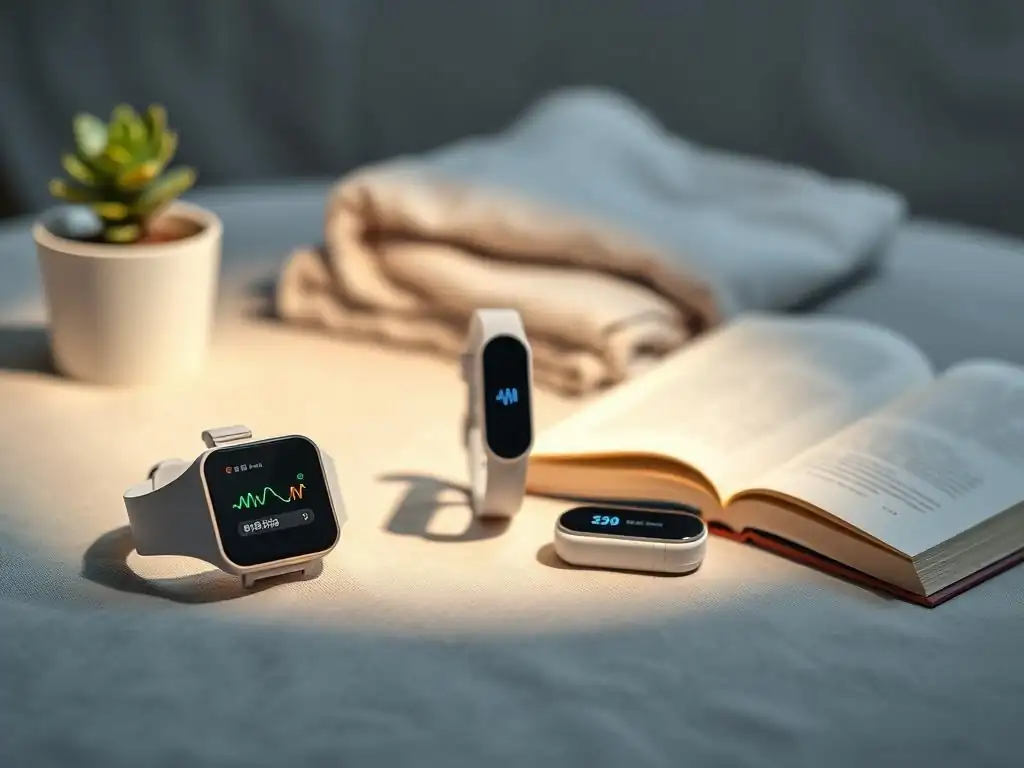
Polar H10: The Gold Standard for HRV Accuracy and Stress Tracking
The Polar H10 chest strap is widely regarded as one of the most accurate consumer-grade devices for measuring heart rate and, critically, R-R intervals necessary for precise HRV calculations. Its ECG-based measurement provides a clean, reliable signal, making it a favorite among researchers, athletes, and individuals who prioritize data fidelity for their HRV monitor stress management. It connects via Bluetooth and ANT+ to a variety of apps, including Polar's own Flow and Beat apps, as well as popular third-party HRV analysis apps like Elite HRV or Kubios.
This versatility allows users to choose the software interface and analysis tools that best suit their needs. The H10 can also store one training session internally, allowing for data recording even when a phone isn't present.
Pros: Exceptional Accuracy, Compatibility with Multiple Apps, Real-Time Data
The primary advantage of the Polar H10 is its industry-leading accuracy, which is crucial for reliable HRV tracking. It provides precise R-R interval data, essential for calculating nuanced HRV metrics. Its broad compatibility means you aren't locked into a single ecosystem and can leverage advanced analysis features offered by specialized HRV apps. Real-time heart rate and R-R data streaming is excellent for biofeedback applications or monitoring physiological responses during specific activities or relaxation exercises.
Cons: Requires Chest Strap, Potentially Uncomfortable for Extended Wear
The main drawback for many users is that the Polar H10 requires wearing a chest strap, which can feel restrictive or uncomfortable for extended periods, such as sleeping or all-day wear in casual settings. While the strap is designed for comfort during activity, it's not as seamless as a wrist-based device for continuous, passive HRV monitor stress management. This limits its utility for capturing overnight HRV or tracking trends throughout a normal workday without conscious effort to put the strap on.
Whoop 4.0: Comprehensive HRV Data and Stress Recovery Insights
The Whoop 4.0 is a wrist-worn (or bicep/apparel-worn) wearable that focuses heavily on recovery, sleep, and strain. It continuously tracks physiological data, including heart rate and HRV, throughout the day and night. Whoop's strength lies in its sophisticated analytics engine, which processes this data to provide users with a daily "Recovery" score.
This score is based on HRV, resting heart rate, sleep performance, and respiratory rate, offering a holistic view of the body's readiness for strain. The platform is designed as a comprehensive HRV monitor stress management tool, providing actionable recommendations based on the recovery score, such as suggesting more rest or indicating readiness for intense activity.
Pros: Detailed Recovery Metrics, Sleep Tracking, Community Features
Whoop excels in providing detailed recovery insights derived from continuous HRV monitoring and other metrics. Its sleep tracking is also highly regarded, contributing significantly to the recovery score. The accompanying app is well-designed, offering clear visualizations and explanations of the data. The subscription model includes access to a community and coaching resources, which can be motivating for some users focused on improving their wellbeing.
Cons: Subscription Required, Can Be Expensive Long-Term
Unlike devices purchased outright, Whoop operates on a subscription model, which can accumulate to a significant cost over time, potentially making it one of the more expensive long-term options for an HRV monitor stress management solution. While the hardware is included with the subscription, the ongoing fee is necessary to access your data and the platform's features. Some users may also find the focus on athletic strain less relevant if their primary goal is purely stress management.
Apple Watch Series 8: A Versatile Option for HRV and General Wellness
The Apple Watch Series 8, like recent predecessors, automatically measures HRV periodically throughout the day and specifically during sleep using its optical heart sensor. While not primarily marketed as a dedicated HRV monitor stress management device, it collects this valuable data as part of its broader health and wellness tracking suite. The data is accessible within the Health app on the iPhone, offering insights into trends over time. Its convenience as a smartwatch makes it an attractive option for many people already integrated into the Apple ecosystem.
Pros: All-in-One Functionality, User-Friendly Interface, Integration with Apple Ecosystem
The Apple Watch is a highly versatile device, combining HRV tracking with notifications, fitness tracking, ECG capabilities (for atrial fibrillation detection, distinct from continuous HRV), and a vast app ecosystem. Its interface is intuitive and user-friendly. For existing Apple users, the seamless integration of HRV data into the Health app alongside other health metrics like sleep, activity, and mindfulness minutes is a significant advantage.
Cons: HRV Accuracy Can Vary, Shorter Battery Life Compared to Dedicated HRV Monitors
While the Apple Watch measures HRV, the accuracy and frequency of these measurements can be less consistent than dedicated HRV monitors, especially those using chest straps. Measurements are often taken opportunistically or during sleep, not continuously throughout the day. The battery life, typically around 18 hours for the Series 8 with normal use, requires daily charging, which can interrupt continuous tracking compared to devices with multi-day battery life. The focus is also broader wellness rather than deep-dive HRV monitor stress management analytics out-of-the-box, although third-party apps can leverage the data.
Garmin Forerunner 955: Robust HRV Tracking for Athletes and Stress Management
Garmin's higher-end running watches, like the Forerunner 955, have incorporated advanced HRV tracking, often branded as "HRV Status." This feature relies on overnight HRV measurements to provide insights into recovery, training readiness, and overall physiological balance. Garmin uses algorithms to interpret the overnight HRV data and present it within the context of the user's training load and sleep, offering a daily assessment of their readiness. While primarily targeted at athletes, the physiological insights are directly relevant to HRV monitor stress management.
Pros: Long Battery Life, Advanced Training Metrics, Detailed HRV Analysis
Garmin devices are known for their exceptional battery life, often lasting several days or even weeks depending on usage, which is excellent for continuous overnight HRV tracking. They offer a wealth of advanced metrics related to training, recovery, and physiological state. The Garmin Connect app provides detailed analysis of HRV status, showing trends and interpreting what the data suggests about your body's current state relative to your baseline, which is valuable for both athletic performance and stress management.
Cons: Can Be Complex for Beginners, Focus on Fitness Over Pure Stress Management
The extensive feature set and detailed data presented by Garmin can be overwhelming for users new to wearables or those whose primary focus is solely HRV monitor stress management without an interest in athletic tracking. The interface and data presentation are heavily geared towards fitness and performance analysis. While the HRV data is relevant to stress, the insights are often framed within the context of training recovery rather than broader mental wellness, although the underlying physiological principle is the same.
Comparing HRV Monitors: Accuracy, Comfort, and Cost Considerations
Choosing the right HRV monitor stress management tool involves balancing several factors. Accuracy is paramount for reliable data; chest straps like the Polar H10 generally offer the highest precision, while wrist devices provide convenience but may have slightly less accurate raw R-R data depending on the model and conditions. Comfort is crucial for consistent use, especially for overnight tracking; wrist devices or rings are often preferred over chest straps for continuous wear.
Cost varies significantly, from affordable chest straps and basic apps to expensive subscription services like Whoop or high-end smartwatches. A basic chest strap might cost around $70-$100, while a feature-rich smartwatch can range from $250 to over $500, and a Whoop subscription is around $30/month or less with longer commitments. Consider your budget and how much you value accuracy versus convenience and additional features.
For someone prioritizing the most reliable HRV data for clinical or deep personal insight, a chest strap paired with a dedicated app might be ideal. For someone wanting passive, all-day HRV monitor stress management integrated into a daily wearable, a reputable smartwatch or fitness tracker with validated HRV features could be a better fit.
Using Your HRV Monitor for Stress Management: Practical Tips and Techniques
Establishing a Baseline HRV: Understanding Your Normal Stress Levels
Before you can use your HRV monitor stress management data effectively, you need to establish a personal baseline. Your HRV is unique to you and influenced by genetics, age, fitness level, and lifestyle. Comparing your HRV to population averages isn't as useful as comparing your current HRV to your own historical data.
To establish a baseline, consistently measure your HRV under controlled conditions for at least 5-7 days, ideally longer (2-4 weeks is better). The most reliable time is typically first thing in the morning, immediately after waking up, before getting out of bed, eating, or drinking caffeine. Many apps guide you through a consistent morning measurement protocol (e.g., sitting upright for 2-5 minutes).
During this baseline period, try to maintain your normal routine. Avoid introducing significant changes to your sleep, diet, or exercise if possible. Record subjective feelings about your stress levels, sleep quality, and energy alongside the HRV data.
This helps you begin to correlate your physiological data with your lived experience. For example, you might notice that after a night of poor sleep, your morning HRV is consistently lower than your average. Establishing this baseline provides the critical reference point against which you can interpret daily fluctuations and understand what your normal stress and recovery state looks like according to your HRV monitor stress management tool.
Tracking Your HRV During Stressful Situations: Identifying Triggers and Patterns
While morning measurements provide a snapshot of your recovery status, tracking HRV at other times can help you identify how specific events or activities impact your physiological state in real-time. If your device allows for spot checks or continuous monitoring, try taking measurements before, during, and after potentially stressful situations – perhaps before a big presentation, during a challenging meeting, or after commuting in heavy traffic. Note down the context and your subjective feelings.
Over time, you'll start to see patterns emerge. You might observe that your HRV drops significantly during or immediately after interactions with a particular person or in a specific environment. Conversely, you might see your HRV increase after engaging in a relaxing hobby or spending time in nature.
This process of correlating your activities and feelings with your HRV data collected by your HRV monitor stress management device is invaluable for identifying personal stress triggers and understanding their physiological impact. For instance, a user might discover their HRV consistently dips on Sunday evenings, indicating anticipatory work stress for the week ahead, allowing them to implement specific wind-down strategies.
Using HRV Biofeedback for Stress Reduction: Guided Breathing and Mindfulness Exercises
HRV biofeedback is a powerful technique that uses real-time HRV data to help you learn to regulate your autonomic nervous system. By watching your HRV change on a screen as you practice techniques like slow, controlled breathing, you get immediate feedback on how your efforts are impacting your physiological state.
Breathing at a rate of approximately 5-7 breaths per minute often maximizes HRV, a state known as resonance frequency breathing. Many HRV monitor stress management apps offer guided breathing exercises that visually or audibly cue you to inhale and exhale at an optimal pace while displaying your real-time HRV or a related metric.
Practicing HRV biofeedback regularly can train your body to increase parasympathetic activity and improve vagal tone, making it easier to return to a calm state after experiencing stress. It's a tangible way to see the benefits of mindfulness, meditation, or deep breathing exercises reflected in your physiological data. For example, a user might see their HRV significantly increase during a 10-minute guided biofeedback session compared to their baseline, reinforcing the effectiveness of the practice and motivating them to incorporate it regularly into their routine as part of their HRV monitor stress management strategy.
Consider Sarah, a 32-year-old software engineer who felt constantly overwhelmed by project deadlines and long hours. She often felt stressed but dismissed it as "part of the job." After experiencing frequent headaches and difficulty sleeping, she started using an HRV monitor stress management chest strap paired with a dedicated HRV analysis app, taking morning measurements and occasional spot checks. Her initial baseline HRV was consistently below average for her age and fitness level, indicating significant chronic stress. Spot checks during demanding work periods showed marked drops in her HRV.
Using the data, Sarah identified key patterns: her HRV plummeted after late-night coding sessions and intense meetings with tight deadlines. She also noticed her HRV slightly increased after short walking breaks and significantly improved on weekends when she prioritized hobbies. Armed with this objective feedback, Sarah made deliberate changes: she set stricter boundaries around work hours, incorporated 15-minute mindfulness breaks using an app that showed her real-time HRV response, and prioritized getting at least 7.5 hours of sleep nightly.
After three months of consistent monitoring and lifestyle adjustments, Sarah's morning baseline HRV increased by over 20%, her headaches decreased, and she reported feeling more resilient and less overwhelmed by work pressure. Her HRV monitor stress management tool provided the data and motivation she needed to make sustainable changes.
Optimizing Your Lifestyle for Better HRV and Stress Resilience
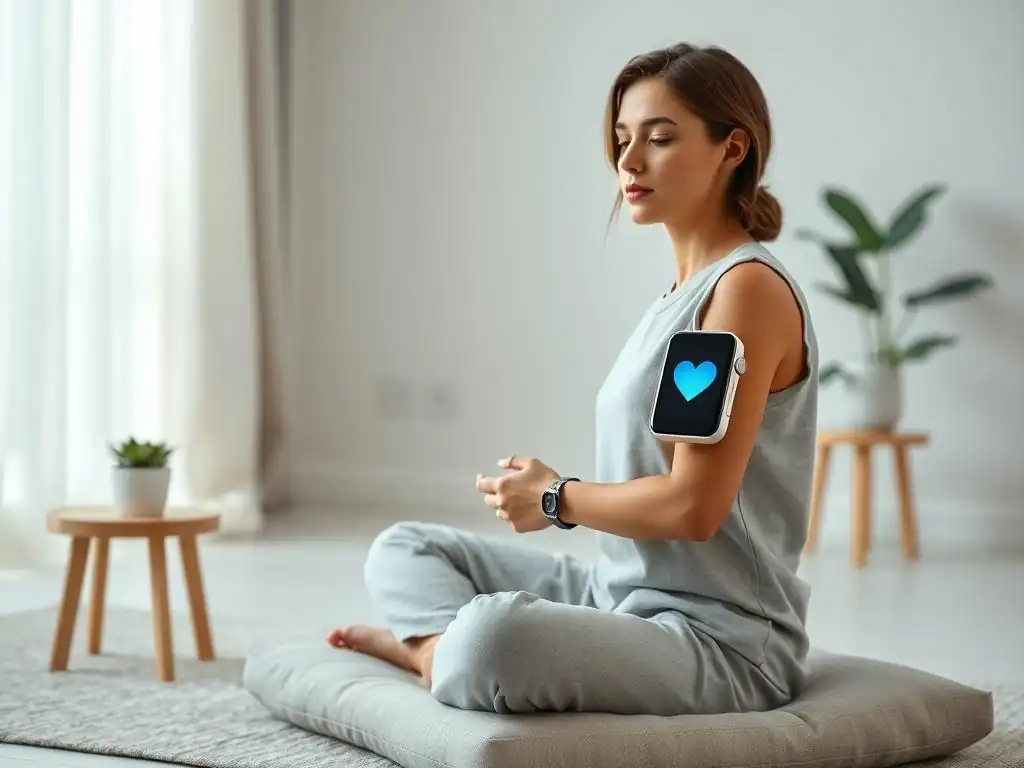
The Impact of Sleep on HRV: Prioritizing Rest for Improved Mental Wellbeing
Sleep is arguably one of the most critical factors influencing HRV and, consequently, stress resilience and mental wellbeing. During sleep, particularly during deep sleep stages, the parasympathetic nervous system is typically dominant, allowing the body to rest, repair, and consolidate memories. Poor sleep quality, insufficient sleep duration, or inconsistent sleep schedules can disrupt this vital recovery process, leading to suppressed parasympathetic activity and lower HRV. Many HRV monitor stress management devices that track sleep will incorporate sleep data into their recovery or readiness scores, highlighting the strong link.
Scientific studies consistently show a correlation between adequate, high-quality sleep and higher HRV. For instance, research published in the Journal of Sleep Research has demonstrated that sleep deprivation significantly reduces HRV. Prioritizing 7-9 hours of consistent, quality sleep is foundational for improving your HRV and enhancing your body's ability to handle stress.
Using your HRV monitor stress management data to correlate with your sleep patterns can provide tangible evidence of the impact of sleep on your recovery, motivating you to make sleep a non-negotiable part of your daily routine. Tracking how changes in bedtime or sleep environment affect your morning HRV can help you optimize your sleep hygiene.
The Role of Nutrition in HRV: Fueling Your Body for Stress Resistance
Nutrition plays a significant, albeit complex, role in influencing HRV and overall physiological resilience to stress. A balanced diet rich in whole foods, including fruits, vegetables, lean proteins, and healthy fats, provides the necessary nutrients for optimal bodily function, including the regulation of the autonomic nervous system. Conversely, diets high in processed foods, sugar, and unhealthy fats, or excessive consumption of stimulants like caffeine and alcohol, can negatively impact HRV. For example, dehydration and electrolyte imbalances can stress the cardiovascular system, potentially lowering HRV.
Specific nutrients are particularly important. Omega-3 fatty acids, found in fatty fish, have been linked to increased HRV in some studies, possibly due to their anti-inflammatory effects. Magnesium is another mineral crucial for nerve and muscle function, and deficiency can potentially impact ANS regulation.
While an HRV monitor stress management device won't directly tell you what to eat, observing how your HRV changes after dietary shifts or periods of poor eating can provide clues about the impact of your nutrition on your physiological state. For instance, a user might notice a dip in HRV after a weekend of heavy alcohol consumption or processed food, reinforcing the importance of healthier choices for maintaining resilience.
Exercise and HRV: Finding the Right Balance for Optimal Health
Exercise has a biphasic relationship with HRV. Acute, intense exercise temporarily stresses the body, leading to a significant drop in HRV during and immediately after the activity as the sympathetic nervous system is activated. However, chronic, consistent physical activity, particularly moderate-intensity aerobic exercise, is associated with higher baseline HRV over time. This is because regular training improves cardiovascular fitness and enhances vagal tone, making the ANS more adaptable. An HRV monitor stress management tool can be invaluable for finding the right balance, especially for active individuals.
Overtraining is a common pitfall that leads to persistently low HRV, indicating insufficient recovery and increased physiological stress. Using your HRV monitor stress management data to guide your training intensity and recovery days can prevent burnout. If your morning HRV is significantly lower than your baseline, it might indicate you haven't fully recovered from previous exertion or stress, suggesting a lighter workout or rest day is needed. For example, an athlete might see their HRV consistently low after a block of intense training, prompting them to schedule a deload week, and observe their HRV rebound as recovery occurs.
Mindfulness and Meditation for HRV Improvement: Calming the Nervous System
Mindfulness and meditation practices are well-documented for their positive impact on stress reduction and can directly influence HRV by promoting parasympathetic activity. These practices often involve focusing on the breath, which, as mentioned earlier, is intimately linked with heart rate variability. By consciously slowing and deepening the breath, individuals can stimulate the vagus nerve and increase HRV in real-time. Regular practice cultivates a greater sense of calm and improves the body's baseline ability to manage stress.
Using an HRV monitor stress management device during mindfulness or meditation can provide objective feedback on the physiological effects of these practices. Many apps integrate guided sessions with real-time HRV display, allowing users to see their HRV increase as they relax and regulate their breathing. This visual confirmation can be highly motivating and help users identify which techniques are most effective for them.
For instance, a user might find that a 10-minute body scan meditation increases their HRV by 15% compared to their baseline, reinforcing its value as a stress-reducing tool. Consistent practice over weeks and months can lead to a higher resting HRV, reflecting enhanced stress resilience.
Integrating HRV Data with Mental Health Apps and Therapies
Using HRV Data to Inform Therapy Sessions: A Deeper Understanding of Patient Stress
HRV data can serve as a valuable objective complement to subjective reporting in mental health therapy. Patients often struggle to articulate the physical manifestations of their stress, anxiety, or trauma. Sharing HRV trends with a therapist can provide concrete physiological evidence of their state, helping the therapist gain a deeper understanding of the patient's internal experience. For example, a patient discussing a stressful work situation might show a corresponding dip in HRV data from that day, providing a tangible link between the stressor and their physiological response that can be explored in session.
Therapists can use the HRV monitor stress management data to track the effectiveness of therapeutic interventions. If a patient is learning coping mechanisms, cognitive restructuring techniques, or exposure therapy, changes in their HRV baseline or response to stressors over time can indicate whether these strategies are leading to improved physiological regulation. This data can facilitate more targeted interventions and empower the patient by providing objective proof of progress in managing their stress response.
Connecting Your HRV Monitor to Mental Wellness Apps: Personalized Insights and Guidance
Many mental wellness and therapy apps are beginning to integrate with HRV monitor stress management devices, allowing users to connect their physiological data with mood tracking, journaling, and guided exercises. This integration creates a more personalized and informed mental wellness experience. For instance, an app might use your daily HRV recovery score to suggest specific mindfulness exercises or breathing techniques tailored to your current physiological state – recommending a calming meditation if your HRV is low or a more energizing practice if your recovery is good.
By correlating HRV data with subjective entries about mood, anxiety levels, or specific events, these apps can help users identify patterns they might not otherwise notice. For example, the app might highlight that low HRV days consistently coincide with feelings of irritability or difficulty concentrating. This integrated approach provides a richer context for understanding the mind-body connection and empowers users with data-driven insights to manage their mental health proactively. It turns the HRV monitor stress management tool into a more interactive and guiding resource for daily wellbeing.
The Future of HRV Monitoring: AI-Powered Stress Management and Personalized Interventions
The future of HRV monitor stress management is likely to involve increasingly sophisticated integration with artificial intelligence (AI) and machine learning. As AI algorithms analyze vast datasets of individual HRV patterns alongside lifestyle factors, mood, and environmental data, they can become incredibly adept at predicting periods of high stress or low resilience before the user even feels the full impact. This predictive capability could enable highly personalized, just-in-time interventions.
Imagine an AI-powered HRV monitor stress management system that learns your unique stress triggers and recovery patterns. It could alert you proactively on a morning when your HRV indicates low resilience and suggest specific, evidence-based coping strategies tailored to your personality and situation – perhaps recommending a specific type of breathing exercise before a known stressful meeting or suggesting a short walk if your HRV shows stagnation.
Future applications might also see HRV data integrated into workplace wellness programs, personalized therapy plans, or even public health initiatives focused on stress reduction and resilience building at a larger scale. The potential for using this physiological signal to inform and optimize mental wellbeing strategies is vast.
Investing in Your Wellbeing: Choosing the Right HRV Monitor for Stress Management
Budget Considerations: Finding an HRV Monitor That Fits Your Needs and Price Range
The cost of HRV monitor stress management tools varies widely, from relatively inexpensive chest straps to high-end smartwatches and subscription services. It's important to consider your budget and what level of investment you're comfortable making in your wellbeing technology.
A basic chest strap (e.g., Polar H10, around $80-$100) paired with a free or low-cost third-party app can provide highly accurate HRV data for a relatively low initial cost, though it requires the separate cost of the app if not free. Mid-range fitness trackers or smartwatches (e.g., Garmin Forerunner 255, Apple Watch SE, typically $250-$350) offer continuous tracking and integrated features but may have slightly less accurate raw HRV data than chest straps.
High-end devices (e.g., Apple Watch Series 8/9, Garmin Forerunner 955/965, typically $400-$600+) offer more features, potentially better sensors, and longer battery life, but come at a premium price. Subscription services like Whoop (around $24-30/month) have a lower upfront cost but higher long-term expenditure. Determine what features are essential for your HRV monitor stress management goals – is it just accurate morning readings, or do you need continuous monitoring, integrated sleep tracking, or guided biofeedback? Match your needs to the available options within your price range.
Choosing the Right Device for Your Lifestyle: Prioritizing Comfort and Functionality
The best HRV monitor stress management device for you is one you will actually use consistently. Comfort and functionality are key considerations based on your lifestyle. If you are comfortable wearing a chest strap for a few minutes each morning for the most accurate readings, a chest strap might be ideal. If you prefer passive, continuous tracking throughout the day and night without extra effort, a wrist-based device like a smartwatch, fitness tracker, or ring is likely a better fit.
Consider how the device integrates into your daily routine. Do you already wear a smartwatch? If so, leveraging its existing HRV capabilities might be the simplest approach. Do you want something specifically focused on recovery and performance? Devices like Whoop or higher-end Garmins might appeal.
Think about where and when you want to track your HRV. Do you need it for real-time biofeedback during meditation? A device with real-time streaming capability is necessary. Prioritizing comfort for consistent wear (especially for overnight tracking) and functionality that aligns with your specific HRV monitor stress management goals will lead to a more successful long-term experience.
Long-Term Benefits of HRV Monitoring: Improved Stress Management and Mental Wellbeing
Investing in an HRV monitor stress management tool is an investment in your long-term health and resilience. By providing objective data on your physiological state, HRV monitoring empowers you to move from reactive stress coping to proactive stress prevention and management. Consistent tracking helps you understand your body's signals, identify personal stressors, evaluate the effectiveness of your coping strategies, and make informed lifestyle choices that support your mental and physical health.
Over time, consistent use can lead to improved self-awareness, better sleep, optimized exercise routines, and more effective stress reduction practices. This cumulative effect can result in a higher baseline HRV, indicating a more resilient autonomic nervous system better equipped to handle life's challenges. While an HRV monitor stress management device is not a cure-all, it is a powerful tool that, when used mindfully alongside other healthy habits and professional support if needed, can significantly contribute to enhanced stress management and overall mental wellbeing.
Frequently Asked Questions
What is an HRV monitor and how does it relate to stress management?
An HRV monitor measures heart rate variability, which is the variation in time between heartbeats. Higher HRV generally indicates better stress resilience and a more relaxed state, making it a helpful tool for stress management.
How can an HRV monitor help me manage my stress levels?
By tracking your HRV, you can identify patterns related to stress triggers. This data allows you to make informed decisions about lifestyle changes, relaxation techniques, and stress reduction strategies.
Are HRV monitors only for people with diagnosed anxiety or stress disorders?
No, HRV monitors can benefit anyone interested in understanding their body's response to stress. They can be used for general wellness and to optimize performance in various areas of life.
What factors should I consider when choosing an HRV monitor?
Consider factors like accuracy, comfort, ease of use, the type of data provided, and compatibility with other apps or devices. Also, think about your budget and desired features.
How often should I use an HRV monitor to effectively manage stress?
The frequency depends on your individual needs and goals. Starting with daily measurements can provide a good baseline, then adjust as needed based on your progress and the insights you gain.
Final Reflection: Harnessing Your Body's Wisdom for Stress Management
Understanding your heart's rhythm is no longer a niche pursuit; it's a powerful tool for navigating the relentless pressures of modern life. The ability to quantify and manage stress through HRV monitoring is becoming increasingly crucial in a world demanding ever more from us. Ignoring the signals our bodies send is a recipe for burnout; embracing them, through tools like HRV monitors, is a path to resilience and well-being.
The journey towards understanding and managing stress is deeply personal, and the insights gained from using an HRV monitor have profoundly impacted my own approach to self-care. It's not just about numbers on a screen; it's about developing a more intimate relationship with your body's responses. This allows for a proactive, rather than reactive, approach to stress management. The body keeps the score,
as Bessel van der Kolk so eloquently puts it, and HRV monitoring provides a tangible way to understand that score and begin to rewrite it.
You now possess the knowledge to choose your stress ally – an HRV monitor – and embark on a journey of self-discovery. Consider this not just an investment in technology, but an investment in yourself. Start small, experiment with different techniques, and pay attention to the subtle shifts in your data and, more importantly, how those shifts translate into your daily experience. The power to manage your stress effectively lies within your grasp; take the first step today.
Unlock Your Body's Wisdom: Take Control of Your Stress
Thanks for exploring the world of HRV monitoring with Mind Care Guide! We hope you now have a clearer understanding of how this technology can empower you to manage your stress levels effectively.
Ready to take the next step?
- Invest in your well-being: Research and choose an HRV monitor that best fits your lifestyle and budget. Consider the features that are most important to you, such as ease of use and data visualization.
- Download a meditation app and pair it with your HRV monitor for a holistic approach to stress reduction. Track your progress and discover your best meditation practices!
- Share your experience: Tell us (and others!) about your journey with HRV monitoring in the comments below. What insights have you gained?
What personalized stress-management technique will you incorporate into your daily routine based on your HRV data?