
The Unique Impact of Military Culture on Veteran Mental Health

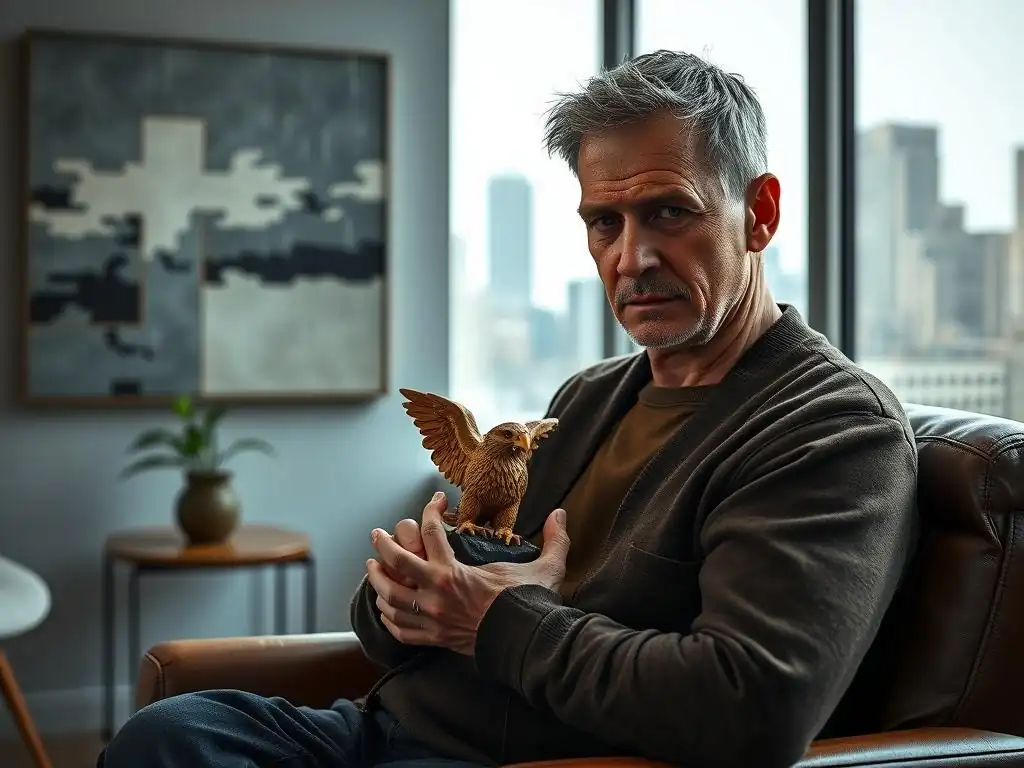
Welcome to Mind Care Guide, a sanctuary for understanding and navigating the complexities of mental well-being. Are you a veteran, or do you know someone who is, struggling with the unique challenges that come with serving our country? This is a space to explore how military culture profoundly shapes veteran mental health. We'll delve into the often-unseen pressures and explore pathways to healing, offering support and resources along the way. Discover how understanding these specific dynamics can be the first step towards a brighter, more resilient future.
- The Profound Influence of Military Culture on Veteran Mental Health: A Comprehensive Guide
- How Military Culture Shapes Veteran Mental Health: Specific Impacts
- Positive Aspects of Military Culture and Mental Health Resilience
-
Addressing the Negative Impacts: Therapeutic Approaches for Veterans
- Trauma-Informed Care for Veterans: Addressing Complex Trauma and Co-occurring Disorders
- Cognitive Processing Therapy (CPT) for PTSD and Negative Thought Patterns in Veterans
- Group Therapy and Peer Support for Veterans: Fostering Trust and Shared Understanding
- Narrative Therapy for Reconstructing Identity and Meaning After Military Service
- Equine Therapy and Outdoor Behavioral Healthcare for Veterans
- Resources and Support for Veterans Struggling with Mental Health
- Promoting Cultural Competency in Mental Healthcare Providers
- Conclusion: Fostering a Supportive Environment for Veteran Mental Health
-
Frequently Asked Questions
- What are some of the unique aspects of military culture that can impact veteran mental health?
- How does the transition from military to civilian life contribute to mental health issues in veterans?
- Why is it important to understand military culture when addressing veteran mental health?
- What are some common mental health challenges faced by veterans that are linked to their military service?
- Where can veterans find resources and support specifically tailored to address the impact of military culture on their mental health?
- Final Reflection: The Unseen Scars of Service
- Unlock Your Understanding: Supporting Veteran Mental Wellness
The Profound Influence of Military Culture on Veteran Mental Health: A Comprehensive Guide
Defining Military Culture: Hierarchy, Duty, and Sacrifice
Military culture is a complex system of shared values, beliefs, norms, and behaviors that are deeply ingrained in service members from the moment they enter training. At its core are principles like hierarchy, emphasizing strict adherence to rank and command structure; duty, prioritizing mission accomplishment and collective good above personal needs; and sacrifice, acknowledging the potential for extreme personal cost, including injury or death, in service to the nation.
This environment fosters strong bonds of camaraderie and a clear sense of purpose, which can be protective during service, but the rigid structure and emphasis on suppressing personal vulnerability can pose significant challenges to veteran mental health upon transitioning out.
This unique environment shapes individuals profoundly, instilling a specific worldview and set of coping mechanisms. The emphasis on stoicism and self-reliance, often necessary in high-stress operational environments, can become a barrier when veterans face mental health challenges in civilian life. For example, studies and clinical observations consistently show that veterans may be hesitant to seek help for conditions like PTSD or depression due to a perceived stigma rooted in the military's expectation of mental toughness and resilience. Understanding this foundational aspect of military culture is crucial for grasping its subsequent impact on veteran mental health outcomes.
The Transition from Military to Civilian Life: Identity and Purpose
The shift from military to civilian life represents a significant identity transition for veterans. For years, their identity was inextricably linked to their service, their rank, their unit, and the clear mission they pursued. The military provided a structured environment, a defined role, and a powerful sense of belonging and shared purpose. Upon separation, veterans often lose this structure, their defined role, and the intense camaraderie, leading to feelings of disorientation and a search for a new identity outside of the military context. This loss of purpose and belonging is a major factor influencing military culture veteran mental health.
This transition can be particularly challenging because the skills and values highly prized in the military – such as aggression, hypervigilance, and strict adherence to orders – may not translate well or may even be detrimental in civilian social and professional settings. Veterans may struggle to find civilian employment that offers a similar sense of mission or utilizes their specialized skills effectively. This disconnect between their military identity and their civilian reality can contribute to feelings of isolation, frustration, and a decline in mental well-being, highlighting the complex interplay between military culture and veteran mental health post-service.
How Military Culture Shapes Veteran Mental Health: Specific Impacts
The Impact of Military Culture on Mental Health Stigma in Veterans
Military culture, with its strong emphasis on strength, resilience, and suppressing vulnerability, significantly contributes to the stigma surrounding mental health among service members and veterans. Admitting to struggling with psychological issues can be perceived as a sign of weakness or a failure to live up to the military's ideals of stoicism and mental toughness.
This perception is often reinforced by informal interactions and the historical lack of emphasis on mental wellness compared to physical readiness. Consequently, many veterans internalize this stigma, making them reluctant to acknowledge their struggles or seek necessary professional help, directly impacting military culture veteran mental health statistics.
This internalized stigma is a major barrier to care. Veterans may fear negative repercussions from their peers, superiors, or even future employers if they disclose mental health challenges. A survey by the VA several years ago indicated that a significant percentage of veterans believed seeking mental health care would negatively impact their career or social standing.
This fear, deeply rooted in the cultural norms learned during service, means that many veterans suffer in silence, allowing conditions like PTSD, depression, and anxiety to worsen untreated. Addressing this cultural barrier is paramount to improving access and effectiveness of mental health services for this population.
Addressing Perceptions of Weakness within Military Culture
The perception of seeking mental health support as a weakness is deeply embedded within historical military norms. Service members are trained to be resilient, physically and mentally tough, and to push through adversity without complaint. This ethos, while beneficial in combat, creates an environment where admitting to psychological distress can be seen as failing to meet the standard. Efforts to counter this perception involve leadership promoting mental health as a component of overall readiness and strength, not a deficit.
Initiatives within the military and veteran communities are working to normalize help-seeking behavior. For instance, programs featuring senior leaders or respected veterans sharing their own experiences with mental health challenges can be powerful in breaking down stigma. Emphasizing that seeking therapy or counseling is a sign of proactive self-care and strength, rather than weakness, is key to changing the cultural narrative and improving military culture veteran mental health outcomes.
Overcoming Logistical and Systemic Barriers to Mental Healthcare for Veterans
Beyond cultural stigma, veterans face significant logistical and systemic barriers when accessing mental healthcare. These include long wait times for appointments at VA facilities, geographical distance from specialized care, and navigating complex eligibility and enrollment processes. Furthermore, finding civilian providers who are culturally competent and understand the unique experiences of military service can be challenging.
Efforts to overcome these barriers involve expanding telehealth services, increasing funding for community-based veteran mental health programs, and improving collaboration between the VA and civilian healthcare systems. Streamlining the enrollment process and providing dedicated navigators to help veterans access benefits and appointments are also critical steps. Addressing these practical hurdles is just as important as tackling cultural stigma in ensuring veterans receive timely and appropriate mental health support.
The Role of Military Culture in PTSD Development Among Veterans
Military culture's inherent exposure to trauma, combined with the expectations placed upon service members, plays a significant role in the development and manifestation of PTSD among veterans. The nature of military operations, particularly in combat zones, involves exposure to life-threatening situations, witnessing death and injury, and experiencing intense stress and violence.
The cultural imperative to remain composed, suppress emotions, and continue the mission can prevent service members from processing traumatic experiences in real-time, potentially leading to delayed or exacerbated symptoms later. The normalization of violence and the emphasis on maintaining operational readiness can also desensitize individuals in ways that make re-integration into civilian life challenging.
Moreover, specific aspects of military culture, such as prolonged deployments, frequent moves, and separation from family, add layers of stress that can compound the impact of direct trauma exposure. The expectation to always be "on" and ready for deployment can lead to chronic hypervigilance, which is a core symptom of PTSD. While military training prepares individuals for high-stress environments, it doesn't always adequately prepare them for the psychological aftermath, particularly when the cultural norms discourage openly discussing fear, grief, or psychological distress. This complex relationship underscores the unique aspects of military culture veteran mental health challenges related to trauma.
Examining Moral Injury and its Contribution to PTSD
Moral injury, a concept gaining increasing recognition, refers to the psychological distress that results from actions taken or witnessed that violate one's moral or ethical code. This can occur in military contexts when individuals are involved in acts of killing, witnessing atrocities, or failing to prevent harm in situations where they feel responsible. Military culture, with its emphasis on obeying orders and achieving the mission at all costs, can sometimes place service members in situations where moral injury is likely, even if the actions are deemed necessary under the circumstances.
The inability to reconcile these experiences with one's personal values can lead to profound guilt, shame, and spiritual distress, which often co-occur with or exacerbate PTSD symptoms. Unlike traditional trauma, moral injury involves a violation of core beliefs about right and wrong, making it particularly challenging to process and heal from. Addressing moral injury requires therapeutic approaches that focus on forgiveness (of self and others), restoring trust, and finding meaning after such experiences, recognizing its distinct impact on military culture veteran mental health.
The Influence of Hypervigilance and Startle Response on Civilian Adaptation
Military training instills hypervigilance and a heightened startle response as survival mechanisms, essential for recognizing and reacting quickly to threats in dangerous environments. While critical during service, these traits can become maladaptive and distressing in civilian life. A veteran might react intensely to loud noises, sudden movements, or crowded spaces, interpreting them as potential threats even when they are harmless. This constant state of alertness is exhausting and can severely impair a veteran's ability to relax, sleep, and engage comfortably in everyday activities.
This persistent state of hyperarousal is a hallmark symptom of PTSD and significantly hinders successful civilian adaptation. It can make it difficult to maintain relationships, hold down a job, or simply navigate public spaces without feeling overwhelmed or anxious. The ingrained nature of these responses, developed through rigorous military conditioning, highlights how military culture's necessary survival skills can become significant obstacles to mental well-being once the threat environment is removed, illustrating a key challenge in military culture veteran mental health.
Military Culture and the Risk of Depression and Anxiety in Veterans
The transition from military to civilian life, heavily influenced by prior military culture, presents several risk factors for the development of depression and anxiety among veterans. The sudden loss of the highly structured environment, clear routine, and defined purpose that characterized military life can leave veterans feeling adrift and lacking direction.
This abrupt shift can lead to feelings of isolation, decreased motivation, and a struggle to find meaning in daily activities, all of which are significant contributors to depressive symptoms. The strong sense of camaraderie and belonging in the military is often difficult to replicate in civilian settings, exacerbating feelings of loneliness and detachment, key factors impacting military culture veteran mental health.
Furthermore, the pressure to quickly find employment, navigate educational pathways, and re-establish civilian social networks can be overwhelming, particularly when combined with underlying trauma or adjustment difficulties. Financial instability, relationship strain, and difficulty translating military skills and experiences to the civilian job market add further stress. The ingrained military cultural norm of self-reliance and suppressing emotional struggles can prevent veterans from seeking help for these accumulating stressors, allowing anxiety and depression to deepen untreated.
The Impact of Loss of Structure and Routine after Service
Military life is defined by strict structure, clear routines, and a predictable daily schedule. From wake-up calls and physical training to work duties and lights out, every aspect of a service member's day is typically planned and regulated. This structure provides a sense of stability, predictability, and purpose. Upon leaving the military, this external structure is suddenly removed, and veterans are often left to create their own routines.
For many, this lack of imposed structure can be disorienting and lead to feelings of aimlessness. Without the external motivation of military duties, daily life can feel overwhelming or meaningless. This loss of routine can disrupt sleep patterns, eating habits, and overall self-care, contributing significantly to the onset or worsening of depressive and anxious symptoms. Re-establishing a healthy structure and routine is a critical step in supporting veteran mental health during the transition.
Navigating Educational and Career Transitions Post-Service
The process of transitioning to civilian education or employment after military service is a major stressor influenced by military culture. Veterans often possess valuable skills, but translating military occupational specialties (MOS) or Navy ratings into civilian job titles and resumes can be challenging. Employers may not fully understand the scope of their responsibilities or the leadership and teamwork skills they possess.
Furthermore, the academic environment or civilian workplace culture can be vastly different from the military, requiring significant adjustment. Veterans may struggle with different communication styles, less rigid hierarchies, and the lack of a shared mission. The pressure to succeed in these new environments while potentially dealing with mental health issues related to their service can be immense, increasing the risk of anxiety and depression as they navigate these crucial life transitions.
Military Culture and Suicidal Ideation Among Veterans
The alarmingly high rates of suicidal ideation and suicide deaths among veterans are intricately linked to the unique stressors of military service and the influence of military culture on veteran mental health. Factors such as exposure to trauma, the difficulty of transitioning to civilian life, loss of identity and purpose, social isolation, and the cultural stigma surrounding mental health all contribute to this risk. The combination of psychological distress, feelings of hopelessness, and difficulty connecting with others post-service creates a particularly vulnerable state.
A critical factor is the prevalence of access to lethal means within the veteran community, often a legacy of military training. While not a direct result of culture itself, the comfort and familiarity with firearms, combined with acute psychological distress, significantly increases the risk that a suicidal thought will become a completed act. Addressing this requires a multi-faceted approach that includes reducing stigma, improving access to care, fostering social connection, and promoting safe storage practices.
Understanding the Interplay of Trauma, Isolation, and Access to Lethal Means
Suicidal risk in veterans is often a complex interplay of multiple factors. Trauma exposure, particularly combat trauma or military sexual trauma (MST), is a significant predictor. However, trauma alone does not account for the elevated risk. Isolation is another critical component; the loss of the tight-knit military community leaves many veterans feeling disconnected and alone, lacking a support system to help them through difficult times.
When trauma-related distress and profound isolation converge with ready access to firearms or other lethal means, the risk of suicide escalates dramatically. Military culture, while fostering camaraderie during service, does not always adequately prepare individuals for the social challenges of civilian life. Understanding this dangerous synergy is crucial for developing effective suicide prevention strategies tailored to the veteran population.
Promoting Crisis Intervention and Safe Storage Practices within the Veteran Community
Effective suicide prevention requires both proactive mental health support and immediate crisis intervention. Promoting awareness of veteran-specific crisis hotlines and resources, such as the Veterans Crisis Line, is essential. Training veterans and their families to recognize warning signs and know how to respond in a crisis can save lives.
Equally important is addressing access to lethal means. While respecting Second Amendment rights, initiatives promoting safe firearm storage – such as using gun safes, trigger locks, or storing ammunition separately – can create a crucial barrier during moments of acute distress. Encouraging veterans to voluntarily store firearms with trusted friends or family members during difficult periods is another potential strategy. These efforts, combined with reducing stigma and improving access to care, are vital components of a comprehensive approach to preventing suicide among veterans.
Positive Aspects of Military Culture and Mental Health Resilience

While military culture presents challenges, it also cultivates powerful protective factors for veteran mental health. Foremost among these is unit cohesion – the strong bonds of trust, loyalty, and mutual support developed among service members who share challenging and often dangerous experiences. This deep camaraderie provides a robust social support network during active duty and can continue to be a source of strength and connection post-service. The shared understanding of military life's unique demands and experiences creates a bond that civilians may not fully grasp.
Veterans often find immense comfort and validation in connecting with fellow veterans who understand their experiences, whether through formal veteran service organizations, informal gatherings, or peer support groups. This shared experience reduces feelings of isolation and provides a sense of belonging that can mitigate the negative impacts of transition and trauma. Leveraging and fostering these connections is a key strategy for promoting resilience and positive military culture veteran mental health outcomes.
Leadership Skills and Their Application to Civic Engagement and Entrepreneurship
Military service instills valuable leadership skills, including decision-making under pressure, problem-solving, teamwork, and effective communication. These skills, honed through training and real-world application, are highly transferable to civilian life. Veterans often possess a strong work ethic, discipline, and the ability to take initiative, qualities that make them valuable assets in various professional and civic roles.
Many veterans successfully apply these leadership skills in entrepreneurship, starting their own businesses and creating jobs. Others become deeply involved in civic engagement, leading community initiatives, running for office, or volunteering for non-profit organizations. Utilizing these skills not only provides veterans with a renewed sense of purpose and contribution but also strengthens communities and the economy, demonstrating the positive legacy of military culture on veteran mental health through meaningful engagement.
Discipline and Resilience as Protective Factors Against Substance Abuse and Homelessness
Military training emphasizes discipline, self-control, and resilience – the ability to bounce back from adversity. While the stressors of service can contribute to mental health challenges, the discipline and resilience developed within military culture can also serve as protective factors against negative outcomes like substance abuse and homelessness. Veterans are often highly motivated and possess the mental fortitude to overcome obstacles.
This ingrained discipline can help veterans maintain structure in their lives, adhere to treatment plans, and resist the temptations of substance misuse. Their resilience, forged in challenging environments, can enable them to persevere through difficult transitions, seek help when needed, and rebuild their lives. Supporting veterans in leveraging these strengths, perhaps through structured programs or mentorship, is crucial in preventing substance abuse and homelessness and promoting long-term military culture veteran mental health stability.
Addressing the Negative Impacts: Therapeutic Approaches for Veterans
Trauma-Informed Care for Veterans: Addressing Complex Trauma and Co-occurring Disorders
Trauma-informed care is an essential approach when working with veterans, recognizing the high prevalence of trauma exposure during military service. This approach shifts the focus from "What's wrong with you?" to "What happened to you?" and emphasizes creating a safe, trustworthy environment. Given that veterans often experience complex trauma (multiple or prolonged traumatic events) and frequently have co-occurring mental health conditions (like PTSD and substance use disorder or depression), a trauma-informed framework is crucial for effective treatment.
This type of care requires providers to understand the potential impact of trauma on a veteran's behavior, emotional regulation, and ability to form trusting relationships. It involves tailoring treatment plans to address the interconnectedness of trauma, mental health symptoms, and potential substance use. By prioritizing safety, trustworthiness, peer support, collaboration, empowerment, and cultural considerations (including military culture veteran mental health nuances), trauma-informed care helps veterans process their experiences and develop healthier coping mechanisms.
Cognitive Processing Therapy (CPT) for PTSD and Negative Thought Patterns in Veterans
Cognitive Processing Therapy (CPT) is an evidence-based psychotherapy widely used and recommended for treating PTSD in veterans. CPT focuses on helping individuals identify and challenge unhelpful thoughts (stuck points) that may be preventing recovery after trauma. These thoughts often revolve around themes of safety, trust, power, control, intimacy, and self-esteem.
Through structured sessions, veterans learn to examine how their thinking patterns about the trauma and its aftermath are contributing to their symptoms. They develop skills to evaluate and modify these thoughts, leading to a more balanced and accurate understanding of the event and its impact. CPT has demonstrated significant effectiveness in reducing PTSD symptoms, including those stemming from military trauma, by helping veterans process their experiences and change their relationship with their traumatic memories.
Group therapy and peer support are invaluable resources for veterans struggling with mental health challenges, particularly those influenced by military culture veteran mental health dynamics. Sharing experiences with fellow veterans in a safe and confidential setting can significantly reduce feelings of isolation and provide a sense of validation and understanding that civilian interactions may lack.
In group settings, veterans can connect with others who have faced similar challenges, such as combat exposure, moral injury, or the difficulties of transition. This shared understanding fosters trust and encourages open communication about difficult topics. Peer support programs, led by veterans themselves, offer mentorship, empathy, and practical guidance from someone who has "been there," reinforcing the message that recovery is possible and they are not alone.
Narrative Therapy for Reconstructing Identity and Meaning After Military Service
Narrative therapy can be particularly helpful for veterans navigating the complex identity transition from military to civilian life, a process heavily influenced by military culture. This therapeutic approach focuses on helping individuals externalize their problems and view their lives as stories. It encourages veterans to re-author their life narratives, giving voice to their experiences, challenges, and strengths in a way that integrates their military past with their civilian present and future.
By exploring the stories they tell themselves about their service, their trauma, and their transition, veterans can identify dominant narratives that may be limiting or distressing (e.g., "I am broken," "I don't fit in"). Narrative therapy helps them uncover alternative stories that highlight their resilience, values, and agency, enabling them to construct a more empowering and meaningful post-service identity. This process is crucial for navigating the impact of military culture on veteran mental health identity issues.
Equine Therapy and Outdoor Behavioral Healthcare for Veterans
Alternative therapies like equine therapy and outdoor behavioral healthcare are increasingly being utilized to support veteran mental health. Equine therapy involves interactions with horses under the guidance of trained professionals. The non-judgmental nature of horses and the responsibilities involved in caring for them can help veterans build trust, improve communication skills, manage anxiety, and increase self-awareness in a non-traditional setting.
Outdoor behavioral healthcare programs, which might involve wilderness expeditions, adventure activities, or farm-based work, offer veterans opportunities to engage in physical activity, develop teamwork skills, build confidence, and connect with nature. These settings can be less intimidating than traditional clinical environments for some veterans and provide therapeutic benefits through challenging yet supportive experiences. These approaches offer valuable alternatives or complements to traditional talk therapy for addressing the unique needs of military culture veteran mental health.
Resources and Support for Veterans Struggling with Mental Health

Veteran Affairs (VA) Mental Health Services: Eligibility, Enrollment, and Specialized Programs
The Department of Veterans Affairs (VA) is the largest integrated healthcare system in the United States and a primary provider of mental health services for veterans. VA mental healthcare covers a wide range of conditions, including PTSD, depression, anxiety, substance use disorders, and more. Eligibility for VA healthcare is based on various factors, including service history, discharge status, and income, with priority given to veterans with service-connected disabilities or those who served in combat zones. Enrollment is the first step to accessing these services.
The VA offers numerous specialized programs tailored to veterans' unique needs, such as combat stress programs, military sexual trauma (MST) services, and substance abuse treatment. They provide individual therapy, group therapy, medication management, and access to inpatient and residential care when needed. Understanding eligibility criteria and navigating the enrollment process is crucial for veterans seeking support within this system, which is designed to address the complex issues related to military culture veteran mental health.
Non-Profit Organizations Supporting Veteran Mental Health
Beyond the VA, a vast network of non-profit organizations across the country is dedicated to supporting veteran mental health. These organizations often fill gaps in services, provide specialized programs, or offer support in more informal, community-based settings. Examples include groups focused on peer support, outdoor recreation as therapy, service dog programs, and organizations providing assistance with housing, employment, or legal issues that can impact mental well-being.
Many non-profits offer services regardless of discharge status or eligibility for VA care, making them accessible to a broader range of veterans. They play a vital role in building community, reducing isolation, and providing veterans with resources and connections that complement formal clinical treatment. Researching and connecting with these local and national organizations can provide veterans with additional layers of support tailored to their specific needs and interests.
State and Local Veteran Service Organizations (VSOs)
State and local Veteran Service Organizations (VSOs), such as the American Legion, Veterans of Foreign Wars (VFW), Disabled American Veterans (DAV), and many others, are cornerstone resources for veterans. While not exclusively focused on mental health treatment, VSOs provide invaluable support by helping veterans navigate the complex system of VA benefits, including those related to mental health. They employ trained service officers who can assist with filing claims for service-connected conditions, ensuring veterans receive the financial and healthcare benefits they are entitled to.
Beyond benefits assistance, VSOs often serve as vital community hubs, offering opportunities for social connection, peer support, and camaraderie. They organize events, provide volunteer opportunities, and create spaces where veterans can feel understood and supported by those who share similar backgrounds. These organizations play a critical role in combating isolation and connecting veterans to resources, positively impacting their overall well-being and helping address challenges related to military culture veteran mental health.
Promoting Cultural Competency in Mental Healthcare Providers
Understanding Military Rank, Branch, and Operational Experiences
For mental healthcare providers working with veterans, developing cultural competency is paramount to building trust and providing effective care. This begins with understanding the fundamental aspects of military structure, including the significance of rank (both enlisted and officer), the distinct cultures and missions of different military branches (Army, Navy, Marine Corps, Air Force, Coast Guard, Space Force), and the impact of various operational experiences (combat, peacekeeping, support roles, garrison duty).
A provider who understands the difference between an E-4 and an O-4, or the unique stressors of submarine service versus infantry combat, can better connect with a veteran and demonstrate genuine understanding.
Asking open-ended questions about a veteran's service history, deployments, and specific roles can provide crucial context for their current mental health presentation. Understanding that experiences vary widely based on when, where, and how someone served allows providers to avoid making assumptions and instead approach each veteran's story with curiosity and respect. This foundational knowledge is essential for navigating the nuances of military culture veteran mental health.
Military culture often involves a clear hierarchy and specific dynamics around trust and authority. Service members are trained to trust their leaders and fellow unit members implicitly in high-stakes situations, but they may also develop a wariness of authority figures outside their immediate chain of command or distrust systems they perceive as bureaucratic or uncaring. These dynamics can significantly influence the therapeutic relationship between a veteran and a civilian mental healthcare provider.
Providers must be mindful of these potential trust issues and work actively to build rapport and establish a collaborative relationship. Avoiding overly directive or authoritarian communication styles, being transparent about the therapeutic process, and demonstrating reliability are crucial. Recognizing that a veteran's past experiences with authority within the military may influence their comfort level in therapy allows providers to navigate potential challenges empathetically and build a foundation of trust essential for healing.
Reducing Bias and Promoting Affirmative Approaches to Veteran Care
Cultural competency also involves recognizing and actively working to reduce potential biases that civilian providers may hold about veterans. Stereotypes about veterans being inherently damaged, aggressive, or solely defined by their trauma can hinder effective treatment. Providers must approach each veteran as an individual with a complex history, unique strengths, and diverse experiences, rather than fitting them into a preconceived mold.
Promoting affirmative approaches means actively validating a veteran's experiences, acknowledging the sacrifices they have made, and recognizing the resilience they possess. It involves incorporating a veteran's values and strengths, often rooted in military culture (like discipline, teamwork, and mission-orientation), into the treatment plan. By creating an affirming and non-judgmental space, providers can encourage veterans to open up about their struggles and engage more fully in the therapeutic process, leading to better outcomes for military culture veteran mental health.
Conclusion: Fostering a Supportive Environment for Veteran Mental Health
The Importance of Longitudinal Care and Ongoing Support Networks
Fostering a supportive environment for veteran mental health requires recognizing that the impact of military culture and service experiences is often lifelong. Mental health challenges may emerge years after separation, and the transition process is not a one-time event but an ongoing adjustment. Therefore, longitudinal care – continuous access to mental health support as needed throughout a veteran's life – is crucial. This includes flexible access to therapy, medication management, and crisis intervention services.
Beyond formal clinical care, maintaining strong, ongoing support networks is vital. Encouraging veterans to stay connected with their military peers, engage with VSOs, participate in community activities, and cultivate strong family and friend relationships provides a buffer against isolation and promotes long-term well-being. Acknowledging that support needs may change over time allows for a more responsive and effective system of care that addresses the enduring influence of military culture veteran mental health.
Promoting Awareness and Advocacy for Veteran Mental Health Issues
Raising public awareness about the unique mental health challenges faced by veterans, particularly those shaped by military culture, is a critical step in building a supportive society. Educating civilians about the impact of military service, the signs and symptoms of common veteran mental health conditions, and the barriers to care helps reduce stigma and fosters empathy. Increased awareness can lead to more supportive workplaces, understanding communities, and informed policymakers.
Advocacy efforts are necessary to ensure that veterans have access to adequate resources and quality care. This includes advocating for sufficient funding for the VA and community-based programs, policies that reduce barriers to care, and initiatives that promote cultural competency among civilian providers. By promoting awareness and advocating for policy changes, we can create a more supportive environment where veterans feel comfortable seeking help and accessing the resources they need to thrive.
Encouraging Community Involvement and Volunteer Opportunities for Veterans
Encouraging veterans to engage in community involvement and volunteer activities can significantly contribute to their mental well-being and successful post-service adjustment. Military culture emphasizes service, contribution, and being part of something larger than oneself. Civilian volunteerism and community engagement can provide veterans with a renewed sense of purpose, belonging, and contribution, replacing the structure and mission lost upon leaving the service.
Whether through volunteering for local charities, participating in community projects, or mentoring others, these activities leverage the skills and values developed in the military and provide opportunities for positive social interaction and connection. Finding meaningful ways to contribute helps veterans build new identities outside of their military roles and strengthens their ties to their civilian communities, positively impacting their overall mental health and resilience.
Frequently Asked Questions
What are some of the unique aspects of military culture that can impact veteran mental health?
Military culture emphasizes discipline, stoicism, and a strong sense of duty. These values, while beneficial in service, can hinder veterans from seeking help for mental health challenges and lead to emotional suppression.
How does the transition from military to civilian life contribute to mental health issues in veterans?
The transition can be difficult due to the loss of structure, camaraderie, and a clear sense of purpose. This can lead to feelings of isolation, anxiety, and depression, significantly impacting their mental well-being.
Why is it important to understand military culture when addressing veteran mental health?
Understanding the ingrained values and experiences of military culture is crucial for providing effective and culturally sensitive mental health care. This allows for tailored treatment approaches that resonate with veterans.
What are some common mental health challenges faced by veterans that are linked to their military service?
Veterans are at a higher risk for PTSD, depression, anxiety, and substance abuse, often stemming from combat exposure, trauma, and the stresses of military life. These require specialized attention.
Where can veterans find resources and support specifically tailored to address the impact of military culture on their mental health?
Organizations like the VA, various non-profits, and online resources offer specialized programs and support groups designed to address the unique mental health needs of veterans shaped by their military experiences.
Final Reflection: The Unseen Scars of Service
The pervasive influence of military culture on veteran mental health remains a critical, often overlooked, aspect of post-service life. The rigid structure, intense camaraderie, and exposure to trauma inherent in military service create a unique set of challenges that extend far beyond the battlefield. Understanding this complex interplay is crucial to providing effective support and fostering genuine healing for our veterans.
The enduring impact of military culture shapes not only individual experiences but also the broader societal understanding of veteran well-being. The transition from a highly structured, purpose-driven environment to civilian life can be jarring, leading to feelings of isolation, disillusionment, and a profound sense of loss. This disconnect is often exacerbated by a lack of understanding from those outside the military community. The most common mistake is to assume that veterans are all the same, and that their experiences are easily categorized. This is a dangerous oversimplification.
This quote highlights the need for empathy, education, and a nuanced approach to supporting veterans in their journey towards mental wellness.
You, the reader, now hold a deeper understanding of the intricate relationship between military culture and veteran mental health. Consider how this knowledge can inform your interactions with veterans in your life. Take the time to listen, to learn, and to offer support without judgment. By fostering a culture of understanding and compassion, we can create a society that truly values and supports those who have served our nation, ensuring that their sacrifices are honored not just in words, but in meaningful action.
Unlock Your Understanding: Supporting Veteran Mental Wellness
Thanks for taking the time to learn about the unique challenges and strengths within the veteran community. You've gained valuable insights into the impact of military culture on mental health – knowledge that empowers us all to make a difference. Now, let's turn that understanding into action:
- Prioritize connecting with a veteran: Reach out to a veteran in your life – a friend, family member, or neighbor – and simply listen. Offer your support without judgment. This simple act can make a profound impact.
- Share this article to spread awareness: Help us expand the conversation about veteran mental health by sharing this article with your network. Let's break down the stigma together.
- Explore resources dedicated to veteran support: Research local and national organizations offering assistance and counseling to veterans. Discover the many ways you can contribute to their well-being.
What small step will you take today to support the mental wellness of veterans in your community?