
Resources and Tips for Parents of Children with Social Anxiety

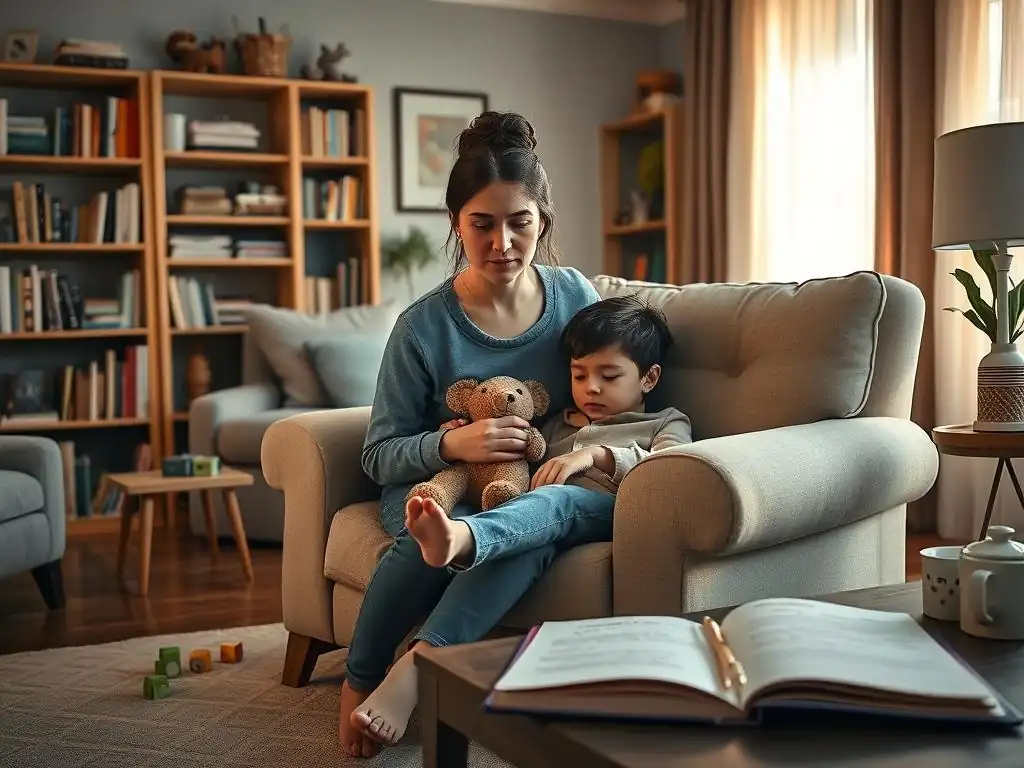
Welcome to Mind Care Guide, a haven for understanding and nurturing mental well-being.
Are you a parent navigating the complexities of raising a child with social anxiety? You're not alone. We understand the challenges and the burning desire to provide the best support. This article dives deep into essential parenting social anxiety children resources, offering practical tips and actionable strategies to help your child thrive. Curious to learn how you can empower your child to overcome their social fears and build lasting confidence? Let's begin.
Resources and Tips for Parents of Children with Social Anxiety | Mind Care Guide
- Understanding Social Anxiety in Children: A Parent's Guide
- Parenting Social Anxiety Children: Essential Strategies
- Resources for Parents: Navigating Social Anxiety Treatment
- Practical Tips for Parents: Addressing Specific Social Anxiety Challenges
- Long-Term Support: Fostering Resilience in Children with Social Anxiety
- Parenting Social Anxiety Children Resources: A Summary for Parents
-
Frequently Asked Questions
- What are some early signs of social anxiety in children that parents should look out for?
- Where can parents find reliable parenting social anxiety children resources if their child is diagnosed?
- What are some practical parenting tips to help a child manage their social anxiety at school?
- How important is family involvement in helping children overcome social anxiety?
- What are some long-term strategies for managing social anxiety in children to prevent it from worsening?
- Final Reflection: Nurturing Resilience: Beyond the Anxiety
- Unlock Your Child's Social Confidence Now!
Social anxiety disorder (SAD), also known as social phobia, is a mental health condition characterized by an intense fear of social situations. For parents, recognizing and understanding this condition in their children is the first crucial step towards providing effective support. Unlike typical shyness, social anxiety can significantly interfere with a child's daily life, impacting their ability to learn, make friends, and participate in activities. This guide offers essential resources and strategies for parents navigating the challenges of parenting social anxiety children.
Understanding the nuances of social anxiety in childhood is vital because its presentation can differ from adults. Children might express their distress through tantrums, crying, freezing up, or refusing to speak in social settings, rather than articulating their fears directly. Early identification and intervention are key to helping children manage their anxiety and develop healthy social skills as they grow.
Identifying social anxiety in children requires observing their behavior in various social contexts. While some children might verbalize their fears about specific situations like presenting in class or joining a new group, others may show their anxiety through physical symptoms or avoidance behaviors. Common signs include excessive worry about being judged or embarrassed, physical symptoms like stomachaches or headaches before social events, and actively avoiding interactions or places where they might encounter peers.
Parents might notice their child consistently eating lunch alone at school, refusing to participate in classroom discussions, or avoiding playdates. A child with social anxiety might cling to parents in social settings, appear withdrawn or quiet in groups, or have difficulty initiating conversations.
It's important to consider the persistence and intensity of these behaviors, as occasional shyness is normal, but a pattern of intense fear and avoidance could indicate social anxiety disorder. For instance, a child might consistently refuse to go to birthday parties, even for close friends, or experience panic-like symptoms when required to speak in front of others.
While shyness is a common personality trait characterized by discomfort or reservation in social situations, social anxiety is a clinical disorder involving intense fear and avoidance that significantly impairs functioning. A shy child might feel nervous meeting new people but can eventually warm up and engage. A child with social anxiety, however, experiences debilitating fear that often prevents them from participating at all, leading to social isolation and distress.
The key distinction lies in the level of distress and functional impairment. A shy child might blush when speaking up but still manages to give a presentation. A child with social anxiety might refuse to give the presentation altogether, leading to academic penalties and significant emotional distress. Studies suggest that while many children experience shyness, only a smaller percentage meet the criteria for social anxiety disorder, highlighting the severity and impact of the condition. Understanding this difference is crucial for parents seeking appropriate support and resources for parenting social anxiety children.
Social anxiety can have a profound impact on a child's overall development, affecting academic performance, social relationships, and emotional well-being. Children who fear social interaction may avoid school activities, struggle to form friendships, and miss out on opportunities to learn and practice essential social skills. This can lead to feelings of loneliness, low self-esteem, and an increased risk of developing other mental health issues later in life.
Academically, social anxiety can manifest as difficulty participating in group projects, asking questions, or presenting in class, which can negatively impact grades and learning. Socially, the avoidance of peers can prevent the development of crucial social skills like communication, conflict resolution, and empathy. Emotionally, the constant fear and worry can be exhausting, leading to irritability, sadness, and feelings of inadequacy. Addressing these impacts through appropriate parenting social anxiety children resources and strategies is essential for fostering healthy development.
Supporting a child with social anxiety requires patience, understanding, and a strategic approach. Parents play a vital role in creating an environment where their child feels safe to confront their fears gradually and develop coping mechanisms. This involves a combination of emotional support, practical skill-building, and knowing when to seek professional help. Effective parenting social anxiety children resources focus on empowering both the child and the parent.
Implementing effective strategies at home can significantly reduce the impact of social anxiety on a child's life. This includes fostering open communication, modeling brave behavior, and celebrating small victories. Remember that progress may be slow and non-linear, and consistency is key.
Creating a Supportive and Understanding Home Environment
A supportive home environment is foundational for a child with social anxiety. This means validating their feelings without enabling avoidance. Let your child know that it's okay to feel nervous, but gently encourage them to face manageable challenges. Avoid criticizing or dismissing their fears, even if they seem irrational to you. Instead, express empathy and confidence in their ability to cope.
Establishing a predictable routine and providing a safe space for your child to retreat when overwhelmed can also be helpful. Open communication is paramount; encourage your child to talk about their fears without judgment. For example, instead of saying "Don't be silly, there's nothing to be afraid of," try "It sounds like you're really worried about going to the party. Can you tell me what feels scary about it?" This approach helps children feel heard and understood, building trust and making them more receptive to guidance.
Gradual exposure, often a core component of therapy for social anxiety, can also be practiced at home with parental guidance. This involves creating a hierarchy of feared social situations, starting with the least anxiety-provoking and slowly working up to more challenging ones. The goal is to help the child learn that they can tolerate the anxiety and that their feared outcomes often don't occur.
Start with small, manageable steps. For a child afraid of speaking in class, begin by practicing speaking in front of one parent, then both parents, then perhaps a trusted relative. For a child avoiding playdates, start with a short playdate at your home with one familiar friend, gradually increasing the duration or adding another child. Celebrating each small success, no matter how minor it seems, reinforces positive behavior and builds confidence. This systematic approach is a key element in parenting social anxiety children effectively.
Equipping children with practical coping mechanisms gives them tools to manage anxiety in the moment. These techniques can help reduce the intensity of physical symptoms and negative thoughts associated with social situations. Practicing these skills regularly, even when not anxious, makes them more accessible during stressful times.
Teaching coping strategies is an empowering aspect of parenting social anxiety children. It shifts the focus from avoiding anxiety to managing it, giving the child a sense of control. These skills are portable and can be used in various situations, from school presentations to family gatherings.
Deep Breathing Exercises for Anxious Children
Simple deep breathing techniques can help calm the nervous system. Teach your child to breathe in slowly through their nose, hold for a few seconds, and exhale slowly through their mouth.
- Box Breathing: Breathe in for a count of four, hold for four, breathe out for four, hold for four.
- Belly Breathing: Place a hand on the belly and feel it rise and fall with each breath, focusing on slow, deep breaths.
Positive Self-Talk Techniques for Social Situations
Help your child identify negative thoughts (e.g., "Everyone will laugh at me") and replace them with more realistic and positive ones (e.g., "I can do this," "It's okay if I make a mistake," "My friends like me").
- Create positive affirmations together.
- Practice challenging negative thoughts by asking "Is that really true?" or "What's another way to think about this?"
Visualization for Managing Social Anxiety
Guide your child in visualizing a positive outcome for a feared social situation. They can imagine themselves successfully navigating the event, feeling confident, and even enjoying themselves.
- Visualize the steps of the situation going smoothly.
- Imagine feeling calm and capable.
Developing strong social skills is crucial for children with social anxiety. These skills are not always intuitive for them and may need explicit teaching and practice. Parents can create opportunities for low-pressure social interactions and actively teach specific social behaviors.
Building social skills goes hand-in-hand with boosting confidence. As children become more comfortable and capable in social settings, their fear of negative judgment naturally decreases. This is a core component of parenting social anxiety children towards greater independence.
Role-Playing Social Scenarios at Home
Practice common social interactions through role-playing. This could include initiating a conversation, joining a game, asking a question, handling teasing, or responding to an invitation.
- Take turns playing different roles (e.g., the child, the friend, the teacher).
- Provide gentle feedback and practice different responses.
Encouraging Participation in Extracurricular Activities
Choose activities based on your child's interests, starting with small groups or one-on-one settings if needed. This provides opportunities to practice social skills in a more structured and potentially less intimidating environment than free play.
- Look for clubs or activities focused on a specific hobby (e.g., art class, coding club, chess club).
- Consider activities with fewer participants initially.
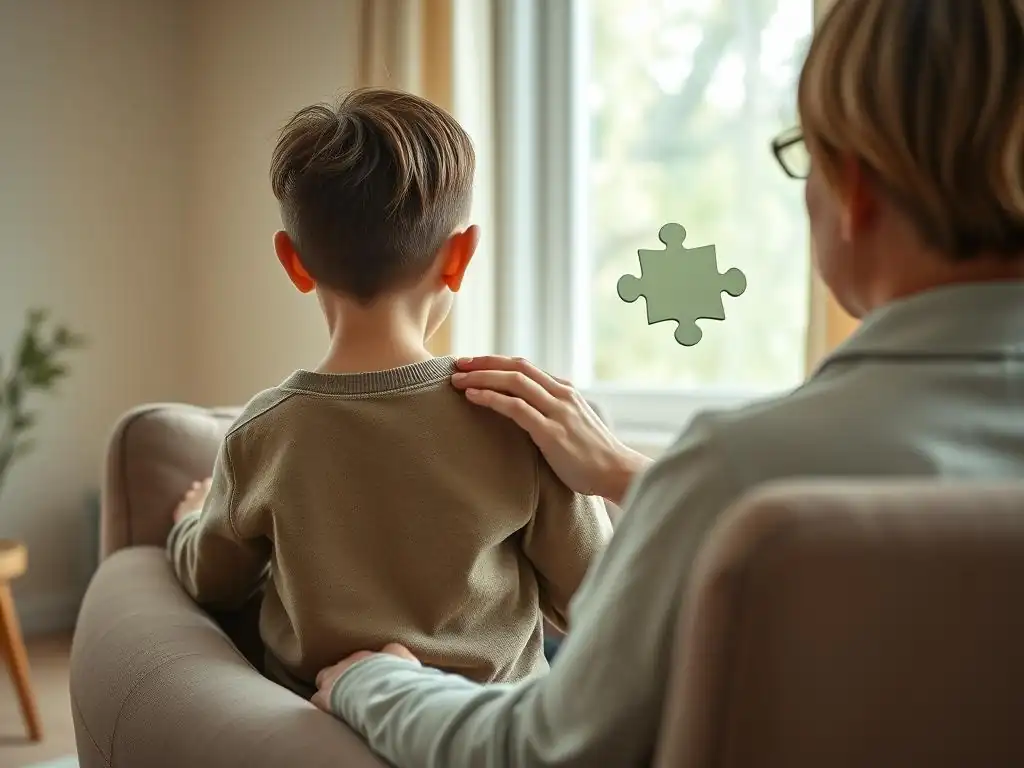
While home strategies are invaluable, professional help is often necessary for children with moderate to severe social anxiety. Therapists specializing in childhood anxiety can provide evidence-based treatments tailored to your child's specific needs. Knowing where to find these resources is a key part of effective parenting social anxiety children.
Accessing professional support ensures your child receives the most effective interventions. Therapists can work with children to develop coping strategies, challenge anxious thoughts, and practice exposure in a safe, controlled environment. They can also provide guidance and support to parents.
Finding a Qualified Therapist for Your Child
Finding the right therapist is crucial. Look for licensed mental health professionals who specialize in treating anxiety disorders in children and adolescents. Credentials such as LCSW, LMFT, PsyD, or PhD are common. Experience with cognitive behavioral therapy (CBT) and exposure therapy is particularly relevant for social anxiety.
You can start by asking your pediatrician for a referral, contacting your insurance company for a list of in-of-network providers, or searching online directories of mental health professionals. Don't hesitate to schedule initial consultations to ensure the therapist is a good fit for your child and family. Compatibility and trust are important factors in the therapeutic process.
Several therapeutic approaches have proven effective in treating social anxiety in children. The choice of therapy often depends on the child's age, symptom severity, and individual needs. Often, a combination of approaches is used.
Understanding the different therapy types helps parents make informed decisions when seeking parenting social anxiety children resources. These evidence-based interventions aim to help children understand their anxiety, challenge negative patterns, and build confidence.
Cognitive Behavioral Therapy (CBT) for Social Anxiety
CBT is a highly effective therapy that helps children identify and challenge negative thought patterns and beliefs that fuel their anxiety. It also teaches them behavioral strategies to cope with fearful situations.
- Focuses on the connection between thoughts, feelings, and behaviors.
- Helps children replace anxious thoughts with more realistic and helpful ones.
Exposure Therapy for Social Anxiety Disorder
Exposure therapy involves gradually and systematically exposing the child to feared social situations in a safe and controlled manner. This helps them learn that their anxiety decreases over time and that they can handle the situation.
- Uses a hierarchy of feared situations, starting with the least scary.
- Can be done in-session or assigned as homework.
Group Therapy for Social Anxiety
Group therapy provides a structured environment for children to practice social skills and exposure exercises with peers who share similar challenges. This can be particularly beneficial as it simulates real-life social interactions.
- Offers opportunities for peer support and learning.
- Provides a safe space to practice social skills.
Numerous online resources and support groups offer valuable information, advice, and connection for parents. Websites of national mental health organizations often provide fact sheets, guides, and directories of services. Online forums and social media groups allow parents to share experiences and strategies.
These platforms can be a lifeline for parents, offering emotional support and practical tips from others who understand the challenges of parenting social anxiety children. While not a substitute for professional treatment, they can provide valuable supplementary support.
Several books and workbooks are designed specifically for children with anxiety, including social anxiety. These resources can help children understand their feelings, learn coping skills, and practice challenging their fears in an engaging way.
Look for age-appropriate materials that use relatable language and examples. Some workbooks incorporate CBT principles and include exercises the child can complete with a parent or therapist. These can be excellent tools for reinforcing therapy concepts at home.
Social anxiety can manifest differently depending on the situation. Parents need practical strategies to help their children navigate common challenges like school, social gatherings, and public speaking. Tailoring your approach to the specific situation is a key aspect of parenting social anxiety children effectively.
Having a toolbox of practical tips can empower parents to support their child through difficult moments. These strategies focus on preparation, gradual exposure, and collaborative problem-solving.
School is a primary source of social interaction and potential anxiety for children. Challenges might include speaking up in class, eating in the cafeteria, using public restrooms, or interacting during recess. Addressing these requires collaboration and specific strategies.
School-related anxiety is common, but its impact can be significant. Working closely with school staff and implementing strategies at home can help children feel more comfortable and engaged in their education.
Working with Teachers and School Counselors
Communicate openly with your child's teachers and the school counselor about their social anxiety. Share specific situations that are challenging for your child and discuss potential accommodations or strategies that can be implemented at school.
- Discuss options like allowing the child to present to the teacher privately, providing alternative ways to participate, or having a designated safe person at school.
- Collaborate on a plan to gradually increase participation in feared school activities.
Addressing Bullying and Social Exclusion
Children with social anxiety may be more vulnerable to bullying or social exclusion. Teach your child assertive communication skills and strategies for handling difficult peer interactions. Work with the school to address any instances of bullying promptly and effectively.
- Practice saying "no" or walking away from uncomfortable situations.
- Help your child identify safe adults at school to report issues to.
Social events like birthday parties or family gatherings can be overwhelming. Prepare your child in advance by explaining who will be there and what to expect. Plan for a shorter stay initially, or have a signal for when they need a break or are ready to leave.
Allowing your child some control over the situation can reduce anxiety. For example, let them choose a comfortable spot to sit or bring a comforting item. Gradual exposure principles apply here too – perhaps start with smaller family gatherings before tackling large parties.
Strategies for Dealing with Public Speaking Anxiety
Public speaking, whether a class presentation or reading aloud, is a significant fear for many children with social anxiety. Practice the presentation extensively at home in a low-pressure environment. Break down the task into smaller, more manageable steps.
Focus on preparation and reducing the element of surprise. Encourage the child to focus on their message rather than the audience's reaction. Using visual aids or cue cards can also provide a sense of security. Remember to celebrate the effort and courage, regardless of the outcome.
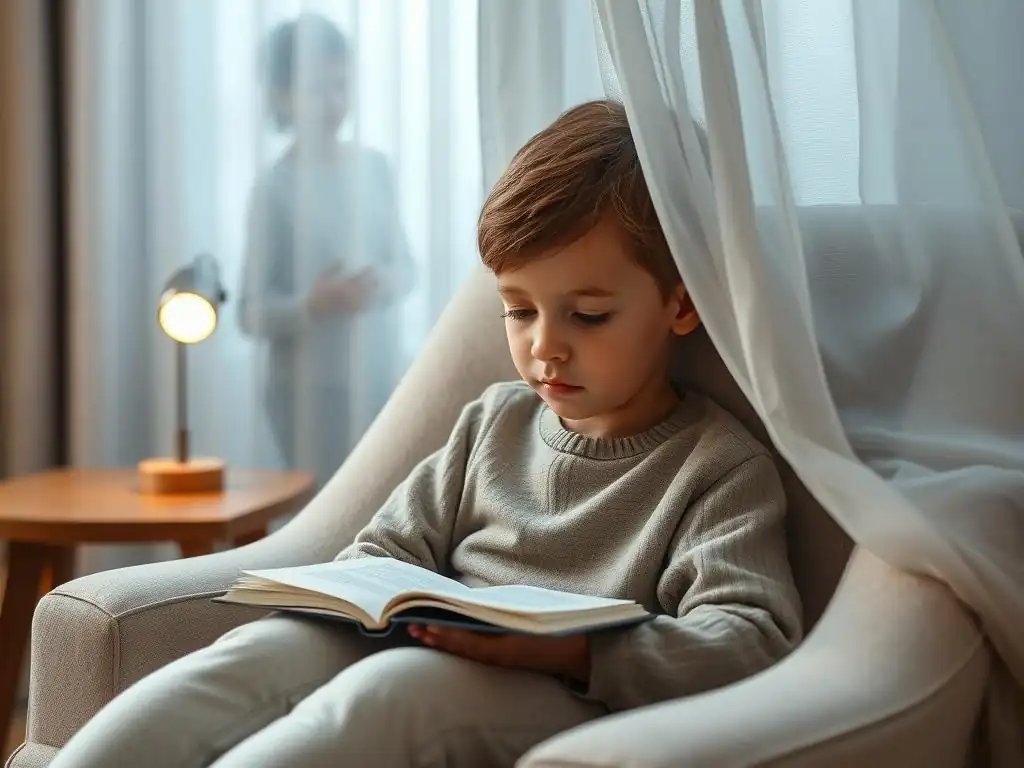
Supporting a child with social anxiety is a marathon, not a sprint. The goal is not necessarily to eliminate all anxiety, but to help the child develop resilience, coping skills, and confidence to manage it throughout their life. Long-term parenting social anxiety children involves nurturing their overall well-being.
Building resilience helps children bounce back from setbacks and face future challenges with greater strength. This involves focusing on their strengths, promoting independence, and maintaining strong family connections.
Building a Child's Self-Esteem and Confidence
Focus on your child's strengths and accomplishments, both inside and outside of social situations. Encourage participation in activities where they feel competent and successful. Praise effort and courage, not just outcomes.
Help your child develop a positive self-image by reminding them of their positive qualities and past successes. This counters the negative self-talk often associated with social anxiety. Celebrating small steps forward is crucial for boosting confidence.
Promoting Independence and Self-Advocacy
As your child gets older, encourage them to take increasing responsibility for managing their anxiety. This includes identifying their triggers, practicing coping skills independently, and communicating their needs to others (e.g., teachers, friends).
Teach them how to explain their anxiety to trusted individuals if they choose to, and how to ask for help or accommodations when needed. Empowering them to advocate for themselves is a vital skill for long-term success and well-being.
Maintaining Open Communication and Support
Continue to foster an environment of open communication. Let your child know that you are always there to listen without judgment. Regular check-ins about how they are feeling and what challenges they are facing are important.
Your consistent support and understanding are invaluable. Remind your child that having anxiety is not their fault and that they are loved unconditionally. This strong emotional foundation is crucial for navigating the ups and downs of managing social anxiety.
Navigating the journey of parenting a child with social anxiety can feel overwhelming, but with the right understanding, strategies, and resources, you can make a significant difference in your child's life. Recognizing the signs early, differentiating anxiety from shyness, and understanding its impact are the first steps.
Implementing strategies like creating a supportive home, encouraging gradual exposure, and teaching coping mechanisms provides your child with essential tools. Utilizing parenting social anxiety children resources such as professional therapy, online support, and self-help materials is also key.
Key Takeaways for Supporting Your Child's Mental Well-being
- Educate yourself about social anxiety in children.
- Validate your child's feelings while gently encouraging them to face fears.
- Use gradual exposure techniques.
- Teach and practice coping skills like deep breathing and positive self-talk.
- Help your child build social skills through practice and opportunities.
- Seek professional help from a therapist specializing in childhood anxiety.
- Utilize available parenting social anxiety children resources, including online support and books.
- Collaborate with your child's school.
- Focus on building self-esteem and independence.
- Maintain open communication and provide unconditional support.
When to Seek Professional Help: A Reminder
While parental support is crucial, it's important to recognize when professional intervention is needed. If your child's social anxiety is significantly impacting their daily life – affecting school attendance or performance, preventing them from making or keeping friends, causing significant distress, or leading to physical symptoms or avoidance of necessary activities – it's time to consult a qualified mental health professional. Early intervention can prevent the condition from becoming more severe and have a lasting positive impact on your child's future.
Frequently Asked Questions
Early signs can include excessive shyness, avoiding social situations, and difficulty making friends. Look for physical symptoms like stomach aches or headaches before social events.
Mind Care Guide offers articles, support groups, and directories of qualified therapists specializing in childhood anxiety. Websites like the Anxiety & Depression Association of America (ADAA) are also valuable.
Encourage small steps, like joining one club or activity. Practice social scripts and role-playing at home. Communicate with the teacher about your child's needs.
Family support is crucial. Create a safe and understanding home environment. Model positive social interactions and encourage open communication.
Consistent therapy and coping skills practice are essential. Encourage self-advocacy and independence. Focus on building self-esteem and resilience.
Final Reflection: Nurturing Resilience: Beyond the Anxiety
The challenges of parenting a child with social anxiety are real and pervasive, impacting families across the globe. This isn't simply a childhood phase; untreated, social anxiety can significantly hinder a child's development, academic success, and future relationships. Understanding the nuances of this condition, and equipping ourselves with the right resources, is crucial for fostering healthy growth and resilience.
The journey of supporting a child through social anxiety is deeply personal, demanding patience, empathy, and unwavering support. It's a journey that often requires navigating complex emotions, both for the child and the parent. The impact extends beyond the individual, shaping family dynamics and influencing the overall family experience. The most important thing a father can do for his children is to love their mother.
While this quote speaks to a different context, the underlying principle remains: a supportive and understanding family unit is the bedrock upon which a child's healing and growth can flourish. This requires parents to prioritize their own well-being alongside their child's, recognizing that self-care is not selfish, but essential for effective parenting.
You, as a parent, hold the power to make a profound difference. Take the time to reflect on the resources discussed in this article – the therapeutic approaches, the practical strategies, and the importance of seeking professional guidance. Remember that you are not alone in this journey.
Embrace the opportunity to learn, adapt, and grow alongside your child. By fostering a safe, supportive, and understanding environment, you can empower your child to navigate their social anxieties, build confidence, and ultimately thrive. Let's work together to create a future where every child feels seen, heard, and empowered to embrace their unique potential.
Thanks for taking the time to learn about supporting your child's social journey. We hope the insights shared provided valuable tools and understanding. Now, let's take action to make a real difference!
- Prioritize one practical tip: Choose one strategy from the article that resonates most with you and your child, and implement it this week. Even small steps lead to big changes!
- Share this knowledge: Do you know other parents facing similar challenges? Forward this article or share it on your social media – spreading awareness can make a powerful impact.
- Engage in our community: Join the conversation in the comments below! Share your experiences, questions, or even a small victory you’ve had using the tips we provided.
What small step will you take today to build your child's social confidence?