
The Long Shadow: Understanding LongTerm Mental Health Effects of Divorce on Children


Welcome to Mind Care Guide, a space dedicated to nurturing your mental well-being.
Navigating life's complexities can be challenging, especially when it involves our loved ones. Are you concerned about the lasting impact of family transitions? In this article, we delve into the crucial topic of Divorce children longterm mental health, exploring the potential long-term effects and offering guidance on how to support children through these difficult times.
Discover insights that can help you understand and address the emotional needs of your children, fostering resilience and well-being in the face of change. What subtle signs should you be looking for, and how can you create a nurturing environment to mitigate potential challenges? Let's explore together.
The Silent Struggle: Understanding the Long-Term Mental Health Effects of Childhood Bullying
- Bullying's Impact on Children's Mental Well-being: An Overview
- Long-Term Psychological Effects of Bullying on Children: A Deep Dive
- The Link Between Bullying and Increased Risk of Mental Health Issues in Adulthood
- Factors Influencing the Long-Term Mental Health Outcomes for Victims of Bullying
- Identifying and Addressing Mental Health Concerns in Children Experiencing Bullying
- Strategies for Supporting Children's Mental Well-being During and After Bullying
- Building Resilience in Children Facing Bullying
- Resources for Parents and Children Navigating Bullying and Mental Health
- Conclusion: Prioritizing Children's Mental Health in Addressing Bullying
-
Frequently Asked Questions
- How does divorce potentially impact a child's long-term mental health?
- What are some common long-term mental health challenges faced by children of divorce?
- Can the negative mental health effects of divorce on children be mitigated?
- What role does parental conflict play in the long-term mental health outcomes of children of divorce?
- Are there any positive outcomes or resilience factors that can emerge from the experience of divorce for children?
- Final Reflection: The Enduring Legacy of Divorce on Children
- Unlock Your Child's Resilience: Steps to Support Their Well-being After Divorce
Bullying's Impact on Children's Mental Well-being: An Overview
Exploring the Initial Emotional Trauma of Bullying
Bullying is a pervasive issue that inflicts significant emotional trauma on children. The initial impact is often characterized by intense feelings of fear, helplessness, and shame. Children subjected to repeated harassment, physical aggression, or social exclusion can experience acute stress responses, including difficulty sleeping, loss of appetite, and increased anxiety immediately following bullying incidents. This immediate emotional distress can be profound and can disrupt a child's sense of safety and security in environments where they should feel protected, such as school or their neighborhood.
The emotional trauma extends beyond the moments of direct confrontation. The anticipation of bullying can lead to chronic stress, causing children to be constantly on edge. This hypervigilance can manifest as physical symptoms like headaches or stomachaches, and can severely impact their ability to concentrate in school or engage in social activities. The feeling of being targeted and powerless creates a deep wound that, if not addressed, lays the groundwork for more complex and enduring mental health challenges.
Recognizing the Signs of Mental Health Struggles in Children Experiencing Bullying
Identifying mental health struggles in children who are being bullied requires careful observation by parents, educators, and caregivers. Common signs include changes in behavior such as withdrawal from friends and family, a sudden drop in academic performance, or a loss of interest in activities they once enjoyed. Children might also exhibit increased irritability, sadness, or express fears about going to school or participating in social events. Physical complaints without a clear medical cause, like frequent stomach aches or headaches, can also be indicators of underlying stress and anxiety related to bullying.
Furthermore, more subtle signs might include changes in eating habits, difficulty sleeping, or increased clinginess towards adults. Some children may become more aggressive or defiant as a coping mechanism, while others internalize their distress, leading to quiet suffering. It is crucial to recognize that these signs are not just temporary reactions but potential indicators of significant mental health impacts resulting from the bullying experience. Early recognition is vital for providing timely support and intervention.
Long-Term Psychological Effects of Bullying on Children: A Deep Dive
Understanding the Lasting Mental Health Challenges Faced by Victims of Bullying
The effects of childhood bullying often extend far beyond the schoolyard, casting a long shadow over a child's psychological development. Victims frequently grapple with lasting mental health challenges that can persist for years, even decades. These challenges can include chronic feelings of inadequacy, difficulty trusting others, and a pervasive sense of being different or unworthy. The repeated undermining of their self-worth during formative years can fundamentally alter their self-perception and their ability to navigate social interactions confidently.
Research consistently shows that individuals who were bullied as children are at a significantly higher risk for developing a range of mental health issues later in life. This includes not only common conditions like anxiety and depression but also more complex problems such as post-traumatic stress disorder (PTSD) symptoms related to the bullying trauma, eating disorders, and substance abuse issues. The psychological scars from bullying can be deep and require targeted support to heal effectively.
Increased Risk of Anxiety and Depression in Children After Bullying
One of the most well-documented long-term mental health effects of childhood bullying is the increased vulnerability to anxiety and depression. Studies indicate that children who are bullied are approximately twice as likely to experience symptoms of depression and anxiety compared to their non-bullied peers. This heightened risk can manifest during childhood and adolescence, often continuing into adulthood. The constant stress, fear, and social exclusion associated with bullying create a fertile ground for these mood disorders to take root.
For example, a child who is relentlessly ridiculed about their appearance might develop social anxiety and body image issues, potentially leading to clinical depression. Similarly, a child who experiences relational aggression and social isolation may become withdrawn and anxious about future social interactions, fearing rejection. These conditions not only impact emotional well-being but can also interfere with academic performance, social development, and overall quality of life.
The Impact of Bullying on Children's Self-Esteem and Confidence
Bullying is profoundly damaging to a child's developing self-esteem and confidence. When a child is repeatedly told they are worthless, unattractive, or undesirable, they may begin to internalize these messages as truth. This erosion of self-worth is a critical long-term mental health effect. Low self-esteem developed in childhood due to bullying can make it difficult for individuals to pursue goals, form healthy relationships, and believe in their own capabilities as they grow older.
The constant criticism and rejection inherent in bullying situations chip away at a child's sense of competence and value. A child passionate about a hobby who is mocked for it may abandon that interest, losing an important source of positive identity. This pervasive sense of inadequacy can lead to a reluctance to take risks, try new things, or assert themselves, limiting their potential and contributing to ongoing mental health struggles like anxiety and depression.
Bullying often leads to significant social isolation, which is a critical factor in long-term mental health outcomes. Victims may withdraw from social situations to avoid further harm, making it difficult to form healthy peer relationships. This lack of social connection is a major risk factor for depression and loneliness, which can persist into adulthood. The fear of rejection or judgment can create a barrier to future social engagement, perpetuating a cycle of isolation.
Beyond social challenges, bullying can severely impact academic performance. Stress, anxiety, and fear can make it hard for children to concentrate in class, complete assignments, or even attend school regularly (school avoidance). A study might show that bullied students are more likely to miss school days and experience a decline in grades compared to their non-bullied peers. This academic difficulty can limit future educational and career opportunities, adding another layer of long-term challenge resulting from the bullying experience.
The Link Between Bullying and Increased Risk of Mental Health Issues in Adulthood
Adult Survivors of Bullying: The Long-Term Mental Health Consequences
The psychological wounds inflicted by childhood bullying often do not simply disappear with age; they can manifest as significant long-term mental health consequences in adulthood. Adults who were persistently bullied as children are at a higher risk for developing a range of mental health conditions compared to their peers who did not experience bullying. These consequences can impact various aspects of adult life, from relationships and career to overall well-being.
For instance, an individual bullied in elementary school might struggle with chronic anxiety in social settings as an adult, making networking or dating challenging. Someone who was physically bullied might develop hypervigilance and difficulty feeling safe in public spaces. The enduring impact underscores the need to view childhood bullying not just as a phase, but as a potentially traumatic experience with lasting implications for adult mental health.
Challenges in Forming Healthy Relationships for Adults Who Experienced Bullying
One significant long-term mental health effect of childhood bullying is the difficulty adult survivors often face in forming and maintaining healthy relationships. Experiences of betrayal, exclusion, and ridicule during formative years can lead to deep-seated trust issues. Adults who were bullied may struggle with intimacy, fear rejection, or find it hard to believe that others genuinely care about them. This can manifest in avoidance of close relationships, or conversely, in patterns of unhealthy relationship dynamics.
For example, an adult who was socially isolated by bullies might struggle with social skills and feel awkward in group settings, limiting their ability to build friendships. Someone who was betrayed by friends who joined in the bullying might have difficulty trusting partners or colleagues, leading to conflict or emotional distance in adult relationships. Addressing these challenges often requires therapeutic support to process past trauma and develop healthier relational patterns.
Increased Vulnerability to Mental Health Disorders in Adulthood
Beyond anxiety and depression, adults who were bullied as children exhibit increased vulnerability to a wider range of mental health disorders. Research suggests a link between childhood bullying and an elevated risk for conditions such as panic disorder, agoraphobia, and even psychotic experiences in severe cases. The chronic stress and trauma associated with persistent bullying can alter brain development and stress response systems, predisposing individuals to mental illness later in life.
Furthermore, studies have indicated a correlation between childhood bullying victimization and increased rates of substance abuse, eating disorders, and self-harming behaviors in adulthood. These issues may serve as maladaptive coping mechanisms developed to deal with the unresolved trauma and emotional pain from the bullying. Recognizing this increased vulnerability is crucial for implementing preventative measures and providing appropriate mental health support to adult survivors.
Factors Influencing the Long-Term Mental Health Outcomes for Victims of Bullying
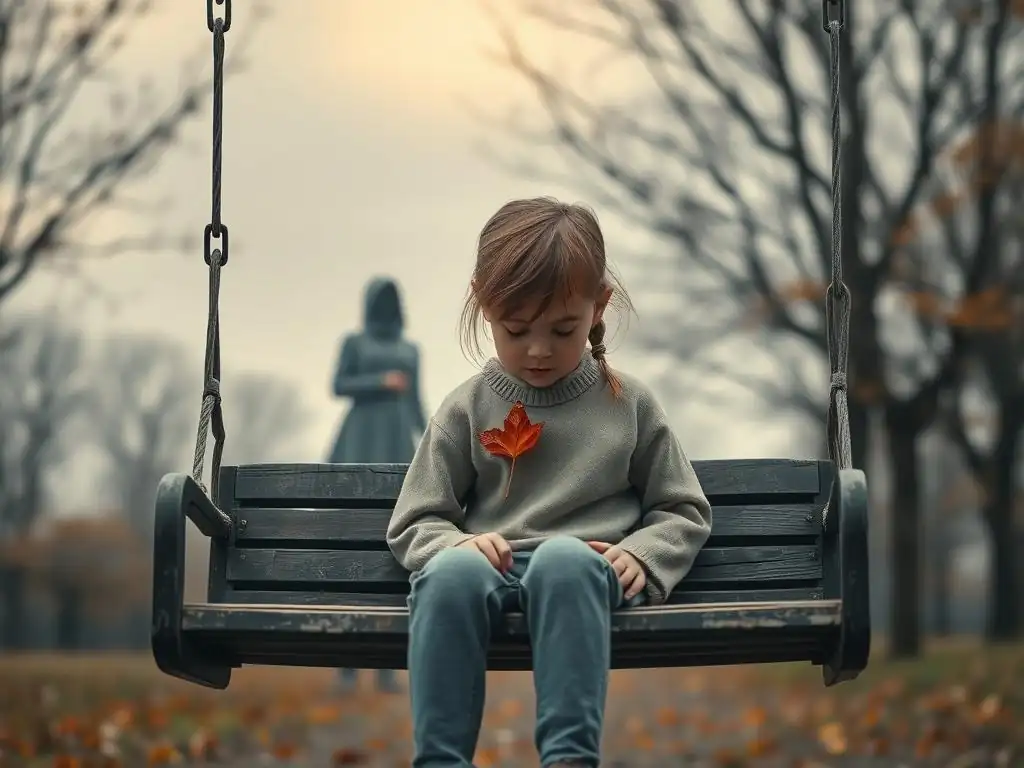
The availability and quality of social support play a crucial role in mitigating the long-term mental health effects of childhood bullying. Children who have supportive parents, caring friends, and empathetic teachers are better equipped to cope with the trauma of bullying. Positive relationships provide a buffer against the negative impacts, offering a sense of safety, validation, and belonging that counteracts the isolation and rejection experienced during bullying.
Early and effective intervention is also paramount. When bullying is identified and addressed promptly and appropriately by adults, the duration and severity of the trauma can be reduced. This includes implementing anti-bullying programs in schools, providing counseling to victims, and ensuring consequences for perpetrators. A robust support system and timely intervention can significantly improve a child's ability to recover and reduce the likelihood of developing chronic mental health problems.
The Importance of a Safe and Supportive School Environment
The school environment is where much of childhood bullying occurs, making it a critical factor in influencing long-term outcomes. A school that fosters a culture of safety, respect, and inclusivity can significantly reduce the incidence and impact of bullying. Clear anti-bullying policies, consistent enforcement, and visible adult presence can make children feel more secure and empowered to report incidents.
Moreover, a supportive school environment provides resources for both victims and bystanders, promoting empathy and intervention. Schools that prioritize social-emotional learning and provide counseling services are better equipped to help children process their experiences and develop healthy coping mechanisms. Creating a school where every child feels safe and valued is fundamental to preventing the deep psychological wounds that can lead to long-term mental health issues.
The Impact of Cyberbullying on Emotional Well-being
The rise of technology has introduced cyberbullying, a form of harassment that can have particularly insidious effects on a child's emotional well-being and long-term mental health. Unlike traditional bullying, cyberbullying can occur 24/7, reaching victims in their own homes and offering no physical escape. The anonymity afforded by the internet can also embolden bullies, leading to more severe and relentless attacks.
The public nature of some cyberbullying (e.g., online posts, shared videos) can amplify feelings of shame and humiliation, making the trauma more widespread and enduring. Research suggests that cyberbullying is strongly linked to increased rates of depression, anxiety, suicidal ideation, and self-harm in young people. The pervasive and inescapable nature of online harassment poses unique challenges for intervention and requires specific strategies to protect children's mental health.
The Influence of Personality and Coping Mechanisms on Adjustment to Bullying
While bullying is universally harmful, individual differences in personality and coping mechanisms can influence how children adjust and the severity of long-term mental health effects. Some children may possess inherent resilience factors, such as a positive outlook, strong problem-solving skills, or a naturally calm temperament, which help them navigate difficult experiences. These traits can act as protective factors, enabling them to bounce back more effectively from the trauma of bullying.
Similarly, the coping strategies a child employs significantly impact their adjustment. Developing healthy coping mechanisms, such as seeking support from trusted adults, engaging in hobbies, or practicing mindfulness, can help children process their emotions and reduce stress. Conversely, maladaptive coping strategies, like withdrawal, avoidance, or aggression, can exacerbate the negative mental health impacts and increase the risk of long-term issues.
Identifying and Addressing Mental Health Concerns in Children Experiencing Bullying
Recognizing the Warning Signs of Mental Health Problems
Recognizing the warning signs of mental health problems in children who are being bullied is the first critical step towards providing help. These signs can vary but often include noticeable changes from a child's typical behavior. Look for persistent sadness, irritability, excessive worry or fear, and significant changes in sleep patterns or appetite. A child might also express feelings of hopelessness or worthlessness, or talk about wanting to disappear or not be alive.
Other indicators include social withdrawal, avoiding school or social activities, unexplained physical complaints (headaches, stomachaches), and difficulty concentrating which impacts school work. A sudden loss of interest in previously enjoyed activities, increased tearfulness, or exaggerated reactions to minor setbacks can also signal distress. Parents and educators should be vigilant and take any of these signs seriously, as they can indicate that the bullying is having a significant impact on the child's mental health.
Seeking Professional Help: Therapy and Counseling Options for Children and Families
Seeking professional help is often necessary to address the mental health concerns arising from childhood bullying. Therapists and counselors specializing in child and adolescent mental health can provide crucial support. Options include individual therapy for the child, which can help them process the trauma, develop coping skills, and rebuild self-esteem. Cognitive Behavioral Therapy (CBT) and trauma-informed therapy are often effective approaches.
Family therapy can also be beneficial, helping parents understand the impact of bullying, improve communication within the family, and develop strategies to support their child. Professionals can also work with schools to advocate for the child and ensure a safer environment. Reaching out to a pediatrician, school counselor, or local mental health clinic is a good starting point to find appropriate professional support tailored to the child's specific needs.
The Importance of Early Intervention in Supporting Children's Mental Health
Early intervention is paramount in minimizing the long-term mental health effects of childhood bullying. The sooner a child receives support after experiencing bullying, the better their chances of recovering without developing chronic psychological issues. Early intervention can prevent the initial trauma from becoming deeply ingrained and can help children develop healthy coping mechanisms before maladaptive patterns set in.
When bullying is addressed quickly, and the child receives emotional support and potentially therapy, it helps validate their experience and reduces feelings of isolation and helplessness. This proactive approach can interrupt the cycle of negative self-perception and anxiety that often follows bullying. Investing in early identification and support systems is a critical strategy for protecting children's mental well-being and fostering resilience against the impact of bullying.
Strategies for Supporting Children's Mental Well-being During and After Bullying
Creating a Safe and Supportive Home and School Environment
Creating a safe and supportive environment at home and school is fundamental to supporting a child's mental well-being during and after bullying. At home, this means fostering open communication where children feel safe discussing their experiences without fear of judgment or blame. Parents should listen empathetically, validate their child's feelings, and assure them that the bullying is not their fault. Providing unconditional love and a stable, predictable home life offers a crucial sense of security.
In schools, safety involves clear anti-bullying policies, vigilant supervision, and a culture that does not tolerate harassment. Educators should be trained to recognize and respond to bullying effectively. Creating supportive peer relationships through positive social-emotional learning programs and encouraging kindness can also help build a protective environment. A collaborative approach between home and school is essential for comprehensive support.
Open Communication and Emotional Support
Open communication is the bedrock of supporting a child experiencing bullying. Encourage your child to talk about their feelings and experiences, even if it's difficult. Listen actively without interrupting or minimizing their pain. Ask specific, open-ended questions about their day and how they feel. Let them know it's okay to feel angry, scared, or sad. Providing consistent emotional support helps children process their trauma and feel less alone.
This support goes beyond just listening; it involves validating their emotions and empowering them to seek help. Reassure them that you are there for them and will help them find solutions. Teach them that their feelings are valid and that seeking help is a sign of strength, not weakness. This emotional connection is vital for building trust and helping the child navigate the challenging emotions associated with bullying.
Encouraging Healthy Coping Mechanisms
Teaching and encouraging healthy coping mechanisms is crucial for children dealing with the stress and trauma of bullying. Instead of resorting to withdrawal or aggression, children can learn positive ways to manage their emotions. This might include teaching relaxation techniques like deep breathing, encouraging physical activity as a stress reliever, or helping them engage in hobbies and activities they enjoy to provide a sense of accomplishment and distraction.
Other healthy coping strategies involve problem-solving skills, such as brainstorming ways to avoid bullies or reporting incidents to trusted adults. Encourage creative expression through writing, art, or music as an outlet for emotions. Helping children develop a toolkit of healthy ways to manage stress and difficult feelings empowers them and builds resilience against the long-term mental health impacts of bullying.
Promoting Self-Esteem and Resilience
Actively promoting a child's self-esteem and resilience is a vital strategy in counteracting the negative effects of bullying. Bullying erodes a child's sense of self-worth, so it's important to focus on reinforcing their positive qualities and achievements. Praise their efforts, celebrate their strengths, and remind them of their value as an individual, separate from how bullies treat them. Encourage them to pursue activities where they can experience success and build confidence.
Building resilience involves helping children develop the ability to bounce back from adversity. Teach them problem-solving skills, encourage independent thinking, and help them understand that setbacks are temporary. Foster a growth mindset, emphasizing that challenges are opportunities to learn and grow. By nurturing self-esteem and resilience, you equip children with the inner strength needed to withstand bullying and mitigate its long-term mental health impact.
Building Resilience in Children Facing Bullying

Fostering a Sense of Self-Worth and Empowerment
Fostering a strong sense of self-worth and empowerment is foundational to building resilience in children facing bullying. Help your child identify their unique strengths, talents, and positive qualities. Provide specific praise and recognition for their efforts and accomplishments, no matter how small. This helps counter the negative messages they receive from bullies and reinforces their inherent value.
Empowerment involves giving children a sense of control and agency in their situation. This doesn't mean confronting the bully directly, but rather teaching them safe strategies like knowing when and how to seek help from trusted adults, setting boundaries (when safe to do so), and understanding their rights. Helping them feel capable and in control of their response to bullying, rather than feeling like helpless victims, is crucial for building resilience and protecting their mental health.
Developing Assertiveness Skills and Emotional Regulation
Developing assertiveness skills and emotional regulation are key components of resilience against bullying. Assertiveness teaches children how to express their needs and feelings respectfully but firmly, without being aggressive or passive. While direct confrontation with a bully may not always be safe or effective, learning to say "no," express discomfort, or clearly state boundaries can be empowering in other social contexts and build confidence.
Emotional regulation involves helping children understand and manage their feelings in healthy ways. This includes identifying emotions, understanding their triggers, and learning techniques to calm down when feeling overwhelmed (e.g., deep breathing, taking a break). Teaching children to regulate their emotions helps them respond to stressful situations like bullying with greater control and less distress, reducing the likelihood of long-term anxiety or depression.
Cultivating Strong Support Networks
Cultivating strong support networks is a vital aspect of building resilience for children affected by bullying. Encourage your child to connect with supportive peers, family members, teachers, or other trusted adults. Having reliable individuals they can turn to for comfort, advice, and validation provides a buffer against the isolation and emotional pain caused by bullying. These positive relationships offer a sense of belonging and remind the child that they are not alone.
Help your child identify who is in their support network and practice reaching out to them. This might involve identifying a favorite aunt, a kind teacher, or a loyal friend. Strengthening these connections provides a safety net and a source of strength during difficult times. A robust support system is a powerful antidote to the feelings of loneliness and helplessness that often accompany the experience of being bullied, contributing significantly to long-term mental well-being.
Mental Health Professionals Specializing in Bullying and Trauma
Finding mental health professionals who specialize in childhood bullying and trauma is a critical resource for families. These professionals, such as child psychologists, licensed clinical social workers, and counselors, have expertise in the specific challenges faced by victims of bullying. They can provide individual therapy tailored to address trauma symptoms, anxiety, depression, and low self-esteem.
Such specialists often use evidence-based therapies like Trauma-Focused Cognitive Behavioral Therapy (TF-CBT) or play therapy for younger children. They can also work with parents to provide guidance on how to support their child effectively and communicate with the school. Consulting with a pediatrician or school counselor can often lead to referrals to appropriate mental health services in your area.
Support Groups and Organizations for Victims of Bullying and Their Families
Support groups and specialized organizations offer invaluable resources for victims of bullying and their families. Connecting with others who have shared similar experiences can reduce feelings of isolation and provide a sense of community. Support groups, whether in-person or online, offer a safe space to share stories, coping strategies, and emotional support.
Organizations dedicated to bullying prevention and support often provide a wealth of information, helplines, and advocacy services. They can offer practical advice on dealing with schools, understanding your rights, and finding local resources. Examples might include national anti-bullying non-profits or local community mental health centers that run specific programs. These resources empower families with knowledge and support networks essential for navigating the challenges of bullying and its mental health impacts.
Books and Websites Offering Guidance and Support
A variety of books and websites provide accessible guidance and support for parents and children dealing with bullying and its mental health effects. Books aimed at children can help them understand what bullying is, learn coping strategies, and know how to seek help. There are also numerous books for parents offering advice on recognizing signs, talking to their children, and working with schools.
Reputable websites from mental health organizations, educational institutions, and anti-bullying initiatives offer free information, articles, toolkits, and resources. These online platforms can provide quick access to warning signs, advice on talking to children, strategies for intervening, and directories for finding professional help or support groups. Utilizing these resources can empower families with knowledge and practical tools to address the challenges effectively.
Conclusion: Prioritizing Children's Mental Health in Addressing Bullying
The Importance of Long-Term Mental Health Support for Children Who Have Experienced Bullying
Addressing childhood bullying must go hand-in-hand with prioritizing the long-term mental health support for the children affected. The evidence is clear: the psychological impact of bullying is not merely a temporary childhood hardship but can have profound and lasting consequences that extend into adulthood. Therefore, a comprehensive approach requires recognizing the potential for chronic mental health issues and providing sustained support.
This means ensuring access to mental health services, fostering resilience, and creating environments where children feel safe and supported over the long term. It involves educating parents and educators about the signs of distress and the importance of early intervention. Focusing solely on stopping the bullying in the moment is insufficient; we must commit to healing the psychological wounds to prevent them from developing into lifelong struggles with anxiety, depression, and other mental health conditions.
Creating a Positive Future for Children Affected by Bullying
Creating a positive future for children affected by bullying is a collective responsibility. It requires a multi-faceted effort involving parents, schools, communities, and mental health professionals. By acknowledging the serious long-term mental health effects of bullying, we can shift towards more proactive and compassionate strategies. This includes implementing effective prevention programs, ensuring swift and appropriate responses to bullying incidents, and providing robust mental health support systems for victims.
Empowering children with coping skills, building their self-esteem and resilience, and ensuring they have strong support networks are crucial steps. By investing in the mental well-being of children who have experienced bullying, we not only help them heal from past trauma but also equip them with the tools they need to thrive in the future, breaking the cycle of long-term psychological distress and enabling them to lead fulfilling lives.
Frequently Asked Questions
How does divorce potentially impact a child's long-term mental health?
Divorce can disrupt a child's sense of security and stability, leading to increased risk of anxiety, depression, and behavioral problems that can persist into adulthood. The impact varies depending on age, personality, and the level of parental conflict.
What are some common long-term mental health challenges faced by children of divorce?
Children may experience difficulties with forming and maintaining healthy relationships, struggling with trust issues, and exhibiting increased vulnerability to substance abuse or mental health disorders later in life. They can also develop attachment issues.
Can the negative mental health effects of divorce on children be mitigated?
Yes, a supportive and stable post-divorce environment is crucial. Effective co-parenting, open communication, and access to therapy or counseling can significantly reduce the negative impact and promote resilience.
What role does parental conflict play in the long-term mental health outcomes of children of divorce?
High levels of parental conflict, both during and after the divorce, are strongly correlated with poorer mental health outcomes for children. Minimizing conflict and prioritizing the child's well-being are essential for their mental health.
Are there any positive outcomes or resilience factors that can emerge from the experience of divorce for children?
While challenging, some children demonstrate remarkable resilience, developing coping skills and independence. A supportive environment and access to resources can foster growth and lead to increased self-awareness and emotional intelligence.
Final Reflection: The Enduring Legacy of Divorce on Children
The emotional fallout of divorce extends far beyond the initial separation; its long shadow stretches into adulthood, impacting mental well-being in profound and lasting ways. Understanding this enduring impact is crucial, not just for parents navigating separation, but for society as a whole, which must provide adequate support systems for children facing this significant life change. The consequences are too significant to ignore.
The pervasive influence of parental divorce on a child's development is undeniable, shaping their self-perception, relationships, and future mental health trajectory. It's a complex issue, often fraught with stigma and misunderstanding. The child's adjustment to divorce is not simply a matter of time; it's a process of adaptation that requires support, understanding, and a nurturing environment.
This quote highlights the need for proactive intervention and ongoing support, rather than simply assuming children will "get over it." My own research into this topic has underscored the critical need for early intervention and ongoing access to mental health resources for children of divorce.
Consider the impact of this information on your own life. Have you witnessed the long-term effects of divorce on someone you know? Perhaps it's time to re-evaluate the support systems available in your community, or to reach out to someone who might benefit from understanding the lasting impact of divorce. Let's move beyond simply acknowledging the problem and actively work towards creating a more supportive and understanding environment for children navigating the complexities of their parents' separation. The future well-being of countless children depends on it.
Unlock Your Child's Resilience: Steps to Support Their Well-being After Divorce
Thanks for taking the time to learn about the long-term mental health effects of divorce on children. We hope this article provided valuable insights and empowered you to better understand this complex issue. Now, let's turn that understanding into action.
- Prioritize open and honest communication: Create a safe space for your child to express their feelings without judgment. This is the single most important step you can take to foster their resilience.
- Seek professional guidance if needed: Consider contacting a family therapist or counselor specializing in child development and divorce. They can offer tailored support and strategies.
- Join a support group (online or in-person): Connecting with other parents facing similar challenges can be incredibly helpful – it's a chance to share experiences and learn from others.
What proactive steps will you take today to nurture your child's emotional well-being during this transition?