
Facing Anxiety to Heal: Exposure Therapy Explained for CBT


Welcome to Mind Care Guide, a safe space dedicated to your mental well-being.
Feeling overwhelmed by anxiety? You're not alone. We understand the challenges, and we're here to help you explore practical solutions. Our comprehensive guide delves into powerful techniques, including exposure therapy for anxiety relief. Curious about how facing your fears can actually lead to healing? Let's unravel the science-backed strategies within Cognitive Behavioral Therapy (CBT) and discover if this approach is right for you.
Conquering Anxiety: A Deep Dive into Exposure Therapy within CBT
- Understanding Exposure Therapy: A Cornerstone of Anxiety Treatment
- The Neurobiology of Exposure Therapy in Anxiety Reduction
- Varied Techniques in Exposure Therapy for Anxiety Management
-
Implementing Exposure Therapy: A Structured Approach
- Step 1: Comprehensive Assessment and Identification of Anxiety Triggers
- Step 2: Constructing a Detailed Exposure Hierarchy
- Step 3: Initiating Exposure with Minimal Anxiety-Inducing Scenarios
- Step 4: Systematic Progression Through the Exposure Hierarchy
- Step 5: Sustaining Progress and Preventing Recurrence
-
Efficacy of Exposure Therapy for Specific Anxiety Disorders
- Exposure Therapy for Social Anxiety Disorder (SAD): Enhancing Social Confidence
- Exposure Therapy for Panic Disorder and Agoraphobia: Regaining Control
- Exposure Therapy for Obsessive-Compulsive Disorder (OCD): Breaking the Cycle
- Exposure Therapy for Post-Traumatic Stress Disorder (PTSD): Trauma-Informed Adaptations
- Exposure Therapy for Specific Phobias: Overcoming Targeted Fears
- Navigating Challenges in Exposure Therapy Sessions
- Determining Suitability: Considerations and Precautions for Exposure Therapy
- Long-Term Strategies for Maintaining Anxiety Control Post-Exposure Therapy
-
Frequently Asked Questions
- What is Exposure Therapy and how does it relate to Cognitive Behavioral Therapy (CBT)?
- How does Exposure Therapy work to alleviate anxiety?
- What types of anxiety disorders can Exposure Therapy effectively treat?
- Is Exposure Therapy a painful or dangerous process?
- How long does Exposure Therapy typically last, and what is the expected outcome?
- Final Reflection: Embracing Discomfort, Embracing Healing
- Ready to Confront Anxiety and Thrive?
Understanding Exposure Therapy: A Cornerstone of Anxiety Treatment
Defining Exposure Therapy and its Mechanism of Action
Exposure therapy stands as a potent psychological treatment primarily used to help people confront their fears. At its core, it involves exposing the individual to the feared object, situation, or memory in a safe and controlled environment, without the intention of causing harm. The fundamental principle is that through repeated exposure, the individual learns that their feared outcome does not occur, or that they can tolerate the anxiety and distress it provokes. This process challenges the learned association between the feared stimulus and the catastrophic outcome predicted by the anxious mind.
The mechanism by which exposure therapy works is largely rooted in learning theory, specifically habituation and extinction. When exposed to a feared stimulus repeatedly without the predicted negative consequence, the anxiety response naturally decreases over time—this is habituation. Simultaneously, the learned association between the stimulus and danger is weakened or extinguished.
For example, someone with a fear of public speaking might experience intense anxiety before a presentation. Through repeated, successful (even if imperfect) presentations, they learn that the audience doesn't universally judge them, and the physical symptoms of anxiety (like rapid heart rate or sweating) are tolerable and subside on their own. This process of exposure therapy for anxiety relief is not about eliminating fear entirely, but about reducing its intensity and impact on daily life.
Exposure Therapy's Integral Role in Cognitive Behavioral Therapy (CBT)
Exposure therapy is not a standalone technique but is often considered a cornerstone component of Cognitive Behavioral Therapy (CBT), particularly when addressing anxiety disorders. CBT operates on the principle that our thoughts, feelings, and behaviors are interconnected, and changing one can impact the others. While other parts of CBT might focus on identifying and challenging negative thought patterns (cognitive restructuring), exposure therapy directly targets the behavioral aspect of anxiety—avoidance.
Avoidance is a primary driver of anxiety disorders; by avoiding feared situations, individuals prevent themselves from learning that their fears are often unfounded or manageable. Within the CBT framework, exposure therapy provides the necessary behavioral experiment to test anxious predictions. It allows individuals to gather concrete evidence that contradicts their catastrophic thoughts.
For instance, someone with contamination OCD might believe touching a doorknob will lead to severe illness. Cognitive restructuring helps them question the likelihood of this, but exposure therapy for anxiety relief involves actually touching the doorknob and resisting the urge to wash their hands, providing direct proof that the feared consequence does not occur. This integration of challenging thoughts and confronting fears makes CBT with exposure therapy a highly effective approach for many anxiety-related conditions.
The Neurobiology of Exposure Therapy in Anxiety Reduction
How Exposure Therapy Modifies Neural Pathways Associated with Fear
The brain's fear response is primarily governed by the amygdala, a region responsible for detecting threats and initiating defensive reactions. When faced with a perceived threat, the amygdala triggers a cascade of physiological responses (the "fight or flight" response). In anxiety disorders, this system becomes hypersensitive, reacting strongly to stimuli that are not truly dangerous. Exposure therapy works, in part, by modifying the activity and connections within these fear circuits.
Repeated, safe exposure to a feared stimulus, especially when the individual learns that the predicted danger does not materialize, activates areas of the prefrontal cortex, particularly the ventromedial prefrontal cortex (vmPFC). The vmPFC plays a crucial role in inhibiting the amygdala's activity and consolidating safety memories. Essentially, exposure therapy helps build new neural pathways that signal safety in the presence of the feared stimulus, effectively overriding or dampening the old fear pathways.
Studies using functional magnetic resonance imaging (fMRI) have shown decreased amygdala activation and increased vmPFC activation in individuals successfully undergoing exposure therapy for anxiety relief. This indicates a tangible change in how the brain processes fear.
Habituation and Extinction: Key Principles in Reducing Anxiety Responses
Habituation and extinction are the two primary learning processes underlying the neurobiological changes observed in exposure therapy. Habituation refers to the natural decrease in response intensity that occurs with repeated exposure to a stimulus. Think of the first time you heard a loud, repetitive noise; it was jarring. With time, your brain habituates, and the noise becomes less noticeable. In exposure therapy, this means the initial surge of anxiety experienced during exposure sessions gradually lessens with subsequent exposures to the same stimulus.
Extinction, on the other hand, is a more complex process involving the learning of new associations. It's not the unlearning or erasure of the original fear memory, but rather the formation of a new safety memory that competes with the fear memory. For example, the brain doesn't forget that a spider could be dangerous (the original fear memory), but it learns that in most contexts, a spider is not dangerous (the new safety memory, linked to the specific exposure experiences).
This extinction learning is mediated by the vmPFC inhibiting the amygdala. Effective exposure therapy for anxiety relief requires inhibiting avoidance behaviors, as avoidance prevents both habituation and extinction learning from occurring, reinforcing the fear association.
Varied Techniques in Exposure Therapy for Anxiety Management
In Vivo Exposure: Direct Confrontation of Real-World Fears
In vivo exposure is perhaps the most direct form of exposure therapy, involving confronting feared objects, situations, or activities in real life. The term "in vivo" means "in life," signifying that the exposure takes place in the actual environment or with the actual stimulus that triggers anxiety. This technique is highly effective because it provides the most realistic test of anxious predictions and allows for potent habituation and extinction learning in the natural context where the anxiety occurs.
Examples of in vivo exposure are numerous and tailored to the specific fear. For someone with a fear of flying, it might involve visiting an airport, sitting on a parked plane, or eventually taking a short flight. For social anxiety, it could mean initiating a conversation with a stranger, ordering food in a restaurant, or speaking up in a meeting.
A person with contamination fears might touch a public doorknob without washing their hands immediately afterward. The success of in vivo exposure therapy for anxiety relief relies on confronting the fear without engaging in safety behaviors (like excessive handwashing or avoiding eye contact) that prevent the learning process.
Imaginal Exposure: Utilizing Mental Imagery to Face Anxieties
Imaginal exposure involves vividly imagining the feared stimulus, situation, or consequence in one's mind. This technique is particularly useful when in vivo exposure is impractical, impossible, or initially too overwhelming. It is frequently used for fears related to past traumatic events (as in PTSD), fears about future catastrophic events, or fears involving complex scenarios that cannot be easily replicated in real life.
During imaginal exposure, the individual is guided to create a detailed, multi-sensory mental image of the feared scenario. They are encouraged to stay with the image and the feelings it evokes until the anxiety naturally subsides, without trying to suppress or escape the mental experience. For a person with PTSD, this might involve repeatedly replaying the traumatic event in their mind in a controlled setting.
For someone with health anxiety, it could be imagining receiving a feared diagnosis. While not as direct as in vivo exposure, imaginal exposure can still activate similar fear networks in the brain and facilitate emotional processing and habituation, contributing significantly to exposure therapy for anxiety relief.
Virtual Reality Exposure Therapy (VRET): Leveraging Technology for Exposure
Virtual Reality Exposure Therapy (VRET) uses computer-generated simulations to create immersive environments that mimic feared situations. This technique offers a middle ground between imaginal and in vivo exposure, providing a realistic yet controlled and often more accessible way to confront fears. VRET has become increasingly sophisticated and is used for a range of anxieties, including fears of flying, heights, public speaking, social situations, and even military combat-related PTSD.
Using VR headsets and specialized software, individuals can experience scenarios that would be difficult or costly to replicate in real life. For example, someone with acrophobia (fear of heights) can stand on virtual ledges or cross virtual bridges, while someone with social anxiety can practice interacting with virtual avatars in simulated social gatherings.
VRET allows therapists to precisely control the parameters of the exposure, adjusting the intensity and duration of the simulated scenario. Research suggests that VRET can be as effective as traditional in vivo exposure for certain conditions, providing a valuable tool in the pursuit of exposure therapy for anxiety relief.
Interoceptive Exposure: Addressing Physical Sensations of Anxiety
Interoceptive exposure focuses specifically on confronting feared bodily sensations associated with anxiety, such as rapid heart rate, shortness of breath, dizziness, or derealization. This technique is a key component in the treatment of panic disorder, where individuals often fear these physical symptoms because they misinterpret them as signs of impending catastrophe (e.g., heart attack, fainting, losing control, going crazy).
The goal of interoceptive exposure is to deliberately induce these feared physical sensations through various exercises in a safe environment. Examples include spinning in a chair to induce dizziness, running in place to increase heart rate and breathing, or hyperventilating slightly to cause lightheadedness. By repeatedly experiencing these sensations without the feared outcome occurring, individuals learn that the sensations themselves are not dangerous and are tolerable. This process helps to break the cycle of fearing the physical symptoms of anxiety, a crucial step in achieving exposure therapy for anxiety relief for panic disorder and agoraphobia.
Implementing Exposure Therapy: A Structured Approach

Step 1: Comprehensive Assessment and Identification of Anxiety Triggers
The initial phase of effective exposure therapy for anxiety relief involves a thorough assessment by a qualified therapist. This process aims to understand the individual's specific anxiety symptoms, their history, and the situations, objects, or thoughts that trigger their fear response. The therapist will conduct interviews, use questionnaires (such as the Fear Questionnaire or the Anxiety Sensitivity Index), and gather detailed information about the nature, intensity, and frequency of the client's anxiety.
Crucially, this step identifies the specific avoidance behaviors and safety behaviors the individual uses to cope with their anxiety. For example, someone with social anxiety might avoid parties and use their phone constantly when in social settings (safety behavior). A person with OCD might avoid touching certain objects and wash their hands excessively (safety behavior). Pinpointing these triggers and behaviors is essential because they represent the targets for exposure exercises. Without a clear understanding of what is feared and how it is avoided, subsequent exposure steps cannot be effectively planned.
Step 2: Constructing a Detailed Exposure Hierarchy
Once the anxiety triggers and avoidance behaviors are identified, the therapist and client collaboratively create an exposure hierarchy. This is essentially a ranked list of feared situations or stimuli, ordered from least anxiety-provoking to most anxiety-provoking. The hierarchy serves as a roadmap for the exposure process, ensuring that the client begins with challenges they can manage and gradually works their way up to more difficult ones.
The hierarchy typically includes 10-15 items, each rated on a subjective scale of distress, often using a Subjective Units of Distress Scale (SUDS) ranging from 0 (no anxiety) to 100 (extreme anxiety). For someone with a fear of dogs, the hierarchy might start with looking at pictures of dogs (SUDS 10-20), progress to being in the same room as a dog in a cage (SUDS 40-50), then standing closer to the caged dog (SUDS 60-70), and eventually petting a calm dog (SUDS 80-90).
This structured approach makes the daunting task of facing fears feel more manageable and systematic, allowing for gradual progress towards exposure therapy for anxiety relief.
Step 3: Initiating Exposure with Minimal Anxiety-Inducing Scenarios
The actual exposure process begins by tackling the lowest-ranked items on the hierarchy – those that provoke minimal anxiety (e.g., SUDS 10-30). Starting with less challenging situations is vital because it allows the individual to experience success early on, build confidence, and practice staying in the situation until anxiety naturally subsides. These initial exposures are often conducted with the therapist's guidance and support, either in the therapy room or as homework assignments.
The key during these initial exposures is to stay in the situation or with the feared stimulus long enough for habituation to occur. This might mean spending 30 minutes looking at pictures of spiders, or staying in a crowded room for 20 minutes. The goal is not to feel no anxiety, but to tolerate the anxiety and observe it decrease without resorting to avoidance or safety behaviors. Successfully navigating these lower-level fears reinforces the core principle of exposure therapy for anxiety relief: that facing fear, rather than avoiding it, leads to its reduction.
Step 4: Systematic Progression Through the Exposure Hierarchy
Once the individual can comfortably (with significantly reduced anxiety) handle the items at one level of the hierarchy, they systematically move on to the next, more challenging items. This progression is gradual and paced according to the individual's readiness and success at each step. There is no fixed timeline; some individuals may move through levels quickly, while others may need more time and repetition at each step.
Progression involves tackling items that initially elicited moderate to high levels of anxiety (e.g., SUDS 40-80 or higher). As with the initial steps, the focus remains on staying in the feared situation or with the stimulus until anxiety decreases, resisting the urge to escape or use safety behaviors. A therapist provides support, encouragement, and guidance, helping the individual process the experience and reinforce the learning that occurs. This systematic advancement through increasingly difficult exposures is what ultimately leads to significant and lasting exposure therapy for anxiety relief.
Step 5: Sustaining Progress and Preventing Recurrence
The final stage of exposure therapy involves consolidating the gains made and developing strategies to maintain progress and prevent relapse. This isn't just about completing the hierarchy; it's about integrating the principles of exposure into daily life. The therapist helps the individual reflect on the skills learned, the evidence gathered against their anxious predictions, and the confidence gained in their ability to tolerate distress.
Maintaining progress often involves continuing to practice exposure principles independently. This might mean occasionally revisiting items from the higher end of the hierarchy or proactively engaging in new situations that trigger mild anxiety but were not explicitly on the original list. Developing a plan for managing potential setbacks is also crucial. The goal is for the individual to become their own therapist, equipped with the knowledge and skills to continue confronting fears and prevent anxiety from regaining control, ensuring long-term exposure therapy for anxiety relief.
Efficacy of Exposure Therapy for Specific Anxiety Disorders
Exposure therapy is a highly effective treatment for Social Anxiety Disorder (SAD), characterized by an intense fear of being judged, scrutinized, or humiliated in social situations. Individuals with SAD often avoid social interactions or use safety behaviors like avoiding eye contact, rehearsing conversations, or staying quiet. Exposure therapy for SAD involves directly confronting these feared social situations without using safety behaviors.
Exposure exercises for SAD might include ordering coffee, asking for directions, making small talk with a cashier, giving a presentation, or attending a social gathering. A hierarchy might start with making eye contact with a stranger (low anxiety) and progress to giving a speech to a group (high anxiety). Studies consistently show that exposure therapy for anxiety relief in SAD leads to significant reductions in social fear and avoidance, often resulting in improved social functioning and confidence. Research indicates that response rates for exposure-based CBT for SAD are often in the range of 60-80%.
Exposure Therapy for Panic Disorder and Agoraphobia: Regaining Control
Exposure therapy, particularly interoceptive and in vivo exposure, is critical for treating Panic Disorder, often accompanied by Agoraphobia (fear of situations where escape might be difficult or help unavailable during a panic attack). Panic disorder involves recurrent, unexpected panic attacks and persistent worry about having more attacks or their consequences. Individuals often develop agoraphobia by avoiding places or situations where they've had panic attacks or fear having one.
Treatment involves interoceptive exposure to confront feared bodily sensations (e.g., spinning to induce dizziness) and in vivo exposure to confront feared situations (e.g., entering a crowded store, using public transportation, driving on a highway). The goal is to break the association between physical symptoms/situations and impending catastrophe. Extensive research supports the efficacy of exposure therapy for anxiety relief in panic disorder and agoraphobia, with studies reporting remission rates of 60% or higher post-treatment, enabling individuals to regain freedom and control over their lives.
Exposure Therapy for Obsessive-Compulsive Disorder (OCD): Breaking the Cycle
For Obsessive-Compulsive Disorder (OCD), the primary exposure-based technique is Exposure and Response Prevention (ERP). OCD is characterized by intrusive, distressing thoughts (obsessions) and repetitive behaviors or mental acts (compulsions) performed to reduce anxiety or prevent a feared outcome. ERP directly targets the core components of OCD: exposure to the feared obsession and prevention of the compulsive response.
In ERP, individuals are exposed to the triggers for their obsessions (e.g., touching something perceived as contaminated) and then prevented from performing their usual compulsion (e.g., washing hands). This breaks the link between the obsession and the compulsion, allowing the individual to experience that the anxiety eventually decreases on its own without the ritual, and the feared outcome does not occur.
ERP is considered the gold standard treatment for OCD, with studies showing significant symptom reduction in 50-80% of patients. This form of exposure therapy for anxiety relief is challenging but highly effective in freeing individuals from the grip of their rituals.
Exposure Therapy for Post-Traumatic Stress Disorder (PTSD): Trauma-Informed Adaptations
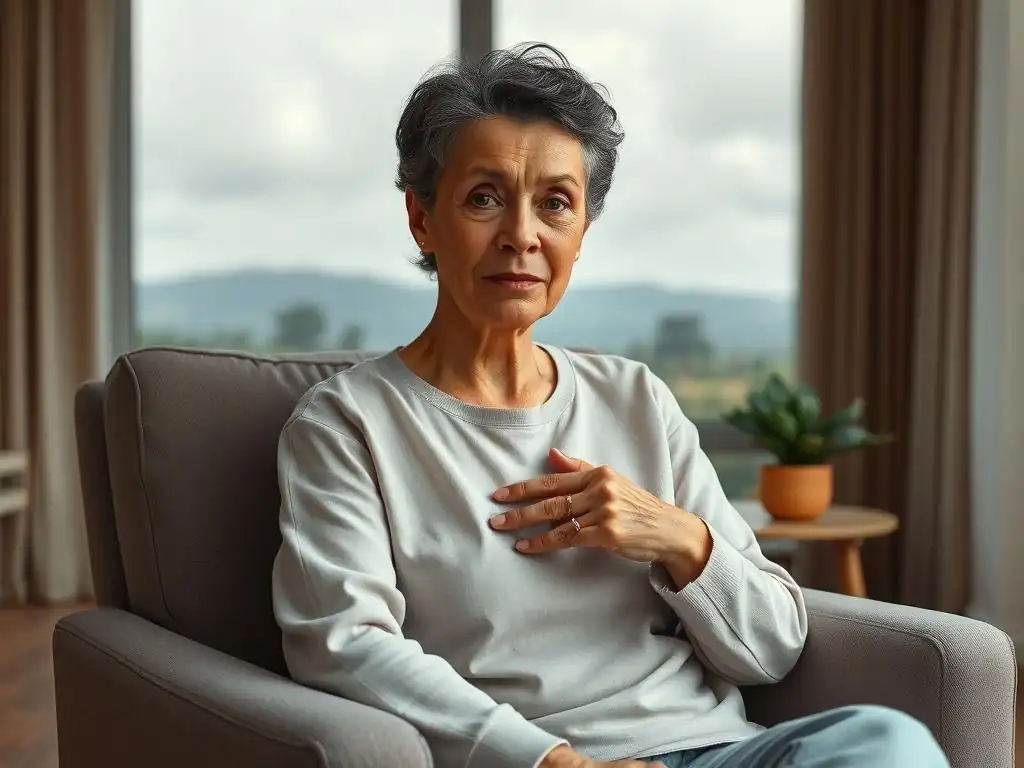
Exposure therapy is a key component in evidence-based treatments for Post-Traumatic Stress Disorder (PTSD), such as Prolonged Exposure (PE) therapy. PTSD develops after exposure to a traumatic event and involves intrusive symptoms (e.g., flashbacks, nightmares), avoidance, negative changes in thoughts and mood, and alterations in arousal and reactivity. Exposure therapy for PTSD involves confronting both the feared memories of the trauma and the feared situations avoided since the trauma.
Trauma-informed exposure therapy typically includes imaginal exposure, where the individual repeatedly recounts the traumatic event in detail, and in vivo exposure, where they gradually confront situations, people, or objects avoided due to the trauma (e.g., avoiding crowded places after an assault, avoiding driving after a car accident). These techniques are conducted in a safe, structured manner with a trained therapist. Research indicates that PE is highly effective for exposure therapy for anxiety relief and other PTSD symptoms, with studies reporting clinically significant improvement in 60-80% of individuals treated.
Exposure Therapy for Specific Phobias: Overcoming Targeted Fears
Specific phobias involve an intense, irrational fear of a particular object or situation (e.g., spiders, heights, enclosed spaces, needles). Exposure therapy is exceptionally effective, often considered the first-line treatment, for specific phobias, frequently yielding rapid and significant results. The treatment directly involves exposing the individual to the feared stimulus in a systematic and gradual manner.
For someone with a spider phobia, exposure might progress from looking at pictures of spiders, to being in the same room as a spider in a sealed container, to eventually touching a spider. For a fear of heights, it could involve climbing steps on a ladder, going to a building's second floor, and gradually moving to higher floors. Success rates for exposure therapy for anxiety relief in specific phobias are remarkably high, often cited as 80-90% or more after a relatively short course of treatment, sometimes even in a single, intensive session.
Strategies for Managing Anxiety During Exposure Exercises
Experiencing anxiety during exposure exercises is not only expected but necessary for the therapy to work. The goal is not to eliminate anxiety instantly but to learn to tolerate it and allow it to decrease naturally. Therapists teach clients various strategies to help them manage the inevitable discomfort that arises during exposure sessions. These are coping strategies, not avoidance or safety behaviors.
Common strategies include focusing on present-moment sensory information (mindfulness), deep breathing exercises (used to calm the nervous system, not as a safety behavior to escape sensation), and using positive self-talk or coping statements (e.g., "I can handle this," "Anxiety is uncomfortable, but not dangerous"). Clients are encouraged to focus on the process of staying in the situation and gathering evidence, rather than solely on trying to make the anxiety disappear. Learning that they possess the ability to face their fears and tolerate distress is a powerful outcome of exposure therapy for anxiety relief.
Identifying and Addressing Avoidance and Safety Behaviors
A major challenge in exposure therapy is the client's ingrained tendency to engage in avoidance or safety behaviors. These behaviors, while providing temporary relief, prevent the crucial learning that occurs when facing a fear without them. Identifying these subtle or overt behaviors is a critical part of both the assessment and the ongoing therapy process.
Therapists work with clients to recognize their specific safety behaviors (e.g., carrying a "safety object," mentally rehearsing conversations, sitting near exits, constantly checking for danger). The core principle of effective exposure therapy for anxiety relief is to drop these behaviors during exposure exercises. This is often difficult and requires courage, but it is essential for the brain to learn that the feared outcome does not occur even without the safety behavior. Addressing and eliminating these behaviors is a constant focus throughout the treatment.
The Crucial Role of a Therapist: Guidance and Support
While exposure therapy requires the client to do the difficult work of facing their fears, the guidance and support of a qualified therapist are absolutely crucial. The therapist is not just an instructor but a skilled facilitator who helps the client understand the rationale behind exposure, develop the hierarchy, structure the exercises, and process the emotional experience. They provide encouragement, validate the difficulty of the process, and help the client stay committed, especially when anxiety is high.
A therapist trained in exposure therapy for anxiety relief knows how to pace the exposures appropriately, modify exercises if needed, and troubleshoot difficulties. They help the client identify and resist safety behaviors and process the learning that occurs during each session. The therapeutic relationship provides a safe base from which the client can venture out to confront their fears, making the daunting task of exposure therapy feel possible and supported.
Determining Suitability: Considerations and Precautions for Exposure Therapy
Contraindications: When Exposure Therapy May Not Be Appropriate
While highly effective for many anxiety disorders, exposure therapy is not suitable for everyone or every situation. There are certain contraindications or situations where it might be inappropriate or require significant modification and caution. For instance, active substance abuse or dependence that impairs the client's ability to engage in the therapeutic process is often a contraindication until the substance use is addressed.
Severe dissociative symptoms or psychosis can also make traditional exposure therapy challenging, as the client may struggle to process the experience or distinguish reality from fear. In cases of PTSD, if the client lacks sufficient coping skills or a stable support system, or is in an actively unsafe environment, trauma-focused exposure may be delayed until these foundational issues are addressed. A thorough clinical assessment by a trained professional is essential to determine if exposure therapy for anxiety relief is the right approach at a given time.
Selecting a Qualified Therapist Specializing in Exposure Therapy
Given the structured yet nuanced nature of exposure therapy, it is vital to work with a therapist who has specific training and experience in delivering it. Exposure therapy, when done incorrectly (e.g., too quickly, without hierarchy, without response prevention), can be ineffective or even potentially harmful, leading to retraumatization or reinforcement of avoidance.
Look for therapists with credentials in CBT or specific certifications/training in exposure therapies like Prolonged Exposure (PE) for PTSD or Exposure and Response Prevention (ERP) for OCD. Professional organizations often provide directories of therapists with specialized training. A qualified therapist will conduct a thorough assessment, collaborate with you on the hierarchy, explain the rationale clearly, and guide you safely through the process, maximizing the potential for successful exposure therapy for anxiety relief.
Integrating Exposure Therapy with Complementary Anxiety Treatments
Exposure therapy is often most effective when integrated into a broader treatment plan, frequently within the context of CBT. While exposure directly addresses avoidance behavior, other components of CBT, such as cognitive restructuring, can help challenge the underlying anxious thoughts and beliefs that fuel the fear. For example, challenging the thought "If I make a mistake, everyone will think I'm incompetent" (cognitive restructuring) can support the behavioral work of giving a presentation (exposure).
Additionally, for some individuals, exposure therapy may be combined with medication, particularly for severe anxiety disorders like OCD or panic disorder, to help manage overwhelming symptoms and enable them to engage more effectively in the exposure work. Mindfulness techniques, relaxation strategies (used judiciously outside of exposure sessions to avoid becoming safety behaviors), and lifestyle changes (exercise, sleep hygiene) can also complement exposure therapy for anxiety relief by improving overall well-being and stress management.
Long-Term Strategies for Maintaining Anxiety Control Post-Exposure Therapy
Reinforcing Skills and Preventing Relapse Through Continued Practice
Completing a course of exposure therapy is a significant achievement, but maintaining the gains requires ongoing effort. The principles learned—facing fears, tolerating distress, and resisting avoidance—need to be actively applied in daily life even after formal therapy ends. This means continuing to engage in situations that might provoke mild anxiety and refraining from resorting to old safety behaviors.
Think of it like physical therapy; you continue the exercises at home to maintain mobility and strength. Similarly, maintaining exposure therapy for anxiety relief involves viewing life as an ongoing opportunity for "mini-exposures." This might involve deliberately choosing to do something slightly outside your comfort zone each week, or intentionally putting yourself in situations that you used to avoid. Regular, even small, acts of confronting fear reinforce the new learning pathways in the brain and keep the old fear responses from regaining strength.
Integrating Exposure Therapy Principles into a Holistic Anxiety Management Plan
Effective long-term anxiety management extends beyond just occasional exposure practice. It involves integrating the principles of confronting fear and tolerating uncertainty into a broader, holistic approach to well-being. This includes maintaining healthy habits like regular exercise, sufficient sleep, and a balanced diet, all of which can positively impact mood and resilience.
Mindfulness and stress-reduction techniques can also play a role, helping individuals stay grounded and manage the inevitable stresses of life without falling back into anxious patterns. Building a strong support system of friends and family and engaging in meaningful activities are also crucial. By viewing exposure therapy for anxiety relief not just as a treatment endpoint, but as a set of principles to live by—principles of courage, resilience, and acceptance of discomfort—individuals can build a robust defense against the return of severe anxiety.
Future Directions: Innovations and Ongoing Research in Exposure Therapy
The field of exposure therapy is continuously evolving, driven by ongoing research into the neurobiology of fear and learning, as well as technological advancements. Researchers are exploring ways to enhance extinction learning, perhaps through pharmacological agents administered in conjunction with exposure, or by optimizing the timing and structure of exposure sessions based on memory reconsolidation research.
Virtual Reality Exposure Therapy (VRET) is becoming more sophisticated and accessible, offering new possibilities for simulating complex or difficult-to-access feared environments. Internet-delivered exposure therapy is also being developed and tested, potentially increasing access to this effective treatment for individuals in remote areas or those facing barriers to in-person therapy. These innovations hold promise for making exposure therapy for anxiety relief even more effective, accessible, and tailored to individual needs in the future.
Frequently Asked Questions
What is Exposure Therapy and how does it relate to Cognitive Behavioral Therapy (CBT)?
Exposure therapy is a type of behavioral therapy often used within the framework of Cognitive Behavioral Therapy (CBT). It involves gradually exposing individuals to feared situations or objects to reduce anxiety.
How does Exposure Therapy work to alleviate anxiety?
Exposure therapy works by breaking the association between the feared stimulus and the anxiety response. Through repeated exposure, individuals learn that the feared outcome is unlikely and that they can manage their anxiety.
What types of anxiety disorders can Exposure Therapy effectively treat?
Exposure therapy is commonly used to treat a variety of anxiety disorders, including phobias, panic disorder, social anxiety disorder, and obsessive-compulsive disorder (OCD). It's considered a first-line treatment for many of these conditions.
Is Exposure Therapy a painful or dangerous process?
While Exposure Therapy can be initially uncomfortable, it's conducted in a safe and controlled environment under the guidance of a trained therapist. The goal is not to cause harm, but to gradually reduce anxiety over time.
How long does Exposure Therapy typically last, and what is the expected outcome?
The duration of Exposure Therapy varies depending on the individual and the specific anxiety disorder, but it often involves several sessions over a few weeks or months. The expected outcome is a significant reduction in anxiety symptoms and improved ability to cope with feared situations.
Final Reflection: Embracing Discomfort, Embracing Healing
The fight against anxiety is a deeply personal journey, but the tools for navigating it are increasingly accessible and effective. Exposure therapy, a cornerstone of Cognitive Behavioral Therapy (CBT), offers a powerful pathway to reclaiming control and finding lasting relief from debilitating anxieties. Understanding its mechanisms and embracing its challenges is crucial in the ongoing battle against this pervasive mental health concern.
The impact of anxiety on individuals and society is profound, shaping our behaviors, relationships, and even our collective understanding of mental well-being. The stigma surrounding mental health continues to hinder open conversations and timely intervention, but the growing awareness and acceptance of therapies like exposure therapy represent a significant step forward. The only way out is through.
This simple yet powerful statement encapsulates the essence of exposure therapy, highlighting the necessity of confronting our fears to ultimately overcome them. It's a testament to the resilience of the human spirit and the potential for healing that lies within each of us.
You now possess a deeper understanding of exposure therapy and its potential to alleviate anxiety. Consider how you might integrate these principles into your own life, whether it's through seeking professional guidance, practicing self-compassion, or simply acknowledging the validity of your anxieties. The journey to healing is not always easy, but the rewards of confronting your fears and reclaiming your life are immeasurable. Take the first step, however small, and begin your path towards a more peaceful and fulfilling future.
Ready to Confront Anxiety and Thrive?
Thanks for taking the time to learn about exposure therapy and its role in Cognitive Behavioral Therapy (CBT). You've now gained valuable insights into a powerful tool for managing anxiety. Let's put this knowledge into action!
- Begin your personalized exposure hierarchy today: Start small, identifying one specific anxiety trigger and gradually building up your exposure plan. Even a tiny step forward is a victory!
- Share your experiences and support others: Connect with our community on social media and share your journey. Knowing you’re not alone can make a world of difference.
- Explore additional CBT techniques: Dive deeper into other helpful strategies by browsing our other articles on MindCareGuide.org (This is where a link would go if allowed).
What small step will you take this week to face your anxiety head-on?