
The Physical Toll: Linking Chronic Pain and Mental Health in Veterans

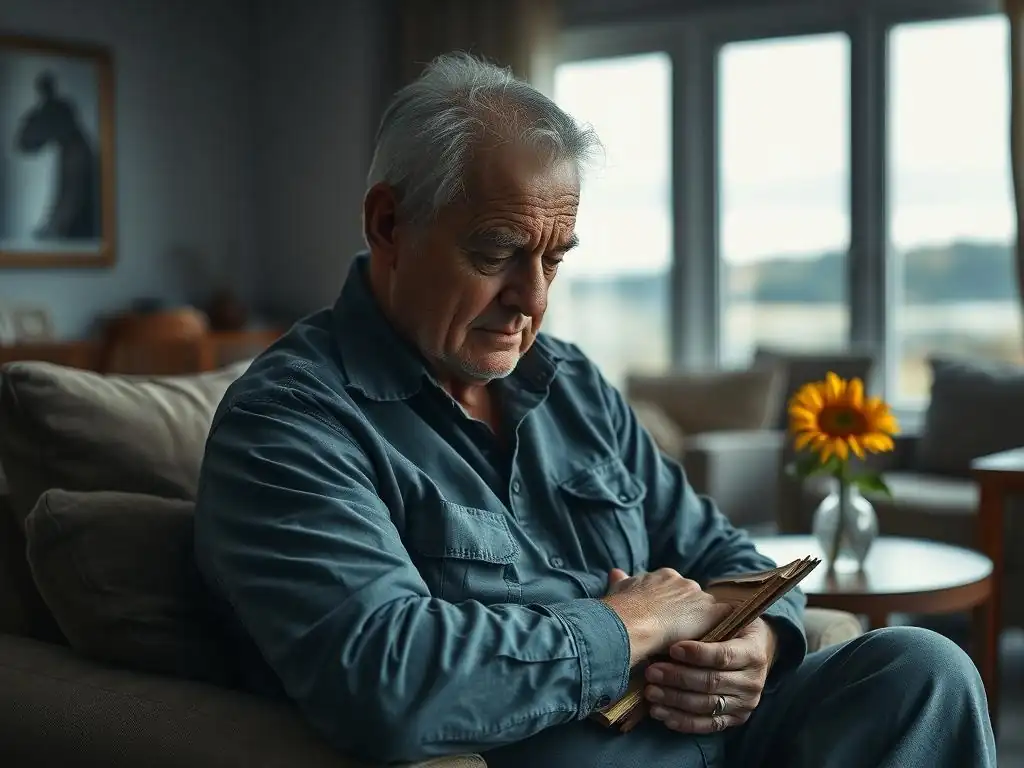
Welcome to Mind Care Guide, a sanctuary for understanding and navigating the complexities of mental well-being. Do you, or someone you care about, experience the relentless grip of chronic pain after service? This article dives deep into the often-overlooked connection between chronic pain and veteran mental health, exploring the unique challenges faced and offering pathways towards healing. Discover how the physical toll can profoundly impact mental resilience and begin your journey towards a brighter, more manageable tomorrow. Read on to understand more about this important issue.
The Physical Toll: Linking Chronic Pain and Mental Health in Veterans
- Understanding the Intertwined Challenges of Chronic Pain and Veteran Mental Health
- The Bi-Directional Relationship: How Chronic Pain Impacts Mental Well-being and Vice Versa
- Common Mental Health Issues Associated with Chronic Pain in Veterans
- The Physiological Mechanisms Linking Chronic Pain and Mental Health in Veterans
- Effective Treatment Strategies for Veterans Facing Chronic Pain and Mental Health Challenges
- Alternative and Complementary Therapies for Chronic Pain and Mental Health in Veterans
- Resources and Support Systems for Veterans with Chronic Pain and Mental Health Issues
-
Frequently Asked Questions
- How does chronic pain specifically impact the mental health of veterans?
- What resources are available to veterans struggling with both chronic pain and mental health issues?
- Why is it important to address both the physical and mental health needs of veterans with chronic pain simultaneously?
- What are some effective strategies for managing chronic pain and improving mental health in veterans?
- How can families and friends support veterans dealing with chronic pain and mental health challenges?
- Final Reflection: The Unseen Scars of Service
- Unleash Your Inner Resilience: Taking Charge of Your Well-being
Understanding the Intertwined Challenges of Chronic Pain and Veteran Mental Health
The Prevalence of Chronic Pain in the Veteran Community
Chronic pain is a significant issue affecting a substantial portion of the veteran population, often stemming from injuries sustained during service, the physical demands of military life, or other health conditions that develop over time. Research consistently shows that veterans report higher rates of chronic pain compared to their civilian counterparts.
For example, studies funded by the Department of Veterans Affairs (VA) indicate that approximately 50% of veterans receiving VA healthcare services experience some form of chronic pain. This figure can be even higher among specific groups, such as those who served in combat zones or those with specific service-connected disabilities.
This widespread prevalence means that addressing chronic pain is a critical component of overall veteran health, including mental well-being. The persistent nature of pain, lasting for months or even years, can profoundly impact a veteran's daily life, limiting mobility, disrupting sleep, and making it difficult to engage in work, social activities, and hobbies. Understanding the sheer scale of veteran chronic pain is the first step in recognizing its deep connection to mental health challenges within this community. The physical burden often becomes a mental one, creating a complex interplay that requires specialized care.
Mental Health Conditions Frequently Co-Occurring with Chronic Pain in Veterans
The high incidence of chronic pain among veterans is closely mirrored by a high co-occurrence of various mental health conditions. It's rare for a veteran to experience significant chronic pain without some impact on their psychological state. The most frequently linked conditions include depression, anxiety disorders, post-traumatic stress disorder (PTSD), and substance use disorders. Data suggests that veterans with chronic pain are two to three times more likely to suffer from depression or anxiety than those without chronic pain.
Furthermore, the relationship is particularly strong with PTSD, a condition prevalent among combat veterans. Estimates suggest that a large percentage of veterans with PTSD also report experiencing chronic pain, sometimes linked directly to traumatic injuries, and sometimes appearing as a somatic symptom. This complex overlap underscores why a holistic approach to veteran chronic pain and mental health is essential. Treating only the pain or only the mental health condition in isolation is often ineffective; comprehensive care must address both aspects simultaneously.
The Bi-Directional Relationship: How Chronic Pain Impacts Mental Well-being and Vice Versa
Chronic Pain as a Trigger for Mental Health Disorders in Veterans
Chronic pain can act as a significant stressor, fundamentally altering a veteran's quality of life and serving as a potent trigger or exacerbating factor for mental health disorders. The constant discomfort, reduced functionality, and disrupted sleep patterns associated with persistent pain can lead to feelings of hopelessness, frustration, and isolation. A veteran who was once highly active might find themselves unable to perform simple tasks, leading to a loss of identity and purpose, which are known risk factors for depression and anxiety.
Moreover, the unpredictable nature of chronic pain flares can create constant worry and hypervigilance, contributing to the development or worsening of anxiety disorders. For veterans already predisposed to or managing conditions like PTSD, chronic pain can increase irritability, difficulty concentrating, and social withdrawal, intensifying their symptoms. The physical reality of veteran chronic pain thus directly impacts emotional regulation and stress response, making veterans more vulnerable to mental health crises.
The Impact of Mental Health on Pain Perception and Management in Veterans
The relationship is not one-sided; a veteran's mental state significantly influences how they perceive and cope with chronic pain. Conditions like depression and anxiety can lower a person's pain threshold, making them feel pain more intensely. Psychological distress can also change the body's neurochemical environment, potentially increasing inflammation and altering pain signaling pathways in the brain and spinal cord.
Furthermore, mental health issues can complicate pain management efforts. A veteran struggling with severe depression might lack the motivation to engage in physical therapy or follow medication regimens. Anxiety can lead to catastrophizing about pain, amplifying distress and focusing attention on the discomfort, thereby worsening the subjective experience of pain. Addressing mental health in veterans with chronic pain is therefore not just about improving their emotional state, but also about improving their ability to manage and potentially reduce their physical pain.
Common Mental Health Issues Associated with Chronic Pain in Veterans

PTSD and Chronic Pain: A Complex Connection for Veterans
The link between PTSD and chronic pain is particularly strong and complex within the veteran community. Combat exposure, military sexual trauma, and other operational stressors can result in both physical injuries leading to chronic pain and psychological trauma leading to PTSD. The body's response to trauma can also manifest physically, sometimes contributing to chronic pain conditions even without a direct injury. Veterans with co-occurring PTSD and chronic pain often experience more severe symptoms of both conditions.
This dual burden creates a challenging cycle. Pain can trigger memories or flashbacks related to the trauma, while PTSD symptoms like hypervigilance and heightened arousal can amplify pain signals. Veterans in this situation may struggle significantly with sleep, concentration, and emotional regulation, making daily life incredibly difficult. Effective treatment for veteran chronic pain in the context of PTSD requires integrated approaches that address both the traumatic stress response and the physical pain simultaneously.
Depression and Anxiety: Amplified by Persistent Pain in Veterans
Depression and anxiety are pervasive mental health challenges among veterans with chronic pain. The relentless nature of pain can lead to feelings of helplessness and hopelessness, common hallmarks of depression. The inability to participate in activities they once enjoyed, coupled with the potential for social isolation due to pain, further contributes to depressive symptoms. Studies indicate a significantly higher prevalence of major depressive disorder among veterans with chronic pain compared to those without.
Similarly, anxiety is frequently heightened by chronic pain. Veterans may worry constantly about their pain levels, fear engaging in activities that might worsen their pain, and experience anxiety related to medical appointments or treatment outcomes. This constant state of worry can manifest as generalized anxiety, panic attacks, or specific phobias related to movement or activity. The intertwined nature of veteran chronic pain and mental health means that treating one often requires addressing the other to break the cycle of suffering.
Substance Use Disorders: A Potential Coping Mechanism with Serious Consequences for Veterans with Chronic Pain
Substance use disorders are a serious concern for veterans managing chronic pain, sometimes developing as a maladaptive coping mechanism. Veterans may turn to alcohol, prescription medications (often opioids prescribed for pain), or illicit drugs to numb physical discomfort or escape the emotional distress caused by pain, depression, anxiety, or PTSD. While providing temporary relief, this often leads to dependence, addiction, and worsening overall health outcomes.
The opioid crisis, in particular, has highlighted the risks faced by veterans prescribed pain medication. The VA has made significant efforts to reduce reliance on opioids and promote alternative pain management strategies. Addressing substance use in veterans with chronic pain requires careful monitoring, support for withdrawal if needed, and integrated treatment plans that tackle both the pain and the addiction, alongside any underlying mental health conditions. This complex challenge underscores the need for comprehensive veteran chronic pain and mental health services.
The Physiological Mechanisms Linking Chronic Pain and Mental Health in Veterans
The Role of the Nervous System in Chronic Pain and Mental Health
The central nervous system (brain and spinal cord) plays a pivotal role in both experiencing chronic pain and regulating mood and emotions. Shared neural pathways and brain regions are involved in processing both physical sensations and emotional states. For instance, the amygdala, involved in fear and emotional processing, and the prefrontal cortex, involved in decision-making and emotional regulation, are implicated in both chronic pain conditions and mental health disorders like depression and anxiety.
In chronic pain states, the nervous system can become hypersensitized, meaning it becomes more responsive to pain signals, sometimes even interpreting non-painful stimuli as painful. This central sensitization is influenced by stress and emotional factors. Chronic stress, often associated with mental health conditions, can alter nerve function and contribute to this hypersensitivity, creating a feedback loop where pain exacerbates stress, and stress exacerbates pain. Understanding these neurological connections is key to developing effective treatments for veteran chronic pain and mental health.
The Impact of Inflammation on Both Physical and Mental Health in Veterans
Inflammation is increasingly recognized as a common underlying factor linking chronic physical conditions, including many types of chronic pain, with mental health disorders. Chronic pain conditions like arthritis or back pain often involve ongoing inflammation. Simultaneously, research suggests that systemic inflammation can impact brain function and contribute to the development of depression, anxiety, and fatigue.
In veterans, service-related injuries or exposures might trigger inflammatory responses that persist long after the initial event, contributing to chronic pain. This persistent inflammation can also affect neurotransmitter balance and neural circuits involved in mood regulation, potentially contributing to mental health challenges. Addressing inflammation through lifestyle changes, diet, or specific therapies is an area of growing interest in the integrated treatment of veteran chronic pain and mental health issues.
Neurotransmitter Imbalances: A Common Factor in Chronic Pain and Mental Health Conditions in Veterans
Neurotransmitters are chemical messengers in the brain that regulate mood, pain perception, sleep, and many other functions. Several neurotransmitters, such as serotonin, norepinephrine, and dopamine, are involved in both pain signaling and mood regulation. Imbalances in these chemicals are associated with conditions like depression, anxiety, and certain chronic pain syndromes (e.g., fibromyalgia).
For veterans experiencing chronic pain and mental health issues, there may be shared underlying neurochemical dysregulation. For example, low levels of serotonin can contribute to both depressed mood and increased pain sensitivity. Medications that target these neurotransmitter systems, such as certain antidepressants, are sometimes effective in treating both chronic pain and co-occurring depression or anxiety. Understanding these shared biological pathways helps explain the strong link between veteran chronic pain and mental health and informs pharmacological treatment strategies.
Effective Treatment Strategies for Veterans Facing Chronic Pain and Mental Health Challenges

Integrated Pain Management Programs for Veterans: A Holistic Approach
Recognizing the complex link between veteran chronic pain and mental health, the VA and other healthcare providers increasingly utilize integrated pain management programs. These programs move beyond simply prescribing medication and offer a multidisciplinary approach that addresses the physical, psychological, and social aspects of chronic pain. A typical integrated program might include components like physical therapy, mental health counseling (such as CBT or ACT), pain education, mindfulness training, and medication management, coordinated by a team of specialists.
The goal is to equip veterans with a range of tools and strategies to manage their pain effectively, improve their function, and enhance their overall quality of life. By simultaneously addressing the physical sensations of pain and the emotional distress and functional limitations it causes, these programs offer a more comprehensive and potentially more effective path to recovery than single-modality treatments. This holistic model is crucial for tackling the multifaceted challenge of chronic pain veteran mental health.
Cognitive Behavioral Therapy (CBT) for Chronic Pain and Mental Health in Veterans
Cognitive Behavioral Therapy (CBT) is a highly effective psychological treatment that is particularly useful for veterans dealing with both chronic pain and mental health issues. CBT helps individuals identify and challenge negative thought patterns and behaviors that contribute to their pain experience and emotional distress. For chronic pain, CBT focuses on how thoughts (e.g., "My pain will never get better") and behaviors (e.g., avoiding all activity) can worsen pain perception and disability.
In the context of veteran chronic pain and mental health, CBT helps veterans develop coping strategies, improve sleep, increase activity levels gradually, and manage associated depression and anxiety. By changing how veterans think about their pain and how they respond to it, CBT can significantly reduce pain intensity, improve function, and alleviate symptoms of co-occurring mental health conditions. It empowers veterans by giving them active strategies to manage their conditions.
Medication Management: Balancing Pain Relief and Mental Health Support for Veterans
Medication management for veterans with chronic pain and mental health issues is a delicate balancing act. While medications can play a vital role in managing both conditions, careful consideration is needed to ensure efficacy, minimize side effects, and avoid potential interactions or dependence. Pain medications, including non-opioids, nerve pain medications, and sometimes carefully managed opioids, are used to reduce physical discomfort.
Simultaneously, medications for mental health conditions, such as antidepressants or anti-anxiety medications, may be prescribed. Some medications, like certain antidepressants, can even help with both pain and mood. The key is coordinated care between pain specialists and mental health providers. Treatment plans must consider the veteran's full profile of symptoms and ensure that medication strategies for pain and mental health are integrated and optimized for overall well-being, rather than treated in isolation.
Alternative and Complementary Therapies for Chronic Pain and Mental Health in Veterans
Mindfulness and Meditation for Pain Reduction and Mental Well-being in Veterans
Mindfulness and meditation are increasingly recognized as valuable complementary therapies for veterans managing chronic pain and associated mental health challenges. These practices teach veterans to become more aware of their present moment experience, including physical sensations and emotions, without judgment. Regular practice can help veterans change their relationship with pain, reducing the fear and anxiety often associated with it.
By cultivating a sense of acceptance and reducing reactivity to pain signals, mindfulness can decrease the subjective experience of pain intensity. It also helps veterans manage stress, reduce rumination on negative thoughts, and alleviate symptoms of anxiety and depression. Many VA facilities and veteran support organizations now offer mindfulness-based programs specifically tailored for veterans, demonstrating their potential benefits for veteran chronic pain and mental health.
Physical Therapy and Exercise: Rebuilding Strength and Reducing Pain in Veterans
Physical therapy and targeted exercise are fundamental components of managing chronic pain and improving mental health in veterans. While it might seem counterintuitive to exercise when in pain, appropriate physical activity can significantly reduce pain levels over time by strengthening muscles, improving flexibility, and releasing natural pain-relieving endorphins. Physical therapists work with veterans to develop safe, personalized exercise plans that gradually increase function and reduce fear of movement.
Beyond the physical benefits, exercise has profound positive effects on mental health. It is a proven mood booster, helping to reduce symptoms of depression and anxiety. Regular physical activity can also improve sleep quality and provide a sense of accomplishment and control. For veterans with chronic pain, regaining physical function through therapy and exercise is a powerful step towards reclaiming their lives and improving their mental well-being.
Acupuncture and Other Alternative Therapies for Chronic Pain Management in Veterans
Acupuncture is one of several alternative and complementary therapies that some veterans find helpful for managing chronic pain. Originating from traditional Chinese medicine, acupuncture involves inserting thin needles into specific points on the body. Research suggests it may help modulate pain signals and promote the release of endorphins. The VA has incorporated acupuncture into its pain management offerings in many locations, reflecting growing evidence of its potential benefits.
Other therapies sometimes explored include chiropractic care, massage therapy, and yoga. While the evidence base varies for these approaches, many veterans report finding relief from chronic pain and experiencing improved relaxation and reduced stress levels, which can positively impact mental health. Exploring these options as part of a comprehensive plan can provide veterans with additional tools in their journey towards managing veteran chronic pain and mental health challenges.
Resources and Support Systems for Veterans with Chronic Pain and Mental Health Issues
VA Healthcare System: Comprehensive Care for Veterans
The Department of Veterans Affairs (VA) healthcare system is the primary provider of integrated care for veterans dealing with chronic pain and mental health issues. The VA offers a wide range of services, including specialized pain clinics, mental health counseling, physical therapy, rehabilitation services, and access to various medical specialists. Their integrated model aims to provide comprehensive care that addresses the whole veteran, recognizing the interconnectedness of physical and mental health.
Veterans enrolled in the VA system can access services like pain management programs, individual and group therapy (including trauma-informed care), medication management, and support for substance use disorders. Navigating the system can sometimes be challenging, but resources are available to help veterans understand their eligibility and access the care they need for chronic pain veteran mental health concerns.
Non-Profit Organizations Supporting Veteran Mental Health and Pain Management
Numerous non-profit organizations are dedicated to supporting veterans and complementing the services offered by the VA. These organizations often provide resources, support programs, and advocacy specifically focused on veteran chronic pain and mental health. Examples include organizations that offer adaptive sports programs, therapeutic recreation, peer support networks, and assistance navigating benefits and resources.
These groups can provide valuable community connection, specialized programs that may not be readily available elsewhere, and a sense of belonging. For a veteran struggling with isolation due to chronic pain and mental health challenges, connecting with a non-profit can be a vital step towards finding support and improving their quality of life. Researching local and national organizations focused on veteran chronic pain and mental health is highly recommended.
Peer support groups offer a powerful avenue for veterans to connect with others who understand the unique challenges of managing chronic pain and mental health conditions after service. Sharing experiences with fellow veterans who have faced similar struggles can reduce feelings of isolation, provide validation, and offer practical coping strategies learned through lived experience. These groups can be facilitated by the VA, non-profit organizations, or community-based initiatives.
In a peer support setting, veterans can openly discuss the daily impact of chronic pain on their mood, relationships, and overall functioning. Hearing from peers who are successfully managing their conditions can inspire hope and provide valuable insights. These groups foster a sense of camaraderie and mutual support, which is incredibly beneficial for veterans navigating the complex landscape of chronic pain veteran mental health.
Frequently Asked Questions
How does chronic pain specifically impact the mental health of veterans?
Chronic pain can significantly impact mental health by leading to increased rates of depression, anxiety, and PTSD. The constant discomfort and limitations can create a cycle of negative thoughts and feelings.
What resources are available to veterans struggling with both chronic pain and mental health issues?
Numerous resources exist, including the Department of Veterans Affairs (VA), offering mental health services, pain management programs, and support groups. Community-based organizations and online platforms also provide assistance.
Why is it important to address both the physical and mental health needs of veterans with chronic pain simultaneously?
Treating both aspects is crucial for holistic well-being. Ignoring mental health can hinder pain management efforts, and untreated pain can worsen mental health conditions, creating a vicious cycle.
What are some effective strategies for managing chronic pain and improving mental health in veterans?
Effective strategies include pain management techniques (medication, physical therapy), mental health therapies (CBT, EMDR), and lifestyle changes (exercise, mindfulness). A combination of these approaches is often most beneficial.
How can families and friends support veterans dealing with chronic pain and mental health challenges?
Families and friends can offer emotional support, encourage seeking professional help, and assist with practical tasks. Creating a supportive environment and showing empathy are critical for recovery and well-being.
Final Reflection: The Unseen Scars of Service
The link between chronic pain and mental health in veterans is not merely a correlation; it's a crisis demanding immediate and comprehensive attention. The sheer number of veterans struggling with both physical and psychological wounds underscores the urgent need for improved healthcare systems and societal understanding. This article has highlighted the complex interplay of factors contributing to this devastating combination, from battlefield injuries to the long-term effects of exposure to trauma and inadequate post-service support.
The pervasive impact of chronic pain on the veteran community extends far beyond the individual, rippling outwards to affect families, communities, and the nation as a whole. The emotional toll, often unseen and underestimated, exacerbates the physical suffering, creating a vicious cycle of pain, isolation, and despair. The wounds of war are not always visible, but they are no less real.
This quote perfectly encapsulates the silent struggle many veterans face, a struggle that demands our empathy, understanding, and proactive support.
The information presented in this article is not simply for reading; it's a call to action. You can make a difference. Take the time to learn more about the resources available to veterans struggling with chronic pain and mental health challenges. Reach out to a veteran in your life, listen to their experiences without judgment, and advocate for policies that prioritize their well-being. By acknowledging the unseen scars of service and actively working towards solutions, we can help build a more supportive and compassionate future for those who have sacrificed so much for our country.
Unleash Your Inner Resilience: Taking Charge of Your Well-being
Thanks for taking the time to explore the vital connection between chronic pain and mental health in veterans. We hope this article provided valuable insights and empowered you to take the next steps toward better well-being.
Here's how you can continue your journey:
- Prioritize self-care: Identify one small, achievable self-care practice (a 10-minute walk, a warm bath, journaling) and commit to it daily this week. This consistent act of self-compassion is crucial.
- Connect with your community: Share this article with fellow veterans who may benefit from understanding this crucial link between physical and mental health. Support and understanding can make all the difference.
- Explore available resources: Investigate local or online support groups specifically designed for veterans dealing with chronic pain. Discovering a community of shared experiences can be incredibly powerful.
What small step will you take today to invest in your physical and mental well-being?