
Mapping Your Support System: A Key Element of Your Safety Plan


Welcome to Mind Care Guide, a safe space dedicated to nurturing your mental well-being.
Feeling overwhelmed or isolated? You're not alone. We understand the importance of having a solid foundation during challenging times. This article, " Mapping Your Support System: A Key Element of Your Safety Plan," delves into the vital role of building a strong support network as a cornerstone of your mental health safety plan. Are you ready to discover how identifying and connecting with your support system can be a powerful step towards navigating life's hurdles? Let's explore how to create a network that truly understands and supports you.
- Mapping Your Support System: A Key Element of Your Safety Plan
- Understanding the Importance of a Strong Support Network for Mental Wellbeing
- Identifying and Building Your Personal Support Network
- Creating a Visual Map of Your Support System
- Utilizing Your Support Network Effectively
- Maintaining and Strengthening Your Support System Over Time
- Addressing Challenges and Barriers to Building a Support System
- The Connection Between Support Networks and Mental Health
- Resources for Building and Strengthening Your Support Network
-
Frequently Asked Questions
- How does building a strong support network contribute to my overall mental well-being?
- Why is it important to map out my support system as part of my safety plan?
- What types of people should I consider including in my support network?
- How often should I evaluate and update my support network map?
- What if I don't have a large support network to begin with? How do I start building one?
- Final Reflection: Weaving a Safety Net of Support
- Unleash Your Support Network: Build a Stronger You
Mapping Your Support System: A Key Element of Your Safety Plan
Building a strong support network is a fundamental component of mental wellness, particularly when navigating challenging times or developing a safety plan. This network consists of the people and resources you can rely on for emotional comfort, practical help, and guidance. Identifying and actively cultivating these connections is not just about having someone to talk to; it's about creating a robust safety net that can provide crucial support when you need it most.
Understanding the Importance of a Strong Support Network for Mental Wellbeing
Why a Robust Support System is Crucial for Safety and Recovery
A robust support system acts as a vital buffer against life's stressors and a critical resource during periods of mental health challenges, including suicidal ideation. When individuals feel connected and supported, they are less likely to experience overwhelming feelings of isolation and hopelessness, which are significant risk factors in a mental health crisis. A strong network can provide immediate emotional validation and practical assistance, serving as a lifeline to help navigate difficult moments and reinforcing reasons for staying safe.
Empirical evidence consistently highlights the protective power of social support. Studies have indicated that individuals with strong social ties report significantly lower stress levels and a reduced incidence of depression and anxiety compared to those who feel isolated.
For example, research published in journals like the Journal of Consulting and Clinical Psychology has demonstrated that perceived social support is a strong predictor of recovery outcomes for various mental health conditions, showing its crucial role not just in crisis prevention but also in long-term healing. Building a strong support network is, therefore, an investment in both immediate safety and sustained recovery.
Social support plays a multifaceted role in the daily management of mental health challenges. It provides emotional validation, letting individuals know they are not alone in their struggles and that their feelings are understood. Beyond emotional comfort, a support network offers practical assistance, such as help with daily tasks when energy is low, reminders about appointments or medication, or simply providing a distraction from negative thought patterns. Different members of the network can offer diverse perspectives and coping strategies learned from their own experiences or knowledge.
Consider the impact of support in real-world scenarios: a friend might notice subtle changes in behavior and gently encourage seeking professional help, a family member could offer transportation to therapy sessions, or a peer support group might share effective coping techniques for managing anxiety symptoms. These interactions provide tangible aid and reinforce a sense of belonging and shared experience, which is incredibly empowering. Building a strong support network means having access to these various forms of assistance, making the journey of managing mental health feel less daunting and more manageable.
Identifying and Building Your Personal Support Network
Who to Include in Your Support System: A Guide to Potential Connections
Your personal support system can draw from many different areas of your life, creating a diverse and resilient network. Potential connections include immediate and extended family members, close friends, partners, trusted colleagues, mentors, teachers, members of religious or community groups, and fellow participants in support groups. It's also important to remember professional support, such as therapists, counselors, doctors, and social workers, who form a crucial part of your safety net, offering expert guidance and resources.
When considering who to include, think about individuals who are reliable, empathetic, non-judgmental, and respectful. Different people may fulfill different support roles; one person might be a great listener for emotional processing, while another might be better suited for practical help or simply providing a healthy distraction. The goal is to identify individuals with whom you feel safe, comfortable sharing, and confident that they will respond with care and understanding. Building a strong support network involves recognizing these varied strengths and roles within your relationships.
Assessing Existing Relationships: Identifying Sources of Strength and Support
Taking time to assess your current relationships is a key step in mapping your support system. Reflect on the people in your life and consider: Who do you feel most comfortable being yourself around? Who has been there for you during past difficulties? Who do you trust with sensitive information? Think about which relationships feel reciprocal and genuinely supportive, where you feel seen and valued.
This assessment isn't just about identifying the strongest links; it's also about recognizing potential sources of support that might be less obvious. Perhaps an acquaintance shares a common interest and could become a source of positive social interaction, or a colleague has expressed empathy about stress at work.
Conversely, it's also important to acknowledge relationships that might be draining, unreliable, or even detrimental to your mental health; while these people might still be in your life, they may not be suitable members of your core safety plan support network. Identifying reliable sources is fundamental to Building a strong support network.
Strategies for Connecting with Others and Building New Relationships
Actively connecting with others is essential for both strengthening existing bonds and cultivating new relationships. For deepening current relationships, make an effort to schedule regular check-ins, whether a weekly phone call, a monthly coffee, or simply sending a text to say hello. Share aspects of your life (as you feel comfortable) and show genuine interest in theirs. Reciprocity in sharing and support is key to nurturing these connections over time.
To build new relationships, consider joining groups or activities based on your interests, such as a book club, a hiking group, a volunteer organization, or a class. These provide natural opportunities to meet like-minded people. Attending community events or reaching out to acquaintances you'd like to know better are also effective strategies. Online platforms can also be valuable for connecting with others who share similar experiences or interests, especially if in-person interaction is challenging. Consistency and authenticity are crucial when Building a strong support network through new connections.
Creating a Visual Map of Your Support System
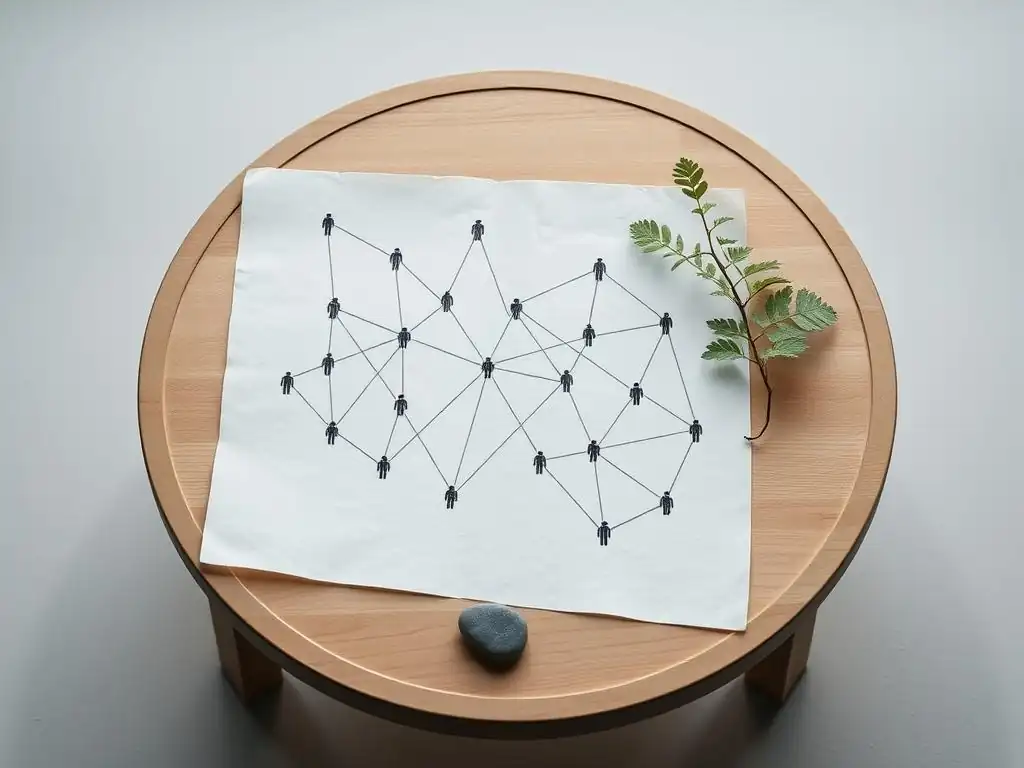
Step-by-Step Guide to Mapping Your Support Network
Creating a visual map of your support network makes your resources tangible and easy to access, especially during stressful times. Start by placing yourself at the center of a page or document. Then, brainstorm all the individuals and professional resources you identified in the previous steps. Write their names around yours.
Next, draw lines connecting yourself to each person or resource. Near each name, jot down their contact information (phone number, email) and a brief note about the type of support they offer or the role they play (e.g., "Emotional support," "Practical help," "Therapist - crisis contact"). You might categorize them visually, perhaps placing closer contacts nearer to you and professional resources in a separate section.
You could use different colors or shapes to denote different types of support. Keeping this map readily available, perhaps as part of a printed safety plan or saved securely on your phone, ensures you know exactly who to reach out to and how. This practical step solidifies the abstract process of Building a strong support network.
Visualizing Your Support Resources
Visualizing your support network offers several benefits. It provides a clear, at-a-glance reminder of the people and resources available to you, which can be grounding during moments of distress when thinking clearly is difficult. Seeing the connections mapped out can also highlight the strength and breadth of your existing network, reinforcing that you are not alone.
Beyond individuals, your visual map can include other important support resources. Add emergency contact numbers like crisis hotlines (e.g., a national suicide prevention lifeline number) or local emergency services. Include the names and contact information for your primary care physician or psychiatrist. You could also list locations of safe spaces, such as a trusted friend's home or a quiet public place. This comprehensive visual aid serves as a quick reference guide, ensuring all potential sources of support are easily identifiable when needed.
Utilizing Your Support Network Effectively
Communicating Your Needs to Your Support System
Effectively utilizing your support network requires clear and open communication about your needs. It can be challenging to articulate what you're going through, especially during difficult periods, but being specific helps your support system know how best to help. Instead of saying "I'm not okay," try to share more details if you feel able, such as "I'm feeling overwhelmed and could really use someone to listen," or "I'm having trouble focusing and could use help with a specific task."
Consider having proactive conversations with key members of your support network when you are feeling well. Explain what kind of support might be helpful if you are struggling in the future, perhaps sharing elements of your safety plan. This prepares them and reduces the burden of explaining everything when you are in distress. Remember that your support system members are often willing to help but may not know how unless you communicate your needs, which is a crucial skill in Building a strong support network that is truly effective.
How to Ask for Help and Receive Support
Asking for help can feel vulnerable, but it is a sign of strength, not weakness. Practice simple ways to initiate contact, such as "Are you free to talk for a bit?" or "I'm going through a tough time, and I was wondering if you'd be open to listening." Start with the person you feel most comfortable with. It's okay to start small if asking for help is new to you.
Receiving support is also an active process. When someone offers help, try to accept it if it feels right, rather than automatically declining out of politeness or a desire not to be a burden. Expressing gratitude, even simply saying "Thank you, this means a lot," reinforces the positive dynamic of the relationship and encourages future support. Learning to both ask for and graciously receive help strengthens your connections and makes your support network a more dynamic and reliable resource. This reciprocity is key to Building a strong support network that thrives.
Setting Boundaries and Maintaining Healthy Relationships within Your Network
While your support network is there for you, it's important to maintain healthy boundaries to ensure the relationships remain sustainable and positive for everyone involved. This means being mindful of the capacity of others – they have their own lives and challenges. Avoid relying solely on one person for all your needs and respect their availability and limits.
Healthy relationships are built on mutual respect and reciprocity. While you may be receiving support during a difficult time, remember to also show interest in the lives of those in your network and offer support when you are able. Setting clear boundaries around what you are comfortable sharing and what you can realistically ask for helps prevent burnout in your support system and ensures that your network remains a healthy and positive force in your life long-term. This balance is vital for Building a strong support network that endures.
Maintaining and Strengthening Your Support System Over Time
Regularly Evaluating and Updating Your Support Network
Your life circumstances change, and so do your relationships and support needs. It's beneficial to regularly evaluate your support network, perhaps every few months or annually, and update your support map. Consider if your current network still meets your needs. Have some relationships grown stronger or weaker? Have new, supportive people entered your life?
Actively checking in with the key members of your network, not just when you are in crisis, helps maintain the strength of these connections. Send a message, schedule a call, or plan a casual get-together. This proactive approach ensures that when you do need support, the lines of communication are already open and the relationships are current and robust. Regularly reviewing and nurturing your connections is a fundamental part of Building a strong support network that provides consistent support.
Nurturing Connections for Long-Term Wellbeing
Maintaining a strong support system is an ongoing process that requires consistent effort, but the payoff for your long-term wellbeing is immense. Think of nurturing your connections as an investment in your mental and emotional health. This involves making time for your relationships, showing genuine care and interest in the lives of others, and being reliable and supportive in return.
Engaging in shared activities, celebrating milestones together, and simply spending quality time are all ways to nurture these vital bonds. While it takes time and energy, the sense of belonging, emotional security, and increased resilience that comes from a well-maintained support network significantly contributes to overall life satisfaction and mental stability. It reinforces that Building a strong support network isn't a one-time task but a continuous practice for a healthier life.
Addressing Challenges and Barriers to Building a Support System

Feelings of social isolation and loneliness are significant barriers to Building a strong support network. These feelings can make reaching out incredibly difficult. It's important to acknowledge these feelings without judgment. Start with small, manageable steps. This might involve committing to one low-pressure social activity a week, such as visiting a local library or park, or simply sending a text message to one person you haven't spoken to in a while.
Mental health symptoms like low energy, social anxiety, or depression can exacerbate isolation. If symptoms are a major barrier, seeking professional help from a therapist can provide strategies for managing these symptoms and gradually increasing social connection. Be patient and compassionate with yourself; overcoming isolation is a process, and every small step towards connection is progress in Building a strong support network.
Not all relationships in your life will be supportive, and some may even be detrimental to your mental health. Recognizing this is crucial when Building a strong support network for safety. It's okay to set boundaries with individuals whose interactions are consistently negative, critical, or unsupportive. This might involve limiting the time spent with them or being selective about what you share.
In some cases, if a relationship is toxic or harmful, it may be necessary to reduce contact significantly or even distance yourself entirely. This can be painful, but prioritizing your mental wellbeing is essential. Focus your energy on cultivating relationships that are genuinely positive, respectful, and uplifting, reinforcing that your support network should be a source of strength, not stress.
Seeking Professional Support
Professional support from therapists, counselors, psychiatrists, or mental health support groups led by clinicians is a critical component of a comprehensive support system. These professionals offer expertise, objective perspectives, and evidence-based strategies for managing mental health challenges. They can also provide guidance on improving communication skills and navigating complex relationship dynamics within your personal network.
When personal networks are weak, unavailable, or unable to provide the specific support needed, professional help can serve as a primary and reliable source of support. A therapist can help you understand the barriers you face in Building a strong support network and work with you to develop skills and strategies to overcome them. They can also connect you with relevant resources and support groups tailored to your specific needs.
The Connection Between Support Networks and Mental Health
How a Strong Support System Promotes Wellbeing
A strong support system is deeply intertwined with positive mental wellbeing. It provides a sense of belonging, reducing feelings of isolation and increasing feelings of security. Having people to share experiences with, both good and bad, validates emotions and makes challenges feel less overwhelming. Support networks offer diverse perspectives and coping strategies, enhancing resilience in the face of adversity.
Research consistently demonstrates the positive correlation between strong social connections and improved health outcomes, both mental and physical. For instance, studies have shown that individuals with robust social networks tend to have lower rates of chronic illness and increased longevity, alongside improved mental health outcomes. This sense of connection acts as a protective factor, fostering emotional stability and reinforcing a positive outlook on life, which is fundamental to Building a strong support network for overall health.
Integrating Your Support Network into Your Overall Wellness Plan
Viewing your support network not just as a crisis resource but as an integral part of your daily wellness plan is key to maximizing its benefits. Just as you might schedule exercise or plan healthy meals, make conscious efforts to connect with your support system regularly. This could involve scheduling weekly calls with a friend, joining a regular group activity, or simply making time for spontaneous interactions.
Incorporating your network into your routine ensures that the connections remain strong and readily available. Frame Building a strong support network as a continuous, proactive process that contributes to your overall quality of life and serves as a form of preventative mental healthcare. By prioritizing your relationships, you build a foundation of support that enhances your resilience and wellbeing every day, not just during difficult times.
Resources for Building and Strengthening Your Support Network
Online Communities and Support Groups
Online communities and support groups can be invaluable resources for Building a strong support network, especially for individuals who face geographical barriers, have limited mobility, or experience social anxiety that makes in-person interactions challenging initially. Many online forums and groups exist for specific mental health conditions, allowing individuals to connect with others who truly understand their experiences, share coping strategies, and offer mutual encouragement.
When exploring online options, look for reputable and well-moderated communities. Organizations dedicated to specific conditions often host these spaces. These platforms can provide a sense of belonging and reduce feelings of isolation by connecting you with a global network of peers. While not a replacement for all forms of support, they can be a powerful tool in expanding your network and finding understanding.
Mental Health Organizations and Services
National and local mental health organizations are treasure troves of resources for Building a strong support network and accessing professional help. Organizations focusing on specific conditions like depression, anxiety, or bipolar disorder often provide information about support groups, educational materials, and helplines staffed by trained individuals who can offer immediate support and guidance.
These organizations can also direct you to local services, therapists, and community programs. They serve as a bridge to professional support and can provide valuable information on navigating the mental healthcare system. Reaching out to these services is a proactive step towards strengthening your overall support system by adding professional expertise and access to structured support.
Local Mental Health Resources
Identifying local mental health resources is crucial for Building a strong support network within your immediate community. This includes community mental health centers, local non-profit organizations, hospital-based programs, and private practices that offer therapy or support groups. Local resources often have the most specific knowledge about available services in your area.
Contacting your local health department or searching online directories for mental health services in your city or town can help you find these resources. Local support groups, whether peer-led or professionally facilitated, offer opportunities to connect with others in your geographical area who are navigating similar challenges, fostering a sense of community and shared experience that is vital for support.
Frequently Asked Questions
How does building a strong support network contribute to my overall mental well-being?
Having a support network provides a crucial sense of belonging and connection. This decreases feelings of isolation and offers emotional resilience in challenging times.
Why is it important to map out my support system as part of my safety plan?
Mapping your support system helps you identify reliable resources when you need them most. It ensures you have pre-identified contacts and strategies ready to implement during a crisis.
What types of people should I consider including in my support network?
Think broadly! Include family, friends, therapists, support groups, religious leaders, or even online communities. The key is to choose individuals who offer positive and non-judgmental support.
How often should I evaluate and update my support network map?
Life changes! Revisit your support network regularly, perhaps every few months. Ensure the contacts are still relevant and capable of providing the needed emotional assistance.
What if I don't have a large support network to begin with? How do I start building one?
Start small and focus on building genuine connections. Join groups based on your interests, volunteer, or reach out to existing acquaintances. Consistency and open communication are crucial.
Final Reflection: Weaving a Safety Net of Support
Building a strong support network isn't just a helpful life skill; it's a fundamental pillar of resilience and safety. In a world increasingly characterized by uncertainty and rapid change, having a reliable support system is no longer a luxury, but a necessity. The ability to identify, cultivate, and leverage these relationships can be the difference between weathering a storm and being overwhelmed by it.
The impact of strong social connections on mental and physical well-being is undeniable, shaping our experiences from childhood through adulthood. We are inherently social creatures, and the strength of our bonds directly influences our ability to cope with stress, navigate challenges, and achieve our goals. As the saying goes, It takes a village to raise a child,
but this principle extends far beyond childhood, encompassing every stage of life and every aspect of our well-being. The article's exploration of mapping your support system highlights the proactive nature of building resilience; it's not simply about waiting for support when needed, but actively cultivating and nurturing those relationships that provide strength and stability.
Now, consider your own support network. Who are the individuals who consistently offer you encouragement, understanding, and practical assistance? Are there gaps you need to address? This isn't about perfection; it's about conscious cultivation.
Take the time to reach out to those in your network, express your gratitude, and actively nurture those relationships. Remember, building a strong support system is an ongoing process, a continuous act of weaving a safety net that will catch you when you stumble and help you soar when you're ready to fly. Start mapping your support system today, and begin building the foundation for a more resilient and fulfilling life.
Unleash Your Support Network: Build a Stronger You
Thanks for taking the time to explore the importance of a strong support system in your safety plan. We hope you gained valuable insights into building resilience and security. Now, let's put that knowledge into action!
- Prioritize and contact one person from your newly mapped support network – reach out and share your progress in building your safety plan. This small step makes a big difference.
- Share this article with someone who might benefit from creating their own safety plan. Let's spread awareness and build stronger communities together.
- Consider journaling about your support system and how you’ll maintain and nurture it going forward. Reflecting can strengthen your resolve.
What’s one small step you can take today to strengthen your support network and feel more secure?