
What to Expect at a Stress Reduction Yoga Retreat

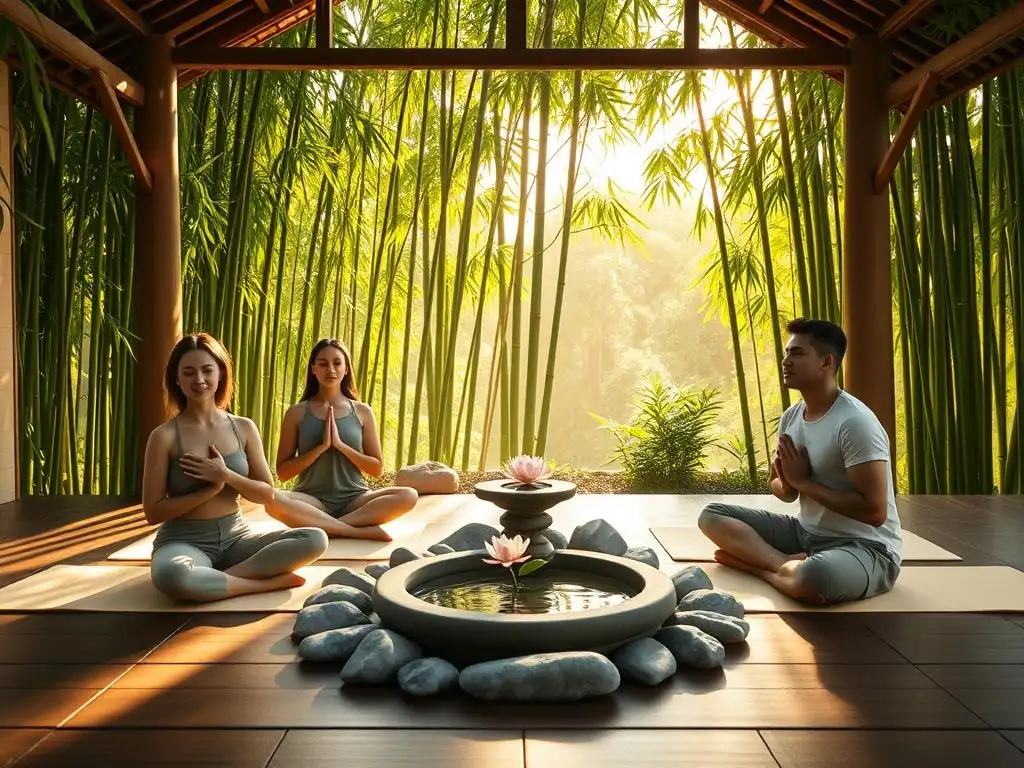
Welcome to Mind Care Guide, your sanctuary for cultivating inner peace.
Feeling overwhelmed? You're not alone. Discover the transformative power of stress reduction yoga retreats, a path toward reclaiming your calm. Curious about the profound benefits waiting for you? Let's gently unravel what you can expect on this journey toward holistic well-being... and how it can help you find the relief you deserve.
- Finding Inner Peace: Understanding Stress Reduction Yoga Retreat Benefits
- Preparing for Your Journey: Essential Considerations Before Booking
- A Day in the Life: What to Expect During a Typical Stress Reduction Yoga Retreat
- Maximizing the Benefits: Post-Retreat Integration and Continued Stress Relief
- Recommended Stress Reduction Yoga Retreat Destinations and Programs
- Conclusion: Embracing the Transformative Power of a Stress Reduction Yoga Retreat
-
Frequently Asked Questions
- What are the main benefits of attending a stress reduction yoga retreat?
- What types of yoga and meditation are typically included in a stress reduction yoga retreat?
- What kind of activities, besides yoga, can I expect at a stress reduction yoga retreat?
- How can a stress reduction yoga retreat help me cope with stress in my daily life after the retreat?
- Is a stress reduction yoga retreat suitable for beginners who have never practiced yoga before?
- Final Reflection: Finding Stillness in a Restless World
- Unwind and Rediscover Your Inner Peace
Finding Inner Peace: Understanding Stress Reduction Yoga Retreat Benefits
Choosing to step away from the demands of daily life can be a profound act of self-care, especially when stress feels overwhelming. A stress reduction yoga retreat offers a dedicated space and structured program designed specifically to help you unwind, reset, and build resilience. It's an immersive experience that goes beyond regular yoga classes, providing a concentrated period focused solely on well-being. The unique environment allows for a deeper dive into practices known to calm the nervous system and quiet the mind, fostering a sense of inner peace that can be difficult to cultivate amidst everyday pressures.
The stress reduction yoga retreat benefits are multifaceted, addressing both the physical and psychological impacts of chronic stress. Physically, practices like gentle yoga and meditation can help lower cortisol levels, the body's primary stress hormone, which in turn can improve sleep, digestion, and immune function. Psychologically, these retreats equip participants with practical tools like mindfulness and breathwork techniques, offering tangible ways to manage anxiety, improve focus, and cultivate a more positive outlook. Many participants report significant reductions in perceived stress levels and an increased ability to cope with challenges upon returning home.
Why Choose a Yoga Retreat for Stress Relief?
Unlike attending a weekly yoga class or trying meditation apps at home, a yoga retreat provides an escape from the constant triggers and demands of your usual environment. You are fully immersed in a supportive atmosphere where the primary focus is your well-being. This allows for a deeper, more consistent engagement with stress-reducing practices over several days, creating a cumulative effect that can lead to more profound shifts in your state of mind than sporadic efforts might achieve. The structured schedule removes decision fatigue, allowing you to simply show up and receive the benefits.
The stress reduction yoga retreat benefits extend beyond the mat. They often include workshops on topics like mindful eating, stress management techniques, and the philosophy of yoga, providing a holistic approach to well-being. This concentrated learning, combined with ample time for rest and reflection in a peaceful setting, helps reinforce the practices and makes them more likely to stick after you leave. The removal of digital distractions and the encouragement of quiet introspection further amplify the retreat's effectiveness in promoting deep relaxation and stress reduction.
Preparing for Your Journey: Essential Considerations Before Booking
Embarking on a stress reduction yoga retreat is an investment in your mental and physical health. Careful preparation can significantly enhance your experience and ensure you gain the maximum stress reduction yoga retreat benefits. Before you book, take time to research different retreat options and consider what you hope to achieve. Think about the location, duration, style of yoga offered, and the overall focus of the program – some might emphasize meditation, others specific therapeutic approaches to stress.
Considering these essential points beforehand helps align the retreat experience with your personal needs and expectations. It transforms the booking process from a simple transaction into a conscious step towards your well-being goals. Proper preparation also helps minimize potential stressors associated with travel and logistics, allowing you to arrive feeling ready to fully immerse yourself in the retreat experience from day one.
Setting Your Intentions for the Retreat Experience
Clearly defining your intentions is a crucial step in preparing for a stress reduction yoga retreat. Ask yourself why you are seeking this experience. Is it to recover from burnout? To learn how to manage anxiety attacks? To simply disconnect and find stillness? Having a specific goal, even a simple one like "to be more present," will help you focus your energy during the retreat and make conscious choices that support your desired outcome.
Writing down your intentions can be a powerful exercise. For example, you might write:
- [ ] To learn practical breathing techniques to use during stressful moments.
- [ ] To spend at least 30 minutes daily in nature without my phone.
- [ ] To cultivate self-compassion.
- [ ] To simply rest and allow myself to feel.
These intentions act as a compass, guiding you through the various activities and free time, ensuring you are actively working towards the specific stress reduction yoga retreat benefits you seek.
Budgeting and Financial Planning for a Yoga Retreat
The cost of a stress reduction yoga retreat can vary widely, typically ranging from a few hundred dollars for a short, local weekend getaway to several thousand for a week-long luxury or international experience. Most retreats include accommodation, meals, and all scheduled yoga and meditation sessions. However, travel costs, airport transfers, optional workshops, spa treatments, and personal expenses are usually extra and need to be factored into your budget.
To plan effectively, research what is explicitly included in the retreat price. Look for transparency regarding additional costs. Consider the value you are receiving – is it an all-inclusive package, or are there many add-ons? Saving up in advance and having a clear budget helps prevent financial stress from undermining the stress reduction yoga retreat benefits you are there to cultivate. Some centers offer payment plans or early bird discounts, so inquire about these options.
Physical and Mental Preparation for the Retreat
You do not need to be an experienced yogi to attend a stress reduction yoga retreat; most cater to all levels. However, some basic physical preparation can be helpful, such as ensuring you have comfortable, loose clothing suitable for movement and relaxation. Bringing a journal and pen is highly recommended for reflecting on your experience. It's also wise to ensure you are well-rested before traveling, if possible, to arrive feeling refreshed.
Mentally preparing involves managing expectations. A retreat is not a magic cure, but a supportive environment to begin or deepen your journey towards stress reduction. Be open to trying new things, being vulnerable, and spending time in quiet reflection. It's also helpful to prepare for potential challenges, such as the digital detox many retreats encourage or the experience of being in a new environment. Approaching these with curiosity rather than resistance will enhance the stress reduction yoga retreat benefits.
A Day in the Life: What to Expect During a Typical Stress Reduction Yoga Retreat

While schedules vary, a typical day at a stress reduction yoga retreat is structured to support deep relaxation and self-discovery. The pace is generally slower than daily life, with ample time dedicated to practice, nourishment, and rest. Days often begin early, embracing the quiet energy of the morning, and wind down gently in the evening, promoting restful sleep. This rhythm is intentionally designed to help regulate the nervous system and maximize stress reduction yoga retreat benefits.
The structure provides a comforting predictability, freeing your mind from needing to plan or decide. Each part of the day contributes to the overall goal of reducing stress and fostering well-being, from the movement practices to the shared meals and periods of quiet contemplation. It's an opportunity to simply be without the usual pressures and external demands.
Morning Practices: Gentle Movement and Mindfulness
Mornings at a stress reduction yoga retreat often begin with quiet reflection or gentle movement as the sun rises, typically between 6:00 AM and 7:30 AM. This might involve a calming meditation session, focusing on breath awareness or body scanning, followed by a gentle yoga class. Styles like Hatha, Yin, or Restorative yoga are common, emphasizing slow, mindful movements and longer holds to release tension in the body. Pranayama, or breathing exercises like alternate nostril breathing (Nadi Shodhana) or calming breath (Sama Vritti), are frequently integrated to soothe the nervous system.
These early morning sessions are foundational to the stress reduction yoga retreat benefits. Starting the day with conscious movement and breath sets a calm tone, helping to anchor you in the present moment before the mind becomes cluttered with thoughts. The focus is on listening to the body, cultivating self-compassion, and gently awakening your system, rather than strenuous exercise. This practice helps reduce morning anxiety and prepares you for a day focused on well-being.
Nourishment and Well-being: Meals and Self-Care
Meals at a stress reduction yoga retreat are often a highlight, focusing on nutritious, wholesome food designed to nourish the body and support mental clarity. Expect fresh, often locally sourced vegetarian or vegan meals, served mindfully. Communal dining is common, offering opportunities for connection, though quiet, contemplative eating might also be encouraged. The emphasis is on fueling your body with foods that promote energy and reduce inflammation, contributing to overall stress reduction yoga retreat benefits.
Scheduled free time throughout the day is essential for self-care and integration. This is your opportunity to rest, read, journal, walk in nature, or book an optional massage or healing session (often an additional cost). This unstructured time is vital for processing the retreat experience, allowing the lessons from the mat to sink in and providing space for personal reflection away from the group dynamic. Prioritizing this downtime is key to maximizing the retreat's impact on your stress levels.
Afternoon Activities: Exploration and Connection
Afternoons at a stress reduction yoga retreat can be varied, often including workshops, outdoor activities, or extended periods of free time. Workshops might delve into topics directly related to stress management, such as cognitive behavioral techniques, the neuroscience of stress, or incorporating mindfulness into daily life. Other sessions could focus on specific yoga techniques, meditation practices, or the philosophical aspects of yoga.
Depending on the retreat's location, afternoons might also include guided nature walks, beach time, or excursions to local points of interest. These activities offer a change of pace, allowing for exploration and connection with the environment or fellow participants. Sharing experiences and insights with others who are also seeking stress reduction yoga retreat benefits can be incredibly supportive and validating, fostering a sense of community.
Evening Rituals: Rest and Rejuvenation
Evenings are typically dedicated to winding down and preparing for restful sleep, a critical component of stress recovery. The final yoga session of the day is usually very gentle, focusing on restorative poses held for extended periods, perhaps supported by props like blankets and bolsters. Yoga Nidra, a guided relaxation practice known as "yogic sleep," is a common and highly effective evening activity, promoting deep rest and releasing physical and mental tension.
Following the evening practice and dinner, the atmosphere becomes quieter. Some retreats might offer optional evening activities like chanting, kirtan (call-and-response singing), or sharing circles, providing a space for heartfelt connection. However, many encourage early bedtimes and quiet reflection, emphasizing the importance of sleep for consolidating the stress reduction yoga retreat benefits gained throughout the day. The goal is to ease into a state of deep relaxation conducive to healing.
Maximizing the Benefits: Post-Retreat Integration and Continued Stress Relief
Returning home after a stress reduction yoga retreat can feel abrupt. The challenge lies in integrating the peace and practices you've cultivated into the reality of your daily life. The true measure of the retreat's success is how well you can carry the stress reduction yoga retreat benefits forward. This requires conscious effort and a commitment to continuing the journey you started.
Think of the retreat as a powerful reset button and a learning experience. You've been given tools and a taste of what sustained peace feels like. The post-retreat period is where you apply what you've learned, adapting the practices to fit your schedule and lifestyle. It's a process of weaving mindfulness, movement, and self-care into the fabric of your everyday existence.
Implementing Stress Reduction Techniques in Daily Life
One of the most valuable stress reduction yoga retreat benefits is the practical toolkit you acquire. Upon returning home, start by identifying small, achievable ways to incorporate these techniques. This could be as simple as taking three deep breaths before answering a stressful email, practicing a 5-minute seated meditation each morning, or doing a few gentle stretches before bed. Consistency is more important than duration.
Consider scheduling these practices like any other important appointment. Use the breathing techniques learned in moments of tension, practice mindful eating during at least one meal a day, and try a short guided meditation when you feel overwhelmed. Even small, consistent efforts can significantly help maintain the reduced stress levels achieved at the retreat and prevent old patterns from fully taking hold again.
Maintaining Mental Well-being Long-Term
Sustaining the stress reduction yoga retreat benefits requires a long-term commitment to your mental well-being. This involves continuing a regular yoga or meditation practice, whether through local classes, online platforms, or simply practicing independently at home. Find a style and routine that feels sustainable and enjoyable.
Beyond formal practice, prioritize other pillars of well-being: ensuring adequate sleep (aiming for 7-9 hours), nourishing your body with healthy food, maintaining social connections, and spending time in nature. Regularly check in with yourself about your stress levels and be proactive in using the tools you learned. Consider scheduling "mini-retreats" at home – dedicating a few hours or a day to quiet reflection, practice, and self-care – to reinforce the positive habits established during the retreat.
Recommended Stress Reduction Yoga Retreat Destinations and Programs

Choosing the right retreat is key to unlocking the full stress reduction yoga retreat benefits. While specific recommendations can vary based on individual preferences and availability, certain types of destinations and programs are consistently lauded for their focus on healing and stress reduction. Look for locations known for their natural beauty and tranquility, such as mountain settings, coastal areas, or peaceful countryside estates, as the environment plays a significant role in promoting relaxation.
When researching programs, pay close attention to the retreat's stated focus. Is it specifically designed for stress reduction, burnout recovery, or anxiety management? Does it include workshops on stress management techniques, mindfulness, and breathwork? Are the yoga styles offered primarily gentle and restorative? These details will help ensure the program aligns with your goals for achieving stress reduction yoga retreat benefits.
Top Yoga Retreat Centers Known for Stress Relief
Many retreat centers specialize in offering programs aimed at alleviating stress and promoting mental well-being. These might range from renowned wellness centers with comprehensive health programs to smaller, intimate yoga shalas nestled in nature. Look for centers with experienced teachers who specialize in therapeutic or restorative yoga and mindfulness practices. Centers with a strong reputation for providing a nurturing and supportive environment are particularly beneficial for stress reduction.
Consider centers that integrate nature into their programs, offering guided hikes or time for quiet contemplation outdoors. Some centers also offer additional therapies like massage, acupuncture, or counseling, which can complement the yoga and meditation practices for a more holistic approach to stress relief. Reading reviews from past participants, specifically those who attended for stress-related reasons, can provide valuable insight into the stress reduction yoga retreat benefits experienced by others.
Choosing the Right Retreat for Your Individual Needs
Selecting the best stress reduction yoga retreat involves considering several factors unique to you. Think about the duration – can you commit to a full week, or is a weekend retreat more feasible? What is your budget? Do you prefer a large group setting or a more intimate experience? What level of comfort are you seeking in accommodation (shared rooms vs. private)?
Evaluate the schedule and program details carefully. Does the daily structure feel appealing? Are the types of yoga and meditation offered suitable for your experience level and goals? Consider the location and ease of travel – minimizing travel stress is part of the preparation! Contacting the retreat center directly with any questions about the program, food, or suitability for specific needs can help you make an informed decision and ensure you choose a retreat where you can truly maximize the stress reduction yoga retreat benefits.
Conclusion: Embracing the Transformative Power of a Stress Reduction Yoga Retreat
A stress reduction yoga retreat offers a powerful opportunity to step away from the relentless demands of modern life and dedicate time to healing and self-discovery. It provides an immersive environment where you can disconnect from stressors, reconnect with yourself, and learn practical tools for managing stress that extend far beyond the duration of the retreat. The investment of time and resources in such an experience can yield significant and lasting stress reduction yoga retreat benefits.
By combining gentle movement, mindfulness, breathwork, healthy nourishment, and dedicated rest, these retreats create the ideal conditions for the nervous system to calm down and the mind to find clarity. While the initial peace found at the retreat is profound, the true transformation lies in the ability to integrate the learned practices into your daily life. Embracing the principles and techniques acquired on retreat empowers you to navigate future challenges with greater resilience, cultivating lasting peace and well-being through the continued practice of yoga and mindfulness.
Finding Lasting Peace and Well-being Through Yoga.
Ultimately, the goal of a stress reduction yoga retreat is not just a temporary reprieve but the cultivation of lasting peace and well-being. The retreat serves as a catalyst, providing the intense focus and supportive environment needed to break cycles of stress and establish healthier habits. By dedicating time to deep rest and learning effective coping mechanisms, you build a foundation for a more balanced and peaceful life.
The journey towards reduced stress is ongoing, but the tools and insights gained from a retreat provide a powerful starting point. Committing to integrating the practices learned, maintaining self-care, and staying connected to the principles of mindfulness allows you to continue reaping the stress reduction yoga retreat benefits long after you've returned home. It is through this continued effort that the transformative power of yoga truly unfolds, supporting your mental and emotional health for years to come.
Frequently Asked Questions
What are the main benefits of attending a stress reduction yoga retreat?
The primary benefits include reduced stress and anxiety, improved mental clarity, and enhanced physical well-being through yoga and mindfulness practices.
What types of yoga and meditation are typically included in a stress reduction yoga retreat?
Retreats often feature gentle styles like Hatha and Restorative yoga, alongside mindfulness meditation and guided relaxation techniques. These are designed to promote calm and reduce tension.
What kind of activities, besides yoga, can I expect at a stress reduction yoga retreat?
You can usually anticipate activities like nature walks, mindfulness workshops, healthy cooking classes, and group discussions focused on stress management and self-care.
How can a stress reduction yoga retreat help me cope with stress in my daily life after the retreat?
Retreats provide you with practical tools and techniques, such as breathing exercises and mindfulness practices, which you can integrate into your daily routine for long-term stress reduction and improved well-being. They teach you how to manage stress proactively.
Is a stress reduction yoga retreat suitable for beginners who have never practiced yoga before?
Yes, most retreats are designed to be accessible to all levels, including beginners. The instructors provide modifications and guidance to ensure everyone can participate comfortably and benefit from the stress-reducing practices.
Final Reflection: Finding Stillness in a Restless World
The pursuit of stress reduction is no longer a luxury; it's a necessity. In a world saturated with demands and distractions, the benefits of prioritizing mental and physical well-being are more critical than ever. This article explored the transformative potential of a stress reduction yoga retreat, highlighting the unique blend of physical postures, mindful breathing, and restorative practices that contribute to a profound sense of calm and rejuvenation.
The impact of incorporating mindfulness and movement into our lives is undeniable, rippling outwards to touch every aspect of our relationships, work, and overall sense of self. The retreat experience, as detailed throughout this piece, offers a concentrated period for cultivating these practices, providing a powerful foundation for lasting change. The time you enjoy wasting is not wasted time.
– Bertrand Russell. This quote resonates deeply, as the intentional "wasting" of time on self-care, as offered by a retreat, is an investment in a richer, more fulfilling life.
Now, consider your own life. What small steps can you take today to incorporate the principles of mindfulness and movement into your daily routine? Perhaps it's a five-minute meditation before bed, a short yoga flow during your lunch break, or simply taking a few deep breaths when feeling overwhelmed. Remember the transformative power of stillness, the strength found in self-compassion, and the profound benefits of prioritizing your well-being. Embrace the journey towards a more peaceful and balanced you – your future self will thank you for it.
Unwind and Rediscover Your Inner Peace
Thanks for taking the time to explore the world of stress reduction through yoga retreats! We hope you gained valuable insights into what to expect on your journey to serenity. Now it's time to turn those insights into action.
- Book your transformative retreat today! Imagine yourself already surrounded by nature's peace, feeling the tension melt away.
- Share this article with a friend who could also benefit from a mindful escape. Let's spread the word about the power of yoga!
- Explore our website for more articles on stress management and wellness practices to continue your self-care journey.
Ready to prioritize your well-being and embark on a truly rejuvenating experience?