
Transform Your Relationship: Top SelfHelp Books Chosen by Relationship Experts


Welcome to Mind Care Guide, your trusted companion on the journey to mental well-being.
Feeling lost in the complexities of your relationships? You're not alone. We understand the challenges, and we're here to help. Dive into our curated selection of Selfhelp books that improve relationships, meticulously chosen by relationship experts. Discover powerful insights and practical tools that can transform your connections, starting today. Curious to know which books made the list and how they can benefit you? Let's explore...
- Improve Your Relationship with Expert-Recommended Self-Help Books
- Why Self-Help Books Can Transform Your Relationships
-
Top Self-Help Books to Improve Relationships: Expert Recommendations
- 1. "Attached: The New Science of Adult Attachment and How It Can Help You Find - and Keep - Love" by Amir Levine and Rachel S.F. Heller
- 2. "The 5 Love Languages: The Secret to Love That Lasts" by Gary Chapman
- 3. "Hold Me Tight: Seven Conversations for a Lifetime of Love" by Dr. Sue Johnson
- 4. "Nonviolent Communication: A Language of Life" by Marshall B. Rosenberg
- 5. "After the Affair: Healing the Pain and Rebuilding Trust When a Partner Has Been Unfaithful" by Janis Abrahms Spring
- Maximizing Your Relationship Self-Help Journey
- Investing in Your Relationship: Where to Buy These Expert-Recommended Books
- Building Stronger Relationships: The Path to a Healthier You
-
Frequently Asked Questions
- How can self-help books actually improve my relationships?
- What are some key areas that relationship-focused self-help books typically address?
- How do I choose the right self-help book for my specific relationship challenges?
- Are self-help books a substitute for professional therapy or counseling?
- How long does it typically take to see positive changes in my relationship after using self-help books?
- Final Reflection: Cultivating Connection Through the Written Word
- Ready to Cultivate Deeper Connections?
Improve Your Relationship with Expert-Recommended Self-Help Books
Embarking on a journey to strengthen your relationship is a powerful step towards greater connection and fulfillment. While therapy is invaluable, selfhelp books improve relationships by providing accessible tools, insights, and strategies you can apply in your daily life. Experts in the field often recommend specific titles that address common challenges and offer proven methods for fostering intimacy, resolving conflict, and building a lasting bond. This guide explores how leveraging these expert-chosen resources can significantly enhance your partnership.
Navigating the complexities of a relationship requires continuous effort and learning. Fortunately, a wealth of knowledge is available in the form of self-help books specifically designed to help individuals and couples thrive together. These resources distill years of research and clinical experience into actionable advice, making it possible to work on your relationship's health from the comfort of your home. Discovering which relationship self-help books resonate with your specific needs is the first step toward unlocking their transformative potential.
Why Self-Help Books Can Transform Your Relationships
Understanding the Power of Relationship Self-Improvement
Taking personal responsibility for your role in a relationship is fundamental to its growth. Selfhelp books improve relationships by empowering individuals with knowledge about relationship dynamics, communication patterns, and personal emotional regulation.
They shift the focus from blaming a partner to understanding how your own behaviors and perspectives impact the shared experience. For example, learning about different communication styles or conflict resolution techniques from a book can provide a roadmap for interacting more constructively during disagreements, potentially reducing the intensity and frequency of arguments by a significant margin – some studies suggest couples who adopt positive communication strategies see a decrease in conflict intensity by up to 50%.
Moreover, engaging with relationship self-help literature fosters self-awareness. Readers often gain insights into their own attachment styles, past relationship patterns, or emotional triggers that might be affecting their current partnership. This deeper understanding is crucial because it allows individuals to address underlying issues within themselves, rather than solely focusing on changing their partner. The process of self-improvement becomes a gift to the relationship, creating a more stable and emotionally intelligent foundation for both individuals to build upon.
Addressing Common Relationship Problems with Self-Help Strategies
Many challenges faced by couples are universal: communication breakdowns, differing expectations, conflict over finances or chores, lack of intimacy, and trust issues. Selfhelp books improve relationships by offering structured approaches to tackle these specific problems.
A book focused on communication might provide scripts or exercises for active listening and expressing needs clearly, while one on conflict resolution could introduce techniques like "time-outs" or collaborative problem-solving. For instance, applying principles from a book on financial communication might help couples move from frequent money arguments to productive joint budgeting sessions, a shift that therapists note can alleviate tension in over 70% of couples struggling with financial stress.
Beyond providing techniques, these books often normalize struggles and offer hope. Reading about others' experiences and learning that common issues are solvable can reduce feelings of isolation and despair. They provide practical steps, such as scheduling regular check-ins, practicing empathy exercises, or developing shared goals, which when consistently applied, can lead to tangible improvements in relationship satisfaction. Consider a couple who used a book on intimacy to reintroduce date nights and physical affection; they might report a marked increase in feelings of closeness and connection within just a few months.
Choosing the Right Book to Enhance Your Relationships: A Guide
Selecting the most effective selfhelp books improve relationships requires considering your specific needs and the current state of your partnership. Are you struggling with communication, recovering from infidelity, trying to understand differing needs, or simply looking to deepen your connection? Identifying the core issues you wish to address is the first step. For example, a couple experiencing frequent misunderstandings might benefit most from a book centered on communication techniques, while partners feeling distant might look for resources on intimacy and connection.
Furthermore, consider the approach of the book. Some are highly practical with exercises and action plans, others are more theoretical, explaining the psychology behind relationship dynamics. Reading reviews, looking at the author's credentials (are they therapists, researchers, or counselors? ), and even reading a sample chapter can help determine if the book's style and content align with your learning preferences and the issues you want to work on. The goal is to find a resource that feels relatable, credible, and motivating, one that you and perhaps your partner feel willing to engage with consistently.
Top Self-Help Books to Improve Relationships: Expert Recommendations
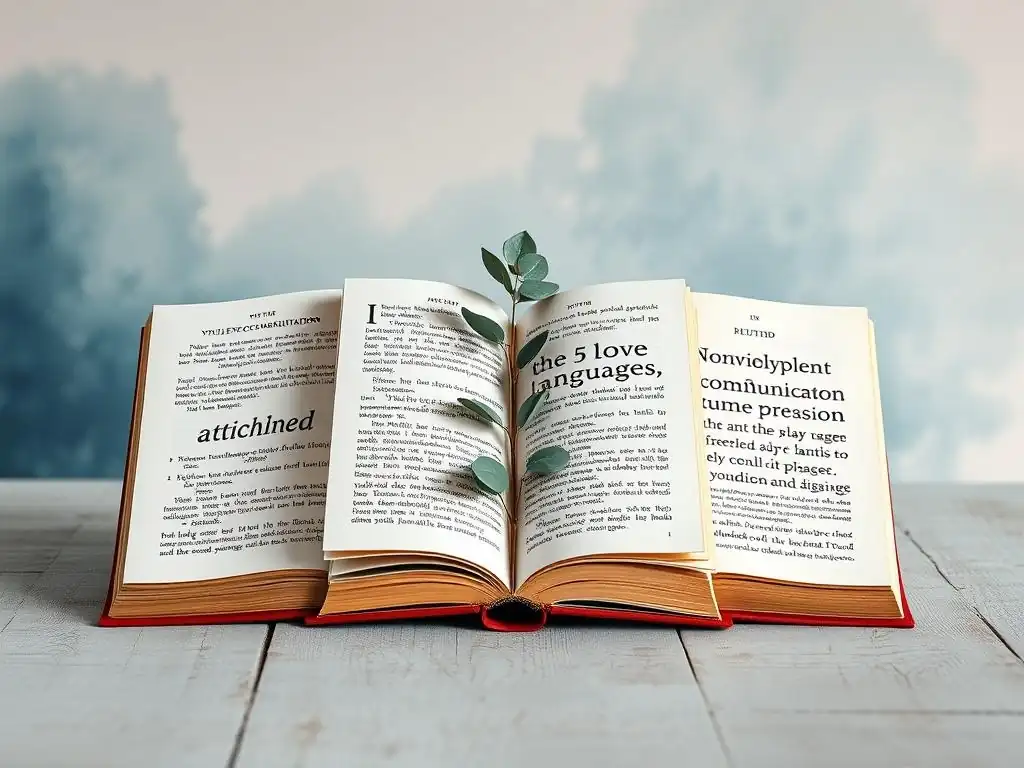
1. "Attached: The New Science of Adult Attachment and How It Can Help You Find - and Keep - Love" by Amir Levine and Rachel S.F. Heller
Understanding Attachment Styles for Relationship Success
"Attached" introduces readers to the concept of adult attachment styles – Secure, Anxious, and Avoidant – and explains how these deeply ingrained patterns influence our behavior in romantic relationships. The authors, a psychiatrist and a neuroscientist, draw on scientific research to illustrate how understanding your own style and your partner's can illuminate the root causes of conflict, misunderstandings, and emotional distance.
For instance, an Anxious individual might crave constant reassurance, while an Avoidant partner might instinctively pull away under stress; recognizing these patterns, which affect an estimated 50% of the population with non-secure styles, is crucial for building empathy and navigating interactions.
The book provides clear descriptions and real-life examples of how each attachment style typically behaves within a partnership. It explains why certain dynamics feel familiar or challenging and offers insights into the underlying biological drive for connection. By identifying these patterns, individuals can begin to make sense of their own reactions and their partner's, moving away from personal blame towards a more compassionate understanding of their relational blueprint.
How "Attached" Helps Improve Communication and Intimacy
Understanding attachment styles provides a powerful framework for improving communication. "Attached" offers practical advice on how individuals with different styles can communicate more effectively to meet each other's needs. For example, it provides guidance for the Anxious partner on how to express their needs for closeness without overwhelming their Avoidant partner, and for the Avoidant partner on how to offer reassurance in ways that feel comfortable. This targeted approach helps couples translate theoretical knowledge into actionable dialogue.
Furthermore, the book delves into how attachment styles impact intimacy. It explains why Avoidant individuals might struggle with emotional closeness and why Anxious individuals might fear abandonment, both of which can hinder physical and emotional intimacy. By understanding the science behind these tendencies, couples can develop strategies to foster a deeper sense of security and connection, gradually building trust and comfort in vulnerability, which is essential for a thriving intimate life.
Is "Attached" Right for You? Who Will Benefit Most
"Attached" is highly recommended for anyone curious about the science behind attraction and relationship dynamics. It's particularly beneficial for individuals who find themselves repeating relationship patterns, struggle with feelings of insecurity or distance in partnerships, or simply want to understand themselves and their partners on a deeper level. If you or your partner identify with Anxious or Avoidant tendencies, this book offers invaluable insights and practical tools to navigate these challenges.
Couples where one or both partners are struggling to understand each other's needs for closeness or independence will find "Attached" especially helpful. It provides a common language and framework for discussing potentially sensitive topics like commitment, space, and emotional availability. While the book is accessible, it requires a willingness to look inward and understand the scientific basis of attachment to fully leverage its potential to help selfhelp books improve relationships.
2. "The 5 Love Languages: The Secret to Love That Lasts" by Gary Chapman
Discovering Your Love Language and Your Partner's
Gary Chapman's enduring bestseller, "The 5 Love Languages," introduces the concept that individuals primarily give and receive love through one of five "languages": Words of Affirmation, Acts of Service, Receiving Gifts, Quality Time, and Physical Touch. The book posits that understanding your own primary love language and, critically, your partner's, is key to feeling truly loved and appreciated in the relationship. Chapman suggests that many relationship issues stem from partners expressing love in their own language, which their partner may not understand or value as much.
The book provides simple quizzes and examples to help readers identify their primary love language. It emphasizes that while you may appreciate all five, one or two will resonate most deeply. For instance, someone whose primary language is Quality Time will feel most loved when their partner dedicates undivided attention to them, whereas someone whose language is Acts of Service will feel cherished when their partner helps with tasks like chores or errands. Recognizing these differences is the first step towards more effective expression of affection.
Applying the 5 Love Languages to Strengthen Your Bond
Once you've identified your and your partner's love languages, the book provides practical guidance on how to intentionally "speak" your partner's language. This involves shifting your focus from expressing love in the way you prefer to expressing it in the way your partner best receives it. For example, if your partner's language is Words of Affirmation, making a conscious effort to offer sincere compliments and words of appreciation daily can significantly impact how loved they feel.
Chapman highlights that consistently speaking your partner's love language helps fill their "emotional love tank," which is crucial for maintaining a strong and vibrant connection. This practice can lead to a significant reduction in feelings of being unloved or misunderstood, common complaints in partnerships. Implementing the principles of the 5 Love Languages is a straightforward yet powerful way that selfhelp books improve relationships by focusing on mutual understanding and intentional acts of love.
"The 5 Love Languages": Practical Tips for Everyday Connection
"The 5 Love Languages" is celebrated for its accessibility and practical application. The book is filled with simple, everyday examples of how to express each love language. For Words of Affirmation, it might suggest leaving encouraging notes; for Acts of Service, offering to pick up groceries; for Receiving Gifts, thoughtful small tokens; for Quality Time, scheduling a distraction-free coffee date; and for Physical Touch, holding hands or offering a massage.
Chapman encourages readers to make speaking their partner's love language a daily habit. He provides exercises and discussion questions for couples to work through together, fostering open dialogue about their needs and preferences. The book's enduring popularity, with millions of copies sold worldwide, is a testament to its simple yet profound message: understanding and actively speaking your partner's unique love language is a fundamental key to a lasting and fulfilling relationship.
3. "Hold Me Tight: Seven Conversations for a Lifetime of Love" by Dr. Sue Johnson
Emotionally Focused Therapy (EFT) and Relationship Healing
Dr. Sue Johnson, a leading developer of Emotionally Focused Therapy (EFT), presents the core principles of this highly effective therapeutic approach in "Hold Me Tight." EFT is based on attachment theory and focuses on identifying and changing negative interaction patterns between partners, often referred to as "demon dialogues." It aims to help couples understand the underlying emotions and unmet attachment needs driving these patterns, typically related to fears of abandonment or rejection. Studies show that EFT has a high success rate, with approximately 70-75% of couples recovering from relationship distress and 90% showing significant improvement.
The book guides couples through seven structured conversations designed to help them recognize their negative cycles, understand their emotional triggers, and learn how to reach for each other in moments of need. It emphasizes that relationship problems often stem from a lack of secure emotional connection, not necessarily from a lack of love or effort. By focusing on the emotional bond, "Hold Me Tight" provides a roadmap for healing past hurts and building a more secure attachment.
Building Secure Attachment Through Conversation
"Hold Me Tight" provides specific steps and exercises for couples to engage in the seven transformative conversations. These conversations cover topics such as recognizing your negative cycle, understanding your partner's underlying emotions, and using moments of vulnerability to create a deeper connection. For example, one conversation focuses on helping partners express their fears and needs directly, rather than through criticism or withdrawal, which are common components of negative cycles.
Through these guided discussions, couples learn to identify the "raw spots" or emotional sensitivities that trigger defensive reactions. By understanding these vulnerabilities, partners can learn to respond with empathy and compassion, fostering a sense of safety and trust. This process of emotional engagement and responsiveness is key to building a secure attachment bond, where partners feel safe, loved, and connected, knowing they can rely on each other for comfort and support. This is a core way that selfhelp books improve relationships by facilitating deeper emotional understanding.
"Hold Me Tight": A Step-by-Step Guide to Relationship Repair
"Hold Me Tight" is structured as a practical guide, taking couples step-by-step through the process of emotional repair and connection. Each chapter focuses on one of the seven conversations, providing explanations, examples, and specific exercises. The book is designed to be worked through together, encouraging partners to read sections aloud, discuss the concepts, and attempt the guided conversations in a safe and structured manner.
The conversations build upon each other, starting with recognizing the negative cycle and moving towards forgiveness, healing past injuries, and creating new patterns of connection. While it's not a substitute for therapy, working through "Hold Me Tight" can provide couples with powerful tools and insights derived from EFT, enabling them to significantly improve their emotional responsiveness and strengthen their bond. It's particularly beneficial for couples experiencing significant distress or feeling stuck in repetitive arguments.
4. "Nonviolent Communication: A Language of Life" by Marshall B. Rosenberg
Mastering Empathetic Communication for Conflict Resolution
Marshall B. Rosenberg's "Nonviolent Communication (NVC)" introduces a powerful framework for compassionate and effective communication, particularly in times of conflict. NVC focuses on four key components: Observations, Feelings, Needs, and Requests. It teaches individuals how to express themselves honestly and clearly, while also listening empathetically to understand others' needs and feelings, even when they are expressed in a way that is hostile or critical. This approach can drastically reduce defensiveness and hostility in interactions.
The core principle is to move beyond judgment and blame to connect with the universal human needs underlying behavior. For example, instead of saying "You always criticize me," NVC encourages stating an observation ("When I hear you say X..."), expressing your feeling ("...I feel hurt and discouraged..."), connecting it to a need ("...because I need appreciation and understanding..."), and making a clear request ("...Would you be willing to tell me what's bothering you and how I can help?"). This shift in language fosters connection rather than conflict, a critical aspect of how selfhelp books improve relationships.
Using NVC to Express Your Needs and Understand Your Partner's
A central tenet of NVC is learning to identify and articulate your own needs clearly, without demanding or blaming. Many people struggle to express their needs directly, leading to frustration and resentment. NVC provides a vocabulary and process for identifying the underlying needs (e.g., safety, connection, autonomy, respect) that are driving your feelings and behaviors. For example, feeling angry might stem from an unmet need for respect or consideration.
Equally important is the NVC practice of empathetic listening. This involves focusing fully on understanding the other person's observations, feelings, needs, and requests, even if you disagree with their perspective. By reflecting back what you hear and checking for understanding, you build trust and rapport. This skill is invaluable in relationship conflict, allowing partners to feel heard and validated, which often de-escalates tension and opens the door for collaborative problem-solving.
"Nonviolent Communication": Fostering Compassion and Connection
"Nonviolent Communication" is more than just a technique; it's a philosophy centered on compassion and connection. Rosenberg argues that most conflict arises from a misunderstanding or disconnect regarding underlying needs. By focusing on universal human needs, NVC helps individuals see the humanity in themselves and others, even during difficult conversations. This shift in perspective can transform interactions from adversarial battles into opportunities for mutual understanding and connection.
The book provides numerous examples and exercises for practicing NVC in various contexts, including intimate relationships. It addresses common pitfalls and offers strategies for navigating challenging situations with grace and effectiveness. By consistently applying NVC principles, couples can develop a communication style that fosters empathy, reduces conflict, and builds a stronger foundation of trust and understanding, demonstrating how selfhelp books improve relationships through the power of compassionate communication.
5. "After the Affair: Healing the Pain and Rebuilding Trust When a Partner Has Been Unfaithful" by Janis Abrahms Spring
Navigating the Aftermath of Infidelity
Infidelity is one of the most painful experiences a couple can face, often shattering trust and leaving deep emotional wounds. Janis Abrahms Spring's "After the Affair" is widely regarded as a definitive guide for couples navigating this crisis. The book provides a realistic and compassionate roadmap for both the injured partner and the unfaithful partner, acknowledging the immense pain involved while offering hope for healing and rebuilding. It addresses the immediate aftermath, including dealing with shock, anger, and confusion.
Spring emphasizes that healing is a complex process that requires commitment from both individuals. She outlines the distinct tasks each partner must undertake: the unfaithful partner must demonstrate genuine remorse, take full responsibility, and commit to transparency, while the injured partner must grapple with feelings of betrayal, process the trauma, and decide whether rebuilding is possible. The book provides frameworks for navigating these difficult initial stages, which are crucial for laying the groundwork for potential recovery.
Rebuilding Trust and Intimacy After an Affair
A central focus of "After the Affair" is the painstaking process of rebuilding trust. Spring explains that trust is not simply granted; it must be earned over time through consistent, reliable behavior from the unfaithful partner. She provides specific guidance on what transparency looks like, how to answer the injured partner's questions (even difficult ones), and how to create a sense of safety. For the injured partner, the book offers strategies for managing intrusive thoughts and setting boundaries necessary for healing.
The book also addresses the challenge of rebuilding intimacy, both emotional and physical, after the betrayal. It acknowledges that sexual intimacy can be particularly fraught with difficulty and provides insights into the psychological barriers that may arise. Spring offers practical advice on how couples can gradually reconnect, fostering new forms of intimacy built on honesty and vulnerability. This step-by-step approach to rebuilding is a powerful example of how specific selfhelp books improve relationships by addressing severe crises with targeted strategies.
"After the Affair": A Guide to Healing and Recovery
"After the Affair" is a comprehensive guide that doesn't shy away from the difficulty of the healing process but provides a clear path forward. It covers topics such as deciding whether to stay or leave, dealing with family and friends, managing triggers, and eventually creating a new, stronger relationship if both partners are committed. Spring uses case examples to illustrate common challenges and successful recovery paths.
The book is highly recommended for any couple grappling with the aftermath of infidelity, regardless of whether they are also in therapy. It provides structure, validation, and practical tools that complement professional support. While the journey is challenging and success is not guaranteed, "After the Affair" offers realistic hope and actionable steps based on clinical experience, making it an essential resource for those seeking to heal and potentially transform their relationship after betrayal.
Maximizing Your Relationship Self-Help Journey

Creating a Personalized Relationship Improvement Plan
Simply reading relationship self-help books is a good start, but creating a personalized plan for implementing the knowledge is key to seeing real results. Begin by identifying the one or two core issues you want to address in your relationship based on your reading. For example, if you've read about the 5 Love Languages and realized you rarely speak your partner's language of Acts of Service, your goal might be to perform one small act of service for them daily for the next month. Write down specific, measurable actions you can take.
Next, integrate these actions into your daily or weekly routine. This might involve scheduling 15 minutes each evening for "Quality Time" without distractions, setting a reminder to express Words of Affirmation, or dedicating time each week to practice NVC communication skills. Track your progress, perhaps by keeping a simple journal or checklist. Reflect on what's working and what's challenging, and adjust your plan as needed. This active engagement transforms reading into tangible steps towards a healthier relationship.
Combining Self-Help Books with Therapy or Counseling
While selfhelp books improve relationships significantly, they are often most powerful when used in conjunction with professional therapy or counseling. Books provide foundational knowledge and tools, but a skilled therapist can help you apply these principles to your unique situation, navigate complex emotional dynamics, and mediate difficult conversations. Think of the books as a valuable supplement to therapy, offering insights and exercises you can work on between sessions.
Many therapists recommend specific books to their clients as part of their treatment plan. For example, a therapist using EFT might suggest "Hold Me Tight," or one focusing on communication might recommend "Nonviolent Communication." Combining the structured guidance of a book with the personalized support and expertise of a therapist can accelerate progress, providing both the knowledge and the facilitated practice needed to make lasting changes in your relationship.
Tracking Your Progress and Celebrating Relationship Milestones
Monitoring your progress is crucial for staying motivated and recognizing the positive impact of your efforts. This doesn't require complex metrics; it could be as simple as noting positive interactions, successfully navigated disagreements, or moments of increased intimacy in a journal. Reflecting on how you've applied concepts from relationship self-help books and the resulting improvements can provide valuable feedback and reinforce positive behaviors.
Celebrate small victories along the way. Did you successfully use an NVC technique to resolve a potential argument? Did you consistently speak your partner's love language for a week? Acknowledge these milestones, perhaps by sharing them with your partner or simply taking a moment to appreciate the progress. Celebrating reinforces the value of your efforts and encourages continued dedication to nurturing your relationship.
Investing in Your Relationship: Where to Buy These Expert-Recommended Books
Investing in selfhelp books improve relationships is an investment in your future together. These recommended titles are widely available and can be purchased through various channels. Consider where you prefer to buy books – whether online retailers, local bookstores, or through digital platforms.
Buying Through Affiliate Links: Supporting Mind Care Guide
Many websites, including Mind Care Guide, participate in affiliate programs. When you purchase books through affiliate links provided on a site, the site may receive a small commission at no extra cost to you. This is a simple way to support the resources and content that help you on your mental well-being and relationship journey. Look for disclaimers indicating affiliate links when browsing book recommendations.
Comparing Prices and Finding the Best Deals
Prices for books can vary depending on the retailer and format (hardcover, paperback, e-book, audiobook). It's often worthwhile to compare prices across different platforms before making a purchase. Many online retailers offer competitive pricing, and local bookstores may have special offers. Check if the book is available used for a more budget-friendly option.
Consider Audiobooks for Convenient Learning
For those with busy schedules or who prefer listening, audiobooks are an excellent option. Many selfhelp books improve relationships are available in audio format, allowing you to absorb valuable information while commuting, exercising, or doing chores. Audiobooks can make it easier to fit relationship learning into your daily life and provide a different way to engage with the material.
Building Stronger Relationships: The Path to a Healthier You
The Connection Between Mental Health and Relationship Wellbeing
Your mental health and the health of your relationships are deeply interconnected. Stress, anxiety, depression, and other mental health challenges can significantly impact your ability to connect intimately, communicate effectively, and navigate conflict within a partnership. Conversely, a supportive and healthy relationship can be a powerful buffer against stress and a source of immense emotional support, positively impacting your mental wellbeing.
Working on your relationship using resources like relationship self-help books is not just about improving your partnership; it's also an act of self-care that benefits your individual mental health. Learning healthier communication patterns, understanding emotional dynamics, and building secure connections can reduce personal stress and improve overall emotional resilience.
Self-Care as a Foundation for Successful Relationships
Prioritizing your own self-care is fundamental to being a good partner. When you are emotionally regulated, physically healthy, and have healthy boundaries, you are better equipped to show up fully and empathetically in your relationship. Self-care isn't selfish; it's necessary for maintaining the energy and emotional capacity required for a thriving partnership.
Engaging with selfhelp books improve relationships can be a form of self-care, providing tools for personal growth and emotional intelligence. It's about understanding yourself better so you can relate more effectively to your partner. Remember that a strong relationship is built by two individuals who are committed to both their own wellbeing and the shared connection.
Continuing Your Relationship Growth Journey with Mind Care Guide Resources
The journey to a stronger, healthier relationship is ongoing. Reading these expert-recommended relationship self-help books is a fantastic starting point, but continuous learning and application are key. Mind Care Guide offers a wealth of articles, resources, and information on various aspects of mental well-being, including relationship health.
We encourage you to explore other topics, delve deeper into specific challenges, and utilize the available resources to support your continued growth. Building a fulfilling partnership requires dedication, empathy, and a willingness to learn. By investing in yourself and your relationship through valuable resources, you are paving the way for a more connected, resilient, and joyful future together.
Frequently Asked Questions
How can self-help books actually improve my relationships?
Self-help books can provide practical strategies and insights into understanding yourself and your partner. They often offer tools for communication and conflict resolution, leading to healthier interactions.
What are some key areas that relationship-focused self-help books typically address?
These books usually cover topics like communication skills, understanding attachment styles, and managing expectations. They may also focus on building intimacy and trust within the relationship.
How do I choose the right self-help book for my specific relationship challenges?
Consider the specific issues you're facing, such as communication breakdowns or intimacy problems. Look for books that directly address these areas and have positive reviews from readers and experts.
Are self-help books a substitute for professional therapy or counseling?
No, self-help books are not a replacement for professional help. They can be a valuable supplement, but therapy provides personalized guidance and support from a trained professional.
How long does it typically take to see positive changes in my relationship after using self-help books?
The timeline varies depending on individual effort and the complexity of the issues. Consistent application of the techniques and principles learned is crucial, and noticeable improvements may take weeks or months.
Final Reflection: Cultivating Connection Through the Written Word
The quest for stronger, healthier relationships is a universal human experience, and the self-help genre offers a powerful toolkit for navigating the complexities of love and connection. The books highlighted in this article represent a diverse range of approaches, each offering valuable insights into communication, conflict resolution, and personal growth – all crucial elements for fostering thriving partnerships. These aren't just books; they are guides, offering pathways to understanding ourselves and our partners better.
The impact of these self-help resources extends far beyond the individual reader; they contribute to a broader cultural shift towards prioritizing emotional intelligence and conscious relationship building. The very act of seeking out these books demonstrates a willingness to invest in personal growth and the health of one's relationships. This proactive approach is vital in a society often characterized by fast-paced living and superficial connections. The most important thing in life is to learn how to give out love, and to let it come in.
– Morrie Schwartz, Tuesdays with Morrie. This quote underscores the importance of self-work in creating fulfilling relationships.
You now hold the key to unlocking deeper connections and more fulfilling relationships. Don't just passively consume this information; actively choose a book that resonates with you, commit to reading it thoughtfully, and most importantly, apply its principles to your own life. Start a conversation with your partner, practice the techniques suggested, and embrace the journey of growth. The rewards – a stronger bond, deeper understanding, and a more joyful partnership – are well worth the effort. Begin your transformation today.
Ready to Cultivate Deeper Connections?
Thanks for taking the time to explore the world of relationship self-help with us! We hope you found the expert recommendations insightful and inspiring. Now it's time to put that knowledge into action.
- Dive into one of the recommended books: Which title resonated most with you? Pick it up and start reading today – even just a chapter can make a difference!
- Share your thoughts: What resonated most from the article? Did you already own any of these books? Share your experiences in the comments below. Let's build a supportive community!
- Challenge yourself: Identify one specific area in your relationship you’d like to improve and commit to making a small, positive change this week.
What small step will you take today to nurture a stronger, healthier relationship?