
The Algorithm's Grip: How Your Social Feed Influences Your Mental State

Welcome to Mind Care Guide.
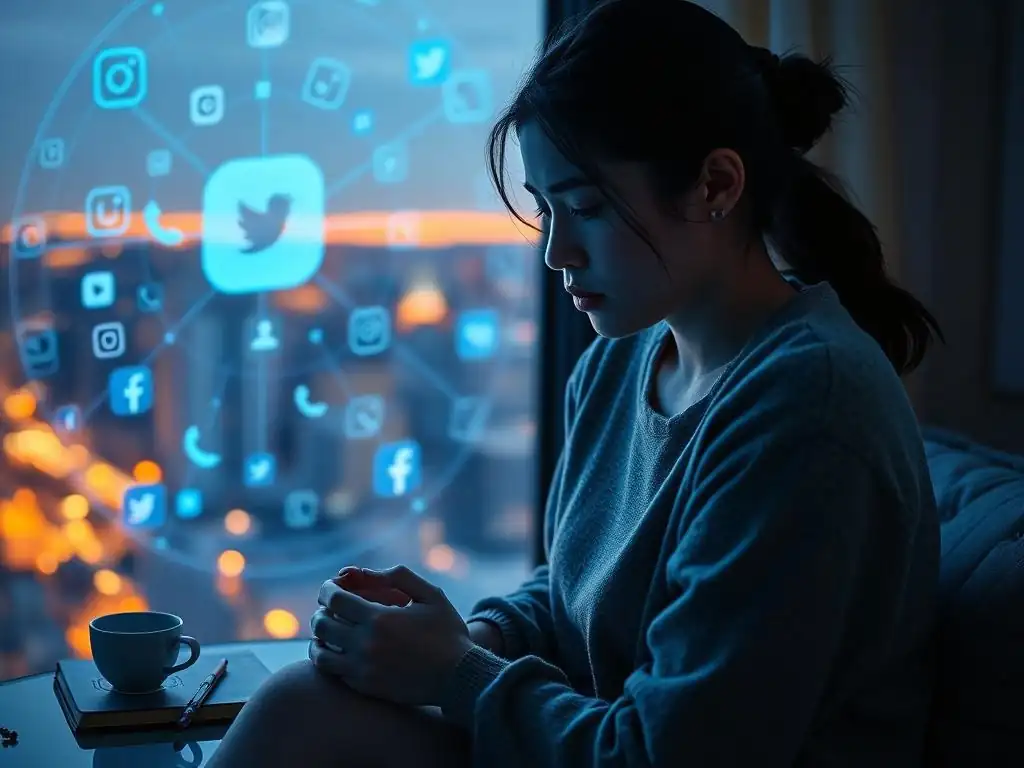
Are you feeling overwhelmed by the endless scroll? You're not alone. We understand the pressures of the digital world. In today's interconnected age, it's easy to feel the weight of social expectations and comparisons. Explore with us the impact of social media anxiety and discover practical strategies to reclaim your mental well-being. Could your social feed be subtly shaping your mood? Let's find out, and together, find a path towards a healthier online experience.
- The Algorithm's Grip: How Your Social Feed Influences Your Mental State
- Decoding the Algorithm: How Social Feeds Manipulate Emotions
- Social Media Anxiety Impact: Specific Mental Health Concerns
- The Negative Impact of Social Media on Sleep Patterns
- Identifying the Signs: Recognizing Social Media-Induced Anxiety
- Strategies for Managing Social Media Anxiety and Improving Mental Well-being
- Alternative Activities to Reduce Social Media Dependency
- Resources for Addressing Social Media Anxiety Impact and Mental Health
- Conclusion: Reclaiming Control Over Your Social Media Experience and Mental Health
-
Frequently Asked Questions
- How does social media contribute to anxiety?
- What is meant by "social media anxiety impact"?
- Can the algorithms of social media platforms worsen anxiety?
- Are there specific types of social media content that are more likely to trigger anxiety?
- What steps can I take to reduce the negative impact of social media on my mental health?
- Final Reflection: Unplugging from the Algorithm's Grip
- Unlock Your Social Media Wellbeing
Social media platforms have become deeply integrated into the daily lives of billions worldwide, offering a constant stream of updates, interactions, and information. While they provide avenues for connection and community, the curated nature of these platforms can significantly impact our mental state.
The constant exposure to idealized versions of others' lives, the pressure to present a perfect self, and the relentless pursuit of validation through likes and comments can erode self-esteem and foster feelings of inadequacy. This dynamic environment, driven by sophisticated algorithms, plays a crucial role in shaping how we perceive ourselves and the world around us, often leading to increased stress and emotional volatility.
The pervasive influence extends beyond simple comparison. The sheer volume of information and notifications can contribute to cognitive overload, making it difficult to focus and relax. Studies have suggested a correlation between high social media usage and increased levels of perceived stress among young adults. For example, research published around 2018 indicated that individuals who spent more time on social media platforms reported higher levels of anxiety and depression compared to those with less usage. This suggests that the social media anxiety impact is not merely anecdotal but has measurable effects on psychological well-being, particularly among vulnerable populations.
The direct link between social media consumption and mood disorders is a complex area of study, but evidence increasingly points towards a significant connection. Excessive use of platforms designed to be addictive can trigger symptoms akin to anxiety and depression. The fear of missing out (FOMO), fueled by seeing others' seemingly exciting lives, can lead to feelings of restlessness, dissatisfaction, and persistent worry. This constant state of comparing one's reality to curated online personas contributes directly to feelings of inadequacy and low mood.
Furthermore, negative online interactions, such as cyberbullying or even simply receiving fewer likes than expected, can have profound emotional consequences. A 2020 report highlighted that a significant percentage of teenagers and young adults reported experiencing negative emotions or feelings of anxiety after spending time on social media. The immediate feedback loop of posting and waiting for validation creates a cycle that can heighten sensitivity to social rejection and fuel anxiety, demonstrating a clear social media anxiety impact on emotional stability and mood regulation.
The Psychology Behind Algorithmic Influence
Social media algorithms are designed to maximize user engagement by presenting content that is most likely to capture attention and evoke strong emotional responses. These algorithms analyze vast amounts of user data – including past interactions, dwell time on posts, emotional reactions (e.g., using emojis), and even demographic information – to predict what content will keep users scrolling. This personalized stream of content is not neutral; it is carefully engineered to trigger specific psychological responses, often tapping into our innate needs for connection, validation, and novelty.
The underlying psychological principle is often operant conditioning, where variable rewards (likes, comments, new posts) encourage repeated behavior (checking the feed). This intermittent reinforcement makes the platforms highly addictive. Moreover, algorithms learn which types of content evoke the strongest emotions – positive or negative – and prioritize them. Content that sparks outrage, fear, or intense joy is often amplified because it tends to generate more engagement, such as comments and shares. This sophisticated psychological manipulation is at the core of how social feeds can inadvertently influence our mood and contribute to problems like social media anxiety impact.
Personalized Content and Emotional Responses
The personalization of social feeds, while seemingly beneficial for delivering relevant content, can have unintended emotional consequences. By showing users more of what they engage with, algorithms can create filter bubbles that reinforce existing beliefs and emotional states. If a user is feeling down and interacts with content related to sadness or negative news, the algorithm may show them more of that content, potentially exacerbating their low mood. Conversely, a feed filled with overly positive, aspirational content can make individuals feel inadequate about their own lives, contributing to feelings of envy and dissatisfaction.
This hyper-personalization means that each user's experience is unique, and the emotional impact varies greatly. However, the common thread is the algorithm's goal: to keep you engaged. Whether it's through showcasing content that makes you happy, angry, or anxious, the system is optimized for interaction. This constant exposure to algorithmically selected content, tailored to your presumed emotional triggers, profoundly affects your daily emotional landscape and can intensify issues like social media anxiety impact by repeatedly exposing you to triggering or comparison-inducing material.
The Impact of Filter Bubbles and Echo Chambers
Algorithmic personalization can lead to the formation of filter bubbles and echo chambers, where users are primarily exposed to information and perspectives that align with their own, while dissenting views are filtered out. This can have a significant impact on mental well-being by creating a distorted view of reality and potentially increasing polarization. Within these bubbles, exposure to extreme or emotionally charged content can be amplified, leading to heightened anxiety and stress.
For instance, if an algorithm determines a user is interested in health anxiety, it might show them an increasing amount of content related to illnesses and symptoms, potentially fueling their fears and exacerbating their anxiety. Similarly, echo chambers can reinforce negative self-talk or anxieties related to body image or social status by constantly showing content that validates these concerns.
This lack of exposure to diverse perspectives and the amplification of specific types of content contribute to a less balanced emotional experience and can significantly worsen the social media anxiety impact by trapping individuals in cycles of worry and confirmation bias.
Increased Anxiety and Depression Rates
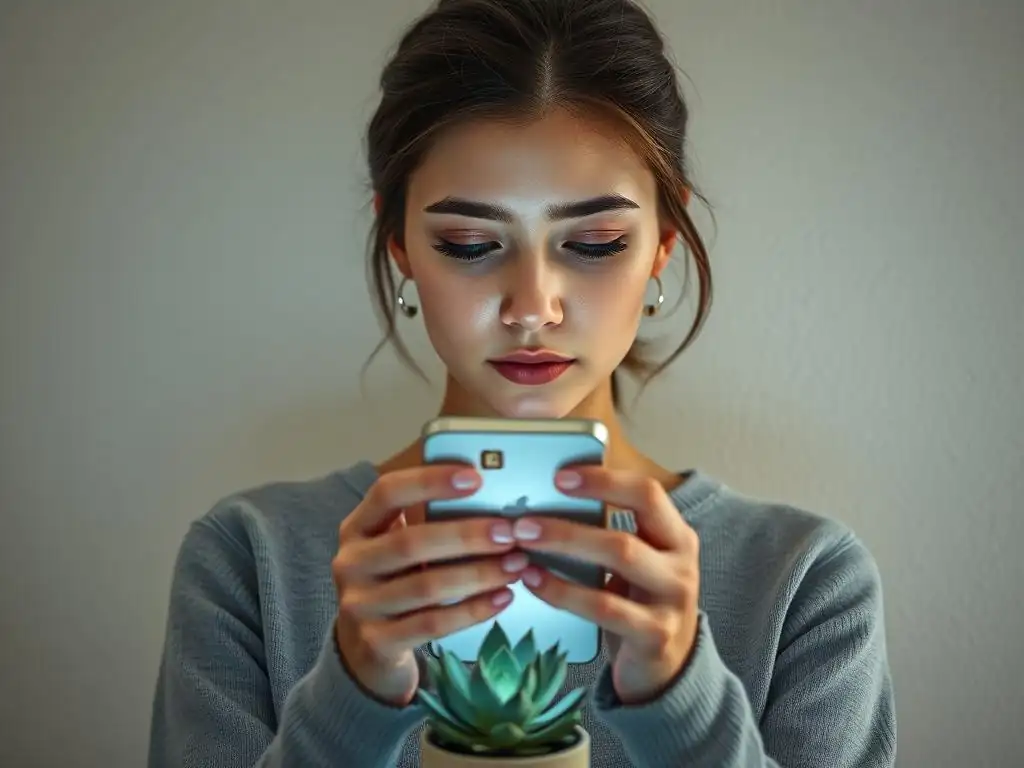
Numerous studies have indicated a correlation between heavy social media use and increased rates of anxiety and depression, particularly among young people. The constant pressure to present an ideal self, the fear of missing out (FOMO), and exposure to cyberbullying are significant contributing factors. Research published in journals like the Journal of Social and Clinical Psychology has highlighted how time spent on social media is associated with higher levels of depressive symptoms and general anxiety, with some studies suggesting a dose-response relationship – the more time spent, the higher the risk.
For example, a 2017 study involving over 6,500 young adults found that those who spent the most time on social media had significantly higher levels of depression and anxiety compared to their peers who used it less. While correlation does not equal causation, the mechanisms by which social media contributes to these conditions – such as social comparison, cyber victimization, and sleep disruption – are well-documented. The pervasive social media anxiety impact is a growing concern for mental health professionals globally.
The Fear of Missing Out (FOMO) and its Consequences
FOMO, or the Fear of Missing Out, is a pervasive phenomenon fueled by social media, characterized by the feeling that others are having more fun, living better lives, or experiencing more exciting things than you are. This constant awareness of others' curated highlights can lead to feelings of envy, dissatisfaction, and inadequacy about one's own life. The need to constantly check feeds to avoid missing out can become compulsive, leading to increased stress and a diminished ability to be present in one's own life.
The psychological consequences of FOMO can include increased anxiety, feelings of loneliness, and even depression. Individuals experiencing FOMO may feel compelled to constantly engage with social media, even when they don't enjoy it, out of a fear of being left out. This creates a vicious cycle that exacerbates the social media anxiety impact, making it difficult to relax and find contentment outside of the digital realm.
Social media provides a fertile ground for upward social comparison, where individuals compare themselves to others they perceive as being better off. However, the content on social media is often highly curated and presents an unrealistic portrayal of reality. Seeing endless streams of perfect bodies, luxurious vacations, and career successes can lead individuals to feel inadequate, unsuccessful, and unhappy with their own lives. This constant comparison erodes self-esteem and self-worth.
The impact is particularly pronounced among adolescents and young adults who are still developing their sense of self. Research has consistently shown a link between frequent social media use, increased social comparison, and lower levels of self-esteem. For instance, a study published around 2019 found that college students who engaged in more frequent social comparison on social media reported lower self-esteem and higher levels of depressive symptoms. This negative feedback loop highlights a significant social media anxiety impact on how individuals perceive their own value and capabilities.
Cyberbullying and Online Harassment: A Growing Threat
Cyberbullying and online harassment represent a particularly severe form of negative social media interaction with devastating consequences for mental health. Unlike traditional bullying, cyberbullying can occur 24/7, reaching victims in their own homes and offering little respite. It can take many forms, including spreading rumors, posting embarrassing photos or videos, sending threatening messages, or excluding someone online.
The anonymity and distance provided by the internet can embolden harassers, making the abuse relentless and widespread. Victims of cyberbullying are at significantly increased risk of experiencing severe anxiety, depression, isolation, and even suicidal thoughts. A 2021 report indicated that a substantial percentage of young people have experienced cyberbullying, with a direct correlation found between being a victim of online harassment and experiencing heightened levels of anxiety and depressive symptoms. The social media anxiety impact is acutely felt by those who are targets of online abuse.
Sleep Deprivation and its Link to Mood Disorders
Excessive social media use, particularly late at night, is a major contributor to sleep deprivation. The compulsion to check notifications, scroll through feeds, and engage in online interactions often delays bedtime and disrupts sleep cycles. Chronic sleep deprivation is not merely an inconvenience; it is a significant risk factor for the development and exacerbation of mood disorders, including anxiety and depression.
Lack of adequate sleep impairs the brain's ability to regulate emotions, increases irritability, and reduces resilience to stress. Studies have shown that individuals who consistently get less than the recommended amount of sleep are more likely to report symptoms of anxiety and depression. For example, research has indicated that insufficient sleep can amplify the emotional impact of negative experiences encountered online, thereby worsening the social media anxiety impact and contributing to a downward spiral in mood.
The Effects of Blue Light Exposure on Sleep Quality
The screens of smartphones, tablets, and computers emit blue light, which has been shown to suppress the production of melatonin, a hormone that regulates sleep. Using social media on these devices, especially in the hours leading up to bedtime, interferes with the body's natural sleep-wake cycle (circadian rhythm). This disruption makes it harder to fall asleep, reduces the quality of sleep, and can lead to fragmented rest.
Poor sleep quality resulting from blue light exposure and late-night social media use has direct consequences for mental health. It can increase feelings of fatigue, reduce cognitive function, and make individuals more susceptible to experiencing negative emotions like anxiety and sadness. The physiological effect of blue light adds another layer to the social media anxiety impact, creating a cycle where stress from online interactions is compounded by poor sleep, further affecting mood and emotional regulation.
Recognizing the signs of anxiety linked to social media use is crucial for taking steps towards better mental well-being. Common symptoms can include a persistent urge to check social media feeds, feeling restless or irritable when unable to access platforms, experiencing anxiety or dread before posting or after posting content, and constantly seeking validation through likes or comments. Other signs include comparing oneself negatively to others online, experiencing difficulty sleeping due to late-night scrolling, and feeling overwhelmed or stressed by the sheer volume of information.
Individuals might also notice physical symptoms such as a racing heart, difficulty concentrating, or muscle tension when thinking about or using social media. The social media anxiety impact can manifest as a constant underlying worry about how one is perceived online or a fear of missing out on important events or trends. These symptoms can significantly interfere with daily life and overall happiness.
It is important to seek professional help when social media-related anxiety begins to significantly impair daily functioning, relationships, work, or school performance. If symptoms like excessive worry, panic attacks, persistent low mood, or difficulty engaging in real-life activities become overwhelming, it's a strong indicator that professional support is needed. Therapists and counselors can provide strategies for managing anxiety, developing healthier coping mechanisms, and addressing the underlying issues contributing to the social media anxiety impact.
Furthermore, if social media use is contributing to severe sleep disturbances, persistent feelings of worthlessness, or thoughts of self-harm, immediate professional intervention is necessary. Mental health professionals can offer tailored support, such as cognitive-behavioral therapy (CBT), which can help individuals identify and challenge negative thought patterns associated with social media use and develop healthier online habits. Seeking help is a sign of strength and a critical step towards reclaiming control over your mental health.
Establishing clear and healthy boundaries is fundamental to mitigating the social media anxiety impact. This involves consciously limiting the amount of time spent on platforms each day. For example, setting a timer for 30-60 minutes of total daily usage across all platforms can be a practical starting point. It also includes designating specific times of the day for checking social media, avoiding it first thing in the morning or last thing at night.
Another effective boundary is creating "social media-free" zones or activities, such as not using phones during meals, family time, or before bed. Turning off notifications for non-essential apps can significantly reduce the urge to constantly check your phone. Communicating these boundaries to friends and family can also help manage expectations and reduce pressure to be constantly available online.
Mindful social media consumption involves being present and intentional about how you use these platforms. Instead of aimlessly scrolling, take a moment before opening an app to consider why you are using it – are you seeking connection, information, or just distraction? Pay attention to how different types of content make you feel. If certain accounts or topics consistently evoke negative emotions like anxiety, envy, or sadness, consider unfollowing or muting them.
Engage with content actively and critically. Question the authenticity of posts and remember that what you see is often a curated highlight reel. Practice gratitude for your own life and achievements rather than comparing yourself to others. This conscious approach helps reduce the automatic, often negative, reactions triggered by algorithmic feeds and lessens the overall social media anxiety impact.
Cultivating Real-Life Connections and Relationships
Prioritizing and nurturing real-life connections is a powerful antidote to the potential isolation and comparison fueled by social media. Spend quality time with friends and family, engage in face-to-face conversations, and participate in activities with others in person. These interactions provide genuine social support, emotional intimacy, and a sense of belonging that online interactions often cannot replicate.
Make an effort to schedule regular meetups, join clubs or groups based on shared interests, or volunteer in your community. Building strong, authentic relationships outside of the digital realm provides a vital support system and a more realistic perspective on life, which can significantly reduce the negative social media anxiety impact by grounding you in tangible reality and supportive connections.
Focusing on Self-Acceptance and Body Positivity

Social media often promotes unrealistic beauty standards and lifestyles, contributing to negative body image and low self-esteem. Actively cultivating self-acceptance and practicing body positivity are essential strategies for counteracting these pressures and reducing the social media anxiety impact related to comparison. This involves recognizing and appreciating your own unique qualities, strengths, and appearance, rather than striving for an unattainable online ideal.
Curate your feed to follow accounts that promote body diversity, self-love, and mental well-being. Unfollow or mute accounts that make you feel inadequate or promote unhealthy comparisons. Practice positive self-talk and challenge negative thoughts about your appearance or life situation. Focusing on self-acceptance builds resilience against the external pressures amplified by social media, helping to mitigate its harmful effects on self-esteem and anxiety levels.
Regularly taking intentional breaks from social media, ranging from a few hours to several days or even weeks, can be incredibly beneficial for mental health. A digital detox allows you to step away from the constant demands and pressures of the online world, providing space for reflection, relaxation, and engagement with real-life activities.
During a detox, notice the difference in your mood, anxiety levels, and sleep patterns. Use the time to reconnect with hobbies, nature, or loved ones without the distraction of notifications. Even short breaks can help reset your relationship with social media, making you more aware of its impact on your well-being and empowering you to use it more mindfully upon your return. This proactive step is a direct way to reduce the persistent social media anxiety impact.
Engaging in Hobbies and Interests
Redirecting time and energy from social media towards engaging in hobbies and interests can significantly reduce dependency and improve mental well-being. Pursuing activities you genuinely enjoy, whether it's painting, playing a musical instrument, gardening, cooking, or reading, provides a sense of purpose, accomplishment, and flow that is often missing from passive scrolling.
Hobbies offer a healthy outlet for stress and anxiety, providing a distraction from online pressures and fostering a sense of personal identity outside of the digital realm. Dedicating specific time each day or week to these activities helps fill the void left by reduced social media use and builds a more fulfilling and resilient life less susceptible to the negative social media anxiety impact.
Spending Time in Nature and Outdoors
Spending time outdoors and connecting with nature has well-documented benefits for mental health, including reducing stress, anxiety, and improving mood. Replacing screen time with walks in a park, hikes in the mountains, spending time by the water, or simply sitting in a garden provides a calming and restorative experience.
Exposure to natural environments has been shown to lower cortisol levels (the stress hormone) and promote feelings of peace and tranquility. Engaging with the natural world offers a stark contrast to the fast-paced, often overwhelming environment of social media and serves as a powerful tool for reducing the social media anxiety impact by promoting relaxation and perspective.
Practicing Mindfulness and Meditation
Incorporating mindfulness and meditation practices into your routine can help build resilience against the negative effects of social media. Mindfulness involves paying attention to the present moment without judgment, which can help you become more aware of your thoughts, feelings, and physical sensations as you engage with social media. This awareness allows you to recognize when certain content is triggering anxiety or comparison and choose how to respond rather than reacting automatically.
Meditation, even for just a few minutes a day, can help calm the nervous system, reduce overall anxiety levels, and improve focus. By cultivating a greater sense of inner peace and self-awareness through these practices, individuals can navigate the complexities of social media with greater equanimity and reduce the social media anxiety impact on their daily lives.
Online Support Groups and Communities
Connecting with others who understand your struggles can be incredibly validating and supportive. Numerous online support groups and communities exist for individuals dealing with anxiety, depression, and the specific challenges posed by social media. These platforms offer a space to share experiences, gain insights from peers, and receive encouragement.
While online, it's important to choose reputable and moderated groups that promote positive interaction and mental well-being. Platforms dedicated to mental health support, rather than general social networks, are often better suited for finding genuine connection and understanding regarding the social media anxiety impact.
Mental Health Professionals and Therapists
For more significant or persistent social media anxiety impact, seeking help from mental health professionals like therapists, counselors, or psychologists is highly recommended. They can provide personalized assessment, diagnosis if necessary, and evidence-based treatment strategies such as cognitive-behavioral therapy (CBT), which is effective in addressing anxiety and changing negative thought patterns associated with social media use.
These professionals can help you understand the root causes of your anxiety, develop healthy coping mechanisms, and create a tailored plan for managing your social media habits and improving your overall mental health. Do not hesitate to reach out if you feel overwhelmed; help is available.
Several apps and digital tools are designed to help individuals track and manage their social media usage. These tools can provide insights into how much time you spend on different platforms, set daily limits, and even block access to certain apps during designated periods. Examples include screen time trackers built into smartphones or third-party apps focused on digital well-being.
Using these tools can help you become more conscious of your habits and enforce the boundaries you set for yourself. By gaining control over the social media anxiety impact through practical usage management, you can reduce the time spent scrolling and free up energy for more beneficial activities.
Prioritizing Mental Well-being in the Digital Age
Navigating the digital landscape requires intentional effort to protect and prioritize your mental well-being. Social media, driven by powerful algorithms, undeniably influences our emotions, self-perception, and anxiety levels. Recognizing the social media anxiety impact is the first step towards mitigating its negative effects. By understanding how algorithms work and how they can manipulate our psychological vulnerabilities, we can approach these platforms with greater awareness and critical thinking.
Reclaiming control is not about abandoning social media entirely, but about building a healthier, more mindful relationship with it. This involves setting boundaries, curating your online environment, prioritizing real-life connections, and engaging in activities that nourish your mind and body. By implementing strategies like digital detoxes, practicing mindfulness, and seeking support when needed, you can significantly reduce the social media anxiety impact and foster a more positive and resilient mental state in the digital age. Your mental health is paramount, and taking proactive steps to manage your social media exposure is a vital part of comprehensive self-care.
Frequently Asked Questions
Social media can trigger anxiety through constant comparison, the fear of missing out (FOMO), and the pressure to present a perfect image, leading to feelings of inadequacy. This can significantly impact mental well-being.
"Social media anxiety impact" refers to the negative effects of social media use on an individual's mental health, specifically anxiety, stress, and feelings of inadequacy. It encompasses how platforms and their algorithms influence emotional states.
Yes, algorithms often prioritize content designed to be engaging, which can include sensationalized or negative news and curated content promoting unrealistic lifestyles. This constant exposure can amplify anxiety.
Content promoting unrealistic beauty standards, political polarization, and cyberbullying are particularly likely to trigger anxiety. Also, content showcasing perfect lives can induce feelings of inadequacy.
You can reduce the impact by limiting your time on social media, unfollowing accounts that trigger negative emotions, and practicing mindfulness. Focusing on real-life connections is also crucial.
Final Reflection: Unplugging from the Algorithm's Grip
The curated perfection presented on social media platforms is not reality, and its constant presence is actively shaping our mental well-being in profoundly negative ways. We've explored the insidious mechanisms by which algorithms exploit our vulnerabilities, feeding us content designed to maximize engagement, often at the expense of our mental health. This isn't just a fleeting trend; it's a pervasive issue impacting millions, demanding our immediate attention and proactive solutions.
The pervasive nature of social media anxiety, fueled by the relentless comparison and curated perfection we see online, is a deeply unsettling phenomenon. It's a constant low-level hum of unease, a feeling of inadequacy that subtly erodes our self-esteem. This isn't just about individual experiences; it's a collective struggle, a shared anxiety born from a system designed to keep us hooked. Comparison is the thief of joy,
as Theodore Roosevelt famously said, and this rings truer than ever in the age of meticulously crafted online personas.
You hold the power to reclaim your mental well-being. Consider this article not just a diagnosis of a problem, but a roadmap to a solution. Start by consciously curating your feed, unfollowing accounts that trigger negative emotions, and taking regular breaks from social media. Prioritize real-life connections, nurture self-compassion, and remember that the highlight reel you see online is rarely the whole story. Take control of your digital diet; your mental health depends on it.
Thanks for taking the time to explore the often-overlooked connection between your social media feed and your mental wellbeing. You've gained valuable insights into how algorithms shape your experience, and now it's time to take control!
Here's how you can start reclaiming your online space:
- Prioritize a mindful social media detox: Take a break from your usual platforms for a day, or even just an hour, and notice how you feel. Disconnect to reconnect with yourself.
- Curate your feed consciously: Unfollow accounts that trigger negative emotions or leave you feeling inadequate. Instead, focus on positive and inspiring content.
- Share this article with someone you care about: Help them become more aware of the hidden influences shaping their online experiences.
What small change can you make today to improve your relationship with social media and boost your mental wellbeing?