
Sleep Hygiene for Better Social Anxiety Management

Welcome to Mind Care Guide.
Feeling overwhelmed by social anxiety and struggling to get a good night's rest? You're not alone. We understand how deeply intertwined these challenges can be. This is why we've created a guide to sleep hygiene for better social anxiety relief. Discover practical strategies to reclaim your nights and, in doing so, find newfound resilience in social situations. Ready to unlock a path towards calmer days and more restful nights? Let's explore how improved sleep can be a powerful tool in your social anxiety toolkit.
Sleep Hygiene for Better Social Anxiety Management: A Mind Care Guide
- Introduction: Understanding the Link Between Sleep and Social Anxiety
- What is Sleep Hygiene and Why Does it Matter for Social Anxiety?
- How Poor Sleep Exacerbates Social Anxiety Symptoms
- Establishing a Consistent Sleep Schedule for Social Anxiety Relief
- Optimizing Your Sleep Environment for Improved Sleep and Reduced Social Anxiety
- Dietary Considerations for Better Sleep and Social Anxiety Management
- The Importance of Exercise and Physical Activity for Sleep and Social Anxiety
- Relaxation Techniques for Social Anxiety and Improved Sleep
- Cognitive Behavioral Therapy for Insomnia (CBT-I) and Social Anxiety
- Addressing Underlying Sleep Disorders That May Worsen Social Anxiety
- Creating a Personalized Sleep Hygiene Plan for Social Anxiety Relief
- Conclusion: Prioritizing Sleep Hygiene for Long-Term Social Anxiety Management and Improved Well-being.
-
Frequently Asked Questions
- How does sleep hygiene relate to social anxiety?
- What are some key sleep hygiene practices I can implement?
- Can improving my sleep actually reduce my social anxiety?
- How long does it typically take to see improvements in social anxiety after improving sleep hygiene?
- What other resources are available for managing social anxiety besides improving sleep hygiene?
- Final Reflection: Weaving the Threads of Sleep and Serenity
- Unlock Your Restful Potential: Conquer Anxiety Through Sleep
Social anxiety disorder (SAD) is characterized by an intense fear of social situations, often leading to avoidance, distress, and significant impairment in daily life. While therapeutic interventions like Cognitive Behavioral Therapy (CBT) and medication are primary treatments, lifestyle factors play a crucial role in managing symptoms. Among these, sleep stands out as a fundamental pillar of mental well-being.
The intricate relationship between sleep and anxiety is well-documented, with poor sleep frequently exacerbating anxiety symptoms. For individuals navigating the challenges of social anxiety, prioritizing sleep hygiene is not just about feeling rested; it's a proactive strategy for potentially reducing the intensity and frequency of anxious experiences in social settings. Understanding this connection is the first step towards harnessing the power of sleep for improved social anxiety management.
This guide explores how effective sleep hygiene can offer significant social anxiety relief. We will delve into what sleep hygiene entails, how its disruption fuels the cycle of social anxiety, and practical, actionable steps you can take to improve your sleep. By establishing healthier sleep habits, individuals with social anxiety can better regulate their emotions, enhance cognitive function, and approach social interactions with greater confidence and reduced distress. This approach complements traditional treatments, offering a holistic pathway towards greater well-being and more fulfilling social connections.
Defining Sleep Hygiene: Beyond Just Getting Enough Sleep
Sleep hygiene refers to a set of habits and practices that are conducive to sleeping well on a regular basis. It's far more comprehensive than simply focusing on the duration of sleep. It encompasses consistency in sleep schedule, creating a sleep-promoting environment, and adopting behaviors that support healthy sleep patterns throughout the day and night.
Good sleep hygiene isn't a one-time fix but a consistent commitment to practices that optimize sleep quality and quantity. For someone seeking social anxiety relief, this means consciously adopting habits that prepare the body and mind for restorative rest, thereby building resilience against the emotional and cognitive challenges posed by social situations.
Effective sleep hygiene involves understanding the body's natural sleep-wake cycle (circadian rhythm) and working with it. This includes establishing a consistent bedtime and wake-up time, even on weekends, managing exposure to light (especially blue light from screens), being mindful of diet and substance intake, and creating a comfortable, distraction-free sleep environment. Adopting these practices systematically can significantly impact overall mental state, making it a vital component in a comprehensive strategy for managing social anxiety symptoms and fostering greater ease in social interactions.
Social anxiety and poor sleep often feed into a detrimental cycle. Individuals with social anxiety may experience sleep difficulties due to worry and rumination about past or future social interactions. This can manifest as trouble falling asleep (sleep onset insomnia) or waking up frequently during the night.
Research indicates that chronic sleep deprivation can heighten the brain's reactivity to stressful stimuli. For someone with social anxiety, this means that even minor social cues might be perceived as more threatening or overwhelming after a poor night's sleep. This increased sensitivity then fuels further anxiety, potentially leading to more sleep disruption, thus perpetuating the cycle.
Consider a scenario: Someone with social anxiety anticipates a work meeting the next day. They worry about speaking up or being judged, leading to a restless night with only a few hours of fragmented sleep. The next day, feeling exhausted and irritable, they find it even harder to concentrate during the meeting, are more sensitive to perceived negative feedback, and may feel heightened physical anxiety symptoms like a racing heart.
This negative experience reinforces their fear of social situations, potentially causing even worse sleep the following night in anticipation of another social event. Breaking this cycle through improved sleep hygiene is crucial for achieving sustainable social anxiety relief.
Sleep deprivation significantly impairs cognitive functions essential for navigating social situations effectively. These include attention, concentration, emotional regulation, and complex decision-making. When sleep-deprived, individuals may find it harder to focus on conversations, interpret social cues accurately, or regulate feelings of nervousness.
A study published in the Journal of Neuroscience in 2013 demonstrated that sleep deprivation impairs the ability to read facial expressions, particularly subtle cues like happiness and sadness, making individuals more likely to misinterpret neutral or ambiguous expressions as negative. This can be particularly challenging for someone with social anxiety who may already be prone to misinterpreting social signals through a negative lens.
Furthermore, lack of sleep can increase emotional reactivity and decrease frustration tolerance. This means that minor social challenges or awkward moments might feel disproportionately stressful or upsetting. A sleep-deprived state can also lead to increased self-consciousness and a tendency to engage in negative self-talk, amplifying the core fears associated with social anxiety.
By undermining the cognitive and emotional resources needed for successful social engagement, poor sleep directly contributes to the distress and avoidance behaviors characteristic of social anxiety. Prioritizing sleep hygiene thus becomes a fundamental step towards building the internal capacity to handle social situations more effectively and experience greater social anxiety relief.
One of the immediate consequences of insufficient sleep is increased irritability and a lowered threshold for stress. When you're sleep-deprived, your emotional regulation capabilities are diminished. This can lead to feeling more easily frustrated, impatient, or even angry in situations that wouldn't normally provoke such a strong reaction. For someone with social anxiety, this heightened irritability can make navigating social interactions feel even more challenging. You might be quicker to perceive innocuous comments as critical or feel overwhelmed by social stimuli that you could typically manage when well-rested.
Studies using fMRI scans have shown that after sleep deprivation, the amygdala, the brain region associated with processing emotions like fear and anxiety, becomes hyperactive, while the prefrontal cortex, responsible for regulating emotions, becomes less active. This neurological shift makes individuals more prone to experiencing intense negative emotions and being less able to control them.
Consequently, a sleep-deprived individual with social anxiety may find themselves more sensitive to perceived judgment, criticism, or awkwardness in social settings, amplifying their anxious response and reinforcing the cycle of fear and avoidance. Improving sleep hygiene is key to restoring emotional balance and reducing this hypersensitivity, offering a path towards better social anxiety relief.
Sleep deprivation significantly impairs attention and concentration. When you haven't slept well, your ability to focus on tasks, including listening to conversations and participating in group activities, is compromised. This can be particularly problematic in social situations where paying attention to verbal and non-verbal cues is essential for effective communication and feeling connected. Individuals with social anxiety often worry about appearing awkward or saying the wrong thing; difficulty concentrating due to poor sleep can make these fears feel more real and harder to manage.
Imagine being at a social gathering after a night of tossing and turning. You might find your mind wandering during conversations, miss important details, or struggle to formulate coherent responses. This lack of focus can increase self-consciousness and fuel worries about being perceived as uninterested or unintelligent, directly feeding into the anxieties associated with social interactions.
Furthermore, impaired concentration can make it harder to engage in positive self-talk or use coping strategies learned in therapy, leaving you more vulnerable to the anxious thoughts and feelings that arise in social settings. Consistent sleep hygiene helps restore cognitive function, allowing for better presence and engagement during social events, which is vital for social anxiety relief.
Heightened Self-Consciousness and Negative Self-Talk
Sleep deprivation can amplify existing tendencies towards negative thinking, including heightened self-consciousness and critical self-talk. When you're tired, it's easier for negative thoughts to take hold and harder to challenge them. For individuals with social anxiety, whose fears often center around being judged or scrutinized, this can be particularly debilitating. Poor sleep can make you more prone to ruminating on perceived social blunders or anticipating negative outcomes, even before entering a social situation.
Research suggests that sleep loss can impair the ability to regulate negative emotions and increase the likelihood of dwelling on distressing thoughts. This means that the anxious thoughts common in social anxiety—such as "I'm going to say something stupid" or "Everyone is looking at me"—can become more persistent and convincing when you're sleep-deprived.
This heightened internal focus on potential flaws or negative evaluations intensifies feelings of self-consciousness and makes social interactions feel more threatening. By improving sleep quality through dedicated sleep hygiene practices, individuals can strengthen their ability to manage negative thought patterns and reduce the intensity of self-conscious feelings, contributing significantly to social anxiety relief.
Physical Symptoms of Anxiety Amplified by Sleep Loss: Muscle Tension, Gastrointestinal Issues
Social anxiety is often accompanied by physical symptoms such as muscle tension, rapid heartbeat, sweating, and gastrointestinal distress. These physical manifestations are part of the body's "fight or flight" response triggered by perceived threat. Sleep deprivation can significantly lower the threshold for this response, meaning that the body reacts more intensely to stress, including the stress of social situations. A poor night's sleep can leave your nervous system in a state of heightened arousal, making you more susceptible to experiencing these uncomfortable physical symptoms.
For example, someone with social anxiety who is sleep-deprived might experience more severe muscle tension in their neck and shoulders, increased stomach discomfort, or a more pronounced racing heart before or during a social event compared to when they are well-rested. These amplified physical symptoms can, in turn, increase anxiety levels, creating a feedback loop where physical discomfort fuels mental distress.
Addressing sleep hygiene helps to calm the nervous system, reducing overall physiological arousal and making the physical symptoms of anxiety less intense and more manageable. This physical relief is a critical component of effective social anxiety relief and overall well-being.
The Importance of a Regular Sleep-Wake Cycle
The human body operates on a natural internal clock, the circadian rhythm, which regulates the sleep-wake cycle, hormone release, body temperature, and other vital functions. Maintaining a consistent sleep schedule – going to bed and waking up at roughly the same time every day, even on weekends – helps to synchronize this internal clock.
A regular rhythm signals to your body when it's time to be awake and when it's time to sleep, making it easier to fall asleep and stay asleep. This consistency is foundational for improving sleep quality and quantity, which directly impacts mood, cognitive function, and emotional regulation – all crucial factors for individuals seeking social anxiety relief.
Disrupting the circadian rhythm, such as by sleeping in significantly later on weekends (often referred to as "social jetlag"), can throw your body's internal clock off balance. This can make it harder to fall asleep on Sunday night, leading to fatigue and increased vulnerability to anxiety during the week.
A stable sleep schedule helps to stabilize hormone levels, including cortisol (the stress hormone), which can be dysregulated by inconsistent sleep. By promoting a predictable sleep pattern, you create a more stable physiological and psychological state, making you better equipped to handle the challenges of social situations and reducing the impact of social anxiety.
Setting Realistic Sleep Goals: Aiming for Consistent Bedtime and Wake-Up Times
While aiming for 7-9 hours of sleep per night is a general guideline for adults, the key to establishing a consistent sleep schedule for social anxiety relief is setting realistic goals for bedtime and wake-up times that you can maintain daily. Instead of drastic changes, start by adjusting your schedule by 15-30 minutes each night until you reach your desired times. The goal is consistency, not perfection overnight.
Identify a bedtime that allows you to get adequate sleep before your usual wake-up time, factoring in time to wind down. Then, commit to waking up at that same time every morning, even if you didn't sleep perfectly.
Using an alarm clock is essential for establishing a consistent wake-up time. As tempting as it is to hit snooze, getting up at the same time helps regulate your circadian rhythm. Similarly, setting a reminder for your target bedtime can help you start your winding-down routine consistently. It might take time to adjust, but sticking to these times as closely as possible reinforces the sleep-wake cycle. This predictability helps reduce anxiety about sleep itself and builds a stable foundation from which to address the anxieties related to social interactions, contributing to overall social anxiety relief.
A consistent bedtime routine signals to your body and mind that it's time to transition from the day's activities to sleep. This is particularly important for individuals with social anxiety, who may struggle with racing thoughts or worries about social situations as they try to fall asleep. A relaxing routine can help calm the nervous system and reduce mental chatter. Aim to start your routine 30-60 minutes before your target bedtime. The activities chosen should be calming and enjoyable, avoiding anything stimulating like work, stressful conversations, or vigorous exercise.
Examples of relaxing activities include reading a physical book (not on a backlit device), taking a warm bath, listening to calming music or a podcast, doing gentle stretching or yoga, or practicing mindfulness meditation. The key is consistency; doing the same sequence of calming activities each night helps create a powerful association between the routine and sleepiness.
This predictable transition period helps quiet the mind, reducing the likelihood of anxiety-fueled rumination about social events that can interfere with falling asleep. Establishing this routine is a practical step towards better sleep hygiene and fostering a calmer state of mind, essential for social anxiety relief.
Creating a Dark, Quiet, and Cool Sleep Sanctuary
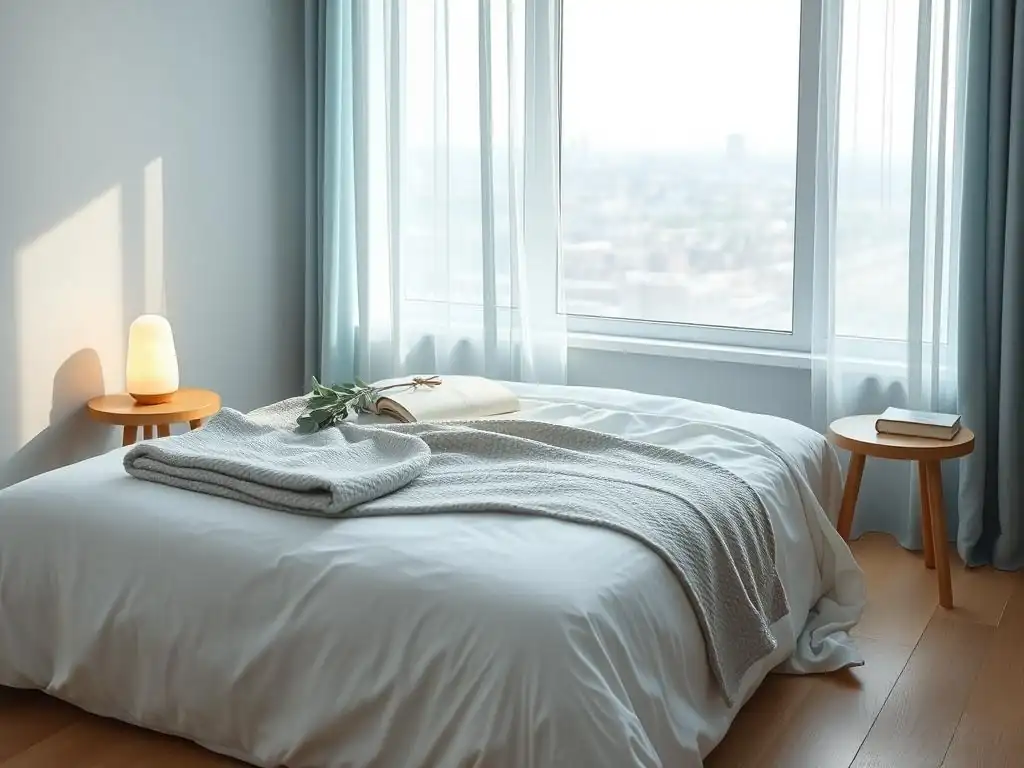
Your bedroom environment plays a significant role in sleep quality. To create a sleep sanctuary conducive to restorative rest and better social anxiety relief, focus on making it dark, quiet, and cool. Darkness is crucial because light, especially blue light, suppresses melatonin production, the hormone that regulates sleep. Use blackout curtains or blinds to block out external light sources. Even small amounts of light from electronics can be disruptive.
Noise can easily interrupt sleep. Use earplugs if necessary, or consider a white noise machine or fan to mask disruptive sounds. Consistency in the sound environment can also be part of your sleep hygiene. Temperature is another critical factor; most sleep experts recommend keeping the bedroom cool, typically between 60-67°F (15-19°C). A cooler environment helps your body temperature drop slightly, which is a natural part of the sleep process. Ensuring these three elements are optimized creates an environment that supports deeper, more continuous sleep, which is vital for emotional regulation and building resilience against social anxiety.
Investing in a Comfortable Mattress and Pillows
While environmental factors like light and temperature are important, the comfort of your sleep surface cannot be underestimated. A comfortable mattress and pillows that provide adequate support for your body can significantly impact sleep quality by minimizing discomfort and reducing tossing and turning. An old or unsupportive mattress can lead to aches and pains that disrupt sleep, while the wrong pillow can cause neck strain.
Investing in a mattress and pillows suited to your preferred sleep position and support needs can make a substantial difference in your ability to fall asleep and stay asleep comfortably. While this might involve an upfront cost, the long-term benefits of improved sleep quality on overall well-being, including reducing the impact of social anxiety, can be considerable. Prioritizing comfort in your sleep environment is a direct investment in your sleep hygiene and, consequently, in your capacity for social anxiety relief.
Minimizing Exposure to Blue Light Before Bed
Electronic devices like smartphones, tablets, computers, and televisions emit blue light, which is particularly effective at suppressing melatonin production and disrupting the circadian rhythm. Using these devices close to bedtime can make it harder to fall asleep and reduce the quality of sleep. For individuals with social anxiety who may be prone to ruminating on social interactions or scrolling through social media late at night, limiting blue light exposure is a critical component of sleep hygiene.
Aim to power down electronic devices at least 60-90 minutes before your target bedtime. If you must use a screen, consider using blue light filtering glasses or activating night mode settings on devices, which shift the screen's color temperature towards warmer tones. Charging devices outside the bedroom can also help eliminate the temptation to use them during the night or first thing in the morning. Creating this digital boundary before sleep reinforces the transition to rest and protects your body's natural sleep signals, contributing to better sleep quality and supporting social anxiety relief efforts.
Avoiding Caffeine and Alcohol Before Bed
What you consume, particularly in the hours leading up to bedtime, can significantly impact your ability to fall asleep and stay asleep. Caffeine, a stimulant found in coffee, tea, soda, and chocolate, can stay in your system for several hours (with a half-life of about 5 hours, meaning half of it is still active after that time). Consuming caffeine too close to bedtime can interfere with sleep onset and reduce deep sleep. It's generally recommended to avoid caffeine for at least 4-6 hours before bed.
Alcohol, while initially seeming to induce sleepiness, actually disrupts sleep later in the night. It reduces REM sleep, which is crucial for cognitive function and emotional processing, and can cause awakenings as the body metabolizes it. Avoiding alcohol, especially heavy consumption, in the hours before sleep is essential for maintaining sleep quality. For someone managing social anxiety, disrupted sleep due to caffeine or alcohol can exacerbate next-day anxiety and make social situations feel more daunting. Being mindful of these substances is a key aspect of dietary sleep hygiene for social anxiety relief.
Eating a Balanced Diet to Support Sleep Quality
Overall dietary patterns can influence sleep quality. A diet rich in whole grains, lean proteins, fruits, and vegetables supports overall health, including the production of neurotransmitters and hormones involved in sleep regulation. Avoiding heavy or rich meals close to bedtime can prevent digestive discomfort that might interfere with sleep. Aim to finish your last substantial meal at least 2-3 hours before bedtime.
Conversely, going to bed hungry can also be disruptive. If you need a snack before bed, choose something light and easily digestible, like a small bowl of oatmeal, a banana, or a handful of almonds. These foods contain compounds like tryptophan (in oatmeal and almonds) which can aid in sleep. Maintaining stable blood sugar levels through balanced meals throughout the day also helps prevent energy crashes and surges that can impact sleep patterns. Adopting a balanced diet is a foundational element of sleep hygiene that supports overall mental and physical health, contributing indirectly but significantly to social anxiety relief.
The Role of Magnesium and Other Nutrients in Sleep Regulation
Certain nutrients are particularly important for sleep regulation. Magnesium, for instance, plays a role in the function of GABA receptors, a neurotransmitter that calms the nervous system. Studies have shown that magnesium deficiency can be linked to insomnia. Foods rich in magnesium include leafy green vegetables, nuts, seeds, and whole grains. Calcium also helps the brain use tryptophan to make melatonin, and deficiency can lead to sleep disturbances. Dairy products, leafy greens, and fortified foods are good sources.
Zinc is another mineral linked to sleep regulation and has been shown to influence sleep duration and quality. Sources include oysters, beef, and pumpkin seeds. While it's best to get these nutrients from a balanced diet, some individuals might consider supplements under the guidance of a healthcare professional if deficiencies are suspected. Ensuring adequate intake of these key nutrients is a dietary component of sleep hygiene that supports the body's natural sleep mechanisms, aiding in the broader goal of social anxiety relief.
Regular Exercise Can Improve Sleep Quality
Engaging in regular physical activity is one of the most effective non-pharmacological strategies for improving sleep quality. Exercise helps reduce stress and anxiety, which are common barriers to falling asleep for individuals with social anxiety. It also helps regulate the body's internal clock and can increase the amount of time spent in deep sleep, the most restorative sleep stage. A meta-analysis published in the Journal of Behavioral Medicine in 2010 found that regular exercise significantly improved sleep quality and duration in individuals with chronic insomnia.
Aim for at least 150 minutes of moderate-intensity aerobic exercise or 75 minutes of vigorous-intensity exercise per week, as recommended by health guidelines. Activities like brisk walking, jogging, swimming, or cycling can be beneficial. The key is consistency. Even moderate amounts of regular physical activity can have a positive impact on sleep patterns over time, making it a valuable tool in the pursuit of better sleep hygiene and ultimately, social anxiety relief.
Timing Your Workouts for Optimal Sleep Benefits
While regular exercise is beneficial for sleep, the timing of your workouts can also matter. For most people, exercising earlier in the day or in the late afternoon is ideal. Vigorous exercise too close to bedtime can be stimulating, raising body temperature and heart rate, which can make it harder to fall asleep. The general recommendation is to avoid intense workouts within 2-3 hours of your target bedtime.
However, individual responses vary, and some people find that gentle exercise, like a light walk or stretching, closer to bedtime is actually relaxing. Pay attention to how your body responds. The most important thing is to find a time for exercise that you can stick to consistently. Integrating physical activity into your daily or weekly routine is a powerful component of sleep hygiene that reduces stress and improves sleep quality, contributing to a greater sense of calm and resilience needed for social anxiety relief.
Mindful movement practices like yoga and Tai Chi offer a unique combination of physical activity, breathwork, and meditation, making them particularly beneficial for individuals managing both social anxiety and sleep difficulties. These practices emphasize gentle movements, body awareness, and present moment focus, which can help calm the nervous system and reduce racing thoughts that interfere with sleep.
Yoga and Tai Chi have been shown in various studies to reduce anxiety and improve sleep quality. A review published in Complementary Therapies in Medicine in 2015 found that yoga interventions significantly improved sleep quality in various populations. These practices can help release physical tension, a common symptom of anxiety, and promote a sense of relaxation. Incorporating mindful movement into your routine, perhaps as part of your evening wind-down, can be a powerful addition to your sleep hygiene strategy, providing a gentle yet effective path towards social anxiety relief and more restful sleep.
Practicing Deep Breathing Exercises
Simple relaxation techniques can be incredibly effective tools for calming the nervous system before sleep and managing acute anxiety in social situations. Deep breathing exercises are one of the most accessible and powerful methods. When you are anxious, your breathing tends to become shallow and rapid. Slow, deep breathing signals to your brain that you are safe, counteracting the "fight or flight" response.
Techniques like diaphragmatic breathing (breathing deeply into your belly) or the 4-7-8 technique (inhaling for 4 counts, holding for 7, exhaling for 8) can be practiced in bed before sleep. Focusing on your breath helps shift attention away from anxious thoughts and promotes relaxation. Practicing these techniques regularly builds your ability to use them effectively when needed, both to fall asleep more easily and to manage moments of social anxiety, offering a tangible pathway to social anxiety relief.
Progressive Muscle Relaxation for Anxiety Reduction
Progressive Muscle Relaxation (PMR) is a technique that involves systematically tensing and then releasing different muscle groups in the body. The practice helps you become more aware of physical tension and teaches you how to release it consciously. Anxiety often manifests as physical tension, and PMR is a direct way to address this.
Practicing PMR before bed can help release physical tension accumulated throughout the day, making it easier to relax and fall asleep. It also provides a practical tool for managing physical anxiety symptoms when they arise in social situations. By learning to recognize and release tension through PMR, individuals can gain a greater sense of control over their physical response to anxiety, contributing to both improved sleep hygiene and enhanced social anxiety relief.
Mindfulness Meditation for Calming the Mind Before Bed
Mindfulness meditation involves paying attention to the present moment without judgment. For individuals with social anxiety, whose minds often race with worries about the past or future social interactions, mindfulness can be a powerful tool for quieting the mental chatter that interferes with sleep. Practicing mindfulness meditation before bed can help you observe your thoughts and feelings without getting caught up in them, allowing you to detach from anxiety-provoking rumination.
There are many guided mindfulness meditations available specifically for sleep or anxiety. Even a few minutes of focused breathing and present moment awareness can make a difference. Regular mindfulness practice builds resilience and the capacity to observe anxious thoughts without being overwhelmed by them, both at bedtime and during social interactions. Integrating mindfulness into your evening routine is a potent strategy for improving sleep hygiene and fostering a calmer, more accepting mindset that supports social anxiety relief.
Understanding CBT-I Techniques for Sleep Improvement
Cognitive Behavioral Therapy for Insomnia (CBT-I) is considered the gold standard treatment for chronic insomnia. It's a structured program that helps identify and replace thoughts and behaviors that cause or worsen sleep problems with habits that promote sound sleep. Unlike sleeping pills, which offer a temporary solution, CBT-I addresses the underlying causes of insomnia. Key components often include sleep restriction (temporarily reducing time in bed to increase sleep drive), stimulus control (associating the bed and bedroom only with sleep), and cognitive restructuring (challenging unhelpful beliefs about sleep).
For individuals with social anxiety, CBT-I can be particularly beneficial as it addresses the anxiety and worry that often contribute to sleep difficulties. By learning to manage sleep-related anxiety and establish healthy sleep habits, individuals can break the vicious cycle linking poor sleep and heightened anxiety. While CBT-I is specifically for insomnia, the principles of identifying and modifying unhelpful thoughts and behaviors are directly applicable to managing social anxiety itself.
A significant component of CBT-I is cognitive restructuring. This involves identifying and challenging negative or unhelpful thoughts about sleep, such as "I'll never be able to sleep" or "If I don't get 8 hours of sleep, I'll fail tomorrow." These thoughts can create performance anxiety around sleep, making it even harder to relax and fall asleep. CBT-I helps individuals replace these thoughts with more realistic and helpful perspectives.
Behavioral techniques in CBT-I address habits that interfere with sleep. For example, stimulus control involves only using the bedroom for sleep and intimacy, and getting out of bed if you can't sleep after about 20 minutes to break the association between the bed and frustration or wakefulness. Sleep restriction, implemented carefully with a therapist, helps consolidate sleep and increase sleep efficiency. By modifying both thought patterns and behaviors related to sleep, CBT-I effectively improves sleep quality, which in turn can reduce overall anxiety levels and enhance capacity for social anxiety relief.
Finding a Qualified Therapist for CBT-I
CBT-I is typically delivered by a trained therapist or healthcare professional. It can be administered individually or in a group setting, and increasingly, effective online CBT-I programs are available. When seeking a therapist for CBT-I, look for someone with experience and training in sleep disorders. You can search for licensed psychologists, clinical social workers, or other mental health professionals who specialize in behavioral sleep medicine.
Discussing your social anxiety with the CBT-I therapist is also important, as they can help you understand how your anxiety might be impacting your sleep and tailor strategies accordingly. While CBT-I focuses on sleep, the skills learned in challenging negative thoughts and changing behaviors can have positive spillover effects on managing social anxiety symptoms. Finding a qualified professional ensures you receive evidence-based treatment tailored to your specific needs, providing a structured path towards better sleep hygiene and enhanced social anxiety relief.
Identifying Potential Sleep Disorders: Insomnia, Circadian Rhythm Disorders
While poor sleep hygiene is a common contributor to sleep problems, persistent sleep difficulties, even with good hygiene practices, could indicate an underlying sleep disorder. Insomnia is the most common, characterized by difficulty falling or staying asleep. However, other disorders like circadian rhythm sleep-wake disorders (e.g., delayed sleep phase syndrome, where your internal clock is significantly shifted later) or sleep apnea (disrupted breathing during sleep) can also severely impact sleep quality.
Symptoms that might suggest an underlying sleep disorder include chronic difficulty sleeping despite practicing good sleep hygiene, excessive daytime sleepiness, loud snoring (potentially indicating sleep apnea), restless legs, or an inability to maintain a consistent sleep schedule regardless of effort. For individuals with social anxiety, untreated sleep disorders can significantly worsen anxiety symptoms and make social anxiety relief much harder to achieve. Recognizing these signs and seeking professional evaluation is a crucial step.
Seeking Professional Help for Sleep Disorder Diagnosis and Treatment
If you suspect you might have an underlying sleep disorder, it is essential to consult a healthcare professional. Your primary care physician can be a good starting point; they may ask about your sleep habits and symptoms and might recommend a sleep diary. Depending on your symptoms, they may refer you to a sleep specialist or a sleep clinic for further evaluation.
A sleep specialist can conduct a thorough assessment, which may include a physical examination, detailed history, and potentially a sleep study (polysomnography). A sleep study monitors various physiological parameters during sleep, such as brain waves, eye movements, heart rate, breathing patterns, and oxygen levels, to diagnose disorders like sleep apnea, restless legs syndrome, or periodic limb movement disorder. Accurate diagnosis is the first step towards effective treatment, which can significantly improve sleep quality.
Treating an underlying sleep disorder can have a profound positive impact on mental health, including reducing the severity of social anxiety symptoms. When a sleep disorder like sleep apnea is treated (e.g., with a CPAP machine), sleep quality improves dramatically. This leads to reduced daytime sleepiness, improved mood regulation, better cognitive function, and a calmer nervous system.
Similarly, effectively treating chronic insomnia with CBT-I or addressing circadian rhythm disorders can restore healthy sleep patterns. As sleep improves, individuals often report feeling more resilient, less irritable, and better able to cope with daily stressors, including social situations. By resolving the physiological basis of poor sleep, individuals with social anxiety can find that their anxiety symptoms become less intense and more manageable, paving the way for greater social anxiety relief and overall well-being. Treating sleep disorders is a vital, often overlooked, component of comprehensive mental health care.
Identifying Your Specific Sleep Challenges
Creating an effective sleep hygiene plan for social anxiety relief starts with understanding your unique sleep patterns and challenges. What specifically interferes with your sleep? Is it difficulty falling asleep due to racing thoughts about social interactions? Waking up frequently during the night? Waking up too early and being unable to fall back asleep? Do you rely heavily on caffeine or alcohol? Is your sleep schedule erratic?
Keeping a sleep diary for a week or two can be incredibly helpful. Record your bedtime, wake-up time, how long it takes to fall asleep, how many times you wake up, what you ate or drank before bed, your exercise, and your mood or anxiety levels. This information can reveal patterns and specific habits that are hindering your sleep. Identifying these personal challenges allows you to tailor your sleep hygiene strategies to address the most impactful issues first.
Setting Realistic and Achievable Goals
Once you've identified your sleep challenges, set realistic and achievable goals for improving your sleep hygiene. Instead of trying to overhaul everything at once, choose one or two areas to focus on initially. For example, if your main challenge is an inconsistent sleep schedule, your goal might be to go to bed and wake up within a 30-minute window each day for a week. If late-night screen time is an issue, your goal could be to put your phone away 60 minutes before bed.
Setting small, manageable goals increases the likelihood of success and helps build momentum. Celebrate small victories. Remember that improving sleep hygiene for social anxiety relief is a process, not an overnight fix. Be patient and persistent with yourself. Realistic goal setting prevents overwhelm and makes the commitment to better sleep feel less daunting.
Tracking Your Progress and Making Adjustments as Needed
Consistently tracking your sleep patterns and how your sleep hygiene practices are impacting them is essential for long-term success. Continue using your sleep diary or a sleep tracking app to monitor your progress. Note changes in how long it takes you to fall asleep, how many times you wake up, your total sleep time, and how rested you feel during the day. Also, pay attention to how changes in your sleep are affecting your social anxiety symptoms. Are you feeling less irritable? Finding it easier to concentrate in social situations?
Review your progress periodically (e.g., weekly) and make adjustments to your plan as needed. If a particular strategy isn't working after a few weeks, try modifying it or focusing on a different aspect of sleep hygiene. For instance, if limiting blue light isn't helping, perhaps focusing more on relaxation techniques before bed would be more beneficial. This iterative process of tracking, evaluating, and adjusting ensures that your personalized sleep hygiene plan remains effective in supporting your journey towards social anxiety relief.
Sleep is not a luxury; it is a fundamental biological necessity with profound implications for mental health, particularly for individuals navigating social anxiety. This guide has explored the intricate links between poor sleep and exacerbated social anxiety symptoms, highlighting how sleep deprivation can heighten sensitivity, impair cognitive function, amplify negative self-talk, and intensify physical anxiety. By understanding these connections, we can recognize the critical role that effective sleep hygiene plays in fostering social anxiety relief.
Prioritizing sleep hygiene through consistent schedules, optimized environments, mindful dietary choices, regular exercise, relaxation techniques, and addressing potential sleep disorders provides a powerful, evidence-based pathway towards better sleep and improved capacity to manage social challenges. Implementing a personalized sleep hygiene plan is an ongoing process, requiring patience, consistency, and a willingness to adjust strategies as needed.
By making sleep a priority, individuals with social anxiety can build greater resilience, experience reduced symptom severity, and approach social interactions with increased confidence and ease. Embracing good sleep hygiene is an investment in not only better sleep but in long-term social anxiety management and overall enhanced well-being.
Frequently Asked Questions
Poor sleep hygiene can worsen social anxiety symptoms. Lack of sleep can lead to increased irritability, difficulty concentrating, and heightened self-consciousness, all of which can exacerbate social anxiety.
What are some key sleep hygiene practices I can implement?
Establishing a consistent sleep schedule, creating a relaxing bedtime routine, and optimizing your sleep environment are crucial. Also, avoiding caffeine and alcohol before bed is vital for better sleep.
Yes, improved sleep can significantly reduce social anxiety. Better sleep promotes emotional regulation and reduces overall stress levels, leading to decreased anxiety in social situations.
The timeframe varies, but many people notice positive changes within a few weeks of consistent effort. It's important to be patient and maintain good sleep habits for long-term benefits.
Therapy, such as Cognitive Behavioral Therapy (CBT), medication, and support groups can all be helpful. Combining these with good sleep hygiene provides a holistic approach to managing social anxiety.
Final Reflection: Weaving the Threads of Sleep and Serenity
The pervasive nature of social anxiety in today's interconnected world demands innovative solutions, and improving sleep hygiene offers a surprisingly powerful, yet often overlooked, pathway to relief. Addressing sleep disturbances isn't just about getting more hours; it's about cultivating a restorative environment that allows the mind and body to heal and rebuild, directly impacting our ability to navigate social situations with greater confidence and ease.
The impact of consistent, quality sleep on mental wellbeing, particularly in managing social anxiety, is profound and far-reaching. It's not simply about feeling more rested; improved sleep directly affects our emotional regulation, cognitive function, and resilience to stress – all crucial factors in overcoming social anxiety. As the renowned psychiatrist, Viktor Frankl, wisely stated: >“Between stimulus and response there is a space. In that space is our power to choose our response. In our response lies our growth and our freedom.” Improving sleep hygiene provides us with that crucial space, allowing for more mindful responses to anxiety-provoking social situations.
Now, consider your own sleep habits. Are you prioritizing restorative rest? Are you creating a calming bedtime routine that minimizes screen time and maximizes relaxation? I invite you to take a moment to reflect on your sleep patterns and identify areas for improvement. Even small changes, like establishing a consistent sleep schedule or creating a relaxing pre-sleep ritual, can have a significant impact on your ability to manage social anxiety and live a more fulfilling life. Begin today, and witness the transformative power of a good night's sleep.
Unlock Your Restful Potential: Conquer Anxiety Through Sleep
Thanks for taking the time to explore the connection between sleep and social anxiety management! We hope you found valuable insights to help you improve your well-being. Now it's time to put that knowledge into practice.
Here are a few steps you can take today:
- Prioritize a consistent sleep schedule: This is the key takeaway – aim for 7-9 hours of quality sleep each night, going to bed and waking up around the same time, even on weekends.
- Try a relaxing pre-sleep routine: This could be a warm bath, reading a book, or gentle stretching – experiment to find what works best for you. Share your favorite relaxation technique in the comments below!
- Track your sleep: Use a sleep journal or app to monitor your sleep patterns and identify areas for improvement. This can be surprisingly insightful!
Ready to experience the transformative power of better sleep on your social anxiety? What small change will you implement tonight to prioritize your rest?