
Mindfulness Techniques for Staying Calm During Tests and Presentations

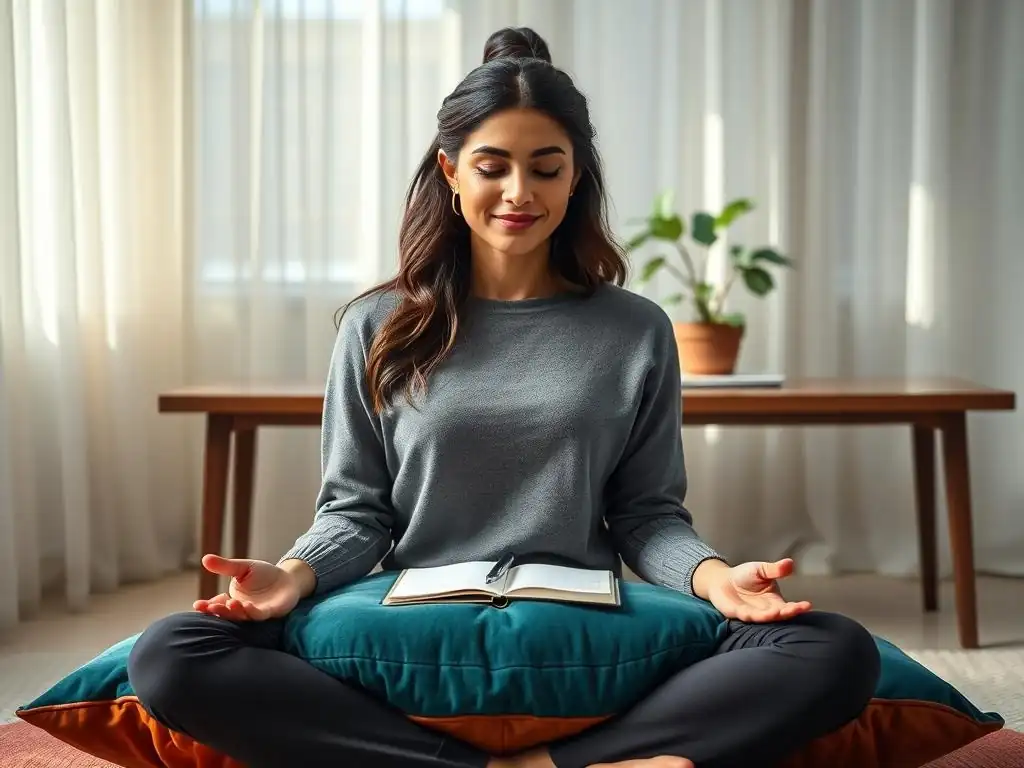
Welcome to Mind Care Guide, where your mental well-being takes center stage.
Feeling overwhelmed by test anxiety? You're not alone. That knot in your stomach, the racing thoughts...we understand. Discover how simple mindfulness techniques can reduce test anxiety and unlock a calmer, more focused you. Explore practical strategies and empowering insights to conquer your fears and approach your next challenge with confidence. Intrigued? Let's dive in and find your path to inner peace.
Mindfulness Techniques for Staying Calm During Tests and Presentations
- Understanding Performance Anxiety and the Power of Mindfulness
- Practical Mindfulness Exercises to Alleviate Test Anxiety
- Mindfulness Techniques for Public Speaking and Presentations
- Integrating Mindfulness into Your Daily Routine for Long-Term Anxiety Relief
- Overcoming Challenges in Your Mindfulness Journey
- Conclusion: Embracing Mindfulness for a Calmer, More Confident You
-
Frequently Asked Questions
- What is mindfulness, and how can it help with test anxiety?
- How can I incorporate mindfulness into my test preparation routine?
- What specific mindfulness techniques are most effective for managing anxiety during a test?
- How long does it take to see the benefits of mindfulness in reducing test anxiety?
- Are there any potential drawbacks or limitations to using mindfulness for test anxiety?
- Final Reflection: Cultivating Inner Calm for Academic Success
- Unlock Your Inner Calm: Take Control of Test Anxiety Today!
Understanding Performance Anxiety and the Power of Mindfulness
What is Performance Anxiety?
Performance anxiety is a form of anxiety that arises in situations where performance is required, such as taking an exam, giving a public speech, or participating in a competition. It's often characterized by intense fear, worry, and physical symptoms like a racing heart, sweating, trembling, or difficulty concentrating. For many, this anxiety can significantly impair their ability to perform at their best, leading to a cycle of fear and avoidance.
It's estimated that up to 25% of students experience moderate to high levels of test anxiety, impacting their academic performance. Similarly, public speaking consistently ranks among the most common fears, affecting a significant portion of the population.
This anxiety isn't just about feeling nervous; it's a genuine stress response where the body perceives the performance situation as a threat. The "fight or flight" response kicks in, diverting resources away from higher cognitive functions needed for recall or coherent speaking. Understanding that this is a physiological and psychological reaction, rather than a personal failing, is the first step towards managing it. Recognizing the symptoms early, such as the sudden onset of butterflies in the stomach or a blank mind, allows individuals to intervene with calming strategies.
The Science Behind Mindfulness and Anxiety Reduction
Mindfulness is the practice of intentionally bringing one's attention to the present moment without judgment. Research has shown that regular mindfulness practice can alter brain structure and function in ways that reduce anxiety. Studies using fMRI have demonstrated that mindfulness meditation can decrease activity in the amygdala, the brain's fear center, and increase connectivity between the amygdala and the prefrontal cortex, which helps regulate emotional responses. This neurological shift enables individuals to respond to stressors more calmly and thoughtfully, rather than reacting impulsively with fear.
Furthermore, mindfulness has been shown to lower levels of cortisol, the body's primary stress hormone. Chronic stress, often fueled by anxiety, can have detrimental effects on physical and mental health. By reducing cortisol, mindfulness helps to reset the body's stress response system, leading to a more relaxed state. A meta-analysis of over 200 studies indicated that mindfulness-based interventions were effective in reducing anxiety symptoms across various populations, highlighting its potential as a powerful tool for managing performance-related stress.
How Mindfulness Can Help Reduce Test Anxiety and Presentation Nerves
Mindfulness provides practical tools to interrupt the anxiety cycle that often accompanies tests and presentations. By focusing on the present moment, individuals can detach from worries about past failures or future outcomes. For instance, instead of catastrophizing about failing an exam, mindfulness encourages focusing on the current question in front of you. This helps to keep the mind from spiraling into negative thought patterns that fuel anxiety. When confronting test anxiety, mindfulness offers a pathway to approach the situation with greater clarity and less emotional reactivity.
For presentations, mindfulness helps manage the physical symptoms of nerves. Techniques like mindful breathing can quickly calm a racing heart and steady shaky hands. By practicing non-judgmental observation, individuals can acknowledge their fear without letting it consume them. This allows them to stay present with their audience and their material, rather than getting lost in self-critical thoughts. Integrating mindfulness reduce test anxiety and presentation stress by fostering a sense of groundedness and control in high-pressure situations.
Practical Mindfulness Exercises to Alleviate Test Anxiety
Breathing Exercises for Instant Calm During Exams
Breathing exercises are among the most accessible and effective mindfulness techniques for managing acute anxiety, such as during a test. Focusing on the breath immediately brings your attention to the present moment, interrupting anxious thought loops. These techniques can be performed discreetly at your desk without disturbing others, offering a quick way to regain composure when feeling overwhelmed.
Taking just a few moments to regulate your breathing can signal to your nervous system that you are safe, shifting you out of the stress response. This allows blood flow to return to the brain's executive functions, improving focus and recall, which are crucial during exams. Practicing these techniques beforehand makes them more effective when you need them most to help mindfulness reduce test anxiety.
Diaphragmatic Breathing for Test Anxiety Relief
Diaphragmatic breathing, also known as deep belly breathing, maximizes the amount of oxygen taken in and helps slow the heart rate. It's a simple yet powerful technique for immediate calm.
- How to do it:
- Sit upright at your desk, shoulders relaxed.
- Place one hand on your chest and the other just below your rib cage.
- Inhale slowly through your nose, feeling your abdomen rise (the hand on your chest should remain relatively still).
- Exhale slowly through pursed lips, feeling your abdomen gently fall.
- Repeat for 3-5 breaths.
This technique directly engages the parasympathetic nervous system, which promotes relaxation. Even a few cycles can help dissipate the physical tension associated with test anxiety, making it easier to think clearly. Practicing this daily, not just during stressful moments, builds your capacity to access this calm state quickly.
Box Breathing: A Simple Technique for Staying Grounded
Box breathing is a straightforward technique used by various professionals, including Navy SEALs, to manage stress in high-pressure situations. Its rhythmic nature provides a focal point for the mind.
- How to do it:
- Exhale completely, emptying your lungs.
- Inhale slowly through your nose for a count of four.
- Hold your breath for a count of four.
- Exhale slowly through your mouth for a count of four.
- Hold your breath (lungs empty) for a count of four.
- Repeat the cycle for several minutes.
This method provides a structured way to control your breath, which in turn helps control your physiological response to anxiety. The counting aspect adds a simple cognitive task that can distract the mind from anxious thoughts, serving as an anchor to the present moment. It's a highly effective tool for anyone looking to quickly apply mindfulness reduce test anxiety.
Body Scan Meditation for Reducing Tension Before Presentations
A body scan meditation involves bringing your attention to different parts of your body, noticing any sensations without judgment. This practice helps you become aware of where you hold tension and allows you to consciously release it. Performing a body scan before a presentation can ground you and reduce the physical symptoms of nervousness.
By systematically moving your attention through your body, you interrupt the cycle of worrying thoughts that often plague individuals before speaking in public. This practice helps you connect with your physical self in the present moment, rather than being lost in anxious predictions. It's a valuable exercise for cultivating body awareness and releasing pent-up stress.
How to Perform a Body Scan for Anxiety
While often done lying down, a modified body scan can be done sitting up before a presentation. The key is gentle, non-judgmental attention.
- Steps for a seated body scan:
- Find a comfortable seated position.
- Close your eyes gently or soften your gaze.
- Bring your attention to your breath for a few moments.
- Shift your attention to your feet. Notice any sensations (warmth, coolness, pressure). Just observe, don't try to change anything.
- Slowly move your attention up through your ankles, calves, knees, thighs, hips.
- Scan your torso: lower back, abdomen, chest, upper back.
- Move to your fingertips, hands, wrists, forearms, elbows, upper arms, shoulders. Notice if you are holding tension in your shoulders.
- Finally, scan your neck, jaw (often holds tension), face, and head.
- Take a deep breath and bring your awareness back to your whole body sitting in the chair.
This systematic process helps you identify physical manifestations of anxiety, such as a tight jaw or tense shoulders. Simply becoming aware of this tension is the first step to releasing it. It anchors you firmly in your physical reality, reducing the power of abstract worries.
Focusing on Physical Sensations to Calm the Mind
The core of the body scan is the deliberate focus on physical sensations. When your mind is racing with anxious thoughts ("What if I forget my lines? ", "What if people judge me? "), shifting your attention to tangible physical feelings serves as a powerful anchor.
For example, instead of getting caught up in the thought "My heart is racing, I must be failing," you can mindfully observe the sensation of your heart beating, perhaps labeling it simply as "pulsing sensation." This detached observation reduces the emotional charge of the sensation. Similarly, noticing the feeling of your feet on the floor or the texture of your clothing can immediately bring you back to the present, away from the hypothetical future worries that fuel presentation anxiety.
Mindful Observation of Thoughts and Feelings During a Test
During a test, anxious thoughts and feelings are likely to arise. Mindfulness doesn't aim to eliminate these, but rather to change your relationship with them. Instead of getting swept away by thoughts like "I don't know this," or feelings like panic, mindful observation involves noticing them without judgment and without necessarily believing or acting on them.
This practice helps create space between you and your anxiety. You are not your anxious thoughts; you are the one observing them. This detachment allows you to choose how to respond – perhaps returning to the question, taking a mindful breath, rather than getting stuck in a loop of self-criticism or despair. It's a crucial skill for anyone seeking how mindfulness reduce test anxiety effectively in the moment.
Recognizing Anxious Thoughts Without Judgment
Anxious thoughts during a test often take the form of predictions ("I'm going to fail"), self-criticism ("I should have studied more"), or catastrophic scenarios ("This test will ruin everything"). Mindful recognition involves simply noticing these thoughts as mental events, like clouds passing in the sky.
You might internally say, "Ah, there's a thought about failing," or "I'm noticing a self-critical thought." The key is to avoid engaging with the thought, debating it, or judging yourself for having it. This non-judgmental stance is central to mindfulness and weakens the power these thoughts have over your emotional state and cognitive function during the exam.
Labeling Thoughts to Reduce Their Power
A specific technique within mindful observation is labeling. When you notice an anxious thought or feeling, you can mentally label it simply. For instance, you might label a thought about the difficulty of a question as "worrying," or the physical feeling in your stomach as "anxiety."
This act of labeling helps to objectify the thought or feeling, creating distance. It moves the experience from "I am panicking" to "I am noticing the feeling of panic." This subtle shift in perspective can significantly reduce the intensity and grip of the anxiety, allowing you to re-focus on the task at hand and continue utilizing mindfulness reduce test anxiety.
Mindfulness Techniques for Public Speaking and Presentations
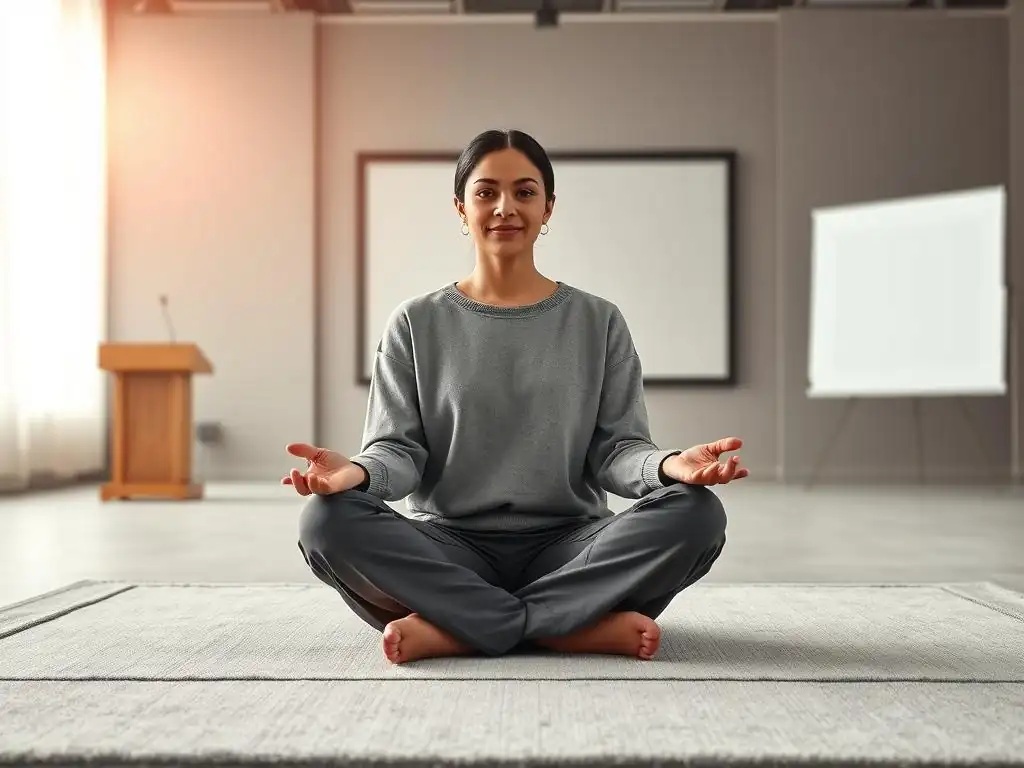
Grounding Techniques Before a Presentation
Grounding techniques are designed to bring your awareness away from anxious thoughts and back to the present moment, often by focusing on your physical connection to the ground or your immediate surroundings. These are excellent tools to use in the minutes leading up to a presentation when nerves might be at their peak.
By engaging your senses and focusing on external reality, grounding helps interrupt the internal spiral of anxiety. It stabilizes you and provides a sense of safety, making the transition to speaking much smoother. These techniques are quick, discreet, and highly effective for immediate anxiety relief.
The 5-4-3-2-1 Grounding Exercise for Presentation Nerves
This simple yet powerful technique uses your five senses to anchor you to the present moment. It's perfect for use backstage or right before you step up to speak.
- How to do it:
- Acknowledge 5 things you can see. Look around the room or space and mentally (or quietly) name them.
- Acknowledge 4 things you can touch. Feel your clothes, the chair, your hands, the floor beneath your feet.
- Acknowledge 3 things you can hear. Listen for sounds nearby or in the distance.
- Acknowledge 2 things you can smell. Notice any scents in the air.
- Acknowledge 1 thing you can taste. Notice the taste in your mouth.
This exercise forces your attention outward, away from internal worries. It engages multiple parts of your brain and nervous system, effectively interrupting the anxiety response and bringing you back into your body and the present environment. It's a reliable method for quickly reducing presentation nerves.
Using Visualization to Calm Pre-Presentation Anxiety
Visualization involves creating a mental image of a calm, positive outcome. While not strictly traditional mindfulness (which focuses on the present reality), it can be used mindfully to cultivate a feeling of calm and competence before stepping onto a stage.
You might visualize yourself delivering the presentation confidently, speaking clearly, and connecting positively with the audience. Focus not just on the visual aspects, but also on the feeling of ease and success. Pair this with mindful breathing to enhance its calming effect. This mental rehearsal, when combined with present-moment awareness, can build confidence and reduce the feeling of dread associated with public speaking.
Mindful Listening During Q&A Sessions
The Q&A portion of a presentation can be particularly anxiety-inducing. Fear of being asked a difficult question or appearing uninformed can trigger performance anxiety. Mindful listening during Q&A involves fully focusing on the question being asked, without simultaneously formulating your answer or worrying about how you are perceived.
This practice allows you to truly understand the question, reducing the likelihood of misinterpretation. It also keeps you anchored in the present interaction with your audience, preventing your mind from drifting into anxious future predictions or self-judgment. It demonstrates respect for the questioner and allows for a more thoughtful, less reactive response.
Staying Present and Engaged with the Audience
During a Q&A, it's easy for the mind to race ahead, anticipating the next question or replaying perceived mistakes from the presentation. Mindful listening keeps you focused on the person speaking. Maintain eye contact (if comfortable), and pay attention not just to the words, but also the tone and body language.
This presence helps you stay connected with your audience, fostering a sense of dialogue rather than interrogation. It reduces the feeling of being "put on the spot" because you are actively engaged in the interaction. By focusing on the present moment with the questioner, you minimize the space for anxious thoughts to take over.
Responding Thoughtfully Instead of Reacting Anxiously
When a challenging question arises, the anxious mind might jump to conclusions, feel defensive, or rush to answer without fully processing. Mindful listening allows you to pause, breathe, and fully comprehend the question before formulating a response.
This pause, even if just for a few seconds, gives your cognitive functions time to work. You can acknowledge the question, perhaps repeat it to ensure understanding, and then gather your thoughts. This thoughtful approach, in contrast to an anxious reaction, leads to clearer, more composed answers, which in turn can reduce subsequent anxiety.
Cultivating Self-Compassion During Presentations
Performance situations are ripe for self-criticism. Mistakes happen – a forgotten point, a stumble over words, a technology glitch. Anxious individuals often react to these imperfections with harsh self-judgment, which exacerbates anxiety. Cultivating self-compassion involves treating yourself with the same kindness and understanding you would offer a friend.
Recognizing that making mistakes is part of being human, especially under pressure, is key. Self-compassion helps you bounce back from setbacks during a presentation, rather than getting derailed by them. It creates a more supportive internal environment, reducing the internal conflict that fuels anxiety.
Practicing Self-Kindness When Making Mistakes
If you make a mistake during a presentation, notice the self-critical thoughts that arise ("I'm so stupid," "I've ruined everything"). Instead of believing them, gently acknowledge the thought and then offer yourself a phrase of kindness.
This might be something like, "It's okay, everyone makes mistakes," or "Be kind to yourself, you're doing your best." You can place a hand over your heart as a physical gesture of warmth. This simple act of turning towards yourself with kindness interrupts the cycle of self-recrimination and allows you to regain your composure and continue.
Reframing Negative Self-Talk
Negative self-talk is a significant driver of performance anxiety. Identifying and reframing these thoughts is a core self-compassion practice. For example, instead of thinking, "I'm going to freeze up," you might reframe it to, "I feel nervous, but I am prepared and can handle this."
This isn't about forcing yourself to feel confident if you don't, but about challenging overly harsh or catastrophic interpretations and replacing them with more balanced, compassionate perspectives. Regularly practicing this reframing helps dismantle the internal critic that contributes heavily to presentation nerves and helps solidify how mindfulness reduce test anxiety in the long term.
Integrating Mindfulness into Your Daily Routine for Long-Term Anxiety Relief
While mindfulness techniques are effective in the moment, their true power lies in consistent practice. Integrating mindfulness into your daily routine builds your capacity to handle stress and anxiety over time, making you more resilient when faced with tests or presentations. Think of it like training a muscle; the more you practice, the stronger your ability to stay calm becomes.
Daily practice helps to rewire your brain's response to stress, gradually reducing the frequency and intensity of anxious reactions. It's not just about having tools for crisis management, but about cultivating a baseline of calm and presence that permeates all aspects of your life, including academic and professional performance.
Creating a Daily Mindfulness Practice
Establishing a regular time and space for mindfulness meditation is crucial for building a consistent habit. Even just 5-10 minutes a day can make a significant difference in your overall anxiety levels.
This daily practice doesn't have to be complicated. It could be a simple seated meditation focusing on the breath, a walking meditation, or mindful eating. The key is consistency and approaching the practice with patience and self-compassion.
Setting Realistic Goals for Mindfulness Meditation
When starting a daily practice, begin with small, achievable goals. Aim for 5 minutes a day for the first week, then perhaps increase to 10 minutes. Don't expect to become instantly calm or free of thoughts; the mind will wander, and that's okay. The practice is simply noticing when your mind wanders and gently bringing it back to your chosen anchor (like the breath).
Perfection is not the goal. Some days your meditation might feel easy and calm, other days it might feel restless and full of thoughts. Both are valid experiences. The commitment is to the practice itself, not to achieving a particular state. This realistic approach fosters sustainability and prevents frustration.
Finding a Quiet Space for Regular Practice
Designate a specific spot in your home or workplace for your mindfulness practice. This could be a quiet corner, a comfortable chair, or even just a specific cushion on the floor. Having a dedicated space helps signal to your brain that it's time to transition into a mindful state.
Ensure the space is relatively free from distractions during your practice time. Inform family members or colleagues if necessary. While you can practice mindfulness anywhere, having a consistent, quiet environment, especially when starting, can make it easier to cultivate focus and consistency.
Using Mindfulness Apps and Resources to Support Your Practice
Numerous resources are available to help support your daily mindfulness practice. Mindfulness apps offer guided meditations of varying lengths and themes, making it easy to fit practice into a busy schedule.
Many apps provide specific programs for anxiety, stress, or focus, which can be particularly helpful for students or professionals facing performance situations. Websites, books, and local centers also offer guided meditations, courses, and community support. Utilizing these resources can make starting and maintaining a practice more accessible and engaging, reinforcing the benefits of how mindfulness reduce test anxiety over time.
Mindfulness and Test Preparation: A Holistic Approach
Integrating mindfulness into your test preparation goes beyond simply using techniques during the exam. It involves applying mindful principles to your study habits and overall well-being during the stressful period leading up to a test.
This holistic approach recognizes that anxiety is influenced by many factors, including sleep, nutrition, and study strategies. By approaching preparation mindfully, you reduce overall stress levels, making you less susceptible to acute anxiety during the test itself.
Combining Mindfulness with Effective Study Habits
Mindfulness can enhance your study sessions by improving focus and reducing procrastination driven by anxiety. Before starting a study session, take a few minutes for mindful breathing to clear your head. During studying, practice mindful breaks – stepping away from your work completely for a few minutes to stretch, walk, or simply notice your surroundings.
If you encounter challenging material or feel overwhelmed, pause and observe your reaction without judgment. This mindful awareness allows you to address difficulties constructively rather than getting stuck in frustration or avoidance. Combining focused study with mindful breaks and self-awareness makes preparation more effective and less stressful, helping mindfulness reduce test anxiety before the test even begins.
Prioritizing Self-Care to Manage Test-Related Stress
Test preparation periods often lead to neglecting basic self-care. Mindfulness encourages paying attention to your body's needs. Ensure you are getting adequate sleep (aim for 7-9 hours), eating nutritious meals, and incorporating physical activity into your routine.
Mindfully notice signs of stress or burnout and take steps to address them proactively. This might involve scheduling downtime, connecting with friends, or engaging in enjoyable activities. Prioritizing these aspects of well-being is not a luxury but a necessity for managing test-related stress and maintaining the mental clarity needed for effective preparation and performance.
Overcoming Challenges in Your Mindfulness Journey
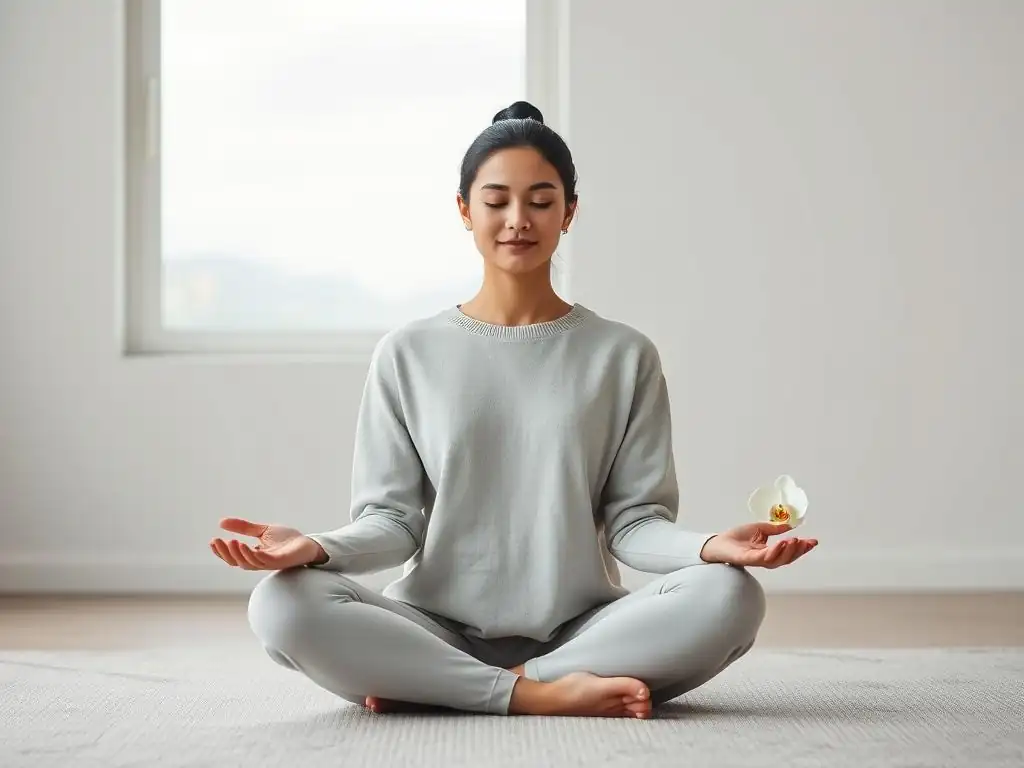
Starting and maintaining a mindfulness practice isn't always easy. You will likely encounter challenges like difficulty focusing, feeling impatient, or wondering if you're "doing it right." These are normal parts of the process. Approaching these challenges with mindfulness itself – noticing them without judgment – is key to perseverance.
It's important to remember that mindfulness is a practice, not a destination. There will be ups and downs. Recognizing common hurdles and having strategies to navigate them will help you stick with your practice and continue to reap its benefits for managing anxiety, including how mindfulness reduce test anxiety.
Dealing with Distractions During Meditation
A common challenge is a wandering mind during meditation. Thoughts will arise – about your to-do list, past conversations, future worries (like tests or presentations). This is not a failure; it's simply what minds do.
When you notice your mind has wandered, gently acknowledge the thought without judgment. Then, compassionately guide your attention back to your breath or chosen anchor. The practice isn't about having an empty mind, but about the repeated act of noticing and returning your attention. Each time you notice your mind has wandered and bring it back, you are strengthening the "muscle" of attention.
Addressing Feelings of Frustration or Impatience
You might feel frustrated if you find it hard to concentrate, or impatient if you don't immediately feel calmer after practicing. These feelings are also normal. Notice the feeling of frustration or impatience without getting caught up in it. You can even label it: "Ah, impatience is here."
Remind yourself that mindfulness is a long-term practice. The benefits accumulate over time. Be kind to yourself and acknowledge that some days will be easier than others. If a particular technique feels frustrating, try a different one, or shorten your practice time. The goal is consistent gentle effort, not perfection.
Seeking Professional Guidance When Needed
While mindfulness is a powerful tool, it is not a substitute for professional mental health care, especially if you are experiencing severe anxiety or panic attacks. If your performance anxiety is significantly impacting your life, or if you are struggling to manage it with self-help techniques, consider seeking support from a therapist or counselor.
Mental health professionals can provide personalized strategies, explore underlying causes of anxiety, and offer evidence-based treatments like Cognitive Behavioral Therapy (CBT) or exposure therapy, which can complement mindfulness practices. Combining mindfulness with professional support can be a highly effective approach for managing significant performance anxiety and ensuring how mindfulness reduce test anxiety is integrated safely and effectively.
Conclusion: Embracing Mindfulness for a Calmer, More Confident You
Performance anxiety, whether related to tests or presentations, is a common and challenging experience. It can feel overwhelming and debilitating, impacting not just performance but overall well-being. However, by embracing mindfulness techniques, you gain access to powerful tools for navigating these stressful situations with greater calm and clarity.
From simple breathing exercises performed discreetly during an exam to body scans before stepping onto a stage, mindfulness offers practical, in-the-moment relief. More importantly, integrating mindfulness into your daily life builds resilience, helps you manage stress proactively, and fosters a more compassionate relationship with yourself.
This consistent practice strengthens your ability to stay present, observe thoughts without judgment, and respond to challenges thoughtfully rather than reactively. As you consistently apply mindfulness reduce test anxiety and presentation nerves, you cultivate not only calmness but also a deeper sense of confidence in your ability to handle pressure and perform to your potential.
Frequently Asked Questions
What is mindfulness, and how can it help with test anxiety?
Mindfulness is the practice of paying attention to the present moment without judgment. It can help with test anxiety by reducing focus on negative thoughts and promoting a sense of calm and awareness.
How can I incorporate mindfulness into my test preparation routine?
You can incorporate mindfulness by practicing short meditation sessions daily, focusing on your breath, or engaging in mindful activities like walking or yoga. This helps build stress resilience before the test.
What specific mindfulness techniques are most effective for managing anxiety during a test?
During a test, try deep breathing exercises, focusing on your breath to calm your nerves. You can also use body scan meditations to release tension in your body and refocus your attention.
How long does it take to see the benefits of mindfulness in reducing test anxiety?
The benefits of mindfulness can be experienced relatively quickly, often within a few weeks of consistent practice. However, long-term commitment is key for sustained anxiety reduction.
Are there any potential drawbacks or limitations to using mindfulness for test anxiety?
While generally safe, mindfulness might not be a complete solution for everyone. Individuals with severe anxiety disorders may need additional professional help, and it is important to manage expectations regarding results.
Final Reflection: Cultivating Inner Calm for Academic Success
The ability to manage test anxiety is no longer a luxury, but a crucial skill for navigating the pressures of modern education and beyond. The techniques explored in this article – from mindful breathing exercises to body scans and meditation – offer a powerful antidote to the debilitating effects of stress, transforming anxiety into a manageable challenge. This isn't just about acing exams; it's about fostering a resilient mindset that empowers you to perform at your best in any high-pressure situation.
The impact of mindfulness on our overall well-being, particularly in the face of academic challenges, is profound and far-reaching. It's not simply about reducing anxiety in the moment; it's about cultivating a deeper awareness of our thoughts and emotions, allowing us to respond to stress with greater clarity and composure. This shift in perspective can have a ripple effect, influencing not only academic performance but also relationships, creativity, and overall life satisfaction. As Jon Kabat-Zinn so eloquently stated, Mindfulness means paying attention in a particular way: on purpose, in the present moment, and non-judgmentally.
This simple yet powerful definition encapsulates the essence of the techniques discussed, highlighting their transformative potential.
You now hold the key to unlocking a calmer, more focused approach to tests and presentations. Don't just read these techniques; practice them. Start small, incorporating a few minutes of mindful breathing into your daily routine. Gradually increase the duration and explore the different techniques outlined. Observe the subtle shifts in your mindset and body. Remember, the journey to inner calm is a personal one, and the rewards – a more confident, resilient, and successful you – are immeasurable. Embrace the power of mindfulness, and watch as it transforms your academic experience and beyond.
Unlock Your Inner Calm: Take Control of Test Anxiety Today!
Thanks for taking the time to explore these mindfulness techniques! We hope you now feel better equipped to handle the stress of tests and presentations. Ready to put your newfound knowledge into practice?
- Prioritize your breath: Dedicate 5 minutes each morning this week to practicing deep, conscious breathing. Notice how much calmer you feel. This is your primary action – make it a habit!
- Share your experience: Let us know in the comments how these techniques worked for you—your insights might help others!
- Explore guided meditations: Look for free guided meditations online specifically designed for reducing test anxiety. Discover what resonates best with you.
What small step will you take today to cultivate more calm in your life?