
Which SelfHelp Book is Right for Your Relationship Stage? Expert Guidance

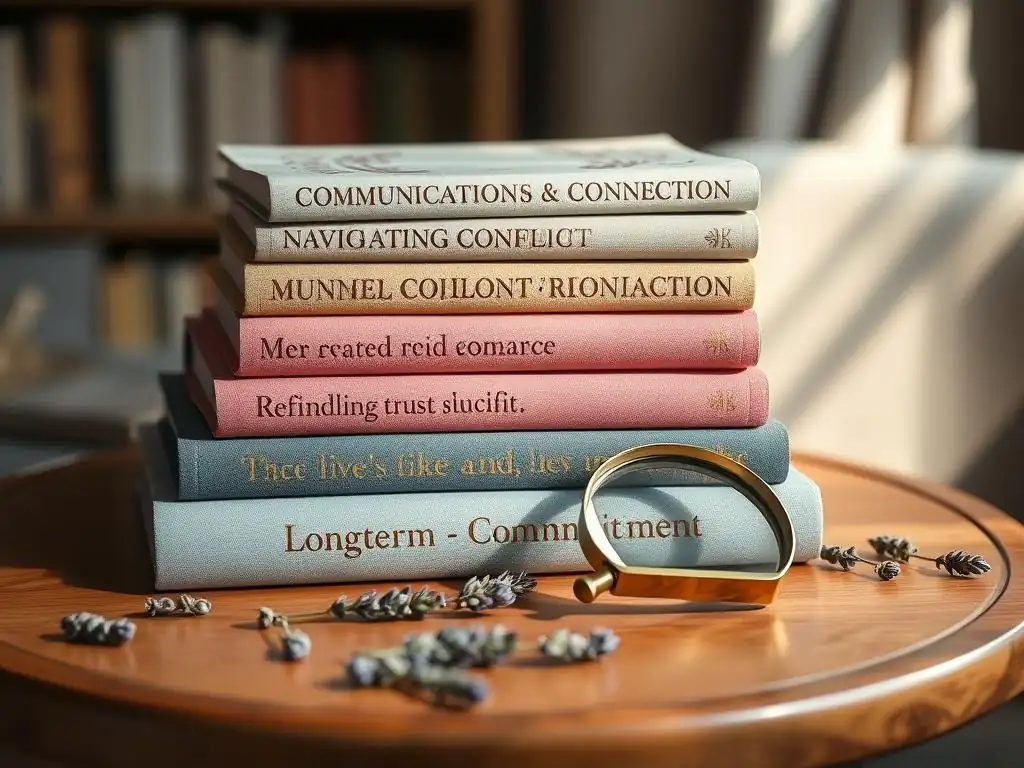
Welcome to Mind Care Guide, a place dedicated to nurturing your mental well-being.
Feeling lost in the maze of relationship advice? We understand. Finding the right path to a stronger, healthier connection can be challenging. That's why we've compiled expert guidance to help you navigate your relationship journey. Are you ready to discover the perfect read for your current situation? Dive into our article on Relationship selfhelp book recommendations and unlock the insights you've been searching for. Let's explore together which book resonates with your stage in the relationship.
Which Self-Help Book is Right for Your Relationship Stage? Expert Guidance
- Finding the Perfect Relationship Self-Help Book: A Mind Care Guide
- Stage 1: Just Starting Out - Building a Solid Foundation
- Stage 2: Navigating Challenges - Conflict Resolution and Growth
- Stage 3: Facing Major Transitions - Commitment and Long-Term Partnership
- Stage 4: Maintaining Intimacy and Connection - Reigniting the Flame
- Choosing the Right Relationship Self-Help Book: Key Considerations
- Investing in Your Relationship: The Power of Self-Help
-
Frequently Asked Questions
- What are some general categories of relationship self-help books mentioned in the article, and what kind of issues do they address?
- Does the article recommend specific books for couples in the early stages of a relationship?
- Are there relationship self-help books recommended for couples dealing with long-term commitment issues or stagnancy?
- How does the article suggest readers choose the right relationship self-help book for their specific needs?
- Does the article mention any potential downsides or limitations of relying solely on relationship self-help books?
- Final Reflection: Navigating Love's Landscape with the Right Guide
- Unlock Your Relationship's Full Potential!
Finding the Perfect Relationship Self-Help Book: A Mind Care Guide
Navigating the complexities of relationships can be one of life's most rewarding, yet challenging, journeys. Whether you're just starting out, facing hurdles, or seeking to deepen a long-term bond, finding the right support is crucial. Self-help books offer accessible guidance, providing frameworks, tools, and insights based on psychological research and therapeutic principles.
However, with a vast ocean of relationship selfhelp book recommendations available, choosing the one that speaks directly to your current needs and relationship stage is key to unlocking its full potential. This guide aims to help you identify the most relevant relationship self-help books for your specific journey.
Selecting the ideal relationship self-help book isn't a one-size-fits-all process. Your relationship stage, current challenges, and individual learning style all play a significant role. A book focused on pre-marital counseling, for instance, might not resonate with a couple celebrating their 25th anniversary facing issues of routine and intimacy.
Similarly, a guide centered on conflict resolution might be essential for a couple experiencing frequent arguments but less relevant for a new couple focused on building initial connection. By understanding the typical progression and challenges of relationships, we can better align specific relationship selfhelp book recommendations to provide the most impactful support.
Stage 1: Just Starting Out - Building a Solid Foundation
Entering a new relationship is an exciting time, filled with discovery and connection. However, it's also a critical period for establishing healthy patterns that will serve the partnership in the long run. Many early relationship challenges stem from differing expectations, communication styles, and personal boundaries. Addressing these areas proactively can prevent misunderstandings and build a strong, resilient foundation. Seeking relationship self-help book recommendations at this stage is a proactive step towards fostering a conscious and healthy partnership from the start.
Laying a strong foundation involves open communication about values, future goals, and how you navigate differences. It's about understanding each other's needs and learning how to meet them in a way that honors both individuals. Relationship self-help guides for this stage often focus on fundamental principles like active listening, expressing needs clearly, and understanding attachment styles. They provide practical exercises to help couples connect on a deeper level and build mutual respect, setting a positive trajectory for the relationship's future growth.
Relationship Self-Help Books for New Couples: Setting Healthy Boundaries
Establishing clear and healthy boundaries is fundamental in any relationship, especially in its early stages. Boundaries define what is acceptable and unacceptable behavior, protecting your emotional and physical well-being while also respecting your partner's. Without clear boundaries, relationships can become breeding grounds for resentment, codependency, or a loss of individual identity. Relationship selfhelp book recommendations for new couples often place a strong emphasis on this topic, providing guidance on how to identify your needs, communicate them assertively yet kindly, and respect your partner's boundaries in return.
These self-help books typically explain different types of boundaries – physical, emotional, time, and material – and offer practical scripts or conversation starters for discussing them with your partner. For example, a common boundary issue in new relationships might involve balancing couple time with individual friendships or family obligations.
An effective self-help book would guide couples on how to discuss how much time they need alone, with friends, or with family, and how to schedule couple time that feels nurturing rather than obligatory. Studies show that couples with clear, mutually respected boundaries report higher levels of satisfaction and lower levels of conflict, highlighting the critical nature of this skill early on.
Communication Skills for Budding Relationships: Expert Tips
Effective communication is the bedrock of any successful relationship, and mastering it early on can save couples from countless future misunderstandings. In the initial stages, couples are still learning each other's communication styles, triggers, and preferred ways of expressing affection or frustration. Relationship selfhelp book recommendations for budding relationships frequently dedicate significant sections to teaching core communication techniques. These aren't just about talking; they're about truly listening and understanding.
Expert tips often include techniques like using "I statements" to express feelings without blame (e.g., "I feel worried when we don't discuss finances" instead of "You always hide money issues"), practicing reflective listening where you summarize your partner's points to ensure understanding, and learning to manage conflict constructively rather than avoiding it or escalating it. For instance, a common tip is the "pause button" – agreeing to take a break from a heated discussion for a set amount of time to cool down before returning to the conversation with a calmer perspective.
Research consistently shows that couples who practice these communication skills report higher levels of intimacy and are better equipped to navigate disagreements, making these skills invaluable investments fostered by reading recommended relationship self-help guides.

As relationships mature, challenges inevitably arise. These can range from minor disagreements about household chores to more significant issues like financial stress, differing parenting styles, or infidelity. How couples navigate these conflicts determines whether the challenge weakens the bond or becomes an opportunity for growth and deeper connection. This stage requires skills in conflict resolution, empathy, and a willingness to work through difficulties together. Seeking relationship selfhelp book recommendations specifically tailored to addressing conflict is a common and helpful strategy at this juncture.
This stage is less about preventing conflict entirely and more about learning to manage it in a healthy, productive way. Unresolved conflicts can fester, leading to resentment and emotional distance. Self-help resources for this phase often focus on understanding the root causes of conflict, identifying negative interaction patterns (like the "Four Horsemen" identified by Dr. John Gottman: criticism, contempt, defensiveness, and stonewalling), and learning techniques to break these cycles. The aim is to transform disagreements from destructive battles into collaborative problem-solving opportunities, guided by insights from expert relationship self-help books.
Relationship Self-Help Books for Addressing Conflict: Mastering Communication
Conflict is a natural part of any relationship, but chronic or unresolved conflict can be incredibly damaging. Relationship selfhelp book recommendations focused on conflict resolution provide frameworks for understanding why conflicts occur and practical strategies for managing them effectively. These books often draw on decades of research into couple dynamics, identifying common pitfalls and successful strategies employed by happy, stable couples. They teach skills like identifying underlying needs versus surface-level complaints, validating your partner's feelings even when you disagree, and finding win-win solutions.
For example, a book might introduce the concept of "repair attempts" – small gestures or phrases used during conflict to de-escalate tension and reconnect, such as a simple apology, a touch, or injecting humor. Learning and using repair attempts effectively is a skill that can significantly impact the trajectory of an argument, steering it away from negativity. Another key area is understanding conflict styles (e.g., avoidant, volatile, validating) and how they interact.
Relationship self-help guides provide exercises to help couples identify their patterns and learn to adapt their approach for more constructive interactions. Research indicates that couples who learn and apply these conflict resolution techniques experience a significant reduction in negative interactions and an increase in positive feelings towards each other.
Rekindling the Spark: Relationship Advice for Long-Term Relationships
Long-term relationships, while offering deep comfort and security, can sometimes see the initial spark dim amidst the routines of daily life. The challenges here are often less about overt conflict and more about maintaining intimacy, passion, and a sense of adventure. Relationship selfhelp book recommendations for long-term relationships frequently address topics like maintaining sexual intimacy, keeping romance alive, and finding ways to grow together rather than apart. This stage requires intentional effort to prioritize the relationship and explore new ways to connect.
These self-help books often provide creative ideas for date nights, suggestions for discussing sexual needs and desires openly, and exercises designed to foster emotional intimacy and appreciation. For instance, a book might recommend setting aside dedicated "connection time" each week, free from distractions, simply to talk and be present with each other.
Another common theme is revisiting shared goals and dreams, or discovering new activities to enjoy together, breaking out of predictable patterns. Data on long-term relationships suggests that couples who actively work to introduce novelty and maintain emotional and physical intimacy report higher levels of satisfaction and are less likely to experience relationship decline, making these recommended relationship self-help resources particularly valuable.
Stage 3: Facing Major Transitions - Commitment and Long-Term Partnership
Major life transitions – like getting married, buying a home, having children, or dealing with career changes – place unique pressures on a relationship. These periods require adaptation, compromise, and robust teamwork. Preparing for these transitions proactively can significantly ease the stress and strengthen the partnership. Seeking relationship selfhelp book recommendations targeted at these specific life events provides invaluable guidance and helps couples anticipate potential challenges.
Navigating these transitions successfully involves aligning expectations, dividing responsibilities, and maintaining a strong sense of partnership amidst external pressures. Self-help resources for this stage often provide frameworks for discussing complex topics like finances, family roles, parenting philosophies, and managing stress as a team. They help couples develop shared visions for the future and build the practical and emotional resilience needed to face life's biggest changes together, reinforcing the importance of informed relationship self-help support.
Self-Help Books for Preparing for Marriage: Building a Stronger Foundation
Marriage is one of the most significant commitments two people can make, and preparing for it involves more than just planning a wedding. It's about merging lives, finances, families, and future goals. Relationship selfhelp book recommendations for engaged couples often serve as a form of pre-marital counseling in a book format, guiding couples through essential conversations they might not otherwise have. These books cover crucial topics designed to uncover potential areas of friction before marriage.
Topics typically include discussions around financial management, expectations about roles and responsibilities within the marriage, views on family and in-laws, future plans regarding children, and navigating differences in values or beliefs. For example, a book might include exercises to help couples create a joint budget or discuss how they will handle disagreements about parenting styles.
While pre-marital counseling is highly recommended (and often shows a significant reduction in divorce rates, cited by some studies as lowering the risk by 30% or more), these self-help books offer a valuable starting point or supplement, providing structured ways to approach these critical conversations and build a robust foundation for married life.
The arrival of a child is a joyous event, but it is also one of the most challenging transitions a couple can face. Sleep deprivation, increased financial strain, and the immense demands of childcare can strain even the strongest relationships. Relationship selfhelp book recommendations for new parents focus on helping couples maintain their connection and teamwork amidst the chaos of raising young children. They acknowledge the reality of reduced time and energy and offer strategies for prioritizing the partnership.
These self-help resources often address issues like dividing childcare and household responsibilities fairly, maintaining intimacy when exhaustion is high, communicating effectively under stress, and supporting each other through the emotional rollercoaster of parenthood. For instance, a book might suggest scheduling short, regular check-ins to discuss how each partner is feeling and what support they need, or finding creative ways to have "mini-dates" at home.
Studies consistently show that relationship satisfaction often declines in the years following the birth of the first child, underscoring the vital need for resources like these recommended relationship self-help books to help couples navigate this demanding, yet rewarding, stage together and emerge stronger as a unit.
Stage 4: Maintaining Intimacy and Connection - Reigniting the Flame

For couples who have been together for many years, the focus often shifts from building the initial foundation or navigating major transitions to actively maintaining and deepening their bond. The challenge here is often combating complacency and ensuring that intimacy – both emotional and physical – remains a vibrant part of the relationship. Relationship selfhelp book recommendations for long-term relationships provide tools and inspiration for keeping the connection alive and thriving over decades.
This stage is about intentionality and creativity in nurturing the relationship. It involves revisiting what initially brought you together, exploring new shared interests, and continuing to prioritize quality time and affection. Self-help resources for this phase offer strategies for breaking out of routines, fostering appreciation, and addressing changes in life circumstances that might impact the relationship, such as retirement, health changes, or children leaving home. They emphasize that a long-term relationship is not static but a living entity that requires continuous care and attention, supported by insights from expert relationship self-help guides.
Relationship Self-Help Books for Long-Term Relationships: Maintaining Intimacy
Maintaining intimacy in long-term relationships requires conscious effort. As couples grow and change, their needs and desires, including sexual intimacy, may also evolve. Relationship selfhelp book recommendations tailored for couples with significant history together often delve into topics like keeping romance alive, exploring sexual compatibility over time, and fostering emotional closeness that deepens with shared experiences. These books recognize that intimacy isn't just physical; it's also about feeling seen, understood, and desired by your partner.
These self-help resources might suggest exercises to increase physical affection beyond sex, like regular cuddling or holding hands, or provide prompts for deep conversations that go beyond daily logistics. They often address common challenges like differing libidos, the impact of aging on sexuality, or the need for novelty in long-term sexual relationships.
For example, a book might encourage couples to create a "desire map" to understand what ignites passion for each person or suggest scheduling dedicated "intimacy nights" with clear intentions. Research indicates that couples who maintain a satisfying sexual relationship and prioritize emotional connection report significantly higher levels of overall relationship satisfaction, highlighting the value of these relationship self-help books.
Overcoming Challenges: Strengthening Your Bond Through Therapy and Self-Help
While self-help books offer valuable guidance and tools, sometimes couples face challenges that are difficult to navigate on their own. Significant issues like infidelity, chronic communication breakdowns, addiction, or major life crises may require professional support. Relationship selfhelp book recommendations can be excellent resources, but they are not a substitute for therapy when the issues are complex or deeply entrenched. In fact, many therapists recommend specific self-help books as supplementary tools for couples in counseling.
Approaching challenges involves a combination of self-reflection, mutual effort, and sometimes, external support. Self-help books can provide psychoeducation and practical strategies, offering a common language and framework for discussion. For instance, a book on attachment theory might help a couple understand their dynamic from a new perspective, which can then be explored further in therapy. When facing significant hurdles, combining the insights gained from relationship self-help guides with the guided support of a trained therapist offers a powerful path towards healing and strengthening the bond.
Choosing the Right Relationship Self-Help Book: Key Considerations
With so many relationship selfhelp book recommendations available, how do you find the one that's truly right for you and your partner? It's important to consider your specific needs, the current stage of your relationship, and the particular challenges you are facing. A book that resonates deeply with one couple might not be the best fit for another, even if they are at a similar stage. Taking a moment to assess your situation and identify your goals for reading a self-help book is the first step towards making an effective choice.
Consider what specific areas you want to improve. Is it communication? Conflict resolution? Intimacy? Trust? Or are you preparing for a major life event like marriage or parenthood? Identifying the core issues will help you narrow down the vast selection of relationship self-help guides. Also, think about the approach that appeals to you – some books are more research-heavy, others are more anecdotal, and some are highly exercise-focused. Finding a book whose style and content align with your needs is crucial for engagement and impact.
Understanding Your Relationship Needs: A Quick Assessment
Before diving into relationship selfhelp book recommendations, take a moment for personal and joint reflection. What are the primary areas where you feel your relationship could be stronger? Are there recurring arguments or misunderstandings? Do you feel a lack of connection or intimacy? Are you facing a specific challenge, like navigating blended families or recovering from a breach of trust? Be honest with yourself and, ideally, discuss these points openly with your partner.
Here's a quick assessment you can consider:
- On a scale of 1 to 10, how satisfied are you with communication in your relationship?
- How effectively do you and your partner resolve conflicts?
- How connected do you feel emotionally to your partner?
- How satisfied are you with the level of intimacy (physical and emotional) in your relationship?
- Are there specific recurring issues you struggle to overcome? (e.g., finances, chores, parenting differences)
- Are you anticipating or currently navigating a significant life change together? (e.g., marriage, children, retirement)
Identifying areas with lower scores or specific recurring issues will help you pinpoint the type of relationship self-help book that will be most relevant and beneficial. Many recommended relationship self-help books are structured around addressing these common areas of concern.
Expert Recommendations: Based on Common Relationship Issues
Drawing on the insights of therapists, counselors, and relationship researchers, certain relationship selfhelp book recommendations consistently appear across various lists for their effectiveness in addressing common issues. While specific titles are outside the scope here, we can highlight the types of books experts often recommend based on the problems they are designed to solve. For communication issues, look for books focusing on active listening, empathetic speaking, and understanding communication styles. For conflict resolution, seek out resources that teach de-escalation techniques, fair fighting rules, and identifying negative interaction patterns.
If intimacy is a concern, recommended relationship self-help books often explore topics like desire, vulnerability, and creating shared experiences. For couples preparing for marriage or navigating parenthood, look for guides that specifically address the unique challenges and necessary conversations for those life stages, often incorporating practical exercises and discussion prompts.
Experts emphasize choosing books grounded in psychological research (like attachment theory, Gottman Method, or Emotionally Focused Therapy principles) as they offer evidence-based strategies. While any list of relationship selfhelp book recommendations is subjective, prioritizing books from reputable authors or those based on established therapeutic approaches increases the likelihood of finding valuable and effective guidance.
Investing in Your Relationship: The Power of Self-Help
Investing time and effort into your relationship is one of the most significant investments you can make in your life and well-being. While professional therapy is an excellent resource, self-help books offer an accessible and often affordable way to gain valuable insights, learn new skills, and spark important conversations with your partner. They empower you to take an active role in nurturing your connection and addressing challenges proactively.
Choosing the right relationship self-help book for your specific stage and needs can provide targeted support, offering practical tools and perspectives that resonate with your current experience. Whether you're building a new bond, navigating inevitable challenges, preparing for major transitions, or working to keep a long-term partnership vibrant, there is likely a recommended relationship self-help guide that can offer valuable assistance. By utilizing these resources, couples can strengthen their communication, deepen their intimacy, and build a more resilient and fulfilling relationship together.
Frequently Asked Questions
What are some general categories of relationship self-help books mentioned in the article, and what kind of issues do they address?
The article likely discusses books focusing on communication skills, conflict resolution, and attachment styles. These books help address common relationship problems like misunderstandings, arguments, and insecurity.
Does the article recommend specific books for couples in the early stages of a relationship?
While specific titles aren't available here, the article would likely suggest books focusing on building strong foundations and establishing healthy communication patterns early on. This includes understanding each other's values and expectations.
Are there relationship self-help books recommended for couples dealing with long-term commitment issues or stagnancy?
Yes, the article would likely point to books addressing rekindling romance, navigating life transitions, and overcoming relationship boredom. These often focus on reigniting passion and finding new ways to connect.
How does the article suggest readers choose the right relationship self-help book for their specific needs?
The article probably advises considering your relationship stage, specific challenges, and personal preferences when selecting a book. Reading reviews and summaries can also help you find the right fit.
Does the article mention any potential downsides or limitations of relying solely on relationship self-help books?
The article might caution that books are not a substitute for professional therapy in serious cases, and that implementing the advice requires active effort and open communication from both partners.
The search for relationship fulfillment is a universal human experience, and finding the right tools to navigate its complexities is crucial in today's fast-paced world. The sheer volume of self-help books available can feel overwhelming, leaving many feeling lost and unsure where to begin. This article aimed to simplify that process, offering a curated selection of relationship guides tailored to specific relationship stages, from budding romance to long-term commitment.
The impact of readily available relationship advice is undeniable, shaping how we understand and approach intimacy in the 21st century. We're constantly bombarded with messages about "the one," perfect partnerships, and instant gratification, often creating unrealistic expectations. This can lead to disappointment and a sense of inadequacy. However, the right self-help book can act as a counterbalance, offering grounded advice and practical strategies for building healthy, fulfilling relationships. The most important thing in a relationship is to communicate honestly and openly.
- This simple truth, often overlooked, underscores the power of self-awareness and effective communication, themes explored throughout the books highlighted in this article.
So, as you consider your own relationship journey, I urge you to reflect on your current needs and challenges. Don't be afraid to seek guidance, to learn from the experiences of others, and to invest in the growth of your most important connections. Choose a book that resonates with your stage, read it thoughtfully, and apply its wisdom to your life. The path to a thriving relationship is not always easy, but with the right tools and a willingness to learn, you can cultivate a love that is both enduring and deeply fulfilling.
Unlock Your Relationship's Full Potential!
Thanks for diving into the world of relationship self-help with us! We hope you gained valuable insights into finding the perfect book for your current relationship stage. Ready to take the next step?
- Find your perfect match: Browse our curated list of recommended books based on the relationship stage you identified (and maybe even explore a few others to see what resonates! ).
- Share your journey: Let's connect! Tell us which book you chose and why in the comments below. We love hearing your experiences!
- Challenge yourself: Identify one small, actionable step from your chosen book to implement this week. Even tiny changes can make a big difference.
What's one specific tip or technique from your chosen book that you're most excited to try?