
When the Crowd Roars: Dealing with Social Pressure in Sports

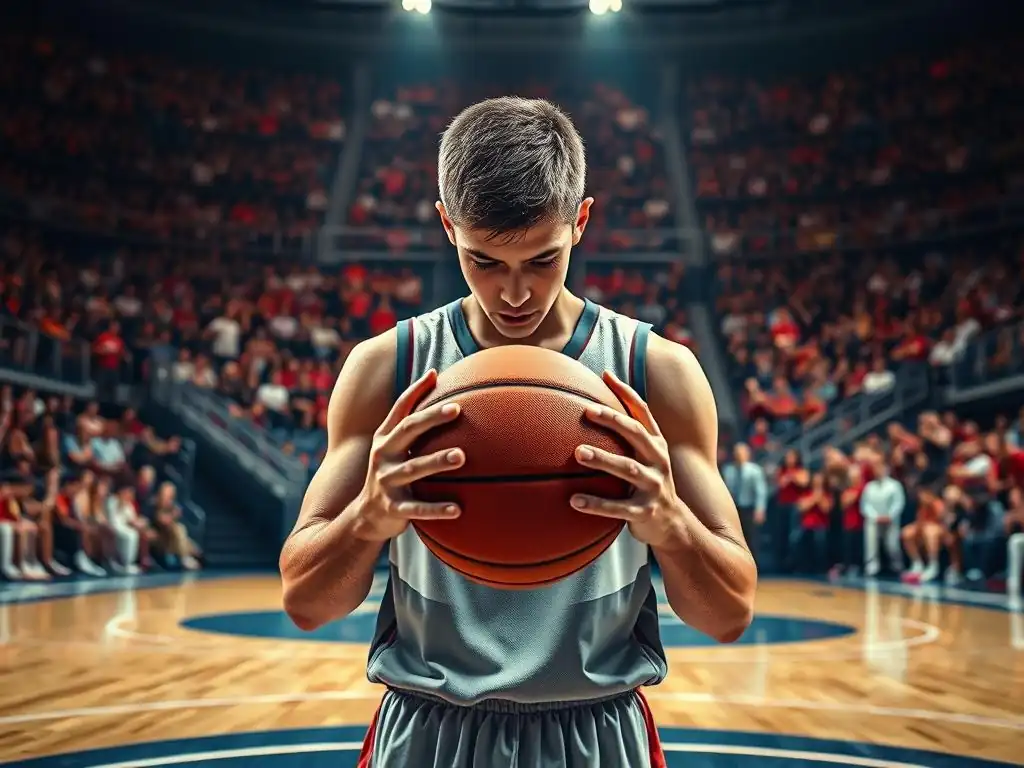
Welcome to Mind Care Guide.
Do you ever feel like the weight of the world – or at least the stadium – is on your shoulders when you're trying to perform your best? You're not alone. We understand the intense pressure athletes face, and in this guide, we delve into the heart of social pressure sports performance anxiety. Discover practical strategies and compassionate insights to help you navigate these challenges, reclaim your confidence, and unlock your full potential. Curious to learn how to break free from the roar of the crowd and find your focus? Let's explore.
When the Crowd Roars: Dealing with Social Pressure in Sports
- Understanding Social Pressure and Sports Performance Anxiety
- The Impact of Social Pressure on Athletic Performance
- Strategies for Managing Social Pressure in Sports
- Practical Tips for Athletes to Overcome Social Pressure
- The Role of Coaches and Parents in Mitigating Social Pressure
- Long-Term Strategies for Building Resilience to Social Pressure
- Conclusion: Empowering Athletes to Thrive Under Pressure
-
Frequently Asked Questions
- How does social pressure specifically impact sports performance anxiety?
- What are some common signs that an athlete is experiencing social pressure related to sports performance?
- What coping mechanisms can athletes use to manage social pressure during competitions?
- How can coaches and parents help athletes deal with social pressure in sports?
- Where can athletes find additional resources and support for managing social pressure and sports performance anxiety?
- Final Reflection: The Enduring Power of the Inner Game
- Unleash Your Inner Champion: Conquer Social Pressure
Social pressure in sports refers to the influence exerted on athletes by external sources, including coaches, teammates, parents, spectators, media, and even societal expectations. This pressure can manifest as expectations to perform at a certain level, win games, maintain a specific image, or conform to group norms.
It's not merely about the presence of others, but the perceived judgments and demands they place upon the athlete, which can significantly impact their mental state and performance. For instance, a high school quarterback might feel immense pressure from his community to lead the team to a championship, a burden that goes beyond the inherent competitive nature of the sport itself.
This pressure is distinct from the internal drive or motivation an athlete might possess. It's the feeling that their worth or success is being evaluated by others, often with significant consequences tied to the outcome of their performance. Consider a professional tennis player facing a crucial match; the roar of the crowd, the commentary from the media, and the expectations of sponsors all contribute to a layered social pressure environment. This external scrutiny can create a mental burden, making the athlete feel that failure is not an option, leading to heightened tension and potential performance issues.
The connection between social pressure and sports-related anxiety is profound and well-documented. When athletes perceive high levels of social pressure, their psychological arousal increases. This heightened state, coupled with the fear of negative evaluation or failure in the eyes of others, can easily transition into performance anxiety. This anxiety is characterized by excessive worry, nervousness, and a feeling of dread specifically related to performing in a competitive setting. It's a vicious cycle where the perceived social pressure fuels anxiety, which in turn can impair performance, potentially leading to further negative social feedback and increased pressure.
For example, a gymnast competing in a major competition might feel the weight of her country's expectations, amplified by social media commentary. This overwhelming social pressure can trigger intense performance anxiety, causing her hands to shake or her mind to go blank during a routine she has practiced thousands of times. Research suggests that athletes who report higher levels of perceived social pressure often also report higher levels of competitive anxiety.
This is particularly true in individual sports where the athlete is singularly in the spotlight, but it is also prevalent in team sports where the fear of letting down teammates or coaches adds another layer of social burden. Addressing this link is crucial for understanding and managing social pressure sports performance anxiety.
The root causes of social pressure in athletes are multifaceted and can originate from various sources. One significant source is the culture surrounding modern sports, which often places excessive emphasis on winning, individual accolades, and public image. This creates an environment where athletes feel pressured to constantly meet high standards set by external forces. For instance, young athletes might face pressure from parents who have invested heavily in their training and see their child's success as a reflection of their own. Coaches, while often supportive, can also inadvertently contribute to pressure through demanding expectations or public criticism.
Furthermore, the rise of social media has intensified social pressure, providing a direct channel for public scrutiny and commentary. Athletes are constantly exposed to feedback, both positive and negative, from a vast audience, which can amplify feelings of being judged and the fear of making mistakes. The comparison with peers, often highlighted on social platforms, also adds to this burden.
Consider the pressure faced by professional athletes with millions of followers; every performance is dissected, and criticism can be instant and widespread. Understanding these diverse origins is key to developing effective strategies for navigating the complexities of social pressure sports performance anxiety.
Social pressure serves as a significant trigger for performance anxiety in athletes by activating the body's stress response system. When an athlete feels they are being judged or are expected to perform flawlessly, their perceived threat level increases. This leads to the release of stress hormones like cortisol and adrenaline, preparing the body for a "fight or flight" response. While a certain level of arousal can be beneficial for performance (e.g., the Yerkes-Dodson law), excessive arousal driven by social pressure often pushes the athlete beyond their optimal performance zone.
This heightened physiological state, combined with intrusive negative thoughts about potential failure and its social consequences, directly manifests as performance anxiety. Symptoms like a racing heart, sweaty palms, muscle tension, and difficulty concentrating become prominent. For example, a basketball player known for their free throws might suddenly miss crucial shots in a high-stakes game, not due to lack of skill, but because the immense social pressure of the moment triggers overwhelming anxiety, disrupting their fine motor control and focus. Effectively managing social pressure is thus paramount to mitigating sports performance anxiety.
Beyond immediate performance issues, chronic exposure to high levels of social pressure can have detrimental long-term effects on an athlete's mental well-being. The constant fear of judgment and failure can lead to chronic stress, burnout, and even mental health disorders such as depression and generalized anxiety. Athletes might lose the joy they once found in their sport, feeling trapped by the expectations placed upon them. This is particularly evident in young athletes who may not have developed adequate coping mechanisms.
Consider the case of many elite athletes who have publicly shared their struggles with mental health issues tied to the pressures of their sport. The expectation to constantly perform at peak levels, maintain a perfect public image, and handle intense media scrutiny, all elements of social pressure, can erode self-esteem and contribute to feelings of isolation. Studies have indicated that elite athletes report significant levels of stress and anxiety related to performance and external expectations. Protecting mental well-being requires recognizing and addressing the pervasive influence of social pressure sports performance anxiety.
The psychological burden of social pressure and performance anxiety often translates into tangible physical symptoms that can directly impede athletic performance. These symptoms are part of the body's stress response and can range from mild discomfort to debilitating physical issues. Common physical manifestations include increased heart rate and palpitations, shallow or rapid breathing, muscle tension (leading to stiffness and reduced flexibility), tremors or shaking, and gastrointestinal issues like nausea or stomach cramps.
For instance, a swimmer experiencing intense social pressure before a race might feel their muscles tightening up, making their strokes less efficient and powerful. A runner could experience debilitating stomach cramps mid-race due to anxiety. These physical symptoms are not merely psychosomatic; they are real physiological responses that disrupt coordination, endurance, and strength. Recognizing these physical signs is an important step for athletes in understanding how social pressure sports performance anxiety is affecting them and seeking appropriate strategies for management.
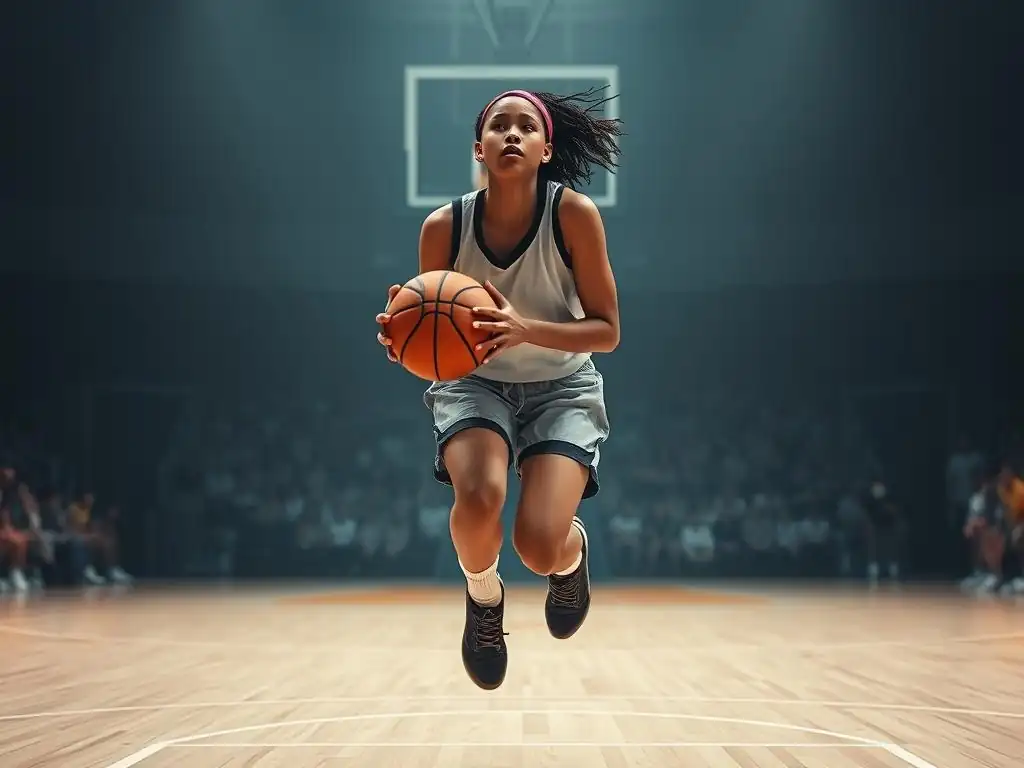
Challenging Negative Thoughts and Beliefs Related to Social Expectations
One of the most effective cognitive techniques for reducing social performance anxiety involves actively challenging the negative thoughts and beliefs that arise from perceived social expectations. Athletes often internalize external pressures, leading to thoughts such as "If I don't win, everyone will be disappointed" or "I have to be perfect to be accepted." Cognitive restructuring helps athletes identify these irrational or unhelpful thought patterns and replace them with more balanced and realistic perspectives. This process involves questioning the evidence for these beliefs and considering alternative interpretations of social situations.
For example, an athlete who believes "Everyone expects me to win gold" could challenge this by asking: "Is it true that everyone expects this, or is this my interpretation? What would happen if I didn't win? Would my worth as a person truly diminish?" By systematically analyzing and reframing these thoughts, athletes can reduce the emotional intensity tied to social pressure. This doesn't eliminate pressure entirely, but it changes the athlete's internal response, making the social pressure sports performance anxiety less overwhelming and more manageable.
Reframing Social Pressure as a Source of Motivation
Another powerful cognitive strategy is reframing social pressure not as a threat, but as a potential source of motivation and energy. Instead of viewing the crowd's expectations or a coach's demands as burdens, athletes can learn to see them as indicators of support, belief, and the exciting challenge of competing at a high level. This involves shifting the narrative from "I must not fail them" to "They believe in me, and I have the opportunity to rise to this challenge." This positive reinterpretation can transform the physiological arousal associated with pressure from debilitating anxiety into invigorating excitement.
For example, the roar of a home crowd, which might trigger anxiety in some, can be reframed as a surge of energy and support. An athlete can consciously choose to interpret that energy as fuel for their performance rather than a reminder of the stakes. This cognitive shift is about controlling one's internal response to external stimuli. By actively reframing their perception, athletes can harness the energy of social pressure to enhance focus and drive, effectively turning social pressure sports performance anxiety into a catalyst for peak performance.
Visualization Techniques for Enhanced Performance
Visualization, or imagery, is a potent behavioral technique that helps athletes cope with social pressure and enhance performance by mentally rehearsing successful outcomes. This involves creating vivid mental images of performing flawlessly in a high-pressure situation, including feeling confident, executing skills perfectly, and achieving desired results. Athletes can visualize themselves handling the feeling of social pressure calmly, maintaining focus despite the crowd, and successfully navigating challenging moments. This mental practice builds confidence and prepares the athlete for the actual experience.
For instance, a diver preparing for a competition might visualize every step of their dive, from standing on the platform with the crowd watching, through the execution of each maneuver, to entering the water cleanly, all while feeling composed and in control. This detailed mental rehearsal reduces the novelty and perceived threat of the actual event, making the social pressure less intimidating. Consistent visualization trains the mind and body to react positively under pressure, mitigating the effects of social pressure sports performance anxiety.
Mindfulness and Meditation for Anxiety Reduction
Mindfulness and meditation practices are invaluable tools for athletes dealing with social pressure and anxiety. Mindfulness involves paying non-judgmental attention to the present moment, including thoughts, feelings, and physical sensations. For an athlete, this means acknowledging the feelings of pressure or anxiety without getting swept away by them. Meditation, often involving focused breathing or guided imagery, helps calm the nervous system and improve emotional regulation. These practices teach athletes to observe their anxious thoughts and physical stress responses without reacting impulsively.
By regularly practicing mindfulness and meditation, athletes develop the ability to stay grounded and centered even in high-pressure environments. When feeling overwhelmed by the crowd or expectations, an athlete can use simple breathing exercises learned through meditation to quickly reduce physiological arousal and regain focus. This ability to remain present and calm significantly reduces the likelihood that social pressure will escalate into debilitating sports performance anxiety, allowing the athlete to perform closer to their potential.
Building a Strong Support System
The Importance of Coaches and Mentors in Managing Athlete Anxiety
Coaches and mentors play a critical role in helping athletes manage social pressure and sports performance anxiety. A supportive coach can create a positive team environment where athletes feel safe to make mistakes and learn without excessive fear of judgment. They can help athletes set realistic goals, provide constructive feedback rather than harsh criticism, and educate them about the nature of pressure and anxiety. Mentors, whether former athletes or experienced individuals, can offer guidance, share personal experiences, and provide a valuable perspective on navigating the challenges of their sport.
A coach who emphasizes effort, learning, and teamwork over winning at all costs can significantly reduce the performance pressure athletes feel. They can also teach coping strategies and encourage open conversations about mental health struggles. For example, a track and field coach who notices an athlete struggling with pre-race jitters due to social pressure might work with them on relaxation techniques and focus strategies, rather than simply demanding they "tough it out." This kind of support is fundamental in building resilience against social pressure sports performance anxiety.
Family and Friend Support: A Crucial Buffer Against Social Pressure
Support from family and friends provides a crucial buffer against the negative effects of social pressure in sports. These relationships offer unconditional acceptance and validation that are independent of athletic performance. Knowing they have people who support them regardless of wins or losses helps athletes maintain a healthier perspective and reduces the feeling that their worth is solely tied to their achievements on the field. Family and friends can provide emotional support, listen without judgment, and offer a sense of normalcy away from the intense world of sports.
A parent who focuses on celebrating their child's effort and enjoyment of the sport, rather than solely on wins and statistics, can significantly alleviate pressure. Similarly, friends who treat the athlete as a person first, rather than just an athlete, help reinforce their identity outside of their sport. This strong social safety net helps athletes navigate the highs and lows of competition and provides a stable foundation when faced with intense social pressure sports performance anxiety.
Seeking Professional Help for Sports Performance Anxiety
When to Consider Therapy or Counseling for Athletes
Seeking professional help through therapy or counseling should be considered when social pressure and sports performance anxiety begin to significantly impact an athlete's well-being, performance, or enjoyment of their sport. This might include persistent symptoms of anxiety, panic attacks before or during competition, avoidance of training or competition, significant drops in performance that cannot be explained by physical factors, or signs of burnout and emotional distress. It's important to recognize that seeking help is a sign of strength, not weakness.
If an athlete finds that their usual coping strategies are no longer effective, or if their anxiety is starting to affect other areas of their life, such as sleep, appetite, or relationships, it is a strong indicator that professional intervention may be beneficial. A sports psychologist or therapist specializing in athlete mental health can provide tailored strategies and support. For instance, an athlete consistently struggling with fear of judgment from spectators might benefit from working with a therapist on exposure techniques or cognitive restructuring specifically targeted at that fear, addressing the core of their social pressure sports performance anxiety.
Types of Therapy Effective for Managing Social Pressure
Several therapeutic approaches have proven effective in helping athletes manage social pressure and sports performance anxiety. Cognitive Behavioral Therapy (CBT) is widely used to help athletes identify and change negative thought patterns and behaviors associated with anxiety. It helps athletes challenge irrational beliefs about social expectations and develop more adaptive coping responses. Acceptance and Commitment Therapy (ACT) can also be beneficial, teaching athletes to accept difficult thoughts and feelings (like anxiety and pressure) without letting them control their behavior, while committing to actions aligned with their values (like competing well).
Mindfulness-Based Stress Reduction (MBSR) programs can further enhance an athlete's ability to stay present and manage stress and anxiety. Sport-specific psychological skills training, often delivered by sports psychologists, focuses on techniques like imagery, relaxation, and focus control tailored to the demands of their sport and the specific social pressures they face. For an athlete dealing with intense media scrutiny, therapy might include strategies for managing public perception and developing a resilient self-image independent of media narratives, directly addressing the nuances of social pressure sports performance anxiety.
Setting Realistic Goals and Expectations
Setting realistic goals and expectations is a fundamental practical tip for athletes navigating social pressure. Unrealistic expectations, whether self-imposed or perceived from others, are a major source of pressure and anxiety. Athletes should focus on setting process-oriented goals (e.g., improving technique, consistent training effort) rather than solely outcome-oriented goals (e.g., winning a medal, achieving a specific ranking). This shifts the focus to controllable aspects of their performance.
For example, instead of setting a goal to "win the championship," a runner might set goals like "maintain a consistent pace throughout the race" or "execute my race strategy effectively." This approach reduces the pressure associated with factors outside their direct control (like the performance of competitors). By focusing on realistic, achievable process goals, athletes can build confidence through consistent effort and progress, making the external social pressure sports performance anxiety feel less overwhelming and more manageable.
Focusing on Personal Growth and Development, Not Just Winning
Emphasizing personal growth and development over an exclusive focus on winning is crucial for long-term well-being and performance under social pressure. While winning is a natural part of competition, making it the sole measure of success can lead to immense pressure and fear of failure. Athletes should be encouraged to value the learning process, the development of skills, resilience, and character that sport provides, regardless of the outcome of a specific competition.
This involves shifting the athlete's internal metric of success. Success can be defined by mastering a new technique, overcoming a challenge, supporting teammates, or simply putting in maximum effort. For instance, a basketball player might focus on improving their defensive skills throughout a season, considering that improvement a success even if their team doesn't win every game. This broader definition of success reduces the pressure associated with external validation through winning, thereby mitigating social pressure sports performance anxiety and fostering a healthier relationship with their sport.
Developing a Pre-Performance Routine to Manage Anxiety
Developing and consistently following a pre-performance routine is a highly effective practical strategy for managing anxiety stemming from social pressure. A structured routine provides a sense of control and predictability in the often chaotic and high-pressure environment of competition. This routine can include physical warm-ups, mental preparation techniques like visualization or deep breathing, listening to music, or engaging in specific rituals. The familiarity and consistency of the routine help to ground the athlete and reduce feelings of uncertainty.
For example, a swimmer might have a routine that includes specific stretches, listening to a particular playlist, visualizing their race, and a series of deep breaths before stepping onto the block. This sequence of familiar actions helps calm the nervous system and focus the mind on the task at hand, diverting attention away from the perceived social pressure of the crowd or competitors. A well-established pre-performance routine acts as an anchor, helping athletes manage their stress response and reduce social pressure sports performance anxiety before and during competition.
Post-Performance Reflection and Self-Compassion
Engaging in post-performance reflection with an attitude of self-compassion is vital for processing the experience of social pressure and anxiety. Athletes should take time after a competition, regardless of the outcome, to reflect on their performance, identifying what went well and what could be improved, but doing so without harsh self-criticism. Self-compassion involves treating oneself with the same kindness and understanding one would offer a friend facing a similar situation. This is particularly important after performances where social pressure might have contributed to mistakes or a less-than-ideal outcome.
Instead of dwelling on errors and internalizing perceived social disappointment ("I let everyone down"), an athlete practicing self-compassion might acknowledge the difficulty of the situation ("That was a high-pressure moment, and it's okay that I felt anxious") and focus on learning from the experience ("What can I learn from this performance to handle similar situations better next time?"). This approach prevents the negative feedback loop where social pressure leads to poor performance, which then leads to harsh self-criticism and increased future anxiety. Self-compassionate reflection is a powerful tool in building resilience against social pressure sports performance anxiety.

Creating a Positive and Supportive Environment
Coaches and parents have a profound influence on the level of social pressure athletes experience. Creating a positive and supportive environment is paramount. This involves fostering a culture where effort is valued as much as outcome, mistakes are seen as learning opportunities rather than failures, and open communication about feelings of pressure and anxiety is encouraged. Coaches can achieve this by using positive reinforcement, providing constructive and specific feedback, and ensuring that athletes feel psychologically safe within the team.
Parents can contribute by being unconditionally supportive, focusing on their child's enjoyment and effort rather than solely on wins, and avoiding placing excessive expectations on them. For instance, a youth soccer coach who praises a player's effort in tracking back on defense, even after a loss, contributes to a more supportive environment than one who only yells about mistakes. Similarly, a parent who tells their child "I love watching you play" regardless of the score sends a powerful message that reduces performance pressure and helps mitigate social pressure sports performance anxiety.
Promoting a Growth Mindset Over a Fixed Mindset
Coaches and parents can significantly mitigate social pressure by promoting a growth mindset in athletes. A fixed mindset believes that abilities are innate and unchangeable, making performance outcomes a direct reflection of inherent talent (or lack thereof). This perspective heightens the pressure to constantly prove oneself. A growth mindset, conversely, believes that abilities can be developed through dedication and hard work, viewing challenges and failures as opportunities for learning and growth.
By emphasizing effort, learning, and persistence, coaches and parents can help athletes adopt a growth mindset. Phrases like "You improved so much on that technique!" or "What did you learn from that tough game?" are more beneficial than focusing solely on wins or innate talent. This shift in focus reduces the pressure to be perfect and makes athletes more resilient to setbacks, which are inevitable in sports. Fostering a growth mindset is a powerful strategy for reducing the impact of social pressure sports performance anxiety.
Encouraging Open Communication About Anxiety and Pressure
Encouraging open and honest communication about feelings of anxiety and pressure is crucial. Athletes, especially young ones, may feel ashamed or weak for experiencing anxiety, particularly in a culture that often glorifies mental toughness. Coaches and parents can normalize these feelings by sharing their own experiences (where appropriate), actively listening without judgment, and letting athletes know that it's okay to not be okay.
Creating safe spaces for these conversations allows athletes to express their fears and concerns, which can significantly reduce the burden of carrying that pressure alone. A coach who initiates a team discussion about handling pressure or a parent who simply asks "How are you feeling about the game?" opens the door for vital communication. This open dialogue helps identify athletes who may be struggling and allows for timely intervention or support, directly addressing the silent struggles often associated with social pressure sports performance anxiety.
Developing a Strong Sense of Self-Worth Independent of Athletic Achievement
One of the most crucial long-term strategies for building resilience to social pressure is helping athletes develop a strong sense of self-worth that is not solely dependent on their athletic achievements. When an athlete's identity and value are tied only to their performance, every competition becomes a test of their fundamental worth, leading to immense pressure and fragility. Encouraging athletes to cultivate other interests, relationships, and aspects of their identity outside of sport is vital.
This involves recognizing and celebrating the athlete as a whole person, with qualities, talents, and relationships beyond the field of play. Parents and coaches can facilitate this by encouraging participation in other activities, emphasizing academic achievement, and fostering strong family and peer connections unrelated to sport. When athletes understand that their value as a person is inherent and not contingent on winning or meeting external expectations, the sting of social pressure is significantly lessened, building deep resilience against social pressure sports performance anxiety.
Learning to Accept Failure as a Part of the Process
Learning to accept failure as an inevitable and valuable part of the athletic process is fundamental to building long-term resilience. In a performance-driven environment, failure can feel devastating, especially when amplified by social judgment. However, viewing failure as a learning opportunity rather than a catastrophic event is essential for growth and maintaining a healthy perspective. This involves shifting the focus from the outcome of failure to the lessons learned and the resilience developed in overcoming setbacks.
Coaches and parents play a key role in modeling this attitude and helping athletes process failures constructively. Instead of dwelling on the loss, discussions can focus on what was learned, what skills need further development, and the effort that was still present. Highlighting examples of successful athletes who experienced numerous failures on their path to success can also be inspiring. By reframing failure, athletes reduce the fear associated with not meeting social expectations, making them more robust in the face of future social pressure sports performance anxiety.
Cultivating a Healthy Lifestyle to Support Mental Well-being
Cultivating a healthy lifestyle is a foundational long-term strategy for supporting overall mental well-being and building resilience to social pressure. Adequate sleep, balanced nutrition, regular physical activity (even outside of structured training), and stress management techniques all contribute to an athlete's ability to cope with pressure. When the body and mind are well-cared for, athletes are better equipped to handle the psychological demands of competition and external expectations.
Ensuring sufficient sleep (often 8-10 hours for young athletes) helps regulate mood and improve cognitive function, making it easier to manage anxious thoughts. Proper nutrition provides the energy and nutrients needed for both physical and mental performance. Engaging in enjoyable activities outside of sport helps reduce burnout and provides mental breaks. These lifestyle factors create a strong physical and mental base that enhances an athlete's capacity to navigate social pressure sports performance anxiety effectively over the long term.
Conclusion: Empowering Athletes to Thrive Under Pressure
Navigating the complex landscape of social pressure in sports is a significant challenge for athletes at all levels. Understanding its origins, recognizing its impact on performance and mental well-being, and implementing effective strategies are crucial steps towards empowering athletes to not just cope with pressure, but to thrive under it. By employing cognitive and behavioral techniques, building robust support systems, and, when necessary, seeking professional help, athletes can learn to manage the anxiety often associated with social pressure sports performance anxiety.
Furthermore, fostering a supportive environment, promoting a growth mindset, encouraging open communication, and helping athletes develop a strong sense of self-worth independent of their sport are vital roles for coaches and parents. Ultimately, building resilience to social pressure is a long-term process that involves developing coping skills, maintaining a healthy lifestyle, and cultivating a perspective that values effort, growth, and well-being alongside performance outcomes. By addressing social pressure proactively and empathetically, we can help athletes reach their potential while safeguarding their mental health.
Frequently Asked Questions
Social pressure in sports can significantly increase anxiety by creating a fear of disappointing others like coaches, teammates, and fans. This heightened anxiety can then negatively impact focus and motor skills, leading to decreased performance. It becomes a self-fulfilling prophecy.
Common signs include increased irritability, difficulty sleeping, negative self-talk, and a noticeable decline in performance during games or competitions compared to practice. Athletes might also express fears of letting others down.
Athletes can use techniques like mindfulness exercises to stay present, focus on their personal goals rather than external expectations, and develop a positive self-talk routine to combat negative thoughts.
Coaches and parents can create a supportive environment by emphasizing effort and improvement over solely focusing on winning. They should also offer unconditional support and encourage open communication about anxieties.
Athletes can seek help from sports psychologists or therapists specializing in performance anxiety. Websites like Mind Care Guide offer valuable information and resources related to mental well-being and coping strategies.
Final Reflection: The Enduring Power of the Inner Game
The relentless pressure of the crowd, the weight of expectation, the fear of failure – these are not mere anxieties; they are the defining challenges of high-stakes sports. Understanding and managing these pressures is not just about winning games; it's about cultivating mental resilience and fostering a healthy relationship with competition itself. This article has explored various strategies to navigate the complex landscape of social pressure in sports, from mindfulness techniques to the importance of self-compassion.
The impact of social pressure extends far beyond the playing field. It shapes athletes' identities, influences their long-term mental health, and even dictates the narratives we tell about success and failure in sports. The greatest victory is not to never fall, but to rise every time we fall.
This quote, though often attributed to various sources, speaks to the enduring struggle and ultimate triumph over adversity that athletes, and indeed all individuals, face when confronting social pressure. The lessons learned in managing this pressure are transferable to all aspects of life, highlighting the importance of self-belief and the power of perseverance in the face of external judgment.
Now, consider your own experiences. Think about a time when social pressure impacted your performance, whether in sports or another area of your life. What strategies did you employ, and what could you have done differently? This is your opportunity to cultivate your own "inner game," to build the mental fortitude necessary to not only withstand pressure but to thrive under it. Embrace the challenges, learn from your setbacks, and remember that the journey of self-improvement is a continuous process, one that extends far beyond the final whistle.
Thanks for diving into the world of sports psychology with us! We hope you gained valuable insights into managing the intense pressures of competition. Now it's time to put that knowledge into action.
Here's how you can start building your mental resilience today:
- Prioritize your mental preparation: Dedicate 15 minutes each day to mindfulness exercises or visualization techniques. This is your secret weapon for staying focused and calm under pressure.
- Reflect on your performance:Journal about your experiences, both positive and negative, to better understand your responses to social pressure. This self-reflection is key to growth.
- Share your journey: Connect with fellow athletes – discuss your strategies and challenges in a supportive environment. This shared experience can be incredibly empowering.
What specific mental strategy will you implement this week to enhance your performance and handle social pressure effectively?