
Beyond Pillows: Unexpected Gifts for Truly Restorative Sleep

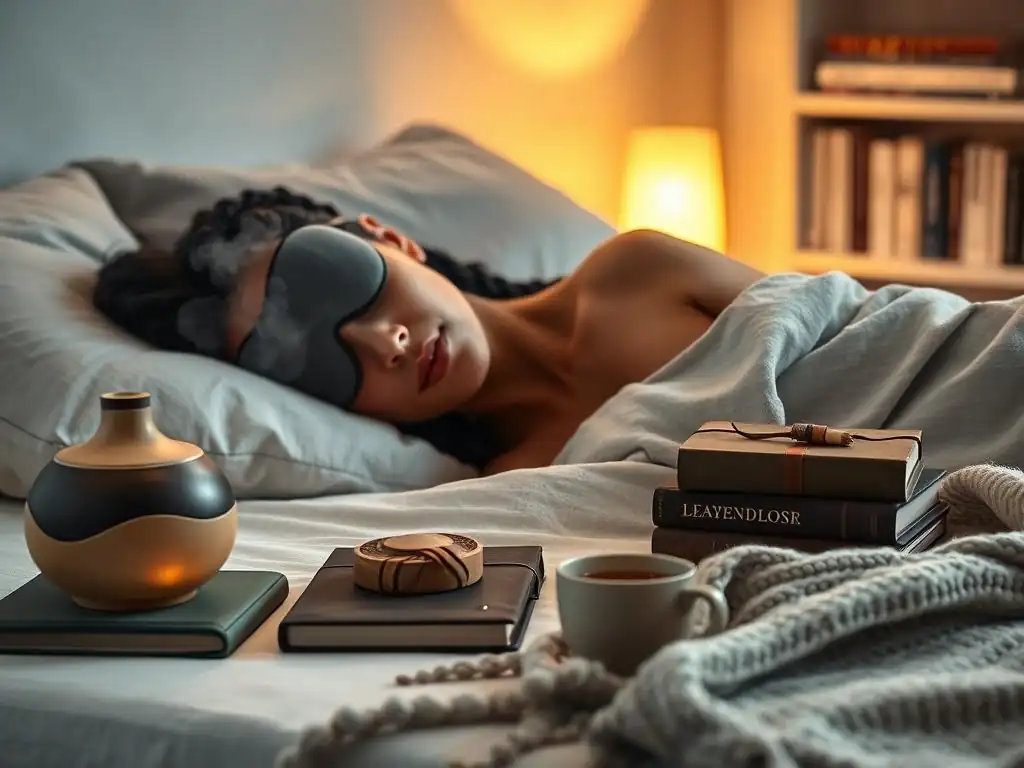
Welcome to Mind Care Guide, a space dedicated to nurturing your mental well-being. Feeling overwhelmed by anxiety and its impact on your sleep? You're not alone. Dive into our latest article, "Beyond Pillows: Unexpected Gifts for Truly Restorative Sleep," where we uncover practical and surprising restorative sleep tips for anxiety that go beyond the usual advice. Discover how to unlock peaceful nights and brighter days – your journey to better sleep starts here. What if the answer was simpler than you think?
- Achieving Restorative Sleep: A Guide to Calming Anxiety
-
The Best Gifts for Anxiety-Relief and Restorative Sleep
- 1. Weighted Blankets: Grounding and Anxiety Reduction for Deeper Sleep
- 2. Smart Sleep Masks: Blocking Light and Promoting Relaxation
- 3. Aromatherapy Diffusers and Essential Oil Blends: Calming Scents for Anxiety Relief
- 4. Sleep Sound Machines: Blocking Out Noise and Promoting Tranquility
- 5. Subscription Boxes for Sleep and Wellness: Curated Products for Restorative Sleep
- Creating a Restorative Sleep Environment: Beyond the Gifts
- Conclusion: Investing in Restorative Sleep for Mental Well-being
-
Frequently Asked Questions
- What does "restorative sleep" actually mean, and why is it important for anxiety?
- The article mentions "unexpected gifts." What are some examples of these beyond just a good pillow?
- How can I adapt my environment to promote more restorative sleep, especially when dealing with anxiety?
- What dietary changes can I make to improve my sleep quality and reduce anxiety levels at night?
- What if I've tried these tips and still struggle with anxiety-related sleep problems? When should I seek professional help?
- Final Reflection: Unlocking the Deeper Rest You Deserve
- Unlock Deeper Sleep: Your Next Steps to Restful Nights
Achieving Restorative Sleep: A Guide to Calming Anxiety
This article explores unexpected gift ideas that go beyond traditional pillows to promote restorative sleep and alleviate anxiety. We'll delve into products and services that can significantly improve sleep quality, contributing to overall mental well-being. For those seeking effective restorative sleep tips for anxiety, these options offer practical and comforting solutions.
The Best Gifts for Anxiety-Relief and Restorative Sleep
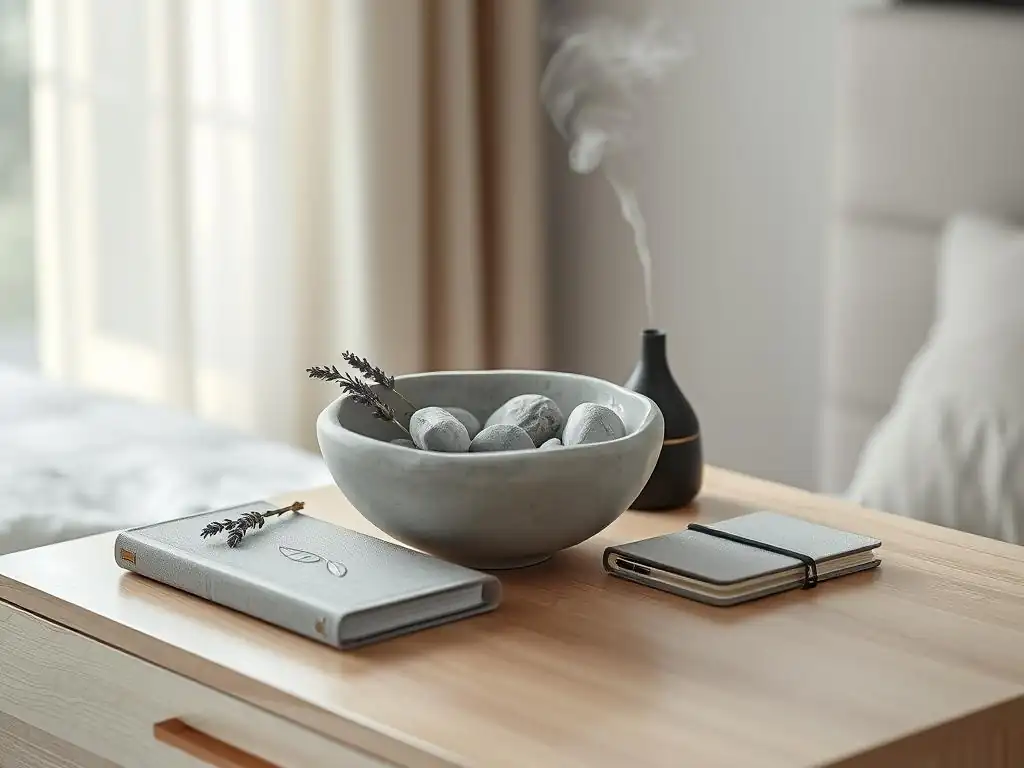
Discover unique gifts designed to reduce anxiety and improve sleep, helping you or your loved ones achieve truly restorative rest.
1. Weighted Blankets: Grounding and Anxiety Reduction for Deeper Sleep
Weighted blankets utilize the principle of deep pressure stimulation (DPS), which is similar to the feeling of being hugged or swaddled. This gentle, firm pressure across the body can activate the parasympathetic nervous system, promoting a sense of calm and security. Research suggests that DPS can lead to a reduction in cortisol, the stress hormone, while potentially increasing serotonin and melatonin levels, hormones associated with mood regulation and sleep induction. Many weighted blankets are designed to be approximately 10% of the user's body weight, typically ranging from 5 to 25 pounds for adults.
The physical sensation provided by a weighted blanket can be particularly beneficial for individuals struggling with anxiety-related sleep disturbances. By grounding the body and calming the nervous system, the blanket helps quiet the racing thoughts and physical restlessness often associated with anxiety at bedtime. Studies, including one in the Journal of Occupational Therapy in Mental Health, have shown that weighted blankets can significantly reduce anxiety levels in participants.
This reduction in anxiety directly contributes to faster sleep onset and fewer nighttime awakenings, paving the way for truly restorative sleep. Incorporating a weighted blanket is a powerful restorative sleep tip for anxiety sufferers.
Features of the Gravity Blanket: A Top Choice for Restorative Sleep
The Gravity Blanket is a well-regarded example in the weighted blanket market, often cited for its quality construction and effective weight distribution. It typically features a soft, removable duvet cover (available in materials like premium microfleece or cooling fabrics) and an inner weighted insert. The inner insert is usually filled with fine glass beads or plastic poly pellets held within small, quilted compartments. This compartmental design is crucial as it prevents the weight from shifting unevenly, ensuring consistent deep pressure stimulation across the user's body throughout the night.
Beyond its even weight distribution, the Gravity Blanket is designed with user comfort and durability in mind. The materials are chosen for their feel and breathability, aiming to prevent overheating, which can disrupt sleep. The removable cover makes cleaning convenient, a practical feature for regular use. The blanket's construction is robust, designed to withstand the pressure and movement associated with sleep. These features combine to create a product specifically engineered to calm the nervous system, reduce anxiety, and facilitate the deep, uninterrupted sleep necessary for restorative rest.
Pricing and Benefits: Is a Weighted Blanket Worth the Investment?
Quality weighted blankets, like the Gravity Blanket, represent a significant investment, often priced between $150 and $300 depending on size, weight, and materials. This price reflects the cost of dense filling materials (like glass beads, which are heavier per volume than plastic pellets), durable fabrics, and specialized manufacturing techniques required to ensure even weight distribution and safety. While there are less expensive options available, quality construction is key for both effectiveness and longevity.
The benefits reported by users often justify the cost, particularly for those seeking effective restorative sleep tips for anxiety. Many individuals experience reduced time to fall asleep (sleep latency), fewer instances of waking up during the night, and a subjective feeling of deeper, more restful sleep.
The most frequently cited benefit is the significant reduction in anxiety and stress experienced at bedtime, which directly improves sleep quality. For someone whose sleep is severely impacted by anxiety, the improvement in daily functioning, mood, and overall well-being can make a weighted blanket a valuable tool and a worthwhile investment in their mental health.
2. Smart Sleep Masks: Blocking Light and Promoting Relaxation
Even minimal light exposure during sleep, such as from streetlights, electronics, or early morning sun, can interfere with the body's natural production of melatonin, the hormone that regulates sleep-wake cycles. Smart sleep masks go beyond simply blocking light; they often incorporate technologies like light therapy or guided audio content (meditations, soundscapes) to actively promote relaxation and regulate circadian rhythms. These masks aim to create an optimal environment directly over the eyes and ears.
For individuals whose anxiety manifests as difficulty winding down or a heightened sensitivity to environmental stimuli, a smart sleep mask can be a powerful aid. By providing complete darkness and introducing calming sensory input, these masks help quiet the mind and body, signaling that it's time to rest. The guided content can help break cycles of anxious rumination that often prevent sleep onset. This targeted approach to sensory management is a modern addition to restorative sleep tips for anxiety.
The Dreamlight Ease: Personalized Sleep Therapy on the Go
The Dreamlight Ease is an example of a smart sleep mask designed to offer personalized sleep assistance through a combination of light and sound. It has a contoured, ergonomic design intended to block out 100% of external light while remaining comfortable to wear. The mask integrates soft, internal LED lights and speakers to deliver its therapeutic programs. Its "on the go" aspect highlights its portability and ease of use in various environments, not just the bedroom.
This mask functions by providing various programmed sequences tailored to different sleep needs. These can include light therapy sessions designed to promote relaxation before sleep (e.g., gentle orange or red light) or to gently wake the user with simulated sunrise lighting. It also offers access to a library of audio content, such as guided meditation, breathing exercises, and ambient soundscapes, all delivered privately through the mask's integrated speakers.
How the Dreamlight Ease Can Help With Restorative Sleep: Features and Benefits
Key features of the Dreamlight Ease include its customizable programs accessible via a connected app, ensuring users can select content suited to their specific needs – whether it's a program for falling asleep faster or one focused on anxiety reduction. The complete light blockage ensures that melatonin production is not inhibited by light pollution, a fundamental requirement for restorative sleep. The integration of guided audio provides a focused distraction from anxious thoughts, guiding the user towards a relaxed state.
The benefits for restorative sleep are multi-faceted. By offering personalized light therapy and guided relaxation, the mask helps regulate the body's internal clock and calm an overactive mind. The combination of total darkness and soothing audio creates a personal sleep sanctuary, reducing external and internal disturbances. For those seeking restorative sleep tips for anxiety, the ability to actively engage in calming exercises and block out distractions can make a significant difference in both sleep onset and overall sleep quality.
3. Aromatherapy Diffusers and Essential Oil Blends: Calming Scents for Anxiety Relief
The sense of smell is directly linked to the limbic system in the brain, which plays a key role in processing emotions, memories, and motivation. Introducing calming scents into the sleep environment via an aromatherapy diffuser can trigger relaxation responses throughout the body. Diffusers disperse essential oils into the air as a fine mist, creating a consistent, pleasant aroma that can signal to the brain that it's time to wind down and prepare for rest.
For individuals dealing with anxiety, establishing calming rituals is paramount. Incorporating specific aromas into a bedtime routine can create a powerful anchor for relaxation, helping to counteract the feeling of hyper-arousal often experienced before sleep. The consistent use of certain scents can become a conditioned cue for the body to relax, making it easier to transition from a state of anxiety to a state conducive to restorative sleep. Aromatherapy is a gentle, sensory-based addition to restorative sleep tips for anxiety.
The Benefits of Lavender and Chamomile Essential Oils for Restorative Sleep
Lavender essential oil is perhaps the most widely recognized scent for relaxation and sleep. Numerous studies and traditional uses support its efficacy in reducing anxiety, lowering heart rate and blood pressure, and improving sleep quality. Research published in journals like the Journal of Alternative and Complementary Medicine has indicated that inhaling lavender oil can decrease anxiety and improve sleep in various populations. It is often used via diffusion or applied topically when diluted with a carrier oil.
Chamomile essential oil, particularly Roman chamomile, is another potent option known for its sedative and anti-anxiety properties. It has been used for centuries as a mild tranquilizer and sleep inducer. Combining lavender and chamomile is a popular and effective blend for promoting deep relaxation. Other beneficial oils for sleep and anxiety include Bergamot (uplifting yet calming), Frankincense (grounding), and Vetiver (deeply calming). Using a blend tailored to individual preference can enhance its effectiveness as a restorative sleep tip for anxiety.
The Vitruvi Stone Diffuser: A Stylish and Functional Aromatherapy Solution
The Vitruvi Stone Diffuser stands out not only for its function but also for its aesthetic design, making it a popular choice for bedrooms. Crafted from ceramic, it has a minimalist, sculptural appearance that blends seamlessly into home decor. This diffuser uses ultrasonic technology to diffuse essential oils, which operates quietly – a critical feature for a sleep aid, as noisy diffusers can be counterproductive.
Functionality-wise, the Vitruvi Stone Diffuser typically offers different run-time settings, such as a 4-hour continuous mode or an 8-hour intermittent mode (diffusing for 30 seconds on, 30 seconds off). It covers a respectable area, often cited around 500 square feet, sufficient for most bedrooms. The combination of silent operation, effective diffusion, and appealing design makes it a practical and pleasant tool for incorporating aromatherapy into a bedtime routine, enhancing the environment for restorative sleep.
4. Sleep Sound Machines: Blocking Out Noise and Promoting Tranquility
Disruptive noises – whether sudden loud sounds, consistent low-level noise (like traffic), or even the sound of silence amplifying internal noises (like tinnitus or heartbeat) – can prevent sleep onset or cause frustrating nighttime awakenings. Sleep sound machines generate consistent, soothing sounds designed to mask these disturbances. Common sound types include white noise (a consistent static-like sound), pink noise (white noise with reduced high frequencies, often described as calmer), brown noise (lower frequency than pink noise, often described as rumbling), or nature sounds (rain, waves).
For individuals with anxiety, silence can sometimes feel overwhelming, leaving space for anxious thoughts to dominate. Conversely, unexpected noises can trigger startled responses and heighten anxiety. A consistent, predictable sound from a sleep machine provides a calming auditory backdrop that helps soothe an overactive mind and creates a stable sound environment. This reduces vigilance and promotes a sense of tranquility, making it easier to relax into sleep. Using a sound machine is a practical restorative sleep tip for anxiety sufferers who are sensitive to noise.
The LectroFan Classic: A Versatile Sound Machine for Restorative Sleep
The LectroFan Classic is a highly-rated sound machine known for its wide variety of non-looping sounds and effective noise masking capabilities. Unlike some machines that play short, repeating sound loops (which can become distracting), the LectroFan Classic uses dynamic generation to create continuous, seamless sounds. It offers 10 variations of white, pink, and brown noise, as well as 10 different fan sounds, providing a broad spectrum of frequency profiles to match individual preferences and noise masking needs.
This versatility is a key feature. Users can experiment with different noise types and variations to find the sound that is most soothing and most effective at blocking the specific types of noise disrupting their sleep. The unit is relatively compact and powered by AC, making it easy to place on a bedside table.
How the LectroFan Classic Promotes Restorative Sleep: Features and Benefits
The LectroFan Classic's primary benefit for restorative sleep is its superior noise masking. The variety of sounds allows users to find the optimal frequency range to block specific environmental noises effectively, whether it's traffic, noisy neighbors, or household sounds. The non-looping nature of the sounds prevents the brain from latching onto repetitive patterns, ensuring the sound remains a consistent, calming background rather than a distraction. Adjustable volume allows for precise control, ensuring the sound is loud enough to mask noise but not so loud as to be disruptive itself.
For those seeking restorative sleep tips for anxiety, the LectroFan provides a predictable and comforting auditory environment. It helps to quiet the internal "noise" of anxious thoughts by providing a gentle focus point and preventing the mind from being jarred by external disturbances. The timer function (e.g., 60 minutes) allows users to set the machine to turn off after they've likely fallen asleep, although many prefer continuous play throughout the night for consistent tranquility.
5. Subscription Boxes for Sleep and Wellness: Curated Products for Restorative Sleep
Subscription boxes focused on wellness or self-care offer a unique approach to promoting restorative sleep. These services curate a selection of products each month (or quarter) aimed at reducing stress, encouraging relaxation, and improving sleep hygiene. Items often found in such boxes include aromatherapy products, sleep masks, calming teas, journals, bath salts, mindfulness tools, or cozy items.
These boxes provide a convenient way for individuals to discover new products and practices that support mental well-being and sleep without having to research and purchase items individually. More importantly, receiving a curated box regularly can serve as a prompt and motivation to prioritize self-care and establish a consistent bedtime routine, which is fundamentally important for managing anxiety and achieving restorative sleep. They turn the pursuit of better sleep into an ongoing experience.
The TheraBox: A Self-Care Subscription Box for Mental Well-being
TheraBox is a prominent example of a subscription box specifically curated by therapists, focusing on promoting mental well-being and reducing stress through self-care. Each box typically contains 6-8 full-sized products, with a retail value often exceeding $100. Products range widely but often include items directly relevant to sleep and relaxation, such as essential oils, bath and body products, sleep masks, journals, calming teas, and stress-reducing gadgets.
A unique aspect of TheraBox is the inclusion of a "happiness activity" in each box – a science-backed exercise or activity designed to boost mood and reduce stress. This complements the physical products by encouraging proactive engagement in mental wellness practices. The curation by therapists aims to ensure the included items are genuinely beneficial for stress and anxiety reduction.
Benefits of Subscription Boxes for Anxiety and Restorative Sleep
The primary benefits of subscription boxes like TheraBox for anxiety and restorative sleep lie in their convenience and the encouragement they provide for routine building. Receiving a box of curated self-care items makes it easy to integrate new relaxation techniques and products into a bedtime ritual. This removes the barrier of having to research and find suitable items, which can be overwhelming for someone struggling with anxiety.
Furthermore, the regular delivery of these boxes reinforces the commitment to self-care and prioritizing sleep. Consistently using the items in the boxes – whether it's a calming bath product, a journaling prompt, or an aromatherapy rollerball – helps establish a predictable wind-down routine. This consistency signals to the body and mind that it's time to prepare for rest, directly addressing the challenges anxiety poses to sleep onset and maintenance, thereby supporting the goal of achieving restorative sleep.
Creating a Restorative Sleep Environment: Beyond the Gifts
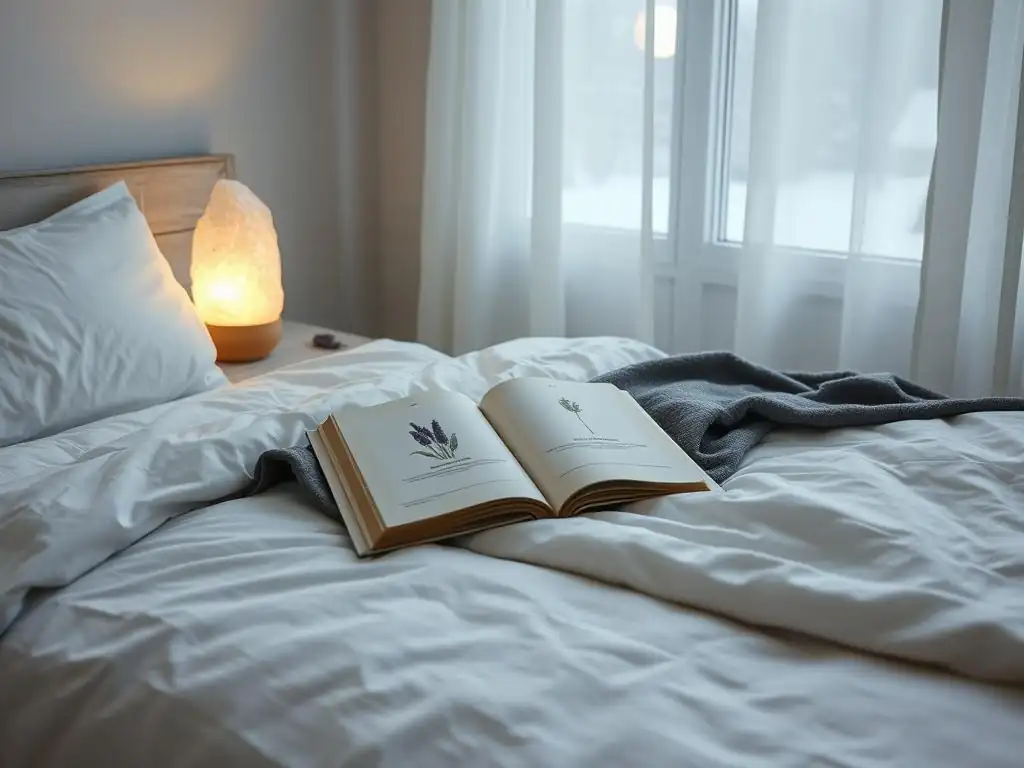
While these thoughtful gifts can significantly enhance sleep quality, they are most effective when combined with efforts to create a holistic sleep-promoting environment. Optimizing your bedroom conditions is a crucial step in achieving truly restorative sleep.
Optimizing Your Bedroom for Restorative Sleep: Light, Temperature, and Noise
Creating a sleep sanctuary involves paying close attention to your bedroom's physical attributes. Light is a major disruptor; even small amounts can suppress melatonin. Aim for complete darkness using blackout curtains or blinds, or consider a high-quality eye mask. Minimize sources of artificial light from electronics.
Temperature also plays a vital role; the ideal sleep temperature is often cited as being between 60-67°F (15-19°C). A room that is too warm can lead to restlessness and fragmented sleep. Finally, while sound machines help, reducing external noise through well-sealed windows or earplugs can further enhance tranquility. Addressing these environmental factors provides essential restorative sleep tips for anxiety management.
Establishing a Consistent Sleep Schedule: Key to Restorative Sleep
One of the most fundamental and impactful actions you can take for restorative sleep is establishing and maintaining a consistent sleep schedule. This means going to bed and waking up at roughly the same time every day, including weekends. Consistency helps regulate your body's internal circadian rhythm, the biological clock that governs sleep and wakefulness. When your circadian rhythm is stable, you are more likely to fall asleep quickly and experience consolidated sleep cycles.
An inconsistent sleep schedule can throw off your body's natural rhythms, making it harder to fall asleep and stay asleep. This unpredictability can exacerbate anxiety, particularly sleep-related anxiety (the worry about not being able to sleep). By adhering to a regular schedule, you train your body to expect sleep at a certain time, which reduces the struggle and anxiety associated with falling asleep. This simple, consistent practice is a cornerstone among effective restorative sleep tips for anxiety.
Conclusion: Investing in Restorative Sleep for Mental Well-being
Investing in products and practices that promote restorative sleep is not merely about getting more hours of rest; it is a direct investment in overall mental well-being. For individuals navigating anxiety, achieving deep, restful sleep can significantly improve mood, cognitive function, resilience, and overall quality of life.
The unexpected gifts explored here – from the grounding comfort of a weighted blanket to the personalized calm of a smart sleep mask, the soothing power of aromatherapy, the tranquility of a sound machine, or the curated self-care of a subscription box – offer diverse pathways to better rest. By incorporating these tools, optimizing your sleep environment, and committing to a consistent schedule, you are actively implementing powerful restorative sleep tips for anxiety and paving the way for a calmer, healthier mind.
Frequently Asked Questions
What does "restorative sleep" actually mean, and why is it important for anxiety?
Restorative sleep goes beyond just getting enough hours. It refers to sleep that allows your body and mind to fully recover and recharge. It's crucial for anxiety because it helps regulate mood and reduces stress hormones.
The article mentions "unexpected gifts." What are some examples of these beyond just a good pillow?
The "unexpected gifts" refer to holistic approaches beyond just bedding. These could include practices like mindfulness meditation, creating a calming bedtime routine, or adjusting your diet to avoid stimulants before sleep.
How can I adapt my environment to promote more restorative sleep, especially when dealing with anxiety?
Creating a sleep-conducive environment is key. This includes ensuring a dark, quiet, and cool room. Consider using blackout curtains, earplugs, or a white noise machine to minimize distractions and reduce anxiety-related disturbances.
What dietary changes can I make to improve my sleep quality and reduce anxiety levels at night?
Avoid caffeine and alcohol close to bedtime, as they can disrupt sleep cycles and exacerbate anxiety. Focus on incorporating sleep-promoting foods like chamomile tea, almonds, or tart cherry juice into your evening routine.
If these tips don't provide sufficient relief and your anxiety is significantly impacting your sleep and daily life, it's important to consult a mental health professional. They can provide personalized strategies and support.
Final Reflection: Unlocking the Deeper Rest You Deserve
The pursuit of restorative sleep isn't just about counting sheep; it's about reclaiming your well-being in a world that constantly demands more. Anxiety, stress, and the relentless pace of modern life often leave us feeling depleted, hindering our ability to experience the truly rejuvenating sleep our bodies and minds crave. This article explored strategies beyond the typical sleep hygiene advice, highlighting the often-overlooked impact of environmental factors and mindful practices on achieving deep, restorative rest.
The journey towards better sleep is a deeply personal one, and the impact of anxiety on sleep quality is a pervasive issue affecting millions. It's not simply about the number of hours slept, but the quality of that sleep – the feeling of waking refreshed and ready to face the day. This resonates deeply with my own experiences, and I've found that incorporating many of the techniques discussed, like creating a calming bedtime routine and prioritizing sensory experiences, has significantly improved my sleep quality and overall mental well-being. Sleep is the best meditation.
– While the origin of this quote is uncertain, its truth rings profoundly true in the context of finding peace and restoration.
Now, it's your turn. Consider the unexpected gifts mentioned – the power of scent, the comfort of a weighted blanket, the tranquility of a mindful practice. Which of these resonates most with you? Which one can you integrate into your life today to begin cultivating a more restful and rejuvenating sleep experience? Take a moment to reflect on your current sleep habits and identify even one small change you can make to prioritize your well-being. The path to restorative sleep begins with a single, conscious step towards a more peaceful night.
Unlock Deeper Sleep: Your Next Steps to Restful Nights
Thanks for diving into the world of better sleep with us! We hope you discovered some fresh perspectives on creating a truly restorative sleep environment beyond just the perfect pillow. Now, let's put these ideas into action.
- Prioritize your sleep sanctuary: Take 15 minutes tonight to declutter and refresh your bedroom, focusing on one small area. This could be as simple as organizing your nightstand or changing your bedding.
- Share your sleep secrets: Tell us—or a friend!—about your favorite sleep tip from the article. What resonates most with you and why? Let’s inspire each other!
- Experiment with a new sleep ritual: Try one of the calming techniques we mentioned (like a warm bath or mindful breathing) before bed tonight and see how you feel in the morning.
What small change will you make tonight to enhance your sleep experience?