
Integrating Movement into Your Busy Life for Lasting Mental Peace


Welcome to Mind Care Guide, a space dedicated to nurturing your mental well-being. Feeling overwhelmed? Know that you're not alone. We understand the daily struggles, and that's why we're here to help you navigate the path towards inner peace. Ever wondered how a simple shift in your routine could make a world of difference? Our guide explores how movement boosts mental wellbeing quickly, offering practical tips to seamlessly weave activity into your busy life. Discover how to unlock a brighter, more balanced you – let's begin this journey together.
Integrating Physical Activity for Enhanced Mental Wellbeing
- Understanding the Mind-Body Connection
- Simple Strategies for Incorporating Movement
- Exploring Diverse Forms of Physical Activity
- Building a Sustainable Exercise Routine
- Maintaining Momentum for Long-Term Wellbeing
- Practical Tips for Specific Scenarios
- Physical Activity as a Complementary Therapy
- Seeking Professional Guidance
-
Frequently Asked Questions
- How does movement quickly boost mental wellbeing?
- What types of movement are most effective for improving mental health?
- How much movement is needed to see a noticeable improvement in mental health?
- How can I integrate movement into a busy schedule without feeling overwhelmed?
- What are some long-term benefits of consistently incorporating movement into my life for mental peace?
- Final Reflection: Finding Stillness in Motion
- Embrace Movement for a Calmer Mind Today!
Understanding the Mind-Body Connection
The Neurobiology of Exercise and Mental Health
The profound connection between physical activity and mental health is deeply rooted in neurobiology. When you engage in exercise, your brain releases a cascade of powerful chemicals. Endorphins, often called natural mood lifters, are released during physical exertion, creating feelings of euphoria and reducing pain perception. Beyond endorphins, exercise increases levels of neurotransmitters like serotonin and dopamine, which are crucial for regulating mood, motivation, and pleasure. These changes can lead to a noticeable improvement in how you feel, demonstrating how movement boosts mental wellbeing quickly after a session and contributes to sustained positive mood over time.
Furthermore, regular physical activity promotes the production of brain-derived neurotrophic factor (BDNF). BDNF is like fertilizer for the brain, supporting the growth, survival, and function of neurons. Higher levels of BDNF are associated with improved cognitive function, better memory, and increased resilience to stress and depression. Exercise also reduces inflammation throughout the body, including the brain, which is increasingly linked to mental health conditions like depression and anxiety. This neurobiological impact underscores why integrating movement into your routine is a powerful strategy for managing mental health challenges and enhancing overall psychological resilience.
Overcoming Barriers to Physical Activity
Despite the clear benefits, incorporating regular movement into a busy life can feel daunting due to various barriers. Lack of time is frequently cited as the primary obstacle, with surveys often showing over 40% of adults struggle to fit exercise into their schedules. Other common challenges include low motivation, fatigue after a long day, physical limitations or pain, self-consciousness, and the perceived cost of gyms or classes. These barriers are real and can make starting or maintaining a physical activity routine difficult, impacting one's ability to experience how movement boosts mental wellbeing quickly.
Overcoming these hurdles requires a strategic and empathetic approach. Instead of aiming for hour-long gym sessions immediately, start small; even 10-15 minutes of brisk walking or light activity can yield tangible mood benefits and reduce stress. Schedule movement like any other important appointment to prioritize it.
Finding activities you genuinely enjoy, whether it's dancing, gardening, or playing a sport, significantly increases adherence. Focusing on the immediate positive feelings – increased energy, reduced tension – rather than just long-term goals can be a powerful motivator when motivation wanes. Remember, consistency with short bursts of movement boosts mental wellbeing quickly and builds momentum towards longer-term habits.
Simple Strategies for Incorporating Movement
Short Activity Bursts Throughout the Day
Integrating short bursts of physical activity, sometimes called "exercise snacks," throughout your day is an incredibly effective way to combat sedentary behavior and boost your mood without requiring large blocks of time. These can be as simple as a 5-minute brisk walk around the block during a coffee break, climbing the stairs instead of taking the elevator, or doing a few minutes of stretching or bodyweight squats while waiting for a meeting to start.
Research indicates that accumulating shorter periods of activity throughout the day can offer similar health benefits, including improvements in cardiovascular health and metabolism, as one longer session.
Beyond the physical benefits, these brief moments of movement provide mental breaks that can significantly improve focus, reduce mental fatigue, and alleviate stress. A quick 2-3 minute walk can break up prolonged sitting, re-energize your mind, and offer a change of scenery that aids cognitive function. Studies have shown that incorporating such breaks can lead to improved productivity and a reduction in the afternoon slump often experienced during sedentary workdays. This demonstrates vividly how even short, intentional movement boosts mental wellbeing quickly and helps maintain a more positive and alert state throughout the day.
Active Commuting Options
Transforming your daily commute into an opportunity for physical activity is another practical strategy to weave movement into a busy schedule. Options range from walking or cycling the entire distance to work or errands, to incorporating activity into public transport use – such as getting off the bus or train a stop or two early and walking the rest of the way, or walking between connections. This not only adds valuable minutes of exercise to your day but also provides a buffer zone between the stresses of work or daily life and arriving home.
Studies have consistently shown that active commuters report lower stress levels compared to those who drive, and higher overall levels of wellbeing. A 2019 study in the UK, for example, found that people who walked or cycled to work had better concentration and less psychological distress.
Beyond the direct mental health benefits, active commuting can save money on fuel or public transport fares, reduce carbon footprint, and allow for mindful observation of your surroundings, further contributing to a sense of calm and connection. This shift in perspective highlights how functional movement boosts mental wellbeing quickly by integrating it seamlessly into necessary daily tasks.
Utilizing Breaks for Movement and Mindfulness
Optimizing your scheduled breaks, whether at work, during study, or at home, by incorporating both movement and mindfulness can significantly enhance their restorative power. Instead of scrolling through your phone, use a 10-15 minute break to take a short walk outdoors, practice some gentle yoga stretches, or simply stand up and move around while focusing on your breath. Combining physical activity with mindful awareness amplifies the benefits, grounding you in the present moment and reducing rumination on stressors.
For instance, a mindful walk involves paying attention to the sensations of walking, the rhythm of your breath, and the sights and sounds around you, turning a simple stroll into a calming practice. Research suggests that even short mindfulness exercises combined with movement can lower cortisol levels, the body's primary stress hormone, within 20 minutes.
Office workers who incorporated short walking breaks combined with mindfulness reported not only improved mood and reduced fatigue but also enhanced ability to handle stressful situations later in the day. This integrated approach ensures your breaks are not just pauses, but active steps towards improved mental clarity and emotional regulation, showing how mindful movement boosts mental wellbeing quickly.
Exploring Diverse Forms of Physical Activity

Mindful Movement Practices: Yoga and Tai Chi
Mindful movement practices like Yoga and Tai Chi offer a unique blend of physical activity, breath control, and meditation, making them exceptionally beneficial for mental health. Yoga, with its focus on poses (asanas), breathwork (pranayama), and meditation, helps to calm the nervous system, increase body awareness, and reduce muscle tension often held due to stress. Different styles of yoga offer varying levels of physical intensity, allowing individuals to choose a practice that suits their needs, from gentle restorative yoga to more vigorous vinyasa flows.
Tai Chi, an ancient Chinese martial art often described as "meditation in motion," involves slow, deliberate movements, deep breathing, and concentration. Its gentle, flowing nature makes it accessible to people of all ages and fitness levels. Both practices have been extensively studied for their mental health benefits.
A meta-analysis of 25 studies published in the Journal of Affective Disorders found that yoga significantly reduced symptoms of depression. Similarly, Tai Chi has been shown to reduce stress, anxiety, and improve sleep quality, particularly in older adults or those with chronic conditions. These practices not only improve flexibility and balance but also cultivate a sense of inner peace and resilience, demonstrating how mindful movement boosts mental wellbeing quickly and fosters long-term emotional balance.
Nature-Based Activities: Hiking and Outdoor Exercise
Taking your physical activity outdoors, often referred to as 'green exercise', adds an extra layer of mental health benefits. Activities like hiking, trail running, walking in a park, gardening, or simply exercising in your backyard combine the physiological advantages of movement with the restorative power of nature. Exposure to natural environments has been shown to have a calming effect on the nervous system, reducing levels of stress hormones like cortisol and lowering blood pressure.
Studies have highlighted the potent impact of nature on mood and self-esteem. A landmark 2010 study found that just 5 minutes of 'green exercise' improved self-esteem and mood significantly. The sensory experience of being outdoors – the sights, sounds, and smells – can act as a powerful antidote to the mental fatigue and stress accumulated in urban or indoor environments.
Hiking, in particular, offers the added benefit of physical challenge and exploration, providing a sense of accomplishment and perspective. This underscores how integrating movement with nature boosts mental wellbeing quickly, offering a refreshing escape and a powerful tool for stress reduction.
Dance and Creative Movement for Stress Reduction
Dance and other forms of creative movement offer a joyful and expressive way to reduce stress and improve mental wellbeing. Unlike structured exercise, creative movement often emphasizes self-expression and emotional release through spontaneous or guided physical exploration. Dance, whether in a class or freely in your living room, allows for the release of pent-up energy and emotions. The combination of physical exertion, rhythm, and music can be incredibly cathartic and uplifting.
Dance therapy is a recognized form of psychotherapy that uses movement to support intellectual, emotional, and motor functions of the body. It has been shown to be effective in reducing symptoms of anxiety and depression across various populations. A study on university students found that a single session of dance significantly reduced perceived stress levels.
Creative movement taps into the mind-body connection in a unique way, fostering creativity, improving body image, and providing opportunities for social connection if done in groups. This highlights how expressive movement boosts mental wellbeing quickly by providing an outlet for emotions and fostering a sense of freedom and joy.
Building a Sustainable Exercise Routine
Setting Realistic Goals and Celebrating Progress
Building a sustainable exercise routine for lasting mental wellbeing starts with setting realistic, achievable goals. Instead of aiming for drastic changes overnight, begin with small, manageable steps. If you're currently inactive, a realistic goal might be to walk for 15 minutes three times a week.
As you consistently meet these smaller goals, you can gradually increase the duration or frequency. Using the SMART goal framework (Specific, Measurable, Achievable, Relevant, Time-bound) can help structure your objectives effectively. For example, instead of "exercise more," a SMART goal is "walk briskly for 20 minutes in the park every Monday, Wednesday, and Friday morning for the next month."
Celebrating your progress, no matter how small, is crucial for maintaining motivation. Acknowledging that you completed your scheduled walks for the week, or that you felt more energized after a movement break, reinforces positive behavior and helps you connect the activity with the desired mental benefits. Studies on habit formation emphasize that consistency in the early stages is more important than intensity. By setting realistic goals and recognizing your achievements, you build self-efficacy and create a positive feedback loop, making it more likely that integrating movement boosts mental wellbeing quickly becomes a consistent part of your life.
Creating a Supportive Environment
A supportive environment can significantly impact your ability to build and maintain a sustainable exercise routine. This involves both external support from others and creating physical spaces that facilitate movement. Finding an exercise buddy, joining a walking group, or signing up for a fitness class can provide accountability and make activity more enjoyable. Studies suggest that exercising with others can increase adherence rates by up to 20%. Sharing your goals with family and friends can also provide encouragement and understanding when balancing commitments.
Creating a supportive physical environment might involve setting out your workout clothes the night before, making your living room a comfortable space for yoga or stretching, or having access to safe and pleasant places to walk or exercise outdoors. If working from home, setting up a dedicated space for movement breaks or incorporating a standing desk can make it easier to stay active. Surrounding yourself with positive influences and making movement convenient reduces friction and reinforces the habit, helping ensure that accessing activities where movement boosts mental wellbeing quickly is easy and supported.
Tracking and Adapting Your Routine
Tracking your physical activity can be a powerful tool for building a sustainable routine. Whether you use a simple journal, a fitness app on your smartphone, or a wearable device like a smartwatch, monitoring your activity provides valuable data about your consistency, duration, and intensity. Seeing your progress over time – perhaps noticing you can walk for longer or feel stronger – can be incredibly motivating and provide tangible evidence of the benefits you're gaining. Tracking also helps identify patterns, such as times of the week when you are less active or activities that you enjoy most.
Equally important is the ability to adapt your routine as needed. Life happens – you might get sick, travel, or have unexpected work demands. Instead of viewing these as failures, see them as opportunities to adjust. If you miss a session, don't dwell on it; just get back on track with the next one.
If your current activity feels boring or ineffective, explore new options. If you hit a plateau, consider increasing intensity or trying a different type of exercise. Regularly reviewing your tracking data and being flexible allows your routine to evolve with your life, ensuring it remains enjoyable and effective for maintaining the positive impact that movement boosts mental wellbeing quickly.
Maintaining Momentum for Long-Term Wellbeing
Overcoming Challenges and Staying Motivated
Maintaining momentum in any habit, including physical activity, inevitably involves facing challenges and dips in motivation. Illness, injury, travel, changes in schedule, or simply boredom can disrupt even well-established routines. It's crucial to anticipate these setbacks and develop strategies to navigate them without derailing your progress entirely. Instead of giving up when you miss a few days, focus on getting back on track as soon as possible. Remember that consistency over time is more important than perfection.
Finding ways to stay motivated is key. Remind yourself why you started – focusing on how movement boosts mental wellbeing quickly and improves your overall quality of life can be a powerful intrinsic motivator, especially compared to focusing solely on external factors like weight loss.
Varying your activities to prevent boredom, setting new goals once old ones are met, and seeking support from friends or groups can help keep things fresh and engaging. Viewing exercise not as a chore but as a vital component of your self-care and mental resilience can fundamentally change your approach and help you persevere through difficult periods.
Prioritizing Movement as Self-Care
Shifting your perspective to view physical activity as a non-negotiable form of self-care is vital for long-term adherence and mental wellbeing. Just as you wouldn't skip brushing your teeth or taking necessary medication, prioritizing movement acknowledges its fundamental role in maintaining both physical and mental health. This means scheduling it into your day or week as a priority, rather than trying to fit it in only if there's leftover time. Treat your exercise sessions like important appointments you wouldn't cancel.
When you frame movement as an act of self-care, you're less likely to view it as a burden or a luxury. It becomes an essential practice for managing stress, boosting mood, and maintaining energy levels, all of which are critical for navigating daily life effectively. Studies show that individuals who prioritize self-care activities report higher levels of overall satisfaction and reduced burnout. By consciously choosing to make time for physical activity, you are investing in your own resilience and demonstrating self-compassion, reinforcing the understanding that movement boosts mental wellbeing quickly and consistently when prioritized.
The Broader Benefits of Physical Activity
While the focus here is on mental wellbeing, it's important to remember that physical activity offers a wealth of broader health benefits that indirectly support psychological health. Regular exercise significantly improves cardiovascular health, reducing the risk of heart disease and stroke, which are major sources of health anxiety and stress. It strengthens muscles and bones, improving mobility and reducing the risk of injuries and age-related decline, fostering independence and confidence.
Physical activity also plays a crucial role in weight management, improves sleep quality, increases energy levels, and reduces the risk of chronic diseases such as type 2 diabetes and certain types of cancer. Improved sleep alone has a profound positive impact on mood, cognitive function, and emotional regulation.
Increased energy makes it easier to engage in other enjoyable activities and social interactions, further supporting mental health. These interconnected benefits underscore that prioritizing physical activity is a holistic investment in your overall health, where the immediate positive impact on mood and stress – how movement boosts mental wellbeing quickly – is just one piece of a larger picture of enhanced vitality and resilience.
Practical Tips for Specific Scenarios
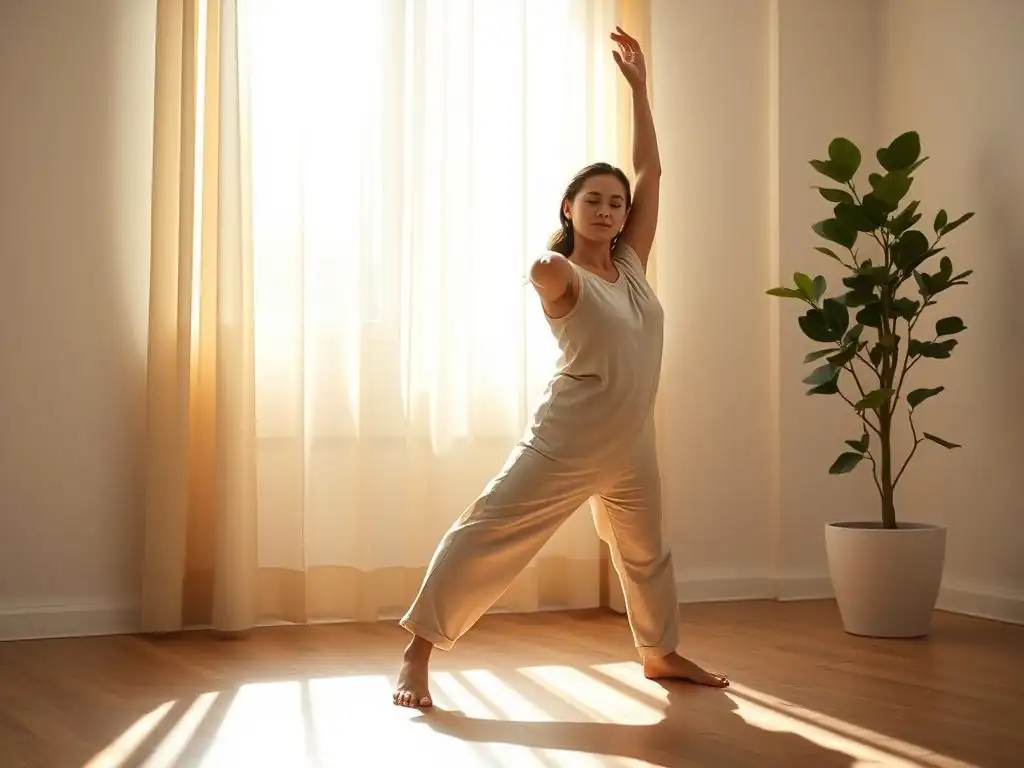
Movement Breaks for Sedentary Work
For individuals with sedentary jobs, incorporating regular movement breaks is essential to counteract the negative effects of prolonged sitting on both physical and mental health. Aim to stand up and move around for at least 2-5 minutes every 30-60 minutes. Set a timer or use apps designed to remind you to take breaks. Simple actions like walking to the water cooler or restroom further away, taking the stairs instead of the elevator, or doing a quick set of stretches at your desk can make a difference.
Consider incorporating more active elements into your workday. Use a standing desk for part of the day, or explore treadmill desks if feasible. Instead of seated meetings, suggest walking meetings when appropriate. During phone calls, stand up and pace. These small, consistent efforts break up sedentary time, improve circulation, reduce stiffness, and provide micro-opportunities for your brain to reset, vividly illustrating how movement boosts mental wellbeing quickly even within the constraints of a desk-bound job by improving focus and reducing fatigue.
Active Family Activities
Integrating physical activity into family time is a wonderful way to promote health and strengthen bonds. Instead of passive entertainment, plan activities that involve movement. Go for family walks or bike rides in a local park or trail. Organize active games in the backyard or visit playgrounds and sports fields. Dancing together to favorite music in the living room can be a fun and energetic activity for all ages.
Making movement a shared experience fosters a positive attitude towards physical activity in children and provides opportunities for positive interaction and shared accomplishment within the family. Aim for at least 30-60 minutes of active family time several times a week. This shared movement not only contributes to everyone's physical health but also reduces stress and improves mood collectively, creating positive memories and reinforcing the idea that movement boosts mental wellbeing quickly and enhances family connection.
Travel-Friendly Exercise Options
Maintaining your commitment to physical activity while traveling can be challenging, but it's crucial for managing travel-related stress and fatigue. Pack resistance bands, a jump rope, or comfortable walking shoes. Utilize hotel gyms if available, even for a short 20-30 minute session. Exploring a new city on foot or by bicycle is an excellent way to sightsee while staying active. Look for local parks or trails for walks or runs.
If space is limited, bodyweight exercises require no equipment and can be done in your hotel room – think squats, lunges, push-ups, planks, and stretching. A quick workout upon arrival can help combat jet lag and improve your mood. Prioritizing movement while traveling helps maintain a sense of routine and self-care, which can be particularly grounding in unfamiliar environments. This adaptability ensures that the benefits of physical activity, including how movement boosts mental wellbeing quickly, remain accessible even when you're away from your usual routine.
Physical Activity as a Complementary Therapy
Exercise for Anxiety Reduction
Exercise is a powerful tool for managing anxiety symptoms and building resilience. During physical activity, the body releases endorphins, which have mood-boosting and pain-relieving effects. It also helps regulate stress hormones like cortisol and adrenaline, which are often elevated in individuals with anxiety. Regular exercise can increase the production of calming neurotransmitters like GABA. The rhythmic, repetitive nature of activities like running, swimming, or cycling can have a meditative effect, providing a distraction from anxious thoughts and reducing muscle tension.
Studies consistently show that regular aerobic exercise can significantly reduce symptoms of generalized anxiety disorder, panic disorder, and social anxiety. A single session of moderate-intensity exercise, such as a brisk 30-minute walk, can lead to a noticeable reduction in anxiety symptoms that can last for several hours. Over time, consistent physical activity can improve the body's ability to handle stress, making you less reactive to anxiety triggers. This demonstrates how movement boosts mental wellbeing quickly during and immediately after activity, and builds lasting resilience against anxiety.
Exercise for Depression Management
For individuals managing depression, physical activity can be a vital component of treatment, often used in conjunction with therapy and medication. Exercise helps combat depression by increasing the release of endorphins, which create feelings of pleasure and can temporarily lift mood. It also impacts brain chemicals like serotonin and dopamine, which are often imbalanced in depression. The sense of accomplishment from completing a workout, no matter how small, can boost self-esteem and provide a much-needed sense of control and mastery.
Structured exercise provides routine and a sense of purpose, which can be particularly helpful for individuals experiencing the lethargy and lack of motivation associated with depression. Research indicates that regular moderate-to-vigorous exercise, such as 30-45 minutes three to five times per week, can be as effective as antidepressants for some individuals with mild to moderate depression. Even low levels of physical activity have been shown to reduce the risk of developing depression. This underscores the profound impact of movement; movement boosts mental wellbeing quickly by providing immediate mood elevation and contributes to long-term recovery and prevention.
Exercise for Stress Resilience
Physical activity is not just a way to cope with stress, but also a way to build resilience against it. When you exercise, you put your body under a controlled form of stress. This regular exposure helps your physiological stress response system (the HPA axis) become more efficient, leading to a less intense and prolonged reaction to psychological stressors in daily life. Exercise provides a healthy outlet for releasing pent-up tension and frustration, preventing stress from accumulating.
Regularly active individuals tend to report feeling less overwhelmed by daily stressors and are better equipped to bounce back from challenging situations. The improved sleep, increased energy, and enhanced mood that come with consistent exercise all contribute to a stronger foundation for handling stress. By training your body to handle physical stress, you simultaneously train your mind to better manage psychological pressure, highlighting how consistent movement boosts mental wellbeing quickly during stressful periods and builds the capacity to withstand future stress more effectively.
Seeking Professional Guidance
Finding Qualified Exercise Professionals
While many people can start a simple walking routine on their own, seeking guidance from a qualified exercise professional can be highly beneficial, especially if you have existing health conditions, physical limitations, or are integrating exercise specifically for mental health purposes. A certified personal trainer, exercise physiologist, or specialized instructor can assess your current fitness level, discuss your goals (including mental wellbeing objectives), and create a safe and effective exercise plan tailored to your individual needs and preferences.
Look for professionals with certifications from reputable organizations (like ACE, NASM, ACSM) and consider those with experience working with clients who have similar goals or health profiles. They can provide expert instruction on proper form to prevent injuries, offer strategies for overcoming motivation challenges, and provide accountability. Investing in professional guidance ensures your exercise program is safe, effective, and sustainable, maximizing the positive impact that movement boosts mental wellbeing quickly and over the long term.
Integrating Exercise into Mental Health Treatment
Exercise is increasingly recognized as a valuable complementary therapy within a comprehensive mental health treatment plan. It is not typically a standalone replacement for therapy or medication, but rather a powerful adjunct that can enhance their effectiveness. If you are currently receiving treatment for a mental health condition, it is important to discuss your exercise plans with your therapist, psychiatrist, or doctor. They can provide guidance on incorporating physical activity safely and effectively alongside your existing treatment.
Many mental health professionals actively recommend exercise as part of recovery and management strategies. Discussing your activity levels and any related challenges or successes with your therapist can provide valuable insights into your progress and coping mechanisms. Research shows that combining psychotherapy or medication with regular exercise often leads to better outcomes for conditions like depression and anxiety than using any single approach alone. This collaborative approach ensures that integrating movement boosts mental wellbeing quickly and safely within the broader context of your mental health journey.
Safety Considerations and Precautions
Before starting any new exercise program, especially if you have pre-existing health conditions (including mental health conditions) or have been inactive for a long time, it is crucial to consult with your doctor. They can assess your health status, recommend appropriate types and intensities of exercise, and advise on any necessary precautions. This is particularly important if you have cardiovascular issues, joint problems, or conditions that could be affected by physical exertion.
Listen to your body and pay attention to any signs of pain, dizziness, or excessive fatigue. Learn proper form for exercises to prevent injuries. Always include a warm-up before your main activity and a cool-down afterward. Stay hydrated, especially during longer or more intense sessions. Be mindful of the difference between healthy challenge and overexertion or burnout, which can negatively impact mental health. Prioritizing safety ensures that your pursuit of physical activity remains a positive force for your wellbeing, allowing you to consistently benefit from how movement boosts mental wellbeing quickly without putting your physical health at risk.
Frequently Asked Questions
How does movement quickly boost mental wellbeing?
Movement triggers the release of endorphins and neurotransmitters like dopamine and serotonin, which have mood-boosting effects. This instant impact can alleviate stress and improve your overall sense of well-being relatively quickly.
What types of movement are most effective for improving mental health?
The best type is the one you enjoy and can consistently do! Options include brisk walking, yoga, dancing, or even just taking the stairs instead of the elevator.
How much movement is needed to see a noticeable improvement in mental health?
Even small amounts of movement, like 10-15 minutes a day, can make a difference. Aim for at least 30 minutes of moderate-intensity exercise most days of the week for optimal benefits.
How can I integrate movement into a busy schedule without feeling overwhelmed?
Start small by incorporating micro-movements throughout the day. Take active breaks, walk during phone calls, or try a quick online workout video during your lunch break.
What are some long-term benefits of consistently incorporating movement into my life for mental peace?
Consistent movement can lead to reduced anxiety and depression, improved sleep quality, increased self-esteem, and a greater sense of overall well-being and resilience.
Final Reflection: Finding Stillness in Motion
The relentless pace of modern life often leaves us feeling depleted, yet the simple act of incorporating movement into our daily routines offers a surprisingly potent antidote. This isn't about grueling workouts or achieving peak physical fitness; it's about cultivating a mindful relationship with our bodies, a connection that directly translates to improved mental wellbeing, often surprisingly quickly. The research is clear, and the benefits are readily accessible to everyone.
The impact of movement on our mental landscape is profound and far-reaching. It's not just about releasing endorphins; it's about reclaiming agency over our physical and mental states. Movement becomes a powerful tool for self-care, a way to quiet the incessant chatter of our minds and reconnect with the present moment. As the ancient Greek philosopher, Aristotle, wisely stated: Pleasure in the job puts perfection in the work.
This applies equally to the joy found in movement and the resulting positive impact on our mental peace. The more we integrate movement into our lives, the more we cultivate a sense of self-awareness and resilience, building a foundation for lasting mental wellbeing.
Now, consider your own life. What small changes can you implement today to incorporate more movement? Perhaps it's a brisk walk during your lunch break, a short yoga session before bed, or simply taking the stairs instead of the elevator. Don't underestimate the power of these seemingly insignificant actions. Start small, be consistent, and watch as the ripple effect of movement transforms not only your physical health but also your mental clarity, resilience, and overall sense of peace. Embrace the journey, and discover the stillness found within the motion.
Embrace Movement for a Calmer Mind Today!
Thank you for taking the time to explore how movement can transform your busy life into one filled with mental peace. You've uncovered valuable insights that can help you find tranquility amidst the chaos. Now, let’s turn that knowledge into action!
Here are a few simple steps you can take today to bring more movement into your life:
- Start with just 10 minutes: Dedicate the first 10 minutes of your day to a brisk walk or gentle stretching to set a positive tone.
- Incorporate mini-movement breaks: Set a timer every hour to remind you to stand up and move for a minute—dance, stretch, or even do a few squats!
- Join a local movement group: Seek out a community class or virtual group that resonates with you—whether it's yoga, dancing, or martial arts, surround yourself with supportive others.
Which of these actions will you commit to today to nurture your mental peace? Share your thoughts below!