
Fueling Your Wellness: Diet and Nutrition Tips for Seasonal Affective Disorder


Welcome to Mind Care Guide, your sanctuary for mental well-being.
Feeling the winter blues a little too intensely? You're not alone. Many struggle with Seasonal Affective Disorder (SAD), and we understand how challenging it can be. But did you know that what you eat can significantly impact your mood and energy levels? Intrigued? Dive into our article, "Fueling Your Wellness: Diet and Nutrition Tips for Seasonal Affective Disorder," where we explore practical and empathetic SAD diet tips to help you navigate the darker months with greater ease and vitality. Let's explore how nourishment can be a powerful ally on your journey to brighter days.
- Fueling Your Wellness: Diet and Nutrition for Seasonal Affective Disorder
- Understanding the Link Between Diet and Seasonal Affective Disorder (SAD)
- Essential Dietary Strategies for Managing Seasonal Affective Disorder
- Foods to Incorporate into Your Diet Plan for SAD
- Foods to Limit or Avoid When Managing SAD Through Diet
- Creating a Balanced Meal Plan
- The Gut-Brain Connection and its Role in Seasonal Affective Disorder
- Beyond Diet: Lifestyle Factors That Enhance SAD Management
- Seeking Professional Guidance
-
Frequently Asked Questions
- What is Seasonal Affective Disorder (SAD), and can diet really help?
- Are there specific foods I should prioritize in my diet to combat SAD symptoms?
- How does Vitamin D help with Seasonal Affective Disorder?
- Should I eliminate any food groups from my diet if I have SAD?
- Besides diet, what other lifestyle changes can support mental well-being during the winter months?
- Final Reflection: Nourishing the Light Within
- Unlock Your Seasonal Brilliance: Nourish Your Way to Wellness
Fueling Your Wellness: Diet and Nutrition for Seasonal Affective Disorder
Seasonal Affective Disorder (SAD) is a type of depression that's related to changes in seasons, typically beginning in the fall and lasting through winter. While common treatments include light therapy, psychotherapy, and medication, emerging research highlights the significant role that diet and nutrition play in managing symptoms. Implementing specific Seasonal Affective Disorder diet tips can be a powerful complementary strategy to help stabilize mood and improve overall well-being during the darker months. Focusing on nutrient-dense foods can provide the body and brain with the necessary resources to combat the fatigue, low mood, and cravings often associated with SAD.
Understanding how what you eat impacts your mental state is crucial when addressing SAD. The foods we consume directly affect neurotransmitter production, hormone balance, and energy levels, all of which are implicated in the symptoms of this seasonal mood disorder. By making conscious dietary choices and incorporating targeted nutritional strategies, individuals can build resilience against the challenges of SAD. This guide explores the connection between diet and SAD and offers practical, evidence-based Seasonal Affective Disorder diet tips to help you navigate the winter blues more effectively.
Understanding the Link Between Diet and Seasonal Affective Disorder (SAD)
The Impact of Nutrition on Mood and SAD Symptoms
Nutrition plays a profound role in regulating brain function and mood, making it a critical factor in managing conditions like Seasonal Affective Disorder. The brain relies on a steady supply of nutrients to produce neurotransmitters such as serotonin and dopamine, which are essential for regulating mood, sleep, and appetite – areas significantly disrupted by SAD. Deficiencies in certain vitamins and minerals, or diets high in processed foods and sugar, can exacerbate symptoms like lethargy, irritability, and difficulty concentrating, which are hallmarks of this seasonal depression.
Research suggests that dietary patterns can influence the severity and duration of SAD episodes. For example, studies have indicated that individuals with lower levels of certain nutrients, particularly Vitamin D, may be more susceptible to SAD symptoms. A diet rich in whole foods, healthy fats, and complex carbohydrates provides the stable energy and nutritional building blocks needed to support brain health and mitigate the negative effects of seasonal changes on mood. Implementing effective Seasonal Affective Disorder diet tips can therefore be a proactive step in alleviating the burden of this condition.
Seasonal Affective Disorder: An Overview of Causes and Symptoms
Seasonal Affective Disorder (SAD) is a clinically recognized mood disorder characterized by depressive episodes that occur at a particular time of year, most commonly during the fall and winter months. While the exact causes are not fully understood, leading theories point to the role of reduced exposure to sunlight. This lack of light is believed to disrupt the body's internal clock (circadian rhythm), decrease serotonin levels (a mood-regulating neurotransmitter), and affect melatonin levels (a hormone that influences sleep patterns), all of which can contribute to depressive symptoms.
The symptoms of SAD often include persistent low mood, loss of interest or pleasure in activities, changes in appetite (often increased cravings for carbohydrates), weight gain, fatigue or low energy, difficulty sleeping (sometimes oversleeping), irritability, and difficulty concentrating. These symptoms typically resolve in the spring and summer months. Recognizing these patterns is the first step towards seeking help and exploring various management strategies, including incorporating specific Seasonal Affective Disorder diet tips alongside other treatments.
Essential Dietary Strategies for Managing Seasonal Affective Disorder
Prioritize Vitamin D-Rich Foods
Vitamin D, often called the "sunshine vitamin," is crucial for mood regulation and is frequently deficient in individuals during the winter months when sunlight exposure is minimal, coinciding with the peak season for SAD. While sunlight is the primary source, incorporating Vitamin D-rich foods into your diet can help maintain adequate levels. Sources include fatty fish like salmon, mackerel, and sardines, which contain significant amounts. For example, a 3.5-ounce serving of cooked salmon can provide over 500 international units (IU) of Vitamin D, though this varies depending on the species and preparation.
Other dietary sources of Vitamin D include fortified foods such as milk, orange juice, and cereals. Some mushrooms, particularly those exposed to UV light, also contain Vitamin D. Although it's challenging to get sufficient Vitamin D solely from diet, making an effort to include these foods as part of your Seasonal Affective Disorder diet tips can contribute to your overall intake and potentially support better mood regulation during the darker seasons. Combining dietary sources with careful supplementation, discussed next, is often the most effective approach.
The Role of Vitamin D Supplementation
Given the difficulty of obtaining enough Vitamin D from diet and limited winter sunlight, supplementation is often recommended, especially for individuals prone to SAD. Low levels of Vitamin D have been consistently linked to depressive symptoms, and supplementing can help elevate these levels. While the optimal dosage varies based on individual needs and blood levels, common recommendations for adults range from 600 to 2000 IU per day, though some studies on SAD have explored higher doses under medical supervision.
Before starting any Vitamin D supplementation, it is crucial to consult with a healthcare professional. They can measure your current Vitamin D levels through a simple blood test and recommend an appropriate dosage. Relying solely on Seasonal Affective Disorder diet tips for Vitamin D might not be sufficient, particularly in regions with long, dark winters. Supplementation, guided by a professional, can be a vital component of a comprehensive strategy to manage SAD symptoms by ensuring adequate levels of this essential nutrient.
Boosting Serotonin Levels Through Diet
Serotonin, a key neurotransmitter involved in mood regulation, sleep, and appetite, is often found at lower levels in individuals experiencing depression, including SAD. While serotonin itself is not directly consumed in food, its precursor, the amino acid tryptophan, is. Consuming foods rich in tryptophan can provide the building blocks your body needs to synthesize serotonin. Good sources of tryptophan include turkey, chicken, eggs, cheese, milk, nuts, seeds, and soy products.
However, simply eating tryptophan-rich foods doesn't guarantee increased serotonin production in the brain, as tryptophan competes with other amino acids for transport across the blood-brain barrier. Pairing tryptophan-rich foods with carbohydrates can help. Carbohydrates trigger the release of insulin, which helps clear other amino acids from the bloodstream, potentially making it easier for tryptophan to enter the brain. This synergy highlights why balanced Seasonal Affective Disorder diet tips often include both protein and complex carbohydrates.
The Importance of Complex Carbohydrates
Complex carbohydrates play a significant role in managing SAD symptoms, particularly cravings for sugary foods and low energy levels. Unlike simple sugars, complex carbohydrates are digested slowly, providing a steady release of glucose into the bloodstream. This stable energy supply helps prevent blood sugar spikes and crashes, which can exacerbate mood swings and fatigue. Furthermore, as mentioned earlier, consuming carbohydrates can facilitate the transport of tryptophan to the brain, potentially boosting serotonin production.
Incorporating complex carbohydrates like whole grains (oats, brown rice, quinoa, whole-wheat bread), legumes (beans, lentils), and starchy vegetables (sweet potatoes, squash) into your meals can help stabilize mood and energy. For example, starting the day with a bowl of oatmeal provides sustained energy and supports tryptophan uptake. These foods are also rich in fiber, which promotes digestive health and further helps regulate blood sugar. Including adequate complex carbohydrates is a fundamental component of effective Seasonal Affective Disorder diet tips.
Foods to Incorporate into Your Diet Plan for SAD
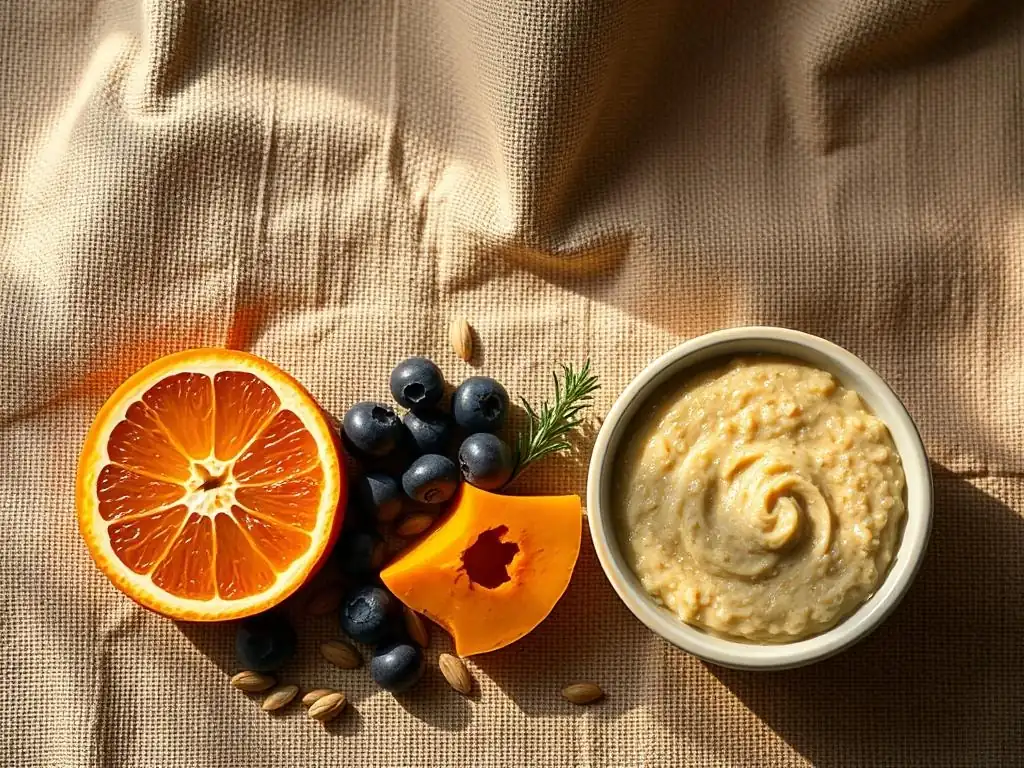
Omega-3 Fatty Acids: Sources and Benefits
Omega-3 fatty acids, particularly EPA (eicosapentaenoic acid) and DHA (docosahexaenoic acid), are essential polyunsaturated fats known for their anti-inflammatory properties and crucial role in brain health. Research suggests that low levels of omega-3s may be associated with an increased risk of depression. These fatty acids are vital for maintaining the structure and function of brain cell membranes and can influence neurotransmitter pathways involved in mood regulation.
Excellent dietary sources of EPA and DHA include fatty fish like salmon, mackerel, herring, and sardines. For instance, a 3-ounce serving of wild-caught salmon contains approximately 1-2 grams of combined EPA and DHA. Plant-based sources, such as flaxseeds, chia seeds, and walnuts, provide alpha-linolenic acid (ALA), which the body can convert into EPA and DHA, although the conversion rate is generally low. Including fatty fish several times a week or opting for a high-quality omega-3 supplement can be a beneficial addition to your Seasonal Affective Disorder diet tips.
Lean Proteins: Building Blocks for Brain Health and Mood Regulation
Lean proteins are essential for overall health and play a key role in brain function and mood stability. Proteins are broken down into amino acids, including tryptophan, which is a precursor to serotonin, and tyrosine, which is a precursor to dopamine and norepinephrine – neurotransmitters involved in alertness, motivation, and pleasure. Ensuring adequate protein intake helps provide the necessary building blocks for synthesizing these vital brain chemicals.
Good sources of lean protein include poultry (chicken, turkey), fish, lean cuts of beef and pork, eggs, legumes (beans, lentils), tofu, and Greek yogurt. Including a source of lean protein at each meal helps maintain stable blood sugar levels and provides a steady supply of amino acids. For example, pairing eggs with whole-wheat toast for breakfast or grilled chicken with brown rice for dinner are simple ways to incorporate lean protein. These protein sources are fundamental components of effective Seasonal Affective Disorder diet tips aimed at supporting neurotransmitter production and stable energy.
Fruits and Vegetables: A Rainbow of Nutrients
Fruits and vegetables are packed with vitamins, minerals, antioxidants, and fiber, all of which contribute to overall health and can positively impact mood. Their vibrant colors often signify the presence of various phytonutrients with anti-inflammatory and antioxidant properties, which may help protect brain cells from damage. A diet rich in diverse fruits and vegetables is associated with a lower risk of depression.
Aim to include a variety of colors in your daily intake to ensure you're getting a broad spectrum of nutrients. For instance, berries are rich in antioxidants, bananas contain tryptophan and Vitamin B6 (which helps convert tryptophan to serotonin), and citrus fruits are high in Vitamin C, important for overall health and immune function. Making fruits and vegetables a cornerstone of your meals and snacks is one of the most straightforward and impactful Seasonal Affective Disorder diet tips you can follow.
Leafy Greens and Brightly Colored Produce
Focusing specifically on leafy greens and brightly colored produce offers targeted nutritional benefits crucial for mental wellness. Leafy greens like spinach, kale, and Swiss chard are excellent sources of folate, magnesium, and B vitamins. Folate deficiency has been linked to depression, and magnesium plays a role in numerous biochemical reactions, including those related to neurotransmitter function. A single cup of cooked spinach can provide nearly 70% of the daily recommended intake for folate.
Brightly colored vegetables such as bell peppers, carrots, sweet potatoes, and squash are rich in beta-carotene and other antioxidants. Beta-carotene is converted to Vitamin A in the body and supports immune function and vision, while antioxidants combat oxidative stress, which is implicated in various mood disorders. Incorporating these nutrient powerhouses into your daily meals is a practical application of Seasonal Affective Disorder diet tips, helping to ensure your body and brain receive ample protective and mood-supportive nutrients.
Foods to Limit or Avoid When Managing SAD Through Diet
The Impact of Processed Foods
Processed foods, often high in refined sugars, unhealthy fats, and artificial additives, can negatively impact mood and exacerbate SAD symptoms. These foods tend to be low in essential nutrients and fiber but high in calories, contributing to weight gain often associated with SAD. The rapid spikes and crashes in blood sugar caused by refined carbohydrates in processed foods can lead to energy fluctuations and irritability, making it harder to manage the low mood characteristic of seasonal depression.
Regular consumption of highly processed foods, such as sugary snacks, fast food, and pre-packaged meals, is linked to increased inflammation in the body, including the brain. Chronic inflammation is increasingly recognized as a factor in mood disorders. Limiting or avoiding these foods is a key step in implementing effective Seasonal Affective Disorder diet tips, aiming instead for whole, unprocessed options that provide sustained energy and nutrients without the negative side effects.
Limiting Sugar Intake
Excessive sugar intake is particularly detrimental when managing SAD through diet. Sugary foods and beverages cause rapid fluctuations in blood glucose levels. Initially, a sugar rush might provide a temporary mood boost, but this is quickly followed by a crash, leading to fatigue, irritability, and a worsening of depressive feelings. These blood sugar swings can also contribute to cravings for more sugar, creating a cycle that is difficult to break and counterproductive to managing SAD symptoms.
Beyond mood swings, high sugar consumption contributes to inflammation and can negatively impact gut health, which is increasingly linked to mental well-being. Reducing added sugars found in sodas, candies, pastries, and many packaged foods is a crucial piece of advice for anyone looking for effective Seasonal Affective Disorder diet tips. Opting for naturally sweet whole fruits or small amounts of natural sweeteners like honey or maple syrup in moderation is a better alternative.
Caffeine and Alcohol: Potential Triggers
While a morning cup of coffee might seem necessary to combat SAD-related fatigue, both caffeine and alcohol can potentially exacerbate symptoms for some individuals. Caffeine is a stimulant that can disrupt sleep patterns, and poor sleep is a common symptom and contributor to SAD. While moderate caffeine intake might be acceptable for some, excessive amounts can increase anxiety and nervousness, which can accompany depressive episodes.
Alcohol, a depressant, might temporarily lift spirits but ultimately interferes with brain chemistry and sleep quality, worsening depressive symptoms in the long run. It can also deplete the body of essential nutrients. During the winter months, when mood and energy levels are already challenged by SAD, relying on alcohol or excessive caffeine can be counterproductive. Limiting or avoiding these substances is often recommended as part of comprehensive Seasonal Affective Disorder diet tips to support stable mood and better sleep.
Creating a Balanced Meal Plan
Sample Meal Ideas
Creating a balanced meal plan is essential for consistently applying Seasonal Affective Disorder diet tips. A balanced plan ensures you are getting a variety of nutrients throughout the day, helping to stabilize blood sugar and provide the building blocks for mood-regulating neurotransmitters. Here are a few sample ideas focusing on whole foods:
- Breakfast: Oatmeal topped with berries, nuts, and seeds (complex carbs, fiber, omega-3s, antioxidants). Alternatively, scrambled eggs with spinach and whole-wheat toast (lean protein, folate, complex carbs).
- Lunch: Lentil soup with a side of whole-grain bread (complex carbs, protein, fiber, folate). Or, a large salad with grilled salmon or chicken, mixed greens, colorful vegetables, and a light vinaigrette (lean protein, omega-3s, vitamins, antioxidants).
- Dinner: Baked cod or chicken breast with roasted sweet potatoes and broccoli (lean protein, Vitamin D - if fish, complex carbs, vitamins, fiber). Another option is a bean and vegetable stir-fry with brown rice (plant-based protein, complex carbs, vitamins, fiber).
These examples illustrate how to combine different food groups to create nutrient-dense meals that support mood and energy levels throughout the day, making these practical Seasonal Affective Disorder diet tips easy to implement.
Healthy Snack Options
Incorporating healthy snacks between meals can help maintain stable blood sugar levels and prevent excessive hunger that might lead to poor food choices. Snacks should ideally combine protein, healthy fats, or complex carbohydrates to provide sustained energy and satiety. Mindful snacking is a valuable part of managing SAD through diet.
Good snack options include a handful of almonds or walnuts (healthy fats, protein, omega-3s in walnuts), Greek yogurt with a small amount of fruit (protein, some carbs, probiotics if live cultures), apple slices with almond butter (fiber, healthy fats, protein), or vegetable sticks with hummus (fiber, protein). Hard-boiled eggs are another simple, protein-rich snack. Keeping these readily available can help you stick to your Seasonal Affective Disorder diet tips even when you're busy or experiencing cravings.
The Gut-Brain Connection and its Role in Seasonal Affective Disorder
Probiotics and Gut Health
The gut-brain connection is a rapidly evolving area of research that highlights the intricate communication network between the digestive system and the brain. An estimated 90% of the body's serotonin is produced in the gut, influenced by the trillions of microorganisms residing there, known as the gut microbiota. An imbalance in this microbiota (dysbiosis) has been linked to various mental health conditions, including depression and anxiety. Therefore, supporting a healthy gut can be a crucial part of managing SAD.
Probiotics, which are beneficial bacteria found in certain foods or supplements, can help restore and maintain a balanced gut microbiota. While research specifically on probiotics and SAD is limited, studies on depression generally show promising results, with some suggesting that probiotic supplementation can improve mood symptoms. Incorporating probiotic-rich foods into your diet is a practical application of Seasonal Affective Disorder diet tips that addresses this important link.
Fermented Foods and Their Potential Benefits
Fermented foods are natural sources of probiotics and other beneficial compounds that support gut health. These foods undergo a process where microorganisms, such as bacteria or yeast, convert carbohydrates into other substances, often producing probiotics. Examples include yogurt (with live and active cultures), kefir, sauerkraut, kimchi, miso, and tempeh.
Including a variety of fermented foods in your diet can help introduce beneficial bacteria to your gut, potentially improving the balance of your microbiota. A healthier gut environment can positively influence neurotransmitter production and reduce inflammation, indirectly supporting better mood regulation. While the effects can vary greatly depending on the specific food and individual, adding fermented foods is an easy and tasty way to incorporate gut-supportive elements into your Seasonal Affective Disorder diet tips.
Beyond Diet: Lifestyle Factors That Enhance SAD Management
The Importance of Regular Exercise
While diet is a powerful tool, managing SAD effectively often requires a multifaceted approach that includes lifestyle factors. Regular physical activity is widely recognized as a significant mood booster and can complement Seasonal Affective Disorder diet tips. Exercise releases endorphins, natural mood elevators, and can help reduce stress and anxiety, common companions to SAD.
Aim for at least 150 minutes of moderate-intensity aerobic activity or 75 minutes of vigorous-intensity activity per week, along with muscle-strengthening activities two or more days a week, as recommended by health guidelines. Even short bursts of activity, like a brisk 20-minute walk, can make a difference. Exercise also helps improve sleep quality and energy levels, directly counteracting some of the most challenging symptoms of SAD.
Light Therapy and its Synergistic Effect with Diet
Light therapy, or phototherapy, is a first-line treatment for SAD and involves daily exposure to a special light box that mimics natural outdoor light. This therapy is thought to affect brain chemicals linked to mood and sleep, helping to reset the body's internal clock disrupted by reduced winter sunlight. Using a light box typically involves sitting near it for 20-60 minutes each morning.
Combining light therapy with strategic Seasonal Affective Disorder diet tips can create a powerful synergistic effect. While light therapy addresses the light-related biological clock disruption, a nutrient-rich diet provides the body with the necessary fuel and building blocks to support mood regulation, energy production, and overall brain health. Together, these strategies can offer more comprehensive relief from SAD symptoms than either approach alone.
Stress Management Techniques
Stress can significantly worsen depressive symptoms, including those associated with SAD. Developing effective stress management techniques is therefore an important component of a holistic approach to managing the condition. Chronic stress can disrupt hormone balance and negatively impact neurotransmitter levels, counteracting the positive effects of diet and other interventions.
Techniques such as mindfulness meditation, deep breathing exercises, yoga, spending time in nature (even on cloudy days), listening to music, or engaging in hobbies can help reduce stress levels. Prioritizing adequate sleep, aiming for 7-9 hours per night, is also a critical stress management strategy. Integrating these practices alongside your Seasonal Affective Disorder diet tips provides a robust framework for supporting your mental and emotional well-being during the challenging winter months.
Seeking Professional Guidance
Personalized Dietary Recommendations
While general Seasonal Affective Disorder diet tips provide a solid foundation, individual nutritional needs can vary greatly based on factors like age, sex, activity level, existing health conditions, and specific deficiencies. What works best for one person may not be optimal for another. Therefore, seeking personalized dietary recommendations from a qualified healthcare professional is highly recommended.
A registered dietitian or nutritionist specializing in mental health can assess your current eating habits, identify potential nutrient deficiencies through dietary analysis or blood tests, and create a tailored meal plan. They can help you navigate complex dietary choices, address any food sensitivities, and ensure your diet complements other SAD treatments you may be undergoing. This personalized approach ensures that your Seasonal Affectable Disorder diet tips are specifically suited to your unique needs.
Monitoring Progress and Adjusting Your Diet Plan
Managing SAD is often an ongoing process, and your dietary needs or responses may change over time. It is important to monitor how your diet is impacting your mood, energy levels, sleep patterns, and other SAD symptoms. Keeping a food diary and symptom journal can be helpful tools for tracking these changes and identifying patterns.
Regular check-ins with your healthcare provider or dietitian allow you to discuss your progress, challenges, and any changes in your symptoms. Based on this feedback, your personalized Seasonal Affective Disorder diet tips and meal plan can be adjusted as needed. This iterative process of monitoring and adjusting ensures that your dietary strategies remain effective and supportive throughout the SAD season and potentially year-round for overall well-being.
Frequently Asked Questions
What is Seasonal Affective Disorder (SAD), and can diet really help?
SAD is a type of depression related to changes in seasons. While diet isn't a cure, certain nutrients can significantly impact mood and energy levels. It's a supplemental approach to professional help.
Are there specific foods I should prioritize in my diet to combat SAD symptoms?
Yes, focus on foods rich in Vitamin D, like fatty fish and fortified dairy. Also, prioritize complex carbohydrates over simple sugars to stabilize your mood.
How does Vitamin D help with Seasonal Affective Disorder?
Vitamin D deficiency is linked to depression. Supplementing or increasing Vitamin D intake can help regulate mood by supporting neurotransmitter function.
Should I eliminate any food groups from my diet if I have SAD?
Consider limiting processed foods and refined sugars, as they can lead to energy crashes and mood swings. Consult a dietitian for personalized advice.
Besides diet, what other lifestyle changes can support mental well-being during the winter months?
Besides diet, consider light therapy, regular exercise, and maintaining a consistent sleep schedule. These complement dietary changes for holistic well-being.
Final Reflection: Nourishing the Light Within
The connection between diet and mental wellbeing, specifically in the context of Seasonal Affective Disorder (SAD), is no longer a niche concept; it's a vital piece of the puzzle in understanding and managing this pervasive condition. Ignoring the powerful role nutrition plays in mitigating SAD symptoms is akin to fighting a fire with a teaspoon—ineffective and ultimately frustrating. We must recognize the profound impact food can have on our mood and energy levels, particularly during the darker months.
This exploration into the relationship between diet and SAD has underscored for me the interconnectedness of our physical and mental health. It's a reminder that we are not simply bodies or minds, but holistic beings. The food you eat can be either the safest and most powerful form of medicine or the slowest form of poison.
This quote, often attributed to Hippocrates, rings truer than ever when considering the impact of nutrition on conditions like SAD. The subtle shifts in mood and energy I've witnessed in myself and others through mindful eating solidify the importance of this connection.
Now, consider your own relationship with food. Are you nourishing your body and mind with the nutrients they need to thrive, especially during challenging seasons? I invite you to reflect on your diet, identify potential areas for improvement, and actively incorporate the tips outlined in this article into your daily routine. Even small changes, like adding more brightly colored fruits and vegetables or prioritizing omega-3 fatty acids, can make a significant difference in your overall wellbeing and resilience against the blues of SAD. Let's illuminate our lives, one nourishing meal at a time.
Unlock Your Seasonal Brilliance: Nourish Your Way to Wellness
Thanks for taking the time to explore how diet and nutrition can help manage Seasonal Affective Disorder. You've just gained valuable insights into fueling your body and mind for brighter days! Now, it's time to put that knowledge into action.
- Prioritize your plate: Begin incorporating the nutrient-rich foods discussed into your daily meals this week. Start small – even one change makes a difference!
- Track your progress:Keep a simple food journal for a few days to monitor how you feel after eating specific foods. This will help you identify your personal power foods.
- Share your journey:Tell a friend or family member about your commitment to better nutrition, inviting them to join you on this path. Support and accountability are powerful tools.
Ready to feel the difference nutritious eating can make on your mood and energy levels? What simple change will you make today to boost your wellness journey?