
Developing Coping Mechanisms: Therapy's Practical Toolkit

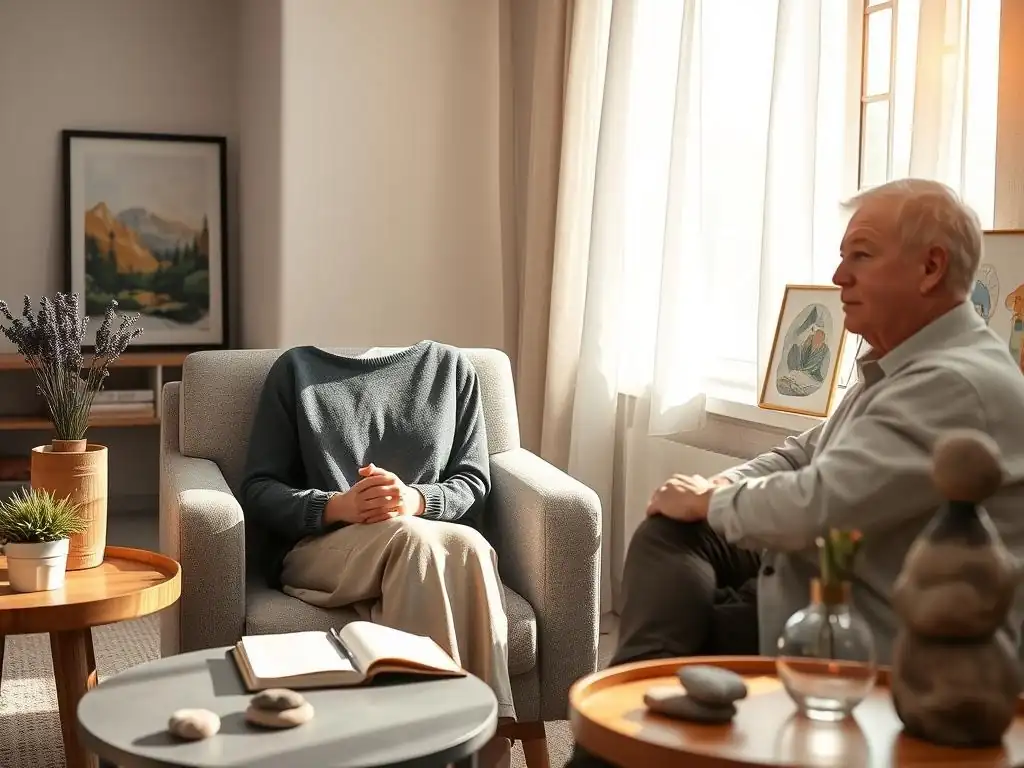
Welcome to Mind Care Guide, your safe space for nurturing mental well-being.
Feeling overwhelmed by anxiety? You're not alone. We understand the weight it carries, and that's why we've created a comprehensive resource to help you navigate these challenging moments. Discover practical and effective coping mechanisms for anxiety relief that can empower you to reclaim control and find moments of peace. Ready to explore therapy's toolkit and begin your journey towards calmer days?
- Mind Care Guide: Developing Coping Mechanisms for Anxiety Relief - A Therapy Toolkit
- Therapy's Role in Developing Healthy Coping Mechanisms
- Practical Coping Mechanisms for Anxiety Relief: A Toolkit
- Building a Personalized Coping Plan for Anxiety Management
- Maintaining Long-Term Anxiety Relief Through Coping Skills
- Beyond Coping Mechanisms: Additional Resources for Anxiety
-
Frequently Asked Questions
- What are coping mechanisms and why are they important for anxiety relief?
- How does therapy help in developing coping mechanisms for anxiety?
- What are some examples of healthy coping mechanisms that can be learned in therapy?
- How can I determine which coping mechanisms are right for me?
- Are coping mechanisms a permanent solution for anxiety, or are they just a temporary fix?
- Final Reflection: Building Resilience, One Coping Mechanism at a Time
- Unlock Your Inner Resilience: Take Charge of Your Well-being
Mind Care Guide: Developing Coping Mechanisms for Anxiety Relief - A Therapy Toolkit
What are Coping Mechanisms? A Definition
Coping mechanisms are the strategies people use to manage stressful situations, difficult emotions, or problems. They are essentially the mental and behavioral responses we employ when faced with challenges that threaten our emotional or psychological well-being. These mechanisms can range from conscious, deliberate actions, such as talking to a friend or engaging in a hobby, to unconscious, automatic reactions. Their primary purpose is to help individuals navigate challenges, reduce emotional distress, and restore a sense of balance or control in their lives.
The development of coping mechanisms begins early in life and continues throughout adulthood, shaped by personal experiences, learned behaviors, and environmental factors. Effective coping strategies allow individuals to adapt to adversity, build resilience, and maintain mental health. Conversely, relying on ineffective or harmful coping methods can exacerbate problems and lead to further distress. Understanding what constitutes a coping mechanism is the first step in learning how to build a robust set of skills for managing challenges like anxiety.
The Link Between Anxiety and Maladaptive Coping
Anxiety is a natural human response to stress, but when it becomes excessive or persistent, it can significantly impair daily functioning. High levels of anxiety often trigger a reliance on coping strategies, but unfortunately, individuals frequently turn to maladaptive, or unhealthy, coping mechanisms in an attempt to alleviate their distress quickly. These strategies might provide temporary relief but ultimately fail to address the root causes of the anxiety and can even worsen symptoms over time.
For instance, someone experiencing social anxiety might cope by avoiding social situations altogether. While this prevents the immediate discomfort, it reinforces the fear and prevents them from learning that they can handle social interactions. Similarly, individuals might turn to excessive alcohol consumption, substance use, or compulsive behaviors like excessive shopping or gambling as a way to numb anxious feelings.
Studies indicate that a significant percentage of individuals with anxiety disorders report using avoidance and escape behaviors, highlighting the strong link between anxiety and the adoption of counterproductive coping mechanisms. This cycle of anxiety leading to maladaptive coping, which in turn increases anxiety, makes developing healthy coping mechanisms for anxiety relief crucial.
Adaptive vs. Maladaptive Coping Strategies: Recognizing the Difference
Coping strategies are broadly categorized as either adaptive (healthy and constructive) or maladaptive (unhealthy and destructive). Adaptive coping mechanisms help individuals effectively address stressors, manage emotions in a healthy way, and promote long-term well-being. Examples include exercising, practicing mindfulness, seeking social support from trusted friends or family, engaging in creative activities, or employing problem-solving skills to tackle the source of stress. These strategies empower individuals and build resilience.
In contrast, maladaptive coping strategies may offer immediate, albeit fleeting, relief but ultimately cause harm or prevent genuine resolution of the problem. Common examples include avoidance (procrastinating, isolating oneself), substance abuse (alcohol, drugs), excessive emotional eating, self-harm, denial, or aggressive outbursts. Recognizing the difference is paramount for anyone seeking effective coping mechanisms for anxiety relief.
While adaptive strategies help you face and process anxiety in a healthy way, maladaptive ones often involve avoiding or suppressing feelings, which can lead to increased anxiety, depression, and other health problems over time. Identifying which type of strategy you are using is a critical step toward making positive changes.
Therapy's Role in Developing Healthy Coping Mechanisms

How Therapy Can Help with Anxiety Relief
Therapy provides a structured and supportive environment for individuals to understand their anxiety and learn effective coping mechanisms. Therapists are trained to identify the patterns of thinking and behavior that contribute to anxiety and guide clients in developing healthier responses. Unlike simply receiving advice, therapy involves actively practicing new skills and challenging old habits under professional guidance. This process is fundamental for building lasting coping mechanisms for anxiety relief.
A therapist can help you uncover the underlying causes of your anxiety, which might stem from past experiences, current stressors, or thought patterns. By understanding the roots of your anxiety, you can better target your coping strategies. Therapy sessions offer a safe space to experiment with different techniques, discuss what works and what doesn't, and receive personalized feedback. This tailored approach ensures that the coping mechanisms you develop are suited to your specific needs and circumstances, significantly increasing their effectiveness in managing anxiety symptoms.
Identifying Unhealthy Coping Strategies in Therapy Sessions
One of the initial steps in therapy for anxiety is often identifying the coping strategies you currently use, especially those that are not serving you well. Therapists are skilled at recognizing maladaptive patterns, such as chronic avoidance, excessive reassurance-seeking, or reliance on substances. Through guided conversations and sometimes specific assessment tools, a therapist can help you become aware of these habits, many of which may be so ingrained that you don't consciously recognize them as coping mechanisms.
For example, someone with health anxiety might constantly check their body for symptoms or seek frequent medical reassurance, which temporarily eases fear but ultimately fuels the anxiety cycle. A therapist would help this individual identify these checking behaviors as maladaptive coping. Once unhealthy strategies are identified, the therapist works with the client to understand why they are used (often to avoid intense discomfort) and explore alternative, more constructive ways of responding to anxious feelings. This recognition is a powerful catalyst for change, paving the way for the development of effective coping mechanisms for anxiety relief.
Cognitive Behavioral Therapy (CBT) and its Focus on Coping Skills
Cognitive Behavioral Therapy (CBT) is one of the most widely researched and effective therapies for anxiety disorders, largely because of its strong focus on teaching practical coping skills. CBT operates on the principle that our thoughts, feelings, and behaviors are interconnected. By changing negative thought patterns (cognitions) and unhelpful behaviors, individuals can alter their emotional state, including reducing anxiety.
In CBT, clients learn to identify and challenge distorted or irrational thoughts that fuel their anxiety. For instance, someone fearing public speaking might automatically think, "I'm going to mess up and everyone will laugh." A CBT therapist would help them examine the evidence for this thought and develop more balanced perspectives, such as "I might feel nervous, but I've prepared, and most people are understanding."
Alongside cognitive techniques, CBT teaches behavioral coping mechanisms for anxiety relief, such as exposure therapy (gradually facing feared situations) and relaxation techniques. The goal is to equip individuals with a toolkit of skills they can use independently to manage anxiety long after therapy ends.
Acceptance and Commitment Therapy (ACT) for Managing Anxiety Symptoms
Acceptance and Commitment Therapy (ACT) offers a different, yet highly effective, approach to developing coping mechanisms for anxiety relief. Instead of focusing on changing or eliminating anxious thoughts and feelings, ACT emphasizes accepting them as normal, albeit uncomfortable, experiences. The core idea is that struggling against anxiety can often make it worse. ACT encourages individuals to practice psychological flexibility, which involves being present with difficult emotions and thoughts without judgment, and committing to actions aligned with their values.
ACT therapy teaches skills such as mindfulness to increase awareness of thoughts and feelings without getting caught up in them. It also helps individuals clarify their personal values (what truly matters to them) and then commit to behaviors that move them towards a meaningful life, even when anxiety is present. For example, someone with social anxiety might value connection.
Instead of trying to eliminate anxiety before socializing, ACT would help them accept the anxiety and commit to attending social events because it aligns with their value of connection. This approach provides a powerful set of coping mechanisms for anxiety relief by shifting the focus from controlling anxiety to living a rich and meaningful life alongside it.
Practical Coping Mechanisms for Anxiety Relief: A Toolkit
Cognitive Restructuring Techniques for Anxiety
Cognitive restructuring is a core set of coping mechanisms for anxiety relief that focuses on identifying and changing unhelpful thinking patterns. Anxiety is often fueled by distorted or negative thoughts about oneself, others, or the future. These thoughts can feel very real and convincing, leading to intense emotional distress. Cognitive restructuring teaches you how to challenge the validity of these thoughts and replace them with more balanced and realistic ones.
The process typically involves becoming aware of your automatic thoughts in anxious situations, examining the evidence that supports and contradicts these thoughts, and then developing alternative, more helpful interpretations. This isn't about positive thinking; it's about accurate thinking. By learning to question your anxious thoughts, you reduce their power and lessen their impact on your feelings and behavior. This skill is a foundational element in building effective coping mechanisms for anxiety relief.
Challenging Negative Thoughts: A Step-by-Step Guide
Challenging negative thoughts is a practical cognitive coping mechanism for anxiety relief. Here's a common step-by-step approach taught in therapy:
- Identify the thought: When you feel anxious, pinpoint the specific thought or image going through your mind. For example, "I'm going to fail this presentation."
- Identify the emotion: Name the emotion associated with the thought (e.g., anxiety, fear, dread).
- Gather evidence for the thought: What facts support this thought? (e.g., "I made a mistake in a practice run").
- Gather evidence against the thought: What facts contradict this thought? (e.g., "I've practiced many times," "I know the material well," "My colleagues are supportive").
- Identify cognitive distortions: Is the thought an example of all-or-nothing thinking, fortune-telling, or mind-reading? (e.g., "I'm going to fail" is fortune-telling).
- Develop a balanced thought: Based on the evidence, what's a more realistic and balanced perspective? (e.g., "I feel nervous, but I'm prepared, and I can handle it even if it's not perfect").
- Evaluate the outcome: How do you feel when you focus on the balanced thought?
Practicing this process regularly helps weaken the connection between negative thoughts and intense anxiety, making it a powerful coping mechanism for anxiety relief.
Identifying Cognitive Distortions Related to Anxiety
Anxiety often involves specific types of irrational or inaccurate thinking patterns known as cognitive distortions. Recognizing these distortions is a key part of developing effective coping mechanisms for anxiety relief. Some common distortions include:
- All-or-Nothing Thinking: Seeing things in black and white ("If I'm not perfect, I'm a complete failure").
- Overgeneralization: Seeing a single negative event as a never-ending pattern ("I messed up one task, so I'm bad at everything").
- Mental Filter: Dwelling on the negatives and ignoring the positives ("Even though five things went well, the one small mistake proves it was a disaster").
- Discounting the Positive: Rejecting positive experiences ("That compliment doesn't count; they were just being nice").
- Mind Reading: Assuming you know what others are thinking, usually negatively ("They think I'm incompetent").
- Fortune Telling: Predicting the future negatively ("I just know something terrible is going to happen").
- Magnification (Catastrophizing): Exaggerating the importance of negative events ("Making a small error will ruin everything").
- Emotional Reasoning: Assuming your negative emotions reflect reality ("I feel terrified, so I must be in real danger").
- Should Statements: Criticizing yourself or others with "shoulds," "shouldn'ts," "musts," or "oughts" ("I should never feel anxious").
- Labeling: Attaching a negative label to yourself or others ("I'm a loser," "He's a terrible person").
Learning to spot these distortions in your own thinking is a crucial step in cognitive restructuring and helps you build more accurate and less anxiety-provoking thought patterns as part of your coping mechanisms for anxiety relief.
Relaxation Techniques for Immediate Anxiety Relief
Relaxation techniques are essential coping mechanisms for anxiety relief because they directly counter the physiological symptoms of anxiety, such as rapid heart rate, shallow breathing, and muscle tension. Practicing these techniques can activate the body's relaxation response, a state of calm that is the opposite of the fight-or-flight response triggered by anxiety. These methods offer immediate relief and can be used in the moment when anxiety spikes.
Regular practice of relaxation techniques also builds resilience over time, making you less susceptible to intense anxiety reactions. Incorporating these practices into a daily routine, even when not feeling anxious, can lower overall stress levels and improve your ability to manage anxious feelings when they arise. They are simple, accessible tools that can be used almost anywhere, making them invaluable additions to your toolkit of coping mechanisms for anxiety relief.
Deep Breathing Exercises for Calming Anxiety
Deep breathing is one of the simplest yet most powerful coping mechanisms for anxiety relief. When you're anxious, your breathing tends to become shallow and rapid, which can actually increase physiological arousal and worsen anxiety. Deep, slow breathing signals to your nervous system that you are safe, helping to calm the fight-or-flight response.
A common technique is diaphragmatic or belly breathing. Find a comfortable position, sitting or lying down. Place one hand on your chest and the other on your belly just below your rib cage. Inhale slowly through your nose, feeling your belly rise more than your chest. Count to four as you inhale.
Hold your breath for a moment, perhaps counting to two. Exhale slowly through pursed lips, counting to six or higher, feeling your belly fall. Repeat this process for several minutes, focusing on the sensation of your breath. Practicing deep breathing for just a few minutes can help lower heart rate and blood pressure, providing immediate relief and serving as a reliable coping mechanism for anxiety relief.
Progressive Muscle Relaxation (PMR) for Stress Reduction
Progressive Muscle Relaxation (PMR) is a technique that involves tensing and then releasing different muscle groups in the body. This process helps you become more aware of where you hold tension and teaches you how to release it, providing a powerful physical coping mechanism for anxiety relief and overall stress reduction. Anxiety often manifests physically as muscle tightness, particularly in the neck, shoulders, and jaw. PMR helps to release this accumulated tension.
To practice PMR, find a quiet place where you won't be disturbed. Start with one muscle group, for example, your hands. Tense the muscles tightly for about 5-10 seconds, noticing the sensation of tension. Then, quickly release the tension completely, noticing the feeling of relaxation and warmth.
Rest for 10-20 seconds before moving to the next muscle group (e.g., forearms, biceps, shoulders, neck, face, chest, stomach, back, buttocks, thighs, calves, feet). Systematically working through the body helps release physical stress, which in turn can reduce psychological anxiety, making PMR an effective coping mechanism for anxiety relief. Regular practice can enhance your ability to relax quickly when needed.
Mindfulness Meditation for Anxiety Management
Mindfulness meditation is a practice that cultivates present-moment awareness without judgment. It involves paying attention to your thoughts, feelings, bodily sensations, and the surrounding environment as they occur, without trying to change or push them away. For individuals with anxiety, who often worry about the future or ruminate on the past, mindfulness offers a way to anchor themselves in the present moment, where anxiety often has less power. It's a powerful coping mechanism for anxiety relief because it changes your relationship with anxious thoughts and feelings.
Regular mindfulness practice helps you observe anxious thoughts without getting swept away by them. You learn that thoughts are just mental events, not necessarily reflections of reality. This creates space between you and your anxiety, reducing its intensity. Practicing mindfulness can be as simple as focusing on your breath for a few minutes, paying attention to the sensations of eating a meal, or mindfully walking. While it takes practice, integrating mindfulness meditation into your routine builds a capacity to navigate anxious moments with greater calm and acceptance, making it a valuable long-term coping mechanism for anxiety relief.
Behavioral Coping Strategies for Anxiety
Behavioral coping strategies involve taking specific actions to manage anxiety. Unlike cognitive techniques that focus on thoughts or relaxation techniques that focus on physical state, behavioral strategies focus on changing your actions in response to or in anticipation of anxiety-provoking situations. These strategies are often taught in therapies like CBT and are crucial for breaking cycles of avoidance and developing new, healthy habits.
Effective behavioral coping mechanisms for anxiety relief include gradually facing feared situations, engaging in activities that promote well-being, and learning assertiveness skills. By changing how you behave when confronted with anxiety, you can challenge your fears and build confidence in your ability to cope. These actions directly counter the urge to avoid or escape, which is a common maladaptive response to anxiety.
Exposure Therapy: Facing Your Fears Gradually
Exposure therapy is a highly effective behavioral coping mechanism for anxiety relief, particularly for specific phobias, social anxiety, and panic disorder. The principle behind exposure is that avoiding feared situations only reinforces the fear. By gradually and systematically confronting what you fear in a safe and controlled environment, you learn that the feared outcome either doesn't happen or that you can cope with it.
Exposure is typically done in a hierarchical manner, starting with situations that cause minimal anxiety and slowly progressing to more challenging ones. For instance, someone with a fear of spiders might start by looking at a picture of a spider, then stand across the room from a contained spider, then stand closer, perhaps eventually touching the container. This is often done with the guidance of a therapist to ensure safety and effectiveness.
With repeated exposure, the anxiety response naturally decreases through a process called habituation. Exposure therapy is a powerful tool for building resilience and demonstrating to yourself that you can tolerate anxiety and navigate feared situations, making it a cornerstone of behavioral coping mechanisms for anxiety relief.
Activity Scheduling: Reintroducing Pleasurable Activities
Anxiety, especially when it leads to depression or withdrawal, can cause individuals to stop engaging in activities they once enjoyed. This reduction in positive experiences can create a negative cycle, further isolating the individual and worsening mood and anxiety. Activity scheduling is a behavioral coping mechanism for anxiety relief that involves deliberately planning and engaging in activities that are either pleasurable or provide a sense of accomplishment, regardless of how you feel in the moment.
The goal is to break the cycle of inactivity and avoidance by reintroducing positive experiences into your life. This doesn't mean waiting until you feel motivated or less anxious; it means scheduling the activity and doing it anyway. Activities can be simple, like taking a short walk, calling a friend, listening to music, or working on a hobby.
By scheduling and completing these activities, you create opportunities for positive reinforcement, reduce isolation, and demonstrate to yourself that you can still function and experience pleasure despite feeling anxious. It's an active way to combat the withdrawal that anxiety can cause and build a more fulfilling life.
Problem-Solving Strategies for Anxiety Triggers
Sometimes anxiety is triggered by identifiable problems in your life, such as financial difficulties, relationship conflicts, or work stress. While relaxation and cognitive techniques help manage the emotional response, problem-solving skills are crucial coping mechanisms for anxiety relief when the anxiety stems from concrete issues that can be addressed. Learning to effectively tackle these problems can reduce the frequency and intensity of anxiety.
Problem-solving isn't just about finding a quick fix; it's a systematic process that helps you break down overwhelming issues into manageable steps. By approaching problems methodically, you regain a sense of control and reduce the feeling of being helpless in the face of challenges. This structured approach helps replace anxious rumination with constructive action, making it a vital part of your toolkit for coping mechanisms for anxiety relief.
Identifying the Root Cause of Anxiety
The first step in using problem-solving as a coping mechanism for anxiety relief is accurately identifying the root cause or specific trigger of your anxiety. Sometimes the source is obvious, like an upcoming exam or a difficult conversation you need to have. Other times, anxiety can feel generalized, making the cause harder to pinpoint. Therapy can be very helpful in this identification process.
Techniques like journaling, tracking your anxiety (noting when it occurs and what was happening), or discussing recent stressors with a therapist can help uncover patterns and specific triggers. For example, you might realize your anxiety consistently spikes before team meetings, suggesting a problem related to public speaking or social interaction at work. Or you might notice anxiety is highest when you think about your credit card debt. Clearly defining the problem allows you to focus your energy on finding solutions rather than feeling overwhelmed by vague worry.
Brainstorming Potential Solutions
Once the problem triggering your anxiety is identified, the next step in this coping mechanism for anxiety relief is to brainstorm a wide range of potential solutions. The goal here is to generate as many ideas as possible without immediate judgment or evaluation. Sometimes, the most obvious solution isn't the best, or a combination of ideas might be necessary.
For a financial anxiety trigger like credit card debt, brainstorming might include ideas like: creating a budget, cutting expenses, seeking a higher-paying job, getting a second job, consolidating debt, talking to a financial advisor, asking family for help, or exploring debt management programs. Write down every idea that comes to mind, no matter how impractical it might seem initially. This creative phase helps you see that there are options and that you are not trapped by the problem, which can itself reduce anxiety.
Evaluating and Implementing Solutions
After brainstorming, the final steps in using problem-solving as a coping mechanism for anxiety relief involve evaluating the potential solutions and implementing the chosen one(s). Review the list of brainstormed ideas and consider the pros and cons of each. Ask yourself: Which solution is most realistic? Which is most likely to solve the problem? Which is most manageable given my resources and current situation? You might rank solutions or combine elements of several.
Once you've selected the best solution or combination of solutions, break down the implementation into small, actionable steps. For the credit card debt example, if you choose to create a budget and seek a financial advisor, your steps might include: (1) Gather all financial statements, (2) Research budgeting apps, (3) Spend 30 minutes creating a draft budget, (4) Research local financial advisors, (5) Schedule an appointment with an advisor. Taking concrete steps towards resolving the problem reduces the feeling of being overwhelmed and provides a sense of agency, directly addressing the anxiety triggered by the issue.
Building a Personalized Coping Plan for Anxiety Management

Assessing Your Anxiety Triggers and Symptoms
Building a personalized set of coping mechanisms for anxiety relief begins with a thorough assessment of your unique experience with anxiety. This involves understanding what specific situations, thoughts, or feelings tend to trigger your anxiety and how anxiety manifests for you personally. Anxiety symptoms vary widely from person to person; they can be physical (racing heart, sweating, muscle tension), cognitive (worry, negative thoughts, difficulty concentrating), emotional (fear, irritability), or behavioral (avoidance, restlessness).
Keeping an anxiety journal can be incredibly helpful in this phase. For a week or two, note down when you feel anxious, what was happening before and during the anxiety, what thoughts went through your mind, and how your body felt. This process helps identify patterns and specific triggers that you might not have been consciously aware of, such as certain social interactions, specific work tasks, or particular times of day. Understanding your personal anxiety profile is the foundation upon which you build effective coping mechanisms for anxiety relief.
Choosing Coping Mechanisms That Work for You
With an understanding of your triggers and symptoms, the next step is to select coping mechanisms for anxiety relief that are most likely to be effective for you. Not every technique works for everyone, and what helps in one situation might not be suitable for another. Consider the range of strategies available – cognitive, relaxation, behavioral, and problem-solving – and think about which ones align best with your personality, lifestyle, and the specific nature of your anxiety.
For example, if your anxiety involves a lot of catastrophic thinking, cognitive restructuring might be a primary focus. If you experience intense physical symptoms, deep breathing or progressive muscle relaxation could be particularly helpful. If avoidance is a major issue, behavioral strategies like exposure or activity scheduling are key. It's often beneficial to choose a few different types of coping mechanisms for anxiety relief to create a diverse toolkit you can draw from depending on the situation. Experimentation is key; try different techniques and see how they feel and how effective they are in reducing your anxiety.
Creating a Daily Routine That Supports Mental Wellbeing
Integrating coping mechanisms for anxiety relief into a daily routine is crucial for consistent anxiety management, not just during acute anxious moments. A structured daily routine can provide stability and predictability, which can be inherently calming for someone prone to anxiety. It also ensures that you regularly practice your coping skills, building them into habits rather than just techniques you use in a crisis.
Consider incorporating activities known to support mental well-being into your daily schedule. This might include a set time for exercise (even a short walk), a few minutes for mindfulness or deep breathing, scheduling social interactions, dedicating time to hobbies, ensuring regular meals, and prioritizing sufficient sleep (aiming for 7-9 hours for most adults). A routine also helps manage time effectively, reducing anxiety caused by feeling overwhelmed or rushed. By building structure and positive habits, your daily routine becomes a proactive coping mechanism for anxiety relief, helping to prevent anxiety spikes before they occur.
Tracking Your Progress and Making Adjustments
Developing effective coping mechanisms for anxiety relief is an ongoing process that requires monitoring and flexibility. It's helpful to track how often you use your chosen coping strategies and how effective they are in reducing your anxiety in different situations. This tracking can be done through journaling, using a simple log, or even a dedicated app. Note down when you felt anxious, which coping mechanism you used, and how much it helped on a scale (e.g., 1 to 10).
Regularly reviewing your progress allows you to identify which techniques are most beneficial for you and in which circumstances. It also helps you spot if a strategy isn't working or if you're relying too heavily on one type of coping. Based on your tracking, be prepared to make adjustments to your personalized coping plan.
You might decide to swap out a less effective technique for a new one, increase the frequency of a particularly helpful strategy, or focus on developing skills in an area where your current toolkit is weak. This iterative process ensures your coping mechanisms for anxiety relief remain relevant and effective over time.
Maintaining Long-Term Anxiety Relief Through Coping Skills
The Importance of Consistency in Using Coping Mechanisms
Consistency is paramount when it comes to maintaining long-term anxiety relief through coping skills. Just like building physical muscle requires regular exercise, strengthening your ability to manage anxiety requires consistent practice of your coping mechanisms. Using these techniques only when you're in the throes of intense anxiety is less effective than incorporating them into your daily life as preventative and management tools.
Regular practice, even when you're not feeling particularly anxious, helps to automate the skills so they are more readily available when you need them most. For example, practicing deep breathing daily makes it easier to use effectively during a panic attack. Consistently challenging negative thoughts helps to gradually rewire your brain's default thinking patterns. Think of it as building a mental health reserve. The more you practice your coping mechanisms for anxiety relief, the stronger your resilience becomes, and the better equipped you are to navigate future stressors and anxious moments.
Preventing Relapse: Recognizing Early Warning Signs
Anxiety is a chronic condition for many people, and even with effective coping mechanisms, there may be periods where symptoms return or intensify. Preventing relapse involves recognizing the early warning signs that your anxiety may be increasing and having a plan in place to address them promptly. Early warning signs are personal and can vary, but common indicators include increased irritability, difficulty sleeping, changes in appetite, increased worry or rumination, avoiding previously managed situations, or a return to maladaptive coping behaviors.
Developing a relapse prevention plan involves identifying your specific warning signs during times of lower anxiety and deciding ahead of time what steps you will take if you notice them. This might include increasing the frequency of your core coping mechanisms for anxiety relief, reaching out to a trusted friend or therapist, temporarily reducing stressors, or scheduling extra time for self-care. Recognizing these signs early and taking deliberate action is much more effective than waiting until anxiety becomes overwhelming.
Seeking Ongoing Support: Therapy and Support Groups
Maintaining long-term anxiety relief is often a journey that benefits from ongoing support. While developing a strong set of coping mechanisms is crucial, connecting with others or continuing professional guidance can provide reinforcement, new perspectives, and accountability. Therapy doesn't always need to be intensive; periodic check-in sessions with a therapist can help you refine your coping strategies, work through new challenges, or address any resurgence of symptoms.
Support groups, whether in-person or online, offer a space to connect with others who understand what you're going through. Sharing experiences, learning from others' coping mechanisms for anxiety relief, and feeling less alone can be incredibly validating and empowering. Ongoing support systems provide a safety net and a community that reinforces the use of healthy coping strategies and helps prevent isolation, which can be a significant barrier to recovery.
Beyond Coping Mechanisms: Additional Resources for Anxiety
While therapy and personal coping skills are central to managing anxiety, a variety of additional resources can complement these efforts and provide extra support. These resources can offer convenient tools, accessible information, and connections to others experiencing similar challenges. Exploring these options can enhance your overall strategy for achieving anxiety relief and maintaining mental well-being.
It's important to remember that these resources are generally supplementary to professional care, especially for moderate to severe anxiety. However, they can be excellent tools for practicing skills learned in therapy, gaining new insights, or finding community. They offer flexible ways to access support and information outside of traditional therapy sessions, adding more layers to your approach to coping mechanisms for anxiety relief.
Anxiety and Panic Disorder Apps
Numerous mobile applications have been developed to assist individuals in managing anxiety and panic disorder. These apps often provide guided meditations, breathing exercises, tools for tracking anxiety levels and triggers, and even interactive exercises based on therapeutic principles like CBT or ACT. Many offer quick, accessible ways to deploy coping mechanisms for anxiety relief on the go.
Some popular apps include features like guided imagery to calm the mind, mindfulness exercises to increase present moment awareness, or cognitive diaries to help identify and challenge negative thoughts. While they are not a substitute for therapy, they can serve as convenient practice tools and provide immediate support during moments of heightened anxiety. Look for apps that are well-reviewed and based on evidence-informed therapeutic approaches.
Online Anxiety Support Communities
Connecting with others who understand the experience of living with anxiety can be incredibly therapeutic. Online support communities offer forums, chat groups, and social media groups where individuals can share their struggles, exchange tips on coping mechanisms for anxiety relief, and offer mutual encouragement. These communities provide a sense of belonging and reduce feelings of isolation.
Participating in an online community allows you to learn from the experiences of others and discover new coping strategies they have found helpful. It also offers a space to practice social interaction in a less intimidating environment for those with social anxiety. While exercising caution and discretion when sharing personal information online is important, finding a supportive community can be a valuable addition to your network of support.
Books and Workbooks on Anxiety Management
A wealth of self-help books and workbooks are available that provide detailed information and practical exercises for managing anxiety. Many are written by therapists and are based on principles from effective therapies like CBT and ACT. These resources can offer in-depth explanations of anxiety, guide you through identifying your triggers and symptoms, and teach you specific coping mechanisms for anxiety relief in a structured format.
Workbooks often include exercises like thought records, anxiety exposure hierarchies, relaxation scripts, and goal-setting templates. They allow you to work through therapeutic concepts at your own pace and build skills independently. For example, a CBT workbook on anxiety might dedicate chapters to understanding anxious thoughts, challenging cognitive distortions, and practicing behavioral experiments. Using these resources can reinforce what you learn in therapy or provide a starting point for developing coping mechanisms before seeking professional help.
Frequently Asked Questions
What are coping mechanisms and why are they important for anxiety relief?
Coping mechanisms are strategies people use to manage stressful situations and regulate emotions, including anxiety. They are important because they provide practical tools for dealing with anxiety symptoms and improving overall well-being.
How does therapy help in developing coping mechanisms for anxiety?
Therapy provides a safe and supportive environment to explore the root causes of anxiety and learn effective coping strategies. Therapists can guide individuals in identifying and practicing healthy coping skills tailored to their specific needs.
What are some examples of healthy coping mechanisms that can be learned in therapy?
Examples include mindfulness techniques, like meditation and deep breathing, cognitive restructuring to challenge negative thoughts, and behavioral activation to engage in enjoyable activities. These are all practical skills that can be learned.
How can I determine which coping mechanisms are right for me?
It's important to experiment with different strategies and observe which ones are most effective in reducing your anxiety. Therapy can help you identify your triggers and develop a personalized coping plan.
Are coping mechanisms a permanent solution for anxiety, or are they just a temporary fix?
Coping mechanisms are not always a permanent cure, but they are valuable tools for managing anxiety symptoms in the short and long term. They can help you build resilience and improve your overall mental well-being, often alongside other treatment options.
Final Reflection: Building Resilience, One Coping Mechanism at a Time
The practical application of effective coping mechanisms is not merely a therapeutic exercise; it's a vital skill for navigating the anxieties of modern life. In an era defined by constant connectivity and unprecedented challenges, the ability to manage stress and cultivate inner peace is more crucial than ever before. This article has explored a range of techniques, from mindfulness practices to cognitive restructuring, demonstrating the power of proactive self-care in mitigating the debilitating effects of anxiety.
The journey towards mastering anxiety isn't a linear one; it's a process of continuous learning and self-discovery. The impact of these coping mechanisms extends far beyond individual well-being; they contribute to a more resilient and empathetic society. As we collectively grapple with the pressures of daily life, the ability to manage our emotional responses becomes a cornerstone of healthy relationships and productive contributions. The mind is everything. What you think you become.
– Buddha. This ancient wisdom underscores the profound influence our thoughts and coping strategies have on shaping our reality.
You now hold a toolkit brimming with potential. Don't just read about these coping mechanisms; embrace them. Experiment with different techniques, find what resonates with you, and commit to consistent practice. Remember, self-compassion is key. There will be setbacks, but each small step towards building your resilience is a victory. Begin today. Start small. And watch your ability to navigate life's anxieties grow stronger with each passing day.
Unlock Your Inner Resilience: Take Charge of Your Well-being
Thanks for taking the time to explore practical coping mechanisms! We hope this article equipped you with valuable tools to navigate life's challenges. Now it's time to put those tools to work.
- Start by identifying one specific stressor in your life and applying a coping mechanism discussed in the article. This could be anything from mindfulness techniques to journaling to setting healthy boundaries. Even a small step can make a big difference.
- Share this article with a friend or family member who might find it helpful. Supporting each other through difficult times is a powerful coping mechanism in itself.
- Consider exploring additional resources on MindCareGuide.org to further enhance your self-care routine. We are continuously adding new articles and resources to help.
Ready to begin building your personalized toolkit for resilience? What's the first small step you'll take today to prioritize your well-being?