
The Role of Playfulness in Trauma Recovery

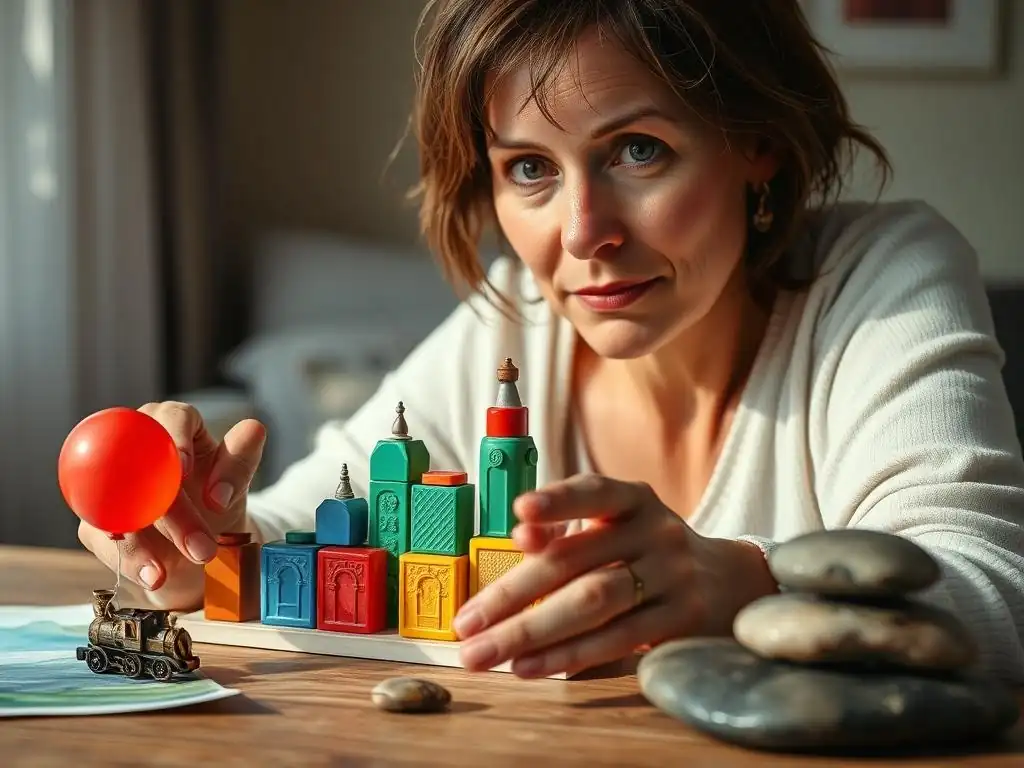
Welcome to Mind Care Guide, a space dedicated to nurturing your mental well-being.
Are you finding it difficult to rediscover joy after experiencing trauma? It's okay; you're not alone. In this article, we delve into how playfulness trauma recovery strategies help unlock inner resilience and pave the way towards healing. Curious to learn how embracing your inner child can be a powerful tool for recovery? Let's explore together.
The Role of Playfulness in Trauma Recovery: A Mind Care Guide
- Introduction: Understanding Playfulness in the Context of Trauma Recovery
- Why Playfulness Helps in Trauma Recovery: Key Benefits
- Types of Playfulness for Trauma Survivors: Practical Examples
-
Integrating Playfulness into Your Trauma Recovery Journey: A Step-by-Step Approach
- Step 1: Creating a Safe and Supportive Environment for Play
- Step 2: Starting Small: Gentle Introduction to Playful Activities
- Step 3: Focusing on Process, Not Perfection: Embracing Imperfection
- Step 4: Paying Attention to Your Body's Signals: Mindful Play
- Step 5: Seeking Professional Guidance: Working with a Trauma-Informed Therapist
- Overcoming Challenges and Resistance to Playfulness
- The Science Behind Playfulness and Trauma Healing: Research and Evidence
- Resources for Incorporating Playfulness into Trauma Recovery
- Conclusion: Embracing Playfulness as a Powerful Tool for Trauma Recovery
-
Frequently Asked Questions
- How can playfulness specifically aid in trauma recovery?
- What are some playfulness trauma recovery strategies help that individuals can use on their own?
- Is playfulness an appropriate approach for all types of trauma?
- How does playfulness differ from traditional therapy methods in trauma recovery?
- Where can I find playfulness trauma recovery strategies help resources or support groups?
- Final Reflection: Rediscovering Joy: Playfulness as a Path to Healing
- Unleash Your Inner Child: Rediscover Joy Through Play
Introduction: Understanding Playfulness in the Context of Trauma Recovery
Defining Playfulness and Its Potential Benefits for Healing
Playfulness, often associated with childhood joy and carefree activity, is a fundamental human trait involving spontaneity, creativity, and a non-serious approach to engaging with the world. In the context of trauma recovery, playfulness is redefined not merely as amusement but as a powerful therapeutic tool. It represents the capacity to engage in activities that are enjoyable, voluntary, and intrinsically motivating, even amidst challenging circumstances. This can range from simple, lighthearted interactions to structured creative or physical activities.
Integrating playfulness into trauma recovery strategies helps survivors access states of mind and body that may have been suppressed by trauma. Research in psychology and neuroscience suggests that engaging in playful activities can activate different neural pathways than those associated with fear and stress responses. This shift can facilitate emotional processing, reduce hypervigilance, and foster a sense of safety and connection, all crucial elements in healing from traumatic experiences. Playfulness, therefore, becomes a pathway to rediscovering self, building resilience, and finding moments of lightness and joy in the recovery journey.
Trauma's Impact: Why Playfulness Is Often Suppressed
Trauma fundamentally alters a person's relationship with safety, control, and their own body. The overwhelming nature of traumatic events can lead to a persistent state of hyperarousal or hypoarousal, making it difficult to access the mental and emotional space required for playfulness. Survival instincts often override the capacity for spontaneous, non-serious engagement, as the brain remains on high alert for potential threats. This can manifest as an inability to relax, difficulty experiencing joy, or a feeling that playful activities are inappropriate or unsafe.
Furthermore, trauma can damage the capacity for trust and connection, which are often inherent in shared playful experiences. Survivors may withdraw socially, feeling isolated or misunderstood, making engaging in activities with others challenging. The weight of trauma can also lead to feelings of shame, guilt, or worthlessness, creating internal barriers to embracing lightheartedness or self-expression. These factors collectively contribute to the suppression of natural playfulness, leaving survivors feeling stuck in a cycle of distress and emotional rigidity. Effective playfulness trauma recovery strategies help gently dismantle these barriers.
Trauma-Informed Perspective on Integrating Playfulness into Therapy
A trauma-informed perspective recognizes that playful interventions must be introduced with sensitivity, respect for the survivor's pace, and a deep understanding of the potential for triggering responses. This approach prioritizes creating a sense of safety and control for the individual. It acknowledges that what might be perceived as "play" by one person could be overwhelming or triggering for another, especially if past experiences involved violation or lack of control. Therefore, integrating playfulness into therapy is not about forcing fun, but about offering gentle invitations to explore enjoyable activities in a secure and supportive environment.
Therapists using a trauma-informed lens will work collaboratively with survivors to identify activities that feel safe and appealing, starting with small, manageable steps. The focus is always on the survivor's experience and comfort level. This might involve exploring non-verbal forms of expression, incorporating sensory elements, or using imaginative play to process emotions symbolically. The goal of these playfulness trauma recovery strategies help is to gradually expand the survivor's window of tolerance for positive emotions, spontaneity, and connection, while always remaining grounded in principles of safety, choice, collaboration, trustworthiness, and empowerment.
Why Playfulness Helps in Trauma Recovery: Key Benefits
Reducing Stress and Anxiety Through Play
Engaging in playful activities provides a natural outlet for stress and anxiety that often accompany trauma. Play activates the body's relaxation response, counteracting the physiological effects of chronic stress, such as elevated cortisol levels and increased heart rate. When individuals engage in activities they find enjoyable and absorbing, their focus shifts away from threat cues and ruminative thoughts. This mental break allows the nervous system to downregulate, promoting a sense of calm and reducing the intensity of anxiety symptoms.
Furthermore, many forms of play, particularly physical or creative ones, offer a healthy way to discharge pent-up energy and tension stored in the body due to trauma. Consider the simple act of rhythmic movement in dance or the focused energy expended in a game; these actions can help release somatic tension. Research suggests that incorporating playful elements into therapeutic interventions can lead to noticeable reductions in self-reported stress levels and physiological markers of anxiety, contributing significantly to overall well-being in trauma recovery.
Fostering Emotional Regulation and Resilience
Playfulness provides a safe space to explore and express emotions that may feel overwhelming or forbidden after trauma. Through symbolic play, creative arts, or even board games, individuals can externalize difficult feelings, practice navigating emotional challenges in a low-stakes environment, and develop greater tolerance for emotional intensity. This process helps build emotional literacy and the capacity to manage strong feelings without becoming overwhelmed or resorting to maladaptive coping mechanisms.
Moreover, play inherently involves elements of challenge, problem-solving, and adaptation, which are crucial for building resilience. Navigating the rules of a game, experimenting with different artistic techniques, or overcoming minor obstacles in a playful activity helps survivors develop a sense of competence and agency. Each successful engagement, no matter how small, reinforces the belief in one's ability to cope and adapt, strengthening resilience in the face of ongoing recovery challenges. Playfulness trauma recovery strategies help cultivate this internal strength.
Trauma often leads to social isolation and difficulty trusting others. Shared playful experiences can provide a gentle, non-threatening way to reconnect with others and rebuild trust. When engaging in play together, the focus is on shared activity and positive interaction rather than direct discussion of trauma, which can reduce pressure and anxiety. Laughter, lighthearted communication, and collaborative play create positive social bonds and reinforce the idea that relationships can be sources of safety and joy.
Participating in group playful activities, whether a recreational sports team, a community art class, or simply playing games with supportive friends, helps counter feelings of loneliness and alienation. These interactions offer opportunities to practice social skills, receive positive feedback, and experience belonging. Over time, these positive social connections built through shared play can help heal the relational wounds left by trauma and foster a sense of community and support crucial for long-term healing.
Promoting Self-Discovery and Creative Expression
Playfulness encourages exploration and experimentation, leading to greater self-discovery. Through engaging in various playful activities, survivors can uncover hidden talents, interests, and aspects of their personality that may have been suppressed or forgotten due to trauma. Creative play, in particular, offers a powerful avenue for expressing experiences and emotions that are difficult to articulate verbally. Art, music, dance, and drama provide symbolic languages to process trauma narratives and explore inner landscapes.
This process of creative expression is not about creating masterpieces but about giving form to internal states. It allows survivors to externalize their pain, fears, and hopes in a way that feels contained and manageable. This can lead to new insights, a deeper understanding of oneself, and a renewed sense of identity separate from the trauma. Playfulness trauma recovery strategies help unlock this potential for creative self-expression and discovery.
Reclaiming Agency and Control After Trauma
Trauma often involves a profound loss of control and agency. Playfulness, by its very nature, is voluntary and self-directed. Choosing what to play, how to play, and with whom to play are acts of asserting control and making choices in a safe environment. This stands in stark contrast to the powerlessness experienced during trauma and can be incredibly empowering for survivors. Engaging in playful activities allows individuals to practice making decisions about their own engagement and experience.
Furthermore, mastering skills within a playful context, whether learning a new game or developing an artistic technique, reinforces a sense of competence and capability. This rebuilding of confidence in one's ability to act and influence outcomes is vital for reclaiming agency. Play provides opportunities to experience success and mastery on one's own terms, helping to counteract the helplessness and passivity that can linger after trauma.
Types of Playfulness for Trauma Survivors: Practical Examples

Creative Arts Therapies: Painting, Music, and Drama
Creative arts therapies are highly effective playfulness trauma recovery strategies help survivors express non-verbally. Painting, drawing, or sculpting allows individuals to externalize emotions and experiences through color, form, and texture. It provides a contained space to explore difficult feelings without the pressure of finding words, which can be particularly helpful for trauma that predates language development or is difficult to recall explicitly.
Music therapy can involve listening, playing instruments, singing, or songwriting. Rhythm and melody can be deeply regulating for the nervous system, and creating music offers a way to express emotions and narratives through sound. Drama therapy utilizes role-playing, storytelling, and improvisation to explore relationships, process traumatic events symbolically, and practice new ways of interacting with the world in a safe, fictional context. These modalities offer diverse avenues for playful, creative engagement.
Movement-Based Play: Dance, Yoga, and Sports
Movement is a powerful way to process trauma, which is often stored somatically in the body. Activities like dance therapy allow for spontaneous, expressive movement that can help release physical tension and process emotions held in the body. Structured movement practices like trauma-informed yoga focus on gentle movement, breathwork, and mindfulness to help survivors reconnect with their bodies in a safe, grounded way, counteracting dissociation and hypervigilance.
Participating in recreational sports or physical games can also be beneficial. Team sports foster social connection and cooperation, while individual activities like running or swimming provide a rhythmic, regulating form of movement. These activities help survivors reclaim their bodies, build a sense of physical competence, and experience the joy of movement, which can be a vital part of playfulness trauma recovery strategies help restore a sense of vitality and presence.
Nature-Based Play: Connecting with the Outdoors
Spending time in nature offers unique opportunities for playful engagement and healing. Activities like hiking, gardening, exploring natural spaces, or simply observing wildlife can be deeply calming and regulating. Nature provides a sense of perspective and connection to something larger than oneself, which can be grounding for trauma survivors. Engaging playfully with the natural world, such as building a fort, skipping stones, or identifying plants, fosters a sense of wonder and curiosity.
Ecotherapy and nature-based interventions are increasingly recognized for their therapeutic benefits, including reducing stress, improving mood, and increasing feelings of peace and connection. The sensory experiences of nature – the feel of soil, the sound of wind, the sight of greenery – can be soothing and help anchor survivors in the present moment. Incorporating nature into playfulness trauma recovery strategies help individuals find restorative experiences outdoors.
Sensory Play: Exploring Textures, Sounds, and Smells
Trauma can impact sensory processing, leading to hypersensitivity or hyposensitivity. Sensory play involves engaging with different textures, sounds, smells, tastes, and visual stimuli in a mindful and enjoyable way. This can be as simple as playing with sand or water, exploring different fabrics, listening to calming sounds, or engaging with aromatherapy.
Sensory play helps survivors reconnect with their bodies and the present moment through non-threatening sensory input. It can be deeply regulating for the nervous system, helping to reduce anxiety and increase feelings of safety. Exploring sensory experiences playfully allows individuals to discover what feels soothing or stimulating in a controlled environment, building body awareness and self-regulation skills crucial for managing trauma responses.
Games and Imaginative Play: Rebuilding Joy and Connection
Engaging in games, whether board games, card games, or simple physical games, offers a structured way to interact with others, practice social skills, and experience lighthearted competition or collaboration. Games provide a contained environment with clear rules, which can feel safe for survivors who experienced chaos or unpredictability. They offer opportunities for laughter, shared moments, and the simple joy of engaging in an activity together.
Imaginative play, often associated with childhood, can be adapted for adults in trauma recovery. This might involve storytelling, creating fictional scenarios, or using miniatures or toys to represent aspects of their experience. Imaginative play allows survivors to process trauma narratives symbolically, explore different outcomes, and practice new roles or behaviors in a safe, fictional space. These forms of playfulness trauma recovery strategies help rebuild the capacity for joy, creativity, and connection.
Integrating Playfulness into Your Trauma Recovery Journey: A Step-by-Step Approach
Step 1: Creating a Safe and Supportive Environment for Play
The foundation for incorporating playfulness into trauma recovery is establishing a sense of safety. This means ensuring you are in a physical space where you feel secure and with people you trust, if engaging with others. For solo play, create a comfortable and private area free from potential triggers or interruptions. Safety also involves emotional safety – giving yourself permission to explore activities without judgment and accepting whatever feelings arise.
If working with a therapist, discuss how to integrate playful elements safely within your sessions or as homework. A trauma-informed therapist can help identify potential challenges and support you in navigating them. Remember that feeling safe is paramount; playfulness cannot flourish if the environment feels threatening or unstable. Prioritizing this foundational step is crucial for any playfulness trauma recovery strategies help you implement.
Step 2: Starting Small: Gentle Introduction to Playful Activities
When reintroducing playfulness, it's important to start small and choose activities that feel low-pressure and accessible. Avoid overwhelming yourself with complex games or activities that require significant skill or social interaction initially if that feels daunting. Think about simple pleasures or activities you enjoyed in the past, even if modified.
This might mean spending a few minutes doodling, listening to a favorite upbeat song, taking a short walk in nature, or simply noticing and appreciating something beautiful or amusing in your environment. The goal is to gently reacquaint yourself with the feeling of lightheartedness and enjoyment, allowing your nervous system to gradually adjust to these positive states. Consistency with small, manageable steps is more effective than attempting too much too soon.
Step 3: Focusing on Process, Not Perfection: Embracing Imperfection
Trauma can sometimes lead to rigid thinking or a fear of making mistakes. When engaging in playful activities, it's vital to shift the focus from achieving a perfect outcome to simply enjoying the process of engagement. There is no right or wrong way to play in recovery; the value lies in the act of playing itself and the feelings it evokes.
If you're painting, the goal isn't to create a masterpiece, but to experience the colors and textures. If you're playing a game, the goal isn't necessarily to win, but to enjoy the interaction and the challenge. Embracing imperfection allows for spontaneity, reduces self-criticism, and makes the activity more enjoyable and less performance-oriented. This mindset is key to unlocking the benefits of playfulness trauma recovery strategies help provide.
Step 4: Paying Attention to Your Body's Signals: Mindful Play
As you engage in playful activities, practice mindfulness by paying attention to your body's signals and your emotional responses. Notice how different activities make you feel physically and emotionally. Does a particular activity feel energizing, calming, or perhaps slightly uncomfortable? Are there any physical sensations that arise?
This mindful awareness helps you identify which types of playfulness are most beneficial for you and when you might need to pause or adjust. If an activity feels triggering or overwhelming, gently step back and choose something different or take a break. Listening to your body is a crucial part of trauma recovery, and integrating this awareness into playful activities reinforces self-attunement and self-care.
Step 5: Seeking Professional Guidance: Working with a Trauma-Informed Therapist
While incorporating playfulness can be a powerful self-help strategy, integrating it within the support of a trauma-informed therapist is highly recommended. A therapist can help you identify appropriate activities, navigate potential challenges or triggers that may arise during play, and process any emotions or insights that surface.
They can also help you understand how play fits into your broader recovery plan and ensure that playful interventions are introduced safely and effectively. A therapist trained in trauma-informed care understands the nuances of working with survivors and can provide tailored guidance. Working with a professional ensures that playfulness trauma recovery strategies help are implemented safely and effectively within a comprehensive treatment approach.
Overcoming Challenges and Resistance to Playfulness

Addressing Feelings of Shame or Vulnerability
One common challenge is the feeling that playfulness is childish, inappropriate, or that one doesn't deserve to experience joy after trauma. Shame can make survivors feel exposed or vulnerable when trying to be lighthearted or spontaneous. It's important to recognize these feelings as common responses to trauma, not as inherent flaws.
Approaching playfulness with self-compassion is key. Remind yourself that play is a fundamental human need and a valid pathway to healing. Start with private activities if public ones feel too exposing. Gradually, as you build confidence and safety, you might explore shared playful experiences. Acknowledging the shame without letting it dictate your actions is a brave step towards reclaiming joy.
Managing Triggers and Emotional Overwhelm
Certain playful activities, situations, or even the feelings evoked by play (like spontaneity or connection) can inadvertently trigger trauma responses. This might manifest as anxiety, dissociation, or a sudden shift in mood. It's crucial to have coping strategies in place before engaging in playful activities.
This includes identifying potential triggers beforehand where possible, having grounding techniques readily available, and knowing when and how to take a break. If a playful activity leads to overwhelm, pause, use your coping skills, and process the experience afterwards, perhaps with a therapist. Learning to navigate triggers within the context of play builds resilience and allows for continued exploration of playfulness trauma recovery strategies help.
Finding the Right Type of Play for Your Needs
Not all types of play will resonate with everyone, and what feels right can change over time. Resistance might stem from trying activities that don't align with your interests, energy levels, or current emotional state. Someone who is feeling highly anxious might not benefit from a competitive game initially but might find solace in quiet, sensory play.
Experimentation is key. Be open to trying different activities and notice how each one makes you feel. Give yourself permission to dislike something and move on to try something new. Finding the types of play that genuinely feel enjoyable and regulating is essential for integrating playfulness effectively into your recovery journey.
Building Self-Compassion and Acceptance
Overcoming resistance to playfulness often requires cultivating self-compassion and acceptance. Trauma survivors may hold harsh judgments about themselves or their healing process. The idea of being playful might conflict with a self-image centered around pain or struggle. Accepting where you are in your recovery, including any difficulty in accessing joy, is a vital first step.
Practice speaking kindly to yourself and acknowledging the strength it takes to even consider incorporating playfulness. Understand that healing is not linear and some days will be harder than others. Celebrating small moments of lightness or spontaneity, without judgment, reinforces the positive aspects of your journey. Self-compassion allows you to approach playfulness with kindness and patience, making it a more accessible and sustainable part of your life.
The Science Behind Playfulness and Trauma Healing: Research and Evidence
Neurobiological Mechanisms: How Play Affects the Brain
Research in neuroscience highlights how play activates specific areas of the brain involved in pleasure, reward, social connection, and executive function. Play stimulates the release of neurotransmitters like dopamine and endorphins, which are associated with positive mood, motivation, and pain relief. This neurochemical response can help counterbalance the chronic stress responses often seen in trauma survivors, which involve elevated levels of cortisol and adrenaline.
Furthermore, engaging in novel or creative play activities can promote neuroplasticity – the brain's ability to form new neural connections. This is particularly important in trauma recovery, as it allows the brain to reorganize and build new pathways not dominated by fear responses. Activities like imaginative play or improvisation activate the prefrontal cortex, which is involved in planning, decision-making, and emotional regulation, helping to strengthen these crucial capacities impaired by trauma. Studies using fMRI scans often show increased activity in these beneficial brain regions during playful engagement.
Studies on the Effectiveness of Play Therapy for Trauma
Play therapy, particularly non-directive or child-centered approaches, has a significant body of research supporting its effectiveness in treating trauma, especially in children, though principles are adapted for adults. Studies consistently show that play therapy can lead to reductions in trauma-related symptoms such as anxiety, depression, behavioral problems, and hyperarousal. Meta-analyses of play therapy outcomes often report effect sizes indicating moderate to large improvements in symptoms across various studies.
For instance, research on children exposed to natural disasters or abuse has demonstrated that incorporating play into therapeutic interventions helps them process their experiences, express emotions they cannot articulate verbally, and regain a sense of control. While direct research on "adult playfulness" in the same vein is developing, principles from play therapy and the neurobiological effects of play underpin the rationale for integrating playful elements into adult trauma recovery strategies.
The evidence base, while more established for younger populations, supports the general principle that playfulness trauma recovery strategies help facilitate healing across the lifespan by accessing core human capacities for repair and growth.
The Importance of Regulation and Safety in Play-Based Interventions
The effectiveness of playfulness in trauma recovery is heavily dependent on the presence of safety and regulation. Without a secure environment and the ability to manage physiological and emotional states, playful activities can inadvertently become dysregulating or triggering. Trauma-informed approaches emphasize that the therapist or facilitator must prioritize creating a predictable, safe, and controlled space.
Research on interventions for trauma consistently shows that techniques focused on regulation, such as grounding, breathwork, and titrated exposure, are essential components. When play is introduced, it must be done mindfully, ensuring the survivor remains within their window of tolerance. The play itself can become a tool for regulation, as activities like rhythmic movement or sensory engagement can be calming. Thus, the science supports that playfulness trauma recovery strategies help when embedded within a framework that prioritizes physiological and psychological safety above all else.
Resources for Incorporating Playfulness into Trauma Recovery
Books on Trauma-Informed Play Therapy
Several valuable books offer insights into the principles and practices of trauma-informed play, applicable both for therapists and individuals seeking to understand the approach. Titles like "Trauma Through a Child's Eyes" or "The Body Keeps the Score" discuss the impact of trauma and the role of non-verbal and somatic approaches, including elements of play and creative expression. More specific texts on play therapy, though often focused on children, provide foundational knowledge about using play as a therapeutic modality.
These resources can offer theoretical background, practical techniques, and case examples that illustrate how play can be used safely and effectively to process difficult experiences and foster resilience. While some content may be clinically oriented, many books offer accessible explanations of how playful engagement supports healing, validating the use of playfulness trauma recovery strategies help individuals navigate their recovery.
Online Resources for Creative Expression
The internet offers a wealth of resources for exploring creative expression, a key component of playfulness. Websites and platforms dedicated to art tutorials, creative writing prompts, music lessons, or dance classes provide accessible ways to engage in playful, expressive activities from home. Many artists and therapists share exercises and ideas specifically designed for emotional processing or stress reduction.
Look for resources that emphasize process over product and encourage exploration rather than technical mastery. Online communities centered around creative hobbies can also offer a sense of connection and shared experience, provided they maintain a supportive and non-judgmental atmosphere. These digital spaces make it easier to discover and engage with various forms of creative play.
Organizations Supporting Trauma Survivors
Numerous organizations are dedicated to supporting trauma survivors and offer programs that may incorporate elements of playfulness, creative arts, or recreational activities as part of a holistic recovery approach. These might include local community centers, non-profits focused on specific types of trauma (e.g., domestic violence, combat trauma), or national mental health associations.
These organizations often provide group therapy, support groups, workshops, or access to resources like art supplies or recreational facilities. While not always explicitly labeled "play therapy," activities offered, such as therapeutic gardening, expressive arts groups, or mindfulness-based movement classes, embody the principles of playfulness in promoting healing, connection, and well-being. Seeking out such organizations can provide access to structured opportunities to integrate playfulness trauma recovery strategies help into your healing journey.
Conclusion: Embracing Playfulness as a Powerful Tool for Trauma Recovery
Reaffirming the Importance of Self-Care and Joy
The journey of trauma recovery is challenging, requiring immense courage and dedication. Amidst therapeutic work and processing difficult emotions, it is crucial to remember the importance of self-care and intentionally cultivating moments of joy. Playfulness is not a frivolous addition to recovery; it is a vital component of holistic healing, a form of self-care that nourishes the spirit and counteracts the weight of trauma.
Embracing playfulness means giving yourself permission to experience lightness, spontaneity, and pleasure, even when it feels difficult or unfamiliar. It is an act of reclaiming lost parts of yourself and affirming your capacity for well-being. Prioritizing moments of playful engagement is a powerful way to support your nervous system, build resilience, and remind yourself that healing is not just about processing pain but also about rediscovering joy.
Encouraging Continued Exploration and Experimentation with Play
Integrating playfulness into trauma recovery is an ongoing process of exploration and discovery. What resonates with you today might change tomorrow, and different activities will serve different needs. Be curious and open to trying new things, whether it's revisiting a childhood hobby, experimenting with a new art form, or simply finding moments for lighthearted interaction.
There is no one-size-fits-all approach to playfulness trauma recovery strategies help. Continue to listen to your intuition, pay attention to how different activities make you feel, and adjust your approach as needed. Allow yourself the freedom to experiment without pressure or judgment. This ongoing exploration keeps the process dynamic and ensures that play remains a source of genuine enjoyment and support.
The Long-Term Benefits of Playfulness for Mental Well-being
Beyond specific trauma symptom reduction, incorporating playfulness into life fosters long-term mental well-being. A playful mindset cultivates flexibility, creativity, and adaptability – qualities that enhance coping skills and resilience in the face of future challenges. It strengthens social connections, provides healthy outlets for stress, and nurtures a sense of wonder and curiosity about the world.
Playfulness helps rebuild a positive relationship with oneself and the capacity to experience positive emotions, which are essential for a fulfilling life post-trauma. It is a sustainable resource for maintaining emotional balance and joy. By embracing playfulness trauma recovery strategies help not only to heal from the past but also to build a brighter, more resilient future, characterized by increased vitality, connection, and well-being.
Frequently Asked Questions
How can playfulness specifically aid in trauma recovery?
Playfulness can provide a safe space for emotional release, rebuilding trust, and fostering a sense of control and empowerment after experiencing trauma.
What are some playfulness trauma recovery strategies help that individuals can use on their own?
Strategies include engaging in hobbies you enjoy, spending time in nature, using creative expression like painting or writing, and practicing mindfulness through playful activities, such as building with blocks.
Is playfulness an appropriate approach for all types of trauma?
While playfulness can be beneficial, it's crucial to consider individual needs and trauma type. It's best used under the guidance of a qualified mental health professional as part of a comprehensive treatment plan.
How does playfulness differ from traditional therapy methods in trauma recovery?
Unlike traditional therapy, playfulness focuses on experiential learning and emotional regulation through engagement, rather than solely relying on verbal processing. It complements cognitive-based therapies.
Where can I find playfulness trauma recovery strategies help resources or support groups?
Mind Care Guide offers resources, and you can also search for therapists specializing in play therapy or trauma-informed care. Consider joining support groups that focus on creative expression and healing.
Final Reflection: Rediscovering Joy: Playfulness as a Path to Healing
The power of playfulness in trauma recovery is not merely a therapeutic technique; it's a fundamental human need, a vital pathway to reclaiming joy and rebuilding resilience in the face of adversity. The research presented clearly demonstrates that incorporating playful activities into recovery journeys can significantly reduce symptoms of PTSD, anxiety, and depression, fostering a sense of agency and self-compassion often lost in the wake of trauma. This isn't about childish games; it's about reconnecting with the innate human capacity for joy and using it as a powerful tool for healing.
The ongoing influence of trauma on individuals and communities is profound, shaping not only personal experiences but also the broader social landscape. The stigma surrounding mental health, particularly trauma, often prevents individuals from seeking help and embracing strategies like playfulness that could significantly improve their well-being. Play is often talked about as if it were a relief from serious learning. But for children play is serious learning. Play is really the work of childhood.
- Fred Rogers. This quote highlights the crucial role play holds in development and healing, reminding us that engaging in playful activities is not frivolous, but essential for emotional growth and recovery.
You, the reader, are now equipped with a deeper understanding of the transformative potential of playfulness in your own journey or in supporting others. Consider how you can integrate playful activities – whether it's through creative expression, mindful movement, or simply embracing moments of lightheartedness – into your life or the lives of those you care for.
Embrace the joy, rediscover your inner child, and allow the healing power of playfulness to guide you towards a brighter, more resilient future. The journey to healing is unique to each individual, but the power of playfulness remains a constant, offering a pathway towards wholeness and peace.
Unleash Your Inner Child: Rediscover Joy Through Play
Thanks for taking the time to explore the powerful role of play in trauma recovery! We hope you found valuable insights into healing and self-discovery. Now, let's turn those insights into action:
- Prioritize playful activities: Schedule 15 minutes each day for something fun—whether it's coloring, dancing, playing with a pet, or engaging in a hobby you enjoy. This is your key to unlocking inner peace.
- Share your experience: Tell us about your favorite playful activity and how it makes you feel in the comments below! Let's build a supportive community together.
- Explore creative outlets: Consider trying a new creative activity like painting, pottery, or writing. Allow yourself to express your emotions freely.
Ready to embrace the joy of play and embark on your healing journey? What small, playful act will you commit to today?