
More Than Just Nerves: Understanding the Physical Toll of Senior Anxiety

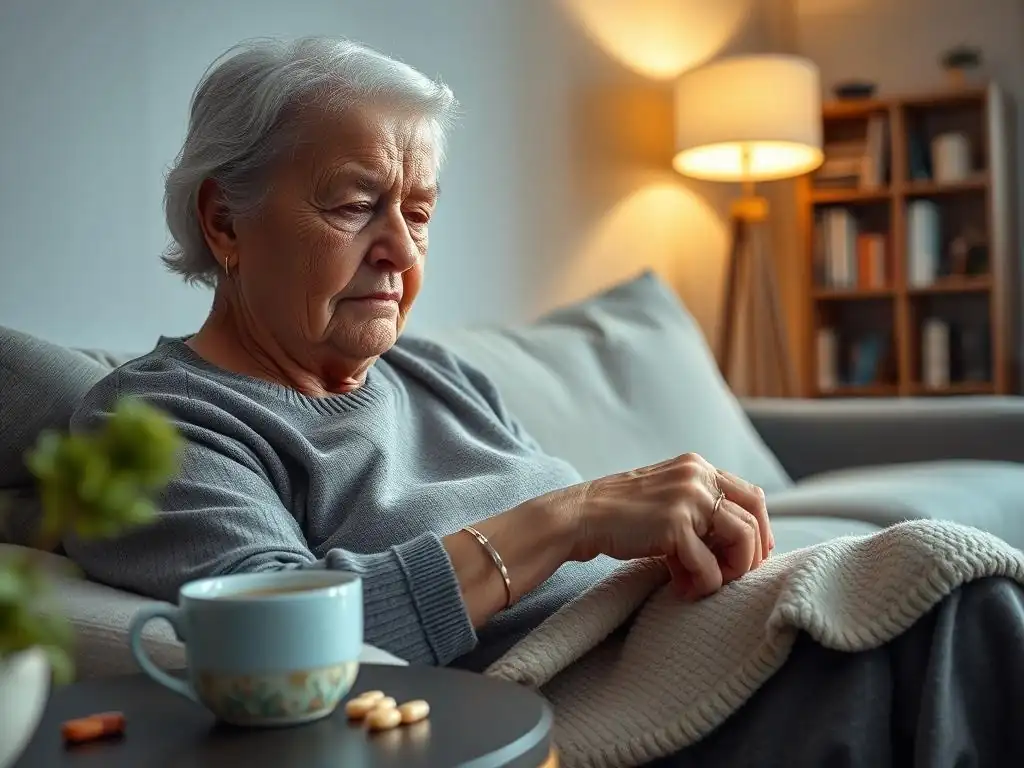
Welcome to Mind Care Guide, a place dedicated to nurturing your mental well-being.
Feeling uneasy, restless, and maybe even physically unwell? It's more common than you think, especially as we age. This isn't just "nerves." Senior anxiety can manifest in surprising ways, impacting your body as much as your mind. Dive into our comprehensive guide to understand the often-overlooked physical symptoms of senior anxiety and discover practical strategies for relief. What if addressing these physical manifestations could unlock a new path to peace and comfort? Let's explore together.
More Than Just Nerves: Understanding the Physical Toll of Senior Anxiety
- Introduction: Recognizing the Physical Manifestations of Anxiety in Seniors
-
Senior Anxiety Physical Symptoms: A Detailed Look
- Digestive Issues: Anxiety and the Gut-Brain Connection in Seniors
- Cardiovascular Effects: How Anxiety Impacts Heart Health in Seniors
- Musculoskeletal Problems: Anxiety-Related Muscle Tension and Pain in Older Adults
- Sleep Disturbances: Anxiety's Impact on Sleep Quality in Seniors
- Respiratory Issues: Anxiety and Breathing Difficulties in Older Adults
- The Overlap: Differentiating Anxiety Symptoms from Other Age-Related Ailments
- Addressing the Physical Symptoms of Senior Anxiety: Treatment and Management
- Supporting Seniors with Anxiety: Practical Tips for Caregivers and Family
- Conclusion: Prioritizing Holistic Well-being for Seniors with Anxiety
-
Frequently Asked Questions
- What are some common physical symptoms of anxiety in seniors?
- Why do seniors experience physical symptoms of anxiety differently than younger adults?
- How can I differentiate between age-related physical changes and anxiety-related physical symptoms in a senior?
- Are there any specific lifestyle changes that can help alleviate the physical symptoms of senior anxiety?
- What treatment options are available for seniors experiencing physical symptoms of anxiety?
- Final Reflection: The Unseen Weight of Senior Anxiety
- Unleash Your Inner Calm: Practical Steps to Manage Senior Anxiety
Introduction: Recognizing the Physical Manifestations of Anxiety in Seniors
Anxiety is often perceived purely as a mental or emotional state, characterized by worry, fear, and nervousness. However, for many individuals, particularly older adults, anxiety can manifest profoundly through physical symptoms. These physical signs can be debilitating, often leading seniors to seek medical attention for seemingly unrelated ailments like digestive problems, heart palpitations, or chronic pain, before the underlying anxiety is identified. Understanding these bodily reactions is crucial for accurate diagnosis and effective management, highlighting that senior anxiety physical symptoms are a significant aspect of overall well-being.
Recognizing the physical toll of anxiety in older adults is vital because these symptoms can be easily mistaken for normal signs of aging or other medical conditions prevalent in this demographic. This misidentification can delay appropriate mental health support, allowing both the anxiety and its physical manifestations to worsen. Awareness among seniors, caregivers, and healthcare professionals about the specific ways anxiety can present physically in later life is the first step towards providing holistic and effective care.
Why Senior Anxiety Often Presents Physically
Anxiety triggers the body's 'fight or flight' response, a primitive survival mechanism. While this response is designed for acute physical threats, chronic anxiety keeps the body in a state of heightened alert. In seniors, whose bodies may already be dealing with age-related changes or pre-existing conditions, this constant state of arousal can place significant strain on various physiological systems. The nervous system, endocrine system, and immune system all react to perceived threats, real or imagined, leading to a cascade of physical responses that manifest as tangible symptoms.
Furthermore, older adults may be less likely to express emotional distress openly due to generational attitudes towards mental health or difficulty articulating their feelings. Instead, their anxiety may be somatized, meaning it's experienced and expressed through bodily symptoms. This can lead to a focus solely on physical complaints during medical consultations, obscuring the underlying psychological root. The complexity of managing multiple health issues simultaneously in seniors also means that physical signs of anxiety might be overlooked or attributed to other existing conditions, making the specific senior anxiety physical symptoms harder to pinpoint.
The Importance of Identifying Physical Symptoms of Anxiety in Older Adults
Identifying the physical symptoms associated with anxiety in seniors is paramount for several reasons. Firstly, it allows for a more accurate diagnosis. When physical complaints are recognized as potential manifestations of anxiety, appropriate mental health assessments can be initiated, leading to a diagnosis that addresses the root cause rather than just the symptoms. This integrated approach ensures that treatment plans are comprehensive, targeting both the psychological and physical aspects of the condition.
Secondly, prompt identification can prevent the worsening of both anxiety and its physical consequences. Chronic physical symptoms can significantly impair a senior's quality of life, leading to decreased mobility, social isolation, and further emotional distress. For instance, persistent digestive issues or chronic pain can limit participation in activities, exacerbating feelings of loneliness and depression. Recognizing these as senior anxiety physical symptoms allows for interventions that can break this cycle, improving daily functioning and overall well-being. It also helps differentiate anxiety from other potentially serious medical conditions, ensuring that distinct health problems receive appropriate and timely treatment.
Senior Anxiety Physical Symptoms: A Detailed Look
Digestive Issues: Anxiety and the Gut-Brain Connection in Seniors
The connection between the brain and the gut is profound and bidirectional, mediated by the enteric nervous system and neurotransmitters. Anxiety directly impacts this communication pathway. In seniors, stress hormones released during anxiety, such as cortisol, can disrupt normal digestive processes, affecting gut motility, secretion of digestive enzymes, and nutrient absorption. This can lead to a variety of uncomfortable and often persistent gastrointestinal symptoms, which are common senior anxiety physical symptoms.
Studies suggest that a significant percentage of individuals with anxiety disorders report co-occurring gastrointestinal issues. For older adults, who may already have slower digestive systems or be taking medications that affect gut health, anxiety can amplify these vulnerabilities. The gut-brain axis disruption can manifest as inflammation, increased sensitivity to pain, and altered gut microbiome composition, contributing to a range of digestive complaints that are often difficult to manage without addressing the underlying anxiety.
Irritable Bowel Syndrome (IBS) and Senior Anxiety
Irritable Bowel Syndrome (IBS) is a common gastrointestinal disorder characterized by symptoms like abdominal pain, bloating, gas, diarrhea, and constipation. Research consistently shows a high prevalence of anxiety disorders among individuals with IBS. For seniors, anxiety can trigger or exacerbate IBS symptoms through the heightened sensitivity of the gut and altered gut motility. The stress response associated with anxiety can cause spasms in the intestinal muscles, leading to pain and changes in bowel habits.
Approximately 40% to 60% of people with IBS also meet the criteria for an anxiety disorder. In older adults, this link is particularly relevant as IBS symptoms can significantly impact their daily comfort and activity levels. A senior experiencing anxiety about a doctor's appointment might suddenly develop severe abdominal cramps and diarrhea, demonstrating the direct link between their emotional state and physical symptoms. Managing the senior anxiety physical symptoms related to IBS often requires addressing both the psychological distress and the specific gastrointestinal issues.
Nausea and Loss of Appetite Related to Anxiety in Older Adults
Anxiety can significantly affect appetite and lead to feelings of nausea. The 'fight or flight' response diverts blood flow away from the digestive system and can cause a feeling of queasiness or a 'knot in the stomach'. For seniors, persistent anxiety can lead to chronic nausea, making eating unpleasant and contributing to a significant loss of appetite. This is a common presentation of senior anxiety physical symptoms.
Loss of appetite and reduced food intake in older adults can have serious health consequences, including malnutrition, weight loss, and weakened immune function, potentially worsening existing health conditions. An older person worried about falling might experience constant low-level nausea, making them avoid meals. Over time, this can lead to unintended weight loss. It's estimated that clinical anxiety contributes to appetite changes in a notable portion of older adults, though precise figures vary. Addressing the anxiety is crucial not only for mental well-being but also to restore healthy eating patterns and prevent nutritional deficiencies.
Cardiovascular Effects: How Anxiety Impacts Heart Health in Seniors
The cardiovascular system is highly responsive to stress and anxiety. When a senior experiences anxiety, the body releases adrenaline and cortisol, hormones that prepare the body for action. These hormones cause the heart rate to increase, blood vessels to constrict, and blood pressure to rise. While these are temporary responses in acute situations, chronic anxiety exposes the cardiovascular system to prolonged strain, contributing to significant senior anxiety physical symptoms related to heart health.
Over time, this persistent activation can contribute to the development or worsening of cardiovascular conditions. Research indicates a correlation between chronic anxiety and an increased risk of heart disease, strokes, and other cardiovascular events, particularly in susceptible individuals. For older adults who may already have underlying heart conditions, the added burden of anxiety can be particularly detrimental, highlighting the importance of recognizing these physical signs as potential indicators of anxiety.
Increased Heart Rate and Palpitations due to Anxiety
One of the most immediate physical responses to anxiety is an increase in heart rate. Seniors experiencing anxiety may notice their heart beating faster than usual, sometimes feeling like it's pounding or racing. These sensations are known as palpitations and are common senior anxiety physical symptoms. While often harmless in isolation, they can be frightening and trigger further anxiety, creating a vicious cycle.
Palpitations due to anxiety typically involve a sudden awareness of one's heartbeat. This might feel like skipped beats, fluttering, or a strong throbbing sensation in the chest or neck. A senior worried about a doctor's appointment might experience a sudden onset of rapid heart rate and palpitations. While these symptoms are often benign when linked to anxiety, it's crucial to rule out other potential cardiac causes through medical evaluation, as they can mimic symptoms of serious heart conditions.
High Blood Pressure and the Link to Chronic Anxiety in Seniors
Chronic anxiety is linked to elevated blood pressure. The repeated surges in stress hormones cause blood vessels to constrict and the heart to pump harder, leading to sustained increases in blood pressure over time. This can contribute to the development of hypertension or worsen existing high blood pressure in seniors. This is a significant physical symptom of anxiety that has long-term health implications.
Hypertension is a major risk factor for stroke, heart attack, and kidney disease. While many factors contribute to high blood pressure in older adults, chronic anxiety is recognized as a contributing factor that should not be overlooked. Managing chronic anxiety through therapy, lifestyle changes, and potentially medication can play a role in helping to control blood pressure levels in seniors, alongside standard medical treatments. For example, an older adult constantly anxious about finances might show consistently elevated blood pressure readings, even when managing other risk factors.
Anxiety often manifests as physical tension, particularly in the muscles. When someone is anxious, their muscles tend to tense up as part of the 'fight or flight' preparation. Chronic anxiety leads to chronic muscle tension, which can result in significant discomfort and pain in various parts of the body. This musculoskeletal pain is a frequent but often unrecognized senior anxiety physical symptom.
Persistent muscle tension can affect the neck, shoulders, back, and jaw. For older adults, who may already experience age-related muscle stiffness or joint issues, anxiety-induced tension can exacerbate these problems, leading to increased pain and reduced mobility. This can make simple daily tasks more difficult and contribute to a decline in physical function, further impacting their independence and quality of life.
Chronic Pain and Anxiety: A Vicious Cycle in Seniors
There is a strong bidirectional relationship between chronic pain and anxiety. Existing chronic pain conditions, common in seniors (e.g., arthritis, back pain), can increase anxiety levels due to the constant discomfort and limitations they impose. Conversely, anxiety can worsen the perception and intensity of pain by increasing muscle tension and altering the body's pain processing pathways. This creates a vicious cycle where pain fuels anxiety, and anxiety exacerbates pain, contributing significantly to senior anxiety physical symptoms.
Approximately 60-70% of individuals with chronic pain report significant anxiety. In older adults, managing this interplay is critical. Anxiety can make seniors more sensitive to pain signals, leading them to experience pain more intensely even if the underlying physical cause hasn't changed. For instance, an older adult with osteoarthritis might find their joint pain becomes significantly worse when they are feeling anxious about a family event. Addressing both the pain and the anxiety is essential for effective management.
Headaches and Migraines Triggered by Anxiety
Tension headaches are a very common physical symptom of anxiety, resulting directly from sustained muscle tension, particularly in the neck and scalp. Anxiety can also be a trigger for migraines in individuals prone to them. The stress response associated with anxiety can affect blood vessels in the head and trigger the complex neurological events that lead to migraine attacks.
For seniors, frequent headaches, especially tension headaches, can be a persistent and bothersome manifestation of anxiety. These headaches are often described as a tight band around the head or a dull, aching pain. An older adult constantly worrying about their health might experience daily tension headaches. Managing the underlying anxiety is often key to reducing the frequency and severity of these headaches, which are clear senior anxiety physical symptoms.
Sleep Disturbances: Anxiety's Impact on Sleep Quality in Seniors
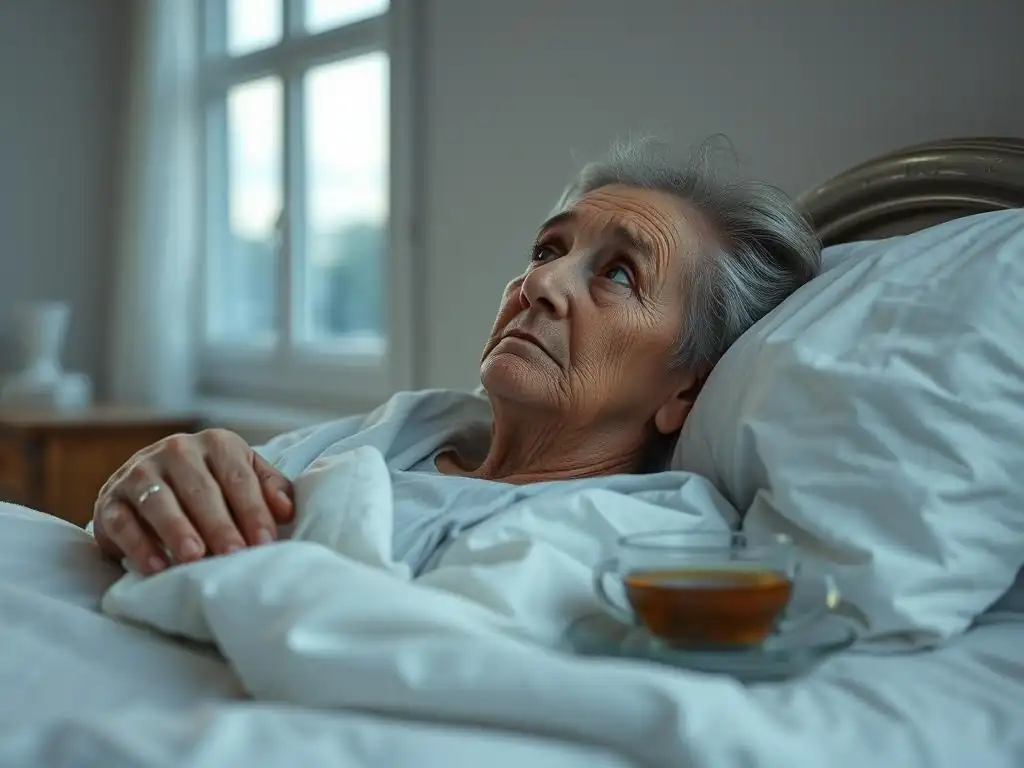
Sleep problems are highly prevalent in seniors, and anxiety is a major contributing factor. Anxious thoughts and worries can make it difficult to fall asleep, stay asleep, or achieve restful sleep. The physiological arousal associated with anxiety – increased heart rate, racing thoughts, muscle tension – is incompatible with the relaxed state needed for sleep. Poor sleep, in turn, can worsen anxiety and other physical symptoms, creating another challenging cycle.
Chronic sleep deprivation due to anxiety can have widespread negative effects on a senior's health, including impaired cognitive function, weakened immune system, increased risk of falls, and worsening of chronic conditions. A significant portion of older adults with anxiety report chronic insomnia or other sleep disturbances. Addressing sleep problems is a critical component of managing senior anxiety physical symptoms.
Insomnia and Difficulty Sleeping Due to Anxious Thoughts
Insomnia, characterized by difficulty falling or staying asleep, is a hallmark physical symptom of anxiety. For seniors, anxious thoughts often become more prominent at night when distractions are minimal. Worries about health, finances, family, or the future can keep the mind racing, making it impossible to relax and drift off to sleep. Waking up during the night with anxious thoughts is also common.
An older adult worried about paying bills might lie awake for hours, replaying financial scenarios in their mind. This difficulty initiating or maintaining sleep is a classic presentation of senior anxiety physical symptoms related to sleep. Chronic insomnia can lead to fatigue, irritability, and difficulty concentrating during the day, further impacting their ability to cope with stressors.
Restless Sleep and Nightmares Associated with Senior Anxiety
Beyond difficulty falling asleep, anxiety can also lead to restless and unrefreshing sleep. Seniors might toss and turn throughout the night due to physical tension or a sense of unease. Anxiety can also increase the frequency and intensity of nightmares, causing distress and disrupting sleep quality. This disturbed sleep pattern contributes significantly to the physical exhaustion experienced by anxious seniors.
Nightmares in older adults with anxiety often reflect their waking worries or fears. An older veteran with anxiety might experience nightmares related to past trauma, while someone anxious about their health might dream about illness. These disturbing dreams can cause them to wake up feeling frightened and agitated, making it difficult to return to sleep and contributing to persistent fatigue as a senior anxiety physical symptom.
Respiratory Issues: Anxiety and Breathing Difficulties in Older Adults
The respiratory system is highly sensitive to anxiety. During periods of heightened anxiety, breathing patterns can change dramatically. The 'fight or flight' response can trigger rapid, shallow breathing (hyperventilation) or a feeling of being unable to take a deep breath. These respiratory changes are common and often frightening senior anxiety physical symptoms.
While hyperventilation during a panic attack is a dramatic example, chronic low-level anxiety can lead to persistent feelings of breathlessness or chest tightness. For seniors, who may have pre-existing respiratory conditions like COPD or asthma, anxiety can exacerbate these issues, making it difficult to distinguish between symptoms of anxiety and symptoms of their lung disease.
Shortness of Breath and Hyperventilation During Anxiety Episodes
Shortness of breath, or dyspnea, is a distressing physical symptom of anxiety. It can range from a feeling of being slightly breathless to the sensation of suffocating. During acute anxiety or panic attacks, hyperventilation can occur – breathing too rapidly and deeply. This leads to a decrease in carbon dioxide levels in the blood, which can cause dizziness, lightheadedness, tingling sensations, and even muscle spasms. These are classic senior anxiety physical symptoms during peak anxiety.
An older adult experiencing anxiety about leaving the house might suddenly feel breathless and start breathing rapidly. While this feels like a physical crisis, it is often a physiological response to the anxiety. Differentiating anxiety-induced shortness of breath from cardiac or respiratory causes is critical and requires medical evaluation.
Chest Tightness and Discomfort Caused by Anxiety
Anxiety can cause muscles in the chest wall to tense up, leading to a feeling of tightness, pressure, or discomfort in the chest. This sensation can be alarming, as it can mimic symptoms of a heart attack. While anxiety-related chest pain is typically described as a constant ache or tightness rather than the crushing pain associated with cardiac events, it is a common and worrying senior anxiety physical symptom.
An older person feeling anxious about a fall might experience a persistent tightness across their chest. This physical sensation can fuel further anxiety, leading to a cycle of fear and discomfort. It is essential for seniors experiencing chest pain to be evaluated by a medical professional to rule out potentially life-threatening cardiac conditions, even if anxiety is suspected as a contributing factor.
One of the key challenges in identifying senior anxiety physical symptoms is the significant overlap with common age-related physical changes and diseases. Symptoms like fatigue, digestive issues, pain, and sleep disturbances are prevalent in older adults due to a variety of medical conditions. This overlap makes it difficult for seniors, caregivers, and even healthcare providers to determine if a physical symptom is a normal part of aging, a sign of a medical illness, or a manifestation of anxiety.
For instance, while anxiety can cause shortness of breath, so can heart failure or COPD. While anxiety can cause digestive upset, so can dietary changes, medications, or conditions like diverticulitis. This complexity underscores the need for a thorough medical evaluation whenever new or worsening physical symptoms appear in a senior, even if anxiety is suspected. A careful differential diagnosis is crucial to ensure that both physical and mental health needs are addressed appropriately.
Differentiating between age-related physical changes and senior anxiety physical symptoms requires careful observation and medical assessment. While aging can lead to decreased energy levels, anxiety-related fatigue is often accompanied by feelings of restlessness or being 'wired but tired'. Similarly, while older adults may experience occasional digestive issues, anxiety-related problems are often exacerbated by stressful situations or persist despite dietary changes.
Key indicators that point towards anxiety as the cause include:
- Symptoms that worsen during periods of stress or worry.
- Physical symptoms that occur alongside psychological symptoms like excessive worry, restlessness, or irritability.
- Symptoms that are not fully explained by other medical conditions after thorough investigation.
- Physical discomfort that seems disproportionate to any identified physical cause.
Tracking when symptoms occur and noting any correlation with stressful events can provide valuable clues. For example, if a senior's stomach problems consistently flare up before family visits they feel anxious about, it strongly suggests an anxiety link.
When to Seek Medical Evaluation: Identifying Potential Underlying Conditions
Any new or significant physical symptom in a senior warrants a medical evaluation to rule out potentially serious underlying medical conditions. While this article focuses on senior anxiety physical symptoms, it is crucial not to assume anxiety is the cause without a proper medical workup. Symptoms like chest pain, severe shortness of breath, sudden or significant changes in bowel habits, or unexplained weight loss should always be investigated by a doctor first.
A healthcare provider can perform necessary tests, such as blood work, imaging scans, or cardiac evaluations, to identify or rule out physical diseases. Once medical causes have been addressed or managed, and if physical symptoms persist or coincide with signs of worry or distress, anxiety should be considered as a primary or contributing factor. This collaborative approach between primary care physicians and mental health professionals is often the most effective way to address the complex interplay of physical and mental health in older adults.
Addressing the Physical Symptoms of Senior Anxiety: Treatment and Management
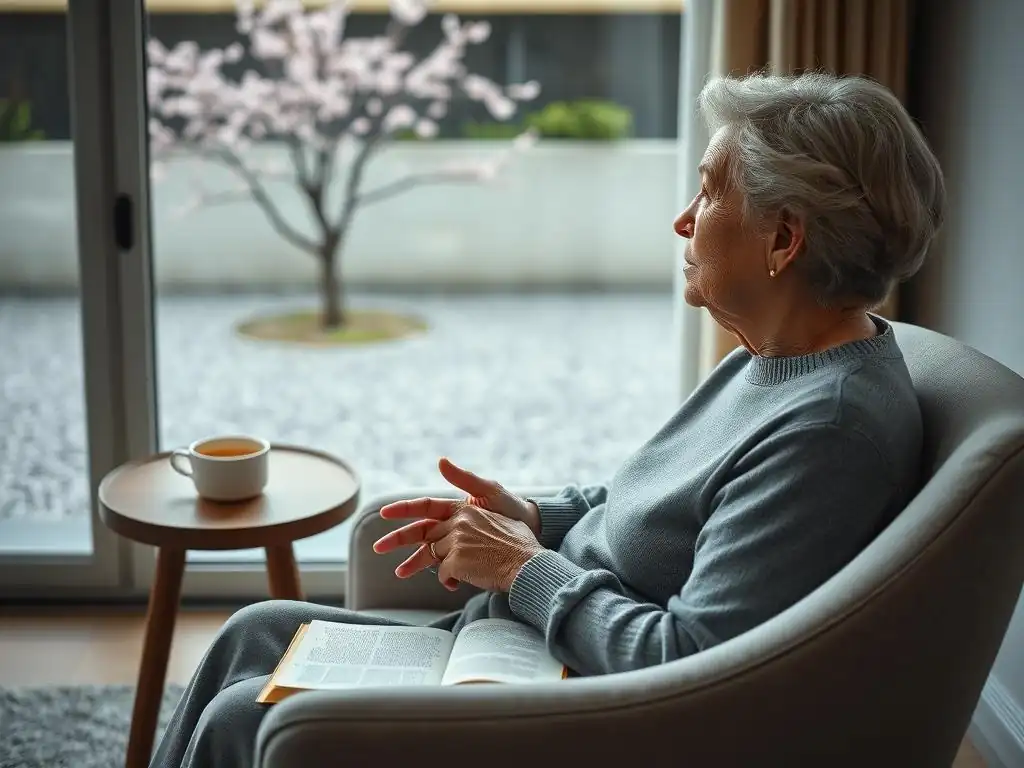
Effectively managing the physical symptoms of senior anxiety requires a multi-faceted approach that addresses both the psychological and physiological aspects of the condition. Treatment plans are often individualized based on the specific symptoms experienced, the severity of the anxiety, and the senior's overall health status. A combination of medical interventions, therapeutic approaches, and lifestyle modifications is typically recommended to alleviate senior anxiety physical symptoms and improve overall well-being.
The goal of treatment is not just to suppress physical symptoms but to reduce the underlying anxiety that causes them. This leads to a more sustainable improvement in physical health and quality of life. Collaboration between the senior, their family, and healthcare providers is essential to develop a comprehensive and effective management strategy.
In some cases, medications may be prescribed to help manage severe anxiety or specific senior anxiety physical symptoms that are particularly debilitating. These medications can include anti-anxiety medications (anxiolytics), antidepressants (which are often effective for anxiety disorders), or medications targeting specific physical symptoms like beta-blockers for heart palpitations or medications for digestive issues.
It is crucial that medication use in seniors is carefully managed due to potential interactions with other prescriptions and increased sensitivity to side effects. Dosages are often started low and increased gradually. Medications are typically used as part of a broader treatment plan that includes therapy and lifestyle changes, rather than as a standalone solution. For example, a doctor might prescribe a low dose of an antidepressant to help an older adult manage chronic generalized anxiety contributing to their physical distress.
Therapeutic Approaches: Cognitive Behavioral Therapy (CBT) and Anxiety Management for Seniors
Psychotherapy, particularly Cognitive Behavioral Therapy (CBT), is highly effective in treating anxiety disorders in people of all ages, including seniors. CBT helps individuals identify and challenge negative thought patterns that contribute to anxiety and teaches coping strategies to manage anxious feelings and reduce their physical manifestations. This is a cornerstone in addressing senior anxiety physical symptoms.
CBT for seniors can be adapted to address age-specific concerns and cognitive styles. It helps older adults learn to reframe anxious thoughts, practice relaxation techniques (like deep breathing or progressive muscle relaxation), and gradually confront situations they avoid due to anxiety. For example, a senior with social anxiety experiencing physical symptoms like trembling or blushing might work with a therapist on gradual exposure to social situations and cognitive restructuring to challenge fears about judgment. Studies show that CBT can significantly reduce both psychological and physical symptoms of anxiety in older adults.
Lifestyle Modifications: Reducing Physical Symptoms Through Exercise, Diet, and Sleep Hygiene
Lifestyle changes play a significant role in managing anxiety and alleviating senior anxiety physical symptoms. Simple adjustments to daily routines related to physical activity, nutrition, and sleep can have a profound positive impact on both mental and physical health. These modifications empower seniors to take an active role in their own well-being.
Integrating healthy habits can reduce the body's overall stress response, making it less reactive to anxiety triggers. These strategies are often recommended alongside therapy and medication, forming a holistic approach to managing anxiety in later life.
The Role of Exercise in Managing Anxiety and Physical Symptoms
Regular physical activity is a powerful tool for reducing anxiety and its physical effects. Exercise releases endorphins, which have mood-boosting and pain-relieving effects. It also helps reduce muscle tension and improves sleep quality. Even moderate exercise can be beneficial for seniors experiencing senior anxiety physical symptoms.
Aiming for activities like walking, swimming, gentle yoga, or tai chi can help reduce stress hormones, improve cardiovascular health, and alleviate muscle tension. A recommendation might be aiming for 30 minutes of moderate activity most days of the week, perhaps broken into shorter 10-minute sessions. Studies consistently show that regular exercise can significantly decrease anxiety levels and improve physical well-being in older adults.
Nutritional Strategies for Reducing Anxiety and Promoting Physical Well-Being
Diet can influence both mood and physical health. While no specific diet cures anxiety, focusing on balanced nutrition can support overall well-being and help manage senior anxiety physical symptoms. Avoiding excessive caffeine and alcohol, which can exacerbate anxiety and disrupt sleep, is often recommended.
Emphasizing whole foods, fruits, vegetables, lean proteins, and healthy fats provides the body with the nutrients needed to function optimally. Some research suggests that maintaining stable blood sugar levels through regular meals and avoiding processed foods can help reduce anxiety fluctuations. Ensuring adequate hydration is also important, as dehydration can sometimes mimic or worsen anxiety symptoms.
Improving Sleep Hygiene to Combat Anxiety-Related Sleep Disturbances
Establishing good sleep hygiene is crucial for seniors dealing with anxiety-induced sleep problems. This involves creating a consistent sleep schedule, ensuring the bedroom is dark, quiet, and cool, and reserving the bed only for sleep and intimacy. Avoiding stimulating activities, heavy meals, and screens before bedtime can also help.
Developing a relaxing bedtime routine, such as reading, taking a warm bath, or listening to calming music, can signal to the body that it's time to wind down. If anxious thoughts are keeping a senior awake, techniques like journaling worries before bed or practicing mindfulness can be helpful. Improving sleep quality directly addresses a major senior anxiety physical symptom and supports overall health.
Supporting Seniors with Anxiety: Practical Tips for Caregivers and Family
Caregivers and family members play a vital role in supporting seniors who are experiencing anxiety and its physical manifestations. Their understanding, patience, and practical assistance can make a significant difference in the senior's ability to cope and manage their symptoms. Recognizing senior anxiety physical symptoms is the first step towards providing effective support.
Providing support involves creating a supportive environment, encouraging open communication, and helping seniors access appropriate resources. It's important for family and caregivers to educate themselves about anxiety in older adults to better understand the challenges their loved one is facing.
Creating a Calm and Supportive Environment for Anxious Seniors
The home environment can significantly impact a senior's anxiety levels. Creating a calm, predictable, and safe space can help reduce triggers. This might involve maintaining a consistent daily routine, minimizing clutter and noise, and ensuring the home is safe and easy to navigate to reduce anxiety about falls or accidents.
Encouraging participation in enjoyable activities, even simple ones, can provide distraction and a sense of purpose. Avoiding excessive stimulation or overwhelming situations can also be helpful. For example, if loud noises trigger anxiety, ensuring quiet periods throughout the day can be beneficial. Being present and offering reassurance without dismissing their feelings validates their experience of senior anxiety physical symptoms.
Encouraging Open Communication About Physical Symptoms and Emotional Distress
Open and non-judgmental communication is essential. Encourage the senior to talk about how they are feeling, both physically and emotionally. Listen actively and validate their experiences, letting them know their feelings and physical symptoms are real and understandable. Avoid phrases that dismiss their concerns, such as "It's just nerves" or "You just need to relax."
Help the senior articulate their symptoms to healthcare providers. Sometimes seniors find it difficult to recall or describe their physical complaints accurately during appointments. A caregiver can help by keeping a log of senior anxiety physical symptoms, noting when they occur and what might trigger them, to share with the doctor. This collaborative approach ensures healthcare providers have a complete picture.
Connecting Seniors with Resources: Mental Health Professionals and Support Groups
Caregivers and family can help seniors access appropriate professional help. This includes encouraging them to discuss their symptoms with their primary care physician, who can rule out medical causes and make referrals. Assisting with scheduling appointments with therapists specializing in geriatric mental health can also be crucial.
Connecting seniors with support groups, either in-person or online, can provide a sense of community and shared experience. Hearing from others who manage similar senior anxiety physical symptoms can reduce feelings of isolation and offer practical coping strategies. Resources from organizations focused on mental health and aging can provide valuable information and guidance for both seniors and their caregivers.
Conclusion: Prioritizing Holistic Well-being for Seniors with Anxiety
Anxiety in older adults is a complex condition that extends far beyond psychological distress, manifesting significantly through senior anxiety physical symptoms. Recognizing and addressing this physical toll is not just about managing discomfort; it is fundamental to improving the overall health and quality of life for seniors. Digestive issues, cardiovascular effects, musculoskeletal pain, sleep disturbances, and respiratory problems are all tangible ways anxiety impacts the aging body, demanding a holistic approach to care.
By understanding that these physical complaints can be rooted in anxiety, we can ensure that seniors receive appropriate assessment and intervention. This prevents misdiagnosis, avoids unnecessary or ineffective treatments for physical symptoms alone, and ensures that the underlying anxiety is addressed, leading to more sustainable relief and improved well-being.
The Importance of Addressing Both the Mental and Physical Aspects of Anxiety
Effective care for seniors with anxiety requires acknowledging the intricate link between the mind and body. Treating the mental health aspect through therapy or medication can alleviate the physiological responses that cause physical symptoms. Conversely, managing physical symptoms, such as pain or insomnia, can reduce the distress that exacerbates anxiety. A treatment plan that integrates both psychological and medical strategies is the most comprehensive and effective way to support older adults.
This integrated approach ensures that seniors are not left struggling with debilitating physical symptoms while their anxiety goes untreated, or vice versa. It validates their experience of senior anxiety physical symptoms as a real and significant part of their condition, fostering trust and encouraging adherence to treatment plans that target both the emotional and physical challenges they face.
Empowering Seniors to Manage Anxiety and Improve Their Quality of Life
Empowering seniors means providing them with the knowledge, tools, and support they need to actively participate in managing their anxiety and its physical symptoms. This involves educating them about the mind-body connection in anxiety, teaching them coping skills like relaxation techniques and mindfulness, and encouraging healthy lifestyle choices such as exercise and good sleep hygiene.
With appropriate support from healthcare professionals, family, and caregivers, seniors can learn to recognize their senior anxiety physical symptoms, understand their link to emotional states, and implement strategies to reduce their impact. This empowers them to regain control over their health, reduce discomfort, improve their daily functioning, and ultimately enhance their overall quality of life, enabling them to navigate their later years with greater comfort and well-being.
Frequently Asked Questions
What are some common physical symptoms of anxiety in seniors?
Anxiety in seniors can manifest physically as increased heart rate, muscle tension, and digestive issues. These symptoms can significantly impact their daily life.
Why do seniors experience physical symptoms of anxiety differently than younger adults?
Seniors often have pre-existing health conditions and take multiple medications, which can interact with anxiety symptoms or mask the underlying issue. The aging process itself also affects the body's response to stress.
Careful observation and consultation with a healthcare professional are crucial. Look for a pattern of symptoms that correlate with stressful situations or anxious thoughts.
Are there any specific lifestyle changes that can help alleviate the physical symptoms of senior anxiety?
Yes, regular exercise, a balanced diet, and mindfulness practices can significantly reduce anxiety's physical toll. Social engagement and reducing isolation are also beneficial.
What treatment options are available for seniors experiencing physical symptoms of anxiety?
Treatment often involves a combination of therapy, such as cognitive behavioral therapy (CBT), and medication, if necessary. A doctor can determine the best course of action based on individual needs.
Final Reflection: The Unseen Weight of Senior Anxiety
The physical manifestations of senior anxiety are not merely symptoms; they are a stark reminder of the profound impact emotional distress can have on the aging body. Ignoring these physical tolls—from digestive issues to sleep disturbances—is not only detrimental to well-being but also prevents effective treatment and support for our aging population. We must move beyond simply acknowledging the existence of senior anxiety and actively address its multifaceted nature.
The pervasive nature of anxiety in later life, often intertwined with physical decline and social isolation, underscores the urgent need for a more holistic approach to senior care. This isn't just about managing symptoms; it's about understanding the complex interplay between mind and body. As Dr. Robert Waldinger, director of the Harvard Study of Adult Development, eloquently stated: The clearest message that we get from this 75-year study is this: Good relationships keep us happier and healthier. Period.
This highlights the crucial role of social connection and supportive environments in mitigating the physical and emotional burdens of senior anxiety.
You, the reader, are now equipped with a deeper understanding of the physical manifestations of senior anxiety. Consider the seniors in your life – your parents, grandparents, neighbors, or even acquaintances. Take the time to listen, to observe, and to offer support, recognizing that the physical symptoms they might be experiencing could be a silent cry for help. By fostering empathy, promoting open conversations, and seeking professional help when needed, we can collectively create a more compassionate and supportive environment for our aging loved ones, ensuring they experience their later years with dignity and well-being.
Unleash Your Inner Calm: Practical Steps to Manage Senior Anxiety
Thanks for taking the time to explore the physical and emotional impact of anxiety in seniors. We hope this article provided valuable insights and empowered you to better understand this often-overlooked challenge. Now, let's turn those insights into action!
- Prioritize one self-care practice this week: Whether it's a gentle yoga session, a mindful walk in nature, or simply dedicating 15 minutes to quiet reflection, commit to nurturing your well-being.
- Share this article with a loved one who might benefit from understanding senior anxiety better. A simple conversation can make a world of difference.
- Explore local senior centers or support groups offering resources for managing anxiety. Connecting with others facing similar challenges can be incredibly supportive.
What small step will you take today to prioritize your mental and physical health?