
Beyond the Novelty: How to Stick with Your Mental Health App for LongTerm Gains


Welcome to Mind Care Guide, a space dedicated to nurturing your mental well-being.
Are you curious about whether that mental health app you downloaded can actually make a difference in the long run? Many apps promise quick fixes, but lasting change requires commitment. Dive into our latest article, " Beyond the Novelty: How to Stick with Your Mental Health App for LongTerm Gains," to discover practical strategies for maximizing the benefits of longterm mental health app usage and making it a sustainable part of your self-care journey. Let's explore how technology can truly support your mental health, not just temporarily alleviate symptoms.
- Beyond the Novelty: Achieving Long-Term Mental Well-being with Mental Health Apps
- Building Sustainable Habits for Longterm Mental Health App Usage
- Optimizing Your Mental Health App Experience for Lasting Benefits
- Tracking Progress and Measuring Success in Longterm Mental Health App Usage
- The Importance of Combining Mental Health Apps with Other Support Systems
- Choosing the Right Mental Health App for Long-Term Adherence
- Overcoming Challenges and Maintaining Motivation for Longterm Mental Health App Usage
- The Future of Long-Term Mental Health App Engagement: Trends and Innovations
- Conclusion: Embracing Mental Health Apps for a Lifetime of Well-being
-
Frequently Asked Questions
- How can I stay motivated to use my mental health app consistently over a long period?
- What are some potential pitfalls of long-term mental health app usage that I should be aware of?
- How do I choose a mental health app that I'm more likely to stick with long-term?
- How can I integrate my mental health app usage into my existing mental wellness routine?
- What should I do if I feel like my mental health app isn't helping me anymore, even after using it consistently?
- Final Reflection: Cultivating Sustainable Self-Care Through Technology
- Unlock Your Mental Wellness Journey: Take the Next Step
Beyond the Novelty: Achieving Long-Term Mental Well-being with Mental Health Apps
The Initial Excitement: Discovering Mental Health Apps
The journey towards improved mental well-being often begins with exploring accessible resources, and for many, this includes discovering mental health applications. The initial phase is typically marked by enthusiasm and optimism. Users download apps with promising features like guided meditations, mood tracking, cognitive behavioral therapy (CBT) exercises, or sleep aids, hopeful that these digital tools will provide convenient support and tangible progress. This early engagement is fueled by the novelty of interactive tools and the perceived ease of integrating mental health practices into busy schedules.
During this honeymoon period, users might diligently complete daily check-ins, listen to introductory meditation series, or explore the various features offered. The accessibility of having a mental health tool available 24/7 on a smartphone is a powerful draw. Many apps are designed with engaging interfaces and onboarding processes that make the initial steps feel simple and rewarding, reinforcing the user's motivation to explore the potential benefits of consistent mental health app usage. The promise of managing stress, anxiety, or improving sleep right from their pocket feels like a significant step forward.
Common Reasons for Abandoning Mental Health Apps
Despite the initial positive engagement, maintaining consistent long-term mental health app usage proves challenging for many. A significant drop-off rate is widely reported in studies concerning health and wellness apps. While exact figures vary, some research suggests that a large percentage, possibly around 80-90%, of users stop engaging with health apps within a few months. This high abandonment rate isn't unique to mental health apps but highlights a critical hurdle for achieving sustained benefits.
Several factors contribute to users losing momentum. One common reason is the novelty wearing off; the app no longer feels new or exciting. Users might also feel overwhelmed by too many features or find the interface less intuitive over time.
A lack of perceived effectiveness or tangible results can also lead to disengagement. If a user doesn't feel better or see improvement in their mood or symptoms after a few weeks, their motivation for continued mental health app usage diminishes. Furthermore, technical glitches, privacy concerns, or simply forgetting to use the app as daily life gets busy are frequent barriers to sustained engagement.
Building Sustainable Habits for Longterm Mental Health App Usage
Identifying Your Needs: Aligning App Features with Personal Goals
Achieving long-term mental health app usage begins with a clear understanding of your specific needs and goals. Downloading an app simply because it's popular or highly rated isn't enough; it's crucial to identify what you hope to gain from using a mental health tool. Are you primarily seeking help with sleep, managing anxiety attacks, tracking mood patterns, developing mindfulness skills, or learning specific therapeutic techniques like those from CBT or Dialectical Behavior Therapy (DBT)? Different apps specialize in different areas.
Once you've clarified your primary objectives, research apps that specifically address those needs. For instance, if your goal is to reduce anxiety, look for apps offering guided meditations focused on calming techniques, breathing exercises, or anxiety-specific CBT modules like challenging negative thoughts. If tracking mood is key, find an app with customizable logging features and visualization tools to help you identify triggers and patterns over time. Aligning the app's core features with your personal goals significantly increases the likelihood of consistent, long-term mental health app usage because the tool directly supports your desired outcomes.
Practical Strategies for Sustained Mental Health App Engagement
Sustaining the use of a mental health app requires conscious effort and integration into your daily life. Treat app usage not as an optional activity, but as a valuable part of your self-care routine, similar to brushing your teeth or exercising. Start small; you don't need to use every feature every day. Choose one or two core functions that align with your immediate goals and commit to using those consistently. For example, dedicate five minutes each morning to a guided meditation or log your mood every evening before bed.
Here are a few practical strategies to foster long-term mental health app usage:
- Set reminders: Use your phone's built-in reminder system or the app's own notifications to prompt usage at a specific time.
- Integrate into existing habits: Link app usage to an activity you already do daily, like using it immediately after waking up or during your commute.
- Start small: Commit to just 5-10 minutes a day initially to build consistency without feeling overwhelmed.
- Track your usage: Some apps track your streaks; seeing your progress can be motivating.
- Experiment with features: If one feature isn't resonating, try another within the app that might be more helpful or engaging for you.
Making the app a non-negotiable part of your day, even for a short period, helps build a habit that supports consistent mental health app usage over time.
Optimizing Your Mental Health App Experience for Lasting Benefits

Setting Realistic Expectations: Understanding the App's Role in Your Well-being
To ensure long-term mental health app usage is beneficial, it's crucial to set realistic expectations about what these tools can and cannot do. Mental health apps are powerful resources for self-help, skill-building, tracking, and providing accessible support, but they are not a magic cure or a substitute for professional mental healthcare when needed. Understand that progress takes time and consistent effort. You might not feel dramatically different after just a few days or weeks of using an app.
Viewing the app as a complementary tool within a broader mental wellness strategy is key. It can provide valuable structure for practicing mindfulness, offer immediate coping mechanisms during stressful moments, or help you gain insight into your emotional patterns through data tracking. However, it typically won't replace the deep therapeutic work done with a licensed therapist or psychiatrist, especially for complex or severe conditions. Approaching the app with this perspective helps prevent disappointment and fosters a more sustainable mindset for long-term mental health app usage.
Integrating the App into Your Daily Routine: Making it a Habit
Successfully integrating a mental health app into your daily routine is paramount for making its usage a sustainable habit. Think about moments in your day when you have a few minutes free or when you typically engage with your phone. Could you listen to a short guided meditation during your morning commute? Could you log your mood during your lunch break? Could you complete a quick CBT exercise while waiting for dinner to cook? Identifying these opportunities makes it easier to weave the app into the fabric of your day rather than trying to find extra time for it.
Consistency is more important than duration in the beginning. Even 5-10 minutes of focused engagement with the app daily is more effective for habit formation than sporadic, longer sessions. Use visual cues or reminders. Place your phone in a specific spot that reminds you to use the app at a certain time, or set calendar alerts. Over time, these intentional actions will help solidify the app's place in your routine, making long-term mental health app usage feel less like a chore and more like an automatic part of your self-care.
Leveraging App Features for Continued Improvement: Mood Tracking, Guided Meditations, Cognitive Behavioral Therapy (CBT) Exercises
To maximize the lasting benefits of a mental health app, actively leverage its core features for continuous personal growth. Features like mood tracking offer valuable insights into your emotional landscape. By consistently logging how you feel and noting accompanying activities or triggers, you can identify patterns over weeks and months that you might not otherwise notice. This data can reveal correlations between sleep quality and mood, or specific situations that consistently elevate anxiety, empowering you to make informed adjustments in your life.
Guided meditations and mindfulness exercises provide practical tools for managing stress, improving focus, and cultivating present-moment awareness. Regularly engaging with these sessions, whether it's a daily 10-minute sit or a short breathing exercise before a stressful event, builds resilience over time. Similarly, Cognitive Behavioral Therapy (CBT) exercises available in apps, such as thought records or behavioral activation planners, equip you with skills to challenge unhelpful thinking patterns and increase engagement in positive activities. Consistent practice of these techniques through the app reinforces learning and makes these coping strategies more accessible when you need them most, contributing significantly to long-term mental health app usage benefits.
Tracking Progress and Measuring Success in Longterm Mental Health App Usage
Defining Meaningful Metrics: Beyond Daily Check-ins
For long-term mental health app usage to feel worthwhile, it's essential to define what success looks like for you, beyond just completing daily tasks within the app. While tracking streaks for meditation or mood logging can be motivating initially, true progress lies in tangible improvements in your well-being. Meaningful metrics might include a reduction in the frequency or intensity of anxiety symptoms, improved sleep quality reported over a month, increased ability to manage stress in challenging situations, or a noticeable shift towards more positive mood entries in your tracking data over several weeks.
Consider what specific outcomes you hoped to achieve when you started using the app. If it was to reduce panic attacks, track how many you experience per week or month. If it was to improve sleep, monitor your sleep duration and quality using the app's features or a separate sleep tracker. Define these personal benchmarks and check in on them periodically, perhaps monthly or quarterly. Focusing on these real-world improvements provides a clearer picture of the app's impact and reinforces the value of consistent long-term mental health app usage.
Regularly Reviewing Your Mental Health App Data: Identifying Trends and Adjustments
Many mental health apps collect valuable data on your mood, activities, sleep, meditation time, and more. Regularly reviewing this data is crucial for understanding your patterns and making informed decisions about your well-being strategy. Don't just log the data; take time, perhaps once a week or month, to look at the summaries and visualizations the app provides. Are there specific days of the week when your mood is consistently lower? Do you see a correlation between logging more sleep and reporting less anxiety?
Analyzing your data helps you identify potential triggers, effective coping strategies, and areas where you might need additional support. For example, reviewing your mood tracking data might reveal that your mood consistently dips on weekends when you have less structure. This insight could prompt you to plan engaging activities for your weekends.
Or, you might notice that days you complete a guided meditation correlate with lower stress levels. This reinforces the value of that specific practice and encourages continued mental health app usage of that feature. Use the data not just as a record, but as a tool for self-discovery and adjustment.
The Importance of Combining Mental Health Apps with Other Support Systems
Mental Health Apps as a Complement, Not a Replacement, for Therapy
It bears repeating: mental health apps are powerful tools, but they are best viewed as complements to, rather than replacements for, professional mental healthcare. For individuals dealing with moderate to severe mental health conditions, complex trauma, or persistent symptoms, the guidance and expertise of a licensed therapist, counselor, or psychiatrist are often essential. Therapy provides personalized support, a safe space to process difficult emotions, and tailored strategies that an app, by its nature, cannot fully replicate.
Think of the app as a valuable aid you can use between therapy sessions. It can help you practice skills learned in therapy (like CBT techniques), track symptoms to discuss with your therapist, or provide immediate support like breathing exercises during moments of distress. Studies sometimes show that app usage can enhance the outcomes of traditional therapy. Embracing this integrated approach, where consistent long-term mental health app usage works in tandem with professional support, offers a more robust pathway to recovery and sustained well-being.
Building a Holistic Mental Health Support Network: Therapy, Support Groups, Mindfulness Practices, Physical Exercise
Achieving and maintaining mental well-being is a multi-faceted endeavor that benefits from a holistic approach. Relying solely on one tool, even with consistent long-term mental health app usage, may not be sufficient for comprehensive care. Building a diverse support network and incorporating various practices strengthens your resilience and provides multiple avenues for support. This network can include professional therapy, as mentioned earlier, but also extends to other valuable resources.
Consider integrating practices like:
- Support Groups: Connecting with others who share similar experiences can reduce feelings of isolation and provide practical coping insights.
- Mindfulness Practices: Beyond app-guided sessions, incorporating informal mindfulness into daily activities (like mindful eating or walking) can deepen awareness.
- Physical Exercise: Regular physical activity is scientifically proven to reduce symptoms of anxiety and depression.
- Healthy Lifestyle: Ensuring adequate sleep, balanced nutrition, and limiting substance use are foundational to mental health.
By combining consistent mental health app usage with these other pillars of support, you create a strong, layered foundation for your mental well-being, increasing the likelihood of lasting positive change.
Choosing the Right Mental Health App for Long-Term Adherence
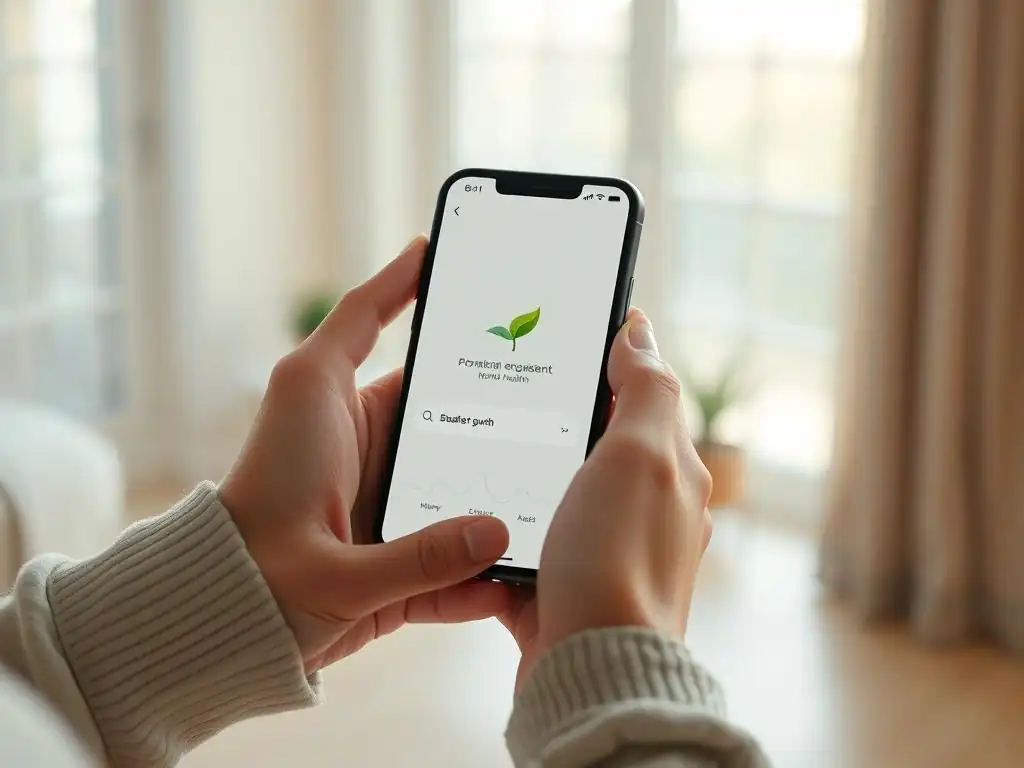
Researching and Comparing Mental Health Apps: Focusing on Long-Term Value
The sheer number of mental health apps available can be overwhelming. To increase your chances of finding a tool that supports long-term mental health app usage, invest time in thorough research before committing to one. Look beyond the initial marketing and shiny interfaces. Prioritize apps with a strong evidence base for their techniques (e.g., rooted in CBT, DBT, or mindfulness), positive user reviews, and features that align with your specific needs and goals, as discussed earlier.
Consider the app's design for sustained engagement. Does it offer a variety of content (different meditations, exercises)? Does it allow for personalization? Is the tracking feature useful and easy to interpret over time? Read reviews from long-term users if possible, not just initial impressions. Some apps offer free trials, which can be invaluable for testing how well the app fits into your life and if its features resonate with you before making a commitment, especially important for ensuring long-term mental health app usage.
Considering User Reviews and Expert Opinions: Avoiding Apps with High Abandonment Rates
User reviews on app stores and reputable third-party review sites can provide crucial insights into the real-world experience of using an app over time. Pay attention to comments that mention issues with long-term use, such as repetitive content, technical problems that aren't addressed, or features that become less useful after the initial period. While initial excitement is common, look for apps where users report sustained benefit and continued engagement beyond the first few weeks.
Expert opinions, such as reviews or recommendations from mental health professionals or organizations, can also guide your choice. Some apps have undergone clinical validation or are recommended by national mental health associations. While no app guarantees long-term mental health app usage, choosing one with a solid reputation for effectiveness and user satisfaction, backed by positive feedback and expert endorsement, can significantly improve your chances of sticking with it and reaping lasting benefits.
Overcoming Challenges and Maintaining Motivation for Longterm Mental Health App Usage
Addressing Technical Issues and App Glitches
Even the best-designed apps can occasionally encounter technical issues, from minor glitches to more significant bugs that disrupt functionality. These problems can be frustrating and quickly erode motivation for consistent mental health app usage. If you encounter technical difficulties, the first step is usually to check for app updates in your app store, as developers frequently release fixes. If updating doesn't resolve the issue, look for the app's support section.
Most reputable apps have a customer support email or FAQ section. Reach out to their support team to report the problem. Providing clear details about the issue (what happened, when, on what device) can help them assist you more effectively. If technical problems are persistent and the support is unhelpful, it might be time to consider if this specific app is the right fit for your long-term mental health app usage goals, and explore alternatives that offer a more stable user experience. Don't let technical frustrations completely derail your efforts towards digital well-being support.
Combating App Fatigue and Boredom: Setting New Goals, Trying Different Features, Exploring Alternative Apps
A common challenge in maintaining long-term mental health app usage is the onset of app fatigue or boredom. Using the same features daily or weekly can start to feel monotonous, reducing motivation. When you notice your engagement waning, it's a signal to refresh your approach. Instead of abandoning the app entirely, try setting new, specific goals related to your well-being that the app can help with. For example, if you've mastered basic meditation, perhaps your new goal is to use the mood tracking feature to identify triggers for stress.
Explore other features within the app that you haven't used much. Many apps offer a wide range of tools; you might find a new type of exercise, a different meditation series, or a journaling prompt feature that re-engages your interest. If you've thoroughly explored one app and still feel bored, it might be beneficial to explore alternative mental health apps. Trying a different app with a slightly different approach or set of features can provide a renewed sense of novelty and motivation, helping you maintain consistent digital support for your mental health journey.
The Future of Long-Term Mental Health App Engagement: Trends and Innovations
Personalized Mental Health App Experiences: Tailoring to Individual Needs
The future of long-term mental health app usage is increasingly moving towards highly personalized experiences. Current apps often offer some level of customization, like choosing meditation topics or setting mood logging categories. However, emerging trends point towards apps that use artificial intelligence and machine learning to adapt more dynamically to individual user needs and progress. Imagine an app that learns your specific triggers for anxiety based on your logged data and proactively suggests relevant coping exercises at specific times or in certain contexts.
This level of tailored content delivery, where exercises, meditations, and information are specifically curated based on your unique patterns, goals, and even personality, has the potential to significantly increase user engagement and the effectiveness of long-term mental health app usage. By providing content that feels directly relevant and supportive of your personal journey, these next-generation apps aim to combat the one-size-fits-all fatigue that can lead to abandonment.
Gamification and Rewards Systems for Sustained Motivation
Gamification, the application of game-like elements and mechanics to non-game contexts, is another trend aimed at boosting long-term mental health app usage. Features such as earning points for completing exercises, achieving streaks for daily check-ins, unlocking new content as you progress, or participating in challenges can turn app usage into a more engaging and rewarding experience. While not suitable for everyone, these elements can tap into intrinsic motivators like achievement and progress.
Implementing thoughtful rewards systems that go beyond simple points – perhaps offering insights based on usage patterns, personalized progress reports, or access to advanced features – can also encourage sustained interaction. The goal is to make the process of working on your mental health through the app feel less like a chore and more like a journey with visible milestones and positive reinforcement, thereby fostering greater adherence and promoting consistent long-term mental health app usage.
Conclusion: Embracing Mental Health Apps for a Lifetime of Well-being
Frequently Asked Questions
How can I stay motivated to use my mental health app consistently over a long period?
To maintain motivation, focus on setting small, achievable goals within the app, and track your progress regularly. Consider pairing app usage with a reward system to reinforce positive behavior.
What are some potential pitfalls of long-term mental health app usage that I should be aware of?
Be mindful of becoming overly reliant on the app, or experiencing digital fatigue. It's also important to ensure the app's information aligns with professional advice from a therapist or doctor.
How do I choose a mental health app that I'm more likely to stick with long-term?
Select an app that fits your individual needs and preferences. Look for features you find engaging and user-friendly, and consider apps with evidence-based practices.
How can I integrate my mental health app usage into my existing mental wellness routine?
Treat the app as a supplemental tool to your existing routine, not a replacement. Schedule specific times for app usage, and integrate its techniques into daily activities like meditation or journaling.
What should I do if I feel like my mental health app isn't helping me anymore, even after using it consistently?
Re-evaluate your goals and needs. The app might not be the right fit anymore. Consult with a mental health professional to explore alternative strategies and adjust your treatment plan.
Final Reflection: Cultivating Sustainable Self-Care Through Technology
The pursuit of mental well-being is not a sprint; it's a marathon, and finding the right tools to support this journey is crucial. Many mental health apps offer initial novelty, but true lasting benefit requires a shift in perspective – from viewing the app as a quick fix to embracing it as a consistent component of self-care. This requires conscious effort and a deeper understanding of our relationship with technology and our mental health.
The impact of technology on our mental health is undeniable, both positive and negative. While apps offer accessibility and convenience, their effectiveness hinges on consistent engagement. This requires self-awareness, a realistic approach to our expectations, and a willingness to adapt our strategies as needed. As the philosopher Seneca once wrote, Every new beginning comes from some other beginning's end.
This applies perfectly to our approach to mental health apps; ending the cycle of app abandonment and beginning a journey of consistent self-care requires a conscious decision to integrate the app into a broader self-care strategy.
Now, consider your own relationship with technology and mental well-being. What strategies can you implement to ensure consistent use of your chosen app? Perhaps it's scheduling dedicated time, integrating it into your daily routine, or finding an accountability partner. The journey to lasting mental well-being is a personal one, and the right tools, used consistently, can be powerful allies in this ongoing process. Embrace the challenge, celebrate your progress, and remember that sustainable self-care is a testament to your strength and commitment to a healthier, happier you.
Unlock Your Mental Wellness Journey: Take the Next Step
Thank you for investing your time in learning how to maximize the benefits of your mental health app. We hope you gained valuable insights and feel empowered to create lasting positive change. Now, let's turn those insights into action!
- Prioritize one key feature: Identify the most beneficial feature of your app (meditation, journaling, goal setting, etc.) and commit to using it daily for the next week. This consistent practice is crucial for building a sustainable routine.
- Share your progress: Inspire others! Tell a friend or family member about your experience and invite them to join you on your mental wellness journey. Even a small step of sharing can amplify your commitment.
- Explore advanced features: Many apps offer additional resources beyond the basics. This week, explore a new feature you haven't used before – you might discover a powerful tool that perfectly complements your needs.
Ready to embark on this transformative journey? What small step will you take today to prioritize your mental well-being?