
Cultural Sensitivity: Why It's Crucial for Inclusive Mental Healthcare Access

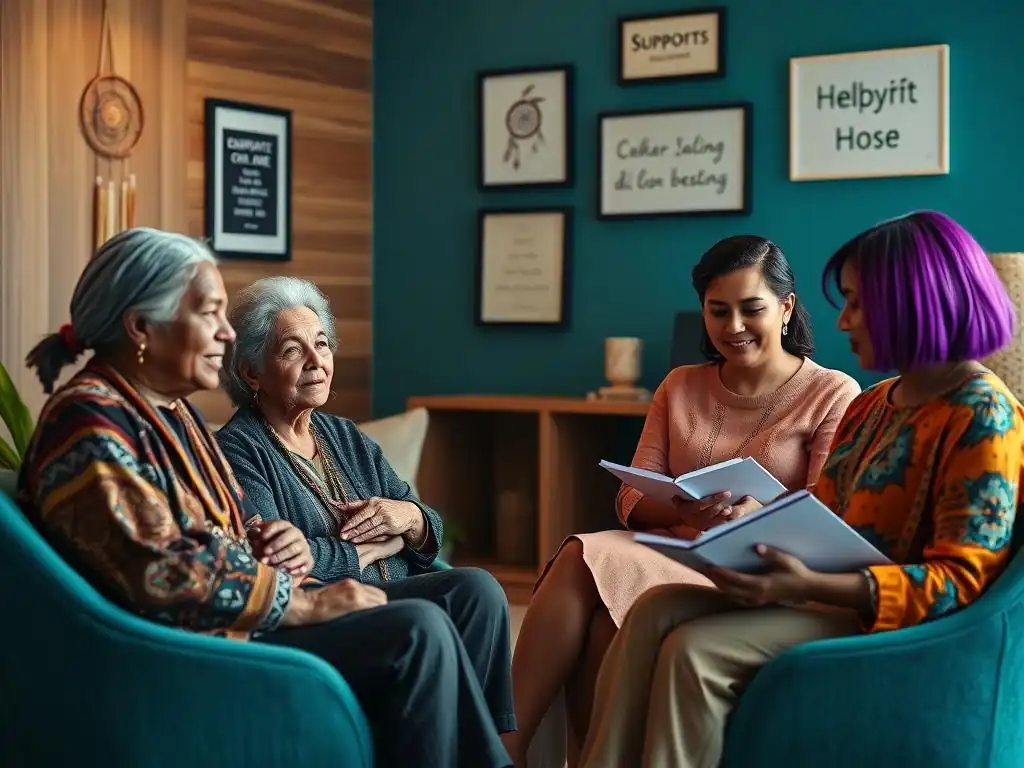
Welcome to Mind Care Guide, a sanctuary for your well-being. Feeling lost navigating the often-complex world of mental healthcare? You're not alone. We understand. This guide is dedicated to providing you with the knowledge and support you deserve. Dive into our exploration of culturally sensitive mental healthcare access and discover why understanding diverse perspectives is paramount to achieving true inclusivity and effective treatment. Ready to learn more? Your journey to better mental health starts here.
Cultural Sensitivity: Why It's Crucial for Inclusive Mental Healthcare Access
- Understanding the Importance of Cultural Sensitivity in Mental Health
- Barriers to Mental Healthcare Access for Diverse Populations
- The Benefits of Culturally Sensitive Mental Healthcare
- Strategies for Promoting Culturally Sensitive Mental Healthcare Access
- Practical Steps for Individuals Seeking Culturally Sensitive Care
- The Future of Culturally Sensitive Mental Healthcare
- Resources for Finding Culturally Sensitive Mental Healthcare
-
Frequently Asked Questions
- How does cultural sensitivity impact mental healthcare outcomes?
- What are some examples of culturally insensitive practices in mental healthcare?
- Why is "Culturally sensitive mental healthcare access" important for diverse communities?
- How can mental healthcare providers improve their cultural competence?
- What resources are available to help individuals find culturally sensitive mental healthcare providers?
- Final Reflection: Bridging the Gap to Inclusive Mental Healthcare
- Unlock a More Inclusive Mental Healthcare System
Understanding the Importance of Cultural Sensitivity in Mental Health
Defining Cultural Sensitivity in Healthcare Settings
Cultural sensitivity in mental healthcare refers to the awareness, understanding, and responsiveness to the beliefs, values, customs, traditions, and practices of diverse cultural groups. It involves recognizing that a person's cultural background significantly influences their experience of mental health challenges, their willingness to seek help, and their response to treatment. This sensitivity goes beyond simply acknowledging differences; it requires healthcare providers and systems to adapt their approaches to be respectful and effective for people from varying cultural backgrounds.
An estimated 40% of the U.S. population identifies with a racial or ethnic group other than non-Hispanic White, highlighting the immense diversity healthcare systems must serve. Without cultural sensitivity, mental healthcare services can become inaccessible or ineffective for significant portions of the population. For instance, a provider unfamiliar with the concept of susto (a cultural illness belief common in some Latin American communities) might misinterpret symptoms or recommend treatments that don't resonate with the patient's understanding of their distress, hindering effective culturally sensitive mental healthcare access.
The Impact of Cultural Differences on Mental Health Perceptions
Cultural differences profoundly shape how individuals perceive mental health, illness, and wellness. In some cultures, mental health conditions may be seen as a moral failing, a spiritual issue, or a physical ailment, rather than a psychological one. This can lead to significant misunderstandings between patients and providers if cultural perspectives are not taken into account. For example, expressions of grief or distress might be culturally specific; what appears as a sign of severe depression to a provider from one background might be a normative coping mechanism in another.
Research indicates that cultural factors influence symptom presentation. For example, individuals from certain Asian cultures might somaticize psychological distress, reporting physical symptoms like headaches or fatigue instead of emotional ones like sadness or hopelessness. A healthcare provider unfamiliar with this cultural pattern might miss the underlying mental health issue entirely, leading to misdiagnosis or inappropriate treatment. Recognizing these variations is fundamental to providing effective and culturally sensitive mental healthcare access.
How Culture Shapes Mental Health Stigma and Help-Seeking Behaviors
Cultural beliefs are deeply intertwined with the stigma surrounding mental health, significantly impacting whether and how people seek help. In many cultures, discussing mental health problems is taboo, viewed as shameful, or seen as a sign of weakness that reflects poorly on the individual and their family. This can create immense pressure to conceal symptoms and avoid seeking professional help, even when experiencing severe distress.
Stigma varies widely across cultural groups. For instance, studies have shown that Asian Americans and Pacific Islanders often report higher levels of perceived public stigma regarding mental illness compared to other ethnic groups. This stigma can lead to delayed help-seeking or reliance on informal support networks rather than professional services. Understanding these cultural dynamics is essential for developing strategies to reduce stigma and improve culturally sensitive mental healthcare access within specific communities.
Barriers to Mental Healthcare Access for Diverse Populations
Language Barriers and Their Effect on Mental Health Treatment
Language barriers represent a significant obstacle to accessing quality mental healthcare for individuals who are not fluent in the dominant language of the healthcare system. Effective communication is paramount in mental health treatment, involving nuanced discussions of thoughts, feelings, and personal history. When a language barrier exists, it can lead to misunderstandings, misdiagnoses, and an inability for the patient to fully engage in therapy or treatment planning.
Approximately 25 million people in the U.S. have limited English proficiency. Without access to qualified medical interpreters, patients may rely on untrained family members (including children) or simply forgo care. This lack of clear communication undermines the therapeutic alliance and makes it incredibly difficult to provide culturally sensitive mental healthcare access that meets the individual's needs and preferences, potentially leading to poorer outcomes.
Socioeconomic Disparities and Access to Culturally Competent Care
Socioeconomic status is closely linked to both cultural background and access to healthcare. Individuals from lower socioeconomic backgrounds, who are often disproportionately represented in certain cultural and ethnic minority groups, face multiple barriers, including lack of health insurance, inability to afford co-pays or transportation, and limited access to services in their geographic area. These economic constraints often intersect with cultural barriers.
Finding a mental health provider who is both affordable and culturally competent can be particularly challenging for low-income individuals from diverse backgrounds. A provider might be available, but if they lack cultural sensitivity, the care provided may be ineffective or even harmful. This intersection of socioeconomic disadvantage and lack of culturally competent care creates a significant barrier to equitable and culturally sensitive mental healthcare access.
Lack of Culturally Relevant Mental Health Resources
A major barrier is the scarcity of mental health resources that are specifically designed or adapted to be relevant and accessible within different cultural contexts. This includes a lack of therapeutic approaches that incorporate cultural healing practices, educational materials that resonate with cultural beliefs, and support groups that are culturally specific. Standard Western-based therapies may not always be the most effective or preferred approach for individuals from non-Western backgrounds.
For example, therapies that emphasize individual autonomy might not be as effective for individuals from collectivist cultures where family or community well-being is prioritized. The absence of resources like mental health pamphlets in multiple languages, culturally specific support groups (e.g., groups for specific immigrant communities), or providers trained in culturally adapted therapies significantly limits culturally sensitive mental healthcare access and effectiveness for diverse populations.
Addressing Implicit Bias in Mental Healthcare Providers
Implicit bias refers to the unconscious attitudes or stereotypes that affect our understanding, actions, and decisions. Mental healthcare providers, like all individuals, hold implicit biases that can unintentionally impact the quality of care provided to patients from different cultural backgrounds. These biases can manifest in subtle ways, such as misinterpreting a patient's behavior, making assumptions about their lifestyle or beliefs, or favoring certain treatment approaches based on stereotypes.
Studies have shown that implicit bias can contribute to disparities in diagnosis and treatment recommendations across racial and ethnic groups. For example, some research suggests that certain symptoms might be interpreted differently based on a patient's race or ethnicity, potentially leading to under-diagnosis or over-diagnosis of specific conditions. Addressing implicit bias through training and self-reflection is critical for providers to deliver truly equitable and culturally sensitive mental healthcare access.
The Benefits of Culturally Sensitive Mental Healthcare
Improved Patient Engagement and Trust
When mental healthcare is delivered with cultural sensitivity, patients are more likely to feel understood, respected, and safe. This fosters a stronger therapeutic alliance, which is a critical predictor of positive treatment outcomes. Patients are more likely to open up about their experiences, build trust with their provider, and remain engaged in the treatment process when they feel their cultural background is acknowledged and valued.
Consider a patient from a culture where it is difficult to express negative emotions directly. A culturally sensitive therapist might use indirect communication styles or storytelling to facilitate expression, rather than insisting on direct confrontation of feelings. This approach builds trust by respecting the patient's cultural norms, leading to greater engagement and a higher likelihood of the patient continuing therapy, thereby improving culturally sensitive mental healthcare access in practice.
Enhanced Accuracy in Diagnosis and Treatment
Cultural factors can influence how mental health symptoms are presented and interpreted. A culturally sensitive provider is better equipped to distinguish between culturally normative behaviors or expressions of distress and clinical symptoms. They understand that diagnostic criteria developed primarily in Western contexts may need careful application when working with individuals from different cultural backgrounds.
For example, psychotic-like experiences might be interpreted differently in cultures with strong spiritual or religious beliefs. A culturally sensitive assessment considers these factors to avoid misinterpreting culturally accepted beliefs as pathology. This leads to more accurate diagnoses and the selection of treatment approaches that are culturally appropriate and therefore more likely to be effective, ensuring that culturally sensitive mental healthcare access translates into effective care.
Increased Adherence to Treatment Plans
Treatment adherence is significantly influenced by a patient's understanding of their condition, their belief in the effectiveness of the treatment, and whether the treatment plan aligns with their cultural values and lifestyle. Culturally sensitive care addresses these factors by explaining diagnoses and treatments in culturally understandable ways and by collaborating with patients to develop plans that are feasible and acceptable within their cultural context.
If a treatment plan requires changes to diet, social interactions, or family roles, a culturally sensitive approach will discuss these implications with the patient and their family (if appropriate), seeking ways to integrate the plan into their life with minimal cultural conflict. This collaborative and respectful approach increases the likelihood that patients will follow through with appointments, take medications as prescribed, and practice coping strategies, improving long-term outcomes associated with culturally sensitive mental healthcare access.
Fostering a More Inclusive and Equitable Mental Healthcare System
The ultimate goal of promoting cultural sensitivity in mental healthcare is to create a system that is truly inclusive and equitable for everyone, regardless of their cultural background. By addressing cultural barriers, reducing stigma, and providing care that is respectful and effective for diverse populations, healthcare systems can move closer to achieving health equity in mental health.
An inclusive system recognizes the unique needs and strengths of different cultural groups and adapts services accordingly. It ensures that access is not limited by language, cultural misunderstandings, or lack of trust. Fostering such a system means actively working to dismantle systemic barriers and promote practices that affirm the dignity and cultural identity of every individual seeking support, thereby expanding culturally sensitive mental healthcare access for all.
Strategies for Promoting Culturally Sensitive Mental Healthcare Access
Cultural Competency Training for Mental Health Professionals
Cultural competency training is a foundational strategy for improving culturally sensitive mental healthcare access. These programs aim to increase providers' awareness of their own cultural biases, enhance their knowledge of different cultural groups, and develop skills for effective cross-cultural communication and intervention. Training should cover topics such as cultural humility, the impact of historical trauma, and specific cultural beliefs about health and illness.
A study involving mental health professionals indicated that structured cultural competency training significantly increased participants' self-reported confidence in working with diverse populations. However, effective training requires more than a single workshop; it needs to be an ongoing process that encourages self-reflection and continuous learning. Simply completing a course does not make someone fully competent; it's the ongoing commitment to understanding and adapting that matters for providing culturally sensitive mental healthcare access.
Implementing Ongoing Cultural Sensitivity Education Programs
One-time training sessions are often insufficient to build and maintain true cultural sensitivity. Healthcare organizations should implement ongoing education programs that provide opportunities for providers to deepen their understanding of cultural issues, learn about specific cultural groups they serve, and discuss challenging cases from a cultural perspective. This can include regular workshops, Grand Rounds focusing on cultural topics, and access to resources like cultural guides or consultation services.
For example, a community mental health center serving a large refugee population might implement monthly case consultations specifically focused on the cultural nuances of trauma and adaptation within those specific refugee groups. This ongoing education helps providers stay current, address specific community needs, and continuously refine their approach to providing culturally sensitive mental healthcare access.
Utilizing Simulation and Role-Playing Exercises
Simulation and role-playing exercises can be powerful tools in cultural competency training. These methods allow providers to practice navigating complex cross-cultural interactions in a safe environment, receive feedback, and develop practical skills. Exercises can simulate scenarios involving language barriers, differing beliefs about treatment, or situations where cultural norms conflict with standard clinical practices.
A simulation might involve a provider interacting with a trained actor portraying a patient from a specific cultural background with particular beliefs about mental illness or family involvement in care. Through this practice, providers can learn how to respectfully inquire about cultural beliefs, negotiate treatment plans, and address potential misunderstandings, significantly improving their readiness to provide culturally sensitive mental healthcare access in real-world situations.
Developing Culturally Adapted Mental Health Interventions
Standard therapeutic interventions may not be equally effective across all cultural groups. Culturally adapted interventions modify existing evidence-based treatments to better fit the cultural context of specific populations. This involves adjusting language, metaphors, examples, coping strategies, and the roles of family or community members within the therapeutic process.
An example is adapting Cognitive Behavioral Therapy (CBT) for use with Latino populations, which might involve incorporating familialism (the importance of family), personalismo (a preference for warm, personal relationships), and religious or spiritual beliefs into treatment materials and therapist interactions. Such adaptations make the therapy more relatable and acceptable, improving the likelihood of positive outcomes and expanding culturally sensitive mental healthcare access.
Tailoring Treatment Approaches to Specific Cultural Contexts
Tailoring treatment involves more than just translation; it requires a deep understanding of the cultural group's worldview, communication styles, and help-seeking preferences. This can mean modifying assessment tools, changing the structure or length of sessions, incorporating traditional healing concepts, or involving family members in therapy when culturally appropriate.
For instance, group therapy might be adapted for a specific indigenous community by incorporating elements of communal storytelling or traditional practices that promote healing and connection, rather than strictly following a Western-style process group format. This tailoring ensures that the intervention resonates with the cultural values and practices of the community, making culturally sensitive mental healthcare access more effective.
Incorporating Traditional Healing Practices Where Appropriate
In many cultures, traditional healers or practices play a significant role in addressing mental and physical distress. Integrating or collaborating with traditional healing practices, where appropriate and with the patient's consent, can enhance the effectiveness of clinical care and build trust with communities. This does not mean replacing evidence-based treatment but rather finding ways to work in parallel or incorporate elements that are meaningful to the patient.
This might involve a mental health provider consulting with a traditional healer (with the patient's permission) to understand the patient's explanatory model of their illness or supporting a patient's engagement in traditional ceremonies alongside clinical therapy. Respectfully acknowledging and, where possible, incorporating traditional practices validates the patient's cultural identity and can strengthen the overall healing process, contributing to holistic and culturally sensitive mental healthcare access.
Increasing Representation of Diverse Mental Health Professionals
Patients from diverse cultural backgrounds often prefer to see providers who share their cultural identity or lived experiences. Increasing the representation of racial, ethnic, and cultural minorities within the mental health workforce is a critical strategy for improving culturally sensitive mental healthcare access and reducing disparities. Providers from similar backgrounds may have a built-in understanding of cultural nuances, communication styles, and the specific challenges faced by their communities.
Despite efforts, ethnic and racial minorities remain underrepresented in many mental health professions relative to the general population. For example, estimates suggest that only about 20% of psychologists belong to racial or ethnic minority groups. Increasing this representation helps build trust with diverse communities and ensures that a broader range of cultural perspectives and experiences are present within the healthcare system, directly supporting culturally sensitive mental healthcare access.
Mentorship Programs for Underrepresented Groups in Mental Health
Mentorship programs connecting students or early-career professionals from underrepresented cultural groups with established minority practitioners can provide invaluable support, guidance, and networking opportunities. These programs can help navigate the challenges of training and career advancement, encouraging more individuals from diverse backgrounds to enter and remain in the mental health field.
A mentorship program might pair a Latina graduate student in social work with an experienced Latina clinical social worker. The mentor can provide insights into working with Latino clients, navigating cultural dynamics in professional settings, and building a successful career while serving her community. Such initiatives are vital for cultivating a diverse workforce capable of delivering culturally sensitive mental healthcare access.
Scholarships and Financial Aid for Diverse Students
Financial barriers are a significant obstacle for many students from underrepresented cultural and socioeconomic backgrounds pursuing higher education, including degrees in mental health fields. Establishing scholarships and financial aid programs specifically for diverse students can help alleviate these burdens and encourage more individuals from these groups to pursue careers as therapists, psychologists, psychiatrists, or social workers.
For instance, a university might offer scholarships specifically for students from Native American tribes interested in mental health counseling, recognizing the critical need for culturally sensitive providers in these communities. Reducing financial barriers directly supports the growth of a diverse mental health workforce, which is essential for improving culturally sensitive mental healthcare access.
Community Outreach and Engagement Strategies
Effective strategies for promoting culturally sensitive mental healthcare access must extend beyond clinical settings into the communities themselves. Building trust and increasing awareness within diverse communities requires proactive outreach, education, and partnership with community leaders and organizations. This helps to reduce stigma, disseminate information about available services, and ensure that services are responsive to community needs.
Community engagement might involve holding mental health workshops at cultural centers, partnering with faith-based organizations, or participating in community health fairs. These efforts build relationships and make mental health resources less intimidating and more accessible to individuals who might otherwise never seek professional help.
Partnering with Community Leaders and Organizations
Community leaders, elders, religious figures, and local organizations often hold significant influence and trust within their cultural groups. Partnering with these individuals and entities can be an effective way to reach community members, understand their needs, and tailor outreach efforts. These partnerships can help identify cultural beliefs about mental health, preferred methods of support, and existing community strengths that can be leveraged.
For example, a mental health clinic might partner with a local mosque to host a mental health awareness session during a community gathering, with the Imam's support. This collaboration lends credibility to the initiative and helps disseminate information in a trusted and culturally appropriate setting, facilitating culturally sensitive mental healthcare access.
Providing Mental Health Education in Culturally Relevant Formats
Mental health education materials and campaigns need to be developed and delivered in ways that are culturally relevant and accessible. This includes translating materials into multiple languages, using culturally appropriate imagery and examples, and delivering information through trusted community channels (e.g., radio stations serving specific ethnic groups, community newspapers, social media platforms popular within certain cultural groups).
An educational campaign about depression for a specific immigrant community might use metaphors or stories that resonate with their experiences, discuss the role of family support, and provide information about services in their native language, highlighting where to find culturally sensitive mental healthcare access. This approach makes complex information understandable and reduces barriers to seeking help.
Practical Steps for Individuals Seeking Culturally Sensitive Care
Researching Mental Health Providers with Cultural Competency
Individuals seeking culturally sensitive mental healthcare access can proactively research providers. Many directories allow searching by language spoken or cultural background. Professional organizations focused on specific cultural groups (e.g., the Association of Black Psychologists, the National Asian American Pacific Islander Mental Health Association) may offer provider directories or resources. Websites of clinics or individual providers often list their areas of expertise, including experience working with specific cultural groups or training in cultural competency.
It's helpful to look for providers who explicitly mention cultural competence, cultural humility, or experience with your specific cultural background on their profiles. While not a guarantee, this indicates an awareness and potential commitment to providing culturally sensitive mental healthcare access.
Asking Questions About Cultural Sensitivity During Consultations
When meeting with a potential mental health provider for the first time, it is entirely appropriate and recommended to ask questions about their experience and approach to cultural sensitivity. This initial consultation is an opportunity to assess if the provider is a good fit.
Here are some questions you might consider asking:
- "What is your experience working with people from [mention your cultural background or identity]?"
- "How do you incorporate cultural factors into your understanding of mental health?"
- "Are you familiar with [mention a specific cultural belief or practice related to health that is important to you]?"
- "How do you ensure that treatment plans are respectful of cultural values and practices?"
- "Do you use interpreters if needed, and are they medically trained?"
Their responses can provide valuable insight into their level of cultural sensitivity and willingness to engage with your cultural background in a meaningful way, helping you find culturally sensitive mental healthcare access that feels right.
Advocating for Your Needs and Preferences
Patients have the right to advocate for their needs and preferences in mental healthcare. If you feel that your cultural background is not being understood or respected, it is important to communicate this to your provider. You can explain how your cultural background influences your experiences, beliefs about health, or preferences for treatment.
If direct communication feels difficult, consider bringing a trusted family member or friend to an appointment, or writing down your thoughts beforehand. If a provider is unwilling to engage with your cultural needs or if you feel uncomfortable, it is okay to seek a different provider who can offer more culturally sensitive mental healthcare access. Self-advocacy is a powerful tool in navigating the healthcare system.
The Future of Culturally Sensitive Mental Healthcare
Technological Innovations for Bridging Cultural Gaps
Technology offers promising avenues for improving culturally sensitive mental healthcare access. Telehealth platforms can connect individuals in underserved areas with culturally matched providers located elsewhere. Mobile apps and online resources can provide mental health support and information in multiple languages and culturally relevant formats. Artificial intelligence might also play a role in developing culturally tailored interventions or improving translation services, though ethical considerations regarding bias in AI are critical.
While technology cannot replace human connection and cultural understanding, it can expand the reach of culturally sensitive resources. For example, a video therapy session conducted via telehealth allows a patient to receive care from a provider who understands their cultural background, even if they live hundreds of miles apart, thereby enhancing access to culturally sensitive mental healthcare access.
Policy Changes to Support Equitable Access
Systemic change requires policy reform at local, state, and national levels. Policies can mandate cultural competency training for all licensed mental health professionals, require healthcare organizations to offer language access services, and incentivize providers to work in underserved and diverse communities. Policies can also address socioeconomic barriers by expanding health insurance coverage and increasing funding for community-based mental health services.
For instance, a state policy might require all mental health clinics receiving state funding to demonstrate how they are addressing the needs of culturally diverse populations, including reporting on language services and staff diversity. Such policies create accountability and drive systemic improvements towards equitable and culturally sensitive mental healthcare access.
The Role of Advocacy in Promoting Cultural Sensitivity in Mental Health
Advocacy plays a crucial role in driving the changes needed to achieve widespread culturally sensitive mental healthcare access. Advocacy groups, community organizations, and individuals can raise awareness about the importance of cultural sensitivity, highlight existing disparities, and lobby for policy changes and increased resources. Patient advocacy, as mentioned earlier, is also vital at the individual level.
Advocacy efforts might involve sharing personal stories to reduce stigma, organizing community forums to discuss mental health needs, or meeting with policymakers to propose legislation. Collective advocacy ensures that the need for culturally sensitive mental healthcare access remains a priority and helps create a healthcare system that truly serves everyone.
Resources for Finding Culturally Sensitive Mental Healthcare
Frequently Asked Questions
How does cultural sensitivity impact mental healthcare outcomes?
Cultural sensitivity significantly impacts outcomes by ensuring patients feel understood and respected, leading to increased engagement in treatment and improved mental well-being. Ignoring cultural factors can lead to misdiagnosis and ineffective treatment.
What are some examples of culturally insensitive practices in mental healthcare?
Examples include using standardized assessments without cultural adaptation, assuming all members of a cultural group share the same beliefs, and lacking awareness of culturally specific communication styles. These practices can alienate patients.
Why is "Culturally sensitive mental healthcare access" important for diverse communities?
It's crucial because it addresses disparities in mental healthcare access for marginalized communities. It ensures services are relevant, accessible, and respectful of their unique cultural backgrounds and needs.
How can mental healthcare providers improve their cultural competence?
Providers can improve by undergoing cultural sensitivity training, learning about different cultural beliefs and practices, and actively seeking feedback from patients about their experiences. Continuous learning is key.
What resources are available to help individuals find culturally sensitive mental healthcare providers?
Resources include searching online directories that list providers with cultural competence certifications, contacting community-based organizations that serve specific cultural groups, and asking for recommendations from trusted sources.
Final Reflection: Bridging the Gap to Inclusive Mental Healthcare
The urgent need for culturally sensitive mental healthcare is not merely a matter of ethical practice; it's a fundamental prerequisite for equitable access to life-saving services. Without acknowledging and addressing the unique cultural contexts that shape individuals' experiences of mental health, we perpetuate systemic inequalities and hinder the recovery journeys of countless individuals. This disparity in access represents a significant barrier to achieving true mental wellness for all.
The impact of cultural insensitivity in mental healthcare is profound and far-reaching, extending beyond individual experiences to shape broader societal perceptions of mental illness. It fosters mistrust, discourages help-seeking behaviors, and ultimately contributes to poorer treatment outcomes. As psychiatrist and author Dr. E. Fuller Torrey eloquently stated, Mental illness is a universal human experience, but its expression and understanding are profoundly shaped by culture.
This quote highlights the critical need for providers to move beyond a one-size-fits-all approach and embrace a model that values and integrates cultural nuances into every aspect of care.
Consider the implications of this article's findings in your own life. Are you actively seeking to understand and appreciate the diverse cultural backgrounds of those around you? Do you challenge your own biases and assumptions regarding mental health and cultural differences? I urge you to engage in ongoing learning and self-reflection, to become a more informed and compassionate advocate for inclusive mental healthcare. By fostering a culture of understanding and empathy, we can collectively work towards dismantling the barriers that prevent individuals from accessing the support they deserve and building a truly equitable system of mental healthcare for all.
Unlock a More Inclusive Mental Healthcare System
Thank you for taking the time to explore the vital role of cultural sensitivity in mental healthcare access. You've gained valuable insights into building a more compassionate and effective system. Now, let's put that knowledge into action!
- Prioritize cultural competency training: Seek out resources and training programs to deepen your understanding of diverse cultural perspectives in mental health. This is your primary step towards making a real difference.
- Share this article with your network: Help spread awareness and encourage others to join the conversation about inclusivity in mental healthcare.
- Engage in respectful dialogue:Start a conversation with a colleague or friend about how we can improve access for marginalized communities. Even small steps can create a ripple effect.
What steps will you take today to promote cultural sensitivity within your sphere of influence?