
The Cycle Continues? Passing Trauma Down Through Generations


Welcome to Mind Care Guide, a sanctuary for your mental well-being.
Are you feeling the weight of unresolved pain, perhaps even sensing its echoes from generations past? You're not alone. In "The Cycle Continues? Passing Trauma Down Through Generations," we delve into the profound impact of intergenerational trauma healing strategies, offering pathways to break free from these inherited burdens. Discover how understanding and addressing these deep-seated wounds can lead to healing, not just for yourself, but for generations to come. Curious to explore these transformative techniques? Let's begin.
- Understanding Intergenerational Trauma and Its Impact
- What is Intergenerational Trauma? Defining the Cycle of Pain
- Recognizing the Signs of Intergenerational Trauma in Your Life
- Breaking the Cycle: Intergenerational Trauma Healing Strategies
- Specific Intergenerational Trauma Healing Strategies for Adult Children of Alcoholics
- The Role of Community and Cultural Healing in Addressing Intergenerational Trauma
- Resources for Intergenerational Trauma Healing
- Moving Forward: Creating a Healthier Future for Generations to Come
- Conclusion: Embracing Hope and Healing from Intergenerational Trauma
-
Frequently Asked Questions
- What exactly is intergenerational trauma?
- How does intergenerational trauma affect individuals?
- What are some common signs that someone might be experiencing the effects of intergenerational trauma?
- What are some key intergenerational trauma healing strategies?
- Where can I find resources and support for intergenerational trauma healing?
- Final Reflection: Breaking the Chain: Healing Intergenerational Trauma
- Unlock Your Family's Healing Journey
Understanding Intergenerational Trauma and Its Impact
Intergenerational trauma, sometimes referred to as historical trauma, describes the phenomenon where the psychological and emotional effects of trauma are passed down from those who originally experienced the trauma to subsequent generations. This is not merely about shared family stories or learned behaviors; research suggests that trauma can leave a biological and psychological imprint that affects how descendants respond to stress, regulate emotions, and form relationships. Understanding this complex process is the first step toward recognizing its presence and finding effective intergenerational trauma healing strategies.
The impact of intergenerational trauma can manifest in various ways, affecting not only individuals but also families and communities. It can influence parenting styles, communication patterns, and even cultural practices, often reinforcing cycles of distress and difficulty. Recognizing the signs and understanding the mechanisms by which trauma is transmitted is crucial for anyone seeking to break free from its legacy and promote healing across generations.
Mind Care Guide: Exploring the Legacy of Trauma
At Mind Care Guide, we understand that the echoes of past trauma can resonate deeply within individuals and families, shaping present experiences and future possibilities. Exploring the legacy of trauma involves acknowledging the historical context of a family's or community's experiences, whether it stems from war, genocide, slavery, systemic oppression, or chronic abuse. This exploration is not about assigning blame but about gaining insight into the roots of current challenges.
Our aim is to provide resources and information that illuminate the pathways through which this legacy is transmitted and, more importantly, to highlight effective intergenerational trauma healing strategies. By shedding light on the mechanisms and manifestations of inherited trauma, we empower individuals to identify its influence in their own lives and embark on a journey toward recovery and resilience, creating a healthier future for themselves and their descendants.
What is Intergenerational Trauma? Defining the Cycle of Pain
Intergenerational trauma refers to the transmission of traumatic stress effects from a trauma survivor to their offspring. This concept recognizes that severe, prolonged, or collective trauma experienced by one generation can profoundly impact the mental health, emotional regulation, and behaviors of succeeding generations, even if those descendants did not directly experience the original traumatic event. It's a cycle of pain that can perpetuate distress across time.
Defining this cycle involves understanding that the original trauma creates a significant disruption in the lives of survivors, leading to chronic stress, difficulty with emotional processing, and altered worldviews. These difficulties can then influence parenting practices, family dynamics, and the overall environment in which children are raised, inadvertently passing on vulnerabilities and coping mechanisms developed in response to extreme adversity.
The Armenian Genocide: A Case Study in Historical Trauma
The Armenian Genocide, which occurred between 1915 and 1923, serves as a profound and well-documented case study of historical trauma and its intergenerational effects. Survivors endured unimaginable atrocities, including mass killings, forced deportations, starvation, and loss of family and homeland. While the direct survivors suffered immense psychological damage, subsequent generations have also exhibited higher rates of anxiety, depression, and somatic complaints compared to control groups, even decades later.
Research conducted on descendants of Armenian Genocide survivors has shown evidence of heightened stress responses and difficulties in emotional processing, often linked to the trauma narratives, or lack thereof, within their families. Many families maintained silence about the horrors experienced, leaving descendants with a sense of unresolved pain, fear, and an ambiguous loss that contributed to their psychological distress. This historical example vividly illustrates how mass trauma can leave a lasting imprint across generations.
Epigenetics and the Inheritance of Trauma Responses
Emerging research in the field of epigenetics is providing fascinating insights into potential biological mechanisms by which trauma might be inherited. Epigenetics studies how environmental factors, like severe stress or trauma, can alter gene expression without changing the underlying DNA sequence. These changes, or "epigenetic marks," can influence how genes are turned on or off, potentially affecting vulnerability to stress and mental health conditions.
Studies, including some on descendants of Holocaust survivors and individuals exposed to other severe traumas, have suggested that epigenetic changes related to stress response genes might be present in later generations. While this is a complex and evolving area of research, it offers a potential explanation for why descendants of trauma survivors might exhibit altered physiological responses to stress, contributing to a predisposition for anxiety, depression, or PTSD-like symptoms. These findings underscore the deep biological impact trauma can have, extending beyond the individual survivor.
Psychological Mechanisms: How Trauma is Passed Down
Beyond potential biological pathways, trauma is also passed down through powerful psychological and social mechanisms within families. One primary mechanism involves parenting styles: trauma survivors may struggle with emotional regulation, exhibit hypervigilance, or have difficulty forming secure attachments, which can impact their interactions with their children. Children may internalize these patterns, developing similar difficulties with trust, emotional expression, or coping with stress.
Another significant mechanism is the transmission of trauma narratives, or often, the absence of narratives. Families might maintain silence about the trauma dueving to shame, pain, or a desire to protect subsequent generations, but this silence can lead to a sense of mystery, anxiety, or a feeling that something is fundamentally "wrong" within the family system. Conversely, overly detailed or graphic narratives can also be overwhelming for children, leading to vicarious trauma. These psychological dynamics play a crucial role in perpetuating the cycle of pain across generations.
Recognizing the Signs of Intergenerational Trauma in Your Life
Identifying the presence of intergenerational trauma in your own life can be a challenging but crucial step toward healing. The signs are often subtle and can be easily mistaken for personal flaws or unrelated mental health issues. They manifest as persistent emotional difficulties, problematic relationship patterns, or an inexplicable sense of unease or fear that doesn't seem directly tied to your own lived experiences.
Recognizing these signs involves looking beyond individual symptoms to consider the broader family context and history. It requires sensitivity to recurring patterns of behavior, emotional responses, and family narratives that might point to an inherited legacy of trauma. This awareness is fundamental for anyone seeking effective intergenerational trauma healing strategies.
Common Symptoms: Anxiety, Depression, and Difficulty with Trust
Individuals affected by intergenerational trauma often experience a range of common psychological symptoms. High levels of anxiety are frequently reported, sometimes manifesting as generalized worry, social anxiety, or even panic attacks. Depression is also prevalent, characterized by feelings of hopelessness, low energy, and difficulty experiencing joy. These symptoms can be persistent and resistant to traditional treatments that don't address the underlying trauma context.
Difficulty with trust is another hallmark sign. Descendants of trauma survivors may struggle to form secure attachments, fearing abandonment or betrayal in relationships. This can stem from witnessing or internalizing the effects of ruptured trust or unpredictable environments experienced by their ancestors. These core symptoms significantly impact daily functioning and overall well-being.
Identifying Family Trauma Narratives: Silence and Denial
The way families talk about, or avoid talking about, past traumatic events is a key indicator of intergenerational trauma transmission. Silence is a common coping mechanism, where painful histories are buried, creating a void that can be filled with anxiety and unspoken fears. This denial can lead to a sense of mystery or shame surrounding the family's past.
Alternatively, some families may have fragmented or inconsistent narratives, leaving descendants with a confusing or incomplete understanding of their history. Identifying these patterns – whether it's pervasive silence, vague allusions, or a sense that certain topics are strictly off-limits – can provide vital clues about the presence of inherited trauma and highlight the need for specific intergenerational trauma healing strategies focused on narrative repair.
The Impact on Attachment Styles and Relationships
Intergenerational trauma can profoundly impact an individual's attachment style, which describes how people relate to others in close relationships. Trauma survivors may develop insecure attachment styles (anxious, avoidant, or disorganized) as a result of unpredictable or unsafe environments during their formative years. These patterns can then be passed down to their children through the parent-child relationship dynamics.
Children raised by parents with unresolved trauma may struggle to develop secure attachments themselves, leading to difficulties in forming stable, healthy relationships in adulthood. This can manifest as a fear of intimacy, difficulty setting boundaries, a tendency to repeat unhealthy relationship patterns, or challenges in emotional regulation within relationships. Addressing these attachment issues is a critical component of intergenerational trauma healing strategies.
Breaking the Cycle: Intergenerational Trauma Healing Strategies

Breaking the cycle of intergenerational trauma is a process that requires intention, courage, and access to appropriate support. It involves acknowledging the past, understanding its impact, and actively working to heal the wounds that have been carried across generations. This is not about erasing history but about transforming its legacy from one of pain into one of resilience and hope.
Implementing effective intergenerational trauma healing strategies involves a multi-faceted approach that may include professional therapy, personal self-care practices, exploring family history, and building supportive relationships. It is a journey of self-discovery and repair that can ultimately create a healthier future for oneself and future generations.
Therapy and Counseling for Trauma Survivors
Professional therapy is often a cornerstone of intergenerational trauma healing strategies. Therapists trained in trauma-informed care can provide a safe and supportive environment to explore the impact of inherited trauma. They can help individuals process difficult emotions, understand the link between their family history and current struggles, and develop healthier coping mechanisms.
Finding a therapist who specializes in trauma is essential. They can offer specific modalities tailored to addressing the deep-seated effects of trauma, including those passed down through families. Therapy provides tools and insights necessary to navigate the complex emotional landscape of inherited pain.
Trauma-Informed Therapy Approaches: EMDR and Somatic Experiencing
Several trauma-informed therapy approaches are particularly effective for addressing the complex layers of intergenerational trauma. Eye Movement Desensitization and Reprocessing (EMDR) is one such method that helps individuals process distressing memories and reduce their emotional intensity. While the original trauma was not personally experienced, the impact and internalized distress can be processed through EMDR.
Somatic Experiencing (SE) is another powerful approach that focuses on the body's response to trauma. It helps individuals release trapped traumatic energy and regulate the nervous system, which can be dysregulated by chronic stress inherited from previous generations. These body-centered techniques are vital intergenerational trauma healing strategies as they address the physiological imprints of trauma.
Family Therapy for Intergenerational Healing
Given that intergenerational trauma is rooted in family systems, family therapy can be an invaluable part of the healing process. Family therapy provides a space for family members to communicate more openly about their history, understand how trauma has affected their relationships, and develop healthier ways of interacting.
Working with a family therapist can help identify and challenge unhealthy family patterns that perpetuate trauma responses. It can facilitate forgiveness, improve communication, and strengthen family bonds, creating a more supportive environment for healing and breaking the cycle of inherited pain.
Self-Care Practices for Emotional Regulation
Developing robust self-care practices is crucial for managing the emotional intensity that can accompany intergenerational trauma. Trauma, whether direct or inherited, can disrupt emotional regulation, leading to feeling overwhelmed, numb, or prone to intense mood swings. Self-care provides practical ways to ground oneself and manage these challenging emotions.
These practices are not luxuries but necessities for healing. They help build resilience, reduce stress, and create a sense of agency and control, which can be particularly empowering for individuals whose ancestors experienced extreme powerlessness. Incorporating self-care is a vital component of intergenerational trauma healing strategies.
Mindfulness and Meditation Techniques
Mindfulness and meditation are powerful tools for improving emotional regulation and increasing self-awareness. Practicing mindfulness involves paying attention to the present moment without judgment, which can help individuals observe their thoughts and feelings related to inherited trauma without being consumed by them.
Regular meditation can help calm the nervous system, reduce anxiety, and increase emotional resilience. Even short daily practices can make a significant difference in managing stress responses and fostering a greater sense of peace and presence, offering accessible intergenerational trauma healing strategies.
The Importance of Boundaries and Self-Compassion
Setting healthy boundaries is essential for protecting one's emotional and mental energy, especially when dealing with the complexities of family dynamics shaped by trauma. This involves learning to say no, limiting exposure to triggering situations, and defining clear expectations in relationships.
Cultivating self-compassion is equally important. Healing from intergenerational trauma involves acknowledging that the difficulties faced are often not personal failings but consequences of a painful legacy. Treating oneself with kindness, understanding, and patience during this process is vital for sustained healing.
Understanding Your Family History and Trauma Legacy
Exploring your family history is a fundamental step in recognizing and healing from intergenerational trauma. This doesn't mean dwelling morbidly on the past but seeking to understand the significant events and experiences that shaped your ancestors and, consequently, your family system.
This exploration can involve gathering information from relatives, old documents, or historical records. The goal is to piece together a clearer picture of the challenges faced by previous generations and how they might have impacted the family's emotional landscape and relational patterns, providing context for effective intergenerational trauma healing strategies.
Creating a Genogram to Map Family Trauma
A genogram is a visual representation of a family tree that goes beyond basic genealogy to include information about relationships, emotional patterns, and significant life events, including trauma. Creating a genogram can help identify recurring patterns of behavior, mental health issues, substance abuse, or relationship difficulties across generations.
Mapping out trauma events on a genogram can illuminate the connections between your ancestors' experiences and challenges present in your own life or family. This visual tool provides valuable insights into the transmission of trauma and helps identify areas requiring focus in your healing journey.
Journaling and Reflective Practices
Journaling is a powerful reflective practice for processing complex emotions and insights gained from exploring family history. Writing about your feelings, thoughts, and discoveries related to intergenerational trauma can help clarify your understanding and facilitate emotional release.
Other reflective practices, such as spending time in nature, engaging in creative activities, or quiet contemplation, can also aid in processing and integrating the impact of inherited trauma. These practices provide a personal space for healing and self-discovery.
Building Resilience and Fostering Healthy Relationships
Building resilience is key to moving beyond the impact of intergenerational trauma. Resilience is not about avoiding pain but about developing the capacity to navigate adversity, adapt to challenges, and recover from difficult experiences. It involves cultivating inner strength and effective coping strategies.
Fostering healthy relationships is also critical. Supportive connections with others provide a sense of belonging, validation, and emotional security, which can counteract the isolation and trust issues often associated with inherited trauma. Building a network of supportive relationships is a vital part of intergenerational trauma healing strategies.
Developing Secure Attachment Styles
Addressing and working towards developing a more secure attachment style is a crucial aspect of healing from intergenerational trauma. This often involves understanding your current attachment patterns, which may be insecure due to inherited trauma, and consciously working on developing healthier ways of relating to others.
Therapy can be particularly helpful in this area, providing a safe space to explore relational fears and patterns and practice new ways of connecting. Developing secure attachment allows for more stable and fulfilling relationships, which are protective factors against the ongoing impact of trauma.
Creating a Supportive Social Network
A strong supportive social network provides a buffer against stress and promotes emotional well-being. For individuals working through intergenerational trauma, connecting with friends, family members (who are also on a healing path), or support groups can provide understanding, validation, and encouragement.
Sharing your experiences with trusted individuals can reduce feelings of isolation and shame often associated with trauma. Building and nurturing these relationships is an active strategy for fostering resilience and creating a more secure and connected life.
Specific Intergenerational Trauma Healing Strategies for Adult Children of Alcoholics
Adult Children of Alcoholics (ACOAs) often carry a specific form of intergenerational trauma rooted in the chaotic, unpredictable, and often emotionally neglectful or abusive environment of growing up with parental addiction. The strategies for healing intergenerational trauma in this context often need to address the unique challenges faced by ACOAs.
These challenges can include difficulty with trust, a tendency towards people-pleasing, an exaggerated sense of responsibility, difficulty identifying and expressing emotions, and struggles with boundaries. Specific healing strategies focus on processing the childhood experiences and developing healthier adult coping mechanisms and relationship patterns.
Addressing the Long-Term Effects of Childhood Trauma
The long-term effects of growing up in an alcoholic household can manifest as complex trauma, impacting various aspects of adult life. This includes emotional dysregulation, chronic anxiety or depression, difficulty with intimacy, and a heightened risk of developing addiction themselves.
Addressing these long-term effects involves recognizing how the childhood environment shaped core beliefs about oneself, relationships, and the world. Therapy, particularly trauma-informed approaches, can help process these early experiences and challenge maladaptive coping strategies developed in childhood.
Healing from Abuse and Neglect
Many ACOAs experienced not only emotional neglect but also physical or emotional abuse. Healing from these specific traumas is a critical part of the intergenerational trauma healing strategies for this population. This requires acknowledging the harm caused and processing the associated feelings of anger, sadness, and betrayal.
Therapy provides a safe space to confront these painful memories and work through the emotional aftermath. It helps individuals validate their experiences, understand that they were not responsible for the abuse or neglect, and begin to build a sense of self-worth independent of their childhood environment.
Re-Parenting Yourself: Meeting Unmet Needs
A significant aspect of healing for ACOAs involves a process often referred to as "re-parenting" oneself. This means consciously identifying the emotional and developmental needs that were unmet during childhood due to parental addiction and actively working to meet those needs in adulthood.
This can involve learning healthy emotional regulation skills, practicing self-compassion, setting boundaries, nurturing one's inner child, and seeking out supportive relationships that provide the emotional security and validation that was missing in childhood. Re-parenting is an empowering intergenerational trauma healing strategy that fosters self-reliance and emotional maturity.
The Role of Community and Cultural Healing in Addressing Intergenerational Trauma
Intergenerational trauma is often a collective experience, particularly for communities that have endured systemic oppression, genocide, slavery, or prolonged conflict. Therefore, healing is not solely an individual endeavor but also involves the power of community and cultural connection.
Engaging with community and cultural healing practices can provide a sense of shared identity, validation, and collective strength. These approaches recognize that trauma impacts not just individuals but also the social fabric and cultural practices of a group, and that healing must involve restoring these connections.
Connecting with others who have similar experiences of intergenerational trauma can be profoundly validating and healing. Support groups, whether in-person or online, provide a safe space to share stories, receive understanding, and learn from others' healing journeys.
Hearing that you are not alone in your struggles and connecting with people who truly "get it" can reduce feelings of shame and isolation. These connections build solidarity and provide practical and emotional support on the path to healing.
Cultural Healing Practices and Traditions
For many communities, cultural practices and traditions hold deep healing power. This can include rituals, ceremonies, storytelling, art, music, or connection to ancestral lands. These practices often embody the resilience and wisdom of previous generations who navigated immense hardship.
Engaging in cultural healing practices can help individuals reconnect with their heritage, find strength in their ancestors' survival, and process trauma in culturally relevant ways. These practices are vital intergenerational trauma healing strategies that honor the past while fostering present and future well-being.
Addressing intergenerational trauma also involves recognizing its roots in historical and ongoing social injustices. Engaging in advocacy and working towards social justice can be a powerful part of the healing process, both individually and collectively.
Working to create a more just and equitable society can help address the systemic factors that perpetuate trauma and inequality. This can involve raising awareness, advocating for policy changes, or participating in community organizing. Contributing to positive social change can be empowering and contribute to the healing of historical wounds.
Resources for Intergenerational Trauma Healing
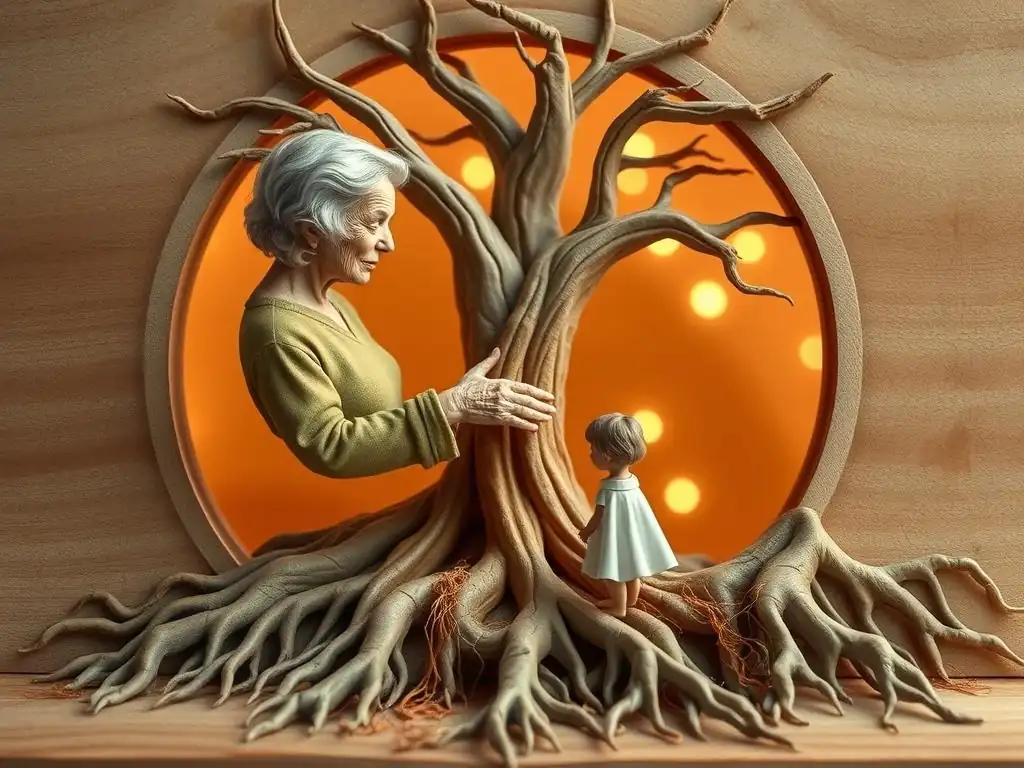
Accessing relevant resources is crucial for anyone embarking on the journey of healing from intergenerational trauma. While the path can be challenging, a wealth of information, support networks, and professional help is available to guide and assist you.
These resources can provide deeper understanding, practical tools, and connections with others who can offer support and solidarity. Utilizing these resources is a proactive step in implementing effective intergenerational trauma healing strategies.
Books and Articles on Trauma and Healing
Numerous books and articles delve into the complexities of trauma, its impact, and pathways to healing, including specific resources on intergenerational trauma. Reading personal accounts, research findings, and clinical perspectives can provide valuable insights and validation.
Authors like Bessel van der Kolk, Gabor Maté, and Mark Wolynn have written extensively on trauma and its legacy. Exploring these resources can deepen your understanding and provide context for your own experiences.
Online Support Groups and Communities
Online platforms offer a convenient way to connect with support groups and communities focused on intergenerational trauma or specific related experiences (like ACOA or descendants of particular historical traumas). These online spaces provide peer support, shared experiences, and resources.
While not a substitute for professional therapy, online communities can offer a sense of belonging and reduce isolation. They provide a space to share challenges and triumphs with others who understand.
Local Mental Health Professionals Specializing in Trauma
Finding a local mental health professional who specializes in trauma-informed care is highly recommended. Therapists with this expertise are equipped to work with the complex layers of intergenerational trauma and utilize appropriate therapeutic modalities.
You can search for trauma-informed therapists through professional directories, mental health organizations, or by asking for recommendations from trusted sources. A skilled therapist can provide tailored support and guidance on your healing journey.
Moving Forward: Creating a Healthier Future for Generations to Come
Breaking the cycle of intergenerational trauma is not just about healing the past; it is fundamentally about creating a healthier present and future. By addressing the legacy of trauma, individuals can transform their own lives and positively impact the lives of their children and grandchildren.
This involves consciously choosing different paths than those dictated by inherited trauma patterns. It requires intentional effort to foster resilience, promote healthy emotional expression, and build secure relationships within the family system and beyond.
Fostering Resilience in Children
One of the most powerful ways to break the cycle is by fostering resilience in children. This involves providing a stable, predictable, and nurturing environment where children feel safe, loved, and supported. Helping children develop strong emotional regulation skills, healthy coping mechanisms, and a positive sense of self are key.
Talking openly and age-appropriately about family history, including difficult parts, can also build resilience by providing context and preventing the transmission of unspoken anxiety or shame.
Promoting Open Communication and Emotional Expression
Creating a family environment where open communication and healthy emotional expression are encouraged is vital. This means allowing all family members to express their feelings without fear of judgment or punishment.
Modeling healthy emotional processing and conflict resolution skills helps children develop these capacities themselves. Breaking patterns of silence or explosive emotional reactions associated with trauma is crucial for creating a healthier emotional climate.
Breaking the Cycle of Abuse and Neglect
For individuals whose intergenerational trauma includes a history of abuse or neglect, a critical step is making a conscious commitment to not perpetuate these patterns with their own children. This may require significant personal healing and support from professionals.
Learning positive parenting strategies, seeking therapy to address personal triggers and unresolved pain, and building a supportive co-parenting relationship are essential steps in ensuring a safe and nurturing environment for the next generation.
Conclusion: Embracing Hope and Healing from Intergenerational Trauma
The concept of intergenerational trauma highlights the profound and lasting impact of historical and familial pain. However, recognizing this legacy is not a sentence to repeat the past. It is an invitation to embark on a journey of healing and transformation.
By understanding how trauma is transmitted, recognizing its signs, and actively engaging in intergenerational trauma healing strategies – through therapy, self-care, exploring family history, and building supportive connections – individuals can break free from the cycle of pain. This process requires courage and commitment, but it offers the profound possibility of not only healing oneself but also creating a legacy of resilience, hope, and well-being for generations to come. The journey towards healing inherited trauma is a testament to the strength of the human spirit and the capacity for change.
Frequently Asked Questions
What exactly is intergenerational trauma?
Intergenerational trauma refers to the psychological and emotional consequences of trauma that are passed down from one generation to the next. It can manifest through various means, impacting behavioral patterns and belief systems.
How does intergenerational trauma affect individuals?
It can lead to a range of issues, including anxiety, depression, difficulty forming relationships, and a heightened sensitivity to stress. These effects can significantly impact an individual's overall mental well-being.
What are some common signs that someone might be experiencing the effects of intergenerational trauma?
Signs can include unexplained feelings of guilt or shame, a strong sense of injustice, and difficulty trusting others. Also, recurring patterns of dysfunctional relationships might indicate its presence.
What are some key intergenerational trauma healing strategies?
Therapy, specifically trauma-informed therapy, is crucial. Also, understanding family history and developing self-awareness are vital components for breaking the cycle.
Where can I find resources and support for intergenerational trauma healing?
Mind Care Guide offers comprehensive information, support, and resources related to various mental health challenges, including intergenerational trauma. Look for articles, support groups, and links to qualified therapists specializing in trauma.
Final Reflection: Breaking the Chain: Healing Intergenerational Trauma
The pervasive impact of intergenerational trauma is not a relic of the past; it's a present-day reality shaping countless lives. Understanding its insidious reach, from impacting mental health to perpetuating societal inequalities, is crucial for building a healthier future. We've explored the complex mechanisms through which trauma is passed down, from epigenetic changes to learned behaviors, and the devastating consequences that ripple through families and communities.
The weight of inherited trauma is immense, a silent burden carried across generations. It shapes our relationships, our self-perception, and our very understanding of the world. The past is never dead. It's not even past.
– William Faulkner. This quote powerfully encapsulates the ongoing influence of unresolved trauma, reminding us that healing is not simply about individual recovery, but about collective liberation. We must acknowledge the systemic factors that contribute to the perpetuation of trauma, from historical injustices to ongoing social inequalities, to truly address its root causes.
Now, consider your own family history. What stories have been passed down? What unspoken wounds might be shaping your present? This article isn't just about understanding the past; it's a call to action. Seek out resources, connect with others who understand, and actively engage in healing practices – whether that's therapy, mindfulness, creative expression, or simply open and honest communication with your loved ones. By confronting the inherited trauma and actively working towards healing, you not only liberate yourself but also break the cycle for future generations, creating a legacy of resilience and well-being.
Unlock Your Family's Healing Journey
Thank you for taking the time to explore the complex issue of intergenerational trauma. We hope this article provided valuable insights into understanding its impact and potential for healing. Now, let's move from understanding to action.
- Begin your personal exploration: Reflect on your family history and identify potential patterns of trauma. This might involve journaling, conversations with family members (if comfortable), or researching your ancestry. This is the crucial first step to breaking the cycle.
- Share this article with someone who might benefit: Open a dialogue about intergenerational trauma with a friend, family member, or support group. Starting these conversations can be incredibly powerful.
- Discover additional resources: Seek out qualified mental health professionals or support groups specializing in trauma therapy. Knowledge is power, but professional guidance can be transformative.
What small step will you take today to begin healing and empowering your family's future?