
Cyclothymia vs. Bipolar: Key Differences You Need to Know


Welcome to Mind Care Guide, your compassionate companion on the path to mental well-being.
Feeling like your moods are a constant rollercoaster, but not quite fitting the typical bipolar profile? You're not alone. It's time to untangle the complexities of mood disorders. This is crucial, and understanding the nuances can be incredibly empowering. Dive into our comprehensive guide to decipher cyclothymia bipolar disorder symptoms and discover the key differences that can help you better understand your experiences. Are you ready to unlock the clarity you deserve?
Cyclothymia vs. Bipolar Disorder: Key Differences
- Understanding Mood Disorders: Cyclothymia and Bipolar Disorder
- Cyclothymia Symptoms: Recognizing the Mood Swings
- Bipolar Disorder Symptoms: Identifying Distinct Episodes
- Cyclothymia vs. Bipolar Disorder: Symptom Comparison
- Key Differences Between Cyclothymia and Bipolar Disorder
- Diagnosing Cyclothymia and Bipolar Disorder
- Treatment Options for Cyclothymia and Bipolar Disorder
- Living with Cyclothymia and Bipolar Disorder: Coping and Support
- Understanding Cyclothymia and Bipolar Disorder: Summary
-
Frequently Asked Questions
- What is the primary difference between cyclothymia and bipolar disorder?
- Are the mood swings in cyclothymia as disruptive as those in bipolar disorder?
- How long must symptoms persist to be diagnosed with cyclothymia?
- Can cyclothymia develop into bipolar disorder?
- What are the common treatment approaches for both cyclothymia and bipolar disorder?
- Final Reflection: Understanding the Nuances of Mood: Cyclothymia and Bipolar Disorder
- Unlock Your Understanding: Take the Next Steps Towards Mental Wellness
Understanding Mood Disorders: Cyclothymia and Bipolar Disorder
Introduction to Cyclothymia and Bipolar Disorder
Mood disorders are a category of mental health conditions characterized by significant changes in a person's mood, energy level, and activity level. These shifts can range from periods of elevated or irritable mood (mania or hypomania) to periods of sadness or low mood (depression). While many people experience occasional mood swings, for individuals with mood disorders like cyclothymia and bipolar disorder, these shifts are more intense, persistent, and can significantly impact daily life, relationships, and overall functioning. Understanding the nuances of these conditions is crucial for accurate identification and appropriate support.
Both cyclothymia and bipolar disorder involve fluctuations in mood, but they differ significantly in the severity, duration, and pattern of these mood episodes. Cyclothymic disorder is often considered a milder form of bipolar disorder, characterized by less severe mood swings that don't meet the full criteria for hypomanic or major depressive episodes. Bipolar disorder, on the other hand, involves more pronounced and sometimes debilitating shifts, including full manic or major depressive episodes. Recognizing the specific cyclothymia bipolar disorder symptoms is the first step towards seeking effective management strategies.
Importance of Accurate Diagnosis
An accurate diagnosis is paramount when dealing with mood disorders because it directly influences the choice of treatment and management strategies. Misdiagnosis can lead to ineffective interventions, prolonged suffering, and even exacerbation of symptoms. For example, treating bipolar disorder solely as major depression with antidepressants alone can potentially trigger manic or hypomanic episodes in some individuals. Distinguishing between cyclothymia bipolar disorder symptoms requires careful evaluation by a qualified mental health professional.
Furthermore, a correct diagnosis empowers individuals and their families with knowledge about the condition. Understanding whether one is experiencing cyclothymia symptoms or the more intense bipolar disorder symptoms allows for targeted psychoeducation, development of effective coping mechanisms, and creation of a personalized treatment plan. It also helps in accessing appropriate support networks and resources tailored to the specific challenges posed by each disorder, facilitating better long-term outcomes and improved quality of life.
Cyclothymia Symptoms: Recognizing the Mood Swings
Hypomanic Symptoms in Cyclothymia
In cyclothymia, periods of elevated mood are referred to as hypomanic symptoms. These are less severe and shorter-lived than the manic episodes seen in Bipolar I disorder. During a hypomanic phase in cyclothymia, an individual might experience increased energy, reduced need for sleep (e.g., feeling rested after only 3-4 hours), increased talkativeness, racing thoughts, and heightened irritability or euphoria. They may also engage in impulsive or risky behaviors, though typically not to the extreme degree seen in full mania, and the symptoms don't cause severe impairment or require hospitalization.
These hypomanic periods must last for at least four consecutive days according to diagnostic criteria. While they can sometimes feel productive or even enjoyable, they represent a clear change from the person's usual mood and behavior and can still lead to poor judgment or interpersonal difficulties. Recognizing these subtle shifts is key to identifying cyclothymia bipolar disorder symptoms in their milder form.
Depressive Symptoms in Cyclothymia
Cyclothymia also involves periods of low mood, which are depressive symptoms. However, these do not meet the full criteria for a major depressive episode. Symptoms might include feelings of sadness, loss of interest or pleasure in activities, changes in appetite or weight, sleep disturbances (insomnia or hypersomnia), fatigue, feelings of worthlessness, or difficulty concentrating. These symptoms are noticeable and cause distress or impairment, but they are less severe and typically shorter than a major depressive episode, which requires at least five specific symptoms lasting for two weeks or more.
These depressive phases in cyclothymia often alternate with the hypomanic periods, creating a pattern of fluctuating moods. The individual might cycle back and forth between these states with only brief periods of stable mood in between. While less intense than major depression, these depressive cyclothymia symptoms can still significantly impact a person's ability to function at work, school, or in relationships.
Cyclothymia Diagnostic Criteria
According to the Diagnostic and Statistical Manual of Mental Disorders (DSM-5-TR), the diagnostic criteria for cyclothymic disorder require that an individual has experienced numerous periods of hypomanic symptoms and numerous periods of depressive symptoms for at least two years (one year in children and adolescents). During this two-year period, the mood swings must have been present for at least half the time, and the individual cannot have been without the symptoms for more than two consecutive months. Neither the hypomanic symptoms nor the depressive symptoms meet the full criteria for a hypomanic episode or a major depressive episode, respectively.
Furthermore, there must never have been a full manic episode, a hypomanic episode, or a major depressive episode during the first two years of the disturbance. If a full mood episode occurs after the initial two years, the diagnosis might shift to bipolar disorder. The symptoms must also cause clinically significant distress or impairment in social, occupational, or other important areas of functioning, and cannot be better explained by another mental disorder, substance use, or a medical condition. Understanding these specific criteria is essential for differentiating cyclothymia bipolar disorder symptoms.
Bipolar Disorder Symptoms: Identifying Distinct Episodes
Bipolar I Disorder: Mania and Depression
Bipolar I Disorder is characterized by the occurrence of at least one manic episode. A manic episode is a distinct period of abnormally and persistently elevated, expansive, or irritable mood and abnormally and persistently increased activity or energy, lasting at least one week and present most of the day, nearly every day.
During this period, three or more specific symptoms (four if the mood is only irritable) are present to a significant degree, such as inflated self-esteem, decreased need for sleep (e.g., feeling rested after 3 hours), more talkative than usual, racing thoughts, distractibility, increase in goal-directed activity, or excessive involvement in activities that have a high potential for painful consequences (e.g., unrestrained buying sprees, sexual indiscretions, foolish business investments).
The manic episode must be severe enough to cause marked impairment in social or occupational functioning, necessitate hospitalization to prevent harm to self or others, or have psychotic features (like hallucinations or delusions). Most individuals with Bipolar I disorder also experience major depressive episodes, though these are not required for the diagnosis of Bipolar I itself (the presence of a manic episode is sufficient). The stark contrast between these intense states defines the core Bipolar I symptoms.
Bipolar II Disorder: Hypomania and Major Depression
Bipolar II Disorder is defined by the occurrence of at least one hypomanic episode and at least one major depressive episode. A hypomanic episode, in the context of Bipolar II, is a distinct period of abnormally and persistently elevated, expansive, or irritable mood and abnormally and persistently increased activity or energy, lasting at least four consecutive days and present most of the day, nearly every day. Similar to mania, three or more specific symptoms (four if irritable) are present, such as inflated self-esteem, decreased need for sleep (e.g., 3-4 hours), increased talkativeness, racing thoughts, or increased goal-directed activity.
Crucially, the hypomanic episode in Bipolar II is not severe enough to cause marked impairment in social or occupational functioning, necessitate hospitalization, or include psychotic features. However, the depressive episodes in Bipolar II do meet the full criteria for a major depressive episode, meaning they are severe enough to cause significant distress or impairment. The presence of both hypomanic and major depressive episodes, without a history of a full manic episode, distinguishes Bipolar II disorder symptoms from those of Bipolar I.
Bipolar Disorder Diagnostic Criteria
The diagnostic criteria for Bipolar I Disorder require at least one lifetime manic episode. The occurrence of hypomanic or major depressive episodes is common but not mandatory for the Bipolar I diagnosis itself, although they are often part of the clinical picture. If a major depressive episode occurs, it must meet the full DSM-5-TR criteria (at least five symptoms, including depressed mood or loss of interest/pleasure, lasting at least two weeks).
For Bipolar II Disorder, the criteria require at least one lifetime hypomanic episode and at least one lifetime major depressive episode. There must never have been a full manic episode. The mood episodes in both Bipolar I and Bipolar II cannot be better explained by another mental disorder, substance use, or a medical condition. The symptoms must cause clinically significant distress or impairment in social, occupational, or other important areas of functioning. These specific criteria help differentiate the distinct patterns of cyclothymia bipolar disorder symptoms from other conditions.
Cyclothymia vs. Bipolar Disorder: Symptom Comparison
Severity of Mood Episodes
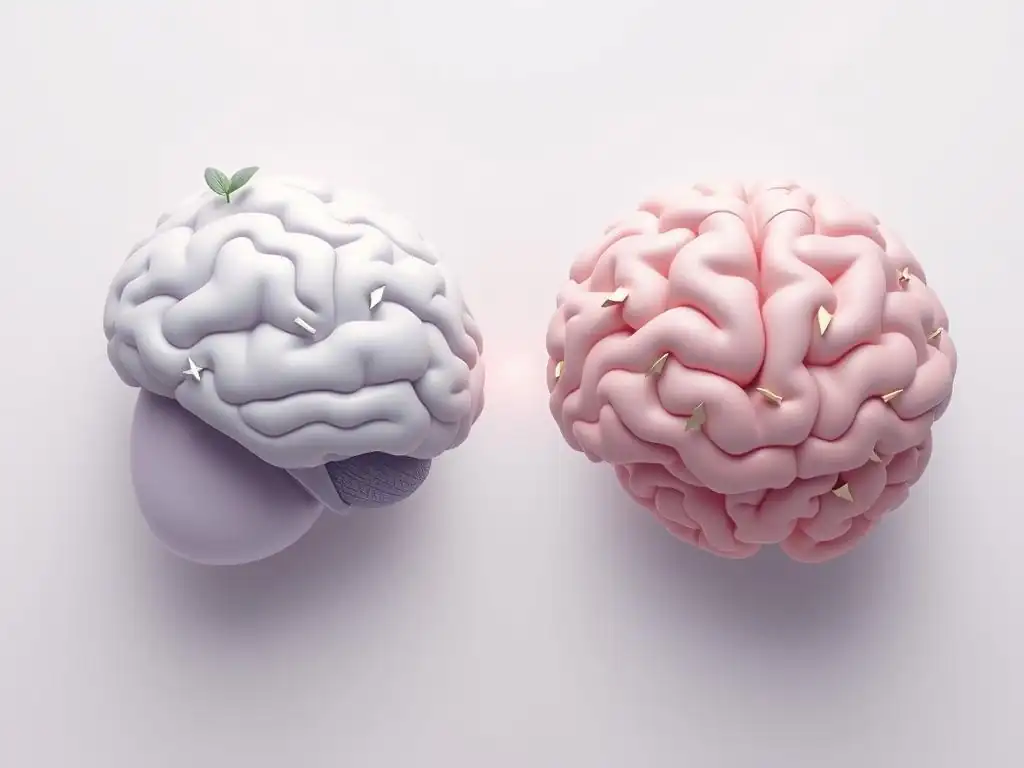
One of the primary distinctions between cyclothymia bipolar disorder symptoms lies in the severity of the mood episodes. In cyclothymia, the elevated mood periods are hypomanic symptoms that do not reach the intensity or duration required for a full hypomanic episode as defined for Bipolar II, and certainly not a manic episode as seen in Bipolar I. Similarly, the low mood periods in cyclothymia are depressive symptoms that do not meet the full criteria for a major depressive episode. They are noticeable mood swings but are typically milder and less disruptive than the episodes in bipolar disorder.
In contrast, bipolar disorder involves more extreme mood shifts. Bipolar I is characterized by full manic episodes, which can be severely impairing and sometimes require hospitalization. Bipolar II involves full major depressive episodes, which are equally debilitating as major depression in other contexts, alongside hypomanic episodes that, while less severe than mania, still represent a distinct elevated state. The spectrum of severity, from the milder fluctuations of cyclothymia to the intense highs and lows of bipolar disorder, is a key differentiating factor.
Duration of Mood Episodes
The duration of mood episodes also varies between cyclothymia and bipolar disorder. For cyclothymia, the hypomanic-like and depressive-like periods are numerous and must occur over a period of at least two years, with symptoms present for at least half that time and no more than two consecutive months without symptoms. The individual periods of elevated or low mood themselves don't necessarily need to last for a specific minimum duration like full episodes in bipolar disorder, but the pattern of fluctuating symptoms must be chronic.
In bipolar disorder, specific duration criteria apply to the episodes. A manic episode must last at least one week (or any duration if hospitalization is necessary). A hypomanic episode (in Bipolar II) must last at least four consecutive days. A major depressive episode must last at least two weeks. While the overall course of bipolar disorder can involve long periods between episodes, the episodes themselves have minimum duration requirements that are typically longer and more defined than the individual mood swings seen within the chronic pattern of cyclothymia.
Frequency of Mood Episodes
While both conditions involve fluctuating moods, the pattern and frequency differ. Cyclothymia is characterized by numerous periods of hypomanic and depressive symptoms over a prolonged period (at least two years). The shifts can occur frequently, sometimes rapidly cycling between states, though not always meeting the formal definition of rapid cycling seen in bipolar disorder (four or more episodes in a year). The defining feature is the chronic, fluctuating nature of the mood, rather than distinct, separated episodes.
Bipolar disorder involves more distinct, separated episodes of mania/hypomania and major depression. While individuals can experience rapid cycling, it's not inherent to the diagnosis in the same way that chronic fluctuations are to cyclothymia. The periods between full mood episodes in bipolar disorder can include periods of stable mood (euthymia), which are often longer and more stable than the brief periods of stable mood experienced by individuals with cyclothymia during their two-year diagnostic window. The chronic, less severe fluctuations of cyclothymia symptoms stand in contrast to the more defined, often more severe episodes of bipolar disorder symptoms.
Key Differences Between Cyclothymia and Bipolar Disorder
Cyclothymia: Milder Mood Swings
The most significant difference lies in the intensity of the mood swings. Cyclothymia involves persistent, fluctuating moods that include periods of hypomanic-like and depressive-like symptoms. These symptoms cause distress or impairment, but they do not reach the severity, duration, or impact required to be classified as full hypomanic or major depressive episodes. For example, while someone with cyclothymia might experience a few days of increased energy, reduced sleep, and talkativeness, they typically don't engage in the severely reckless behavior or experience the complete loss of reality that can occur during a manic episode in Bipolar I.
Similarly, the low periods in cyclothymia feel like depression, but they don't meet the threshold for a major depressive episode, which involves a cluster of specific symptoms (like profound sadness, loss of interest, significant fatigue, and cognitive difficulties) lasting at least two weeks and causing marked impairment. The mood shifts in cyclothymia are like smaller waves compared to the larger, crashing waves of bipolar disorder episodes.
Bipolar Disorder: More Intense Episodes
In contrast, bipolar disorder is characterized by more severe and distinct mood episodes. Bipolar I involves at least one manic episode, which is a period of intensely elevated or irritable mood and increased energy that causes significant impairment or requires hospitalization. Individuals might experience psychosis during mania. Bipolar II involves hypomanic episodes (less severe than mania, not causing severe impairment) paired with at least one major depressive episode, which is a period of profound sadness, loss of interest, and functional impairment lasting at least two weeks.
The intensity of these episodes is a defining feature. A major depressive episode in bipolar disorder can be just as severe and potentially life-threatening (due to suicidal ideation) as major depressive disorder. A manic episode in Bipolar I can lead to significant financial ruin, legal problems, or serious harm due to impaired judgment and impulsivity. These severe episodes are the hallmark of bipolar disorder symptoms, differentiating them clearly from the milder cyclothymia symptoms.
Impact on Daily Functioning
While both conditions impact daily functioning, the nature and severity of the impact can differ due to the intensity of the mood episodes. Cyclothymia causes chronic distress and impairment due to the persistent, unpredictable mood swings. It can make it difficult to maintain stable relationships, hold down a consistent job, or plan for the future because one never knows when the mood will shift. The impairment is often chronic and fluctuating, stemming from the pattern of instability rather than single, severe episodes.
Bipolar disorder episodes, particularly manic and major depressive episodes, can cause acute and severe impairment. During a manic episode, a person might be unable to work, make catastrophic decisions, or require hospitalization. During a major depressive episode, they might be bedridden, unable to perform basic self-care, or experience suicidal thoughts. While individuals with bipolar disorder may have periods of stability between episodes, the episodes themselves are highly disruptive and can lead to significant long-term consequences, such as job loss, financial problems, and damaged relationships. Understanding the distinct impact helps clarify cyclothymia bipolar disorder symptoms and their consequences.
Diagnosing Cyclothymia and Bipolar Disorder
Mental Health Assessment
The process of diagnosing cyclothymia or bipolar disorder typically begins with a comprehensive mental health assessment conducted by a qualified professional, such as a psychiatrist, psychologist, or licensed clinical social worker. This assessment involves a detailed interview about the individual's symptoms, medical history, family history of mental illness, substance use, and life experiences.
The clinician will explore the nature, duration, frequency, and severity of mood swings, looking for specific patterns that align with diagnostic criteria. They will ask about periods of elevated mood, irritability, increased energy, decreased need for sleep, racing thoughts, impulsivity, as well as periods of low mood, sadness, loss of interest, fatigue, and changes in sleep or appetite.
Often, the assessment includes gathering information from family members or close friends, with the individual's consent. This is because individuals experiencing manic or hypomanic episodes may have limited insight into their own behavior. Information from loved ones can provide crucial details about changes in mood, behavior, and functioning that the individual might not fully recall or recognize. Standardized questionnaires or rating scales might also be used to help quantify symptom severity and track changes over time, contributing to a more complete picture of the individual's cyclothymia bipolar disorder symptoms.
Differential Diagnosis
Differential diagnosis is a critical step in distinguishing between cyclothymia, bipolar disorder, and other conditions that might present with similar symptoms. The clinician must rule out other potential causes for mood swings, such as substance use (e.g., stimulant abuse, withdrawal), medical conditions (e.g., thyroid disorders, neurological conditions), or other mental health disorders (e.g., major depressive disorder, anxiety disorders, personality disorders like Borderline Personality Disorder). For instance, fluctuating moods can be a feature of Borderline Personality Disorder, but the underlying drivers and symptom patterns are distinct from those seen in cyclothymia or bipolar disorder.
Differentiating between cyclothymia and bipolar disorder itself requires careful consideration of the severity and pattern of mood episodes. If the individual has experienced a full manic or major depressive episode, a diagnosis of cyclothymia is ruled out. If they have experienced hypomanic episodes and major depressive episodes but never a full manic episode, Bipolar II is considered.
If they have experienced at least one full manic episode, Bipolar I is the diagnosis. The chronicity of the milder fluctuations over at least two years, without meeting full episode criteria, is the key to diagnosing cyclothymia, distinguishing it from the more pronounced bipolar disorder symptoms.
The Role of a Mental Health Professional
A qualified mental health professional is essential for an accurate diagnosis and effective treatment plan for cyclothymia or bipolar disorder. They possess the expertise to conduct thorough assessments, interpret complex symptom presentations, and apply the diagnostic criteria correctly. Self-diagnosis based on online information about cyclothymia bipolar disorder symptoms can be misleading and should never replace professional evaluation.
Beyond diagnosis, the mental health professional plays a vital role in developing and managing a tailored treatment plan. This often involves prescribing medication, providing psychotherapy, offering psychoeducation about the condition, and monitoring progress. They can help individuals develop coping strategies, identify triggers, and build resilience. Given the chronic nature of these conditions, a long-term relationship with a mental health professional is often necessary for ongoing support and management.
Treatment Options for Cyclothymia and Bipolar Disorder

Therapy for Cyclothymia
Psychotherapy is a cornerstone of treatment for cyclothymia. Cognitive Behavioral Therapy (CBT) can be particularly helpful, focusing on identifying negative thought patterns and behaviors associated with mood swings and developing healthier coping mechanisms. CBT helps individuals challenge distorted thinking during depressive or hypomanic phases and learn strategies to manage impulses and regulate emotions.
Dialectical Behavior Therapy (DBT) is another effective therapy, especially for individuals who struggle with intense emotions, impulsivity, and interpersonal difficulties, which can be prominent during cyclothymic mood swings. DBT teaches skills in mindfulness, distress tolerance, emotion regulation, and interpersonal effectiveness, helping individuals navigate the unpredictable shifts in their mood and improve stability in their lives and relationships. Psychoeducation, which involves learning about cyclothymia symptoms and the nature of the disorder, is also a crucial component, empowering individuals to understand and manage their condition.
Medication for Cyclothymia
While cyclothymia is characterized by milder symptoms than full bipolar disorder, medication may still be considered, particularly if symptoms are causing significant distress or impairment. Mood stabilizers are often the first line of pharmacological treatment. Medications like lithium, valproate (Depakote), or lamotrigine (Lamictal) can help to reduce the frequency and severity of mood swings.
Antidepressants are generally used with caution in cyclothymia, similar to bipolar disorder, as they can potentially trigger hypomanic or manic symptoms in some individuals. If an antidepressant is used, it is typically prescribed alongside a mood stabilizer. The decision to use medication is made on a case-by-case basis, weighing the severity of cyclothymia symptoms and their impact against potential side effects, always under the careful supervision of a prescribing physician, usually a psychiatrist.
Therapy for Bipolar Disorder
Psychotherapy is an essential part of managing bipolar disorder, often used in conjunction with medication. Psychoeducation is vital, helping individuals and their families understand the illness, its symptoms (including cyclothymia bipolar disorder symptoms if relevant to family history or prior presentation), triggers, and the importance of adherence to treatment. This knowledge empowers individuals to become active participants in their own care.
Several specific therapies have proven effective for bipolar disorder. Family-Focused Therapy (FFT) involves family members in the treatment process, improving communication and problem-solving skills within the family unit to reduce relapse rates. Interpersonal and Social Rhythm Therapy (IPSRT) focuses on stabilizing daily routines and sleep-wake cycles, which are often disrupted in bipolar disorder and can trigger mood episodes. CBT and DBT are also valuable for managing depressive symptoms, anxiety, and developing coping strategies for mood fluctuations.
Medication for Bipolar Disorder
Medication is typically necessary for effectively managing bipolar disorder, particularly for controlling manic and depressive episodes. Mood stabilizers, such as lithium, valproate, lamotrigine, and carbamazepine, are fundamental in preventing mood swings or reducing their severity. Lithium, for example, has been shown to be effective in reducing both manic and depressive episodes and may lower suicide risk.
Antipsychotic medications, both first and second generation (like olanzapine, quetiapine, risperidone, aripiprazole), are often used to treat acute manic or mixed episodes and can also be used as maintenance therapy to prevent recurrence. Antidepressants may be used to treat depressive episodes in bipolar disorder, but they are usually prescribed cautiously and often in combination with a mood stabilizer or antipsychotic to minimize the risk of precipitating a manic or hypomanic switch. The specific medication regimen is highly individualized based on the type of bipolar disorder, symptom profile, and individual response, requiring careful monitoring by a psychiatrist.
Living with Cyclothymia and Bipolar Disorder: Coping and Support
Self-Care Strategies
Living with cyclothymia or bipolar disorder requires proactive self-care strategies to help manage mood fluctuations and maintain stability. Establishing and sticking to a regular routine, especially regarding sleep and wake times, is crucial, as disrupted sleep can be a major trigger for mood swings. Aiming for 7-9 hours of quality sleep consistently can significantly impact mood stability.
Other important self-care practices include engaging in regular physical activity, which has been shown to improve mood and reduce anxiety; maintaining a healthy diet; avoiding alcohol and recreational drugs, as these can destabilize mood; and practicing stress-reduction techniques such as mindfulness, meditation, or yoga. Learning to recognize early warning signs of an impending mood shift, whether it's increased energy or creeping sadness, allows individuals to take proactive steps or seek help before an episode becomes severe. Keeping a mood diary can be a helpful tool for tracking cyclothymia bipolar disorder symptoms and identifying patterns or triggers.
Building a Support System
A strong support system is invaluable for individuals managing cyclothymia or bipolar disorder. This includes supportive family members, friends, and potentially support groups. Connecting with others who understand what it's like to live with a mood disorder can reduce feelings of isolation and provide practical coping tips and emotional encouragement. Support groups, whether in-person or online, offer a safe space to share experiences and learn from peers.
Educating loved ones about the condition is also vital. Helping family and friends understand the nature of cyclothymia bipolar disorder symptoms can foster empathy, reduce conflict, and enable them to provide appropriate support during difficult times. Having trusted individuals who can recognize early warning signs and encourage seeking professional help is a critical safety net.
Importance of Lifestyle Adjustments
Beyond self-care, making broader lifestyle adjustments can significantly contribute to managing cyclothymia and bipolar disorder. This might involve structuring one's work or academic life to minimize stress and accommodate the need for stability. For example, individuals might need to manage demanding workloads, avoid excessive travel that disrupts routines, or build in flexibility to manage periods of lower energy or increased activity.
Developing a plan for managing symptoms during challenging times is also key. This includes having a crisis plan in place, knowing who to contact for help, and understanding the steps to take if symptoms escalate. Consistency in medication adherence and regular appointments with mental health professionals are non-negotiable lifestyle commitments for maintaining stability. Embracing these adjustments as part of a long-term management strategy is essential for living well with these conditions.
Understanding Cyclothymia and Bipolar Disorder: Summary
Key Takeaways
Cyclothymia and bipolar disorder are both mood disorders involving shifts between elevated and low moods, but they differ significantly in severity, duration, and pattern. Cyclothymia is characterized by chronic, fluctuating hypomanic-like and depressive-like symptoms over at least two years that do not meet the full criteria for manic, hypomanic, or major depressive episodes. The mood swings are milder but persistent, causing distress and impairment.
Bipolar disorder involves more distinct and severe episodes. Bipolar I includes at least one manic episode (potentially with major depressive episodes), while Bipolar II involves at least one hypomanic episode and at least one major depressive episode. The episodes in bipolar disorder are more intense, longer-lasting (meeting specific duration criteria), and often cause more significant acute impairment than the mood swings in cyclothymia. Understanding these differences in cyclothymia bipolar disorder symptoms is fundamental.
Seeking Help
If you recognize potential cyclothymia bipolar disorder symptoms in yourself or someone you know, seeking professional help is crucial. Accurate diagnosis by a qualified mental health professional is the essential first step towards getting appropriate treatment. Do not attempt to self-diagnose, as the nuances between cyclothymia, bipolar subtypes, and other conditions require expert evaluation.
Reaching out to a doctor, psychiatrist, psychologist, or counselor can initiate the diagnostic process and lead to the development of a personalized treatment plan. Early intervention can significantly improve outcomes and quality of life for individuals living with these conditions. Remember that seeking help is a sign of strength and is the most effective way to gain control over mood disorder symptoms.
Resources for Further Learning
Learning more about cyclothymia and bipolar disorder can be empowering for individuals affected by these conditions and their families. Reputable mental health organizations often provide extensive information on cyclothymia bipolar disorder symptoms, diagnostic criteria, treatment options, and coping strategies. These resources can offer detailed guides, personal stories, and research updates.
Educational materials can help clarify misconceptions, reduce stigma, and provide practical tools for managing the challenges of living with a mood disorder. Engaging with these resources can complement professional treatment and support the journey towards recovery and stability.
Frequently Asked Questions
What is the primary difference between cyclothymia and bipolar disorder?
The main distinction lies in the severity and duration of mood episodes. Cyclothymia involves less intense highs (hypomania) and lows (mild depression) compared to the more extreme episodes seen in bipolar disorder.
Are the mood swings in cyclothymia as disruptive as those in bipolar disorder?
Generally, no. While both conditions involve mood swings, cyclothymia's are typically less severe and therefore less likely to significantly impair daily functioning and relationships compared to bipolar disorder.
How long must symptoms persist to be diagnosed with cyclothymia?
For a cyclothymia diagnosis, hypomanic and depressive symptoms must persist for at least two years in adults and one year in children and adolescents, with symptom-free periods lasting no more than two months at a time.
Can cyclothymia develop into bipolar disorder?
Yes, it's possible. In some cases, cyclothymia can evolve into bipolar II disorder if the individual experiences a major depressive episode and/or more pronounced hypomanic episodes that meet the criteria for bipolar II.
What are the common treatment approaches for both cyclothymia and bipolar disorder?
Treatment often involves a combination of psychotherapy (like CBT) and medication (mood stabilizers). The specific medications and therapy approaches will be tailored to the individual's symptoms and the severity of their condition.
Final Reflection: Understanding the Nuances of Mood: Cyclothymia and Bipolar Disorder
The subtle yet significant differences between cyclothymia and bipolar disorder are crucial for accurate diagnosis and effective treatment, impacting countless lives today. Misunderstanding these conditions can lead to delayed or inappropriate care, highlighting the urgent need for increased awareness and improved diagnostic tools. The consequences of misdiagnosis can be profound, affecting not only the individual's well-being but also their relationships and overall quality of life.
The exploration of cyclothymia and bipolar disorder has underscored the complexity of mood disorders and the importance of recognizing the spectrum of experiences. These conditions, while distinct, share a common thread of mood instability, reminding us that mental health is a multifaceted landscape. The mind is not a vessel to be filled, but a fire to be kindled.
- Plutarch. This quote perfectly encapsulates the need to nurture and understand the complexities of our inner worlds, rather than simply treating symptoms in isolation. The ongoing research and advocacy surrounding these conditions are vital steps towards fostering greater empathy and understanding.
Now, consider your own experiences with mood fluctuations. Have you ever questioned the intensity or duration of your emotional states? This article serves as a starting point for self-reflection and a call to action. If you suspect you or someone you know might be struggling with cyclothymia or bipolar disorder, seek professional help. Don't hesitate to reach out to a mental health professional for a proper evaluation. Your journey towards understanding and managing your mental well-being begins with a single step – a step towards knowledge, self-compassion, and ultimately, healing.
Unlock Your Understanding: Take the Next Steps Towards Mental Wellness
Thank you for taking the time to learn more about cyclothymia and bipolar disorder. We hope this article provided valuable insights into differentiating these conditions and understanding their impact. Now, let's turn that knowledge into action!
- Identify your next steps: Do you need to seek a professional evaluation? This is crucial for accurate diagnosis and personalized treatment. Consider scheduling an appointment with a mental health professional today.
- Share this knowledge: Help others who might be struggling by sharing this article with family, friends, or support groups. A simple conversation can make a world of difference.
- Explore additional resources: Dive deeper into mental health resources available online or in your community. Discover more tools and techniques to support your well-being.
Are you ready to prioritize your mental health and take proactive steps towards a more informed and empowered future?