
Get the Most Out of Your Mindfulness: Optimizing Smartwatch Meditation Features

Welcome to Mind Care Guide, your sanctuary for nurturing a healthier mind.
Feeling overwhelmed? You're not alone. We understand the daily struggles in maintaining mental well-being, and we're here to help you find moments of calm amidst the chaos. This week, we're diving into a fascinating intersection of technology and tranquility. Discover how to unlock the full potential of your wearable tech with our guide to Mindfulness Smartwatch Meditation Tips. Curious how that little gadget on your wrist can significantly impact your inner peace? Let's explore together...
Get the Most Out of Your Mindfulness: Optimizing Smartwatch Meditation Features
- Unlock Deeper Mindfulness: A Guide to Smartwatch Meditation
- Setting Up Your Smartwatch for Optimal Mindfulness Meditation
- Mastering Mindfulness Meditation Techniques with Your Smartwatch
- Advanced Mindfulness Smartwatch Strategies for Deeper Relaxation
- Troubleshooting Common Smartwatch Meditation Issues
- Maximizing Your Investment: Getting the Most Value from Your Mindfulness Smartwatch
-
Frequently Asked Questions
- How can a smartwatch enhance my mindfulness meditation practice?
- What are some key smartwatch features to look for when choosing one for mindfulness meditation?
- Are there specific mindfulness meditation techniques that pair well with smartwatch features?
- How can I ensure my smartwatch doesn't become a distraction during my mindfulness meditation?
- Where can I find guided mindfulness meditations specifically designed for smartwatches?
- Final Reflection: Cultivating Inner Peace in the Digital Age
- Unlock Deeper Mindfulness: Level Up Your Meditation Practice
Unlock Deeper Mindfulness: A Guide to Smartwatch Meditation
Understanding the Power of Guided Meditation on Your Wrist
Embarking on a journey of mindfulness is a profound step towards managing stress and enhancing overall well-being. Guided meditation, in particular, offers a structured path, providing verbal cues and soothing sounds to help focus the mind. Integrating this practice with technology, such as a smartwatch, brings a new level of accessibility and consistency to your routine.
Imagine having a personal guide available anytime, anywhere, ready to lead you through a calming session right from your wrist. This immediate availability can transform spontaneous moments of stress into opportunities for mindfulness, making it easier to maintain a regular practice even amidst a busy schedule.
Smartwatches equipped with meditation features leverage technology to make mindfulness more tangible. They often include built-in timers, vibration cues for breathing exercises, and even guided sessions that you can follow without needing your phone nearby. This portability means you can practice mindfulness smartwatch meditation tips during your commute, on a quick break at work, or even while standing in line.
The subtle, non-intrusive nature of a smartwatch allows for discreet practice, making mindfulness meditation a more integrated part of your daily life rather than a separate, scheduled event. The goal is to weave moments of calm into the fabric of your day, and your smartwatch can be an invaluable tool in achieving this.
Why Choose a Smartwatch for Mindfulness Practice? Benefits & Advantages
The convenience factor is arguably the most significant advantage of using a smartwatch for mindfulness meditation. Unlike phones, which can be sources of distraction with incoming calls, notifications, and tempting apps, a smartwatch, when configured correctly, offers a focused and minimal interface. This allows you to engage in your meditation without the constant pull towards other digital stimuli.
Furthermore, smartwatches are worn directly on the body, making features like heart rate monitoring and haptic feedback (vibrations) directly applicable to the practice. Vibration cues for breath pacing, for instance, are far more effective when felt on the wrist than heard from a phone across the room.
Beyond convenience, smartwatches offer unique data-driven insights that can support your mindfulness journey. Many devices track metrics like heart rate, heart rate variability (HRV), and even stress levels. While these should not be the sole focus of your practice, observing trends in these metrics over time can provide feedback on the potential impact of your mindfulness sessions.
For example, noticing a decrease in resting heart rate or an improvement in HRV could serve as positive reinforcement, encouraging you to continue your mindfulness smartwatch meditation tips. These tangible data points can help demystify the benefits of meditation and provide motivation, especially for beginners who might find it challenging to perceive immediate internal changes.
Setting Up Your Smartwatch for Optimal Mindfulness Meditation
Choosing the Right Mindfulness App for Your Smartwatch
Selecting the appropriate mindfulness app is crucial for a positive smartwatch meditation experience. The best app for you will depend on your specific needs, whether you prioritize a vast library of guided meditations, simple breathing exercises, detailed tracking, or community support. Many popular mindfulness apps offer dedicated smartwatch companions that sync seamlessly with their phone counterparts. These companion apps are often streamlined, focusing on core features like starting a guided session, tracking time, and providing basic feedback.
When evaluating options for mindfulness smartwatch meditation tips, consider the range of content offered. Some apps specialize in short, accessible meditations perfect for quick breaks, while others provide longer, more in-depth sessions. Look for apps that offer customization options, such as adjusting session length, choosing background sounds, or setting specific goals. Compatibility with your smartwatch's operating system (Wear OS, watchOS, etc.) is non-negotiable, so always check the app store for your specific device.
Popular Options: Headspace, Calm, and Insight Timer Compared
- Headspace: Known for its playful animations and beginner-friendly courses, Headspace offers guided meditations, sleep sounds, and focus music. Its smartwatch app typically allows you to start short guided sessions directly from your wrist, often focusing on breathing exercises and quick meditations ranging from 1 to 5 minutes. The premium version unlocks the full library of content.
- Calm: Calm provides a wide variety of content including guided meditations, sleep stories narrated by celebrities, and calming music. The Calm smartwatch app usually enables quick access to daily meditations or breathing exercises. It's often praised for its serene interface and extensive library, much of which requires a premium subscription.
- Insight Timer: This app boasts a massive library of free guided meditations contributed by teachers worldwide, along with unguided timer options. Its smartwatch integration often focuses on the meditation timer and basic tracking, though some guided content might be accessible. While it offers a premium subscription for additional courses and features, a significant amount of its core content is available for free, making it a popular choice for those seeking variety without a large upfront cost.
Configuring Notifications: Minimizing Distractions During Meditation
One of the primary benefits of using a smartwatch for mindfulness is its potential to reduce distractions, but this requires careful configuration of notifications. Default settings on most smartwatches can be overwhelming, with alerts for emails, messages, social media, and app updates constantly buzzing on your wrist. These interruptions are antithetical to the goal of focused, peaceful meditation. Therefore, a crucial step in optimizing your device for mindfulness smartwatch meditation is to manage these alerts effectively before you begin a session.
Most smartwatches offer robust notification control. You can typically silence all notifications temporarily using a "Do Not Disturb" mode or a dedicated "Focus" mode. For a more permanent solution during meditation times, you can go into your watch's settings and selectively disable notifications for specific apps that are not essential.
Consider allowing only critical alerts, like emergency contacts, if necessary, but ideally, aim for a completely silent experience during your practice. Some meditation apps automatically trigger a temporary "Do Not Disturb" mode when you start a session, which is a convenient feature to look for. Taking these steps ensures that your smartwatch acts purely as a tool for mindfulness, free from the digital noise of daily life.
Customizing Your Smartwatch Display for a Calming Experience
The visual interface of your smartwatch can also impact your mindfulness practice. A bright, cluttered watch face with numerous complications displaying information like step counts, weather updates, and calendar events can be distracting, even when you're not receiving notifications. Optimizing your display involves choosing a watch face that is simple, calming, and ideally designed for meditation or relaxation. Many smartwatches offer minimalist watch faces that display only the time, or perhaps a subtle background image.
Look for watch faces that offer limited or no complications. Some meditation apps might offer their own dedicated watch face or complication that provides quick access to starting a session or shows your meditation streak, which can be motivating. However, for the duration of the meditation itself, a simple, uncluttered display is best.
Consider setting a darker background or using the "theater mode" or "always-on display" settings thoughtfully – while "always-on" can be convenient, the constant display might be distracting for some. Experiment with different watch face styles and settings to find what creates the most serene and supportive environment for your mindfulness smartwatch meditation.
Mastering Mindfulness Meditation Techniques with Your Smartwatch
Breathing Exercises: Utilizing Smartwatch Prompts for Enhanced Focus
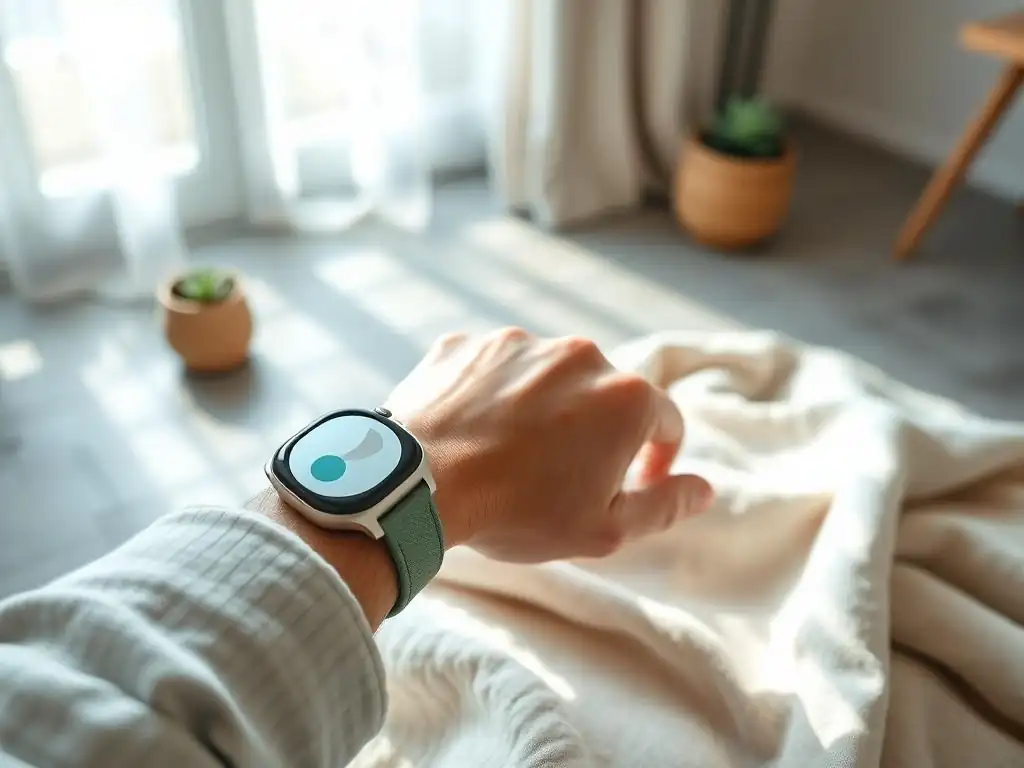
Breathing exercises are a foundational element of many mindfulness practices, helping to anchor attention to the present moment and regulate the nervous system. Smartwatches are exceptionally well-suited for guiding these exercises through haptic feedback. Instead of relying solely on visual cues or auditory instructions, your watch can provide gentle vibrations to indicate when to inhale, hold, and exhale. This allows you to keep your eyes closed and fully immerse yourself in the sensation of breathing, free from the need to look at the screen.
Apps often allow you to customize the duration of each phase of the breath cycle (inhale, hold, exhale, hold) to match your comfort level and the specific technique you are practicing, such as box breathing or 4-7-8 breathing. The vibration patterns are typically distinct for each phase, making it easy to follow along intuitively. Using these prompts provided by your device enhances focus by removing the cognitive load of timing your breaths yourself. This integrated approach makes practicing breathing exercises with your smartwatch a seamless and deeply grounding experience.
Example: Using the Apple Watch Breathe App for Guided Breathing
The Apple Watch includes a built-in app called "Breathe" (or "Mindfulness" in newer versions), which is a prime example of effective smartwatch-guided breathing. Users can set the frequency of reminders throughout the day and choose the duration of each session, typically from 1 to 5 minutes. When a session starts, the watch face displays an animation (like an expanding flower) and provides haptic feedback.
For instance, during a typical one-minute session, the watch will vibrate gently to prompt inhalation as the animation expands, and vibrate again to prompt exhalation as it contracts. The default setting is often around 7 breaths per minute, though this can sometimes be adjusted slightly. This simple yet powerful integration of visual and haptic cues directly on the wrist makes the Apple Watch Breathe app an accessible tool for incorporating short, mindful breathing breaks into a busy day, demonstrating effective mindfulness smartwatch meditation tips.
Body Scan Meditations: Tracking Progress and Identifying Tension Points
Body scan meditation involves bringing mindful awareness to different parts of the body, noticing sensations without judgment. While smartwatches don't directly scan your body, they can support this practice in several ways. Primarily, they serve as a reliable timer for the duration of the scan, which can range from 5 minutes to over 30 minutes. A simple timer function with a gentle vibration at the end allows you to remain fully present in the practice without worrying about checking the time.
Furthermore, some advanced mindfulness apps available on smartwatches might offer guided body scan sessions or prompts that align with the typical progression through the body (feet, legs, torso, arms, head). While the watch won't tell you where you hold tension, the act of regularly practicing body scans using your smartwatch as a timing or guidance tool can help you become more attuned to your physical sensations over time. This increased body awareness, facilitated by consistent practice enabled by your device, is a key benefit of mastering mindfulness meditation techniques.
Walking Meditation: Using GPS and Movement Sensors for Mindful Movement
Walking meditation is a practice where you bring mindful awareness to the physical sensations of walking – the lift and fall of the feet, the movement of the legs, the swing of the arms, and the rhythm of the breath. Smartwatches are inherently designed to track movement, making them useful companions for this form of mindfulness. While the core of walking meditation is internal awareness, your smartwatch can support the practice by timing your session and, in some cases, helping you maintain a consistent, mindful pace.
Apps can use the watch's GPS and accelerometer to track the duration and distance of your walk. Some might even offer gentle prompts or haptic cues at set intervals to remind you to bring your attention back to your breath or the sensation of your feet on the ground.
While you should avoid constantly looking at your watch during the walk, setting a timer or using a dedicated walking meditation feature allows you to structure your practice and receive a discrete signal when your session is complete. This integration of movement tracking with mindful intention showcases practical mindfulness smartwatch meditation tips.
Product Example: Fitbit's Active Zone Minutes and Mindfulness Tracking
Fitbit devices, including various smartwatch models, are well-known for their activity and health tracking features, which extend to mindfulness. While primarily focused on fitness, Fitbit includes guided breathing exercises through its "Relax" app, similar to the Apple Watch's Breathe feature, using haptic feedback. Beyond guided sessions, Fitbit tracks "Active Zone Minutes," which measure time spent in different heart rate zones.
While not a direct mindfulness metric, understanding your body's response during mindful activities, including walking meditation, can be insightful. Fitbit also integrates with popular mindfulness apps and offers its own "Mindfulness" tile or section within the main app, often linking to content from partners like Headspace. This ecosystem approach allows users to log their mindfulness sessions alongside their physical activity, providing a more holistic view of their well-being tracked by the device.
Advanced Mindfulness Smartwatch Strategies for Deeper Relaxation
Heart Rate Variability (HRV) Tracking: Measuring Stress Levels and Meditation Effectiveness
Heart Rate Variability (HRV) is the variation in the time interval between consecutive heartbeats. It's a fascinating metric because it's influenced by the autonomic nervous system and is often used as an indicator of stress, recovery, and overall nervous system balance. A higher HRV is generally associated with better stress resilience and recovery, while a lower HRV can indicate stress, fatigue, or illness. Many modern smartwatches and fitness trackers now offer HRV tracking, typically measured during sleep or a specific "stress check" session.
Monitoring your HRV can provide valuable insights into how your body is responding to stress over time and potentially how effective your mindfulness meditation practice is at improving your physiological state. While you shouldn't obsess over daily fluctuations, tracking trends in your HRV alongside your meditation consistency can offer data-driven feedback. For instance, consistently practicing mindfulness smartwatch meditation might correlate with an upward trend in your baseline HRV over several weeks or months, suggesting improved stress regulation. This provides a more objective perspective on the benefits of your practice beyond subjective feelings of calm.
How Devices like the Garmin Venu 2S and Whoop track HRV.
Devices like the Garmin Venu 2S and Whoop band utilize optical heart rate sensors (photoplethysmography, or PPG) to measure the precise timing between heartbeats. The Garmin Venu 2S, for example, typically calculates HRV during sleep as part of its "Body Battery" and stress tracking features. It reports HRV as a 7-day average baseline. Whoop, a dedicated recovery and performance tracker, places a strong emphasis on HRV, measuring it continuously during sleep and providing a daily recovery score based significantly on this metric.
These devices analyze the raw inter-beat interval (IBI) data using various algorithms (like RMSSD – Root Mean Square of Successive Differences) to derive an HRV score. While the exact calculation methods and reported values can vary between brands, the underlying principle is the same: analyzing the subtle timing differences between heartbeats to provide insight into autonomic nervous system activity. Integrating this tracking with your mindfulness smartwatch meditation routine allows for a data-enhanced approach to understanding stress and recovery.
Sleep Tracking and Mindfulness: Improving Sleep Quality Through Evening Meditation
Sleep is fundamentally linked to mental well-being, and stress and anxiety are common culprits behind poor sleep. Smartwatches with sleep tracking capabilities can monitor duration, sleep stages (light, deep, REM), and disturbances. Combining this data with a consistent mindfulness practice, particularly in the evening using your smartwatch, can be a powerful strategy for improving sleep quality. A short, guided meditation or breathing exercise before bed can help calm a racing mind, reduce pre-sleep anxiety, and prepare your body for rest.
Using your smartwatch for an evening mindfulness session provides a gentle transition from the day's activities to sleep. Many meditation apps offer specific content for sleep, including guided relaxations and sleep stories accessible on the watch. By consistently practicing these techniques and monitoring your sleep data, you can identify patterns. For example, you might notice that nights following an evening meditation session show improved metrics like increased deep sleep duration or fewer wake-ups, according to your smartwatch data. This feedback loop can reinforce the positive impact of mindfulness on your sleep hygiene.
Using Smartwatch Data to Optimize Sleep Hygiene and Reduce Pre-Sleep Anxiety
Smartwatch sleep data, while not clinical grade, can offer valuable insights. Metrics like time in bed vs. actual sleep time (sleep efficiency), total sleep duration, and sleep consistency (going to bed and waking up at similar times) can highlight areas for improvement. If your data consistently shows a long time spent awake in bed before falling asleep, it might indicate pre-sleep anxiety. Implementing a 10-15 minute guided mindfulness smartwatch meditation session as part of your bedtime routine can specifically target this anxiety.
By tracking your sleep metrics over time after incorporating evening mindfulness, you can assess its effectiveness. If your sleep efficiency improves, or the time it takes to fall asleep decreases according to your watch, it suggests the practice is helping. This data-driven feedback can be highly motivating and help you refine your bedtime routine, making mindfulness a practical tool for addressing sleep challenges and reducing anxiety before sleep.
Combining Smartwatch Features with Other Mindfulness Practices
Mindfulness extends beyond formal seated meditation. It can be integrated into various activities like yoga, Tai Chi, or even mindful eating. Your smartwatch can serve as a supportive tool in these combined practices. While you wouldn't typically follow a guided meditation during a yoga pose, the smartwatch can be used to time segments of your practice, provide breathing cues during transitional movements, or simply track your heart rate zone if you're engaging in a more active form of yoga.
For practices like Tai Chi, which involve slow, deliberate movements and focus on breath, a smartwatch can offer subtle haptic prompts for breath timing without disrupting the flow. Some fitness-focused smartwatches have specific workout modes for yoga or Tai Chi that track duration and heart rate.
Combining these tracking capabilities with the intention of mindful movement elevates the practice. For example, using a timer on your watch for a set period of mindful walking before a yoga session or incorporating a guided breathing exercise from your smartwatch app before starting your Tai Chi form leverages the device's features to enhance the overall mindfulness experience.
Example: Integrating Guided Meditation from Your Smartwatch with Yoga or Tai Chi
Imagine you're preparing for a yoga session. Instead of immediately starting your physical practice, you could use your smartwatch to lead you through a 5-minute centering guided meditation. Your watch provides the audio (perhaps via connected headphones) and haptic cues for breathing, helping you arrive fully in the present moment before you even begin your first pose. Similarly, before starting a Tai Chi form, you might use a breathing exercise app on your watch to regulate your breath and calm your mind, setting a mindful intention for the slow, deliberate movements that follow.
During the yoga or Tai Chi practice itself, you might set a simple timer on your watch to ensure you spend a specific amount of time in a pose or completing a form. The watch's subtle vibration signals the transition, allowing you to stay focused on your internal experience rather than watching a clock. Some advanced apps might even offer specific guided cues for mindful movement within these disciplines. This integration of technology allows you to use your smartwatch not just for meditation, but as a versatile tool supporting a broader mindful lifestyle.
Troubleshooting Common Smartwatch Meditation Issues
Dealing with Connectivity Problems During Meditation Sessions
A common frustration when using a smartwatch for guided meditation is encountering connectivity issues, particularly if the guided session content is streaming from your phone via Bluetooth or Wi-Fi. A dropped connection can interrupt the flow of your meditation, breaking your focus and potentially causing frustration. This is especially problematic if you rely on the audio guidance or visual prompts provided by the app.
To mitigate connectivity problems, ensure your smartwatch and phone (if needed for streaming content) are in close proximity and have a stable connection before starting your session. If you frequently meditate in areas with poor Wi-Fi or cellular signal, prioritize mindfulness apps that allow you to download guided sessions directly to your smartwatch for offline access. This eliminates the reliance on a live connection during your practice. Regularly updating both your smartwatch's operating system and your meditation app can also help resolve potential software bugs that might contribute to connectivity instability.
Optimizing Battery Life for Extended Mindfulness Practice
Mindfulness sessions can vary in length, from a few minutes to an hour or longer. Using features like guided audio, haptic feedback, and continuous heart rate monitoring during these sessions can consume battery life, especially on smaller smartwatch models. Running out of battery mid-meditation is disruptive and can discourage consistent practice. Optimizing battery usage is key to ensuring your smartwatch is ready when you are.
Before a planned longer meditation session, ensure your watch has sufficient charge. For everyday mindfulness smartwatch meditation tips throughout the day, consider adjusting settings that drain battery unnecessarily. Disabling the always-on display, reducing screen brightness, turning off non-essential notifications, and minimizing the use of power-hungry features like GPS (unless needed for walking meditation) can significantly extend battery life. Some smartwatches also offer power-saving modes that can be enabled during meditation or throughout the day.
Addressing Accuracy Concerns with Heart Rate and Stress Tracking
While smartwatches offer convenient heart rate and stress tracking, it's important to approach this data with realistic expectations. Wrist-based optical heart rate sensors can be affected by factors like watch fit, movement, skin temperature, and even tattoos, potentially leading to less accurate readings compared to chest straps. Similarly, stress metrics derived from HRV are estimates and can be influenced by factors beyond mental stress, such as physical activity, illness, and alcohol consumption.
If you notice inconsistent or seemingly inaccurate data during or after your mindfulness sessions, first ensure your watch fits snugly but comfortably on your wrist, positioned correctly according to the manufacturer's instructions. Clean the sensor regularly. Understand that daily fluctuations in metrics like HRV are normal.
Instead of focusing on precise numbers, look for broader trends over weeks or months. Use the data as a general indicator to support your self-awareness, rather than a definitive diagnosis. If you have concerns about your health, consult a medical professional; smartwatch data is a supplementary tool, not a substitute for professional medical advice.
Maximizing Your Investment: Getting the Most Value from Your Mindfulness Smartwatch
Many popular mindfulness apps operate on a freemium model, offering basic features and a limited selection of content for free, while gating their extensive libraries, advanced programs, and premium features behind a subscription. If you find yourself frequently using your smartwatch for meditation and are looking to deepen your practice, exploring these premium options might be worthwhile. Subscriptions often unlock thousands of additional guided meditations, specialized courses on topics like stress reduction, sleep, or focus, and exclusive features like offline access or in-depth tracking insights.
Before committing to a subscription, take advantage of free trials if available. Assess whether the additional content and features align with your specific goals for mindfulness smartwatch meditation. Consider the cost relative to how much you anticipate using the premium content. For someone committed to a daily practice and eager to explore a wide variety of meditation styles and topics, a premium subscription might offer significant value, providing a wealth of resources readily accessible from their wrist.
Evaluating the benefits of premium subscriptions with Calm, Headspace, and Ten Percent Happier.
- Calm Premium: Typically offers access to their full library of guided meditations, including multi-part programs, exclusive music tracks, and the complete collection of sleep stories. The breadth of content caters to various needs, from stress and anxiety to focus and gratitude. An annual subscription often costs around $70-100.
- Headspace Premium: Provides access to hundreds of guided meditations, courses (like "Mindfulness for Beginners" or "Dealing with Stress"), and themed packs. They also offer "Mindful Moments" and content specifically for sleep and focus. Their approach is often structured and progressive. An annual subscription is usually in a similar price range, often $70-100.
- Ten Percent Happier Premium: Founded by journalist Dan Harris, this app focuses on skeptical yet accessible mindfulness. The premium subscription unlocks their full library of guided meditations and interviews with renowned meditation teachers. It's often favored by those new to meditation who appreciate a straightforward, no-nonsense approach. An annual subscription might be slightly higher, potentially around $100-$150.
Utilizing Community Features for Support and Motivation
Mindfulness practice, while deeply personal, can also be enhanced by a sense of community. Many mindfulness apps and smartwatch platforms offer community features, such as forums, groups, or the ability to share your progress (like meditation streaks or total minutes) with friends. Engaging with a community can provide support, motivation, and a sense of shared journey, which can be particularly helpful on days when maintaining consistency feels challenging.
While you should avoid comparing your internal experience to others, seeing that others are also committed to their practice can be inspiring. Some apps allow you to join groups based on interests or goals, providing a space to ask questions and share experiences related to mindfulness smartwatch meditation tips. Utilizing these features can transform your solitary practice into one that feels connected to a larger network of individuals also striving for greater well-being.
Exploring Third-Party Accessories for Enhanced Comfort and Functionality
The standard band that comes with your smartwatch might not always be the most comfortable, especially for extended wear or during activities like meditation where comfort is paramount. Exploring third-party accessory options can significantly enhance your experience. Watch bands come in various materials, including soft silicone, fabric, leather, or even adjustable elastic options, each offering different levels of comfort, breathability, and style.
Finding a band that fits well and feels comfortable on your wrist throughout the day and during meditation sessions is crucial. A band that's too tight can impede circulation and affect heart rate readings, while one that's too loose can cause the watch to shift and potentially irritate the skin. Consider a band material that is breathable if you tend to sweat or one that is soft and flexible for maximum comfort during seated or lying-down meditations.
Example: Choosing the Right Band for Comfortable All-Day Wear.
For comfortable all-day wear and during mindfulness smartwatch meditation, many users prefer soft, flexible materials. A woven nylon or elastic band, for example, is often lightweight, breathable, and easily adjustable for a perfect fit that doesn't feel constrictive. Soft silicone bands are also popular as they are durable and easy to clean, though some find them less breathable than fabric options.
Alternatively, a simple, comfortable sport band made from a hypoallergenic material can be ideal. The key is to select a band that allows the watch sensor to maintain good contact with your skin for accurate tracking while being so comfortable that you barely notice it's there during your meditation. Investing in a few different band options can allow you to switch based on activity or preference, ensuring your smartwatch is always comfortable and ready to support your mindfulness journey.
Frequently Asked Questions
How can a smartwatch enhance my mindfulness meditation practice?
Smartwatches offer features like guided meditations, heart rate monitoring, and haptic feedback that can deepen your focus and awareness during meditation. They provide real-time data and gentle reminders to stay present.
What are some key smartwatch features to look for when choosing one for mindfulness meditation?
Look for smartwatches with built-in meditation apps, customizable vibration alerts, and accurate heart rate tracking. Battery life and comfortable wear are also important for longer sessions.
Are there specific mindfulness meditation techniques that pair well with smartwatch features?
Yes, techniques like breath awareness meditation and body scan meditations benefit greatly from heart rate feedback and guided prompts. Consider using apps that offer specialized programs.
How can I ensure my smartwatch doesn't become a distraction during my mindfulness meditation?
Disable notifications and use airplane mode to minimize interruptions. Focus solely on the meditation app and its features, treating the watch as a tool for focus, not a source of distraction.
Where can I find guided mindfulness meditations specifically designed for smartwatches?
Many popular meditation apps, like Calm, Headspace, and Insight Timer, offer smartwatch integrations with tailored guided sessions. Explore their libraries for beginner-friendly and advanced options.
Final Reflection: Cultivating Inner Peace in the Digital Age
The seamless integration of technology and mindfulness, as explored in this article, is no longer a futuristic fantasy; it's a tangible reality shaping how we approach mental well-being. Smartwatches, once solely fitness trackers, are evolving into powerful tools for cultivating inner peace, offering accessible and personalized meditation experiences. This shift reflects a growing societal need for accessible mental health resources and a recognition of the importance of integrating mindfulness into our increasingly busy lives.
The journey towards mindful living, facilitated by these technological advancements, is deeply personal and profoundly impactful. The convenience of having a meditation guide readily available on your wrist, coupled with the data-driven insights these devices offer, can be transformative. The mind is everything. What you think you become.
– Buddha. This ancient wisdom finds new expression in the modern context of smartwatch-assisted meditation, reminding us that the cultivation of inner peace is a continuous process, achievable with consistent effort and the right tools.
Now, consider your own relationship with technology and mindfulness. How can you leverage the tools at your disposal – be it a smartwatch, a meditation app, or simply dedicated moments of quiet reflection – to cultivate a more peaceful and present state of being? Embrace the opportunity to integrate mindfulness into your daily routine, even in small ways. Start today. Experiment with different techniques. Find what resonates with you, and watch as the positive effects ripple outwards, enriching not only your personal well-being but also your interactions with the world around you.
Unlock Deeper Mindfulness: Level Up Your Meditation Practice
Thanks for taking the time to explore how smartwatches can enhance your mindfulness journey! We hope you gained valuable insights into optimizing your meditation practice. Now, let's put that knowledge into action.
- Prioritize a Daily Meditation: Commit to just 5 minutes of mindful breathing each day using your smartwatch's guided meditation feature. This small step can make a big difference!
- Share Your Experience: Tell us (and others!) about your experience using smartwatches for meditation. What features have worked best for you?
- Explore Different Meditation Styles: Experiment with various guided meditations available on your smartwatch app—discover what resonates most deeply with you.
Ready to deepen your mindfulness practice and integrate technology thoughtfully? What small change will you make today to prioritize your well-being?