
Overcoming Fear in Extreme Sports: Mental Strategies for RiskTakers

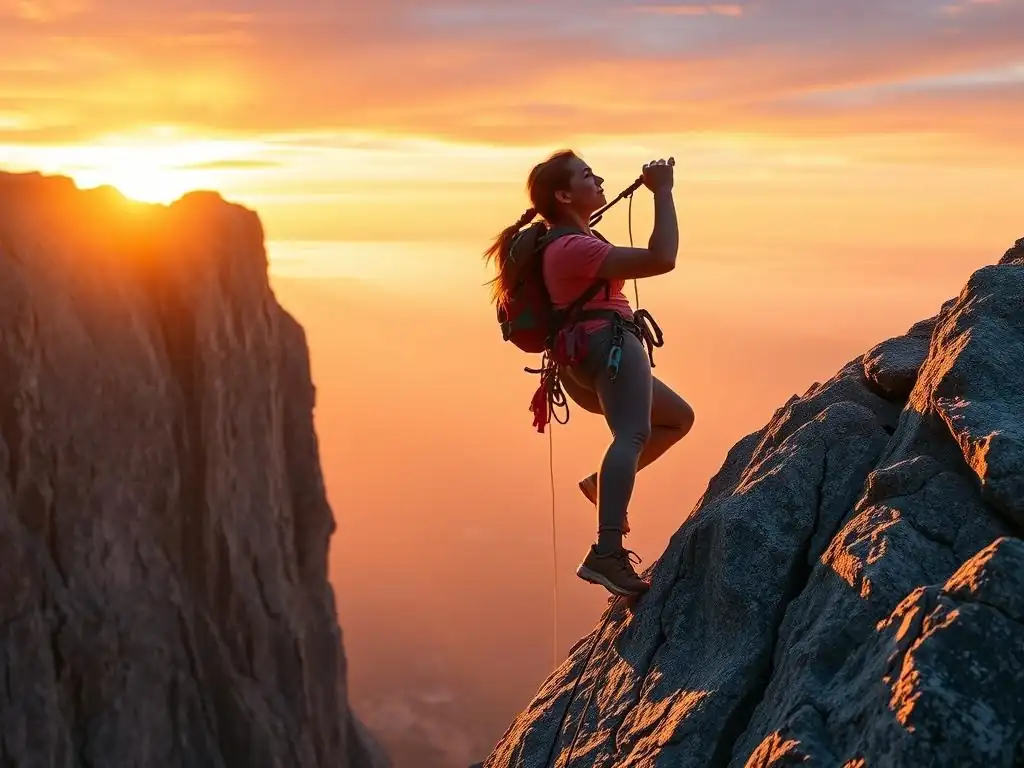
Welcome to Mind Care Guide, a sanctuary dedicated to nurturing your mental well-being.
Ever felt the grip of fear threaten to hold you back from pursuing your passions? We understand. Today, we delve into the fascinating and crucial topic of managing fear in extreme sports. This isn't just about adrenaline; it's about the mental fortitude required to push your boundaries safely and confidently. Join us as we explore proven strategies and techniques, offering a lifeline to risk-takers seeking to conquer their anxieties and unlock their full potential. Ready to learn how to harness fear and turn it into fuel?
- Managing Fear in Rock Climbing: A Mental Guide for Climbers
- Understanding Fear in Rock Climbing
- Mental Strategies for Overcoming Fear in Rock Climbing
- Practical Techniques for Building Confidence and Reducing Fear
- Maintaining a Healthy Mindset for Long-Term Success
- Rock Climbing and Mental Well-being: A Balanced Approach
- Long-Term Strategies for Sustaining a Fearless Mindset in Rock Climbing
-
Frequently Asked Questions
- What are some common fears experienced by athletes participating in extreme sports?
- How can mental preparation techniques help in managing fear during extreme sports?
- What role does risk assessment play in overcoming fear in extreme sports?
- What are some effective strategies for managing panic attacks or intense anxiety during extreme sports activities?
- How can athletes build resilience and bounce back from setbacks or failures in extreme sports?
- Final Reflection: Conquering Fear, Embracing the Summit
- Unleash Your Inner Daredevil: Conquer Your Fears Today!
Managing Fear in Rock Climbing: A Mental Guide for Climbers
Mind Care Guide: Athlete Mental Health - Performance and Pressure
Understanding Fear in Rock Climbing
The Psychology of Fear: An Evolutionary Perspective
Fear is a fundamental human emotion, hardwired into our brains through millennia of evolution. Its primary purpose is survival, triggering a "fight or flight" response when perceived danger is present. For early humans, this might have been the sudden appearance of a predator; for a modern rock climber, it could be the exposure of a high wall or the thought of a long fall.
This innate biological response, while protective in many scenarios, can become a significant barrier when pursuing activities like rock climbing, where calculated risk is inherent and essential for progression. Understanding this evolutionary root helps normalize the feeling of fear, recognizing it not as a personal failing, but as a powerful, albeit sometimes misdirected, survival mechanism.
In the context of rock climbing, this evolutionary fear response manifests physically and mentally. Physically, adrenaline surges, heart rate increases, muscles may tense or tremble, and palms might sweat – all preparing the body for immediate action. Mentally, thoughts race, focus narrows, and catastrophic scenarios can dominate thinking.
While a healthy level of caution is crucial for safety in climbing, an unchecked or overwhelming fear response can impair judgment, reduce physical performance, and prevent a climber from attempting routes within their technical capability, ultimately hindering growth and enjoyment. Effectively managing fear extreme sports like climbing requires acknowledging this deep-seated response and developing strategies to work with it, rather than against it.
Differentiating Fear from Risk Assessment in Rock Climbing
It is vital for climbers to distinguish between debilitating fear and rational risk assessment. Risk assessment is a cognitive process involving evaluating the objective dangers of a situation – the quality of protection, the strength of the rope, the reliability of the anchors, the weather conditions, and one's own skill level relative to the route.
This is a conscious, analytical process driven by experience, training, and knowledge, and it is absolutely essential for safety. A climber performing proper risk assessment might decide a route is too dangerous given current conditions or their skill set, and choosing not to climb is a sign of good judgment, not fear.
Conversely, debilitating fear in climbing is often an emotional response that is disproportionate to the actual, assessed risk. It can manifest as panic on easy terrain, freezing up when well-protected, or an inability to make a move that is technically well within one's ability.
While risk assessment is based on objective data and logical evaluation, fear can be triggered by subjective perceptions, past negative experiences, or even anticipatory anxiety. Learning to differentiate between these two allows climbers to respect real danger while developing the mental fortitude to push past irrational fear, thus enabling them to safely explore their limits and continue managing fear extreme sports effectively.
Identifying Your Personal Fear Triggers in Lead Climbing
Understanding what specifically triggers fear is the first step towards managing it. In lead climbing, triggers can be highly personal and varied.
Common triggers include the fear of falling itself, the fear of injury, the fear of failure or embarrassment in front of others, the fear of heights (acrophobia), or even specific scenarios like placing protection, clipping the rope, or dealing with runouts (sections with significant distance between protection). For some, the trigger might be the visual exposure of a high wall; for others, it could be the physical sensation of being high off the ground or the reliance on gear.
Identifying your triggers often requires honest self-reflection and paying attention to your mental and physical responses while climbing. Do you feel most anxious when you are high above your last piece of protection? Does your heart pound when you look down from a certain height?
Do you hesitate most when facing a difficult move where a fall seems likely? Keeping a climbing journal can be helpful, noting not just the routes climbed but also the emotional state and specific moments where fear or anxiety peaked. Pinpointing these specific triggers allows climbers to apply targeted mental strategies, making the process of managing fear extreme sports like lead climbing more focused and effective.
Mental Strategies for Overcoming Fear in Rock Climbing
Cognitive Restructuring: Challenging Negative Thoughts About Falling
Cognitive restructuring is a powerful technique for managing fear extreme sports by directly addressing the negative thought patterns that fuel anxiety. In rock climbing, the fear of falling is often accompanied by catastrophic thoughts such as "I'm going to fall and break something," "I'm not good enough for this," or "Everyone is watching me fail."
These thoughts are often irrational or exaggerated versions of reality, yet they feel very real and can significantly impact performance and emotional state. Cognitive restructuring involves identifying these negative or distorted thoughts and systematically challenging their validity, replacing them with more realistic and helpful alternatives.
The process begins with becoming aware of your internal dialogue while climbing. When you feel fear creeping in, pause and identify the specific thoughts running through your mind. Write them down if necessary. Then, critically examine these thoughts: Is this thought based on fact or feeling? What is the actual worst-case scenario, considering safety systems (rope, harness, belayer, gear)?
What is the most likely outcome of a fall on this route, given proper protection? By questioning the evidence for your negative thoughts and considering alternative perspectives, you can begin to dismantle their power. For instance, instead of "I'm going to fall and get seriously hurt," you might replace it with "My belayer is attentive, the gear is solid, and the rope is dynamic, designed to absorb the impact of a fall." This is a crucial step in managing fear extreme sports effectively.
Identifying and Replacing Fear-Based Thoughts
The first practical step in cognitive restructuring is learning to catch those fear-based thoughts in the moment. This takes practice and mindfulness. When you feel anxiety rising, internally (or even verbally, if you're alone) state the thought. Is it "I'm too high," "This hold is too small," or "What if the gear rips"? Once identified, acknowledge the thought without judgment. Then, consciously formulate a replacement thought that is more accurate, balanced, and empowering.
Here are some examples of replacing common fear-based thoughts in climbing:
"I'm going to fall and die."-> "My safety system is designed to catch me. Falls are a normal part of climbing.""This move is impossible."-> "This move is challenging, but I've trained for difficult sequences. I can try it.""Everyone is watching me struggle."-> "Other climbers are focused on their own routes or supportive of others' efforts. My progress is what matters.""I can't trust this gear."-> "I placed this gear (or checked it) according to my training. It is designed to hold a significant load."
This deliberate act of identifying and replacing thoughts helps to interrupt the negative feedback loop between thoughts and emotions, allowing for a more rational and less fearful response to challenging situations on the wall.
Developing Realistic Self-Talk for Enhanced Performance
Beyond simply replacing negative thoughts, developing a positive and realistic self-talk script is essential for building confidence and managing fear extreme sports. Realistic self-talk focuses on the present moment, acknowledges challenges without exaggeration, and reinforces capability and effort rather than focusing solely on outcome (like reaching the top). It's not about denying the difficulty or potential risks, but about framing them in a way that promotes action and resilience.
Consider using phrases that guide your attention and reinforce positive actions:
- "Focus on the next hold."
- "Trust your feet."
- "Breathe deep."
- "You've trained for this."
- "One move at a time."
- "It's okay to rest."
- "If I fall, I'll learn from it."
Developing this kind of internal dialogue requires conscious effort and repetition. Practice using these phrases during less stressful climbs or even in everyday challenging situations. The more you use realistic and supportive self-talk, the more automatic it becomes, providing a steady, calming voice when fear threatens to take over on a difficult route. This internal coaching is a powerful tool for maintaining composure and enhancing performance under pressure.
Visualization Techniques for Fear Management in Rock Climbing
Visualization, or mental rehearsal, is a widely used technique in sports psychology that can be incredibly effective for managing fear extreme sports like rock climbing. It involves creating vivid mental images of performing the desired action, including overcoming challenges and achieving success. By mentally practicing challenging situations, climbers can reduce anxiety, improve confidence, and prepare their minds and bodies for the actual experience.
The power of visualization lies in its ability to program the mind for success and desensitize it to potential stressors. When you repeatedly visualize yourself calmly navigating a difficult section of a climb or taking a safe fall, you build mental pathways that make those scenarios less intimidating when encountered in reality.
This technique can be practiced anywhere – at home, before a climb, or even while resting on a ledge. Consistent visualization helps to shift the mental narrative from one dominated by fear and potential failure to one focused on competence, control, and successful execution, significantly aiding in managing fear extreme sports.
Creating a Positive Mental Rehearsal of a Successful Ascent
A key application of visualization is mentally rehearsing an entire climb or a particularly challenging section. This involves closing your eyes and vividly imagining yourself executing each move smoothly and confidently. Start from the beginning of the route or section. See yourself approaching the wall, tying in, and starting the climb. Feel the texture of the rock, the weight of your body on your hands and feet. Picture yourself making dynamic movements, placing protection efficiently, and clipping the rope without fumbling.
Crucially, visualize yourself encountering the specific points that trigger your fear – perhaps a tricky sequence high off the ground or a moment where a fall seems likely. Instead of picturing panic, visualize yourself reacting calmly and executing the necessary skills: taking a deep breath, assessing the holds, making a decisive move, or if a fall occurs, imagining a clean, safe fall followed by calmly getting back on the wall or lowering. Focus on the feeling of control, strength, and fluidity.
End the visualization with a successful outcome, whether it's reaching the anchor, completing a difficult pitch, or simply feeling composed despite the challenge. The more detailed and sensory the visualization, the more effective it will be in preparing you mentally for the real climb and in managing fear extreme sports.
Using Visualization to Desensitize to Exposure
Exposure therapy, in a controlled and imagined environment, is another way visualization helps manage fear extreme sports, particularly the fear of heights or exposure. If looking down from high up triggers significant anxiety, you can use visualization to gradually desensitize yourself to this feeling. Start by visualizing yourself just a few feet off the ground, feeling calm and secure. Repeat this until it feels comfortable.
Then, gradually increase the height in your visualization. Imagine yourself higher and higher on the wall, paying attention to the feeling of exposure but deliberately focusing on maintaining a sense of calm and control. Visualize looking down and feeling grounded and stable, rather than dizzy or panicked. Pair this visualization with deep, controlled breathing. Over time, this repeated, calm exposure in your mind can reduce the intensity of the fear response when you encounter similar heights in reality. This technique is particularly useful for managing fear extreme sports where height and exposure are inherent elements.
Mindfulness and Presence in High-Pressure Situations
Mindfulness is the practice of paying attention to the present moment without judgment. In rock climbing, especially in high-pressure situations like crux moves or exposed sections, mindfulness can be a powerful antidote to fear, which often stems from worrying about the future (falling, failure) or dwelling on the past (previous falls, mistakes). By bringing your awareness to the 'here and now' – the rock beneath your fingers, the placement of your feet, the rhythm of your breath – you anchor yourself in reality and interrupt the cycle of fearful thoughts.
Cultivating mindfulness helps climbers stay focused on the task at hand rather than being consumed by anxiety. It allows for clearer decision-making, better body awareness, and improved performance. When you are fully present on the wall, you are less likely to be distracted by internal chatter or external worries, making it easier to execute moves efficiently and safely. This presence is fundamental to managing fear extreme sports effectively, allowing you to respond to the actual conditions and challenges of the climb rather than reacting to hypothetical fears.
Cultivating Awareness of Foot Placement and Body Position
A practical application of mindfulness in climbing is focusing intently on the physical sensations and actions of climbing, particularly foot placement and body position. Instead of letting your mind race with fearful thoughts, deliberately shift your attention to the soles of your climbing shoes on the rock. Feel the texture, notice which edge is engaged, and trust your feet. Pay attention to your body's balance and weight distribution. Are your hips close to the wall? Is your weight centered over your feet?
This intense focus on physical awareness serves multiple purposes. Firstly, it grounds you in the present moment, pulling your attention away from fearful future predictions. Secondly, it directly improves your climbing technique, as precise footwork and efficient body positioning are crucial for saving energy and maintaining control, which in turn builds confidence and reduces the likelihood of a fall. By consciously directing your awareness to these fundamental aspects of climbing, you not only enhance your performance but also actively engage your mind in a task that competes with and diminishes the space for fear.
Using Breathing Exercises to Control Anxiety and Fear
Breathing is intrinsically linked to our emotional state. When fear or anxiety takes hold, breathing often becomes shallow, rapid, and irregular, which can exacerbate physical symptoms of panic like dizziness and muscle tension. Conversely, controlled, deep breathing can activate the body's relaxation response, helping to calm the nervous system and reduce the intensity of fear. Integrating breathing exercises into your climbing routine is a simple yet highly effective way of managing fear extreme sports.
Practice techniques like diaphragmatic breathing (breathing deeply into your belly) or box breathing (inhaling for a count of four, holding for four, exhaling for four, holding for four). Use these techniques before a climb to center yourself, while resting on a ledge to regain composure, or even during a difficult sequence if possible. When fear spikes, consciously slow down your breath.
Focus on a long, steady exhale. This deliberate act of controlling your breath provides a sense of agency in a potentially overwhelming situation and signals to your body that it is not in immediate, critical danger, helping to alleviate physical symptoms of panic and allowing you to think more clearly.
Practical Techniques for Building Confidence and Reducing Fear
Gradual Exposure: Stepping Outside Your Comfort Zone Safely
Gradual exposure is a cornerstone technique for managing fear extreme sports and building confidence. It involves systematically and incrementally exposing yourself to the situations that trigger your fear, but in a controlled and manageable way. The goal is to build tolerance and demonstrate to yourself that you can handle these situations safely, progressively expanding your comfort zone over time without overwhelming your system. This contrasts with suddenly attempting something far beyond your current ability or comfort level, which can reinforce fear.
In rock climbing, gradual exposure means starting with situations that induce only mild anxiety and slowly working your way up to more challenging ones. If the fear of falling is high, this might involve taking practice falls on top rope, then on easy lead climbs with bomber protection and a skilled belayer, gradually increasing the length or exposure of the falls.
If the fear is related to height, it might mean spending time on higher sections of easy climbs, or even just hanging out at the top of a route or cliff edge (safely tethered, of course). The key is to make each step manageable, allowing you to experience success and build confidence before moving to the next level of challenge.
Creating a Step-by-Step Progression Plan on Increasingly Difficult Routes
Applying gradual exposure to overall climbing difficulty involves creating a structured progression plan. Don't jump from comfortably leading 5.8 to attempting a run-out 5.10c. Instead, systematically work your way through grades, ensuring you feel solid and relatively comfortable at each level before tackling the next. For instance, focus on mastering the technical skills and mental game required for 5.9, then move onto 5.10a, then 5.10b, and so on.
Within each grade, choose routes that offer different types of challenges – some with good protection, some slightly run-out (but within your calculated risk tolerance), some pumpy, some technical. This varied exposure helps you develop a broader range of skills and confidence. A sample progression might look like this:
- Consistently lead easy 5.9s with good protection.
- Try a slightly more committing 5.9 with spaced protection.
- Move onto well-protected 5.10a routes, focusing on solid clips.
- Introduce yourself to slightly run-out 5.10a or well-protected 5.10b.
- Continue this pattern, ensuring you spend enough time at each level to build comfort and competence before advancing.
This structured approach minimizes the chances of being overwhelmed by fear and maximizes opportunities for success, which is crucial for building the confidence needed for managing fear extreme sports over the long term.
Celebrating Small Victories to Build Momentum
Building confidence through gradual exposure isn't just about tackling harder climbs; it's also about acknowledging and celebrating your progress, no matter how small it seems. Did you make a difficult clip without fumbling? Did you commit to a move you were initially scared of? Did you stay calm during a slightly unnerving moment? These are all victories worth recognizing.
Actively celebrating these small wins helps reinforce positive behaviors and builds momentum. It shifts your focus from what you can't do or what you fear might happen to what you can do and what you have achieved. This positive reinforcement strengthens your belief in your ability to handle challenging situations and makes the process of managing fear extreme sports feel less daunting and more rewarding. Keep a log of these small victories, reflect on them after each climbing session, and allow yourself to feel proud of your progress.
Seeking Support and Mentorship from Experienced Climbers
You don't have to navigate the challenges of managing fear extreme sports alone. The climbing community is often incredibly supportive, and seeking guidance from more experienced climbers can provide invaluable perspectives, practical advice, and emotional support. Mentors can share their own experiences with fear, offer tips on specific techniques, and provide a calming presence at the crag.
Climbing with trusted partners who understand your goals and fears is particularly important. A good belayer is not just technically competent but also communicates effectively and provides a sense of security, which can significantly reduce anxiety. Discussing your fears openly with experienced climbers can help normalize your feelings and provide you with tried-and-true strategies that others have used to overcome similar challenges. Learning from those who have successfully navigated their own fears is a powerful tool in your journey.
The Value of Belayers and Climbing Partners
The relationship with your belayer and climbing partners is foundational to safety and confidence in rock climbing. A skilled and trustworthy belayer provides the essential safety net that allows a lead climber to push their limits and manage fear. Knowing that your belayer is attentive, competent, and communicates effectively ("Slack! ", "Take! ", "Got you!") allows you to focus on the climbing itself rather than worrying about the catch.
Beyond technical skill, a good climbing partner offers emotional support. They can provide encouragement from the ground, offer beta (information about the route), and help you process challenging moments after a climb. Sharing your fears and vulnerabilities with a trusted partner creates a supportive environment where you feel safe to try hard and potentially fail, knowing you have someone there to catch you and help you learn from the experience. This partnership is indispensable when managing fear extreme sports.
Learning from the Experiences of Others
Experienced climbers have often spent years developing their physical and mental skills, including managing their own fears. Listening to their stories and advice can provide valuable insights. Ask them about times they were scared and how they pushed through. How did they build confidence on lead? What mental strategies do they use?
While everyone's journey is unique, hearing about how others have successfully navigated fear can provide inspiration and practical techniques. They might share specific warm-up routines, visualization practices, or ways they handle fear during tricky clips or runouts. Learning from their accumulated wisdom can shorten your learning curve and provide you with a broader toolkit for managing fear extreme sports effectively. Look for opportunities to climb with and learn from those who embody the mental resilience you aspire to achieve.
Maintaining a Healthy Mindset for Long-Term Success
The Importance of Self-Care and Recovery
Sustaining a focused and resilient mindset for managing fear extreme sports like rock climbing requires prioritizing overall well-being. Climbing is physically and mentally demanding, and neglecting self-care can exacerbate stress and anxiety, making fear harder to manage. Adequate sleep, proper nutrition, hydration, and physical recovery (like stretching, foam rolling, or rest days) are not just important for physical performance; they are crucial for mental health.
Burnout, fatigue, and physical pain can significantly impact your mental state on the wall, making you more susceptible to fear. Ensuring your body and mind are well-rested and nourished provides a stronger foundation for managing stress and maintaining focus. This includes taking planned rest days, listening to your body when it needs a break, and engaging in activities outside of climbing that help you relax and recharge. A well-cared-for mind and body are more resilient in the face of challenging and fear-inducing situations.
Building Resilience to Cope with Setbacks and Injuries
Setbacks, falls, and even injuries are almost inevitable parts of a long-term climbing journey. How you cope with these challenges significantly impacts your ability to continue managing fear extreme sports. Resilience is the capacity to recover quickly from difficulties; it's not about avoiding negative experiences, but about bouncing back from them stronger.
Developing resilience involves viewing setbacks not as failures, but as learning opportunities. Analyze falls to understand what happened and how to prevent similar situations in the future. If injured, focus on the recovery process with patience and discipline, seeing it as a temporary pause rather than an end to your climbing. Maintain a positive outlook, seek support when needed, and trust in your ability to return to climbing. Each time you overcome a setback, you build mental toughness and reinforce your ability to handle adversity, which is directly applicable to managing fear on the wall.
Recognizing and Addressing Signs of Burnout
Burnout is a state of emotional, physical, and mental exhaustion caused by prolonged stress. In climbing, it can manifest as a loss of motivation, decreased performance, increased irritability, persistent fatigue, and a heightened sense of fear or anxiety that wasn't previously present or was manageable. Pushing through burnout can be counterproductive, increasing the risk of injury and making fear feel insurmountable.
It's important to recognize the signs of burnout early. Are you dreading going to the crag? Do climbs that used to feel easy now feel terrifying? Are you constantly tired even after rest?
If you suspect burnout, take a step back. This might mean taking a complete break from climbing for a while, reducing your climbing frequency or intensity, or trying different types of climbing or physical activities. Addressing burnout is a critical part of maintaining long-term mental health and ensuring that climbing remains a source of joy and challenge, rather than stress. Managing fear extreme sports effectively over time requires respecting your mental and physical limits.
Rock Climbing and Mental Well-being: A Balanced Approach
Finding the Right Balance Between Challenge and Comfort
Rock climbing offers a unique opportunity for personal growth, pushing physical and mental boundaries. However, a balanced approach is key to ensuring it contributes positively to mental well-being rather than becoming a source of chronic stress or anxiety. This involves continually finding the right balance between challenging yourself to grow and operating within a zone of relative comfort where you can consolidate skills and enjoy the process without being constantly overwhelmed by fear.
Spending all your time on projects that are at the very edge of your limit can be mentally draining and may increase fear. Similarly, only climbing routes that are well below your ability might lead to stagnation and boredom.
A healthy approach involves a mix: spending time on challenging routes that push your boundaries (where you practice managing fear extreme sports), working on routes slightly above your current comfort zone, and also climbing easier routes where you can focus on technique, build mileage, and simply enjoy the movement and the environment without intense pressure. Regularly assessing where you are on this spectrum and adjusting your goals is vital for sustainable enjoyment and mental health in climbing.
Knowing When to Seek Professional Help for Fear and Anxiety
While the mental strategies discussed can be highly effective, sometimes fear and anxiety related to climbing (or other aspects of life) can be overwhelming and persistent, significantly impacting your ability to climb or your overall quality of life. If your fear feels debilitating, is causing panic attacks, is preventing you from enjoying climbing altogether despite applying strategies, or is bleeding into other areas of your life, it may be time to seek professional help.
Mental health professionals, such as therapists or sports psychologists, are trained to help individuals understand and process deep-seated fears, anxieties, or trauma. They can provide personalized strategies, such as Cognitive Behavioral Therapy (CBT) or exposure therapy, tailored to your specific needs. Seeking professional support is a sign of strength and a proactive step towards managing fear extreme sports and enhancing your overall mental well-being. There is no shame in needing help, and it can be a crucial step in overcoming barriers that feel insurmountable on your own.
Embracing the Joy of Climbing While Managing Risk
Ultimately, rock climbing should be a source of joy, adventure, and personal fulfillment. While managing fear extreme sports like climbing is an ongoing process, it's important not to let the focus on fear overshadow the inherent pleasure of the activity. Remember why you started climbing – the connection with nature, the physical challenge, the problem-solving aspect, the camaraderie, the feeling of accomplishment.
By integrating mental strategies, practicing self-care, seeking support, and maintaining a balanced approach, you can effectively manage fear while fully embracing the positive aspects of climbing. The goal isn't to eliminate fear entirely (a healthy dose of caution is necessary for survival! ), but to develop the skills and mindset to navigate it, allowing you to safely push your limits, enjoy the process, and experience the profound rewards that climbing offers. Celebrate the journey, the effort, and the unique connection you have with the rock.
Long-Term Strategies for Sustaining a Fearless Mindset in Rock Climbing
Continual Skill Development and Training
Sustaining confidence and managing fear extreme sports like rock climbing over the long term is intrinsically linked to continually developing your physical and technical skills. The more competent you feel in your ability to perform climbing movements, place gear, understand rope systems, and handle various rock types and angles, the less room there is for irrational fear. Confidence built on genuine competence is robust and enduring.
Dedicate time to deliberate practice. This includes specific training for strength, endurance, and power, but also focused practice on climbing technique, such as precise footwork, efficient body positioning, and movement economy. Regularly practice essential safety skills like knot tying, belaying techniques, anchor building, and self-rescue scenarios. The more these fundamental skills become second nature, the more mental capacity you free up to focus on the challenges of the climb itself, rather than being preoccupied with potential errors or lack of skill. Investing in your physical and technical foundation is a powerful long-term strategy for managing fear.
Regularly Reviewing and Adjusting Mental Strategies
Just as you would periodically review your climbing goals and training plan, it's essential to regularly assess the effectiveness of your mental strategies for managing fear extreme sports. What worked for you a year ago might not be as effective now, or you might encounter new triggers as you progress to harder or different types of climbs.
Make time to reflect on your experiences. Did a particular mental technique help you through a tough spot? Did you notice a specific situation where fear was overwhelming despite your efforts? Consider adapting your approach. Maybe you need to spend more time on visualization before challenging routes, or perhaps you need to focus more on mindfulness during your climbs. Be flexible and willing to experiment with different techniques. This ongoing process of evaluation and adjustment ensures that your mental toolkit remains sharp and relevant to your current challenges and goals, supporting long-term success in managing fear extreme sports.
Cultivating a Growth Mindset in Climbing
Adopting a growth mindset is perhaps the most crucial long-term strategy for managing fear extreme sports and fostering resilience in climbing. A growth mindset, as opposed to a fixed mindset, is the belief that your abilities and intelligence can be developed through dedication and hard work. In climbing, this means viewing challenges, setbacks, and even fear itself not as indicators of inherent limitation, but as opportunities for learning and growth.
With a growth mindset, a difficult climb isn't a test of innate talent where failure means you're "not a real climber." Instead, it's an opportunity to learn new techniques, build strength, and practice managing fear. Falls are seen as valuable feedback rather than personal failures.
Fear is acknowledged as a natural response to challenging yourself, and the focus shifts to developing strategies to navigate it rather than being paralyzed by it. Cultivating this perspective fosters persistence, resilience, and a love for the process of learning and improving, which are essential for long-term enjoyment and success in managing fear extreme sports and pushing your limits safely.
Frequently Asked Questions
What are some common fears experienced by athletes participating in extreme sports?
Athletes often experience fear related to physical injury, failure to perform, and loss of control in challenging situations. These fears are natural but can hinder performance if not managed effectively.
How can mental preparation techniques help in managing fear during extreme sports?
Mental preparation techniques like visualization, positive self-talk, and mindfulness can help athletes build confidence and reduce anxiety before and during events. They promote a sense of control and focus.
What role does risk assessment play in overcoming fear in extreme sports?
A thorough risk assessment allows athletes to understand potential dangers and prepare for them. This process helps to mitigate fear by providing a sense of predictability and control over the environment.
What are some effective strategies for managing panic attacks or intense anxiety during extreme sports activities?
Strategies include deep breathing exercises, focusing on present moment awareness, and utilizing pre-established emergency plans. These techniques help regain control and reduce the severity of the panic.
How can athletes build resilience and bounce back from setbacks or failures in extreme sports?
Building resilience involves learning from mistakes, developing a growth mindset, and seeking support from coaches, teammates, or mental health professionals. This allows athletes to persevere through challenges.
Final Reflection: Conquering Fear, Embracing the Summit
The pursuit of extreme sports isn't just about physical prowess; it's a relentless battle against the primal instinct of self-preservation. This article has explored the multifaceted nature of fear in high-stakes activities, highlighting the crucial role of mental strategies in navigating risk and achieving peak performance. Understanding and managing fear isn't merely about conquering a personal challenge; it's about unlocking a deeper understanding of one's own resilience and potential.
The impact of confronting fear extends far beyond the adrenaline rush of the moment. It shapes our character, builds resilience, and teaches us invaluable lessons about self-reliance and the power of the human spirit. The cave you fear to enter holds the treasure you seek.
This quote, often attributed to Joseph Campbell, perfectly encapsulates the transformative journey of facing our deepest anxieties, whether on a mountainside or in the everyday challenges of life. The strategies discussed—mindfulness, visualization, and positive self-talk—are not limited to extreme sports; they are tools applicable to any situation demanding courage and mental fortitude.
Now, consider your own "mountains" to climb. What fears hold you back from pursuing your passions, achieving your goals, or simply living a more fulfilling life? This article offers a roadmap, but the journey is yours to embark on. Take the lessons learned here—the importance of preparation, the power of mental training, and the unwavering belief in your own capabilities—and apply them to your own unique challenges. Embrace the fear, conquer the summit, and discover the incredible strength that resides within you.
Unleash Your Inner Daredevil: Conquer Your Fears Today!
Thanks for taking the time to explore the mental strategies behind conquering fear in extreme sports! We hope you gained valuable insights into mastering your mindset and pushing your boundaries. Now it's time to put that knowledge into action.
Here's how you can take the next step:
- Develop your personalized fear-conquering plan: Identify one specific fear related to your chosen extreme sport and create a step-by-step plan to address it. Start small, celebrate milestones, and gradually increase the challenge.
- Share your progress (or even just your plan!) on social media using #MindCareGuideDaredevil. Let's build a supportive community of fearless adventurers!
- Challenge a friend to join you on your journey! Having a buddy can make facing your fears much easier and more fun.
So, what small step will you take today to overcome your fear and unleash your inner daredevil?