
How Deployment Stress Impacts Veteran Family Relationships


Welcome to Mind Care Guide, a sanctuary dedicated to understanding and nurturing your mental well-being. Are you grappling with the unseen burdens of deployment? Discover how deployment stress impacts veteran families, and learn about the unique challenges faced by those who serve and the loved ones who stand strong on the home front. Your journey to understanding and healing starts here.
How Deployment Stress Impacts Veteran Family Relationships: A Mind Care Guide
- Understanding the Unique Stressors of Military Deployment on Veteran Families
- The Ripple Effect: How Deployment Stress Impacts Family Dynamics
- The Impact of PTSD and Deployment-Related Mental Health Issues on Family Life
- Children and Deployment Stress: Understanding the Impact on Young Minds
- Building Resilience: Strategies for Strengthening Veteran Family Relationships After Deployment
- Practical Resources and Support for Veteran Families Facing Deployment Stress
- Long-Term Strategies for Managing Deployment Stress and Strengthening Family Bonds
- Conclusion: Healing and Rebuilding Veteran Family Relationships After Deployment
-
Frequently Asked Questions
- What are the primary ways deployment stress impacts veteran family relationships?
- How does the veteran's readjustment period post-deployment affect their family?
- What resources are available to help veteran families cope with deployment stress?
- Can children of deployed veterans experience unique mental health challenges?
- How can effective communication help veteran families navigate deployment-related stress?
- Final Reflection: The Unseen Scars of Deployment: Protecting Veteran Families
- Uncover Stronger Family Bonds: Your Next Steps
Understanding the Unique Stressors of Military Deployment on Veteran Families
Military deployment introduces a unique set of challenges that extend far beyond the service member, profoundly affecting their families. The prolonged separation, the constant worry for the loved one's safety, and the significant disruption to daily routines create a distinct form of stress that civilian families rarely encounter. This intense and often unpredictable environment means that deployment stress impacts veteran families in ways that require specific understanding and support. The cumulative effect of multiple deployments, or even a single high-stress deployment, can leave lasting imprints on family dynamics and individual well-being.
The period of deployment is not static; it involves anticipation before, the reality during, and complex readjustment after. Each phase presents its own stressors. Before deployment, families grapple with packing, saying goodbye, and preparing for the absence. During deployment, they manage households alone, often facing financial strain, child-rearing challenges, and the emotional burden of separation. The post-deployment phase, while eagerly awaited, brings its own difficulties as families navigate the return of the service member, who may have changed significantly due to their experiences, leading to challenges in reintegration and communication.
The Specific Challenges Faced by Veteran Families During and After Deployment
Veteran families face a multitude of specific challenges both while a service member is deployed and upon their return. During deployment, one primary challenge is the shift in household responsibilities. For example, a spouse who previously managed certain tasks may now need to handle all household duties, childcare, finances, and home maintenance single-handedly.
This can lead to burnout, exhaustion, and feelings of being overwhelmed. Studies have indicated that spouses of deployed service members report higher levels of stress and psychological distress compared to their civilian counterparts, often juggling full-time jobs with these increased domestic burdens. The lack of a partner's physical and emotional support during critical moments, such as a child's illness or a personal crisis, exacerbates the feeling of isolation.
Upon the veteran's return, families encounter the complexities of reintegration. The service member may return with visible or invisible wounds, including physical injuries, traumatic brain injury (TBI), or mental health conditions like PTSD. This can fundamentally alter their personality, behavior, and ability to connect with family members.
Families often have to adapt to a "new normal," which might involve significant adjustments in roles, expectations, and communication patterns. Children, in particular, may struggle to reconnect with a parent they haven't seen in months or years, or they may react to changes in the parent's behavior. The family unit, having adapted to function without the service member, must now reconfigure itself, a process fraught with potential conflict and misunderstanding if not managed carefully.
Recognizing deployment-related stress is crucial for providing timely support. In veterans, signs of stress can manifest in various ways, including irritability, difficulty sleeping, hypervigilance, emotional numbness, withdrawal from social activities, or increased substance use. Some veterans might exhibit physical symptoms like headaches or digestive issues.
These symptoms are not always immediately apparent and can sometimes be misinterpreted by family members as disinterest or coldness. It's important to understand that these are often coping mechanisms or direct results of the trauma and stress experienced during service. For instance, a veteran who is easily startled might be reacting to a heightened sense of awareness developed in a combat zone.
Loved ones, including spouses and children, also exhibit signs of deployment-related stress. Spouses might experience anxiety, depression, difficulty sleeping, or physical symptoms mirroring those of the veteran. They may develop a sense of hyper-independence or resentment due to the prolonged period of managing everything alone. Children might show changes in behavior such as increased clinginess, aggression, withdrawal, academic problems, or sleep disturbances.
Younger children may regress in behaviors like toileting, while teenagers might act out or become rebellious. Recognizing these signs not as deliberate misbehavior but as indicators of distress is the first step toward healing. The stress of military deployment impacts veteran families across all members, and awareness is key.
The Ripple Effect: How Deployment Stress Impacts Family Dynamics
Deployment stress doesn't exist in a vacuum; it creates a ripple effect that permeates every aspect of family life. The emotional and physical absence of a parent or spouse, combined with the inherent anxiety of military service, fundamentally alters the family system. Roles shift, communication patterns change, and the emotional landscape of the home is often reshaped. This constant state of flux, particularly with repeated deployments, can erode the foundation of relationships, leading to conflict, misunderstanding, and emotional distance. The cumulative impact of deployment stress impacts veteran families' ability to function cohesively and supportively.
The family unit is an interconnected system, and stress on one member inevitably affects the others. When a veteran is struggling with the aftermath of deployment, their stress can trigger stress responses in their spouse and children. Similarly, the challenges faced by the family members at home can add to the veteran's burden of worry while deployed or contribute to guilt upon return. This interdependence means that addressing deployment stress requires a holistic approach, focusing not just on the veteran but on the health and well-being of the entire family system.
Communication Breakdown: The Impact of Deployment on Family Communication
Communication is often one of the first casualties of deployment stress within veteran families. During deployment, communication is typically limited, scheduled, and often strained by time differences, unreliable connections, and the inability to share the full reality of daily life on either end. Service members may censor information to protect their families from worry, while families may hesitate to burden the service member with problems at home. This leads to a disconnect, where both parties are living vastly different lives with limited shared experience or understanding.
Upon return, this breakdown can persist or worsen. Veterans may struggle to articulate their experiences or emotions, or they may shut down when faced with civilian problems that seem trivial compared to what they've endured. Family members, having grown accustomed to making decisions independently, may find it difficult to reintegrate the veteran into decision-making processes. Resentment can build on both sides – the veteran feeling misunderstood or unsupported, and the family feeling shut out or burdened by the veteran's struggles. Re-establishing open, honest, and empathetic communication is a significant challenge but vital for rebuilding connections.
Emotional Distance: Understanding the Emotional Toll of Deployment Separation
Deployment separation takes a significant emotional toll, creating a sense of distance that can linger long after the service member returns home. For the deployed member, the emotional demands of their job, coupled with the physical separation from loved ones, can lead to emotional numbing as a coping mechanism. This detachment, while potentially protective in a combat environment, can make it difficult to reconnect emotionally with family upon return. They may struggle to express affection, empathy, or engage in the emotional give-and-take necessary for intimate relationships.
For family members at home, the prolonged absence can lead to feelings of loneliness, abandonment, and anxiety. They may develop a strong sense of independence out of necessity, which can sometimes make them appear less reliant on the veteran upon their return. The emotional landscape of the family shifts, and bridging the gap created by months or years of separate emotional experiences requires conscious effort and patience. Understanding that this emotional distance is a common consequence of deployment stress impacts veteran families' ability to approach reconnection with empathy rather than frustration.
Role Changes and Readjustment Challenges After Deployment
Deployment necessitates significant role changes within the family unit. The non-deployed spouse often takes on the roles of both parents, managing all household responsibilities, finances, and childcare. Children may step up to take on more responsibilities or become the primary emotional support for the remaining parent. These new roles, while necessary for survival during deployment, can become ingrained.
Upon the veteran's return, readjusting roles can be challenging. The veteran may expect to step back into their previous roles, while the family system has adapted and may resist these changes. For example, a spouse who became the primary decision-maker may find it difficult to relinquish that role, or children may struggle to see the returning parent as an authority figure if they've been absent for significant developmental periods.
Negotiating these shifts requires flexibility, open communication, and patience from all family members. Failure to navigate these role changes smoothly is a significant way deployment stress impacts veteran families, potentially leading to conflict and tension.
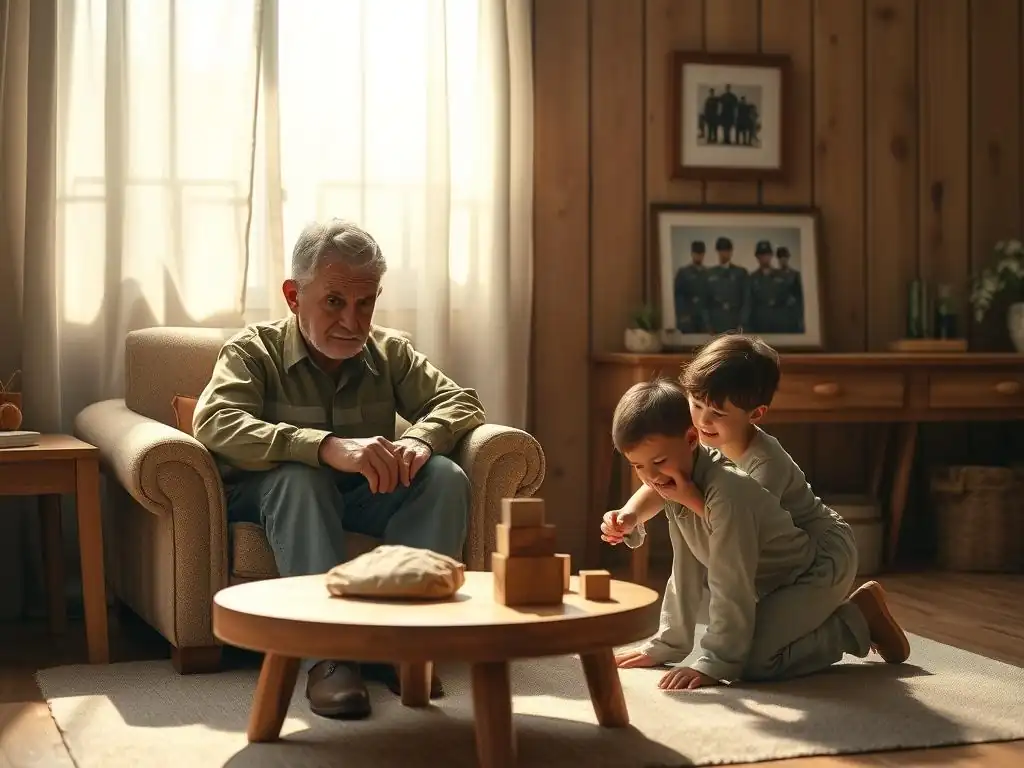
The invisible wounds of war, particularly Post-Traumatic Stress Disorder (PTSD), anxiety, and depression, are significant ways deployment stress impacts veteran families. These conditions don't just affect the veteran; their symptoms and challenges ripple through the entire family system, often creating a stressful and unpredictable home environment. Understanding the link between a veteran's mental health and family well-being is crucial for seeking appropriate support and fostering healing.
Estimates vary, but research suggests a significant percentage of veterans returning from recent conflicts experience PTSD or other mental health challenges. For example, studies from the VA and Department of Defense have indicated that between 11% and 20% of veterans of the Iraq and Afghanistan wars may have PTSD in a given year. When a family member is struggling with these conditions, the entire family is affected, sometimes leading to what is known as "secondary trauma" or "compassion fatigue" in spouses and children.
The Link Between PTSD in Veterans and Family Relationship Problems
PTSD symptoms in veterans can profoundly strain family relationships. Common symptoms like irritability, anger outbursts, emotional numbing, avoidance, difficulty sleeping, and hypervigilance can create a tense and unpredictable home environment. A veteran who is easily startled might react intensely to everyday noises, causing anxiety for family members. Emotional numbing can lead to a lack of intimacy and connection with a spouse. Avoidance behaviors might mean the veteran withdraws from family activities, leading to feelings of rejection and isolation among loved ones.
Spouses of veterans with PTSD often report higher rates of depression, anxiety, and physical health problems themselves. They may feel like they are constantly walking on eggshells, trying to avoid triggering their partner's symptoms. Children may become fearful of the veteran's unpredictable moods or withdrawal, impacting their sense of safety and security. The difficulty in communicating about trauma and the veteran's struggles further exacerbates the distance and misunderstanding within the family unit. The pervasive nature of these symptoms means that PTSD in veterans is a major way deployment stress impacts veteran families.
How Anxiety and Depression Following Deployment Affect Family Wellbeing
Beyond PTSD, general anxiety and depression are also common mental health challenges following deployment, and they significantly impact family wellbeing. A veteran struggling with depression may lack energy, lose interest in activities they once enjoyed, and have difficulty concentrating or making decisions. This can make it hard for them to engage actively in family life, participate in parenting, or provide emotional support to their spouse. Their withdrawal can leave family members feeling neglected or responsible for lifting the veteran's mood, which is an unsustainable burden.
Anxiety can manifest as excessive worry, restlessness, and physical symptoms like muscle tension or difficulty sleeping. An anxious veteran might be constantly concerned about the future, finances, or the safety of their family, leading to excessive reassurance-seeking or controlling behaviors. This can create a stressful atmosphere for the entire family. Both anxiety and depression can impair a veteran's ability to work or maintain employment, adding financial strain which is another significant way deployment stress impacts veteran families. These mental health conditions require compassionate understanding and professional intervention for both the veteran and the affected family members.
Substance abuse is another serious issue that can arise from deployment stress and profoundly impact veteran families. Veterans may turn to alcohol or drugs as a way to self-medicate symptoms of PTSD, anxiety, or depression, or to cope with the difficulties of reintegration. While it may offer temporary relief, substance abuse often creates more problems, including financial difficulties, legal issues, health problems, and strained relationships.
Within the family, a veteran's substance abuse can lead to conflict, mistrust, and emotional distress. Spouses may feel betrayed, worried, or resentful, while children exposed to substance abuse in the home are at higher risk for emotional and behavioral problems. Addressing substance abuse requires acknowledging it as a coping mechanism, often linked to underlying trauma or mental health issues, and seeking professional help. Family involvement in treatment, such as through family therapy or support groups specifically for families affected by addiction, is often crucial for recovery and healing the family system.
Children and Deployment Stress: Understanding the Impact on Young Minds
Children are particularly vulnerable to the effects of deployment stress. Their understanding of the situation is limited by their age and developmental stage, and they often internalize the stress and anxiety present in their home environment. The absence of a parent, the worry for their safety, and the changes in the behavior of the non-deployed parent can all contribute to significant emotional and behavioral challenges in children. The way deployment stress impacts veteran families is often most visible and heartbreaking in its effects on the youngest members.
The impact on children varies depending on their age, temperament, the length and frequency of deployments, and the support system available to them. While some children demonstrate remarkable resilience, others may struggle significantly. It is essential for parents and caregivers to be attuned to the signs of stress in children and to provide consistent support and reassurance throughout the deployment cycle.
The Effects of Parental Deployment on Children's Emotional and Behavioral Health
Parental deployment can manifest in various emotional and behavioral issues in children. Younger children (preschool age) might exhibit increased crying, separation anxiety, changes in eating or sleeping habits, or regression to earlier behaviors like thumb-sucking or wetting the bed. School-aged children might show increased irritability, aggression, difficulty concentrating in school, academic decline, or withdrawal from friends and activities.
Teenagers might exhibit more complex reactions, including depression, anxiety, rebellious behavior, risk-taking, or difficulty forming healthy peer relationships. Some may take on excessive responsibilities at home, leading to stress and burnout. A 2013 study funded by the National Institutes of Health, for instance, found that children with a deployed parent faced significantly higher rates of mental health problems compared to their peers. These effects highlight the profound way deployment stress impacts veteran families, particularly the children navigating a parent's absence and return.
Supporting Children Through the Deployment Cycle: Practical Tips for Families
Supporting children through the deployment cycle requires proactive effort and open communication appropriate for their age.
- Before Deployment:
- Talk to children about the upcoming deployment in an age-appropriate way.
- Use visual aids like maps or calendars to help them understand time and distance.
- Create rituals for saying goodbye.
- Establish clear communication plans (e.g., scheduled video calls).
- During Deployment:
- Maintain routine and structure at home.
- Encourage regular communication with the deployed parent through letters, drawings, emails, or video calls.
- Use tangible items like a "daddy doll" or "mommy doll" (stuffed figures with the parent's picture) to provide comfort.
- Allow children to express their feelings, both positive and negative.
- Connect with other military families for peer support.
- After Deployment:
- Allow time for readjustment and reconnection.
- Be patient with behavioral changes as children adapt to the parent's return.
- Re-establish family routines together.
- Talk about the changes that occurred while the parent was away.
Providing a stable, predictable, and emotionally supportive environment is paramount.
Recognizing Signs of Stress in Children of Deployed Veterans
Recognizing signs of stress in children is key to intervening early. Parents and caregivers should be vigilant for changes in a child's typical behavior, mood, or academic performance.
Common indicators include:
- Emotional Changes: Increased sadness, worry, irritability, anger, or emotional flatness.
- Behavioral Changes: Acting out, aggression, defiance, increased clinginess, withdrawal from social activities, difficulty with transitions, or regression (e.g., bedwetting, thumb-sucking).
- Physical Symptoms: Frequent headaches, stomachaches, fatigue, or changes in appetite or sleep.
- Academic Problems: Difficulty concentrating, declining grades, or increased school refusal.
If these signs persist or significantly impact the child's functioning, it's important to seek professional help from a school counselor, pediatrician, or child psychologist experienced with military families. Early intervention can mitigate the long-term effects of how deployment stress impacts veteran families and their children.
Building Resilience: Strategies for Strengthening Veteran Family Relationships After Deployment
Building resilience is an active process that helps veteran families not only cope with the aftermath of deployment stress but also emerge stronger. It involves conscious effort from all family members to reconnect, heal, and adapt to their post-deployment reality. Resilience isn't about avoiding difficulties, but about developing the capacity to navigate them effectively and grow from the experience. Strategies for building resilience focus on improving communication, seeking support, and fostering a positive family environment.
Strengthening veteran family relationships after deployment requires patience, understanding, and a willingness to work through challenges together. It's about acknowledging the impact of deployment stress impacts veteran families and actively pursuing paths toward healing and reconnection. This can involve individual efforts, couple's work, and family-wide initiatives to rebuild bonds and create a supportive home.
Open Communication: Fostering Healthy Dialogue within the Family
Fostering open and healthy communication is fundamental to strengthening veteran family relationships after deployment. This means creating a safe space where all family members feel comfortable expressing their thoughts, feelings, and experiences without fear of judgment or negative repercussions. For veterans, this might involve learning how to talk about their deployment experiences in a way that family members can understand, without overwhelming them. For spouses and children, it means sharing their own struggles and the challenges they faced during the deployment.
Active listening is a critical component of open communication. Family members need to truly hear and validate each other's perspectives, even when they differ. Using "I" statements (e.g., "I feel worried when...") rather than "you" statements ("You always...") can help reduce blame and encourage constructive dialogue. Establishing regular family meetings can provide a structured time for everyone to check in, discuss concerns, and make decisions together. Learning effective conflict resolution skills is also vital, as disagreements are inevitable but how they are handled makes a significant difference in relationship health.
Seeking Professional Help: The Benefits of Therapy for Veterans and Their Families
Seeking professional help, such as therapy or counseling, is a powerful strategy for addressing the complex ways deployment stress impacts veteran families. Individual therapy can help veterans process trauma, manage symptoms of PTSD, anxiety, or depression, and develop healthy coping mechanisms. It provides a confidential space to explore their experiences and work through emotional challenges.
Couple's therapy can be invaluable for spouses navigating the challenges of reintegration, communication breakdowns, and intimacy issues. A therapist can help couples understand each other's perspectives, improve communication skills, and work through conflicts stemming from deployment stress. Family therapy involves the entire family unit and can help address the impact on children, improve family dynamics, and develop strategies for supporting the veteran's recovery while also nurturing the health of the whole family system. Therapists specializing in military and veteran issues are particularly helpful as they understand the unique context of deployment stress.
Building a Support System: Connecting with Other Veteran Families
Connecting with other veteran families who have shared similar experiences is a vital component of building resilience. Knowing that you are not alone in facing the challenges of deployment stress can be incredibly validating and empowering. Peer support groups, whether formal or informal, provide a space to share stories, exchange practical advice, and offer mutual encouragement.
Military family support organizations often host events and programs that facilitate these connections. These networks can offer practical assistance, emotional support, and a sense of community belonging. Sharing experiences with others who truly understand the unique pressures of military life helps families feel less isolated and more equipped to handle the difficulties that arise. This collective resilience strengthens individual families and the broader veteran community.
Practical Resources and Support for Veteran Families Facing Deployment Stress

Facing deployment stress can feel overwhelming, but veteran families are not alone. A wealth of resources and support programs exist specifically to help navigate these challenges. These resources range from mental health services to financial assistance and community-based support networks. Knowing where to turn for help is a critical step in mitigating the negative ways deployment stress impacts veteran families.
Accessing these resources can make a significant difference in a family's ability to cope and heal. It's important for families to be aware of what's available and to feel empowered to reach out when they need support.
Mental Health Services Available to Veterans and Their Families
Numerous mental health services are available to veterans and their families. The Department of Veterans Affairs (VA) offers comprehensive mental healthcare, including therapy for PTSD, depression, anxiety, and other conditions, as well as couple's and family counseling. Veterans can access these services through VA Medical Centers and Community-Based Outpatient Clinics.
Beyond the VA, many non-profit organizations specialize in veteran mental health and offer free or low-cost counseling services. Some programs specifically focus on supporting military spouses and children. Military OneSource is a Department of Defense-funded program that provides confidential non-medical counseling to active-duty service members, their families, and some veterans and their families, offering up to 12 free counseling sessions per issue. Exploring these options can provide crucial support for managing the mental health consequences when deployment stress impacts veteran families.
Financial Assistance and Support Programs for Military Families
Deployment can sometimes lead to financial strain due to changes in income or unexpected expenses. Several programs offer financial assistance and support to military and veteran families. Aid societies for each branch of service (e.g., Army Emergency Relief, Navy-Marine Corps Relief Society, Air Force Aid Society) provide interest-free loans or grants for emergency needs like housing, utilities, or medical expenses.
Non-profit organizations like the Semper Fi Fund or the Bob Woodruff Foundation also offer financial assistance to wounded, ill, and injured veterans and their families. Understanding these resources can alleviate some of the practical burdens, allowing families to focus on emotional healing and strengthening relationships. Financial stress is a tangible way deployment stress impacts veteran families, and these programs provide essential relief.
Community Resources and Organizations Supporting Veteran Wellbeing
A strong community network is invaluable for veteran families. Numerous non-profit organizations and community groups are dedicated to supporting veteran wellbeing and family resilience. These organizations often offer a range of services, including:
- Peer support groups for veterans, spouses, and children.
- Recreational and therapeutic programs (e.g., outdoor activities, art therapy).
- Workshops on topics like communication, parenting, or financial management.
- Mentorship programs.
- Volunteer opportunities that connect families with their local community.
Examples include organizations like the YMCA Armed Services Y Program, Blue Star Families, and local VFW or American Legion posts. Engaging with these community resources provides connection, reduces isolation, and reinforces that veteran families are a valued part of society. Building these connections is a proactive way to counter the isolating effects of how deployment stress impacts veteran families.
Long-Term Strategies for Managing Deployment Stress and Strengthening Family Bonds
Managing deployment stress and strengthening family bonds is not a one-time fix but an ongoing process. Developing long-term strategies helps veteran families build resilience and maintain healthy relationships over time, even in the face of future challenges. These strategies focus on sustainable practices that promote individual well-being, a stable home environment, and effective coping mechanisms.
Investing in these long-term strategies is crucial for the sustained health and happiness of the veteran family unit. It requires commitment and effort from all members, recognizing that the journey of managing deployment stress impacts veteran families long after the service member leaves the military.
Prioritizing Self-Care for Veterans and Their Spouses
Prioritizing self-care is essential for both veterans and their spouses. The demands of military life, deployment, and reintegration can lead to burnout and exhaustion. Self-care isn't selfish; it's necessary for maintaining physical and mental health, which in turn benefits the entire family. For veterans, this might involve maintaining a regular exercise routine, pursuing hobbies, practicing mindfulness or meditation, ensuring adequate sleep, and maintaining social connections outside the family.
For spouses, self-care might include setting aside time for personal interests, connecting with friends, seeking respite care for children if needed, or engaging in activities that promote relaxation and stress reduction. Recognizing the signs of compassion fatigue or burnout in caregivers is also important. Spouses who neglect their own needs may find it harder to provide support to their veteran partner and children. Making self-care a non-negotiable part of the routine is a powerful way to build resilience against deployment stress impacts veteran families.
Creating a Stable and Supportive Home Environment
Creating a stable and supportive home environment provides a secure base for all family members, particularly important when navigating the unpredictability that can follow deployment. Stability comes from maintaining routines, setting clear expectations, and providing a sense of predictability. This is especially beneficial for children who thrive on structure.
Supportiveness involves fostering an atmosphere of empathy, understanding, and validation. It means actively listening to each other, offering encouragement, and celebrating successes, no matter how small. Addressing conflict constructively, maintaining open lines of communication, and ensuring everyone feels heard and valued contributes to a supportive environment. When the home feels like a safe haven, families are better equipped to process trauma and manage the lingering effects of how deployment stress impacts veteran families.
Developing Coping Mechanisms for Managing Stress and Triggers
Developing healthy coping mechanisms is crucial for managing stress and triggers related to deployment experiences. Veterans might work on identifying their specific triggers (e.g., loud noises, crowds, certain smells) and developing strategies to manage their reactions, such as deep breathing exercises, grounding techniques, or removing themselves from the situation. Learning healthy ways to process difficult emotions, rather than suppressing them or resorting to unhealthy coping like substance abuse, is vital.
Family members also benefit from developing their own coping strategies. This might involve stress-reducing activities, connecting with their support network, or practicing mindfulness. Learning about the veteran's triggers and symptoms can help family members respond with understanding rather than fear or frustration. Developing shared coping strategies, such as engaging in family activities that promote relaxation and connection, can strengthen the family unit's ability to collectively manage the challenges posed by how deployment stress impacts veteran families.
Conclusion: Healing and Rebuilding Veteran Family Relationships After Deployment
The impact of deployment stress on veteran families is significant and multifaceted, affecting communication, emotional connection, roles, and overall well-being. From the unique challenges faced during and after deployment to the profound effects of mental health conditions like PTSD, the journey for veteran families is often marked by considerable difficulty. However, it is also a journey of resilience, strength, and the potential for profound healing and reconnection.
Understanding the specific ways deployment stress impacts veteran families is the critical first step towards addressing these challenges effectively. It requires acknowledging the experiences of both the veteran and their loved ones, validating their struggles, and committing to a path of recovery together.
The Importance of Understanding and Addressing Deployment Stress
Understanding that the difficulties faced by veteran families are often direct consequences of deployment stress, rather than personal failings, is fundamentally important. This understanding fosters empathy and reduces blame, creating a more supportive environment for healing. Addressing deployment stress requires a proactive approach that involves recognizing the signs of distress in all family members, seeking appropriate professional help, and utilizing the many resources available specifically for military and veteran families.
Ignoring or minimizing the effects of deployment stress can lead to long-term problems in relationships and individual well-being. Openly discussing the challenges, validating feelings, and working together to implement coping strategies are essential steps in mitigating the negative impact and paving the way for recovery. The collective understanding that deployment stress impacts veteran families deeply is the foundation upon which healing can begin.
A Path Towards Stronger, Healthier Veteran Families
While the path towards healing and rebuilding veteran family relationships after deployment may be challenging, it is absolutely possible. By prioritizing open communication, seeking professional support when needed, building strong support systems, practicing self-care, creating a stable home environment, and developing healthy coping mechanisms, veteran families can navigate the complexities of post-deployment life.
The shared experience of overcoming adversity can ultimately strengthen family bonds and foster a deeper level of connection and understanding. With patience, perseverance, and access to the right resources, veteran families can not only heal from the wounds of deployment stress but also build stronger, healthier, and more resilient relationships for the future. The journey is ongoing, but with commitment and support, veteran families can thrive.
Frequently Asked Questions
What are the primary ways deployment stress impacts veteran family relationships?
Deployment stress can manifest in several ways, including increased anxiety and depression for both the veteran and family members, leading to communication breakdowns and feelings of isolation. This can also result in behavioral changes in children.
How does the veteran's readjustment period post-deployment affect their family?
The readjustment period can be challenging as veterans may experience PTSD or other mental health issues, creating tension within the family. Changes in personality or emotional availability can strain relationships, requiring patience and understanding.
What resources are available to help veteran families cope with deployment stress?
Numerous organizations offer support, including counseling services, support groups, and financial assistance programs. Mind Care Guide provides information on various resources aimed at improving mental well-being for veteran families.
Can children of deployed veterans experience unique mental health challenges?
Yes, children may experience anxiety, depression, or behavioral problems due to the absence of a parent and the stress on the remaining parent. Age-appropriate coping strategies and professional support can be beneficial.
Open and honest communication is crucial for building trust and understanding within the family. Active listening and expressing emotions constructively can help navigate the challenges associated with deployment stress and promote resilience.
Final Reflection: The Unseen Scars of Deployment: Protecting Veteran Families
The enduring impact of deployment stress on veteran families is not merely a statistic; it's a crisis unfolding in homes across the nation. The emotional toll exacted by military service extends far beyond the battlefield, leaving lasting wounds on the intricate fabric of family life. Understanding this complex interplay of trauma, adjustment, and resilience is crucial to fostering support and healing for those who bravely serve and their loved ones.
The ripple effect of deployment stress is profound and often underestimated. It shapes not only the veteran's experience but also the lives of their spouses, children, and extended family members. The strain on communication, the struggle to reconnect, and the lingering anxieties can create deep fissures within the family unit. The invisible wounds of war are often the most difficult to heal, and they extend far beyond the individual soldier.
This quote encapsulates the pervasive nature of the challenges faced by veteran families, highlighting the need for comprehensive support systems and a societal understanding of their unique struggles.
You, the reader, are now equipped with a deeper understanding of the complexities surrounding deployment stress and its impact on family relationships. Consider how this knowledge can inform your interactions with veterans and their families. Reach out, listen empathetically, and seek to understand the unseen battles fought within the walls of their homes. By fostering a culture of support and compassion, we can help heal the wounds of war and build stronger, more resilient families for generations to come.
Uncover Stronger Family Bonds: Your Next Steps
Thanks for taking the time to explore the impact of deployment stress on veteran family relationships. We hope this article provided valuable insights and helped you understand the challenges involved. Now, let's move forward together.
- Prioritize open communication: Schedule a dedicated time to talk with your loved one about their experiences and feelings, creating a safe space for vulnerability and understanding. This is crucial for rebuilding trust and connection.
- Seek support together: Explore resources specifically designed for military families, such as support groups or counseling services. This shared journey can strengthen your bond and provide practical coping mechanisms.
- Share this article: Let others benefit from this important information. Spread awareness about the unique challenges faced by military families and help foster a supportive community.
What specific steps will you take today to nurture your family relationships and support your veteran?