
Conquering Claustrophobia: Practical Tips and Therapies


Welcome to Mind Care Guide.
Do you feel trapped by claustrophobia, the walls closing in as panic rises? You're not alone. This guide is a lifeline, offering practical strategies and therapies for overcoming claustrophobia panic attacks. We understand the overwhelming fear, and we're here to help you reclaim your freedom. Ready to breathe easier and break free from the grip of claustrophobia? Let's begin.
- Conquering Claustrophobia: Practical Tips and Therapies - Mind Care Guide
- Overcoming Claustrophobia Panic Attacks: Immediate Strategies
- Long-Term Strategies for Managing Claustrophobia
- Additional Therapies and Support for Claustrophobia
- Practical Tips to Prevent Claustrophobia Attacks
- Lifestyle Changes to Reduce Claustrophobia Symptoms
- When to Seek Professional Help for Claustrophobia
- Maintaining Progress in Claustrophobia Treatment
- Resources for People with Claustrophobia
-
Frequently Asked Questions
- What exactly is a claustrophobia panic attack, and how does it differ from general anxiety?
- What are some practical, immediate steps I can take to manage a claustrophobia panic attack while it's happening?
- Besides immediate coping mechanisms, what are some long-term therapeutic approaches to overcoming claustrophobia panic attacks?
- Are there any support groups or online resources specifically dedicated to helping people manage and overcome claustrophobia panic attacks?
- Can medication help with claustrophobia panic attacks, and if so, what types of medications are typically prescribed?
- Final Reflection: Breathing Space: Finding Freedom from Claustrophobia
- Unlock Your Freedom: Take the Next Step Beyond Claustrophobia
Conquering Claustrophobia: Practical Tips and Therapies - Mind Care Guide
What is Claustrophobia? Defining the Anxiety Disorder
Claustrophobia is classified as a specific phobia, characterized by an intense, irrational fear of confined spaces. This anxiety disorder is distinct from general anxiety because it is specifically triggered by the perception of being physically restricted or enclosed. The fear is often disproportionate to the actual danger posed by the situation, yet it can provoke severe panic and distress in the individual experiencing it.
Studies suggest that claustrophobia affects a significant portion of the population, potentially impacting between 5% and 10% of people globally to some degree, although not everyone seeks diagnosis or treatment. For those severely affected, the fear can significantly impair daily life, leading to avoidance behaviors that limit activities, travel, and even medical procedures like MRI scans. The core fear isn't just the space itself, but often the perceived inability to escape, leading to feelings of suffocation or being trapped.
Common Triggers for Claustrophobia: Identifying Confined Spaces
Claustrophobia can be triggered by a wide range of situations where an individual feels enclosed or restricted. Common examples include being in elevators, which are small, enclosed boxes with limited exits. Another frequent trigger is undergoing medical scans such as an MRI, where the patient must lie still within a narrow tube for an extended period. Public transportation, like crowded buses, trains, or subways during peak hours, can also induce significant anxiety due to the lack of personal space and perceived inability to easily exit.
Other triggers might involve being in small rooms without windows, crawling through tunnels or caves, sitting in the backseat of a small car, or even being in a crowded changing room. For someone dealing with claustrophobia, identifying these specific triggers is the first step toward developing strategies for managing and potentially overcoming claustrophobia panic attacks when they occur in these situations. Understanding the 'what' and 'where' of the fear is crucial for building resilience.
Differentiating Claustrophobia from General Anxiety: Recognizing the Specific Fear
While general anxiety can be diffuse and relate to various worries about the future or everyday life, claustrophobia is a highly specific fear tied to physical spaces. Someone with general anxiety might feel worried about an upcoming presentation, whereas someone with claustrophobia experiences intense dread specifically when faced with entering a small, enclosed area like an elevator or a crowded room. The panic response in claustrophobia is directly linked to the perceived lack of escape or restriction of movement.
The symptoms experienced during a claustrophobic episode, such as rapid heartbeat, shortness of breath, sweating, dizziness, and an overwhelming urge to escape, are similar to those of a general panic attack. However, for claustrophobia, these symptoms are consistently and primarily triggered by confined spaces. This specificity helps distinguish it from broader anxiety disorders and guides treatment approaches that focus on confronting and re-evaluating the fear associated with these particular environments. Recognizing this specific trigger is key to effectively overcoming claustrophobia panic attacks.
Overcoming Claustrophobia Panic Attacks: Immediate Strategies
Breathing Exercises for Claustrophobia Relief: Regaining Control During Panic
During a claustrophobia panic attack, breathing often becomes rapid and shallow, exacerbating feelings of suffocation and loss of control. Learning and practicing specific breathing techniques can interrupt this cycle and help regain a sense of calm. One effective method is diaphragmatic breathing, also known as belly breathing. This involves inhaling slowly and deeply through the nose, allowing the abdomen to expand, holding briefly, and then exhaling slowly through pursed lips, feeling the abdomen contract.
Another useful technique is the 4-7-8 method: inhale for a count of four, hold for a count of seven, and exhale for a count of eight. Practicing these techniques regularly, even when not experiencing anxiety, makes them more accessible during moments of panic. Focusing on the breath provides a physical anchor and shifts attention away from the overwhelming fear, serving as a vital tool in overcoming claustrophobia panic attacks in the moment.
Grounding Techniques to Manage Claustrophobic Episodes: Staying Present
Grounding techniques are powerful tools for anchoring yourself in the present moment when anxiety related to claustrophobia feels overwhelming. They help to interrupt the spiral of fearful thoughts and sensations by focusing attention on external stimuli. A common and effective method is the "5-4-3-2-1" technique: identify five things you can see, four things you can touch, three things you can hear, two things you can smell, and one thing you can taste.
Engaging your senses in this way pulls your mind out of the hypothetical dangers of the confined space and into the reality of your immediate surroundings. This can significantly reduce the intensity of a claustrophobic episode. Other grounding techniques include focusing on the feeling of your feet on the ground, the texture of your clothing, or holding a comforting object. Regularly practicing these techniques can enhance your ability to manage acute anxiety and contribute to overcoming claustrophobia panic attacks.
Cognitive Restructuring for Panic Attacks: Challenging Negative Thoughts
Panic attacks fueled by claustrophobia are often driven by catastrophic thoughts about the situation. These might include thoughts like "I'm trapped," "I can't breathe," "I'm going to lose control," or "Something terrible is going to happen." Cognitive restructuring involves identifying these irrational or exaggerated thoughts and challenging their validity with more realistic and balanced perspectives.
During a panic attack, try to pause and observe your thoughts without judgment. Then, ask yourself questions like: "Is this thought based on fact or fear? ", "What is the actual likelihood of my worst fear happening?
", or "What would I tell a friend having this thought?". Replace the negative thought with a more rational one, such as "This feeling is uncomfortable, but it is temporary," "I have survived panic before, and I will survive this one," or "I can focus on my breathing to help me get through this." Actively challenging these thought patterns is a core strategy in overcoming claustrophobia panic attacks.
Long-Term Strategies for Managing Claustrophobia

Gradual Exposure Therapy for Claustrophobia: Facing Fears Step-by-Step
Gradual exposure therapy, a form of systematic desensitization, is one of the most effective long-term treatments for claustrophobia. It involves creating a hierarchy of feared situations related to confined spaces, starting with the least anxiety-provoking and moving towards the most challenging. For example, someone might start by simply thinking about an elevator, then looking at pictures of elevators, standing near an elevator, stepping into an empty elevator with the door open, riding an elevator for one floor, and eventually riding a crowded elevator for multiple floors.
Under the guidance of a therapist, the individual gradually confronts these situations in a controlled and safe environment, staying in the situation until their anxiety naturally decreases. This process helps to desensitize the fear response and teaches the brain that the feared situation is not actually dangerous. Research indicates that exposure therapy has success rates often exceeding 70% for specific phobias like claustrophobia, making it a cornerstone for effective long-term management and overcoming claustrophobia panic attacks.
Cognitive Behavioral Therapy (CBT) for Claustrophobia: Changing Thought Patterns
Cognitive Behavioral Therapy (CBT) is a widely used and highly effective therapeutic approach for anxiety disorders, including claustrophobia. CBT focuses on identifying and changing the negative thought patterns and behaviors that contribute to the fear response. A therapist helps the individual understand how their thoughts about confined spaces (e.g., "Elevators are death traps") influence their feelings (intense fear) and behaviors (avoiding elevators).
Through various techniques, including cognitive restructuring and exposure exercises (often integrated into CBT), individuals learn to challenge irrational beliefs and develop more realistic perspectives on confined spaces. They also learn coping strategies to manage anxiety when encountering triggers. Studies consistently show CBT's effectiveness in reducing phobic symptoms and improving quality of life for individuals with claustrophobia, providing them with sustainable strategies for overcoming claustrophobia panic attacks in various situations.
Visualization Techniques for Anxiety Reduction: Creating Safe Mental Spaces
Visualization, or guided imagery, can be a helpful supplementary technique for managing claustrophobia, both in the moment and as a long-term practice. This involves creating vivid mental images of calming or safe environments to counteract the anxiety triggered by confined spaces. For example, you might imagine yourself walking on a spacious, open beach, feeling the breeze, hearing the waves, and experiencing a sense of freedom and peace.
Practicing visualization regularly can train your mind to access a state of relaxation more easily when faced with a triggering situation. During a challenging moment, you can mentally transport yourself to your "safe space" to help reduce the intensity of the fear response. While not a standalone treatment, visualization techniques can be a valuable tool in your arsenal for managing anxiety and complementing other strategies aimed at overcoming claustrophobia panic attacks.
Additional Therapies and Support for Claustrophobia
Medication Options for Claustrophobia: When and How They Can Help
While therapy, particularly exposure-based approaches, is generally considered the primary treatment for specific phobias like claustrophobia, medication may be considered in certain circumstances. Medications are not typically used as a standalone cure but can sometimes be helpful in managing severe anxiety symptoms, particularly for individuals who find it difficult to engage in therapy due to the intensity of their fear.
Selective Serotonin Reuptake Inhibitors (SSRIs) and Serotonin-Norepinephrine Reuptake Inhibitors (SNRIs), which are commonly used for anxiety disorders, may be prescribed to reduce overall anxiety levels. In acute situations, such as before a necessary medical procedure like an MRI, a healthcare provider might prescribe a fast-acting anti-anxiety medication, such as a benzodiazepine, for short-term, situational use. However, benzodiazepines carry risks of dependence and are generally used cautiously. Any decision regarding medication should be made in consultation with a qualified healthcare professional who can assess individual needs and potential risks.
Relaxation Techniques: Meditation and Mindfulness for Claustrophobia
Incorporating regular relaxation practices like meditation and mindfulness into your routine can significantly reduce overall anxiety levels, making it easier to manage specific phobias like claustrophobia. Mindfulness involves paying attention to the present moment without judgment, which can help individuals observe their anxious thoughts and physical sensations during a triggering event without being overwhelmed by them.
Consistent meditation practice, even for just 10-15 minutes daily, has been shown in studies to reduce stress hormones like cortisol and alter brain pathways related to anxiety. Learning to quiet the mind and tolerate uncomfortable sensations through these practices builds resilience that is invaluable when confronting confined spaces. These techniques provide a foundation of calm that supports other strategies for overcoming claustrophobia panic attacks.
Support Groups for People with Claustrophobia: Finding Community and Understanding
Connecting with others who understand the challenges of living with claustrophobia can provide immense support and reduce feelings of isolation. Support groups, whether in-person or online, offer a safe space to share experiences, coping strategies, and encouragement. Hearing how others navigate similar fears and successfully manage their anxiety can be incredibly validating and empowering.
In a support group setting, individuals can learn practical tips from peers, gain new perspectives on their condition, and build a sense of community. This shared understanding fosters hope and reinforces the knowledge that they are not alone in their journey towards overcoming claustrophobia panic attacks. Many mental health organizations and online platforms host specific phobia or anxiety support groups.
Practical Tips to Prevent Claustrophobia Attacks
Modifying Your Environment: Avoiding or Adapting Confined Spaces
Taking proactive steps to modify or adapt your environment can help prevent claustrophobia attacks. While avoidance is not a long-term solution for overcoming the fear itself, strategic adjustments can reduce exposure to triggers when exposure therapy is not feasible or during the early stages of management. This might involve choosing stairs instead of elevators, asking for seating near exits in crowded venues, or opting for open MRI machines if available and medically appropriate.
If you must enter a potentially triggering space, consider ways to make it feel less confining. For instance, if in a small room, try to sit near a door or window. If in a car, open a window slightly. Planning ahead and having these adaptations in mind can provide a greater sense of control, which is often a significant factor in managing claustrophobic anxiety and preventing the onset of a panic attack.
Planning Ahead: Strategies for Potentially Claustrophobic Situations
Anticipating and planning for situations that might trigger your claustrophobia can significantly reduce anxiety. Before entering a potentially confined space, such as a crowded event or a small waiting room, consider strategies you can employ. This might include arriving early to find less crowded spots, bringing a distraction like a book or music, or mentally rehearsing coping techniques like deep breathing or grounding.
Communicate your needs if possible; for example, letting a medical professional know about your claustrophobia before an MRI scan might allow them to offer options like sedation or open machines. Having a plan reduces the element of surprise and increases your sense of preparedness, empowering you to face the situation with more confidence and lessening the likelihood of experiencing overwhelming claustrophobia panic attacks.
Using Distraction Techniques: Redirecting Focus During Anxiety
When you find yourself in a confined space and feel anxiety beginning to build, distraction techniques can be useful in redirecting your focus away from the fear. Engaging your mind in something else can prevent the anxiety from escalating into a full-blown panic attack. Simple distractions include listening to music or a podcast, playing a game on your phone, reading, or focusing intently on a specific object in your environment, such as counting tiles on the floor or observing details of a pattern.
Another effective distraction is engaging in a mental task, like solving simple math problems or listing items within a category (e.g., types of fruit, capital cities). By occupying your cognitive resources with something other than the perceived threat, you interrupt the anxiety loop. While distraction is a temporary coping mechanism, it can be particularly helpful in navigating unavoidable situations and preventing claustrophobia panic attacks in the moment.
Lifestyle Changes to Reduce Claustrophobia Symptoms
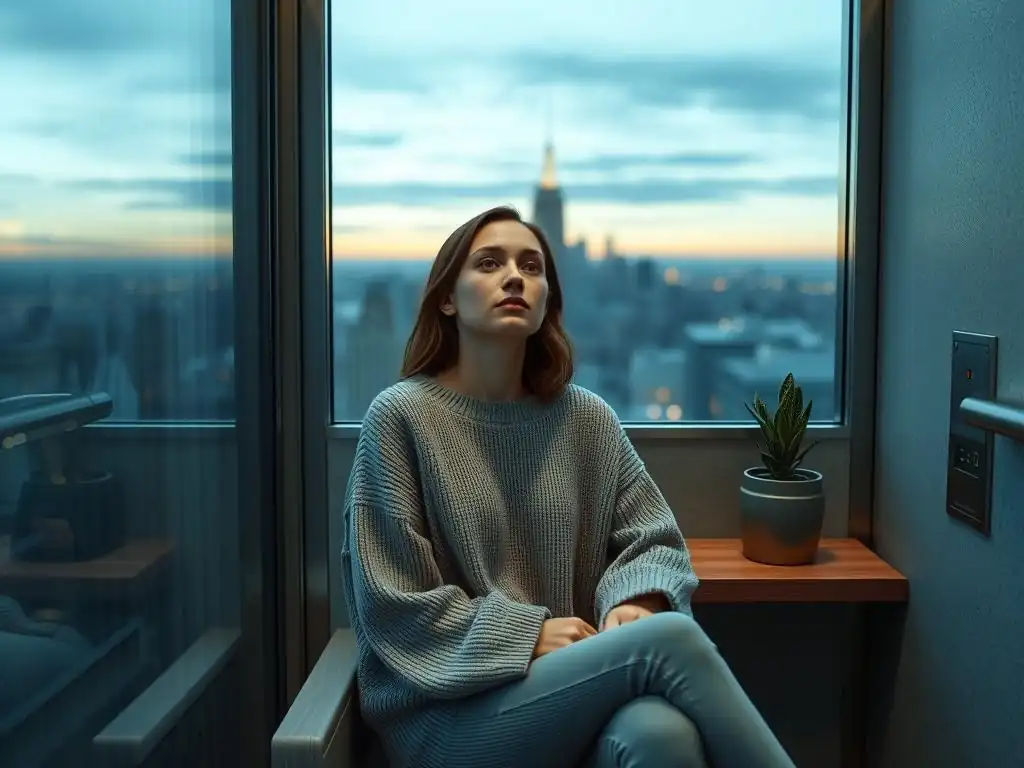
Exercise and Diet: The Impact on Anxiety Levels
Regular physical activity is a well-documented stress reliever and can significantly reduce overall anxiety levels, which in turn can lessen the frequency and severity of claustrophobia symptoms. Engaging in aerobic exercise, such as brisk walking, running, swimming, or cycling, for at least 30 minutes most days of the week helps release endorphins, natural mood boosters. Exercise also helps regulate the nervous system, making it less reactive to stressors, including those related to confined spaces.
A balanced diet also plays a role in mental well-being. Consuming nutrient-rich foods, staying hydrated, and limiting caffeine and sugar intake can help stabilize mood and energy levels, reducing anxiety fluctuations. For example, high caffeine intake can mimic or exacerbate anxiety symptoms, potentially making one more prone to claustrophobia panic attacks. Prioritizing a healthy lifestyle supports overall mental resilience.
Sleep Hygiene: Prioritizing Rest for Mental Well-being
Adequate and quality sleep is fundamental to managing anxiety and improving mental health. Sleep deprivation can heighten stress levels, impair cognitive function, and make individuals more vulnerable to experiencing anxiety and panic attacks. Aiming for 7-9 hours of uninterrupted sleep per night can significantly impact your ability to cope with challenging situations, including those that trigger claustrophobia.
Establishing a consistent sleep schedule, creating a relaxing bedtime routine, ensuring your bedroom is dark, quiet, and cool, and avoiding screens before bed are all components of good sleep hygiene. Prioritizing rest allows your brain and body to recover, leading to improved emotional regulation and a reduced likelihood of experiencing intense anxiety symptoms associated with claustrophobia.
Stress Management Techniques: Reducing Overall Anxiety
Managing general stress in your life can have a positive ripple effect on specific phobias like claustrophobia. High levels of chronic stress can make the nervous system more reactive, potentially increasing the frequency and intensity of panic attacks, including those triggered by confined spaces. Incorporating stress-reducing activities into your daily or weekly routine is crucial.
Techniques such as yoga, meditation, deep breathing exercises (practiced regularly, not just during panic), spending time in nature, engaging in hobbies, and practicing mindfulness can help lower overall stress levels. Learning to effectively manage the general stressors of life builds a stronger foundation of mental resilience, making it easier to implement specific strategies for overcoming claustrophobia panic attacks when they arise.
When to Seek Professional Help for Claustrophobia
Recognizing the Severity of Your Claustrophobia
It's time to seek professional help for claustrophobia when the fear begins to significantly impact your daily life, relationships, or ability to function. If you find yourself consistently avoiding elevators, public transport, crowded places, or necessary medical procedures like MRIs, and this avoidance is causing distress or limiting your opportunities (e.g., turning down a job that requires elevator use, avoiding social events), professional intervention is warranted.
Experiencing frequent or intense claustrophobia panic attacks that are debilitating and difficult to manage on your own is also a clear sign that support is needed. While self-help strategies can be beneficial, a persistent, severe phobia usually requires the guidance of a mental health professional to develop effective long-term coping mechanisms and treatment plans for overcoming claustrophobia panic attacks.
Finding a Therapist Specializing in Anxiety Disorders
When seeking professional help, look for a therapist who specializes in anxiety disorders or specific phobias. Therapists with expertise in Cognitive Behavioral Therapy (CBT) and Exposure Therapy are particularly well-equipped to treat claustrophobia, as these are the most evidence-based approaches. You can search online directories of mental health professionals, often filtering by specialization or therapeutic approach.
Consider asking your primary care physician for a referral or contacting local mental health organizations. Don't hesitate to schedule initial consultations to find a therapist you feel comfortable with and who has experience treating claustrophobia. Finding the right therapeutic fit is an important step towards successful treatment and gaining control over your fear.
Preparing for Your First Therapy Session: What to Expect
Preparing for your first therapy session can help ease any anxiety you might feel. Think about specific instances where your claustrophobia has affected you – what situations trigger your fear, what physical and mental symptoms you experience, how often panic attacks occur, and how the phobia impacts your daily life. Be ready to share this information with your therapist.
Your first session will likely involve discussing your history with claustrophobia, its severity, and your goals for therapy. The therapist will explain their approach and how they plan to help you. This is also your opportunity to ask questions about their experience, treatment methods (like exposure therapy), and what the therapeutic process will entail. Understanding what to expect can make the experience less intimidating as you begin your journey towards overcoming claustrophobia panic attacks.
Maintaining Progress in Claustrophobia Treatment
Tracking Your Anxiety Levels and Triggers
Maintaining progress in overcoming claustrophobia involves ongoing self-monitoring. Regularly tracking your anxiety levels and identifying specific triggers can help you recognize patterns and anticipate challenging situations. You can use a journal, a simple note on your phone, or a dedicated anxiety tracking app to record instances of anxiety or panic, noting the date, time, location, situation, intensity level (e.g., on a scale of 1-10), and any coping strategies used.
Reviewing these records helps reinforce your awareness of what situations are most difficult and allows you to see progress over time as the intensity or frequency of anxiety decreases. This data can also be invaluable for identifying potential setbacks early and adjusting your coping strategies or seeking booster sessions with your therapist if needed. Consistent tracking is a practical tool for long-term management.
Celebrating Small Victories: Acknowledging Your Progress
Overcoming claustrophobia is often a gradual process with ups and downs. It's essential to acknowledge and celebrate the small victories along the way to stay motivated and reinforce positive progress. This could be successfully riding an elevator for one floor without significant panic, staying in a slightly crowded room for a few minutes longer than usual, or simply facing a triggering situation you previously avoided.
Recognizing these achievements, no matter how small they seem, validates your efforts and builds confidence in your ability to continue making progress. Acknowledging these steps helps solidify new, positive experiences in situations that used to cause intense fear and contributes to a sense of empowerment in your journey towards overcoming claustrophobia panic attacks.
Preventing Relapse: Long-Term Coping Strategies
Preventing relapse involves maintaining the strategies and coping mechanisms learned in therapy and integrating them into your daily life. This means continuing to practice relaxation techniques, mindfulness, and challenging negative thoughts even when you feel your claustrophobia is well-managed. Regularly reviewing your fear hierarchy from exposure therapy and occasionally practicing facing less anxiety-provoking situations can help maintain desensitization.
Develop a relapse prevention plan with your therapist that outlines warning signs and steps to take if your anxiety symptoms begin to increase. This might include scheduling a check-in session with your therapist, revisiting specific coping techniques, or re-engaging with support groups. Being proactive and having a plan in place is key to sustained recovery and effectively managing claustrophobia long-term.
Resources for People with Claustrophobia
Online Support Groups and Communities
Accessing online support groups and forums dedicated to anxiety disorders or specific phobias can provide a valuable network for individuals dealing with claustrophobia. Platforms like Reddit (e.g., r/Anxiety, r/Phobias), specialized mental health forums, or groups on social media platforms offer spaces where people can share their experiences, ask for advice, and offer mutual support.
These online communities provide anonymity and accessibility, allowing individuals to connect with others who understand their struggles regardless of geographical location. Sharing stories of overcoming claustrophobia panic attacks or simply finding empathy from peers can be incredibly encouraging and reduce feelings of isolation.
Books and Articles on Claustrophobia and Anxiety
Educating yourself about claustrophobia and anxiety is an empowering step. Numerous books and articles written by mental health professionals offer insights into the nature of phobias, the mechanisms of anxiety, and evidence-based strategies for treatment. Look for resources that explain CBT, exposure therapy, and practical coping techniques in an accessible way.
Reading about others' experiences or understanding the science behind your fear can demystify the condition and reinforce the knowledge that it is treatable. This self-education supplements therapeutic work and provides ongoing learning and support as you continue working towards overcoming claustrophobia panic attacks.
National Alliance on Mental Illness (NAMI) Resources
The National Alliance on Mental Illness (NAMI) is a large mental health organization that provides education, support, and advocacy for individuals and families affected by mental illness. While not specific only to claustrophobia, NAMI offers extensive resources on anxiety disorders, finding support groups, understanding treatment options, and navigating the mental healthcare system.
Their website and local chapters provide valuable information, helplines, and programs that can be beneficial for anyone seeking support for a mental health condition, including a specific phobia like claustrophobia. Exploring NAMI's resources can connect you with broader mental health support networks and information that complements your specific phobia management strategies.
Frequently Asked Questions
What exactly is a claustrophobia panic attack, and how does it differ from general anxiety?
A claustrophobia panic attack is an intense fear response specifically triggered by confined spaces. It differs from general anxiety in that it's situationally dependent, linked directly to the perception of being trapped.
What are some practical, immediate steps I can take to manage a claustrophobia panic attack while it's happening?
During an attack, focus on slow, deep breathing techniques. Try to visualize a calming scene and remind yourself that the feeling is temporary and will pass.
Besides immediate coping mechanisms, what are some long-term therapeutic approaches to overcoming claustrophobia panic attacks?
Therapy options include Cognitive Behavioral Therapy (CBT) to challenge negative thoughts, and Exposure Therapy, gradually exposing you to confined spaces in a controlled environment.
Are there any support groups or online resources specifically dedicated to helping people manage and overcome claustrophobia panic attacks?
Yes, many online forums and support groups offer a sense of community. Websites like the Anxiety & Depression Association of America (ADAA) provide valuable resources and information.
Can medication help with claustrophobia panic attacks, and if so, what types of medications are typically prescribed?
Medication may be prescribed to manage anxiety symptoms, but it's often used in conjunction with therapy. Common options include anti-anxiety medications or, in some cases, antidepressants.
Final Reflection: Breathing Space: Finding Freedom from Claustrophobia
The suffocating grip of claustrophobia affects millions, and its impact extends far beyond simply feeling uncomfortable in small spaces. It's a debilitating fear that can severely restrict daily life, impacting everything from travel to social interactions. This article has explored practical coping mechanisms and therapeutic approaches, offering a lifeline to those struggling with this often misunderstood condition. The tools and techniques discussed are not merely theoretical; they are pathways to reclaiming a sense of control and freedom.
The journey to overcoming claustrophobia is deeply personal, a testament to the resilience of the human spirit. It's a process of confronting deeply ingrained fears, of learning to trust one's body and mind, and of slowly expanding one's comfort zone. The only way out is through.
This quote, often applied to difficult life experiences, perfectly encapsulates the essence of conquering claustrophobia. It's not about avoiding small spaces forever, but about facing them with newfound confidence and strategies to manage the anxiety. The societal impact is also significant; understanding and addressing claustrophobia helps create more inclusive and accessible environments for everyone.
You now hold the key to unlocking a more expansive life. Consider the strategies discussed – deep breathing exercises, gradual exposure therapy, cognitive behavioral techniques – and identify which resonate most with your personal experience. Don't be afraid to seek professional help; a therapist can provide personalized guidance and support. Remember, progress takes time and patience. Celebrate each small victory, each step you take towards conquering your fear. The freedom you seek is within reach.
Unlock Your Freedom: Take the Next Step Beyond Claustrophobia
Thank you for taking the time to explore practical strategies for managing claustrophobia. We hope this article provided valuable insights and empowered you to feel more confident. Now, let's turn that knowledge into action!
- Identify and Challenge Your Fears: Start small. Think about a situation that slightly triggers your claustrophobia, and plan a gradual exposure exercise. This could involve spending a few extra minutes in a small space each day, increasing the duration slowly.
- Share Your Journey: Connect with others facing similar challenges. Sharing your experiences and progress can be incredibly supportive and motivating. Discuss your strategies, successes and challenges with friends, family or online support groups.
- Explore Relaxation Techniques: Practice deep breathing exercises or mindfulness meditation daily to manage anxiety and build resilience. These techniques can be immensely helpful in managing feelings of panic and discomfort.
Ready to face your fears and experience the liberating feeling of overcoming claustrophobia? What small step will you take today?