
How to Help: Providing Compassionate and Culturally Informed Refugee Support

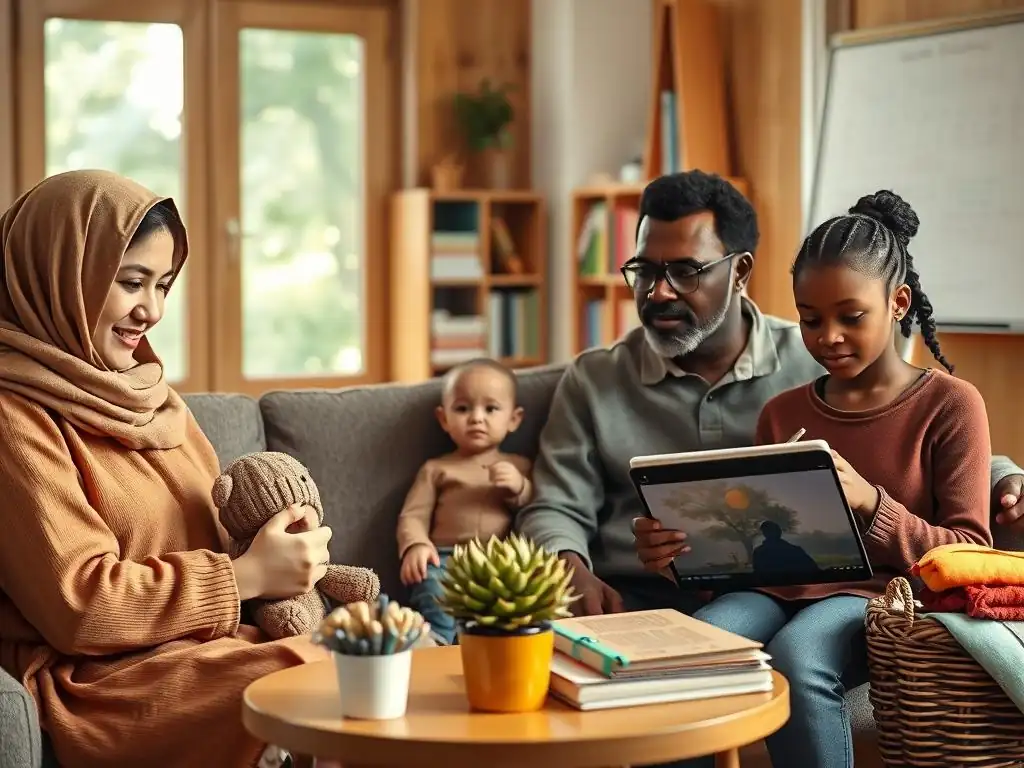
Welcome to Mind Care Guide, a sanctuary for understanding and nurturing mental well-being.
Feeling overwhelmed by the complexities of providing support to those who have endured unimaginable hardship? You're not alone. This space is dedicated to equipping you with the knowledge and resources you need to make a real difference. Let's begin by exploring essential refugee mental health support resources and learn how to offer compassionate and culturally informed care. Discover practical strategies and vital connections to help you navigate this sensitive landscape and offer genuine support.
- Supporting Refugee Mental Health: A Trauma-Informed Guide
- Understanding the Mental Health of Refugees
- Providing Effective Support
- Practical Steps for Compassionate Support
- Navigating Cultural Differences
- Connecting Refugees with Resources
- Supporting Resilience and Recovery
- Addressing Specific Needs
- Advocacy for Refugee Mental Health
-
Frequently Asked Questions
- How does trauma impact the mental health of refugees?
- Why is cultural sensitivity important when providing mental health support to refugees?
- What are some practical ways to offer immediate support to newly arrived refugees?
- Where can I find specialized mental health resources for refugees in my area?
- What are some common barriers refugees face when accessing mental health services?
- Final Reflection: The Enduring Power of Compassionate Action
- Unlock the Power of Compassion: Start Supporting Refugees Today
Supporting Refugee Mental Health: A Trauma-Informed Guide
Supporting individuals who have been forced to flee their homes is a profoundly important endeavor, especially when considering their mental well-being. Refugees often carry the invisible burdens of trauma, loss, and displacement, which significantly impact their psychological health. Providing effective assistance requires not only compassion but also a deep understanding of their experiences and cultural backgrounds. This guide explores how to offer compassionate and culturally informed support, focusing on the critical need for accessible and appropriate refugee mental health support resources.
Understanding the Mental Health of Refugees
Refugee status inherently involves exposure to potentially traumatic events, both before, during, and after forced migration. Understanding the unique mental health landscape of refugee populations is the foundational step in offering meaningful support. Their experiences are complex, shaped by pre-migration stressors, perilous journeys, and the challenges of resettlement.
The Impact of Displacement and Trauma
Displacement is rarely a voluntary choice; it is often a consequence of violence, persecution, conflict, or disaster. Before even leaving their home countries, refugees may have witnessed or experienced war, torture, or human rights abuses. The journey itself can be fraught with danger, exploitation, and further trauma.
For instance, a 2021 report indicated that asylum seekers arriving in Europe often reported multiple traumatic events during their journey, including violence and hazardous travel conditions. Upon arrival in host countries, they face challenges like navigating complex asylum systems, separation from family, and uncertainty about the future, which can compound existing psychological distress. This cumulative trauma significantly increases vulnerability to mental health conditions.
The psychological impact of these experiences is profound and long-lasting. Studies have shown that refugees are at a significantly higher risk of developing mental health disorders compared to host populations. For example, research on Syrian refugees in neighboring countries and Europe consistently finds prevalence rates of Post-Traumatic Stress Disorder (PTSD) and depression that are several times higher than global averages.
One study estimated that up to 30% of refugees may suffer from PTSD and up to 40% from depression. These figures highlight the urgent need for specialized refugee mental health support resources designed to address the specific trauma they have endured.
Common Mental Health Conditions
Refugees frequently present with a range of mental health challenges, with PTSD and depression being among the most prevalent. PTSD symptoms can include flashbacks, nightmares, avoidance of trauma-related stimuli, hyperarousal, and significant changes in mood and cognition, directly linked to past traumatic events. Depression in this population often manifests as persistent sadness, loss of interest, fatigue, feelings of worthlessness, and sometimes physical symptoms. A 2019 analysis of refugee mental health outcomes found that anxiety disorders, including generalized anxiety and panic disorder, are also common, often stemming from ongoing stressors like precarious legal status or difficulties integrating.
Beyond PTSD and depression, refugees may experience other conditions such as prolonged grief disorder due to multiple losses (family, home, culture), somatization (experiencing psychological distress as physical symptoms), and adjustment disorders as they struggle to adapt to a new environment. Children may exhibit behavioral problems, difficulties in school, or withdrawal. It is crucial for those providing support to be aware of this spectrum of potential issues and to recognize that distress responses can vary greatly depending on individual experiences, age, and cultural background. Access to appropriate refugee mental health support resources is vital for accurate assessment and effective intervention.
Cultural Considerations in Mental Health
Culture profoundly shapes how individuals understand, express, and cope with mental distress. What is considered a mental health issue in one culture might be viewed differently in another, perhaps as a physical ailment, a spiritual problem, or simply misfortune. For example, in some cultural contexts, expressing emotional pain directly might be discouraged, leading individuals to report physical symptoms like headaches, stomachaches, or fatigue instead – a phenomenon known as somatization. Understanding these cultural idioms of distress is essential for accurate identification of needs and effective communication.
Moreover, help-seeking behaviors are deeply embedded in cultural norms. Some cultures may carry significant stigma around mental illness, making individuals reluctant to seek professional help from outsiders. They might prefer seeking support from family, community elders, or traditional healers. Beliefs about the causes of suffering, which might involve spiritual factors or fate, can also influence how individuals perceive and respond to interventions. Providers of refugee mental health support resources must approach care with cultural humility, recognizing that their own cultural framework might differ significantly from that of the refugee and being willing to learn and adapt their approach.
Providing Effective Support
Effective support for refugees goes beyond basic humanitarian aid; it requires a trauma-informed and culturally sensitive approach that acknowledges their past experiences and current challenges. This involves careful assessment, adherence to core principles of care, and adapting methods to fit individual and community contexts.
Identifying Needs and Vulnerabilities
Identifying the specific needs and vulnerabilities of refugees is the cornerstone of effective support. This process should be holistic, extending beyond immediate physical needs to encompass psychological, social, and practical challenges. Vulnerabilities can stem from pre-migration trauma (e.g., torture survivors), journey-related risks (e.g., victims of trafficking), and post-arrival stressors (e.g., stateless individuals, unaccompanied minors, those facing discrimination). A comprehensive assessment might reveal complex trauma, family separation issues, lack of social support networks, language barriers, or difficulty navigating new systems.
Furthermore, specific groups within the refugee population may have unique vulnerabilities. For instance, women and girls may be at higher risk of gender-based violence; LGBTQ+ individuals may face persecution in both their home country and potentially in resettlement settings; and individuals with disabilities may have additional barriers to accessing services. Identifying these specific risks allows for targeted interventions and ensures that refugee mental health support resources are tailored to those most in need. This requires sensitive inquiry, often best facilitated by trained cultural mediators or interpreters.
Principles of Trauma-Informed Care
Trauma-informed care is not a specific therapy but an organizational framework and approach that recognizes the widespread impact of trauma and understands potential paths for recovery. It emphasizes physical, psychological, and emotional safety for both providers and survivors. Key principles include trustworthiness and transparency, peer support, collaboration and mutuality, empowerment, voice, and choice, and cultural, historical, and gender issues. Applying these principles means creating safe environments where refugees feel respected and in control of their healing process.
In practice, trauma-informed care involves avoiding re-traumatization, which can occur if interactions or procedures are insensitive or reminiscent of past traumatic experiences. For example, intake questions should be phrased carefully, and physical examinations conducted with explicit consent and explanation. Providers should prioritize building a trusting relationship, offering choices whenever possible (e.g., regarding the location or timing of sessions), and empowering refugees to participate actively in decisions about their care. Integrating trauma-informed approaches into all aspects of refugee mental health support resources enhances their effectiveness and minimizes potential harm.
Culturally Sensitive Approaches
Culturally sensitive approaches are fundamental to providing relevant and effective mental health support to refugees. This involves understanding and respecting the cultural backgrounds, beliefs, values, and practices of the individuals being served. It requires providers to move beyond a one-size-fits-all model and adapt interventions to align with the refugee's cultural context. This might mean using culturally validated assessment tools, incorporating traditional healing practices where appropriate, or involving family and community members in the healing process in ways that are culturally acceptable.
Culturally sensitive care also means being aware of how cultural factors influence symptom presentation and interpretation. For instance, expressions of distress might be indirect or symbolic. It also involves recognizing the strengths and resilience inherent in different cultures and leveraging these in the healing process. Training for providers on cultural competence and humility is crucial. Furthermore, involving cultural brokers or community leaders can bridge gaps in understanding and build trust, making refugee mental health support resources more accessible and effective for diverse populations.
Practical Steps for Compassionate Support
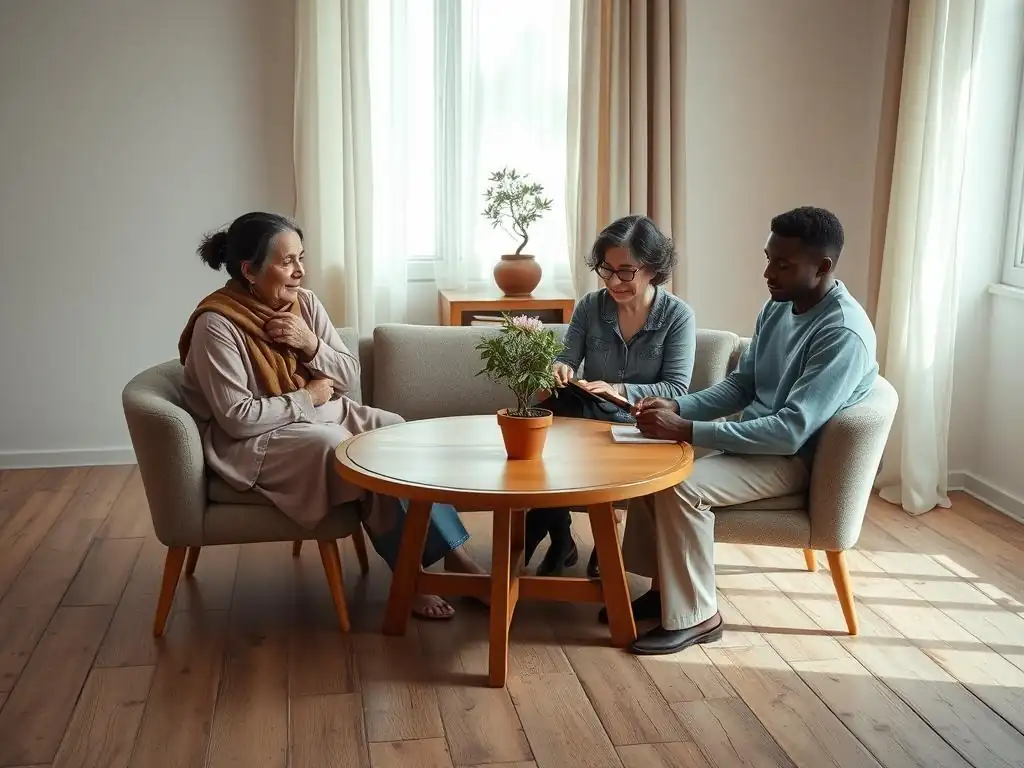
Providing compassionate support to refugees requires specific communication skills and intentional efforts to build strong, trusting relationships. These practical steps are essential regardless of whether one is a professional caregiver, a volunteer, or simply a member of the host community interacting with refugees.
Active Listening and Empathy
Active listening is a critical skill when interacting with refugees. It involves paying full attention, understanding the message, responding thoughtfully, and remembering what is said. This means listening not just to the words but also to the underlying emotions and unspoken concerns. For someone who has experienced trauma and displacement, simply having their story heard and validated can be incredibly healing. Empathy is the ability to understand and share the feelings of another. It's about putting yourself in their shoes and acknowledging the immense difficulty of their experiences without necessarily having gone through the same thing.
Practicing active listening and empathy involves techniques like making eye contact (where culturally appropriate), nodding, using verbal affirmations ("I hear you," "That sounds incredibly difficult"), summarizing to check understanding, and asking open-ended questions that encourage sharing. Avoid interrupting or jumping to conclusions. For example, instead of offering unsolicited advice, one might say, "It sounds like you've been through a lot. Can you tell me more about how that has affected you?" This approach fosters a sense of safety and validation, crucial components of effective refugee mental health support resources.
Building Trust and Rapport
Building trust and rapport with refugees is paramount, especially given that many may have experienced betrayal or exploitation. Trust is built over time through consistent, reliable, and respectful interactions. This means showing up when you say you will, maintaining confidentiality, being transparent about processes and expectations, and treating individuals with dignity and respect at all times. Small gestures of kindness and genuine interest in their well-being can make a significant difference.
Rapport is the harmonious relationship built on mutual understanding and connection. It is fostered by finding common ground, showing genuine warmth, and being patient. Recognizing that refugees may initially be hesitant or withdrawn due to past trauma or cultural differences is important.
Avoid pushing for information or disclosures before trust is established. For instance, starting conversations with less sensitive topics like family (if appropriate) or interests can help build comfort before addressing more difficult subjects related to their experiences or need for refugee mental health support resources. Consistency and predictability in interactions also contribute significantly to building a secure relationship.
Addressing Language Barriers
Language barriers pose a significant challenge in providing effective support and accessing refugee mental health support resources. Miscommunication can lead to frustration, misunderstanding of needs, incorrect diagnoses, and ineffective interventions. Relying on family members, especially children, to interpret is generally discouraged as it can be burdensome for them, compromise confidentiality, and lead to inaccurate translations of complex or sensitive information.
Professional interpreters who are trained in mental health terminology and cultural mediation are invaluable. Working with an interpreter requires specific skills, such as speaking clearly and directly to the refugee (not the interpreter), pausing frequently to allow for translation, and briefing the interpreter beforehand on the topic and goals of the conversation. When professional interpretation is not immediately available, exploring alternative solutions like language lines or bilingual staff who are not family members can help bridge the gap. Ensuring clear communication is fundamental to providing safe and effective refugee mental health support resources.
Navigating cultural differences is more than just acknowledging them; it involves actively working to understand how they influence perceptions of mental health, help-seeking, and interactions. This requires cultural humility and a willingness to adapt approaches.
Understanding Stigma
Stigma surrounding mental health is a global issue, but its manifestations and intensity vary significantly across cultures. In many communities from which refugees originate, mental illness may be highly stigmatized, viewed as a source of shame for the individual and their family, a weakness, or even a result of supernatural causes. This deep-seated stigma can prevent individuals from acknowledging their struggles, discussing them openly, or seeking professional help, even when refugee mental health support resources are available.
Understanding the specific forms of stigma prevalent in a refugee's culture of origin is crucial for developing effective outreach and engagement strategies. For example, shame might be a greater barrier than lack of awareness. Addressing stigma requires sensitive education, often best delivered by trusted community members or cultural brokers. It also involves normalizing discussions about stress and coping, highlighting resilience, and framing mental health support as a path to strength and recovery rather than an admission of failure.
Adapting Interventions
Mental health interventions developed in Western contexts may not be directly transferable or effective for all refugee populations without adaptation. Therapeutic modalities, communication styles, and the very concept of therapy can be culturally unfamiliar or even inappropriate. For instance, individual talk therapy might be less effective in cultures that emphasize collective well-being and family involvement. Similarly, concepts like "self-disclosure" or "emotional expression" might conflict with cultural norms around privacy or emotional restraint.
Adapting interventions involves modifying therapeutic techniques, materials, and delivery methods to align with the refugee's cultural background and preferences. This could mean incorporating narrative approaches that resonate with oral traditions, involving family members in counseling sessions (with the client's consent), utilizing group-based interventions that leverage community support, or integrating traditional healing practices where appropriate and safe. For example, some programs providing refugee mental health support resources have successfully adapted Cognitive Behavioral Therapy (CBT) by using culturally relevant examples and metaphors. The goal is to make interventions more accessible, acceptable, and effective by respecting cultural frameworks.
Working with Interpreters and Cultural Brokers
Working effectively with interpreters and cultural brokers is essential for navigating language barriers and cultural differences in providing refugee mental health support resources. An interpreter provides linguistic translation, while a cultural broker offers insights into cultural norms, values, and communication styles, helping to bridge understanding between the provider and the refugee. Ideally, interpreters should be professionally trained, understand mental health concepts, and adhere to ethical codes of confidentiality and impartiality.
Effective collaboration involves meeting with the interpreter/cultural broker before and after sessions to discuss goals, potential challenges, and clarify meanings. During the session, the provider should speak clearly, avoid jargon, and pause frequently. The cultural broker can provide context for the refugee's behavior or expressions of distress and help the provider understand potential cultural implications of their own words or actions. Recognizing the interpreter/cultural broker as a vital part of the support team, not just a passive conduit, significantly enhances the quality and cultural appropriateness of the support provided.
Connecting Refugees with Resources
One of the most practical ways to help refugees is by connecting them with relevant and accessible refugee mental health support resources. This requires knowledge of available services and the ability to help refugees overcome barriers to access.
Local Mental Health Services
Navigating the healthcare system, particularly mental health services, can be daunting for anyone, and especially so for refugees who may face language barriers, cultural misunderstandings, and unfamiliar administrative procedures. Local mental health services, including community mental health centers, clinics, and private practitioners, are key refugee mental health support resources. However, refugees may require assistance with referrals, scheduling appointments, understanding insurance or billing, and arranging transportation.
It is important to identify which local services are available and, crucially, which have experience working with refugee populations or offer culturally and linguistically appropriate services. Some clinics may have bilingual staff or access to interpreters. Others may have specific programs tailored to refugees or trauma survivors. Providing clear, step-by-step guidance on how to access these services, perhaps through visual aids or translated materials, can significantly improve uptake. Building relationships with local providers who are willing to adapt their services is also beneficial.
Beyond mental health specifics, understanding and navigating the broader healthcare system is often a prerequisite for accessing specialized care. This includes registering with a primary care physician, understanding how to make appointments, knowing when and how to use emergency services, and understanding prescription processes. Differences in healthcare systems between the home country and the host country can be significant sources of confusion and stress. For instance, concepts like scheduled appointments versus walk-in clinics, or the role of general practitioners as gatekeepers to specialists, might be unfamiliar.
Helping refugees understand the structure and rules of the host country's healthcare system is a vital form of support. This can be done through orientation sessions, written guides in their language, or one-on-one assistance from caseworkers or volunteers. Providing clear information about their rights and entitlements regarding healthcare access is also crucial. Successful navigation of the general healthcare system facilitates access to specific refugee mental health support resources when needed.
Online Resources
While in-person services are often preferred, online resources can complement traditional refugee mental health support resources, especially for those with mobility issues, living in remote areas, or facing significant time constraints. These can include websites offering information about mental health conditions and coping strategies, online support groups, or tele-mental health services. Some organizations provide culturally adapted online materials or self-help guides in various languages.
However, reliance on online resources must consider potential barriers such as limited access to reliable internet or devices, lack of digital literacy, and privacy concerns. The content must also be culturally and linguistically appropriate and easy to understand. While online platforms can offer valuable information and a sense of connection, they typically do not replace the need for professional face-to-face support, particularly for individuals with severe trauma or complex mental health needs. They are best viewed as supplementary refugee mental health support resources.
Supporting Resilience and Recovery
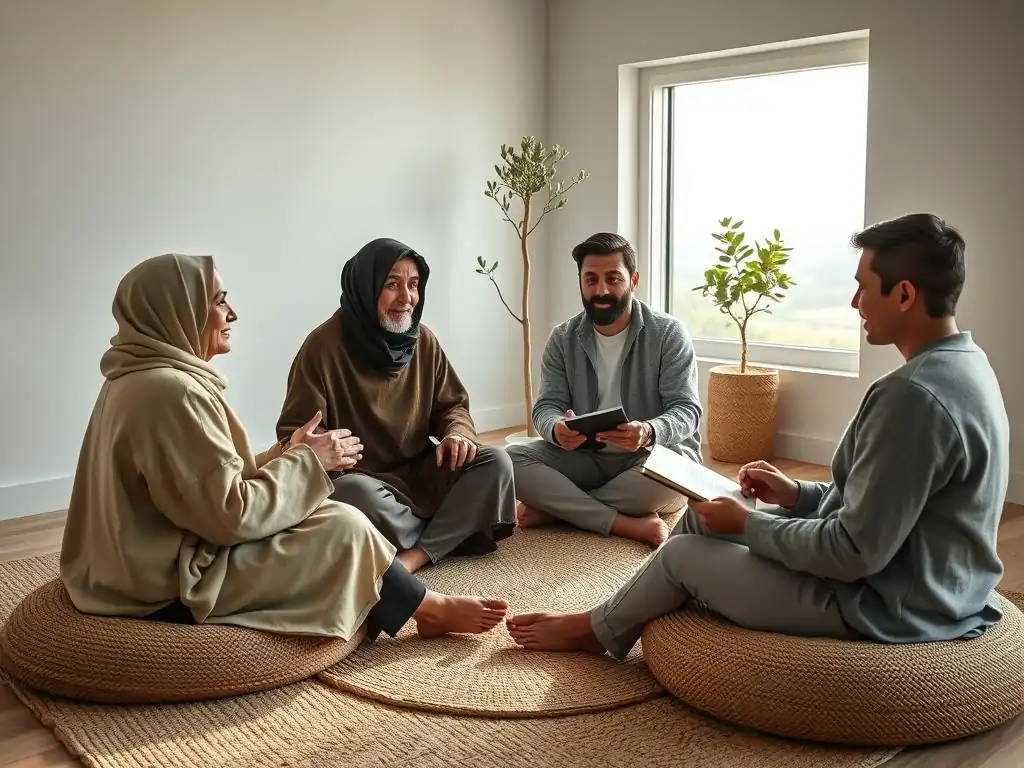
Focusing solely on trauma and mental illness risks overlooking the inherent strengths and resilience of refugees. Effective support acknowledges past suffering while actively fostering factors that promote recovery and well-being.
Promoting Self-Care
Self-care is crucial for maintaining mental and physical health, especially under stress. For refugees, this might involve rediscovering activities that brought joy or relaxation in their home country, developing new healthy habits in their current environment, or maintaining cultural practices that are grounding and comforting. However, the challenges of displacement – such as poverty, lack of time due to survival focus, or unsafe living conditions – can make prioritizing self-care incredibly difficult.
Promoting self-care involves educating refugees about its importance and helping them identify realistic and culturally appropriate ways to incorporate it into their lives. This could include encouraging adequate sleep, healthy eating (within available resources), physical activity, mindfulness techniques, or engaging in hobbies. Connecting them with community-based activities, like sports or cultural groups, can also be a form of self-care that combats isolation. Providing practical support, such as childcare or transportation, can remove barriers to engaging in self-care activities or accessing refugee mental health support resources.
Fostering Community
Social connection and a sense of belonging are powerful buffers against psychological distress and key components of recovery. Refugees often experience profound social isolation due to separation from family and friends, language barriers, and difficulty integrating into the host community. Fostering connections within the refugee community itself and with the host community is vital.
Supporting the formation of refugee-led community groups, cultural associations, or mutual support networks can provide a safe space for sharing experiences, maintaining cultural identity, and offering peer support. Facilitating opportunities for positive interaction with the host community, such as through shared cultural events, volunteer opportunities, or language exchange programs, can reduce isolation and combat stereotypes. These connections build social capital and provide informal refugee mental health support resources that complement professional services.
Addressing Acculturation
Acculturation, the process of adapting to a new culture while maintaining aspects of one's original culture, is a significant challenge for refugees. It can involve navigating conflicting cultural norms, experiencing discrimination, and dealing with identity shifts. Difficulties with acculturation are strongly linked to increased stress, anxiety, and depression. The pressure to assimilate quickly can be overwhelming and detrimental to mental well-being.
Supporting healthy acculturation involves helping refugees find a balance between adapting to the new environment and preserving their cultural heritage. This can include providing language classes, cultural orientation programs, and opportunities to connect with both their own cultural community and the host community. Acknowledging the grief associated with cultural loss is also important. Refugee mental health support resources should recognize acculturation stress as a valid concern and incorporate strategies to support refugees in navigating this complex process, promoting integration without demanding assimilation.
Addressing Specific Needs
While general principles apply, certain groups within the refugee population have specific needs that require tailored approaches and specialized refugee mental health support resources.
Children and Adolescents
Refugee children and adolescents are particularly vulnerable to the psychological impacts of trauma and displacement. Their experiences can disrupt development, interfere with education, and manifest as behavioral problems, emotional difficulties, or withdrawal. Unaccompanied minors, children separated from their parents, face even greater risks. Their needs are often intertwined with those of their families, but they also require age-appropriate support.
Support for refugee youth should involve creating safe and stable environments, facilitating access to education, and providing opportunities for play and recreation, which are essential for healthy development and processing trauma. Mental health interventions for children need to be adapted to their developmental stage, often utilizing play therapy, art therapy, or trauma-focused CBT modified for children. Engaging parents or caregivers in the support process is also crucial.
Schools can play a vital role as a point of identification and support, provided staff are trained in trauma-informed and culturally sensitive approaches. Specific refugee mental health support resources for youth are critically needed.
Survivors of Gender-Based Violence
Refugee women, girls, and LGBTQ+ individuals are disproportionately affected by gender-based violence (GBV) throughout their displacement journey, including in their home countries, during transit, and sometimes in host communities or camps. GBV can include sexual violence, physical assault, forced marriage, and exploitation. The trauma of GBV has severe and long-lasting mental health consequences, including PTSD, depression, anxiety, and complex trauma.
Providing support to survivors of GBV requires a survivor-centered, confidential, and non-discriminatory approach. Services must be safe and accessible, often requiring female staff or interpreters and private spaces. Integrated services that address both physical health (including sexual and reproductive health) and mental health are essential. Specialized trauma therapy, support groups for survivors, and legal assistance are critical refugee mental health support resources for this population. Addressing the root causes of GBV and promoting gender equality within refugee communities and host societies are also important long-term goals.
Elderly Refugees
Elderly refugees face unique challenges that impact their mental well-being. They may have experienced multiple traumas over their lifetime, suffer from age-related health issues compounded by displacement, and face profound grief and isolation due to the loss of their familiar social roles, community networks, and cultural context. Language barriers can be particularly isolating for older adults who may have less opportunity or ability to learn a new language.
Support for elderly refugees should focus on reducing isolation, maintaining dignity, and addressing their specific health and social needs. This can involve connecting them with culturally appropriate social activities, providing opportunities for intergenerational connection, ensuring access to healthcare (including mental health services), and offering practical support for daily living. Recognizing and valuing their life experiences and wisdom is also important. Mental health interventions may need to be adapted to address age-related cognitive or physical limitations and incorporate culturally familiar ways of coping. Specialized refugee mental health support resources tailored for older adults are often scarce but vital.
Advocacy for Refugee Mental Health
Beyond direct service provision, advocacy plays a crucial role in improving the mental health outcomes of refugees. This involves raising awareness, challenging harmful stereotypes, and influencing policies to ensure adequate support is available.
Raising Awareness
Raising awareness about the mental health challenges faced by refugees is essential to garnering support and resources. Many people are unaware of the profound psychological impact of displacement and trauma, or they may hold misconceptions about refugees' experiences. Awareness campaigns can share factual information, personal stories (with consent), and highlight the resilience of refugees.
Efforts to raise awareness can target the general public, policymakers, service providers, and media. Educational materials, public events, and social media campaigns can help destigmatize mental health issues within refugee communities and promote empathy and understanding in host societies. Highlighting the need for and availability of refugee mental health support resources is a key message in these efforts. Increased awareness can lead to greater public support, more funding, and improved service delivery.
Challenging Stigma
Advocacy must actively challenge the stigma associated with both being a refugee and experiencing mental health problems. Refugees often face discrimination and negative stereotypes based on their origin or perceived status, which can exacerbate psychological distress and create barriers to seeking help. Simultaneously, internal and external stigma around mental illness prevents many from accessing care.
Challenging stigma involves promoting accurate portrayals of refugees, emphasizing their contributions and resilience, and countering misinformation. It also requires open dialogue about mental health within communities, promoting help-seeking as a sign of strength, and highlighting successful recovery stories. Working with refugee community leaders and influencers can be particularly effective in challenging internal stigma. Advocacy efforts should aim to create environments where refugees feel safe and empowered to discuss their mental health needs and access available refugee mental health support resources without fear of judgment or discrimination.
Supporting Policies
Policies at local, national, and international levels significantly impact the lives and mental health of refugees. Advocacy is needed to support policies that promote the well-being of refugees and ensure access to necessary services. This includes advocating for fair and efficient asylum processes, which reduce uncertainty and stress; policies that facilitate family reunification, which strengthens social support; and policies that ensure access to education, housing, and employment, which are foundational for stability and recovery.
Crucially, advocacy must push for policies that prioritize and adequately fund refugee mental health support resources. This includes advocating for the integration of mental health services into primary healthcare, funding for specialized trauma services, support for training culturally competent providers, and funding for community-based mental health initiatives. Policy advocacy aims to create a systemic framework that recognizes the unique mental health needs of refugees and provides sustainable, accessible, and culturally appropriate support.
Frequently Asked Questions
How does trauma impact the mental health of refugees?
Refugees often experience significant trauma before, during, and after displacement. This trauma can lead to conditions like PTSD, anxiety, and depression, significantly impacting their mental well-being.
Why is cultural sensitivity important when providing mental health support to refugees?
Cultural sensitivity ensures support is effective and respectful. Understanding their cultural background, beliefs, and values is crucial to avoid misunderstandings and build trust and rapport.
What are some practical ways to offer immediate support to newly arrived refugees?
Providing basic necessities like food, shelter, and clothing is essential. Equally important is offering a safe and welcoming environment and connecting them with community resources.
Where can I find specialized mental health resources for refugees in my area?
Local refugee resettlement agencies, community centers, and mental health organizations often provide specialized services. Search online using keywords like "refugee mental health support" plus your location.
What are some common barriers refugees face when accessing mental health services?
Barriers include language difficulties, lack of awareness about services, cultural stigma surrounding mental health, and financial constraints. Overcoming these barriers is crucial for access.
Final Reflection: The Enduring Power of Compassionate Action
The global refugee crisis continues to demand our attention, and providing effective mental health support remains a critical, yet often overlooked, aspect of humanitarian aid. The sheer scale of displacement and the trauma experienced by refugees necessitate a fundamental shift in how we approach assistance, moving beyond basic needs to encompass the profound emotional and psychological well-being of individuals and communities.
The journey of understanding and responding to the mental health needs of refugees is a deeply humbling one. It requires a constant process of learning, unlearning, and re-evaluating our own biases and assumptions. The most common way people give up their power is by thinking they don't have any.
– Alice Walker. This quote highlights the importance of empowering refugees to participate actively in their own healing and recovery, rather than imposing solutions from the outside. We must actively listen to their experiences and collaborate with them to build sustainable and culturally sensitive support systems.
Now, consider your own role in this ongoing conversation. What steps can you take, however small, to contribute to a more compassionate and effective response to the mental health needs of refugees? Perhaps it's volunteering at a local organization, donating to reputable charities, advocating for policy changes, or simply educating yourself and others about the challenges faced by displaced populations. Let us collectively strive to create a world where every individual, regardless of their background or circumstances, has access to the mental health support they deserve. Your compassion can make a difference.
Unlock the Power of Compassion: Start Supporting Refugees Today
Thanks for taking the time to learn about how you can make a real difference in the lives of refugees. You've gained valuable insights into providing compassionate and culturally sensitive support – now it's time to turn that knowledge into action!
Here's how you can get started:
- Identify a local organization: Research refugee support groups in your community and find one whose mission resonates with you. This is the most impactful first step.
- Learn a few key phrases in a refugee language: This small gesture can go a long way in showing respect and building connections.
- Share this article with your network: Help spread awareness and inspire others to join the effort to create a welcoming environment for refugees.
What small act of compassion will you take today to support those seeking refuge?