
Feeling Both Low and Restless: Unpacking Mixed Features in MDD


Welcome to Mind Care Guide, your sanctuary for understanding and navigating the complexities of mental well-being. Are you experiencing a confusing blend of sadness and agitation? You're not alone. This guide dives deep into the nuances of mixed mood depression symptoms, offering clarity and support as we unpack this often misunderstood aspect of Major Depressive Disorder. Discover the insights you need to understand your experience and take the first steps toward feeling better.
Understanding Major Depressive Disorder (MDD) with Mixed Features
- Understanding Major Depressive Disorder (MDD) with Mixed Features
- The Complex Presentation of Mixed Mood Depression Symptoms
- Diagnosing MDD with Mixed Features: Challenges and Criteria
- Treatment Strategies for MDD with Mixed Features
- Living with MDD with Mixed Features: Coping Strategies and Support
- The Importance of Early Intervention and Ongoing Management of MDD with Mixed Features
-
Frequently Asked Questions
- What are the key characteristics of Mixed Features in Major Depressive Disorder (MDD)?
- How does having Mixed Features impact the diagnosis of depression?
- What are some common Mixed Mood Depression Symptoms that people might experience?
- How is Mixed Feature Depression typically treated compared to "regular" depression?
- Where can I find further support and Resources if I suspect I have Mixed Feature Depression?
- Final Reflection: Navigating the Turbulent Seas of Mixed Mood Depression
- Unleash Your Understanding: Take Charge of Mixed Features in MDD
Understanding Major Depressive Disorder (MDD) with Mixed Features
Defining MDD and its Core Symptoms
Major Depressive Disorder (MDD) is a common and serious medical illness that negatively affects how you feel, the way you think, and how you act. MDD causes feelings of sadness and/or a loss of interest in activities you once enjoyed. It can lead to a variety of emotional and physical problems and can decrease your ability to function at work and at home.
According to data from the National Institute of Mental Health (NIMH), an estimated 21.0 million adults in the United States had at least one major depressive episode in 2021, representing 8.3% of all U.S. adults. This highlights the significant prevalence of this condition.
The core symptoms of MDD typically include a persistently low or sad mood, loss of interest or pleasure in activities (anhedonia), significant changes in appetite or weight, sleep disturbances (insomnia or hypersomnia), fatigue or low energy, feelings of worthlessness or excessive guilt, difficulty thinking, concentrating, or making decisions, and recurrent thoughts of death or suicide. For a diagnosis of a major depressive episode, five or more of these symptoms must be present during the same 2-week period and represent a change from previous functioning.
At least one of the symptoms must be either depressed mood or loss of interest or pleasure. These symptoms cause clinically significant distress or impairment in social, occupational, or other important areas of functioning.
What are Mixed Features in Depression? Identifying the Difference
Traditionally, mood disorders were viewed as distinct poles: depression characterized by low mood and energy, and bipolar disorder characterized by distinct episodes of depression and mania or hypomania. However, clinical observation revealed that some individuals experiencing a major depressive episode also exhibit symptoms typically associated with mania or hypomania simultaneously. These are referred to as "mixed features." It's not simply feeling depressed and anxious or irritable; it's the co-occurrence of symptoms from opposite poles of mood experience within the same episode.
Identifying mixed features is crucial because it significantly impacts diagnosis, prognosis, and treatment approaches for individuals with depression. While typical MDD involves a general slowing down or lack of energy alongside low mood, mixed features introduce elements of increased energy, agitation, or impulsivity. This can make the presentation appear confusing, as the person is profoundly sad or experiencing anhedonia yet might also be restless, have racing thoughts, or feel compelled to engage in potentially risky behaviors. Recognizing these mixed mood depression symptoms is key to understanding a more complex presentation of depressive illness.
The Complex Presentation of Mixed Mood Depression Symptoms
Recognizing the Overlap: Depressive and Manic/Hypomanic Symptoms
The hallmark of mixed features in MDD is the simultaneous presence of symptoms from both depressive and manic or hypomanic episodes. This overlap creates a unique and often challenging clinical picture. Imagine someone experiencing the profound sadness and hopelessness typical of a major depressive episode, yet at the same time, they might feel an unusual surge of energy, have difficulty staying still, or find their thoughts racing uncontrollably. This combination of low mood with high energy or agitation is counterintuitive to the classic understanding of depression and falls under the umbrella of mixed mood depression symptoms.
This overlap is not merely a matter of symptom count but reflects a complex dysregulation of mood. While a person with standard MDD might struggle to get out of bed due to lack of energy, someone with mixed features might struggle to stay in bed due to restlessness, even while feeling utterly despairing. This internal conflict between depressive and activating symptoms can lead to intense emotional distress and unpredictable behavior, distinguishing it from a purely depressive state or a clear-cut manic episode.
Key Indicators of Mixed Features in MDD: A Detailed Look
Identifying mixed features requires careful observation and detailed questioning, as the symptoms can be subtle or confusing to the individual experiencing them. Key indicators involve the presence of at least three symptoms from the opposite pole (manic/hypomanic) occurring during the majority of days of a major depressive episode. These activating symptoms stand in contrast to the overall depressive state.
Let's delve into specific examples of these mixed mood depression symptoms, illustrating how seemingly contradictory states can coexist.
Depressed Mood Alongside Increased Energy and Activity
A classic presentation of mixed features involves the paradoxical combination of profound sadness or anhedonia with increased energy levels or psychomotor agitation. Instead of the typical psychomotor retardation seen in some forms of MDD (slowed speech, movement), the individual might exhibit restlessness, pacing, or an inability to sit still. They may feel an internal tension or drive that compels them to move, even while feeling completely drained emotionally.
For example, someone might report feeling utterly devoid of hope and finding no pleasure in anything, yet they feel a wired energy that prevents them from resting. This isn't productive energy but often a frantic, uncomfortable restlessness. They might describe feeling "low but wired" or "depressed but unable to stop moving," a stark contrast to the lethargy often associated with depression. This combination can be particularly distressing and increases the risk of impulsive behaviors.
Co-occurrence of Sadness and Racing Thoughts
Another significant indicator of mixed features is the presence of racing thoughts alongside depressive symptoms. While typical depression might involve slowed thinking or difficulty concentrating, mixed features can include a mind that feels uncontrollably fast, jumping from one idea to another without logical connection. This can manifest as pressured speech, where the person talks rapidly and interrupts others, or simply an internal torrent of thoughts that cannot be quieted.
Imagine someone consumed by feelings of worthlessness and despair, yet their mind is a whirlwind of worries, anxieties, or random ideas. This isn't rumination in the typical depressive sense; it's a feeling of the mind being sped up, often making it difficult to focus on anything, including their own sadness. This internal chaos contributes significantly to the distress experienced by individuals with these mixed mood depression symptoms.
Irritability and Agitation with Feelings of Worthlessness
Irritability is a common symptom in both depression and mania, but its presentation in mixed features is particularly intense and often coupled with profound feelings of worthlessness or guilt. The individual might be easily angered, frustrated, or agitated, reacting explosively to minor stressors. This contrasts with the typical depressive withdrawal or flatness.
Simultaneously, they might be plagued by intense self-blame, guilt, or feelings of being a failure. The agitation isn't just external; it's often an internal turmoil fueled by self-critical thoughts and emotional lability. This blend of outward agitation/irritability and inward self-deprecation is a hallmark of the complex emotional landscape of mixed features, making social interactions difficult and increasing the risk of self-harm or suicidal ideation.
Diagnosing MDD with Mixed Features: Challenges and Criteria
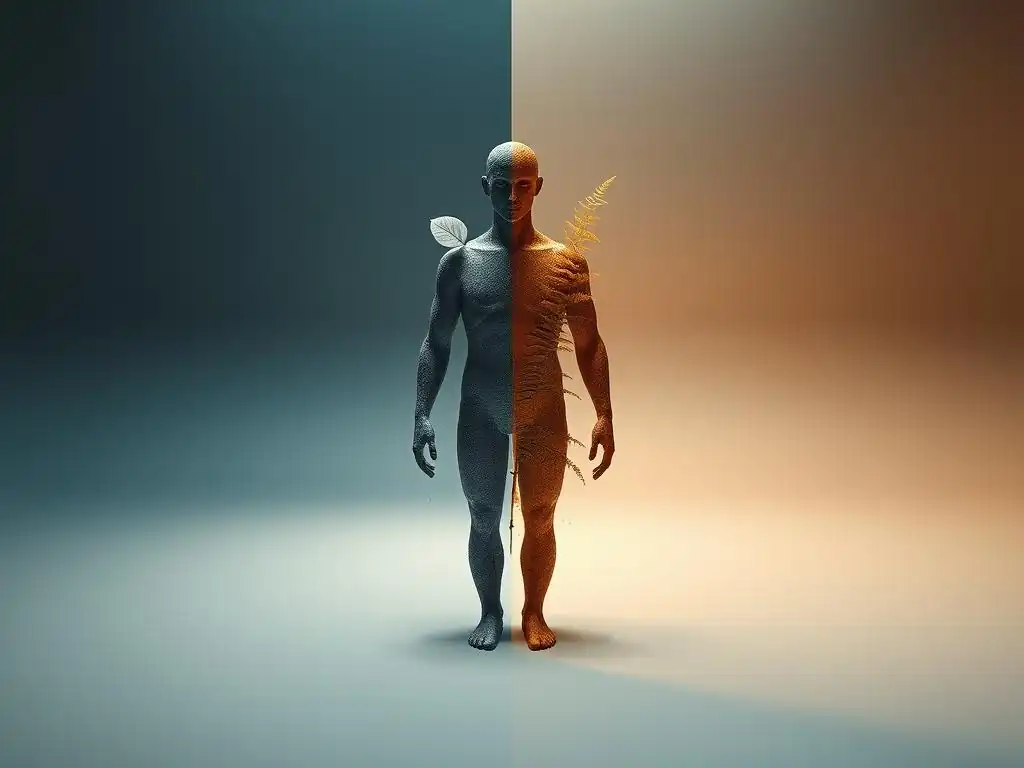
Diagnostic and Statistical Manual (DSM) Criteria for Mixed Features
The inclusion of "with mixed features" as a specifier for Major Depressive Disorder in the Diagnostic and Statistical Manual of Mental Disorders, Fifth Edition (DSM-5), represented a significant step in recognizing this complex presentation. According to DSM-5, the specifier "with mixed features" can be applied to a major depressive episode when at least three manic or hypomanic symptoms are present during the majority of days of the major depressive episode. These symptoms must be observable by others or reported by the individual and must represent a change from the person's usual behavior.
The specific manic/hypomanic symptoms that count towards the "mixed features" specifier in MDD include: elevated, expansive, or irritable mood; inflated self-esteem or grandiosity; decreased need for sleep (e.g., feels rested after only 3 hours of sleep); more talkative than usual or pressure to keep talking; flight of ideas or subjective experience that thoughts are racing; increase in goal-directed activity (either socially, at work or school, or sexually) or psychomotor agitation; and excessive involvement in activities that have a high potential for painful consequences (e.g., engaging in unrestrained buying sprees, sexual indiscretions, or foolish business investments).
Importantly, these symptoms must not meet the full criteria for a manic or hypomanic episode.
Differentiating Mixed Features from Bipolar Disorder
One of the primary diagnostic challenges when encountering mixed mood depression symptoms is differentiating MDD with mixed features from Bipolar Disorder, particularly Bipolar II disorder. Bipolar II Disorder is characterized by the occurrence of at least one major depressive episode and at least one hypomanic episode. The key difference lies in the duration and severity of the manic/hypomanic symptoms.
In Bipolar II, the hypomanic symptoms must meet the full criteria for a hypomanic episode, lasting for at least four consecutive days and being present for most of the day, nearly every day. In contrast, for the "with mixed features" specifier in MDD, the manic/hypomanic symptoms occur during a major depressive episode and do not meet the full criteria for a manic or hypomanic episode in terms of duration or pervasiveness.
They are present during the majority of days of the depressive episode but may not be consistently present or as intense or sustained as a distinct hypomanic or manic episode. This distinction is critical for treatment planning, as interventions for bipolar disorder often differ significantly from those for unipolar depression.
The Importance of Accurate Diagnosis for Effective Treatment
An accurate diagnosis is paramount for individuals presenting with mixed mood depression symptoms. Misdiagnosing MDD with mixed features as standard MDD can lead to inappropriate treatment, potentially worsening the condition or increasing the risk of cycling into mania or hypomania. For instance, treating mixed features with only standard antidepressants, without considering mood-stabilizing agents, may exacerbate agitation, irritability, or increase the likelihood of switching into a manic or hypomanic state in individuals who might be on the bipolar spectrum.
Recognizing mixed features allows clinicians to tailor treatment strategies, often involving a combination of medications aimed at stabilizing mood and addressing depressive symptoms, and selecting specific psychotherapies. Research suggests that individuals with mixed features may have a higher risk of suicide attempts and substance use compared to those with non-mixed depression. Therefore, correctly identifying these mixed mood depression symptoms ensures that the treatment plan addresses the specific complexities and risks associated with this presentation, leading to better outcomes and improved safety.
Treatment Strategies for MDD with Mixed Features
How Mixed Features Can Affect Antidepressant Response
Treating MDD with mixed features presents unique challenges, particularly regarding the use of antidepressants. While antidepressants are a mainstay for treating standard major depressive episodes, their effectiveness and safety profile can differ significantly when mixed features are present. Some studies and clinical observations suggest that traditional antidepressant monotherapy (using only an antidepressant) in individuals with mixed features may be less effective at fully resolving symptoms and could potentially worsen some mixed symptoms like agitation, irritability, or insomnia.
Furthermore, there is a concern that using antidepressants alone in individuals with mixed features, especially those who might be on the bipolar spectrum but haven't had a full manic or hypomanic episode yet, could precipitate a switch into mania or hypomania. While this risk is debated and likely varies among individuals, it underscores the need for caution and careful consideration of treatment strategies beyond just antidepressants when mixed mood depression symptoms are prominent. This complexity necessitates a nuanced approach to medication management.
Medication Management for MDD with Mixed Features
Given the potential for antidepressants to be less effective or even problematic in some cases, medication management for MDD with mixed features often involves a combination approach. The goal is to alleviate depressive symptoms while simultaneously managing the activating or irritable symptoms characteristic of mixed states and preventing mood switches.
The specific medication regimen is highly individualized and depends on the severity of symptoms, the individual's history, and response to previous treatments.
The Role of Mood Stabilizers
Mood stabilizers, traditionally used in the treatment of bipolar disorder, often play a crucial role in managing MDD with mixed features. Medications like lithium, valproate (Depakote), lamotrigine (Lamictal), and carbamazepine (Tegretol) can help regulate mood fluctuations and reduce the intensity of both depressive and activating symptoms.
For instance, lithium has demonstrated efficacy in reducing suicidal risk in individuals with mood disorders, which is a heightened concern in mixed states. Lamotrigine is often favored for its antidepressant properties in bipolar depression and may be helpful in managing the depressive pole while offering some mood-stabilizing effects. These medications help to dampen the "wired" or agitated component of the mixed mood depression symptoms, creating a more stable emotional baseline upon which depressive symptoms can then be more effectively treated, potentially with lower doses of antidepressants or other agents.
The Role of Atypical Antipsychotics
Atypical antipsychotics are another class of medications frequently used in the treatment of MDD with mixed features, either alone or in combination with antidepressants or mood stabilizers. Medications such as quetiapine (Seroquel), lurasidone (Latuda), aripiprazole (Abilify), and olanzapine (Zyprexa) have shown efficacy in treating both depressive symptoms and the manic/hypomanic features, including agitation, irritability, and racing thoughts.
For example, quetiapine is approved for bipolar depression and can be effective in treating depressive episodes with mixed features. Lurasidone is also approved for bipolar depression and has shown promise in managing depressive symptoms alongside some activating features. These medications can be particularly helpful in rapidly stabilizing acute mixed states and are often used in conjunction with other agents to provide comprehensive symptom control for individuals struggling with these challenging mixed mood depression symptoms.
Therapeutic Interventions for MDD with Mixed Features
While medication is often essential for managing the biological aspects of mixed features, psychotherapy plays a vital role in helping individuals understand and cope with their condition, develop coping strategies, and improve functioning.
Cognitive Behavioral Therapy (CBT)
Cognitive Behavioral Therapy (CBT) is a widely used and effective psychotherapy that can be adapted to address the specific challenges of MDD with mixed features. CBT focuses on identifying and changing negative thought patterns and behaviors that contribute to distress. For individuals with mixed features, this might involve challenging the catastrophic or self-critical thoughts associated with depression, while also developing strategies to manage racing thoughts, impulsivity, or agitation.
A CBT therapist might work with the individual to recognize the onset of mixed mood depression symptoms, develop coping mechanisms for restlessness or irritability (e.g., distraction techniques, relaxation exercises), and learn healthier ways to manage the intense emotions associated with mixed states. By teaching practical skills, CBT empowers individuals to gain a sense of control over their symptoms and improve their ability to function in daily life.
Interpersonal Therapy (IPT)
Interpersonal Therapy (IPT) focuses on the role of interpersonal relationships and social functioning in mood disorders. It can be beneficial for individuals with MDD with mixed features, as their symptoms often strain relationships. The irritability, impulsivity, and emotional lability can create conflict and withdrawal from social support, which is critical for recovery.
IPT helps individuals identify and address specific interpersonal issues, such as unresolved grief, role disputes, role transitions, or interpersonal deficits. By improving communication skills, understanding relationship patterns, and resolving interpersonal conflicts, IPT can help reduce depressive symptoms and improve social support networks. This is particularly important when navigating the complexities that mixed mood depression symptoms introduce into personal interactions and daily life.
Living with MDD with Mixed Features: Coping Strategies and Support

Self-Care Techniques for Managing Mixed Symptoms
Living with the fluctuating and often contradictory nature of mixed mood depression symptoms requires intentional self-care strategies. These techniques aim to help individuals manage the intensity of their symptoms and build resilience. It's important to find strategies that work for the individual's specific mix of symptoms – for example, relaxation techniques might help with agitation, while structured activity can combat feelings of lethargy alongside restlessness.
Here are some examples of self-care techniques that can be helpful:
- Mindfulness and Meditation: Practicing mindfulness can help individuals become more aware of their thoughts and feelings without judgment, which can be particularly useful for managing racing thoughts and intense emotions. Even short periods of meditation can help ground a person experiencing the internal turmoil of mixed features.
- Deep Breathing Exercises: Simple breathing techniques can help regulate the nervous system and reduce feelings of anxiety and agitation often present in mixed states.
- Journaling: Writing down thoughts and feelings can help process the complex emotions and racing thoughts characteristic of mixed features, providing an outlet and helping to identify patterns.
- Engaging Senses: Using sensory input (e.g., holding an ice cube, listening to calming music, focusing on textures) can help ground an individual during periods of intense agitation or distress.
Building a Support System: Connecting with Others
Isolation can exacerbate depressive symptoms, and the irritability and unpredictable behavior associated with mixed features can sometimes push loved ones away. Building and maintaining a strong support system is crucial for individuals managing these challenges. This can involve connecting with understanding friends and family, joining support groups, or participating in peer support programs.
Sharing experiences with others who understand mixed mood depression symptoms can reduce feelings of shame and isolation. Support groups, whether in-person or online, provide a safe space to share coping strategies, receive encouragement, and feel understood. Educating loved ones about mixed features can also help them provide more effective support and understand the complexities of the condition.
Lifestyle Adjustments: Diet, Exercise, and Sleep Hygiene
Lifestyle factors play a significant role in managing mood disorders, including MDD with mixed features. Consistent routines and healthy habits can help stabilize mood and improve overall well-being.
- Balanced Diet: Maintaining a regular eating schedule and consuming nutritious foods can help regulate energy levels and mood. Avoiding excessive caffeine or sugar, which can exacerbate agitation, is particularly important for managing mixed symptoms.
- Regular Exercise: Physical activity has well-documented benefits for mood. For individuals with mixed features, exercise can help channel restless energy in a positive way and reduce tension. Aim for regular, moderate exercise most days of the week, finding activities that are enjoyable and sustainable.
- Sleep Hygiene: Sleep disturbances are common in MDD and mixed states (ranging from insomnia to decreased need for sleep). Establishing a consistent sleep schedule, creating a relaxing bedtime routine, and ensuring a dark, quiet sleep environment can significantly improve sleep quality, which in turn can help stabilize mood.
The Importance of Early Intervention and Ongoing Management of MDD with Mixed Features
Seeking Professional Help: Finding the Right Mental Health Provider
Given the complexity of mixed mood depression symptoms, seeking professional help is the first and most crucial step. An accurate diagnosis requires a thorough evaluation by a qualified mental health professional, such as a psychiatrist, psychologist, or licensed clinical social worker, experienced in diagnosing and treating mood disorders. Finding a provider who understands the nuances of mixed features is essential for developing an effective treatment plan.
Do not hesitate to seek a second opinion if you are unsure about your diagnosis or treatment. The right provider will conduct a comprehensive assessment, considering your symptom history, family history of mood disorders, and any co-occurring conditions. Early intervention can significantly improve outcomes, prevent the condition from worsening, and reduce the risk of complications such as substance abuse or suicide attempts.
Long-Term Management and Relapse Prevention Strategies
MDD with mixed features is often a chronic condition that requires ongoing management, even after symptoms improve. Relapse prevention is a key component of long-term care. This involves adherence to treatment plans, regular check-ins with mental health providers, and continued use of coping strategies learned in therapy.
Developing a personalized relapse prevention plan is vital. This plan might include:
- Identifying early warning signs of worsening mixed mood depression symptoms (e.g., increased irritability, racing thoughts, sleep disturbances, changes in energy levels).
- Having a clear plan of action for what to do if warning signs appear (e.g., contacting your therapist or psychiatrist, increasing self-care, reaching out to support system).
- Maintaining healthy lifestyle habits consistently.
- Continuing therapy sessions, perhaps less frequently, for maintenance and support.
- Regularly reviewing medications with your prescribing physician to ensure they remain effective and appropriate.
Managing MDD with mixed features is a journey that requires patience, persistence, and proactive care. With accurate diagnosis, appropriate treatment, and a strong support system, individuals can learn to manage their symptoms and live fulfilling lives.
Frequently Asked Questions
What are the key characteristics of Mixed Features in Major Depressive Disorder (MDD)?
Mixed features in MDD involve experiencing symptoms of both depression and mania/hypomania simultaneously. This means feeling both intensely sad and having increased energy or racing thoughts.
How does having Mixed Features impact the diagnosis of depression?
The presence of mixed features doesn't change the diagnosis of MDD itself, but it specifies the subtype of depression. It requires careful assessment to distinguish it from bipolar disorder.
What are some common Mixed Mood Depression Symptoms that people might experience?
Common symptoms include feeling sad, hopeless, or empty while also experiencing irritability, racing thoughts, impulsivity, and increased activity. These seemingly contradictory feelings are hallmarks of mixed features.
How is Mixed Feature Depression typically treated compared to "regular" depression?
Treatment often involves a combination of antidepressants and mood stabilizers or antipsychotics. This is because antidepressants alone can sometimes trigger manic episodes in individuals with mixed features.
Where can I find further support and Resources if I suspect I have Mixed Feature Depression?
Consult with a qualified mental health professional for accurate diagnosis and treatment. Websites like the Mind Care Guide and organizations like the National Alliance on Mental Illness (NAMI) offer valuable information and resources.
The experience of mixed features in Major Depressive Disorder (MDD) is far more common than previously understood, and its impact on individuals and their treatment is profoundly underestimated. Understanding the complex interplay of depressive and manic symptoms is crucial for effective diagnosis and care, a fact that resonates deeply with the growing number of individuals seeking help for their mental health. This lack of understanding often leads to delayed or inadequate treatment, highlighting the urgent need for increased awareness and improved diagnostic tools.
The pervasive nature of mixed features in MDD has significantly shaped the landscape of mental health care, forcing a reevaluation of traditional diagnostic criteria and treatment approaches. The struggle to accurately identify and address these symptoms underscores the limitations of a purely categorical diagnostic system. The boundaries between different psychiatric disorders are often blurred, and the symptoms of one disorder can overlap with those of another,
a sentiment that perfectly encapsulates the challenge of diagnosing and treating mixed features. This ongoing struggle highlights the need for a more nuanced and individualized approach to mental health care, one that prioritizes the patient's unique experience above all else.
You, the reader, are now equipped with a deeper understanding of the complexities of mixed mood depression. Consider how this information might inform your own understanding of mental health, whether for yourself or for someone you know. Take the time to reflect on the symptoms discussed and consider seeking professional help if you or someone you care about is struggling.
Let this article serve as a catalyst for open conversations, improved diagnosis, and ultimately, a more compassionate and effective approach to treating this often-misunderstood condition. Your journey towards understanding and well-being starts with awareness, and with that awareness comes the power to seek help and find healing.
Unleash Your Understanding: Take Charge of Mixed Features in MDD
Thanks for taking the time to explore the complexities of mixed features in Major Depressive Disorder. You've gained valuable insight into this often-overlooked aspect of mental health. Now, let's put that knowledge into action!
- Prioritize self-reflection: Identify one specific mixed feature you relate to most and consider journaling about its impact on your daily life. This focused reflection is key to understanding your experience.
- Connect with your support network: Share what you've learned with a trusted friend, family member, or therapist. Talking openly about these challenges can provide immense support and validation.
- Explore additional resources: Dive deeper into the research and support communities available online by searching for "mixed features MDD" or "atypical depression."
Ready to begin your journey towards a clearer understanding of your mental wellbeing? What’s one small step you can take today to address a mixed feature impacting your life?