
Understanding Guided CBT Modules in Mental Wellness Apps


Welcome to Mind Care Guide, your companion on the journey to mental well-being. Are you curious about how technology can truly support your mental health? Discover the profound impact of Guided CBT Modules Benefits within mental wellness apps, and how they can empower you to navigate life's challenges with greater resilience. Let's explore the science-backed techniques that are transforming mental healthcare, starting with this deep dive into the world of digital CBT. Ready to unlock your potential for inner peace?
Understanding Guided CBT Modules in Mental Wellness Apps: A Mind Care Guide
- The Rise of Guided CBT for Mental Wellness: Exploring the Benefits
- Unveiling the Core Benefits of Guided CBT Modules
- Evaluating Mental Wellness Apps Offering Guided CBT: A Buying Guide
- Maximizing the Benefits of Guided CBT Modules: Tips and Strategies
- Who Can Benefit Most from Guided CBT Modules?
- Real-Life Success Stories: How Guided CBT Modules Have Helped Others
- Conclusion: Embracing the Power of Guided CBT for Improved Mental Well-being
-
Frequently Asked Questions
- What exactly are Guided CBT Modules and how do they relate to mental well-being apps?
- What are the key benefits of using Guided CBT Modules compared to traditional therapy?
- How do Guided CBT Modules within mental wellness apps typically work?
- Are Guided CBT Modules suitable for everyone, or are there specific situations where they might not be effective?
- How can I ensure the Guided CBT Modules I'm using in a mental wellness app are credible and effective?
- Final Reflection: The Empowering Potential of Guided CBT Modules
- Unlock Your Mental Wellness Journey Today!
The Rise of Guided CBT for Mental Wellness: Exploring the Benefits
What is Guided CBT and Why is it Gaining Popularity?
Guided Cognitive Behavioral Therapy (CBT) refers to a structured approach to delivering CBT principles and techniques, often through digital platforms like mental wellness apps. Unlike traditional therapy sessions which involve direct interaction with a therapist, guided CBT modules break down the core concepts of CBT into digestible, interactive lessons and exercises.
These modules typically cover topics such as identifying negative thought patterns, challenging irrational beliefs, developing coping strategies, and behavioral activation techniques. The popularity stems from its ability to make evidence-based therapeutic approaches more accessible and less intimidating for individuals seeking support for common mental health challenges like anxiety and depression.
The growing adoption of guided CBT is also fueled by its effectiveness when applied correctly. Research indicates that guided self-help interventions based on CBT can yield significant positive outcomes, sometimes comparable to face-to-face therapy for mild to moderate conditions. For instance, a study published in the Journal of Consulting and Clinical Psychology in 2013 found that internet-delivered CBT was effective in reducing symptoms of depression and anxiety.
While this study focused on internet programs which may or may not be identical to modern app modules, the underlying principle of structured, guided digital delivery of CBT techniques holds. The format allows users to learn and practice skills at their own pace, reinforcing lessons through repetition and practical application in real-life scenarios, which are often integrated into the module structure.
The Increasing Demand for Accessible Mental Health Support
The global need for mental health support has surged in recent years, exacerbated by various societal factors, including increased awareness, reduced stigma, and global stressors. However, traditional mental healthcare systems often face significant barriers such as long waiting lists, high costs, geographical limitations, and a shortage of trained professionals. Millions of people worldwide lack access to timely and affordable therapy. For example, in many countries, the average wait time to see a mental health professional can range from several weeks to several months, a critical delay for individuals experiencing distress.
This gap between the demand for mental health services and the available resources has created a fertile ground for innovative solutions. Guided CBT modules offered through mental wellness apps represent a significant step towards bridging this gap. They provide an immediate, private, and relatively low-cost entry point for individuals to begin addressing their mental health concerns.
The convenience of accessing these tools anytime, anywhere via a smartphone or tablet removes many logistical hurdles associated with traditional therapy, making mental wellness support a more integrated part of daily life for a broader population. This accessibility is one of the primary benefits of guided CBT modules.
Unveiling the Core Benefits of Guided CBT Modules
Cognitive Behavioral Therapy (CBT) Basics: A Foundation for Understanding
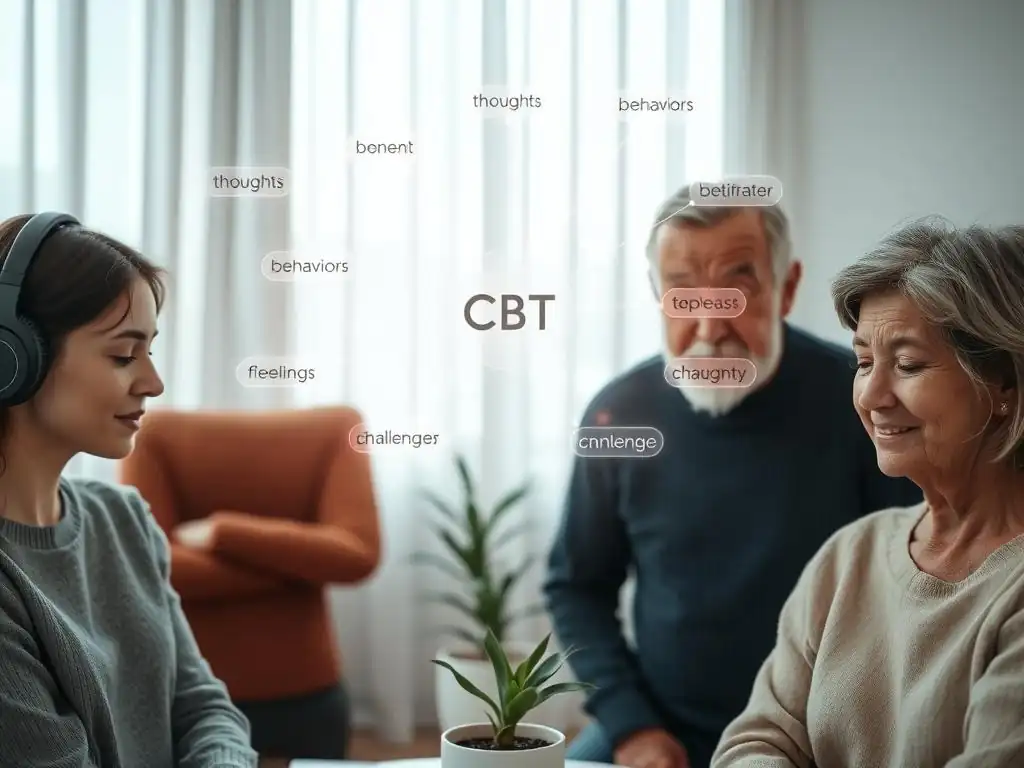
Cognitive Behavioral Therapy (CBT) is a widely-used psychological treatment that has been proven effective for a range of mental health problems, including depression, anxiety disorders, panic attacks, phobias, and obsessive-compulsive disorder (OCD). The core principle of CBT is that our thoughts, feelings, and behaviors are interconnected. Negative or unhelpful thought patterns can lead to distressing emotions and unhelpful behaviors, creating a cycle that maintains psychological difficulties. CBT aims to help individuals identify these negative cycles and learn more constructive ways of thinking and behaving.
A typical course of CBT involves learning to identify automatic negative thoughts, examining the evidence for and against these thoughts, and developing more balanced perspectives. It also includes behavioral experiments and exercises designed to help individuals gradually confront feared situations, reduce avoidance behaviors, and engage in activities that are consistent with their values. The goal is not just symptom reduction but equipping individuals with practical skills they can use throughout their lives to manage future challenges. Guided CBT modules in apps translate these therapeutic techniques into structured, step-by-step programs that users can follow independently.
Key Benefits of Guided CBT Modules: An In-Depth Look
Enhanced Accessibility to Mental Health Treatment
One of the most significant benefits of guided CBT modules is their unparalleled accessibility. Mental wellness apps providing these modules are available 24/7, allowing users to engage with therapeutic content whenever and wherever they have internet access. This is particularly beneficial for individuals living in rural areas with limited access to therapists, those with mobility issues, or people with busy schedules that make attending regular appointments difficult.
Data from various mental health organizations consistently points to access as a major barrier; for instance, estimates suggest that a large percentage of people with mental health conditions do not receive treatment, partly due to access issues. Guided CBT modules offer a viable alternative or supplementary option for many.
Moreover, the digital format can also reduce the psychological barrier to seeking help. Some individuals may feel more comfortable starting their mental wellness journey privately through an app rather than immediately engaging in face-to-face therapy. The anonymity and control offered by guided CBT modules can make the initial step towards addressing mental health concerns feel less daunting, encouraging more people to seek support who might otherwise delay or avoid it altogether.
Cost-Effectiveness Compared to Traditional Therapy
The cost of mental health therapy can be a significant barrier for many. A single session with a therapist can range from $100 to $250 or more, and a full course of therapy often requires multiple sessions over several months. While insurance coverage varies, out-of-pocket expenses can quickly accumulate, making long-term therapy financially unfeasible for a substantial portion of the population.
In contrast, guided CBT modules delivered via apps are typically offered through subscription models that are considerably less expensive than traditional therapy. Monthly subscription fees for premium mental wellness apps often range from $10 to $60, providing access to a wealth of content, including numerous guided CBT modules, for the cost of a fraction of a single therapy session. This cost-effectiveness is a major advantage, democratizing access to evidence-based mental health tools and making the benefits of guided CBT modules available to a wider audience regardless of their financial situation.
Convenience and Flexibility: Fit Therapy into Your Schedule
Modern life is often hectic, with demanding work schedules, family commitments, and social obligations. Finding a consistent time slot for weekly therapy appointments can be challenging, leading to missed sessions or difficulty maintaining continuity in treatment. Guided CBT modules eliminate the need to adhere to a therapist's fixed schedule.
Users can engage with the modules at any time that suits them – during a lunch break, in the evening after work, or even for a few minutes while commuting. This flexibility allows individuals to integrate mental wellness practices seamlessly into their daily routines, increasing the likelihood of sustained engagement and progress. The ability to pause, resume, and revisit modules as needed further enhances this convenience, empowering users to control their therapeutic journey.
Personalized Learning and Self-Paced Progress
While traditional therapy is personalized through the interaction with a therapist, guided CBT modules offer a different kind of personalization. Users can often choose which modules are most relevant to their current struggles, focusing on specific issues like social anxiety, sleep problems, or stress management. The self-paced nature means users are not rushed through material they find challenging and can take their time to fully understand and practice techniques before moving on.
Furthermore, many apps allow users to repeat modules or specific exercises as often as needed to reinforce learning. Some advanced platforms even use algorithms to suggest modules or exercises based on user input and progress, creating a semi-personalized learning path. This ability to tailor the learning experience and move at a comfortable pace contributes significantly to the effectiveness and user satisfaction associated with guided CBT modules.
Increased Engagement and Motivation through Gamification
To keep users motivated and engaged, many mental wellness apps incorporate elements of gamification into their guided CBT modules. This can include progress tracking, earning badges or points for completing modules, setting daily goals, and receiving encouraging messages. These features turn the therapeutic process into a more interactive and less clinical experience.
By providing tangible markers of progress and positive reinforcement, gamification can help users stay committed to working through the modules, even when facing difficult emotions or concepts. This increased engagement can lead to more consistent practice of CBT techniques, which is crucial for developing lasting coping skills and realizing the full benefits of guided CBT modules.
Evaluating Mental Wellness Apps Offering Guided CBT: A Buying Guide
Essential Features to Look for in a Guided CBT App
Comprehensive Module Coverage: Addressing Various Mental Health Concerns
A high-quality guided CBT app should offer a wide range of modules covering various aspects of mental health. Look for apps that address common issues like anxiety, depression, stress, sleep problems, low self-esteem, and specific phobias. Comprehensive coverage ensures that the app can support users with different needs or those experiencing multiple challenges. Check if the modules are based on established CBT principles and are structured logically, often progressing from basic concepts to more advanced techniques.
It's also beneficial if the app includes modules on related topics that complement CBT, such as mindfulness, relaxation techniques, or behavioral activation. The depth and breadth of the content directly impact the potential benefits of guided CBT modules offered by the app, providing a more holistic tool for mental wellness.
User-Friendly Interface and Navigation: Ensuring a Smooth Experience
An intuitive and easy-to-navigate interface is crucial for sustained engagement with any app, especially one designed for mental health. The app should be visually appealing, with clear instructions and a logical flow between modules and features. Users should be able to easily find the content they need, track their progress, and access support resources if available.
A clunky or confusing interface can be frustrating and act as a barrier to regular use, diminishing the potential benefits of guided CBT modules. Before committing to a subscription, consider trying a free trial or looking at screenshots and user reviews to gauge the app's usability.
Progress Tracking and Personalized Feedback: Measuring Your Success
Effective guided CBT involves understanding your patterns and seeing how your efforts are paying off. Apps that offer robust progress tracking features allow users to monitor their journey. This might include tracking mood fluctuations, logging thoughts and feelings, completing questionnaires to assess symptom severity over time, and marking module completion.
Some apps go further by offering personalized feedback based on the data entered, highlighting trends or suggesting specific modules. While not a replacement for therapist feedback, this feature can be motivating and help users understand the impact of their work, reinforcing the benefits of guided CBT modules.
Integration with Other Wellness Tools: Holistic Approach to Mental Health
Mental well-being is influenced by various factors, including physical health, sleep, and social connections. Apps that integrate guided CBT modules with other wellness tools offer a more holistic approach. This could include features for tracking sleep patterns, monitoring physical activity, journaling, or guided meditations.
An app that helps users connect their mental health work with other aspects of their lifestyle can provide a more comprehensive picture of their well-being and support a more integrated approach to self-care. This interconnectedness can enhance the overall benefits derived from using guided CBT modules within the app.
Data Privacy and Security: Protecting Your Sensitive Information
When using a mental wellness app, you are sharing sensitive personal information about your thoughts, feelings, and mental health status. Therefore, robust data privacy and security measures are paramount. Look for apps that clearly outline their privacy policy, explaining how your data is collected, stored, and used.
Ensure the app complies with relevant data protection regulations (e.g., GDPR, HIPAA in certain contexts). Strong encryption, secure servers, and a commitment to not sharing your personal data with third parties without explicit consent are non-negotiable features. Protecting your privacy is essential for feeling safe and comfortable using the app to explore the benefits of guided CBT modules.
Top Guided CBT Apps Compared: Features, Pricing, and Benefits
Product 1: MindShift CBT - A Detailed Review
Key Features and Benefits of MindShift CBT
MindShift CBT, developed by Anxiety Canada, is a free app designed to help users cope with anxiety using evidence-based strategies, primarily rooted in CBT. Its key features include modules on various types of anxiety (general anxiety, social anxiety, phobias, panic), thought journals, coping cards with quick tips, and guided relaxation exercises.
The app breaks down anxiety into understandable components and provides practical tools to challenge anxious thoughts and behaviors. The primary benefits lie in its targeted focus on anxiety, its basis in clinical expertise from a reputable organization, and its zero cost, making the benefits of guided CBT modules accessible to anyone with a smartphone.
Pricing Plans and Value Proposition
MindShift CBT is entirely free to use, with no subscription fees or in-app purchases. This makes its value proposition exceptionally high for individuals seeking effective, accessible tools to manage anxiety without financial barriers. Its value comes from providing high-quality, evidence-based CBT content and tools at no cost, supported by a non-profit organization dedicated to anxiety relief.
Target Audience and Specific Use Cases
MindShift CBT is specifically targeted at individuals experiencing anxiety symptoms, particularly youth and young adults, although its tools are applicable to all ages. It is ideal for those seeking self-help strategies to manage mild to moderate anxiety, learn coping skills, and track their anxiety levels. It is often recommended as a first step for those exploring CBT or as a supplement to traditional therapy.
Affiliate Link Integration: Start Your Free Trial!
Product 2: Moodpath - A Comprehensive Analysis
Understanding the Strengths of Moodpath
Moodpath is an app designed to help users understand and track their mental health through daily check-ins and questionnaires. Its strength lies in its diagnostic-like approach; after a 14-day assessment period, it provides insights into potential mental health conditions based on user input, offering tailored guided CBT modules and educational content. The app includes modules on topics like recognizing thought patterns, dealing with stress, and improving relationships. Its detailed tracking and personalized insights are significant benefits, guiding users towards relevant guided CBT modules.
Addressing Potential Weaknesses and Limitations
One limitation of Moodpath is that its free version is quite restricted, primarily offering the initial assessment period and limited insights. Access to the full library of guided CBT modules and in-depth analysis requires a premium subscription. Additionally, while it offers insights, it is not a substitute for a professional diagnosis, and the app clearly states this limitation. Users seeking immediate access to a wide range of modules without an initial assessment period might find this structure less ideal.
User Reviews and Ratings: Real-World Feedback
User reviews for Moodpath are generally positive, often praising its detailed tracking capabilities and the personalized insights provided after the assessment phase. Many users find the daily check-ins helpful for increasing self-awareness. However, some reviews mention the cost of the premium subscription as a drawback and express a desire for more content in the free version. The guided CBT modules themselves are often cited as valuable once unlocked.
Affiliate Link Integration: Download Now!
Product 3: Woebot - The AI-Powered Approach
How AI Enhances the Guided CBT Experience with Woebot
Woebot is an AI-powered chatbot that delivers guided CBT principles through conversational interactions. The AI acts as a friendly guide, engaging users in daily check-ins, offering personalized CBT exercises, and chatting about their moods and challenges. The use of AI allows for a dynamic and responsive experience that can feel more interactive than static modules. Woebot uses natural language processing to understand user input and respond with relevant CBT techniques, such as identifying cognitive distortions or scheduling behavioral activation activities. This conversational approach is a key benefit of guided CBT modules delivered via AI.
Comparing Woebot to Traditional Therapy Methods
Woebot differs significantly from traditional therapy in that there is no human interaction. It operates 24/7 and provides immediate support without the need for appointments. While it can provide valuable support and teach CBT skills, it lacks the empathy, nuanced understanding, and complex therapeutic relationship that a human therapist offers.
It is best viewed as a supportive tool for learning and practicing skills, not a replacement for professional therapy, especially for severe or complex mental health conditions. However, for individuals who find traditional therapy intimidating or inaccessible, Woebot offers a unique, low-barrier entry point to the benefits of guided CBT modules.
Cost-Benefit Analysis: Is Woebot Right for You?
Woebot offers a free version with access to core features and a premium subscription for expanded content. Its cost is typically lower than both traditional therapy and many other premium mental wellness apps. For individuals who benefit from a conversational style, appreciate the 24/7 availability, and are looking for an affordable way to learn and practice CBT skills, Woebot can be highly cost-effective.
The benefit lies in consistent, accessible support and skill-building delivered in an engaging format. However, if you require the depth, personalized interaction, or crisis support that only a human professional can provide, the cost-benefit analysis might favor traditional therapy or a blended approach.
Affiliate Link Integration: Get Started Today!
Maximizing the Benefits of Guided CBT Modules: Tips and Strategies
Setting Realistic Goals and Expectations
To truly benefit from guided CBT modules, it's important to approach them with realistic expectations. Understand that these modules are tools for learning and practicing skills; they are not a magic cure and may not provide immediate relief from distress. Set achievable goals, such as completing one module per week or practicing a specific technique daily. Focus on the process of learning and applying the skills rather than solely on symptom reduction in the short term.
Recognize that progress may not be linear. There might be days or weeks when you feel better, and others when you struggle. This is a normal part of managing mental health. By setting realistic expectations and focusing on consistent effort, you are more likely to stay motivated and experience the long-term benefits of guided CBT modules.
Actively Engaging with the Modules and Exercises
Simply reading through the content of guided CBT modules is unlikely to produce significant change. Active engagement is key. This means completing the exercises as instructed, whether it's filling out thought records, practicing relaxation techniques, or engaging in behavioral experiments. Don't just passively consume the information; actively apply it to your own experiences and challenges.
Make time specifically for working through the modules and practicing the skills. Treat it like an appointment with yourself for your mental well-being. The more you actively participate and integrate the techniques into your daily life, the more profound the benefits of guided CBT modules will be.
Tracking Your Progress and Identifying Areas for Improvement
Utilize the progress tracking features offered by the app, or keep your own journal to monitor your mood, symptoms, and how you are applying the CBT techniques. Tracking helps you see patterns in your thoughts, feelings, and behaviors, which is a core component of CBT. It also provides tangible evidence of your progress over time, which can be incredibly motivating.
Regularly review your tracking data. Are certain techniques working better than others? Are there specific situations or thought patterns that remain challenging? Identifying these areas allows you to focus your efforts, revisit relevant modules, or explore different strategies. This iterative process of learning, practicing, tracking, and adjusting is crucial for maximizing the benefits of guided CBT modules.
Combining Guided CBT with Other Mental Wellness Practices
Guided CBT modules are powerful tools, but they are often most effective when used as part of a broader mental wellness strategy. Consider incorporating other practices that support mental health, such as mindfulness meditation, regular physical exercise, maintaining healthy sleep hygiene, eating nutritious food, and nurturing social connections.
For individuals with more significant mental health challenges, guided CBT modules can also serve as a valuable supplement to traditional therapy or medication, if prescribed. Discussing the modules you are working on with a therapist can enhance your understanding and application of the skills. A holistic approach that integrates various strategies can amplify the overall benefits of guided CBT modules and contribute to more robust and sustainable mental well-being.
Who Can Benefit Most from Guided CBT Modules?

Individuals with Mild to Moderate Anxiety and Depression
Guided CBT modules are particularly well-suited for individuals experiencing mild to moderate symptoms of anxiety and depression. For these conditions, self-help interventions based on CBT have shown considerable effectiveness in reducing symptoms and improving coping skills. Apps provide a structured way to learn and practice the core techniques of CBT, such as challenging negative thoughts and engaging in behavioral activation, which are highly relevant for managing these common mental health challenges.
While apps can be helpful, it's important for individuals with severe symptoms or complex mental health conditions to seek professional help. Guided CBT modules in apps can be a valuable adjunct to professional treatment in such cases, but should not be used as a sole replacement.
People Seeking Self-Help Tools for Stress Management
Stress is a pervasive issue in modern life, and guided CBT modules offer practical strategies for managing it. Modules often cover topics like identifying stressors, challenging stress-inducing thoughts, developing coping mechanisms, and improving problem-solving skills. Individuals looking for proactive ways to build resilience and reduce the impact of stress on their well-being can find significant benefits in guided CBT modules.
The convenience and accessibility of apps make it easy to integrate stress management techniques into daily routines, providing tools to use in the moment when stress arises. This makes guided CBT modules an excellent resource for anyone wanting to enhance their stress management toolkit.
Those Who Prefer a Flexible and Accessible Approach to Therapy
Many people face barriers to accessing traditional therapy, whether due to cost, location, scheduling conflicts, or discomfort with face-to-face interaction. Guided CBT modules offered through apps provide a highly flexible and accessible alternative or starting point. Individuals who value privacy, prefer to work at their own pace, or need support outside of standard therapy hours can benefit immensely.
The ability to access therapeutic content anytime, anywhere removes many logistical hurdles. For those who feel intimidated by the prospect of talking to a therapist, starting with a structured app can feel less daunting and provide a comfortable entry point into exploring therapeutic techniques.
Supplementing Traditional Therapy with Guided CBT Modules
Guided CBT modules are not just for those who cannot access traditional therapy; they can also be a powerful supplement for individuals already working with a therapist. Apps can provide a way to reinforce concepts learned in sessions, practice skills between appointments, and track progress more diligently.
A therapist can recommend specific modules or exercises within an app to complement the work being done in therapy, making the process more efficient and potentially enhancing outcomes. Using guided CBT modules alongside traditional therapy allows individuals to deepen their understanding and application of CBT principles, maximizing their therapeutic journey.
Real-Life Success Stories: How Guided CBT Modules Have Helped Others
Case Study 1
Sarah, a 28-year-old marketing professional, struggled with persistent low-grade anxiety, particularly related to her performance at work and social interactions. She felt constantly on edge and often avoided social gatherings. Traditional therapy felt too expensive and time-consuming with her demanding schedule. Sarah decided to try a mental wellness app offering guided CBT modules focused on social anxiety and challenging anxious thoughts. Over three months, she diligently worked through the modules, completing the thought journals and practicing the exposure exercises suggested by the app, such as initiating small conversations with colleagues she didn't know well.
Initially, it was challenging, but consistently engaging with the modules helped her identify the specific negative predictions she was making before social events. By applying the techniques learned in the modules, she began to challenge the evidence for these thoughts and gradually test them out in real-life situations. Within a few months, Sarah reported a noticeable reduction in her social anxiety symptoms.
She felt more comfortable in social settings, started attending after-work events, and her performance anxiety decreased as she learned to manage her self-critical thoughts. The benefits of guided CBT modules provided through the app allowed her to make significant progress on her own terms.
David, a 45-year-old father of two, had been experiencing symptoms of depression, including low energy, loss of interest in activities he once enjoyed, and difficulty concentrating. He was hesitant to seek traditional therapy due to stigma and the perceived time commitment. He downloaded an app with guided CBT modules designed for depression, focusing on behavioral activation and challenging unhelpful beliefs about his worth. The app guided him through scheduling small, enjoyable activities each day, even when he didn't feel like it.
Through the modules, David learned to recognize his tendency towards negative self-talk and catastrophizing. He used the app's tools to practice reframing these thoughts and gradually increased his engagement in activities, starting with short walks outdoors and listening to music.
Over several months, David found his energy levels slowly increasing, and he started to regain interest in his hobbies. While he acknowledged it was a gradual process, the structured, accessible nature of the guided CBT modules provided him with the tools and gentle encouragement he needed to start taking small steps towards recovery, demonstrating the tangible benefits of guided CBT modules in managing depressive symptoms.
Conclusion: Embracing the Power of Guided CBT for Improved Mental Well-being
Recap of the Key Benefits and Considerations
Guided CBT modules in mental wellness apps offer a powerful, accessible, and cost-effective way to learn and apply evidence-based therapeutic techniques. We've explored the numerous benefits of guided CBT modules, including enhanced accessibility, lower cost compared to traditional therapy, unparalleled convenience and flexibility, personalized and self-paced learning, and increased engagement through interactive features. These modules provide a structured path to understanding and managing common mental health challenges like anxiety, depression, and stress.
However, it's crucial to remember that while incredibly beneficial for many, guided CBT modules are best suited for mild to moderate conditions and are not a substitute for professional help in cases of severe symptoms or crisis. Evaluating apps based on comprehensive content, user-friendliness, tracking features, privacy, and integration with other wellness tools is essential to finding the right fit.
Choosing the Right Guided CBT App for Your Needs
Selecting the appropriate guided CBT app depends largely on your individual needs, preferences, and the specific challenges you are facing. Consider whether you prefer a text-based, conversational AI like Woebot, a structured module-based approach like MindShift CBT, or an app that emphasizes tracking and personalized insights like Moodpath. Look for apps that align with your budget and offer features that resonate with how you learn and stay motivated. Reading user reviews and, if possible, utilizing free trials can provide valuable insights into the app's usability and the quality of its guided CBT modules before committing financially.
The benefits of guided CBT modules are vast, but they are unlocked through consistent and active engagement. Choosing an app that you feel comfortable using regularly is key to maximizing its potential impact on your mental well-being.
Taking the First Step Towards a Healthier Mind
Embarking on a journey towards improved mental well-being is a courageous step. Guided CBT modules offer a practical and empowering way to begin this journey or enhance existing efforts. By providing you with the tools and knowledge to understand and change unhelpful thought and behavior patterns, these modules equip you with skills that can be used throughout your life.
If you are experiencing symptoms of anxiety, depression, or stress, exploring the benefits of guided CBT modules through a reputable mental wellness app could be a valuable part of your path to feeling better. Take the first step today by researching apps, understanding their features, and committing to actively engage with the modules. Your mental health is a priority, and accessible tools like guided CBT modules are here to support you.
Frequently Asked Questions
What exactly are Guided CBT Modules and how do they relate to mental well-being apps?
Guided CBT Modules are structured, self-paced programs based on Cognitive Behavioral Therapy principles. They're integrated into mental wellness apps to provide accessible and personalized mental health support. They help users learn and apply CBT techniques.
What are the key benefits of using Guided CBT Modules compared to traditional therapy?
Guided CBT Modules offer benefits such as increased accessibility, lower cost, and the convenience of completing therapy at one's own pace. Traditional therapy offers in-person interaction and personalized feedback from a therapist.
How do Guided CBT Modules within mental wellness apps typically work?
These modules typically involve interactive lessons, exercises, and self-assessment tools. Users work through the content sequentially, applying the learned techniques to their own challenges. Progress tracking is usually included.
Are Guided CBT Modules suitable for everyone, or are there specific situations where they might not be effective?
While helpful for many, Guided CBT Modules may not be suitable for individuals with severe mental health conditions or those requiring intensive, personalized support. A professional assessment is recommended in such cases.
How can I ensure the Guided CBT Modules I'm using in a mental wellness app are credible and effective?
Look for apps developed by reputable organizations or those that cite evidence-based research in their content. Check user reviews and consult with a mental health professional to confirm their suitability for your needs.
Final Reflection: The Empowering Potential of Guided CBT Modules
The accessibility of mental wellness apps offering guided CBT modules represents a significant shift in how we approach mental health, democratizing access to evidence-based therapeutic techniques. This readily available support is crucial in a world grappling with increasing rates of anxiety and depression, offering a lifeline to those who may not otherwise have access to professional care.
The integration of guided CBT modules into our daily lives underscores a growing recognition of mental wellness as an integral part of overall well-being. This shift is profoundly impactful, moving away from a stigmatized view of mental health towards a more proactive and self-care oriented approach. The greatest wealth is health.
– Ralph Waldo Emerson. This quote, while seemingly simple, speaks volumes about the transformative power of prioritizing mental wellness, a power amplified by the ease of access provided by these technological advancements.
Consider the potential within your reach. You now possess the knowledge to navigate the landscape of guided CBT modules and harness their benefits for personal growth and improved mental well-being. Take the time to explore these resources, to understand how they can work for you, and to actively incorporate these techniques into your life. Your mental health journey is a personal one, and these tools are designed to empower you to take control and cultivate a more fulfilling and balanced life.
Unlock Your Mental Wellness Journey Today!
Thanks for taking the time to explore the world of guided CBT modules! We hope you gained valuable insights into how these powerful tools can support your mental well-being. Now, it's time to put that knowledge into action.
Here's how you can take the next step:
- Identify and try a guided CBT module that resonates with your current needs. Many free introductory options are available online, or explore dedicated mental wellness apps. This is your first step to integrating practical techniques into your daily life.
- Explore additional resources on Mind Care Guide's website to learn more about CBT techniques and mindfulness practices. Discover a range of supporting strategies to complement your journey.
- Share your experiences and insights with others. Discuss your journey with a trusted friend, family member, or within a supportive online community. Your insights can inspire others.
Ready to begin your personalized mental wellness journey? What specific area of your mental well-being are you most excited to focus on first?