
Advocating for Access: Improving Mental Healthcare Availability


Welcome to Mind Care Guide, a supportive space dedicated to your mental well-being. Ever felt like navigating the mental healthcare system is a maze? We understand. This guide sheds light on the mental healthcare access challenges faced by many, offering insights and resources to help you advocate for better availability and navigate the complexities. Dive in to learn more and empower yourself with knowledge.
Advocating for Access: Improving Mental Healthcare Availability
- Understanding the Mental Healthcare Access Challenges Faced
- The Importance of Advocacy for Mental Healthcare Accessibility
- Key Areas for Advocacy in Mental Healthcare
- Strategies for Effective Mental Health Advocacy
- Measuring the Impact of Mental Health Advocacy Efforts
- Conclusion: Empowering Change Through Mental Health Advocacy
-
Frequently Asked Questions
- What are some of the biggest Mental Healthcare Access Challenges Faced today?
- How does a lack of insurance specifically impact Mental Healthcare Access Challenges Faced?
- What role does geographic location play in Mental Healthcare Access Challenges Faced?
- How does societal stigma contribute to Mental Healthcare Access Challenges Faced?
- What are some potential solutions to address Mental Healthcare Access Challenges Faced?
- Final Reflection: The Urgent Need for Accessible Mental Healthcare
- Unlock Your Advocacy Power: Shape the Future of Mental Healthcare
Understanding the Mental Healthcare Access Challenges Faced
Identifying Barriers to Mental Health Services
Accessing timely and effective mental healthcare remains a significant hurdle for millions worldwide. One of the primary mental healthcare access challenges faced is the sheer cost of services. Even with insurance, high deductibles, co-pays, and out-of-network provider costs can make therapy, medication management, or intensive treatment prohibitively expensive for many individuals and families. Geographic location also plays a crucial role; people living in rural or underserved urban areas often face a severe shortage of mental health professionals, sometimes having to travel hours for an appointment.
Beyond financial and geographic constraints, systemic issues contribute significantly to the mental healthcare access challenges faced. Long wait times for appointments, sometimes extending for months, mean that individuals in crisis may not receive help when they need it most. Navigating complex insurance systems to understand coverage or find in-network providers is another daunting task. Furthermore, a lack of culturally competent care can deter individuals from minority groups who may not feel understood or supported by providers who do not share their background or understand their specific experiences.
The Impact of Limited Access on Well-being
The inability to access mental healthcare has profound and often devastating consequences for individual well-being. Delayed treatment allows symptoms to worsen, potentially leading to more severe illness, increased disability, and a higher likelihood of hospitalization. For example, untreated depression can escalate into major depressive disorder, significantly impairing daily functioning, while unmanaged anxiety can develop into debilitating panic disorder or phobias. Approximately half of all chronic mental illness begins by age 14, yet many young people struggle to find appropriate care early on.
The ripple effects of limited access extend beyond the individual, impacting families, communities, and society at large. Without adequate support, individuals may face challenges maintaining employment, stable housing, and healthy relationships. This can contribute to cycles of poverty, homelessness, and involvement with the criminal justice system. The economic cost of untreated mental illness in terms of lost productivity and healthcare expenses is substantial, estimated to be billions of dollars annually, highlighting the urgent need to address the mental healthcare access challenges faced.
The Importance of Advocacy for Mental Healthcare Accessibility
Why Advocate for Mental Health?
Advocating for mental health is not merely a matter of policy; it is a moral imperative and a public health necessity. The current state of mental healthcare access is inequitable and insufficient, leaving too many people to suffer in silence or crisis.
Advocacy provides a powerful means to challenge the status quo, push for systemic change, and ensure that mental healthcare is recognized and treated with the same urgency and importance as physical healthcare. It gives voice to the lived experiences of individuals affected by mental illness and their families, whose struggles navigating the system underscore the severity of the mental healthcare access challenges faced.
Furthermore, advocacy is crucial because it drives progress that individual efforts often cannot achieve alone. By organizing, educating, and mobilizing, advocates can influence public opinion, pressure decision-makers, and create a collective force for change. Historical improvements in mental health policy, such as the deinstitutionalization movement or advancements in insurance coverage, were often the result of dedicated advocacy efforts highlighting the need for better care and addressing the prevailing mental healthcare access challenges faced.
The Role of Advocacy in Shaping Mental Health Policy
Advocacy plays a critical, often indispensable, role in shaping mental health policy at all levels of government. Policymakers respond to constituent concerns, expert testimony, and organized lobbying efforts. Advocates provide essential information, data, and personal narratives that illustrate the real-world impact of policies and the urgent need for reform. They work to introduce, support, or oppose legislation related to funding for mental health services, insurance regulations, provider training programs, and community-based support systems.
Effective advocacy translates public need into legislative action. For instance, years of advocacy were instrumental in the passage of laws aimed at achieving mental health parity in insurance coverage, attempting to mandate equal treatment for mental and physical health conditions. While implementation and enforcement remain ongoing battles, the initial policy shift was driven by persistent advocacy highlighting the unfairness and detrimental effects of unequal coverage, which was a major component of the mental healthcare access challenges faced by many.
Key Areas for Advocacy in Mental Healthcare

Expanding Insurance Coverage for Mental Health Treatment
A significant portion of the mental healthcare access challenges faced stems directly from inadequate insurance coverage. Many plans offer limited benefits for mental health compared to physical health, or they impose restrictive requirements that make accessing care difficult. Advocacy in this area focuses on ensuring that insurance plans provide comprehensive coverage that includes a wide range of services, such as therapy, medication, inpatient care, and intensive outpatient programs, without excessive cost-sharing or arbitrary limits.
Addressing Parity in Mental Health Insurance
Advocacy for mental health parity is centered on strengthening and enforcing laws like the Mental Health Parity and Addiction Equity Act (MHPAEA) in the United States. While MHPAEA requires group health plans to provide benefits for mental health and substance use disorders that are no more restrictive than those for medical/surgical benefits, loopholes and poor enforcement persist. Advocates push for stricter oversight, clearer regulations, and greater transparency from insurance companies to ensure that practices like excessive prior authorization requirements, limited provider networks, or discriminatory reimbursement rates do not undermine parity and continue contributing to mental healthcare access challenges faced.
Increasing Funding for Mental Health Services and Research
Mental health services are historically underfunded compared to physical healthcare, despite the high prevalence and burden of mental illness. This lack of investment directly contributes to shortages of providers, limited availability of services, and inadequate infrastructure. Advocacy efforts aim to increase budget allocations at federal, state, and local levels for public mental health systems, community clinics, crisis intervention services, and prevention programs.
Prioritizing Mental Health in Government Budgets
Advocacy involves demonstrating the societal and economic return on investment for mental health funding. By highlighting the costs of untreated illness (healthcare expenses, lost productivity, criminal justice involvement), advocates make a compelling case for increased investment in treatment and prevention. They lobby legislators during budget cycles, provide testimony on funding needs, and work to ensure that mental health is a priority, not an afterthought, in government spending, directly addressing the financial component of the mental healthcare access challenges faced. This also includes advocating for more funding for research into the causes, prevention, and treatment of mental health conditions.
Reducing Stigma Surrounding Mental Illness
Stigma is a powerful, invisible barrier that prevents many people from seeking help or even acknowledging their struggles. Fear of judgment, discrimination, and misunderstanding keeps mental illness hidden and contributes to the delay in accessing care. Advocacy against stigma involves widespread public education and awareness campaigns designed to change perceptions and foster empathy.
Educating the Public on Mental Health Issues
Advocates work to disseminate accurate information about mental health conditions, emphasizing that they are real, treatable health conditions, not character flaws or personal failings. Campaigns often feature personal stories, expert insights, and clear, accessible language to demystify mental illness. Initiatives like national mental health awareness months, anti-stigma campaigns by organizations such as the National Alliance on Mental Illness (NAMI) or Mental Health America (MHA), and efforts to improve media portrayals of mental illness are all forms of advocacy aimed at breaking down the social barriers that contribute to mental healthcare access challenges faced.
Improving Access to Telehealth and Online Mental Health Resources
The advent of telehealth has offered promising new avenues for delivering mental healthcare, particularly to individuals in remote areas or those with mobility issues. Advocacy in this space focuses on expanding the availability and accessibility of virtual care options, ensuring they are covered by insurance and that regulatory barriers are removed.
Bridging the Digital Divide in Mental Healthcare
While telehealth offers convenience, it also highlights the "digital divide" – disparities in access to reliable internet, necessary technology (computers, smartphones), and digital literacy. Advocacy efforts are crucial to ensuring that telehealth does not exacerbate existing inequalities and become another source of mental healthcare access challenges faced. This includes advocating for policies that expand broadband infrastructure in underserved areas, provide subsidies for technology and internet access, and offer digital skills training to patients and providers.
Addressing Workforce Shortages in Mental Health Professions
A critical bottleneck in mental healthcare access is the significant shortage of qualified mental health professionals across various disciplines, including psychiatrists, psychologists, social workers, and counselors. This shortage is particularly acute in rural and low-income communities. Many counties in the United States, for example, have no practicing psychiatrists.
Incentivizing Careers in Mental Healthcare
Advocacy in this area focuses on systemic solutions to attract and retain mental health professionals. This includes lobbying for increased funding for training programs, graduate education, and loan forgiveness or repayment programs for practitioners who commit to working in underserved areas. Advocates also push for policies that improve reimbursement rates for mental health services, making the profession more financially viable, and support initiatives that promote task-shifting or expand the scope of practice for certain professionals to help alleviate the burden and reduce the mental healthcare access challenges faced due to provider scarcity.
Strategies for Effective Mental Health Advocacy
Engaging with Policymakers and Elected Officials
Direct engagement with those who hold legislative power is a cornerstone of effective advocacy. Policymakers need to hear directly from their constituents about the issues that matter most. This can take many forms, from simple communication to more structured interactions.
Contacting Representatives and Participating in Town Halls
Writing letters, sending emails, or making phone calls to elected officials provides a direct way to voice concerns and advocate for specific policies related to the mental healthcare access challenges faced. These communications should be concise, respectful, and, if comfortable, include a personal story explaining how the issue affects you or your community. Attending town hall meetings or scheduling face-to-face meetings with legislators or their staff allows for more in-depth discussion, the presentation of data, and the opportunity to build relationships with key influencers.
Partnering with Mental Health Organizations and Advocacy Groups
Joining forces with established organizations significantly amplifies advocacy efforts. Groups like NAMI, Mental Health America, The Jed Foundation, and others have infrastructure, resources, and expertise in lobbying, public education, and community organizing.
Building Coalitions for Collective Impact
Mental health advocacy groups often form coalitions with other stakeholders, including consumer and family advocacy groups, professional associations (like the American Psychiatric Association or American Psychological Association), research institutions, and even businesses. These coalitions present a unified front, pooling resources and expertise to lobby effectively, conduct public awareness campaigns, and push for legislative changes addressing the mental healthcare access challenges faced from multiple angles. Collective action is often far more impactful than individual efforts.
Personal stories are incredibly powerful tools in advocacy. They humanize statistics, illustrate the real consequences of policy failures, and can deeply resonate with policymakers and the public alike. Sharing lived experiences can break down stigma and build empathy.
The Power of Lived Experience in Advocacy
Individuals who have experienced mental illness, their family members, and caregivers possess invaluable insights into the mental healthcare access challenges faced and the impact of current systems. Sharing these stories, whether through public speaking events, written testimonials for legislative hearings, media interviews, or blog posts, can be a compelling way to educate others and motivate action. While sharing personal experiences requires vulnerability and should only be done when comfortable and safe, it is one of the most effective ways to highlight the urgent need for change.
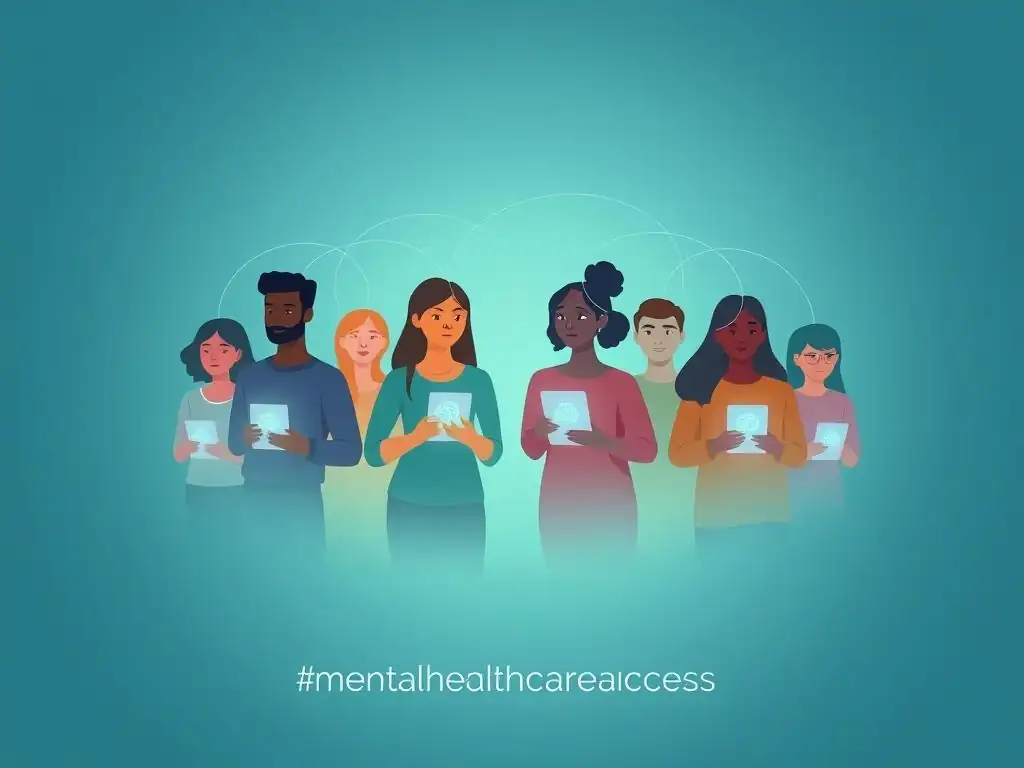
The internet and social media have become powerful tools for modern advocacy, allowing for rapid dissemination of information, mobilization of supporters, and direct engagement with the public and policymakers.
Amplifying Mental Health Messages Online
Platforms like Twitter, Facebook, Instagram, and LinkedIn can be used to share facts about mental health, promote awareness campaigns, highlight policy issues related to mental healthcare access challenges faced, and call people to action (e.g., contact your legislator, sign a petition). Using relevant hashtags (like #MentalHealth, #AccessToCare, #EndStigma) helps reach wider audiences. Online petitions, digital storytelling campaigns, and virtual town halls are also effective ways to engage a broad base of support and put pressure on decision-makers.
Supporting Legislation and Policy Changes
Ultimately, many advocacy efforts aim to influence specific laws and policies that govern mental healthcare. This requires understanding the legislative process and knowing how to support proposed changes effectively.
Understanding the Legislative Process
Effective advocates familiarize themselves with how bills move through legislative bodies at the local, state, or federal level. This knowledge helps them identify key points in the process where advocacy can have the most impact, such as during committee hearings, floor debates, or budget negotiations. Supporting specific legislation involves contacting legislators to express support, testifying at hearings, participating in advocacy days at state capitols or in Washington D.C., and educating the public about the importance of the proposed changes in addressing the mental healthcare access challenges faced.
Measuring the Impact of Mental Health Advocacy Efforts
Tracking Policy Changes and Funding Allocations
Measuring the success of mental health advocacy is essential to understand what works and to demonstrate progress. One tangible measure is tracking whether specific policies that were advocated for are successfully enacted into law. This could include new legislation mandating insurance coverage improvements, laws expanding telehealth access, or regulations aimed at addressing provider shortages.
Another key indicator is monitoring changes in government funding for mental health services and research; an increase in budget allocations often reflects successful advocacy in prioritizing mental health. For instance, a state mental health department budget increasing by 15% over two years might be a direct result of sustained lobbying efforts highlighting the need for expanded services to combat mental healthcare access challenges faced.
Furthermore, measuring impact involves examining the implementation of these policies to ensure they are effectively addressing the intended issues. A new law expanding coverage is only impactful if insurance companies comply and people can actually access care without undue burden. Advocacy often continues post-legislation to ensure proper enforcement and evaluation.
Assessing Changes in Public Awareness and Attitudes
Advocacy campaigns aimed at reducing stigma and increasing public understanding can be measured through surveys, focus groups, and analysis of media coverage. Changes in public opinion polls regarding mental illness, increased willingness among individuals to discuss their mental health struggles, or a reduction in discriminatory language used in media or public discourse can all indicate shifts in awareness and attitudes. For example, tracking the volume and sentiment of social media conversations around mental health during and after a major awareness campaign can provide insights into changing public engagement and understanding.
While difficult to attribute solely to advocacy, an increase in the number of people seeking help for mental health conditions could also be an indirect indicator of reduced stigma and increased awareness, suggesting that advocacy is helping to dismantle some of the social mental healthcare access challenges faced.
Evaluating the Effectiveness of Advocacy Campaigns
Evaluating specific advocacy campaigns involves setting clear objectives at the outset and tracking metrics throughout the campaign. If the goal was to pass a particular bill, success is measured by the bill's legislative progress. If the goal was to increase public support for a policy, metrics might include the number of petition signatures collected, the reach and engagement of social media content, or the number of people who contacted their legislators.
Post-campaign analysis should assess whether the objectives were met and identify lessons learned for future efforts. This includes analyzing participation rates in requested actions (e.g., number of emails sent to policymakers), media mentions generated, and changes in key indicators related to the mental healthcare access challenges faced that the campaign aimed to address. A comprehensive evaluation helps advocates refine their strategies and maximize their impact in future initiatives.
Conclusion: Empowering Change Through Mental Health Advocacy
The Future of Mental Healthcare Access
Advocating for improved mental healthcare access is an ongoing, vital process. While significant progress has been made in recent decades, the mental healthcare access challenges faced by millions remain substantial. The future of mental healthcare access depends heavily on sustained, strategic advocacy efforts across multiple fronts: expanding insurance coverage, increasing funding, reducing stigma, leveraging technology, and building the professional workforce.
Empowering individuals, families, and communities to become advocates is key to driving lasting change. By sharing stories, engaging with policymakers, supporting organizations, and utilizing available platforms, everyone can play a role in dismantling the barriers to care.
A future where equitable and comprehensive mental healthcare is readily available to all is achievable, but it requires continued dedication, collaboration, and a persistent voice demanding that mental health be treated as the essential component of overall well-being that it is. Through collective advocacy, we can move closer to overcoming the mental healthcare access challenges faced today and build a more supportive and healthy society for tomorrow.
Frequently Asked Questions
What are some of the biggest Mental Healthcare Access Challenges Faced today?
Several factors contribute, including lack of insurance coverage, geographic limitations in rural areas, and stigma surrounding mental health conditions.
How does a lack of insurance specifically impact Mental Healthcare Access Challenges Faced?
Without adequate insurance, individuals struggle to afford therapy, medication, and other necessary treatments, significantly limiting their access to care.
What role does geographic location play in Mental Healthcare Access Challenges Faced?
Rural areas often have a shortage of mental health professionals, making it difficult for residents to find timely and appropriate care, impacting Mental Healthcare Access Challenges Faced.
How does societal stigma contribute to Mental Healthcare Access Challenges Faced?
Stigma can discourage individuals from seeking help due to fear of judgment or discrimination, exacerbating Mental Healthcare Access Challenges Faced and delaying treatment.
What are some potential solutions to address Mental Healthcare Access Challenges Faced?
Expanding telehealth services, increasing insurance coverage, and implementing public awareness campaigns to reduce stigma are crucial steps.
Final Reflection: The Urgent Need for Accessible Mental Healthcare
The mental health crisis is not merely a statistic; it's a pervasive societal challenge demanding immediate and comprehensive action. This article has explored the multifaceted barriers preventing individuals from accessing vital mental healthcare services, highlighting the systemic failures, financial constraints, and pervasive stigma that contribute to this ongoing crisis. The consequences of inaction are devastating, leading to preventable suffering and loss of life.
The fight for accessible mental healthcare is a deeply personal one for many, myself included. Witnessing the struggles of loved ones and the countless stories of individuals denied timely and appropriate care underscores the urgency of this issue. The greatest barrier to mental health care is not the lack of services, but the lack of access to those services.
This quote perfectly encapsulates the core problem we've examined. The systemic inequalities and geographical disparities in access create a two-tiered system, leaving vulnerable populations disproportionately affected. This injustice demands our attention and concerted effort to dismantle.
The journey towards equitable mental healthcare access is not a destination, but a continuous process requiring ongoing advocacy, innovative solutions, and a fundamental shift in societal attitudes. You, the reader, hold a crucial role in this movement. Consider how you can contribute, whether through raising awareness, supporting organizations dedicated to improving access, or simply lending a compassionate ear to those struggling. Let us collectively strive to create a world where mental health is prioritized, understood, and accessible to all, regardless of background or circumstance.
Unlock Your Advocacy Power: Shape the Future of Mental Healthcare
Thanks for investing your time in learning about improving access to mental healthcare. You've gained valuable insights into the challenges and potential solutions – now let's turn that knowledge into action!
Here's how you can make a real difference:
- Become a vocal advocate: Reach out to your elected officials to express your support for policies that expand mental health services and funding. This is the most impactful step you can take.
- Share this knowledge: Spread awareness by sharing this article with your network – friends, family, or on social media. Let's amplify the conversation!
- Join a local support group: Connect with others who are passionate about this cause and learn how to collaborate effectively for change.
What small step can you take today to help ensure everyone has access to the mental healthcare they deserve?