
Child Victims of Crime: Specialized Trauma Recovery and Support

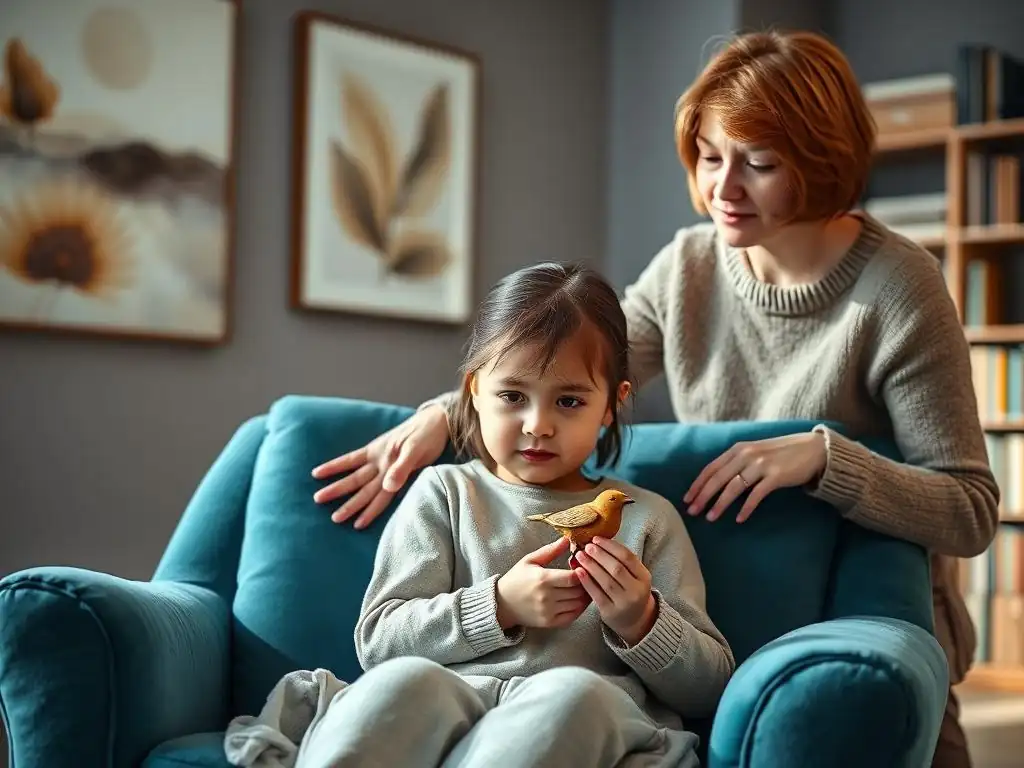
Welcome to Mind Care Guide, a sanctuary for understanding and nurturing mental well-being. Are you seeking a path to healing after childhood trauma? This space is dedicated to providing compassionate guidance and resources. Delve into our comprehensive exploration of Child Trauma Recovery Support, where we illuminate the unique challenges and offer specialized strategies to help children and their families navigate the journey towards healing. Let's begin uncovering the steps to a brighter, more resilient future, together.
Child Victims of Crime: Specialized Trauma Recovery and Support
- Understanding the Unique Trauma of Child Crime Victims
- Specialized Approaches to Child Trauma Recovery Support
- Therapeutic Modalities for Child Crime Victims
- Supporting the Family System in Child Trauma Recovery
- Legal and Advocacy Resources for Child Victims of Crime
- Long-Term Considerations for Child Trauma Survivors
- Finding Qualified Child Trauma Therapists and Support Services
-
Frequently Asked Questions
- What is considered child trauma in the context of crime victimization?
- Why is specialized support needed for child victims of crime?
- What are some common signs a child might be struggling with trauma after experiencing a crime?
- How can parents or caregivers best support a child's trauma recovery?
- Where can families find resources and child trauma recovery support specifically tailored for child victims of crime?
- Final Reflection: The Unfolding Legacy of Childhood Trauma
- Unlock Your Child's Resilience: Start Their Healing Journey Today
Understanding the Unique Trauma of Child Crime Victims
The Impact of Crime on Child Development and Mental Health
When a child becomes a victim of crime, the experience can have profound and lasting effects on their developing brain and overall mental health. Unlike adults, children are still forming their understanding of the world, their sense of safety, and their ability to regulate emotions. A traumatic event, such as witnessing or experiencing a crime, can disrupt these crucial developmental processes, leading to a range of psychological and emotional challenges.
Studies indicate that child victims of crime face a significantly higher risk of developing post-traumatic stress disorder (PTSD), depression, anxiety disorders, and behavioral problems compared to their peers who have not experienced such trauma. For instance, research suggests that among children exposed to violent crime, the prevalence of PTSD can range from 25% to 50%, depending on factors like the nature of the crime, the child's relationship to the perpetrator, and the availability of immediate support.
The impact extends beyond immediate psychological symptoms. Trauma can affect cognitive development, potentially leading to difficulties with concentration, memory, and academic performance. It can also impair social development, making it harder for children to form healthy attachments, trust others, and navigate peer relationships.
A child's sense of safety, which is fundamental to healthy development, is often shattered, leading to chronic feelings of fear, hypervigilance, and a perception of the world as dangerous. Providing specialized child trauma recovery support is crucial to mitigate these long-term effects and help children regain a sense of normalcy and security. Addressing the trauma early through targeted interventions can significantly improve outcomes and set the child on a path toward healing and resilience.
Defining Child Trauma: Beyond the Event Itself
Child trauma is more than just the exposure to a single traumatic event; it encompasses the lasting impact of that event on the child's functioning and well-being. While the crime itself is the initial stressor, trauma is defined by the child's subjective experience and their response to it. A child's age, developmental stage, prior experiences, and existing support system all influence how they process and react to a traumatic event. What might be perceived as traumatic for one child could be less so for another, highlighting the need for individualized child trauma recovery support.
Trauma can manifest in various ways, often presenting differently in children than in adults. It can affect their emotional regulation, leading to intense mood swings or difficulty managing anger. It can impact their behavior, resulting in aggression, withdrawal, or risk-taking. Physically, children might experience sleep disturbances, nightmares, or unexplained physical symptoms. Understanding that these are often trauma responses, rather than deliberate misbehavior, is essential for providing effective support. Specialized child trauma recovery support aims to help children process the traumatic memories, understand their reactions, and develop healthier coping mechanisms, moving beyond the initial event to address its pervasive effects.
Common Trauma Responses in Children Exposed to Crime
Children exposed to crime exhibit a wide spectrum of trauma responses, which can vary based on their age, personality, and the specifics of the traumatic event. Younger children might show signs of regression, such as wetting the bed after being toilet-trained, becoming clingy, or losing language skills. They may re-enact aspects of the trauma in their play, often without understanding what they are doing. Preschoolers might have difficulty sleeping, experience nightmares, or become easily startled.
Older children and adolescents may exhibit responses that are sometimes mistaken for typical teenage behavior, such as irritability, defiance, or withdrawal from family and friends. They might struggle with academic performance, engage in risky behaviors like substance use, or develop symptoms of anxiety and depression. Common responses across age groups include persistent fear, worry, difficulty concentrating, hypervigilance (being constantly on guard), avoidance of reminders of the trauma, and physical complaints like headaches or stomachaches. Recognizing these diverse manifestations is the first step in connecting children with appropriate child trauma recovery support services that can address their specific needs.
Specialized Approaches to Child Trauma Recovery Support
Creating a Safe and Supportive Environment for Healing
A fundamental aspect of effective child trauma recovery support is establishing and maintaining a safe and supportive environment. For a child whose sense of safety has been violated by crime, feeling secure is paramount to beginning the healing process.
This involves both physical safety, ensuring the child is protected from further harm and feels secure in their surroundings, and emotional safety, creating an atmosphere where the child feels heard, validated, and understood without judgment. Caregivers, therapists, and support staff play a crucial role in providing consistent, predictable care and responding to the child's needs in a calm and reassuring manner.
In therapeutic settings, creating a safe space means establishing clear boundaries, explaining the process in age-appropriate terms, and empowering the child by giving them choices whenever possible. For example, a therapist might allow a child to choose where they sit in the room or which toys they use in play therapy. At home, it means maintaining routines, ensuring predictable schedules, and responding to the child's distress with empathy and patience.
Removing reminders of the trauma, if possible, and limiting exposure to potentially triggering situations also contribute to a sense of safety. This foundational sense of security allows the child to gradually lower their defenses and begin to process the traumatic experience with the help of specialized child trauma recovery support.
Trauma-Informed Care for Children: Principles and Practices
Trauma-informed care is an organizational framework and a set of practices that recognizes the widespread impact of trauma and understands potential paths for recovery. For child victims of crime, this approach is critical in all systems they may interact with – from healthcare and education to the justice system and social services. The core principles of trauma-informed care include safety (physical and emotional), trustworthiness and transparency, peer support, collaboration and mutuality, empowerment, voice, and choice, and cultural, historical, and gender issues. Implementing these principles ensures that interactions with the child do not inadvertently cause re-traumatization.
Practically, trauma-informed care for children involves training staff to recognize the signs and symptoms of trauma, understanding that challenging behaviors may be trauma responses, and adapting services to avoid re-traumatizing the child. This might mean providing clear explanations about procedures, offering comfort items, avoiding sudden movements or loud noises, and being patient and non-punitive when a child exhibits difficult behaviors.
For example, a school adopting trauma-informed practices might use calming corners in classrooms, train teachers to recognize signs of distress, and implement restorative justice practices instead of punitive discipline. Integrating these principles into child trauma recovery support services ensures that the entire support system is geared towards healing and promoting resilience.
The Importance of Early Intervention in Child Trauma Cases
Early intervention is a cornerstone of effective child trauma recovery support. The sooner a child receives appropriate help after experiencing a crime, the better the chances of mitigating long-term psychological harm. Trauma, particularly in developing brains, can create neural pathways associated with fear and stress responses.
Intervention within weeks or months of the traumatic event, rather than years, can help redirect these pathways and prevent symptoms from becoming entrenched. For instance, studies on early intervention programs for children exposed to violence have shown significant reductions in PTSD symptoms and improved emotional regulation compared to groups who received delayed or no intervention.
Waiting to address trauma can lead to chronic difficulties that impact the child's social, emotional, and academic functioning throughout their life. Delayed intervention often requires more intensive and longer-term therapeutic support. Early intervention can involve various levels of support, from psychoeducation for the child and caregivers to immediate access to evidence-based therapies like Trauma-Focused Cognitive Behavioral Therapy (TF-CBT). Connecting children with specialized child trauma recovery support as quickly as is safely possible after a crime is a critical step in preventing the compounding effects of trauma and promoting healthy development.
Therapeutic Modalities for Child Crime Victims

Trauma-Focused Cognitive Behavioral Therapy (TF-CBT) for Children
Trauma-Focused Cognitive Behavioral Therapy (TF-CBT) is one of the most widely researched and effective therapeutic approaches for children and adolescents who have experienced trauma, including victimization by crime. This structured, evidence-based therapy typically involves 8-25 sessions and includes both the child and their non-offending caregiver. The therapy is based on the premise that children need to process the traumatic event safely and learn skills to manage their distressing thoughts, feelings, and behaviors related to the trauma.
TF-CBT utilizes a mnemonic, PRACTICE, to guide the process: Psychoeducation and Parenting Skills, Relaxation, Affect Regulation, Cognitive Processing, Trauma Narrative, In Vivo Exposure (gradual exposure to trauma reminders), Conjoint Child-Parent Sessions, and Enhancing Safety. A key component is the development of a trauma narrative, where the child, with the therapist's support, gradually tells the story of what happened in a safe environment. This process helps the child integrate the traumatic memory in a way that reduces its emotional intensity.
Research consistently shows that TF-CBT is highly effective, with studies reporting significant reductions in PTSD, depression, and anxiety symptoms in 60% to 80% of children who complete the treatment. It is a core element of comprehensive child trauma recovery support programs.
Eye Movement Desensitization and Reprocessing (EMDR) Therapy for Child Trauma
Eye Movement Desensitization and Reprocessing (EMDR) is another evidence-based therapy used to treat trauma in children and adults. While originally developed for adults, it has been adapted for use with children and adolescents and is increasingly utilized in child trauma recovery support.
EMDR therapy operates on the principle that disturbing memories can become "stuck" in the brain in a way that prevents them from being processed naturally, leading to trauma symptoms. The therapy uses bilateral stimulation, such as eye movements, taps, or tones, while the child focuses on the traumatic memory, helping the brain to process and integrate the memory more adaptively.
For children, EMDR is often integrated with play therapy techniques or storytelling to make it more accessible and less intimidating. The therapist works with the child to identify the target memory, associated beliefs, emotions, and physical sensations. During the bilateral stimulation phase, the child is encouraged to notice whatever comes to mind without judgment.
This process is repeated until the distress associated with the memory significantly decreases. While the exact mechanisms are still being researched, studies indicate that EMDR therapy can lead to significant reductions in trauma symptoms, including PTSD, nightmares, and anxiety, making it a valuable tool in specialized child trauma recovery support.
Play Therapy and Art Therapy: Non-Verbal Approaches to Healing
For many child victims of crime, especially younger ones, verbal communication about their traumatic experiences can be difficult or impossible. Play therapy and art therapy provide crucial non-verbal avenues for expression and processing trauma. Play is a child's natural language, and a skilled play therapist can observe and interact with a child in a specially equipped playroom to understand their inner world and help them work through difficult emotions and experiences. Through play, children can re-enact trauma scenarios in a safe, controlled environment, externalize their fears, and gain a sense of mastery over overwhelming events.
Similarly, art therapy allows children to express thoughts and feelings that they cannot put into words. Using various art materials like drawing, painting, or sculpting, children can create visual representations of their trauma, their feelings, or their hopes for the future. The art-making process itself can be therapeutic, and the finished product can serve as a starting point for discussion with the therapist. These creative modalities are often integrated into broader child trauma recovery support plans, providing alternative ways for children to communicate, process, and heal from the impact of crime.
Attachment-Based Therapy for Child Trauma
Trauma, particularly crime committed by a caregiver or someone the child knows, can severely damage a child's ability to form secure attachments. Attachment-Based Therapy focuses on repairing the relationship between the child and their caregiver(s) and strengthening the child's capacity for secure attachment. This is crucial because a secure attachment provides a foundation of safety and support that is essential for healing from trauma. These therapies often involve working with both the child and the caregiver together to improve communication, build trust, and enhance the caregiver's ability to understand and respond sensitively to the child's needs and trauma-related behaviors.
Therapeutic models like Attachment-Based Family Therapy (ABFT) or Dyadic Developmental Psychotherapy (DDP) are examples used in child trauma recovery support that specifically address attachment issues. They help caregivers become more attuned to the child's emotional states and provide consistent, nurturing care. By strengthening the parent-child bond, these therapies create a more stable and predictable environment for the child, which is vital for processing trauma and building resilience. Improving attachment security is often a core goal when providing comprehensive child trauma recovery support.
Supporting the Family System in Child Trauma Recovery
The Role of Parents and Caregivers in Healing
Parents and caregivers are the most important source of support for a child victim of crime. Their ability to provide a stable, nurturing, and understanding environment significantly impacts the child's recovery journey. Caregivers are often the first to notice signs of distress and are key in connecting the child with specialized child trauma recovery support. However, supporting a traumatized child can be incredibly challenging. Caregivers may struggle with their own emotional responses to the crime, feel overwhelmed by the child's behaviors, or not know how best to help.
Effective child trauma recovery support programs recognize the critical role of caregivers and often include components specifically designed for them. This includes psychoeducation about child trauma and its effects, training in trauma-informed parenting techniques, and strategies for managing the child's challenging behaviors. Caregivers need support to maintain their own well-being, as stress and burnout can impair their ability to care for the child effectively. Empowering caregivers with knowledge and skills, and providing them with their own support resources, is essential for facilitating the child's healing.
Addressing Secondary Trauma in Family Members
Witnessing a child's suffering after a crime can be deeply traumatic for family members, particularly parents and caregivers. This is known as secondary trauma, or vicarious trauma. Caregivers may experience symptoms similar to PTSD, such as intrusive thoughts about the crime, nightmares, anxiety, depression, and difficulty sleeping. They may also feel overwhelming guilt, anger, or helplessness. This secondary trauma can impair their ability to function and provide the necessary support for the child, creating a challenging cycle within the family.
Recognizing and addressing secondary trauma in family members is a vital part of comprehensive child trauma recovery support. Caregivers need validation for their own experiences and access to their own therapeutic support. This might involve individual therapy, support groups for parents of traumatized children, or psychoeducation about secondary trauma. Supporting the caregivers' emotional health is not only important for their own well-being but also directly impacts their capacity to be present and supportive for the child, thereby strengthening the overall family system's ability to heal.
Family Therapy and Support Groups for Families Affected by Crime
Beyond individual therapy for the child and support for caregivers, family therapy and support groups can be incredibly beneficial for the entire family unit affected by crime. Family therapy provides a safe space for all family members to communicate about the impact of the trauma, understand each other's reactions, and work together to strengthen family bonds and coping strategies. Therapists can help families navigate difficult conversations, improve communication patterns that may have been disrupted by trauma, and rebuild trust if it has been damaged.
Support groups offer a unique form of child trauma recovery support by connecting families with others who have shared similar experiences. Sharing stories, challenges, and successes with peers can reduce feelings of isolation, normalize difficult emotions, and provide practical coping strategies learned from others. Support groups can empower families, build a sense of community, and reinforce the message that they are not alone in their journey toward healing. Combining individual, caregiver, and family-level interventions offers the most robust pathway to child trauma recovery support.
Legal and Advocacy Resources for Child Victims of Crime

For child victims of crime and their families, navigating the legal system can be an overwhelming and potentially re-traumatizing experience. However, understanding the child's rights and the protections available is crucial. Laws like the Child Victims' Bill of Rights in various jurisdictions aim to protect children throughout the legal process, ensuring they are treated with sensitivity and respect. These rights often include the right to have a victim advocate present, the right to have their testimony taken in a child-friendly environment (like a separate room with a video link), and the right to have their privacy protected.
Victim advocates play a vital role in providing child trauma recovery support within the legal context. They can explain the court process in age-appropriate language, accompany the child and family to court proceedings, help prepare the child for testifying (if necessary), and act as a liaison between the family and legal professionals. Their support helps minimize the stress and potential re-traumatization associated with the legal system, allowing the family to focus more energy on healing and accessing therapeutic child trauma recovery support.
Accessing Victim Compensation and Support Services
Financial burdens resulting from crime, such as medical expenses, therapy costs, or lost wages for caregivers, can add significant stress to families already dealing with trauma. Victim compensation programs, available at the state and federal levels (like those funded by the Victims of Crime Act - VOCA in the US), can help alleviate some of these financial pressures.
These programs typically reimburse victims and their families for crime-related expenses that are not covered by insurance or other sources. While amounts vary widely by state and the nature of the crime, compensation can cover costs for mental health counseling, medical care, funeral expenses, and sometimes even lost wages or security improvements.
Accessing these funds and other support services can be complex. Victim service agencies and non-profit organizations specializing in child trauma recovery support often provide assistance with applying for compensation and connecting families with needed resources. These services might also include emergency financial aid, temporary housing, or referrals to other community support programs. Utilizing these resources is an important practical component of holistic child trauma recovery support, addressing some of the external stressors that can impede healing.
National Center for Missing and Exploited Children (NCMEC) Resources
The National Center for Missing and Exploited Children (NCMEC) is a key resource for families affected by specific types of crimes against children, particularly abduction and sexual exploitation. NCMEC provides a wide range of services, including assistance in locating missing children, support for families whose children have been recovered, and resources related to child sexual abuse and online exploitation. While their focus is specific, their services often include critical components of child trauma recovery support tailored to the unique needs of children who have experienced these severe forms of victimization.
NCMEC's services extend beyond immediate crisis response to include family support, referrals to mental health services specializing in child trauma recovery, and information on internet safety and child protection. For example, their Team ADAM program provides on-site assistance in missing child cases, and their support extends to helping families navigate the complex aftermath of recovery, which invariably involves significant trauma. Organizations like NCMEC are vital partners in the broader network of child trauma recovery support, offering specialized help for some of the most challenging cases.
Long-Term Considerations for Child Trauma Survivors
Building Resilience and Coping Skills
Healing from trauma is not just about processing the past; it's also about building skills for the future. A key goal of child trauma recovery support is fostering resilience – the ability to bounce back from adversity. Resilience isn't an innate trait; it can be learned and strengthened. Therapeutic interventions help children identify their strengths, develop healthy coping mechanisms, and build a positive self-image despite their experiences. This includes teaching skills like emotional regulation, problem-solving, positive self-talk, and effective communication.
Building resilience involves helping children understand that while the trauma happened, it does not define them entirely. It focuses on empowering them to manage future stressors and challenges effectively. This might involve teaching mindfulness techniques to stay present, developing relaxation strategies to manage anxiety, or learning assertiveness skills to establish healthy boundaries. Long-term child trauma recovery support emphasizes equipping survivors with a toolkit of coping strategies they can use throughout their lives, enabling them to navigate future difficulties with greater strength and confidence.
Preventing Re-Traumatization
Preventing re-traumatization is a critical, ongoing concern for child trauma survivors. Re-traumatization occurs when a person is exposed to situations or experiences that resemble aspects of their original trauma, triggering intense distress and potentially setting back their healing process. This can happen in various settings, including interactions with systems meant to help, such as schools, healthcare, or the legal system, if they are not trauma-informed. It can also occur through exposure to violence in the media, unsafe relationships, or unstable living environments.
Providing ongoing child trauma recovery support includes educating caregivers and relevant professionals about potential triggers and how to avoid creating re-traumatizing situations. It involves advocating for trauma-informed practices in all systems that interact with children. For the child, it means helping them identify their own triggers and develop strategies to cope when they encounter them. While it's impossible to eliminate all potential triggers, creating environments that prioritize safety, predictability, and empowerment significantly reduces the risk of re-traumatization and supports sustained healing.
The Importance of Ongoing Support and Monitoring
Trauma recovery is often a non-linear process, with ups and downs. Even after completing a course of therapy, child trauma survivors may need ongoing support, particularly during developmental transitions or when facing new stressors. The effects of trauma can manifest differently at various stages of development. For example, trauma experienced in early childhood might resurface or present new challenges during adolescence. Therefore, periodic check-ins with mental health professionals can be beneficial.
Long-term child trauma recovery support involves monitoring the child's well-being, being aware of potential warning signs of renewed distress, and having access to support services if needed. This doesn't necessarily mean continuous therapy, but rather having resources available – a trusted therapist, a supportive school counselor, or family support networks – that the child and family can turn to. Ensuring access to ongoing care, as needed, is vital for consolidating the gains made in therapy and supporting the child's continued healthy development and long-term resilience.
Finding Qualified Child Trauma Therapists and Support Services
Utilizing Psychology Today to Find Qualified Therapists
Finding a therapist with specialized training and experience in child trauma recovery support is crucial. One widely used online resource for locating mental health professionals is Psychology Today. Their website features a therapist finder directory that allows users to search for therapists based on location, insurance, therapeutic approach, and areas of specialization. When searching for a therapist for a child victim of crime, it is important to filter results for therapists who specialize in child and adolescent therapy and have specific experience treating trauma, PTSD, or abuse.
Within the Psychology Today profiles, therapists often list the modalities they use, such as TF-CBT, EMDR, or play therapy, which are key evidence-based approaches for child trauma. They also typically provide details about their experience working with trauma survivors. While Psychology Today is a helpful starting point, it's always recommended to verify credentials and experience and schedule an initial consultation to ensure a good fit for the child and family's specific needs for child trauma recovery support.
Resources for Locating Child Trauma Specialists through Professional Organizations
Beyond general directories, several professional organizations dedicated to trauma research and treatment can be valuable resources for finding qualified child trauma specialists. Organizations like the International Society for Traumatic Stress Studies (ISTSS) or the National Child Traumatic Stress Network (NCTSN) have directories or can provide referrals to clinicians and programs specializing in child trauma recovery support. These organizations often list professionals who are at the forefront of trauma treatment and research.
Additionally, national psychological associations (such as the American Psychological Association, APA) or social work associations often have divisions focused on child psychology or trauma, and their websites may offer resources or directories. State and local mental health departments or children's services agencies can also provide lists of approved providers or refer families to community mental health centers that offer specialized child trauma services. Consulting these professional bodies helps ensure that the therapist has specific expertise relevant to child trauma recovery support.
Considerations When Choosing a Therapist for a Child Victim of Crime
Choosing the right therapist is a critical step in the child trauma recovery support process. Several factors should be considered to ensure the best possible fit for the child and family.
- Specialization: Does the therapist specifically specialize in child and adolescent trauma? Do they have experience with the type of trauma the child experienced (e.g., crime-related)?
- Evidence-Based Modalities: Are they trained in evidence-based therapies for child trauma, such as TF-CBT, EMDR, or trauma-informed play therapy?
- Experience and Training: What is their level of experience working with child trauma survivors? What specific training have they received?
- Therapeutic Relationship: Can the therapist build rapport with the child? Do they have a child-friendly approach? A positive therapeutic relationship is crucial for success.
- Family Involvement: Do they include parents/caregivers in the treatment process (as is standard for TF-CBT), recognizing the family's vital role in child trauma recovery support?
- Cultural Competence: Are they sensitive to the family's cultural background and how it might influence the child's experience and healing?
- Logistics: Are their location, hours, and fees or insurance acceptance manageable for the family?
Taking the time to research and potentially meet with a few therapists can make a significant difference in the effectiveness of the child trauma recovery support received.
Frequently Asked Questions
What is considered child trauma in the context of crime victimization?
Child trauma related to crime victimization involves the psychological and emotional harm a child experiences after being exposed to or directly affected by a criminal act. This can lead to long-lasting effects on their development and well-being.
Why is specialized support needed for child victims of crime?
Children process trauma differently than adults. Specialized support addresses their unique developmental needs and helps them cope with the specific challenges stemming from crime victimization.
What are some common signs a child might be struggling with trauma after experiencing a crime?
Signs can include changes in behavior, sleep disturbances, anxiety, fear, and difficulty concentrating. It's important to look for consistent and noticeable changes in their usual demeanor.
How can parents or caregivers best support a child's trauma recovery?
Creating a safe and supportive environment is crucial. Open communication, validation of their feelings, and seeking professional help are essential steps in their recovery journey.
Where can families find resources and child trauma recovery support specifically tailored for child victims of crime?
Resources can be found through local child advocacy centers, mental health professionals specializing in trauma, and online platforms like Mind Care Guide offering information and support.
Final Reflection: The Unfolding Legacy of Childhood Trauma
The pervasive impact of childhood trauma on individuals and society demands immediate and sustained attention. We've explored the devastating consequences of crime against children and the critical need for specialized trauma recovery support, highlighting the unique challenges faced by young victims and the vital role of tailored interventions. This is not merely a matter of statistics; it's a moral imperative demanding our collective action.
The journey towards healing is long and arduous, yet the resilience of children and the power of effective support systems cannot be overstated. Witnessing the strength and courage of child survivors, and the dedication of professionals working tirelessly to provide them with hope, has profoundly impacted my understanding of trauma's reach and the potential for positive change. The best way to overcome trauma is to face it, process it, and learn from it. It's not about forgetting, but about integrating it into your life story.
This quote underscores the importance of not only providing immediate care but also fostering long-term support that empowers children to navigate their experiences and build a future free from the shadows of their past.
You, the reader, now hold the knowledge and understanding to make a difference. Consider how you can contribute to creating safer communities and supporting organizations dedicated to child trauma recovery. Perhaps it's volunteering your time, donating to a relevant charity, or simply educating yourself and others about the signs and effects of childhood trauma. Let us collectively commit to building a future where every child has the opportunity to heal, thrive, and reach their full potential. The journey towards a world free from the pain of childhood trauma begins with each of us.
Unlock Your Child's Resilience: Start Their Healing Journey Today
Thanks for taking the time to learn about supporting children who have experienced trauma. Understanding their unique needs is the first step towards helping them heal. Now, let's take action.
- Prioritize professional help: Seek out a therapist specializing in childhood trauma and abuse. They can provide tailored support and guidance for your child and your family.
- Build a supportive network: Connect with other parents facing similar challenges. Sharing experiences can be incredibly powerful. Consider joining a support group or online community.
- Learn more about trauma-informed practices: Explore resources that offer practical strategies for creating a safe and nurturing environment at home.
What small step can you take today to support your child's healing journey?