
Gifts for Sleep: An Investment in Your Mental Fitness

Welcome to Mind Care Guide, your trusted companion on the journey to mental well-being.
Feeling drained and noticing it's affecting your mental state? We understand. This month, we're diving into a unique approach to self-care: Sleep hygiene mental health gifts. Discover how thoughtfully chosen items can significantly contribute to improved sleep and, in turn, a healthier mind. Intrigued? Let's explore how gifting, whether to yourself or a loved one, can be a powerful step towards better rest and a brighter outlook.
Gifts for Sleep: An Investment in Your Mental Fitness
- Understanding the Link Between Sleep Hygiene and Mental Well-being
- Buying Guide: Choosing the Right Sleep Enhancement Gifts
-
Top Sleep Hygiene Mental Health Gifts to Consider
- 1. Weighted Blankets: Grounding and Anxiety Relief for Better Sleep
- 2. White Noise Machines: Masking Disruptive Sounds for Deeper Sleep
- 3. Aromatherapy Diffusers with Calming Essential Oils: Promoting Relaxation and Sleep
- 4. Sleep Masks: Blocking Out Light for Deeper, More Restorative Sleep
- 5. Smart Sleep Trackers: Monitoring Sleep Patterns for Personalized Improvements
- 6. Blue Light Blocking Glasses: Protecting Your Eyes from Digital Strain Before Bed
- 7. Subscription to a Meditation App: Guided Meditations for Sleep and Anxiety Relief
- Choosing the Best Sleep Gifts for Mental Health: A Summary
-
Frequently Asked Questions
- What are Sleep Hygiene Mental Health Gifts and how do they relate to mental well-being?
- Why would I consider giving Sleep Hygiene Mental Health Gifts instead of traditional presents?
- Can Sleep Hygiene Mental Health Gifts actually make a difference in someone's mental health?
- What are some examples of effective Sleep Hygiene Mental Health Gifts?
- Where can I find quality Sleep Hygiene Mental Health Gifts that are actually helpful?
- Final Reflection: The Untapped Power of Sleep in Mental Wellness
- Unlock Your Best Sleep Yet!
Understanding the Link Between Sleep Hygiene and Mental Well-being
Why Prioritizing Sleep is Crucial for Mental Health
Sleep is not merely a period of rest; it's a vital process for maintaining optimal physical and mental health. During sleep, the brain consolidates memories, processes emotions, and clears metabolic waste products that build up throughout the day. Chronic sleep deprivation, even by just an hour or two per night, can disrupt these essential functions, leading to a cascade of negative effects on mood, cognitive abilities, and overall resilience to stress. Prioritizing sufficient, quality sleep is a foundational pillar of mental fitness, much like healthy eating and physical activity are for physical health.
Research consistently demonstrates a strong bidirectional relationship between sleep and mental health conditions. Individuals experiencing sleep problems are significantly more likely to develop mental health disorders such as anxiety, depression, and even psychosis. Conversely, many mental health conditions disrupt sleep patterns, creating a challenging cycle. For example, studies indicate that people with insomnia have a ten-fold risk of developing depression compared to those without sleep issues. This highlights why improving sleep hygiene isn't just about feeling less tired; it's a crucial, proactive step in supporting mental well-being and preventing or managing mental health challenges.
The Impact of Sleep Deprivation on Cognitive Function and Emotional Regulation
A lack of adequate sleep profoundly impacts cognitive functions, affecting everything from concentration and problem-solving to creativity and decision-making. When sleep-deprived, the prefrontal cortex, responsible for executive functions, is impaired, leading to reduced alertness, slower reaction times, and difficulty focusing on tasks. This makes it harder to navigate daily challenges, learn new information, and perform effectively at work or school. The cognitive fog that accompanies poor sleep can significantly hinder productivity and overall quality of life.
Beyond cognitive deficits, insufficient sleep severely compromises emotional regulation. The amygdala, the brain region involved in processing emotions like fear and anxiety, becomes hyperactive when sleep-deprived, while the connection to the prefrontal cortex, which helps regulate emotional responses, weakens. This imbalance can lead to increased emotional reactivity, irritability, heightened stress levels, and a reduced ability to cope with minor frustrations. Over time, this can contribute to greater emotional instability and exacerbate symptoms of anxiety and depression.
Sleep Hygiene Mental Health Gifts: A Proactive Approach to Well-being
Considering the profound link between sleep and mental state, investing in tools and resources that promote healthy sleep habits is a powerful way to support mental fitness. Sleep hygiene mental health gifts are not just thoughtful presents; they are investments in someone's ability to achieve restorative rest, which in turn bolsters their resilience, improves their mood, and enhances their cognitive function. These gifts can range from comfort-focused items to technology designed to monitor or improve sleep environments.
Offering sleep hygiene mental health gifts acknowledges the importance of sleep in a tangible way. It can empower individuals to take active steps towards improving their sleep habits and, by extension, their mental well-being. Whether addressing specific challenges like light sensitivity or racing thoughts, or simply creating a more conducive sleep environment, these gifts provide practical support for establishing consistent, healthy sleep routines. They serve as a reminder that prioritizing rest is an essential component of a comprehensive approach to mental health care.
Buying Guide: Choosing the Right Sleep Enhancement Gifts
Key Considerations Before Buying Sleep Gifts for Mental Health
Selecting the perfect sleep enhancement gift requires more than just picking a popular item; it involves thoughtful consideration of the recipient's specific needs, preferences, and challenges. What works wonders for one person might be ineffective or even disruptive for another. Taking the time to understand who the gift is for and what sleep difficulties they might face is the first crucial step in choosing a truly helpful and appreciated item.
Furthermore, practical aspects like budget, ease of use, and the gift's overall practicality should be weighed. While some high-tech gadgets offer advanced features, a simple, well-chosen item might be more effective and easier for the recipient to integrate into their routine. The goal is to provide a tool that genuinely supports better sleep hygiene and contributes positively to their mental health journey, rather than adding complexity or clutter.
Identifying Individual Sleep Challenges: Addressing Common Sleep Disorders and Difficulties
Before selecting sleep hygiene mental health gifts, consider what specific sleep issues the recipient might be experiencing. Are they sensitive to light or noise? Do they struggle with anxiety or restlessness at bedtime? Do they have trouble falling asleep or staying asleep? Understanding whether they face common difficulties like mild insomnia, delayed sleep phase, or simply struggle to create a relaxing bedtime environment will guide your choice towards gifts that offer targeted support.
For example, someone bothered by outside noise might benefit most from a white noise machine or earplugs, while someone with restless legs might find comfort in a weighted blanket. If anxiety is a primary barrier to sleep, items promoting relaxation, like aromatherapy or a meditation app subscription, could be particularly helpful. Tailoring the gift to address a known challenge significantly increases its potential positive impact on their sleep hygiene and mental well-being.
Budget and Practicality: Striking a Balance
Sleep enhancement gifts range widely in price, from affordable items like sleep masks or earplugs to more significant investments like high-end weighted blankets or smart sleep trackers. Determine a budget that feels comfortable, but remember that the most expensive option isn't always the most effective. Focus on the quality and suitability of the item relative to the recipient's needs.
Consider how practical the gift is for the recipient's living situation and lifestyle. A large, heavy weighted blanket might not be suitable for someone with limited storage space, or a complex sleep tracker might be overwhelming for someone who prefers simplicity. Choose gifts that are easy to use and can be seamlessly integrated into their existing bedtime routine, maximizing the likelihood that they will be used consistently to support healthy sleep hygiene for mental health.
Considering Personal Preferences and Sensitivities
Personal preferences play a significant role in how well a sleep gift will be received and used. Some people prefer soft, natural materials, while others prioritize hypoallergenic or cooling fabrics. Scent sensitivities are also common, making careful selection of aromatherapy products essential; ensure the recipient enjoys or tolerates specific essential oils like lavender or chamomile, or opt for unscented options.
Think about their aesthetic preferences as well. While less critical than function, a gift that aligns with their personal style is more likely to be appreciated and kept in a prominent place, serving as a regular reminder to prioritize sleep hygiene. Ultimately, the best sleep hygiene mental health gifts are those that are not only effective but also feel personal and comfortable for the individual receiving them.
Top Sleep Hygiene Mental Health Gifts to Consider
1. Weighted Blankets: Grounding and Anxiety Relief for Better Sleep
Weighted blankets are designed to provide deep pressure stimulation, often described as feeling like a comforting hug. This gentle, evenly distributed pressure can help calm the nervous system, reduce feelings of anxiety, and promote relaxation, making it easier to fall asleep and potentially improve sleep duration and quality. Many users report feeling more grounded and secure under a weighted blanket.
The therapeutic effect of weighted blankets is thought to be linked to the release of neurotransmitters like serotonin and melatonin, which are crucial for mood regulation and sleep. By applying pressure, the blanket can help shift the body from a state of sympathetic nervous system activation (fight or flight) to parasympathetic activation (rest and digest), creating a more conducive physiological state for sleep. This makes them excellent sleep hygiene mental health gifts for individuals struggling with anxiety or restlessness at bedtime.
Features of a Good Weighted Blanket: Weight Distribution, Material Breathability, Size Appropriateness
A high-quality weighted blanket ensures the weight is evenly distributed across the body, typically through small pockets filled with glass beads or plastic pellets. Look for blankets where the filling stays in place to prevent clumping. Material breathability is also key; natural fibers like cotton or bamboo can help regulate temperature, preventing overheating during the night.
The appropriate weight is crucial for effectiveness and safety, typically recommended as about 10% of the user's body weight. A blanket that is too heavy can be uncomfortable or unsafe, while one that is too light may not provide sufficient pressure. The size should be appropriate for the user, covering them comfortably without being overly large or cumbersome.
Recommended Weighted Blanket: Gravity Blanket - The Original Weighted Blanket for Relaxation
The Gravity Blanket is often cited as one of the pioneers in the weighted blanket market. It's known for its quality construction, using fine-grade glass beads and a quilted design to ensure even weight distribution. The cover is typically made from a soft, plush material, often microfleece, though cooler options are available.
While specific models vary, the core design focuses on providing consistent, soothing deep pressure. Users often praise its effectiveness in reducing anxiety and promoting a sense of calm, making it a popular choice among sleep hygiene mental health gifts aimed at relaxation and stress reduction before sleep.
Why Weighted Blankets Help: Deep Pressure Stimulation and Serotonin Release
Weighted blankets work primarily through the principle of deep pressure stimulation (DPS). DPS is a therapeutic technique that involves applying gentle pressure to the body, which has been shown to have a calming effect on the nervous system. This technique is often used in occupational therapy for individuals with sensory processing issues or anxiety.
The application of DPS is thought to stimulate the release of serotonin, a neurotransmitter associated with feelings of well-being and happiness. Serotonin is a precursor to melatonin, the hormone that regulates the sleep-wake cycle. By potentially boosting serotonin levels, weighted blankets can help promote a more relaxed state conducive to sleep and support healthy sleep hygiene for mental health.
2. White Noise Machines: Masking Disruptive Sounds for Deeper Sleep
White noise machines produce a consistent, ambient sound that helps to mask sudden or fluctuating noises that might otherwise disturb sleep, such as traffic, snoring, or household sounds. Instead of blocking out noise entirely, they create a predictable sound environment that the brain can tune out, allowing for more continuous and restful sleep throughout the night.
By providing a soothing, consistent sound backdrop, white noise machines can help calm a busy mind and create a peaceful atmosphere conducive to falling asleep. They are particularly effective for individuals who live in noisy environments or are light sleepers easily startled awake. This makes them practical sleep hygiene mental health gifts for improving sleep quality in varied settings.
Types of White Noise Machines: Looping Tracks, Adaptive Sound, App Integration
White noise machines come in various forms. Basic models often use looping digital tracks of white noise, pink noise (lower frequencies), or brown noise (even lower frequencies). More advanced versions might include natural sounds like rain or ocean waves. Some machines feature adaptive sound technology that adjusts the volume based on the noise level in the room.
Increasingly, white noise functionality is integrated into smartphone apps, offering a wide variety of sounds and customization options. Dedicated physical machines, however, are often preferred by those who wish to avoid bringing their phone into the bedroom, minimizing potential distractions from screens and notifications, which is another aspect of good sleep hygiene.
Recommended White Noise Machine: Marpac Dohm Classic - A Fan-Based Natural White Noise Machine
The Marpac Dohm Classic is a popular and long-standing recommendation in the white noise category. Unlike many digital machines, it uses a real fan motor inside a housing to create a natural, non-looping white noise sound. Users can adjust the tone and volume by rotating the housing and adjusting the fan speed.
Its simplicity and effectiveness in creating a consistent, soothing sound without digital artifacts or obvious loops are often highlighted. It's a reliable and low-tech option among sleep hygiene mental health gifts that prioritizes a natural sound experience to block out disturbances and promote restful sleep.
How White Noise Machines Improve Sleep: Creating a Consistent and Soothing Environment
The primary mechanism by which white noise machines improve sleep is by creating a sound environment that is consistent and predictable. The brain is highly sensitive to changes in sound. Sudden noises, even if not loud, can trigger an arousal response, pulling you out of deeper sleep stages.
By providing a steady stream of sound, the white noise machine effectively raises the baseline ambient noise level and masks these sudden changes. This creates a more stable auditory environment, reducing the likelihood of being woken up by unexpected sounds and allowing the brain to remain in a relaxed state conducive to staying asleep. This consistency supports better sleep hygiene and, consequently, improved mental well-being.
3. Aromatherapy Diffusers with Calming Essential Oils: Promoting Relaxation and Sleep
Aromatherapy utilizes the therapeutic properties of essential oils extracted from plants to promote physical and emotional well-being. Certain essential oils, known for their calming and sedative properties, can be diffused into the air to create a relaxing atmosphere that signals to the body and mind that it's time to wind down and prepare for sleep.
Using an aromatherapy diffuser with specific calming oils as part of a bedtime routine can help reduce stress, ease anxiety, and promote a sense of tranquility. This sensory ritual can become a powerful cue for sleep, enhancing sleep hygiene and supporting mental health by creating a peaceful transition from the day's activities to rest.
Best Essential Oils for Sleep: Lavender, Chamomile, Cedarwood
Several essential oils are widely recognized for their benefits in promoting relaxation and sleep. Lavender oil is perhaps the most popular, known for its calming and anxiety-reducing effects. Studies suggest that inhaling lavender can decrease heart rate and blood pressure, helping the body relax.
Chamomile oil, particularly Roman chamomile, is also highly regarded for its gentle sedative properties and ability to soothe nervous tension. Cedarwood oil, with its warm, woody scent, is often used to promote a sense of grounding and relaxation, which can be helpful for quieting a restless mind before sleep. Using these oils in a diffuser can significantly enhance sleep hygiene.
Recommended Diffuser and Oil Set: ASAKUKI Essential Oil Diffuser with Lavender Essential Oil
Many effective and affordable aromatherapy diffusers are available. A common and well-regarded type is an ultrasonic diffuser, which uses water and ultrasonic vibrations to disperse a fine mist of essential oil into the air without heat, preserving the oil's therapeutic properties. Brands like ASAKUKI offer popular models that are quiet, have auto shut-off features, and often come with LED light options (though it's best to turn off lights for sleep).
Pairing a reliable diffuser with a high-quality, therapeutic-grade lavender essential oil is a classic combination for promoting sleep. Ensure the oil is pure and sourced from a reputable supplier to maximize its benefits. Such a set makes for practical and soothing sleep hygiene mental health gifts.
The Science Behind Aromatherapy and Sleep: Activating the Limbic System for Emotional Regulation
The olfactory system, responsible for our sense of smell, is directly connected to the limbic system in the brain. The limbic system plays a key role in regulating emotions, memory, and behavior. When you inhale the scent of essential oils, olfactory receptors send signals directly to the amygdala and hippocampus, parts of the limbic system.
This direct pathway means that aromas can have a rapid and profound impact on mood and stress levels. Calming scents like lavender can help reduce the activity of the sympathetic nervous system, promoting a state of relaxation. This physiological shift contributes to lowering stress and anxiety, making it easier for the body and mind to transition into a state conducive to sleep, thereby enhancing sleep hygiene and supporting mental health.
4. Sleep Masks: Blocking Out Light for Deeper, More Restorative Sleep
Even small amounts of light can disrupt the body's internal clock and interfere with sleep. Streetlights, electronics, or early morning sun can penetrate eyelids and signal to the brain that it's time to be awake, even if you need more sleep. A high-quality sleep mask effectively blocks out light, creating a completely dark environment essential for optimal sleep.
Using a sleep mask is a simple yet powerful tool for improving sleep hygiene, particularly for shift workers, travelers, or anyone sensitive to light in their bedroom. By ensuring darkness, sleep masks help regulate melatonin production, allowing for deeper, more restorative sleep throughout the night, which is crucial for maintaining mental well-being.
Types of Sleep Masks: Contoured, Silk, Adjustable Straps
Sleep masks come in various designs and materials. Flat masks are simple and lightweight but can put pressure on the eyes. Contoured masks are shaped to cup around the eyes, providing complete darkness without touching the eyelids, allowing for blinking and reducing smudging of makeup or irritation for contact lens wearers.
Materials range from basic cotton to luxurious silk, which is known for being gentle on the skin and hair. Adjustable straps, often velcro or elastic with a slider, are important for ensuring a comfortable and secure fit that doesn't slip off during the night or feel too tight. The best mask is one that is comfortable enough to be forgotten once worn.
Recommended Sleep Mask: Alaska Bear Natural Silk Sleep Mask - Comfortable and Effective Light Blocking
The Alaska Bear Natural Silk Sleep Mask is a popular choice known for its comfort and effectiveness. Made from 100% natural mulberry silk, it is soft, smooth, and gentle on the skin around the eyes. The design typically covers a wide area to block out light effectively.
Users often praise its lightweight feel and adjustable strap, which allows for a snug fit without being constricting. The silk material is also naturally breathable and hypoallergenic, making it suitable for sensitive skin. It's a simple yet highly effective item among sleep hygiene mental health gifts focused on environmental control.
How Sleep Masks Enhance Sleep: Regulating Melatonin Production
Exposure to light, especially blue light from screens or bright indoor lighting, suppresses the production of melatonin, the hormone that signals to the body that it's time to sleep. Melatonin levels naturally rise in darkness, helping to induce drowsiness and regulate the sleep-wake cycle (circadian rhythm).
By creating complete darkness, a sleep mask helps to ensure that melatonin production is not inhibited by ambient light. This supports the body's natural sleep processes, making it easier to fall asleep and stay asleep, particularly during hours when there might otherwise be light exposure (like early morning). Promoting proper melatonin regulation is a key aspect of effective sleep hygiene for mental health.
5. Smart Sleep Trackers: Monitoring Sleep Patterns for Personalized Improvements
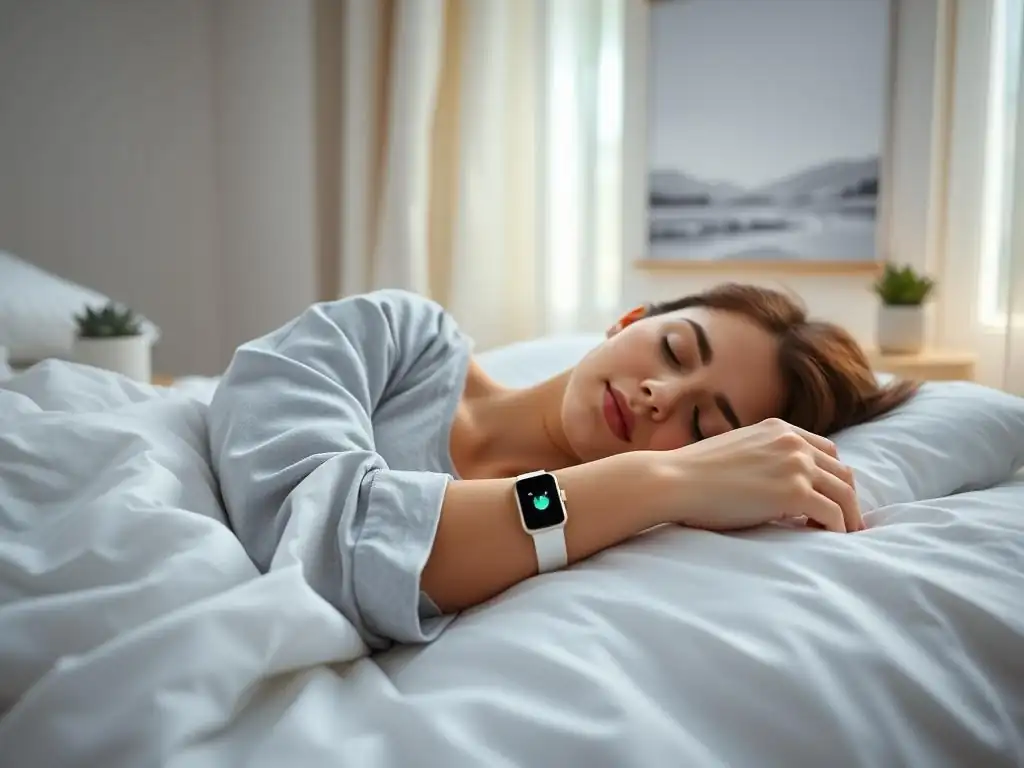
Smart sleep trackers, whether worn on the wrist, placed under the mattress, or integrated into bedside devices, collect data on sleep duration, sleep stages (light, deep, REM), heart rate, and sometimes breathing patterns or movement. This data provides insights into sleep quality and helps identify potential issues or patterns that might be impacting rest.
While not a direct sleep aid, a sleep tracker serves as an informative tool, empowering individuals to understand their sleep habits better. The data can highlight the impact of lifestyle choices (like caffeine intake or late-night meals) on sleep and motivate individuals to make changes to improve their sleep hygiene. This data-driven approach can be a valuable asset for those seeking to optimize their sleep for better mental health.
Features to Look for in a Sleep Tracker: Heart Rate Monitoring, Sleep Stage Analysis, Data Integration
When choosing a sleep tracker, consider the type of data it collects and how it is presented. Heart rate monitoring can provide insight into relaxation levels and sleep quality. Accurate sleep stage analysis (distinguishing between light, deep, and REM sleep) is crucial for understanding the restorative nature of sleep.
Data integration with a user-friendly app is essential for visualizing patterns over time, setting goals, and receiving personalized insights or recommendations. Some trackers also integrate with other health platforms or smart home devices. Consider whether a wearable device (like a ring or watch) is preferred over a non-wearable option (like a mat under the mattress) based on comfort and convenience.
Recommended Sleep Tracker: Withings Sleep Tracking Mat - Non-Wearable Sleep Tracking for Comprehensive Data
The Withings Sleep Tracking Mat is a popular non-wearable option that provides detailed sleep analysis. Placed under the mattress, it tracks sleep cycles, heart rate, breathing disturbances, and movement throughout the night without requiring the user to wear anything.
The accompanying app provides a comprehensive sleep score and detailed breakdowns of sleep stages, duration, and interruptions. It can also detect signs of sleep apnea. This mat offers a passive way to gather rich sleep data, making it a convenient gift for those who want insights into their sleep hygiene without wearing a device to bed, supporting their journey towards improved mental well-being through better rest.
Using Sleep Tracker Data to Improve Sleep Hygiene: Identifying Patterns and Making Adjustments
Sleep tracker data provides objective information that can illuminate the connection between daily habits and sleep quality. For instance, data might show that late-night screen time consistently reduces deep sleep, or that exercising earlier in the day improves sleep onset latency.
By analyzing patterns over time, individuals can identify behaviors that negatively impact their sleep hygiene and make informed adjustments. This might involve setting a consistent bedtime, reducing caffeine intake, creating a relaxing pre-sleep routine, or optimizing the bedroom environment. Using sleep tracker data empowers individuals to take targeted action to improve their sleep, directly benefiting their mental health.
6. Blue Light Blocking Glasses: Protecting Your Eyes from Digital Strain Before Bed
Exposure to blue light emitted by electronic screens (phones, tablets, computers, TVs) in the hours before bedtime can significantly interfere with sleep. This is because blue light is particularly effective at suppressing melatonin production, making it harder to feel sleepy and disrupting the natural sleep-wake cycle.
Wearing blue light blocking glasses in the evening, starting a couple of hours before bed, can filter out this disruptive light. This allows melatonin levels to rise naturally, signaling to the body that it's time to prepare for sleep. They are practical sleep hygiene mental health gifts for anyone who uses screens in the evening and struggles to wind down.
The Effects of Blue Light on Sleep: Disrupting Melatonin Production
Our bodies have evolved to respond to natural light cues. Bright light, especially rich in blue wavelengths, signals wakefulness and alertness. When we are exposed to significant amounts of blue light from artificial sources in the evening, the brain receives conflicting signals.
The presence of blue light tricks the brain into thinking it's daytime, inhibiting the pineal gland from releasing melatonin. This delays the onset of sleepiness and can shift the entire circadian rhythm, making it harder to fall asleep at a consistent time and potentially reducing the amount of restorative sleep achieved. This disruption directly impacts sleep hygiene and can negatively affect mental health.
Recommended Blue Light Blocking Glasses: Swanwick Sleep Swannies - Stylish and Effective Blue Light Blocking
Swanwick Sleep Swannies are a well-known brand in the blue light blocking glasses market, particularly recommended for evening use. They feature lenses specifically designed to block a high percentage of blue light wavelengths that are most disruptive to melatonin production.
These glasses often come in stylish frames, making them more appealing for regular use in the evening. While other brands exist, Swannies are frequently cited for their effectiveness and quality construction, making them a thoughtful and practical choice among sleep hygiene mental health gifts for screen users.
How Blue Light Blocking Glasses Improve Sleep: Minimizing Digital Eye Strain and Promoting Melatonin Release
By filtering out blue light, these glasses minimize its suppressive effect on melatonin. This allows the body's natural sleep signals to function properly, promoting a sense of drowsiness and making it easier to fall asleep when you go to bed.
Additionally, reducing exposure to blue light can also help reduce digital eye strain, which can contribute to discomfort and restlessness in the evening. By addressing both the hormonal disruption and potential eye discomfort caused by screens, blue light blocking glasses support better sleep onset and overall sleep hygiene, contributing to improved mental well-being.
7. Subscription to a Meditation App: Guided Meditations for Sleep and Anxiety Relief
A racing mind or persistent worries are significant barriers to sleep for many people. Meditation and mindfulness techniques can help calm the nervous system, reduce rumination, and teach the mind to relax, making it easier to transition into a sleep state.
A subscription to a meditation app provides access to a library of guided meditations specifically designed for sleep, anxiety reduction, and relaxation. These apps offer structured practices that can be incorporated into a bedtime routine, helping individuals quiet their thoughts and cultivate a sense of peace conducive to falling asleep. Such a gift supports mental wellness by directly addressing common sleep inhibitors like stress and anxiety.
Benefits of Meditation for Sleep: Reducing Stress and Promoting Relaxation
Regular meditation practice has been shown to reduce levels of cortisol, the body's primary stress hormone. High cortisol levels can interfere with sleep. By lowering stress, meditation helps create a more favorable internal environment for sleep.
Meditation also promotes the body's relaxation response, characterized by a slower heart rate, lower blood pressure, and reduced muscle tension. Learning to intentionally relax the body and quiet the mind through guided practice makes it easier to let go of the day's stresses and enter a state ready for sleep. This is a key component of effective sleep hygiene.
Recommended Meditation App: Calm - Guided Meditations and Sleep Stories for Relaxation
Calm is one of the most popular meditation apps available, offering a wide range of content including guided meditations, sleep stories, breathing programs, and relaxing music. It features specific programs focused on improving sleep quality and reducing anxiety.
Users appreciate the variety of voices and session lengths, making it easy to find a practice that fits their needs and available time. The "Sleep Stories," narrated by soothing voices, are particularly popular for helping users drift off. A subscription to an app like Calm is a versatile and ongoing sleep hygiene mental health gift that provides tools for relaxation and mindfulness.
How Meditation Apps Improve Sleep: Training the Mind to Relax and Fall Asleep Easier
Meditation apps provide structured guidance that teaches individuals techniques to manage thoughts and physical sensations that can keep them awake. Practices like body scans, mindful breathing, or loving-kindness meditation can help detach from worries and bring awareness to the present moment, reducing the mental clutter that often prevents sleep.
By consistently practicing these techniques, the mind becomes more adept at entering a relaxed state on demand. This training makes it easier to quiet the internal dialogue and physical restlessness that often accompany bedtime anxiety, facilitating a smoother transition into sleep. Regular use of a meditation app enhances mental resilience and directly supports improved sleep hygiene.
Choosing the Best Sleep Gifts for Mental Health: A Summary
Matching Gifts to Individual Needs and Preferences
Selecting the most impactful sleep hygiene mental health gifts hinges on understanding the unique challenges and preferences of the person you're buying for. There is no one-size-fits-all solution when it comes to sleep. Someone who travels frequently might benefit most from a portable white noise machine or a comfortable sleep mask, while someone struggling with chronic stress might find greater relief from a weighted blanket or a meditation app subscription.
Consider their current sleep habits and what environmental factors or emotional states seem to disrupt their rest. Are they sensitive to noise, light, or temperature? Do they experience anxiety, restlessness, or difficulty winding down? Matching the gift to address these specific points will ensure it is not only appreciated but also genuinely useful in helping them cultivate better sleep hygiene and support their mental well-being.
Investing in Quality Sleep: A Foundation for Mental Wellness
Ultimately, sleep hygiene mental health gifts represent an investment in a fundamental aspect of well-being. Quality sleep is not a luxury; it is a necessity for cognitive function, emotional stability, and overall mental resilience. By providing tools that help someone achieve more restful and consistent sleep, you are contributing directly to their ability to manage stress, regulate their mood, and face daily challenges with greater capacity.
Encouraging and supporting healthy sleep habits through thoughtful gifts reinforces the message that prioritizing rest is a valid and important part of self-care. These items serve as tangible reminders to create a relaxing bedtime routine and optimize the sleep environment, fostering long-term improvements in sleep hygiene that can have profound positive effects on mental health.
Where to Buy Sleep Hygiene Mental Health Gifts: Recommended Retailers and Online Stores.
Sleep hygiene mental health gifts are widely available through various retail channels. Many items, such as weighted blankets, sleep masks, and white noise machines, can be found at major online retailers that offer a broad selection and convenient delivery options.
Specialized stores focusing on bedding, wellness products, or home goods also often carry a range of sleep aids. For subscription-based gifts like meditation apps, purchases are typically made directly through the app provider's website or via app stores. When purchasing, look for reputable sellers and check product reviews to ensure quality and effectiveness, selecting items that will genuinely contribute to improved sleep hygiene for mental health.
Frequently Asked Questions
What are Sleep Hygiene Mental Health Gifts and how do they relate to mental well-being?
These are gifts specifically designed to improve sleep quality and promote better sleep hygiene. Improved sleep is directly linked to better mental health, reducing stress and improving mood.
Why would I consider giving Sleep Hygiene Mental Health Gifts instead of traditional presents?
Traditional gifts may offer temporary enjoyment, but Sleep Hygiene Mental Health Gifts provide long-term benefits for both sleep and mental health. They focus on self-care and well-being.
Can Sleep Hygiene Mental Health Gifts actually make a difference in someone's mental health?
Yes, when chosen thoughtfully, these gifts can significantly impact someone's mental health. They can create a relaxing bedtime routine, reduce anxiety, and promote restorative sleep.
What are some examples of effective Sleep Hygiene Mental Health Gifts?
Examples include a weighted blanket for anxiety relief, a sound machine to mask distracting noises, or a silk sleep mask to block out light. These all contribute to improved sleep environment.
Where can I find quality Sleep Hygiene Mental Health Gifts that are actually helpful?
Look for retailers specializing in wellness products or those offering items specifically designed to improve sleep quality. Check Mind Care Guide for recommended products and resources.
Final Reflection: The Untapped Power of Sleep in Mental Wellness
Prioritizing sleep isn't just about catching Z's; it's a fundamental investment in our mental fitness, a cornerstone of overall well-being often overlooked in our fast-paced world. The research presented throughout this article underscores the undeniable link between quality sleep and mental health, highlighting how seemingly small changes in sleep hygiene can yield significant improvements in mood, focus, and emotional resilience. This is not merely a trend; it's a vital aspect of self-care that deserves our immediate and sustained attention.
The impact of sleep deprivation on our collective mental health is profound and far-reaching. We live in a culture that often glorifies "hustle" and prioritizes productivity above all else, frequently sacrificing sleep in the process. This relentless pursuit of achievement, however, comes at a steep cost. Sleep is the golden chain that ties health and our bodies together.
– Thomas Dekker. This quote speaks to the interconnectedness of sleep and our overall well-being, a connection that is too often underestimated. The ongoing societal normalization of sleeplessness needs to be challenged, replaced with a culture that values rest and recognizes its crucial role in mental fortitude.
Consider the gifts discussed in this article – not just material objects, but tools for cultivating healthier sleep habits. You are now equipped with the knowledge to make informed choices about your sleep, to prioritize your mental wellness, and to actively cultivate a healthier relationship with rest. Take a moment to reflect on your own sleep habits.
What small changes can you implement today to improve your sleep hygiene? What gift – whether a weighted blanket, a calming essential oil, or simply a commitment to a consistent sleep schedule – will you give yourself to invest in your mental fitness? The journey to better mental health begins with a good night's sleep.
Unlock Your Best Sleep Yet!
Thanks for taking the time to explore the world of sleep and its impact on mental well-being! We hope you found valuable insights into how prioritizing sleep can improve your overall mental fitness. Now it's time to put that knowledge into action.
Here's how you can start improving your sleep tonight:
- Prioritize your sleep schedule: Create a relaxing bedtime routine and stick to consistent sleep and wake times, even on weekends, to regulate your body's natural sleep-wake cycle. This is your key to better rest.
- Designate your bedroom for sleep: Try turning your bedroom into a sleep sanctuary, free from distractions like screens and work. Consider incorporating calming scents or sounds to enhance your relaxation.
- Share your sleep journey: Let's build a supportive community! Share your experiences and tips for improving sleep in the comments below. What works best for you?
What small step will you take tonight to invest in your mental fitness through better sleep?