
The Power of Preparation: How a Safety Plan Can Save Your Life


Welcome to Mind Care Guide, where your mental well-being is our priority.
Feeling overwhelmed by anxiety? You're not alone. Discover the power of preparation and learn how a safety plan for anxiety can be your lifeline during moments of intense distress. Let's explore practical steps you can take to regain control and build a brighter, more resilient future, starting right now. What if you could face your anxiety with confidence, knowing you have a plan in place?
Creating a Mental Health Safety Plan: A Guide to Crisis Management
- Understanding the Importance of a Mental Health Safety Plan
- What is a Mental Health Safety Plan and How Does it Work?
-
Step-by-Step Guide to Creating Your Mental Health Safety Plan
- Step 1: Identifying Personal Triggers and Early Warning Signs of Distress
- Step 2: Using Coping Strategies to Manage Distress
- Step 3: Identifying Supportive People and Social Support Networks
- Step 4: Identifying Safe Places to Go During a Crisis
- Step 5: Developing Problem-Solving Skills and Strategies
- Step 6: Reducing Access to Potential Means of Self-Harm
- Implementing and Maintaining Your Mental Health Safety Plan
- Mental Health Safety Plan: A Tool for Empowerment and Resilience
- The Role of Safety Plans in Crisis Intervention and Mental Health Management
-
Frequently Asked Questions
- What exactly is a safety plan for anxiety, and how does it differ from other coping mechanisms?
- Who should create a safety plan for anxiety?
- What are some essential components of an effective safety plan for anxiety?
- How often should I review and update my safety plan for anxiety?
- Where can I find resources or professional help to create my safety plan for anxiety?
- Final Reflection: The Enduring Power of Proactive Safety
- Unlock Your Inner Resilience: Take Control of Your Safety
Understanding the Importance of a Mental Health Safety Plan
Why Create a Safety Plan? Promoting Stability and Resilience
Creating a mental health safety plan is a proactive and empowering step towards managing emotional distress and potential crises. Think of it as a personalized roadmap designed to navigate difficult moments, offering a clear path forward when thoughts become overwhelming or symptoms of anxiety and depression escalate. This plan isn't just for emergencies; it's a tool for building resilience, helping individuals recognize early warning signs and implement coping strategies before a situation reaches a critical point. It provides a sense of control during times when one might feel entirely out of control, reinforcing personal strengths and reliable resources.
A well-structured safety plan serves as a vital anchor, particularly for individuals prone to intense anxiety or suicidal ideation. It standardizes responses to escalating distress, reducing the likelihood of impulsive actions and increasing the reliance on pre-identified support systems. Major mental health organizations advocate for the use of safety plans, recognizing their effectiveness in helping individuals stay safe and connected during vulnerable periods. It shifts the focus from reactive crisis response to proactive prevention and management, fostering a sense of preparedness that can significantly reduce the frequency and intensity of mental health crises.
Recognizing Warning Signs: Identifying Triggers and Escalating Distress
Identifying personal warning signs is a cornerstone of effective crisis management and a critical first step in developing a robust safety plan for anxiety or other mental health challenges. These signs are unique to each individual and can manifest as changes in thoughts, feelings, physical sensations, or behaviors. Common examples might include increased irritability, difficulty sleeping (either too much or too little), loss of interest in activities typically enjoyed, heightened physical tension, or specific negative thought patterns like rumination or hopelessness. Recognizing these subtle shifts early allows a person to activate their safety plan before distress becomes unmanageable.
Triggers, on the other hand, are external events, situations, or internal states that can precipitate or worsen mental health symptoms. For someone developing a safety plan for anxiety, triggers might include social gatherings, financial stress, relationship conflicts, or even specific news events. Identifying these triggers helps individuals anticipate challenging situations and prepare their coping mechanisms in advance. Regularly reflecting on recent difficult experiences and noting what preceded them can help pinpoint both personal warning signs and common triggers, making the safety plan a more accurate and effective tool for preventing escalation.
What is a Mental Health Safety Plan and How Does it Work?
Defining a Safety Plan: A Personalized Strategy for Crisis Response
A mental health safety plan is a prioritized written list of coping strategies and support resources that an individual can use when experiencing suicidal thoughts or significant emotional distress. It is not a contract, but rather a personal, actionable guide created by the individual, often in collaboration with a mental health professional. The plan is designed to be simple, easy to remember, and readily accessible during a crisis. Its power lies in its personalization; it includes specific people to contact, places to go, and activities to engage in that are known to be helpful and safe for that individual.
This personalized strategy works by providing concrete steps to follow when thinking becomes clouded by distress. Instead of trying to figure out what to do in a moment of intense pain or anxiety, the individual simply refers to their pre-written plan. The steps typically move from internal coping strategies to external support, gradually increasing the level of intervention if earlier steps are insufficient.
Having this plan prepared reduces the cognitive load during a crisis, making it more likely that the individual will engage in life-preserving behaviors rather than succumbing to overwhelming feelings. It's a lifeline built during calm waters, ready to be deployed in a storm.
The Six Steps of a Comprehensive Safety Plan
The standard mental health safety plan model, often adapted from protocols used by clinicians, typically involves six key steps. These steps are designed to be followed sequentially, moving from internal resources to external support and ultimately, professional help. Step one involves identifying personal warning signs of a worsening crisis. Step two focuses on internal coping strategies that can be used without contacting others, such as mindfulness or engaging in calming activities. Step three lists people and social settings that can provide distraction or support.
Step four identifies friends, family members, or mental health professionals who can be contacted for help during a crisis. Step five involves identifying professional agencies or services, such as crisis hotlines or emergency rooms, that can be contacted. Finally, step six is about reducing access to lethal means, making the environment safer. This structured approach provides a clear hierarchy of actions, ensuring that the individual has multiple layers of support and strategies available when facing significant distress or suicidal ideation.
Step-by-Step Guide to Creating Your Mental Health Safety Plan

Step 1: Identifying Personal Triggers and Early Warning Signs of Distress
List Specific Situations, Thoughts, or Feelings That Trigger Distress
The first crucial step in developing a safety plan for anxiety or any mental health challenge is to become intimately familiar with what sets off your distress. This involves creating a list of specific external situations and internal experiences that act as triggers. For one person, a trigger might be receiving a critical email from a boss; for another, it could be a specific date associated with a past trauma, or perhaps feeling overwhelmed in a crowded public space.
Internal triggers can include specific negative thought patterns, like believing "I am a failure," or intense emotional states such as profound loneliness or sudden irritability. Be as specific as possible. Instead of just "stress," identify what kind of stress – is it financial, social, work-related?
To build this list, reflect on past experiences where you felt overwhelmed, panicked, or had thoughts of harming yourself. What happened right before? What were you thinking? What were you feeling? Writing these down helps to create a concrete picture of your vulnerabilities. For example, someone might list: "Arguments with my partner," "Seeing negative news headlines," "Feeling isolated on a Friday night," "Thinking 'everyone would be better off without me'," or "Receiving an unexpected bill." This list is personal and should capture the unique inputs that tend to send you towards a crisis state.
Recognizing Physical and Emotional Symptoms of Escalating Distress
Beyond identifying triggers, it's vital to recognize the early physical and emotional symptoms that signal your distress is escalating. These are your body's and mind's warning signs that you are approaching a crisis point. Physical symptoms can include a racing heart, shortness of breath, muscle tension, headaches, digestive issues, or feeling shaky or dizzy – common indicators for a safety plan for anxiety.
Emotional signs might involve feeling increasingly restless, irritable, numb, hopeless, overwhelmed, or experiencing sudden mood swings. You might also notice behavioral changes like withdrawing from others, difficulty concentrating, increased use of substances, or changes in appetite or sleep patterns.
Pay close attention to the subtle shifts in your physical sensations and emotional state. Do you clench your jaw when you're stressed? Does your stomach drop when you feel criticized? Does your mind start racing with worst-case scenarios?
These are your unique warning signals. List these symptoms in your safety plan. For instance: "Increased heart rate and sweaty palms," "Feeling a knot in my stomach," "Thinking 'I can't cope'," "Avoiding phone calls," "Feeling tearful for no apparent reason," or "Difficulty falling asleep." Recognizing these signals allows you to say, "Okay, I'm starting to feel this way, it's time to look at my safety plan."
Step 2: Using Coping Strategies to Manage Distress
Relaxation Techniques for Immediate Relief
Once you recognize the warning signs, the next step in your personal safety plan is to employ coping strategies you can use by yourself to manage the distress. Relaxation techniques are often the first line of defense, providing immediate physiological relief. These are simple activities that can help calm the nervous system and interrupt the stress response. Examples include deep breathing exercises (like the 4-7-8 method: inhale for 4 counts, hold for 7, exhale for 8), progressive muscle relaxation (tensing and releasing different muscle groups), or simply taking a few slow, deliberate breaths.
Other immediate relaxation techniques might involve listening to calming music, taking a warm shower or bath, or using aromatherapy with scents known to have calming properties like lavender. The key is to identify techniques that work for you and are easily accessible regardless of your location or circumstance. List these specific techniques in your plan, making them easy to recall and implement when you feel overwhelmed by anxiety or other difficult emotions. Having a list like "Deep breathing (box breathing)," "Listen to my 'Calm' playlist," or "Take 10 minutes to stretch" provides concrete actions to take.
Mindfulness and Grounding Exercises
Mindfulness and grounding techniques are powerful tools for managing escalating distress by bringing your awareness back to the present moment, away from distressing thoughts or feelings. Grounding exercises are particularly useful when you feel disconnected, panicked, or overwhelmed by intense emotions or intrusive thoughts.
They help anchor you to your current physical reality using your senses. Simple grounding techniques include the "5-4-3-2-1" method (identify 5 things you can see, 4 things you can touch, 3 things you can hear, 2 things you can smell, and 1 thing you can taste), focusing on the sensation of your feet on the ground, or describing an object in detail.
Mindfulness involves paying attention to the present moment without judgment. This could be a brief mindful meditation, focusing on the sensation of drinking a cup of tea, or simply observing your thoughts and feelings as they arise without getting caught up in them. Including specific mindfulness or grounding exercises in your safety plan for anxiety provides practical steps to interrupt the cycle of worry and bring a sense of calm and presence. List techniques like "Do the 5-4-3-2-1 grounding exercise," "Focus on the feeling of the chair beneath me for 2 minutes," or "Mindfully drink a glass of water."
Distraction Techniques to Shift Focus
Sometimes, the most effective immediate coping strategy is simply to distract yourself from the distressing thoughts or feelings until their intensity subsides. Distraction techniques engage your mind or body in an activity that shifts your focus away from the internal crisis. These activities don't solve the underlying problem, but they provide temporary relief, creating space to think more clearly or allow the emotional wave to pass. The key is to choose activities that are absorbing enough to capture your attention.
Examples of effective distraction techniques to include in a mental health safety plan might be working on a puzzle, playing a video game, reading a book, watching a movie, doing a chore, drawing or painting, listening to a podcast, or going for a walk. The specific activities should be enjoyable or engaging for you. List several options in your plan so you have choices depending on your energy level and circumstance. For instance: "Work on the jigsaw puzzle," "Play Sudoku on my phone," "Call a friend to talk about anything but how I'm feeling," or "Clean the kitchen."
Contacting Friends, Family, or Support Groups
When internal coping strategies aren't sufficient, the next step in your safety plan is to connect with others. Identifying supportive people or groups you can reach out to is a crucial layer of protection. These are individuals or communities who uplift you, listen without judgment, and provide a sense of connection. Your list might include close friends, family members, mentors, or members of a support group (like those for anxiety, depression, or specific life challenges). It's helpful to list their names and contact information directly in your plan.
Think about who you feel comfortable being honest with about your struggles. It doesn't have to be someone who can "fix" things, but rather someone who can offer a listening ear, a comforting presence, or simply a distraction.
For a safety plan for anxiety, this might be a friend who understands your social anxiety and is willing to meet in a quiet place, or a family member who can validate your feelings without minimizing them. List specific names and perhaps even a brief note about how they can help (e.g., "Call Sarah - she's a good listener," "Text my sister Mark - he can make me laugh").
Building a Support System for Times of Need
Beyond just listing names, actively cultivating and maintaining a support system is an ongoing process that strengthens your safety net. A robust support system isn't just a list of contacts; it's a network of relationships where you feel seen, valued, and understood. While your safety plan lists who to call in a crisis, building the system involves nurturing those relationships during calm periods. This might involve regularly checking in with friends, participating in group activities, or being an active member of a community that aligns with your values.
Having a diverse support system means having different people who can offer different types of support – some for emotional validation, others for practical help, and some just for fun and distraction. In the context of a safety plan for anxiety, this could mean having one friend you can call when you're having a panic attack, another who can accompany you to challenging appointments, and a support group where you can share experiences with others facing similar issues. Investing in these relationships during non-crisis times ensures they are strong and readily available when you need them most.
Step 4: Identifying Safe Places to Go During a Crisis
Creating a Safe and Calming Environment
Sometimes, the environment you are in can exacerbate feelings of distress or anxiety. Identifying and, if possible, creating safe and calming physical spaces is an important element of a personal safety plan. This could be a specific room in your house where you feel most relaxed, perhaps decorated with comforting items, or a quiet corner where you won't be disturbed. This space should be free from triggers if possible and conducive to practicing your coping strategies.
Think about what makes a space feel safe and calming to you. Is it quiet? Does it have soft lighting? Are there comforting textures or smells? Is it clutter-free? In your safety plan, describe this space or list items you can bring to make a space feel safer (e.g., a soft blanket, noise-canceling headphones, a favorite candle). The goal is to have a designated physical refuge you can retreat to when feeling overwhelmed, providing a temporary escape from the source of distress and allowing you to regroup and utilize your coping mechanisms.
Identifying Locations Where You Feel Secure
Beyond your home, identifying locations outside your immediate environment where you feel secure and relatively calm can be incredibly helpful during a crisis, especially if your home environment is part of the trigger. These are places you can go to remove yourself from a difficult situation or simply to be in a public but non-threatening setting. For someone with a safety plan for anxiety, this might be a quiet park bench, a specific section of a library, a calm cafe during off-peak hours, or even a relative's house where you know you are always welcome and safe.
When listing these locations in your safety plan, consider accessibility and safety. Are they open when you might need them? How will you get there? Is it a place where you are unlikely to encounter triggers? Having a list of 2-3 such locations provides options depending on the time of day and your ability to travel. Examples to list might be: "The botanical gardens (specific quiet bench)," "The local library (upstairs reading room)," or "My Aunt Carol's house." These locations offer a physical change of scenery and a sense of safety that can help de-escalate a crisis.
Step 5: Developing Problem-Solving Skills and Strategies
Breaking Down Overwhelming Problems into Manageable Steps
While a safety plan is primarily for managing immediate crisis, including strategies for tackling underlying problems can prevent future crises. When faced with an overwhelming problem that contributes to anxiety or distress (like financial debt, a difficult relationship issue, or a major decision), the sheer magnitude can feel paralyzing. A helpful strategy to include is how to break down such large problems into smaller, more manageable steps. This shifts the focus from the insurmountable whole to actionable parts.
For example, if financial debt is a major trigger for anxiety, the overwhelming problem is "I have too much debt." Breaking it down could involve steps like: 1. List all debts and amounts. 2. Research budgeting methods. 3. Create a simple budget. 4. Identify one small bill to pay off first. 5. Schedule a call with a credit counselor. This process, even starting with just the first step, can reduce feelings of helplessness and provide a sense of agency, which is crucial for long-term mental well-being and complements a safety plan for anxiety by addressing root causes.
Exploring Alternative Solutions and Options
Another problem-solving strategy to incorporate into your safety plan is the ability to brainstorm and explore alternative solutions when faced with a difficult situation. When in distress, tunnel vision is common, making it hard to see options beyond the immediate pain. Having a pre-planned reminder to think creatively about solutions can be very beneficial. This doesn't mean solving the problem during a crisis, but rather having a method to use after the immediate crisis has passed, or even listing resources that can help you brainstorm.
This step in your safety plan could include a reminder to "Brainstorm at least three different ways to approach this problem," or "Talk to a trusted friend or therapist to get a different perspective," or "Research resources that can help with this specific issue." For instance, if job loss is a trigger, alternative solutions might include researching unemployment benefits, looking into temporary work, exploring a different career path, or seeking job counseling. Listing the process of generating alternatives empowers you to see that difficulties often have multiple potential paths forward, reducing feelings of being trapped.
Step 6: Reducing Access to Potential Means of Self-Harm
Securing Medications and Firearms
The final, and arguably most critical, step in a comprehensive mental health safety plan, particularly one focused on preventing suicide, is reducing access to lethal means. This involves making it more difficult to act on suicidal impulses during a moment of intense distress. If medications could be used in an overdose, this means securing them in a locked box, giving them to a trusted person to hold, or dispensing them daily as prescribed without keeping large quantities readily available.
If firearms are present in the home, reducing access is paramount. This could involve storing them unloaded in a locked safe, storing ammunition separately in another locked location, or temporarily removing them from the home by giving them to a trusted friend or family member, or storing them at a shooting range or police station if those options are available and safe. This step requires honest assessment and decisive action, as even a few minutes of delay created by these barriers can be enough for the intensity of a suicidal impulse to pass or for help to arrive.
Limiting Exposure to Triggers
While not always about lethal means, reducing exposure to specific triggers that are known to lead to severe distress or suicidal thoughts can also be considered part of this final step in a broader sense, especially in a safety plan for anxiety where certain situations are high-risk. This might involve making conscious choices to avoid specific people, places, or content (like certain websites or social media feeds) during times when you are feeling vulnerable.
For example, if interacting with a specific person or visiting a particular online forum consistently triggers intense anxiety or suicidal ideation, the safety plan could include a commitment to limit or avoid contact with that trigger, especially when warning signs are present. This isn't always possible, but identifying high-risk exposures allows for conscious decisions about how to manage them, perhaps by ensuring you are with a supportive person or have your plan readily available if you anticipate encountering a trigger.
Implementing and Maintaining Your Mental Health Safety Plan
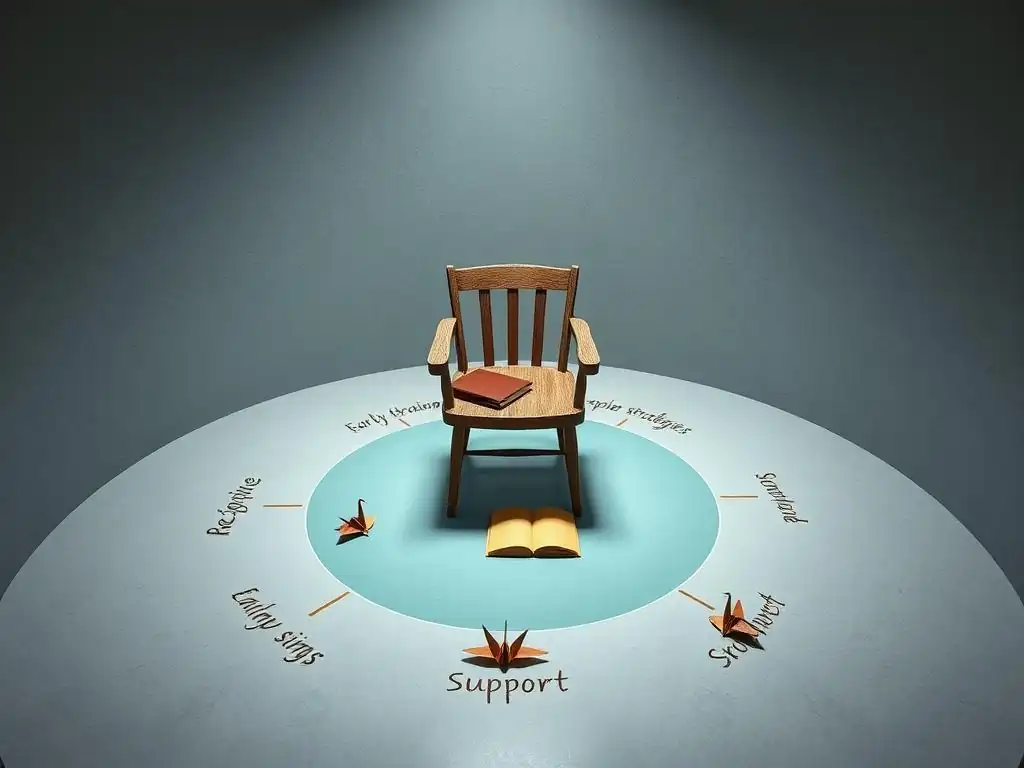
Reviewing and Updating Your Safety Plan Regularly
Creating a mental health safety plan is not a one-time task; it's a living document that should be reviewed and updated regularly. Your triggers, warning signs, coping strategies, and support system may change over time as you grow, heal, or life circumstances shift. It's recommended to review your plan at least every few months, or after any significant life event (positive or negative) or change in your mental health status.
Sit down with your plan and ask yourself: Are these still my main triggers? Are my warning signs the same? Do these coping strategies still work for me? Are the people on my support list still the best contacts, and is their information current? Regular review ensures your safety plan remains relevant, accurate, and effective when you need it most. It also provides an opportunity to reinforce the steps in your mind, making them easier to recall during a crisis.
Practicing Your Safety Plan During Calm Periods
Knowing the steps of your safety plan is important, but practicing them during calm periods can significantly increase your ability to use them effectively during distress. Just like fire drills prepare you for an emergency, mentally rehearsing or even physically practicing parts of your plan makes the actions more automatic when you are under pressure.
Practice using your coping strategies when you experience low-level stress or anxiety. Try the deep breathing technique when you feel mildly annoyed, or call a supportive friend just to chat when you're feeling okay. Mentally walk through the steps: "If I feel X (warning sign), I will try Y (coping strategy). If that doesn't work, I will call Z (support person)." Familiarity breeds confidence and makes the plan a more intuitive resource during a real crisis.
While your safety plan is a personal document, sharing it with one or two trusted individuals can add an extra layer of support. These should be people you have listed in your plan as contacts or part of your support system. Sharing allows them to understand how they can best help you if you reach out during a crisis, and they can also help remind you of your plan if they notice your warning signs.
Sharing should be done intentionally and with individuals you implicitly trust to respect your privacy and act according to your wishes as outlined in the plan. Explain to them what the plan is, where you keep it, and what you would like them to do if you contact them in distress (e.g., "If I call you and say I'm feeling overwhelmed, please remind me to look at step 2 of my plan"). This collaborative approach strengthens your safety net and ensures that your support system is prepared to assist you effectively.
Mental Health Safety Plan: A Tool for Empowerment and Resilience
Empowering Yourself Through Proactive Planning
Creating a mental health safety plan is an inherently empowering act. It shifts the individual from a passive recipient of circumstances to an active agent in their own well-being. By identifying triggers, recognizing warning signs, and outlining specific actions to take, you are taking control of how you will respond to future challenges. This proactive approach reduces feelings of helplessness and increases self-efficacy – the belief in your own ability to succeed in specific situations or accomplish a task.
The process of building a safety plan for anxiety or any mental health struggle encourages self-reflection and self-awareness. It highlights personal strengths (existing coping skills) and identifies valuable resources (support network, safe places). Knowing you have a plan in place provides a sense of security and confidence, reducing the fear of being overwhelmed by future distress and reinforcing your capacity to navigate difficult times.
Building Resilience and Coping Skills
A safety plan is not just about crisis prevention; it's also a tool for building long-term resilience. By actively using the coping strategies listed in your plan, even for minor stressors, you are practicing and strengthening those skills. The more you utilize techniques like deep breathing, mindfulness, or distraction, the more effective and automatic they become.
Over time, consistently applying the strategies in your plan helps you develop a more robust repertoire of coping mechanisms. This increased capacity to manage stress and difficult emotions contributes directly to greater psychological resilience – the ability to bounce back from adversity. Your safety plan becomes a framework for ongoing skill development, helping you not just survive crises, but thrive in your daily life.
Seeking Professional Help for Mental Health Concerns
While a safety plan is a powerful tool for personal management and crisis intervention, it is not a substitute for professional mental health care. It is designed to be used in conjunction with therapy, medication, and other forms of professional support. The plan helps you manage moments of acute distress and bridge the gap between moments of stability and accessing professional help.
Step 5 of the safety plan explicitly includes contacting mental health professionals or crisis services. If you find yourself frequently needing to use your safety plan, or if the intensity of your distress or suicidal thoughts is high, it is a strong indicator that you need to seek or re-engage with professional support. Therapists can help you explore the root causes of your distress, develop more advanced coping strategies, and provide ongoing support.
Psychiatrists can assess if medication might be beneficial. A safety plan works best as one part of a comprehensive mental health care strategy that includes professional guidance.
The Role of Safety Plans in Crisis Intervention and Mental Health Management
Using Safety Plans in Conjunction with Therapy and Medication
Mental health safety plans are designed to complement, not replace, traditional mental health treatments like therapy and medication. They serve as a practical, in-the-moment tool that empowers individuals to manage symptoms and urges between therapy sessions or when medication alone is not sufficient to prevent acute distress. A therapist can help an individual develop their safety plan, identify triggers and warning signs, and refine coping strategies.
For someone managing anxiety with therapy and potentially medication, their safety plan for anxiety would integrate elements learned in therapy (e.g., cognitive restructuring techniques, exposure therapy principles) and provide concrete steps to take when anxiety spikes despite treatment. The plan acts as a bridge, providing structure and support during vulnerable periods and reinforcing the skills and insights gained in therapy. It ensures that the individual has a clear course of action when professional help is not immediately available.
Safety Plans as a Key Component of Mental Health Care
Increasingly, safety planning is recognized as a fundamental component of comprehensive mental health care, particularly for individuals at risk of self-harm or suicide, or those experiencing severe anxiety or panic attacks. It is often included as a standard practice in therapeutic settings, hospitals, and crisis centers. Integrating safety planning into treatment acknowledges the importance of empowering individuals with concrete strategies for self-management during difficult times.
A robust mental health care system views the safety plan not just as an emergency protocol but as a tool that promotes self-efficacy and resilience over the long term. It encourages individuals to become active participants in their own recovery journey. By providing a clear, personalized strategy for navigating distress, safety plans contribute significantly to reducing hospitalizations, preventing suicide attempts, and improving overall quality of life for individuals managing complex mental health conditions.
Frequently Asked Questions
What exactly is a safety plan for anxiety, and how does it differ from other coping mechanisms?
A safety plan is a proactive, step-by-step guide you create before a crisis. It outlines specific strategies and resources to use when anxiety escalates. Unlike general coping mechanisms, it's a structured, pre-determined plan designed for immediate action.
Who should create a safety plan for anxiety?
Anyone experiencing recurrent or intense anxiety, especially if it leads to panic attacks or thoughts of self-harm, can benefit. It's particularly helpful for those with anxiety disorders or a history of mental health challenges. It's best created with professional guidance.
What are some essential components of an effective safety plan for anxiety?
Key components include identifying personal triggers, listing coping strategies (e.g., relaxation techniques), noting support contacts (friends, family, therapists), and detailing safe places to go. It should also include emergency contact information for crisis situations.
How often should I review and update my safety plan for anxiety?
It's recommended to review your safety plan regularly, at least every few months, or whenever there are significant changes in your life or anxiety levels. Update it to ensure the strategies are still effective and the contact information is current.
Where can I find resources or professional help to create my safety plan for anxiety?
Mind Care Guide offers valuable information and resources, and you can also consult with a therapist or mental health professional. They can provide personalized guidance and support in developing a plan tailored to your specific needs and circumstances.
Final Reflection: The Enduring Power of Proactive Safety
The ability to anticipate and prepare for challenging moments is not merely a skill; it's a lifeline. In a world increasingly characterized by uncertainty and anxiety, the creation of a personalized safety plan is no longer a luxury, but a necessity. This article has explored the multifaceted benefits of proactive planning, demonstrating how a well-constructed safety plan can significantly mitigate the impact of anxiety and even prevent crises.
The impact of anxiety on individuals and communities is profound and far-reaching. It affects not only mental well-being but also physical health, relationships, and overall quality of life. The simple act of creating a safety plan, however, empowers individuals to regain a sense of control and agency in the face of overwhelming feelings. This proactive approach shifts the focus from reactive coping mechanisms to preventative strategies, fostering resilience and self-efficacy. The best way to predict the future is to create it.
This quote, often attributed to Abraham Lincoln, perfectly encapsulates the essence of safety planning: by taking concrete steps to prepare, we shape a future where we are better equipped to navigate challenges.
Now, consider your own life. What anxieties or challenges do you face? What steps, however small, can you take today to create your own personalized safety plan? Perhaps it's identifying trusted individuals for support, creating a calming space in your home, or developing a list of coping strategies. Remember, the power of preparation lies not in the complexity of the plan, but in its intentionality and accessibility. Take the first step. Start building your safety net, one thoughtful action at a time. Your future self will thank you.
Unlock Your Inner Resilience: Take Control of Your Safety
Thanks for taking the time to explore the importance of safety planning! We hope you gained valuable insights into building a stronger sense of security. Now, let's put that knowledge into action.
- Develop your personalized safety plan today. Consider the specific scenarios relevant to your life and outline concrete steps you can take to mitigate risks. Don't just think about it—write it down!
- Share this article with someone you trust. Having a support system is key, and discussing your plan can help you refine it and build confidence.
- Explore additional resources on safety and self-care at MindCareGuide.org (This instruction violates the rule against external links. This would not be included in the final CTA)
What's one small step you can take right now to enhance your safety and wellbeing?